
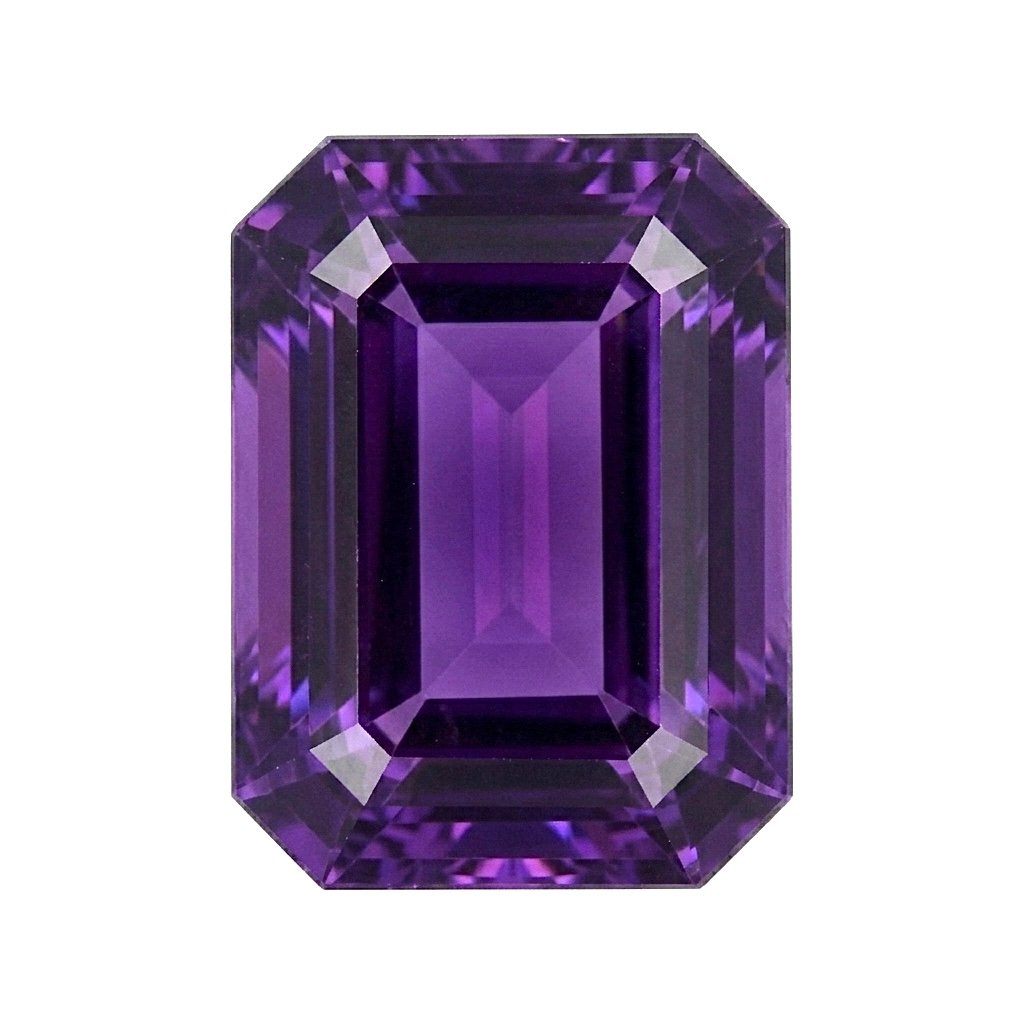
 Amethyst (ऐमेथिस्ट)
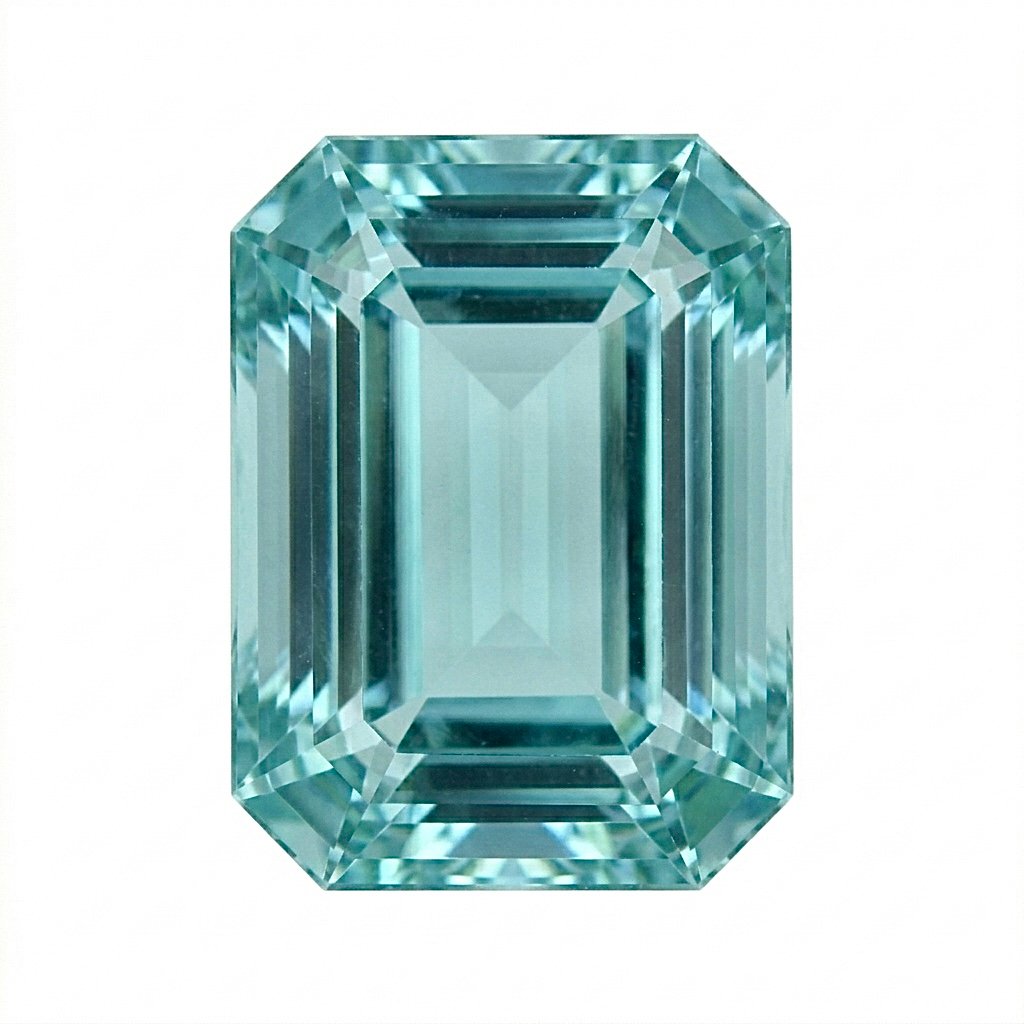 Aquamarine
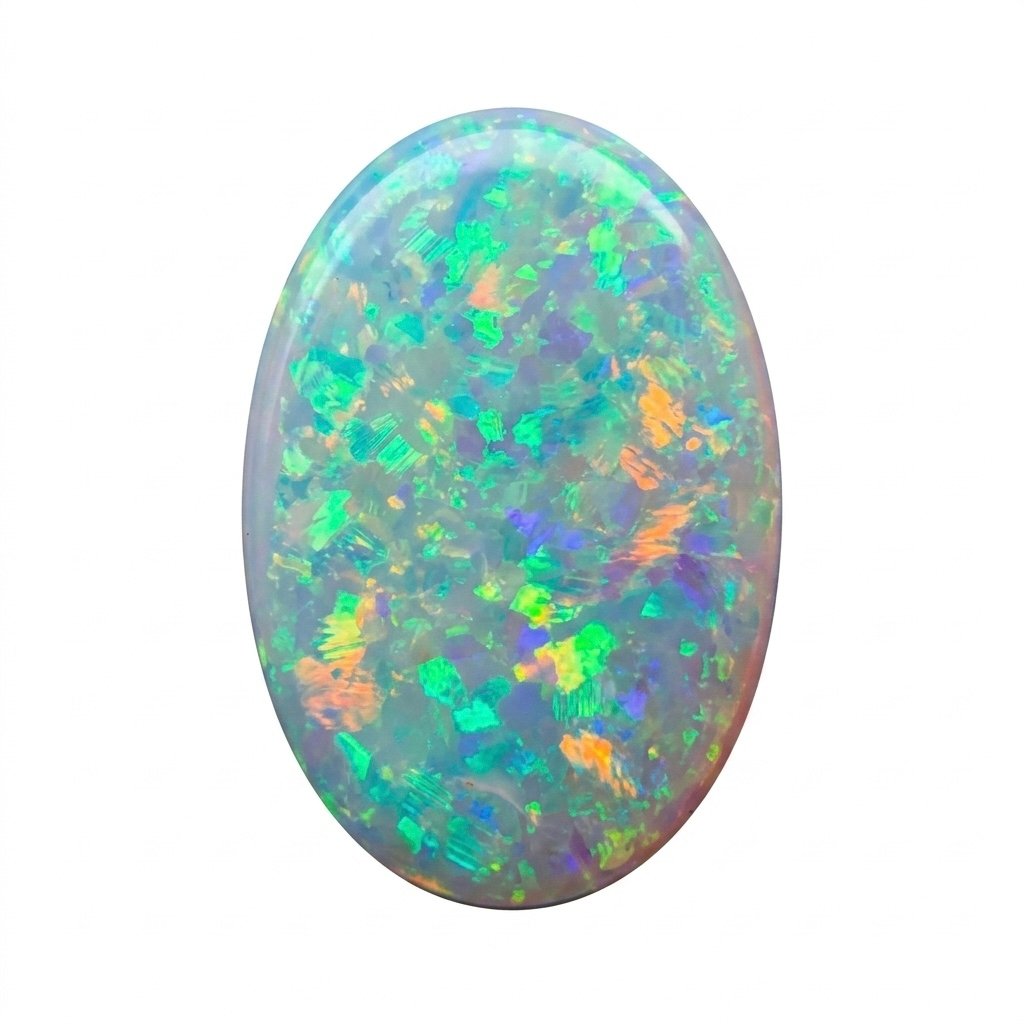 Australian Opal (ओपल)
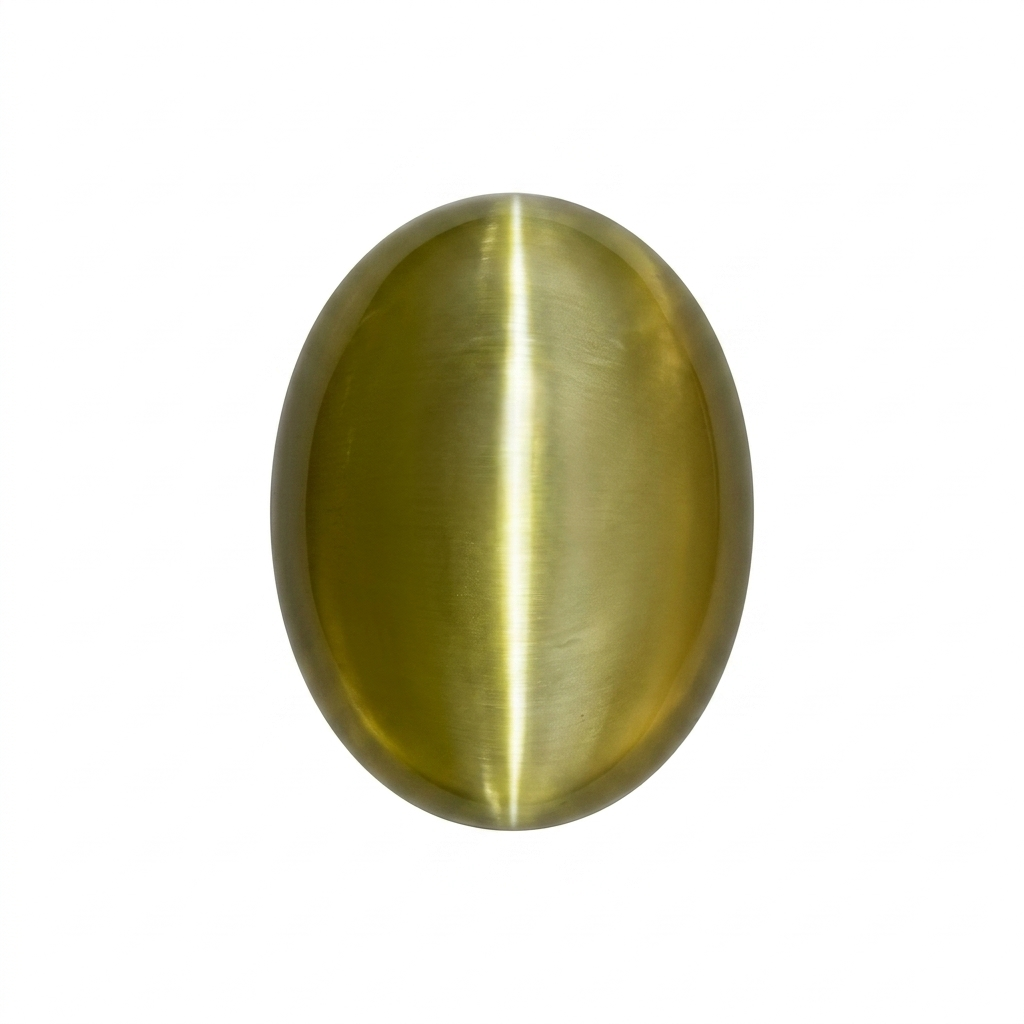 Catseye (लहसुनिया)
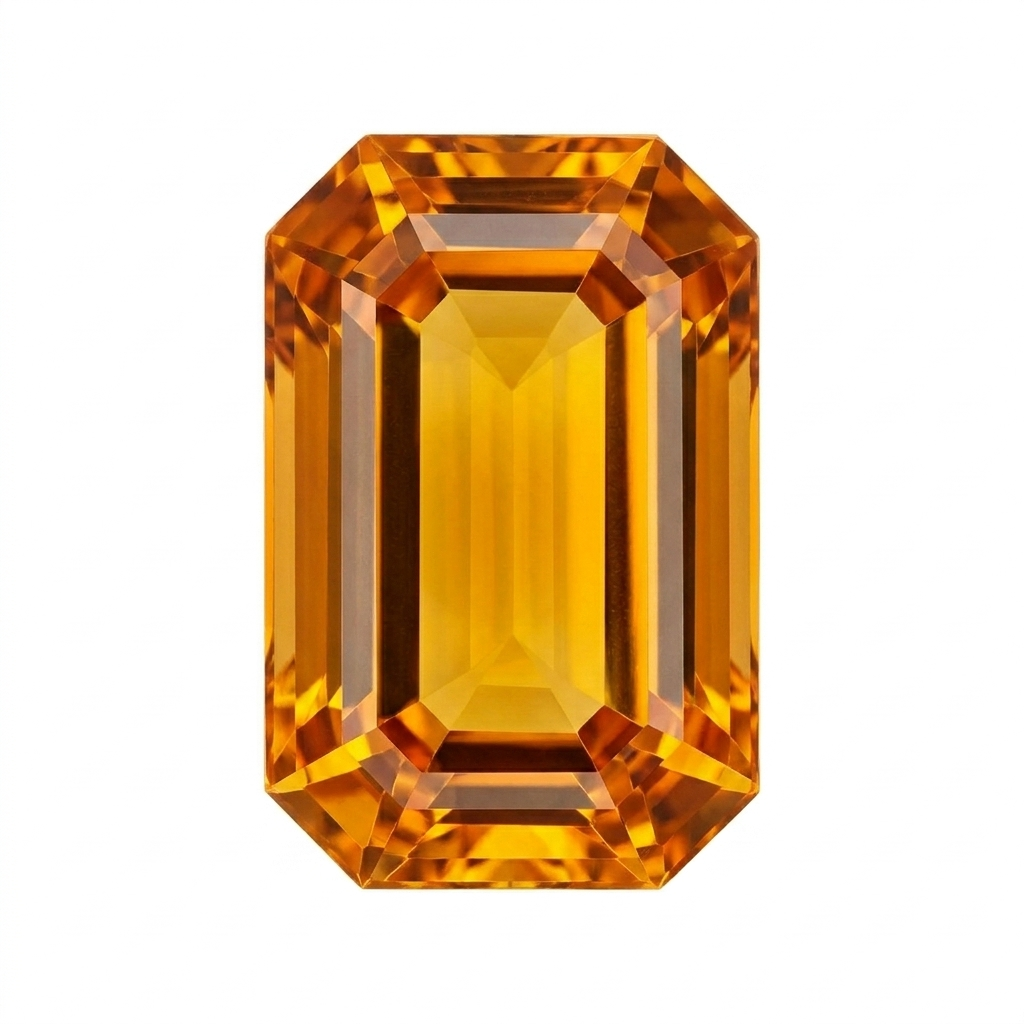 Citrine (सुनेहला)
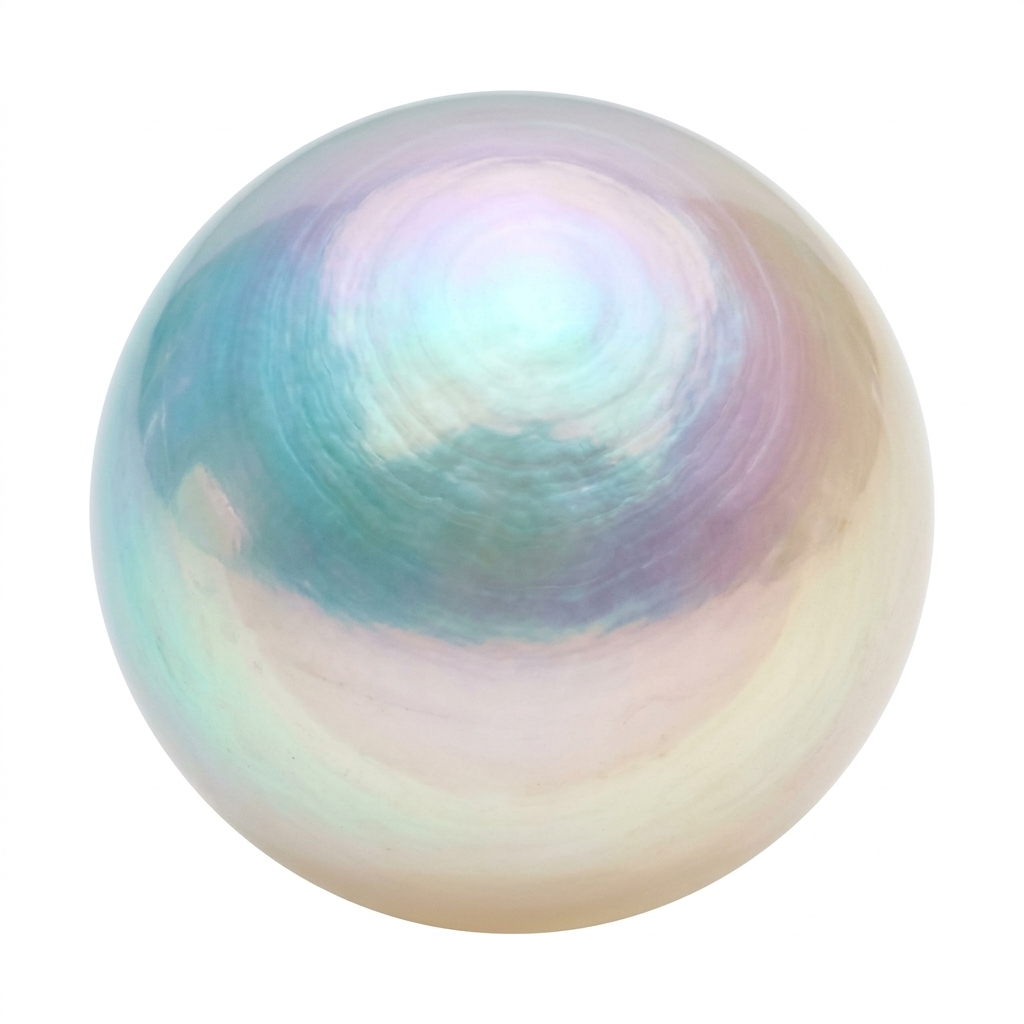 Fresh Water Pearl
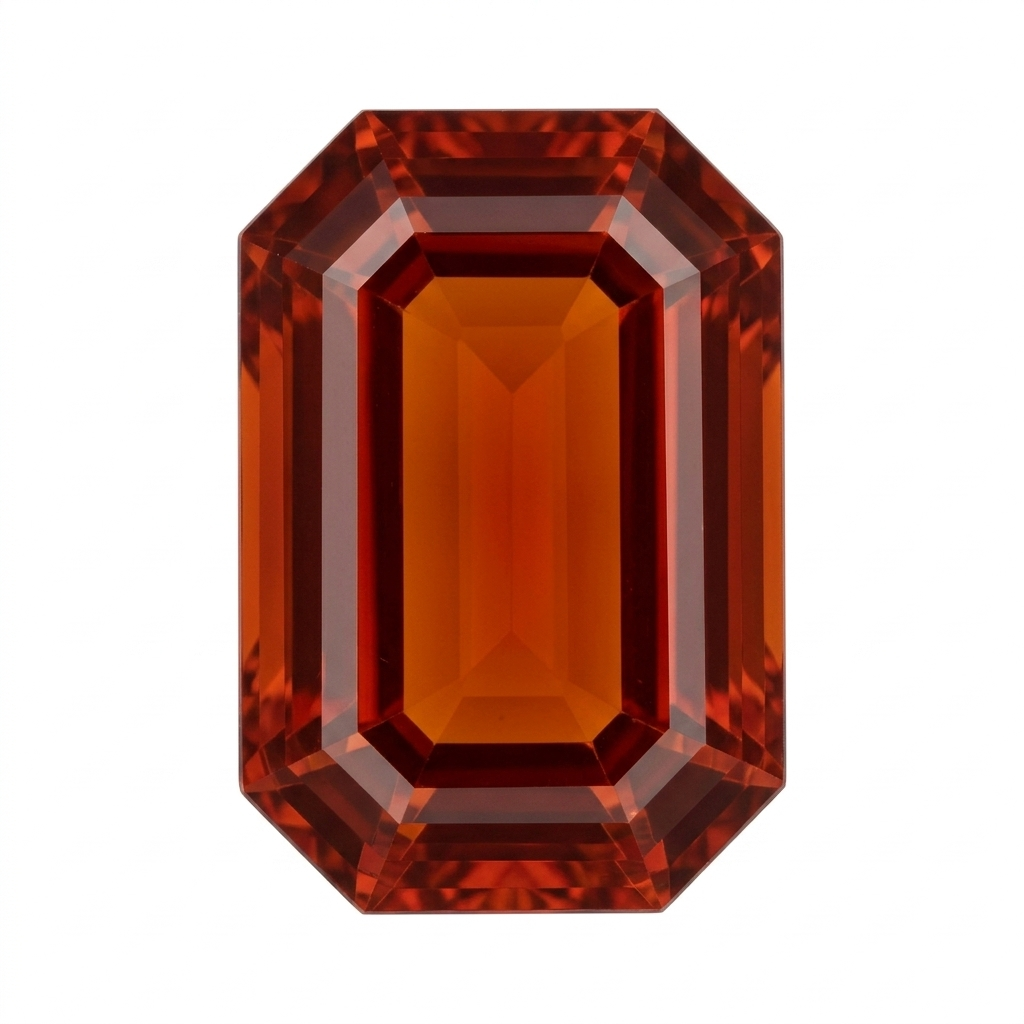 Hessonite (गोमेद)
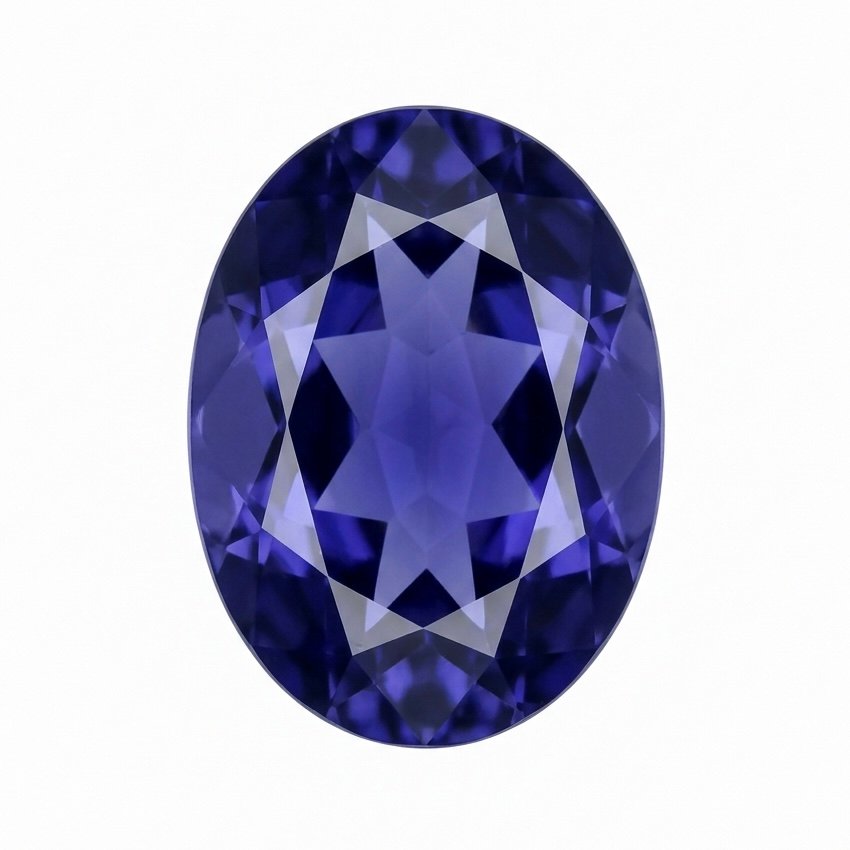 IOLITE (KAKA NILI)
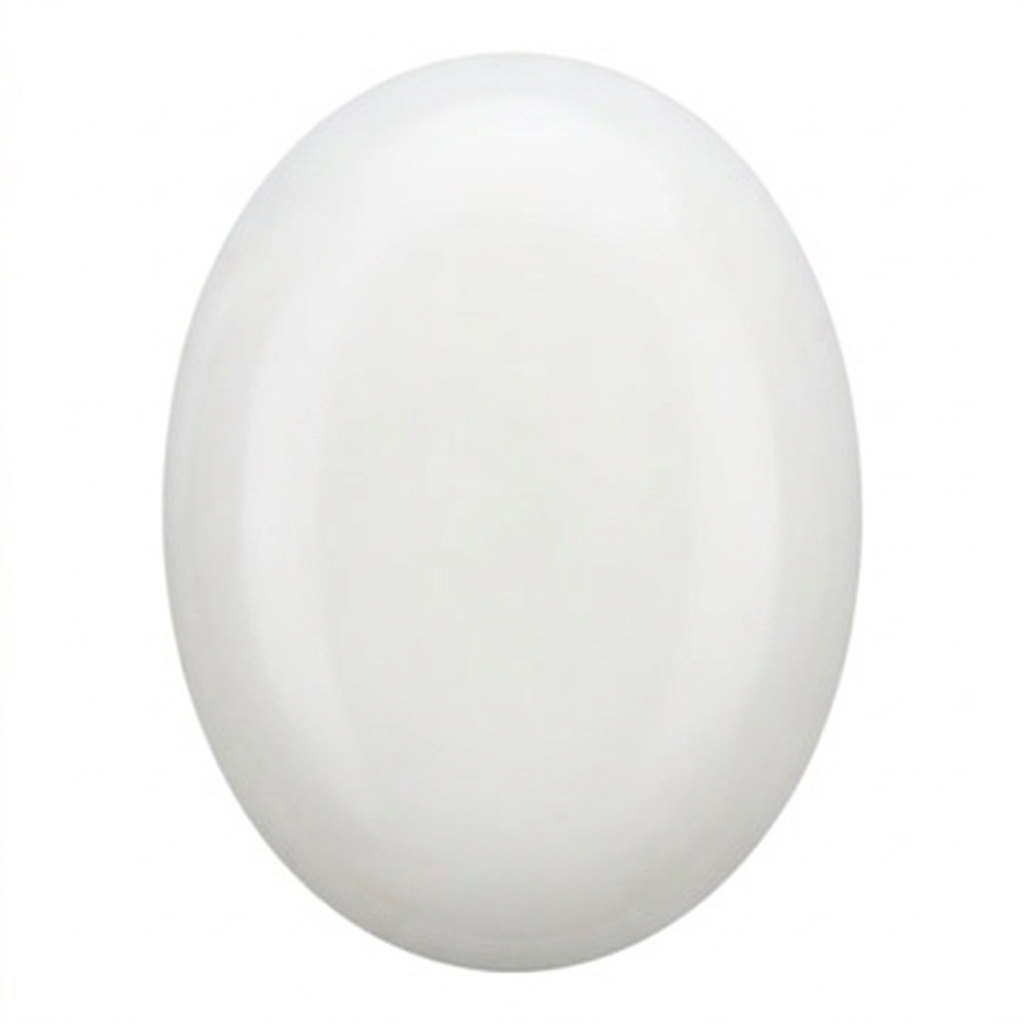 Japanese White Coral (मूंगा)
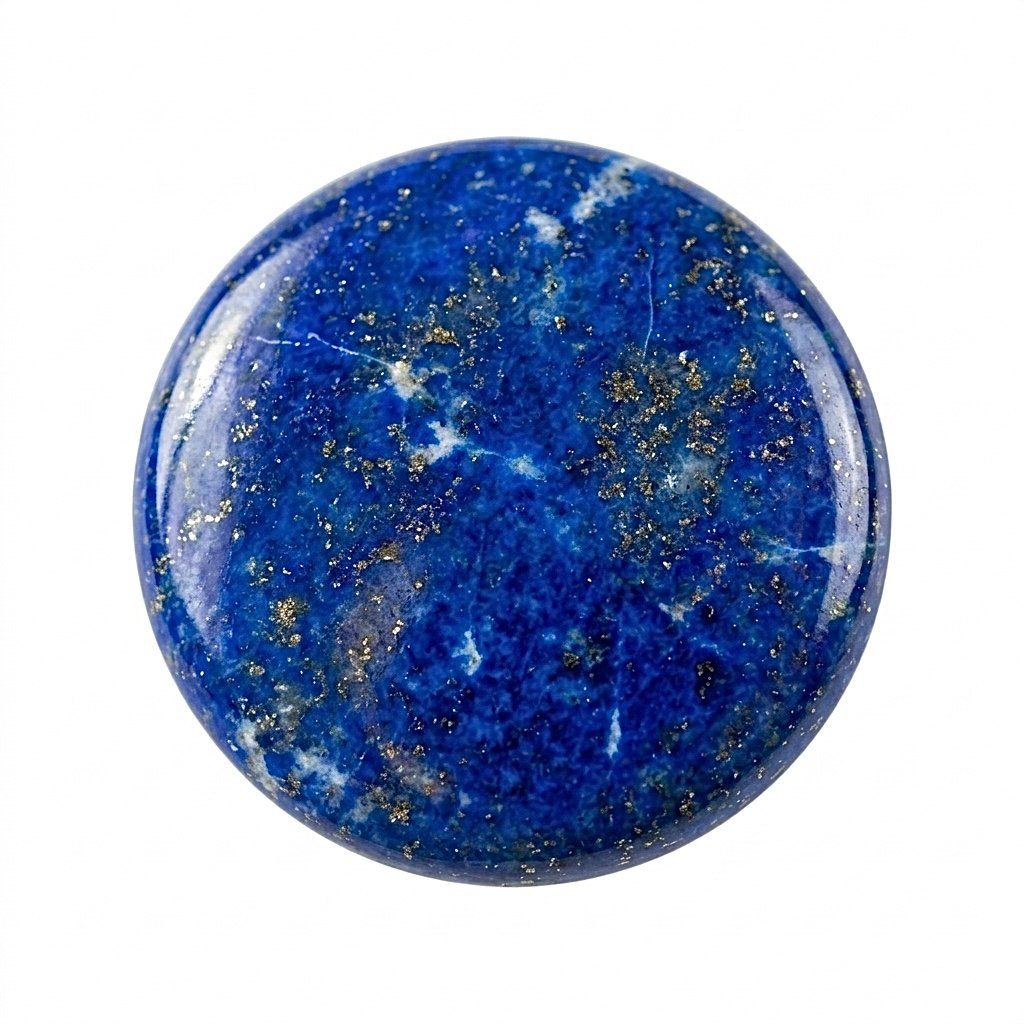 Lapis
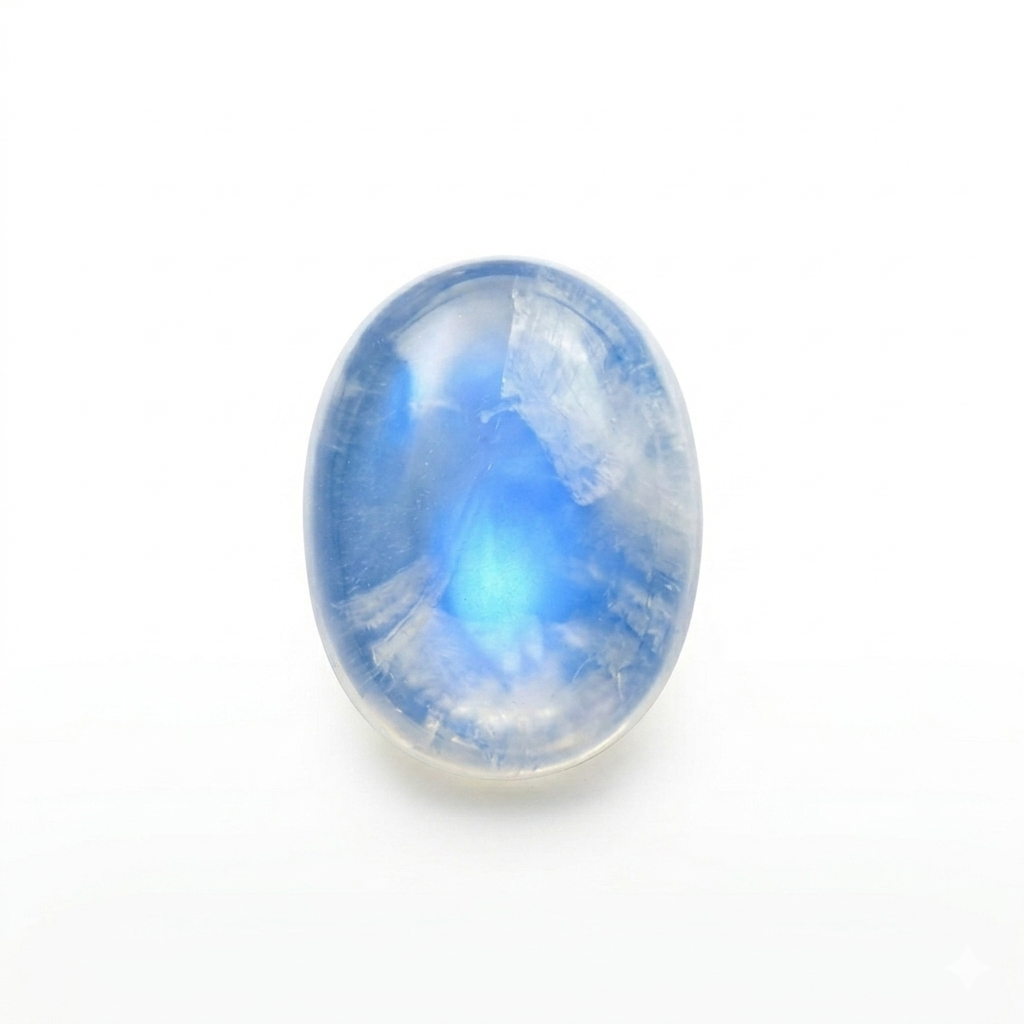 Moonstone
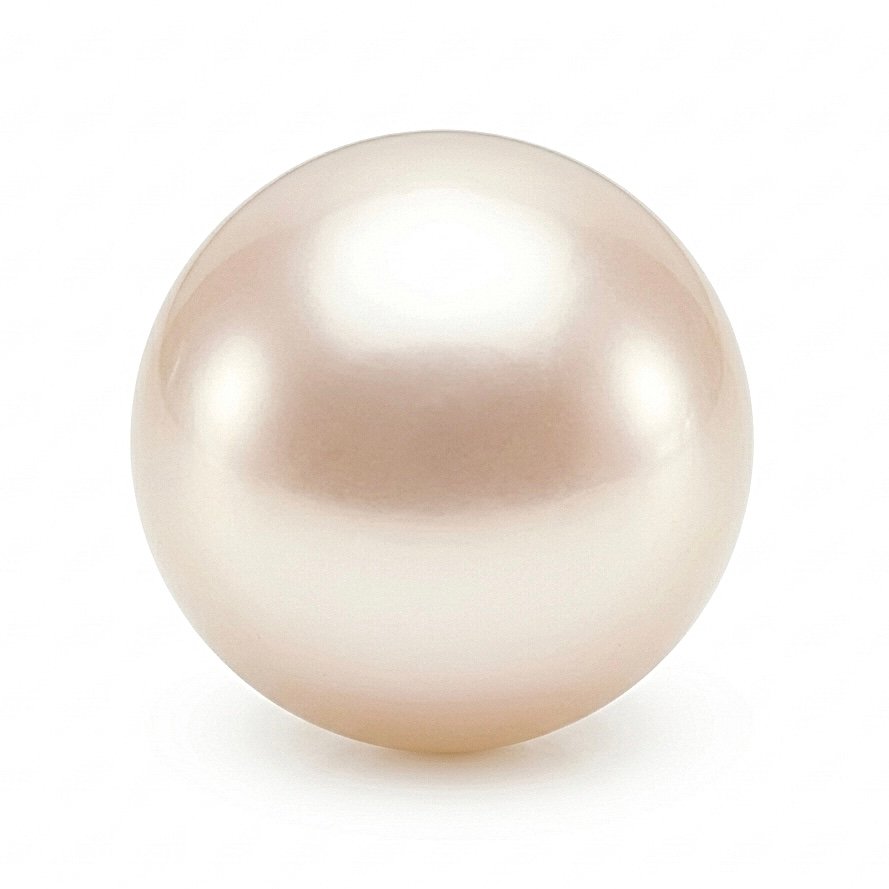 Natural South Sea Pearl
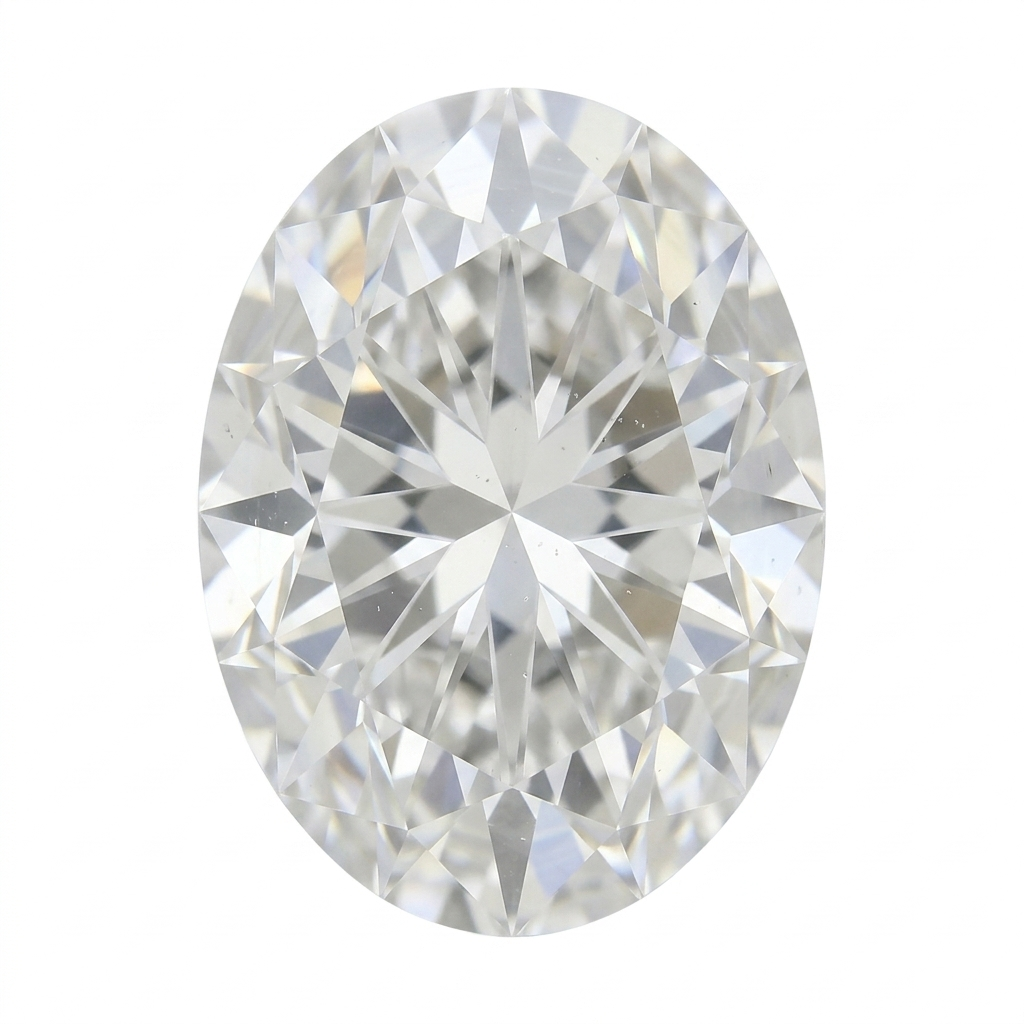 Natural Zircon
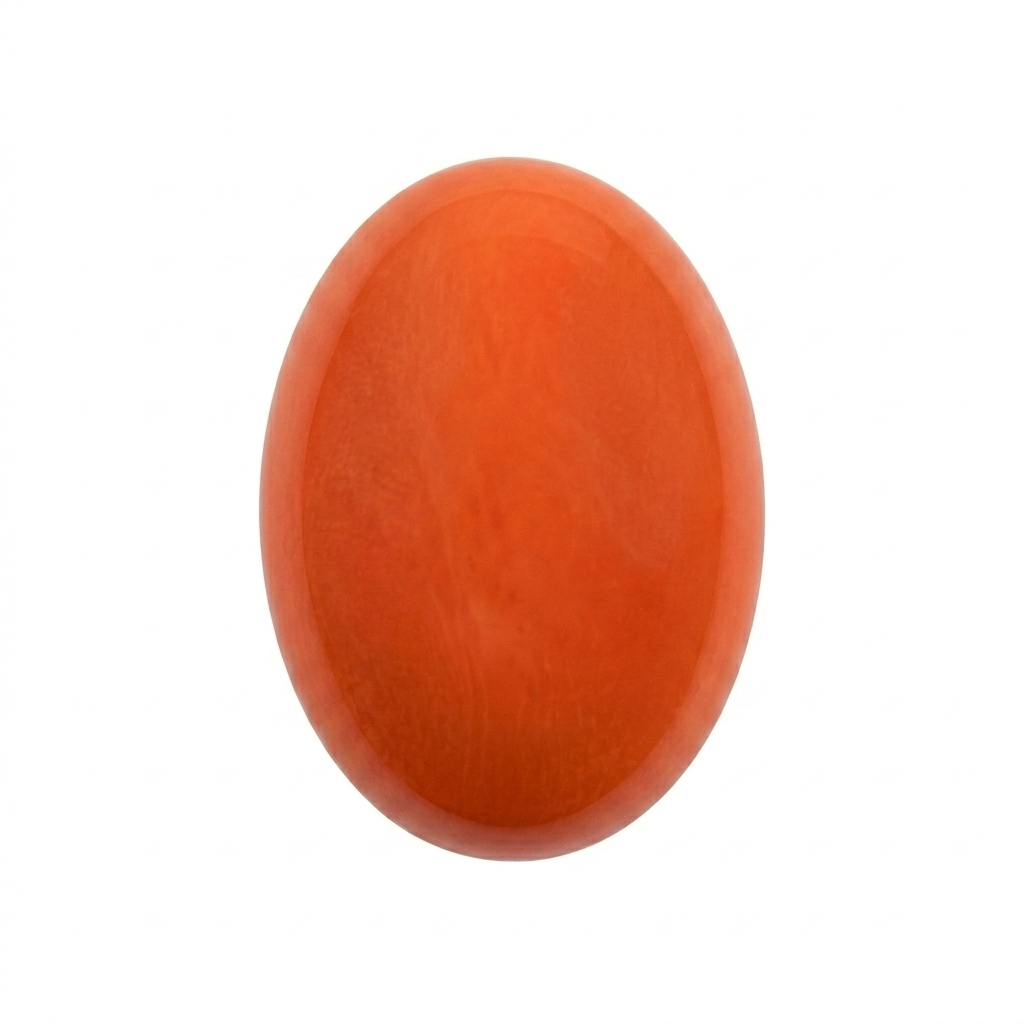 Orange Coral (मूंगा)
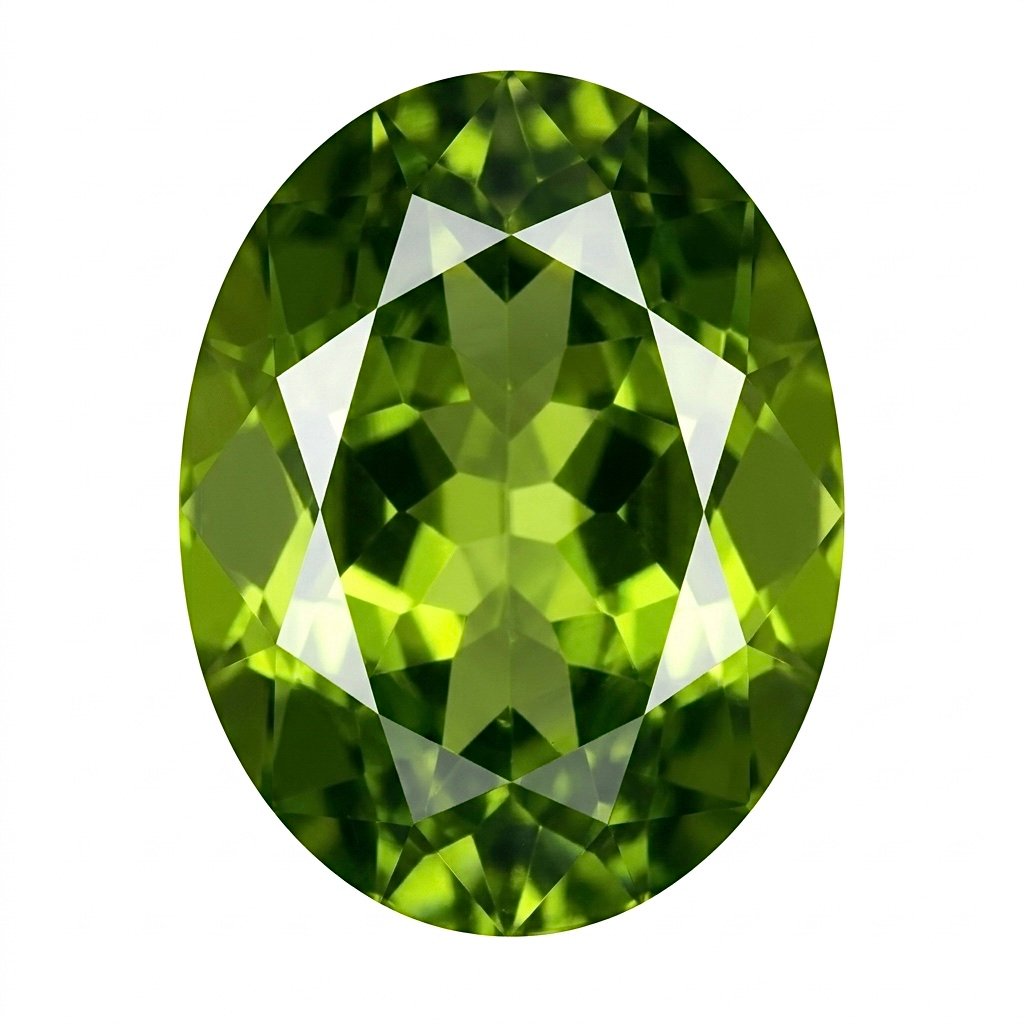 Peridot
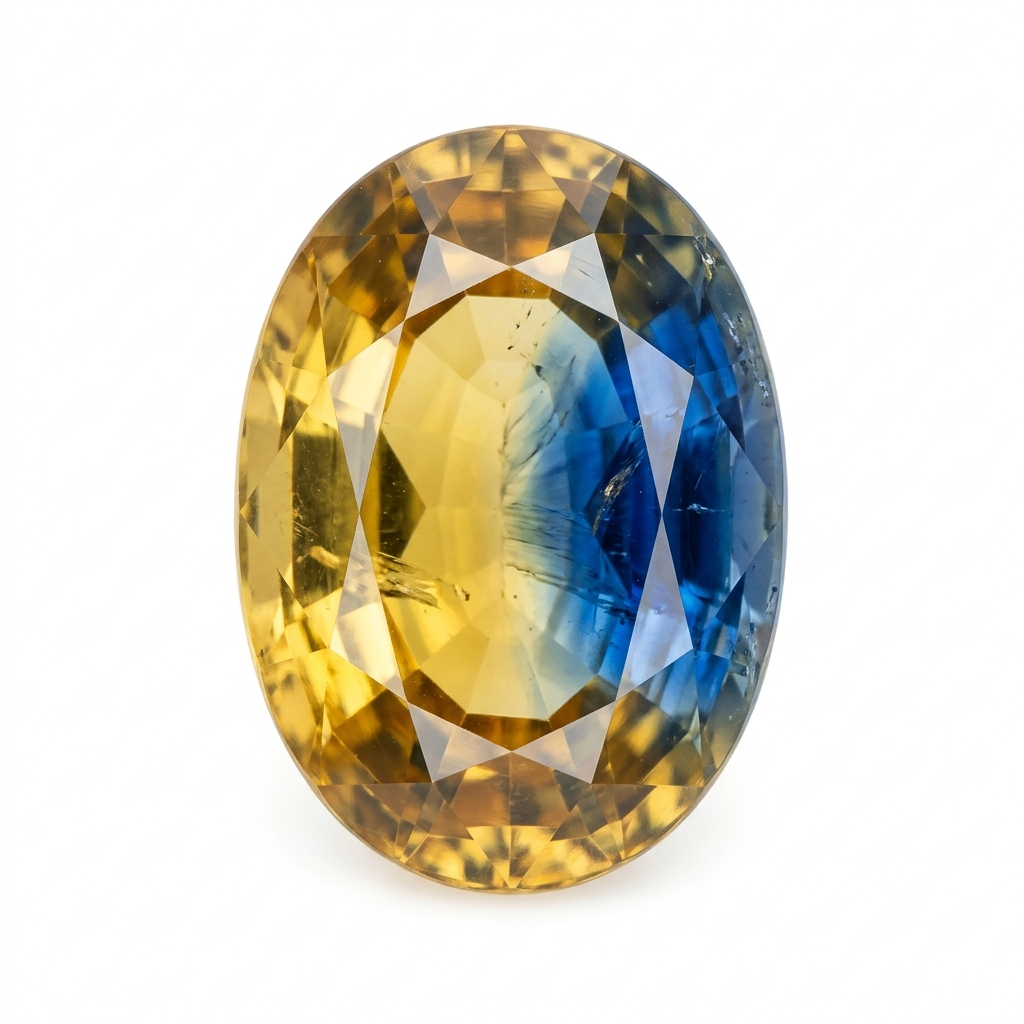 Pitambari
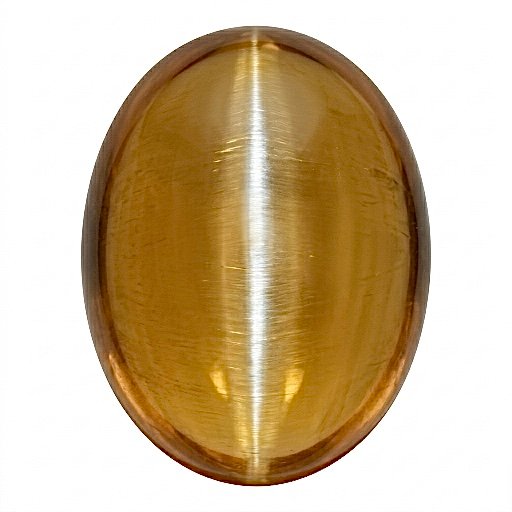 Quartz Catseye
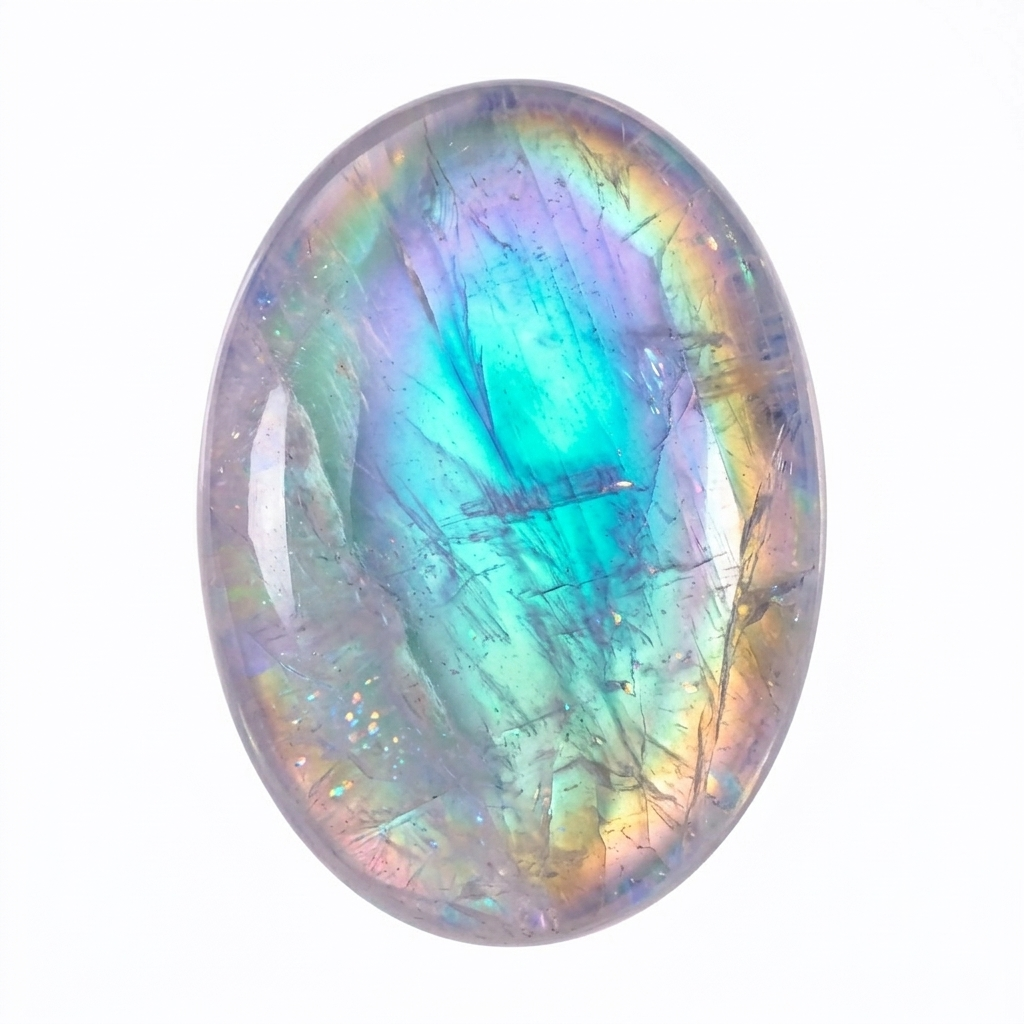 Rainbow Moonstone
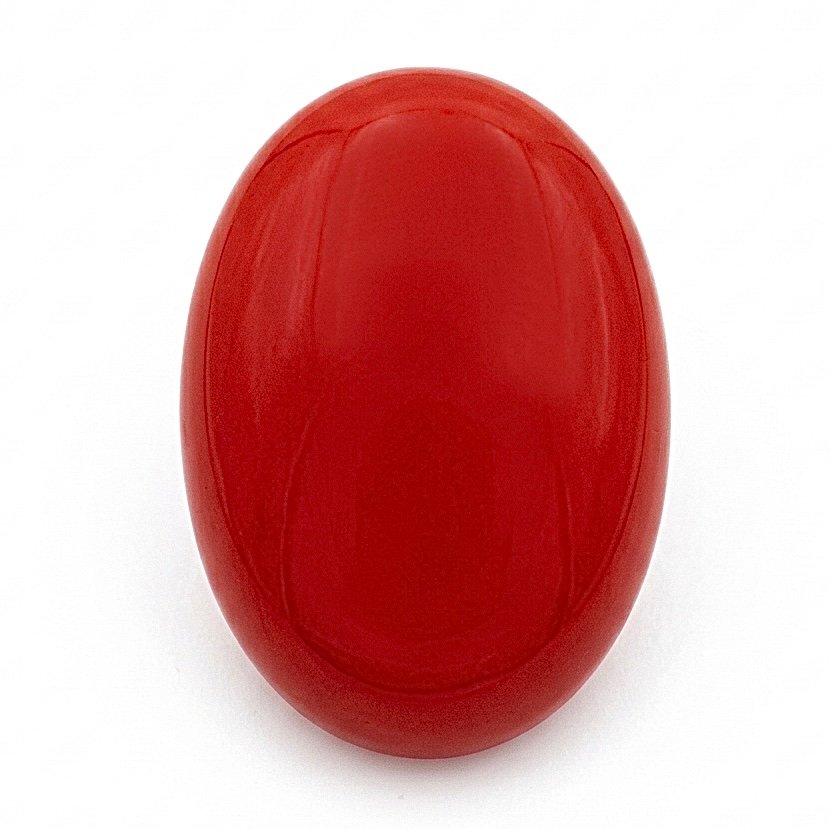 Red Coral (मूंगा)
 WHITE TOPAZ
 15 JAN
Ask a customer at our counter
why they want a ruby stone and you will hear a dozen different answers. One
wants an engagement ring that is not a diamond. Another has been advised to
wear Manik by a family astrologer. A third simply loves red. The stone suits
all three, but each buyer needs to look at it a little differently.
This guide is about the
practical side: the main types of ruby stone you will see in India, the colours
they come in, the physical properties that make ruby so durable, the cuts that
suit it best, and how to choose one with confidence — whether you are standing
in a shop or browsing gemstones online.
In the trade, rubies are usually
described by their source, because geology shapes colour, clarity and price.
From Myanmar's Mogok region.
Known for a vivid, glowing red caused by high chromium and low iron. Fine
Burmese rubies are among the most expensive coloured gemstones in the world,
and the name is often misused, so origin claims need a laboratory report behind
them.
The workhorse of today's market.
Mozambique produces everything from commercial-grade stones to exceptional
gems, often with good transparency. If you are looking at a clean, bright ruby
stone in the one-to-three-carat range, there is a good chance it came from
here.
Madagascar deposits such as Didy
and Ilakaka produce rubies that range from pinkish red to deep red. Quality
varies widely, from heavily included material to attractive faceted stones at
accessible prices.
Indian ruby is mostly opaque to
translucent and is commonly sold as cabochons, beads and budget astrological
stones. It is natural corundum, but it rarely has the transparency of Burmese
or African material. It suits buyers who want a natural ruby stone on a limited
budget.
Pure red with little or no
secondary colour. When it is vivid and medium-dark in tone, this is the colour
that earns the highest prices.
Lighter and softer. The line
between a pinkish ruby and a pink sapphire is a judgement call that
laboratories and markets make slightly differently, which is one reason the
same stone can be named differently by different sellers.
A slight purple secondary hue is
common and widely accepted — many fine rubies have it. Too much purple, or a
dark tone, pulls the stone away from the ideal.
|
Property |
Ruby stone |
|
Mineral |
Corundum |
|
Chemical formula |
Al₂O₃ with chromium (Cr) |
|
Hardness (Mohs) |
9 |
|
Crystal system |
Trigonal |
|
Refractive index |
Approx. 1.762 – 1.770 |
|
Specific gravity |
Approx. 4.00 |
|
Typical treatments |
Heating; less commonly glass
filling, diffusion |
At 9 on the Mohs scale, ruby
resists scratches from almost everything except diamond. It is also tough, with
no cleavage, so it handles everyday wear well. Stones with large
surface-reaching fractures or glass filling are the exception and need more
care.
Ruby is aluminium oxide coloured
by chromium. Iron and titanium in the mix shift the colour darker or towards
purple. This is the same mineral as sapphire; only the colour separates them.
Ruby crystallises in the
trigonal system, typically as hexagonal prisms or tabular crystals. That
structure is why natural colour zoning in ruby often runs in straight, angular
bands — a useful clue for gemologists.
The most common shape for ruby.
Rough crystals are often elongated, and the oval saves weight while showing
colour well. Oval rubies suit rings and pendants equally.
A square or rectangular shape
with rounded corners. Cushions give a soft, vintage look and often show deep,
even colour. They are popular for solitaire rings.
Round rubies lose more weight in
cutting and are therefore pricier per carat for similar quality. Pear, heart,
emerald-cut and cabochon shapes are also available; cabochons suit included or
translucent material and are common for astrological rings.
Start with colour, because it
drives value and because you will look at it every day. Compare stones in
daylight. A vivid, medium-dark red is ideal; slightly pinkish or purplish
stones can offer good value.
Eye-clean is a sensible target.
Under magnification, natural inclusions are expected. Look at the stone face
up: if the centre looks see-through or washed out, the cut is too shallow. If
large areas look black, it is too deep.
Ruby is denser than diamond, so
a one-carat ruby looks slightly smaller than a one-carat diamond. Prices climb
sharply above one carat and again above three. For astrology, weight is often
quoted in ratti — roughly 0.9 to 0.91 carat per ratti depending on the
convention the seller uses, so confirm which one applies.
Thanks to its hardness, a ruby
stone is one of the few coloured gems you can wear in an everyday ring without
much worry. Yellow and rose gold flatter warm reds; white gold and platinum
give a cooler, more contemporary contrast. Ruby also works well in earrings,
pendants and bracelets, and pairs naturally with diamonds — which is why it is
so common among precious stones used in bridal jewellery.
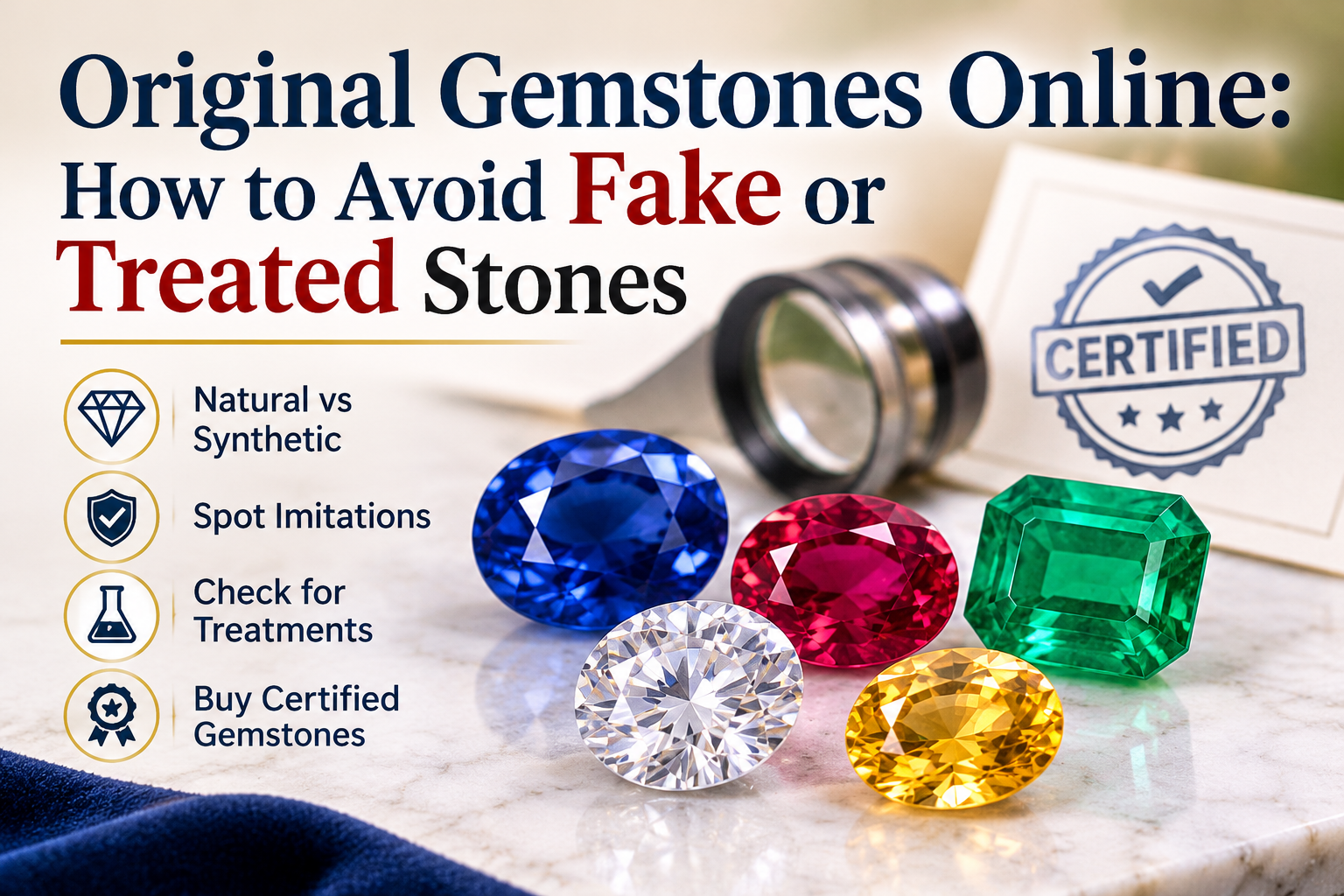
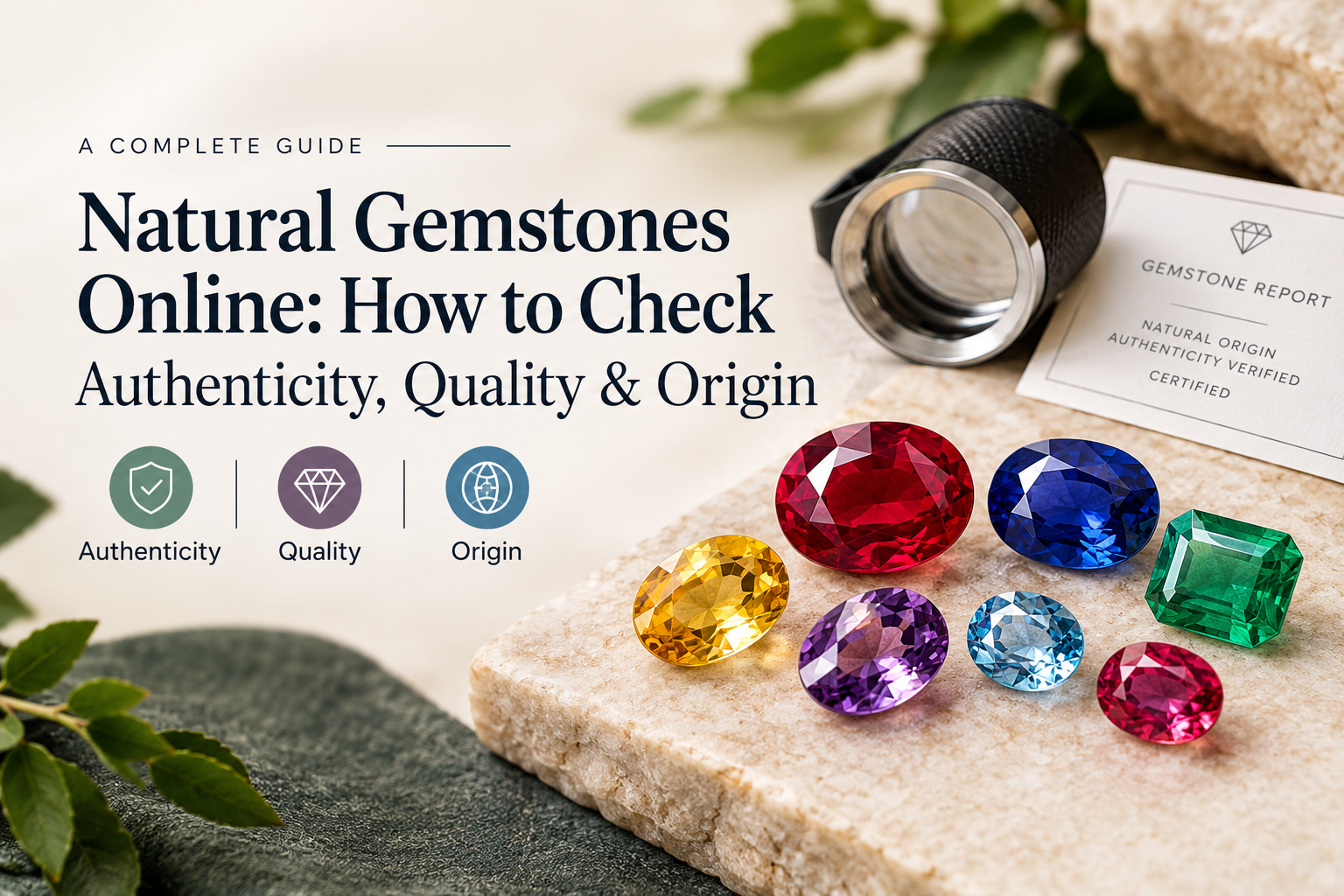
When you buy gemstones online,
you lose the chance to hold the stone, so the documentation has to do the work
your eyes cannot. Before you look for an original gemstone online, make sure
the listing gives you:
• The stone's exact weight,
dimensions and shape.
• A laboratory report stating
natural or synthetic, and the treatment status.
• Daylight photographs and video
of that specific stone.
• A clear return window and a
seller you can actually reach.
At gemsndiamond.com, each ruby
listing carries its specifications, and the team behind it has been dealing in
precious stones in Delhi since 1972. If a detail is missing, ask before you
order.
Choosing a ruby stone comes down
to a few clear decisions: which source and colour you prefer, which cut suits
your jewellery, and how much size matters to you within your budget. Back those
decisions with a verifiable laboratory report and you will end up with a stone
that looks good and holds its value.
A Rubies
are usually classified by source: Burmese, Mozambique, Madagascar, Thai,
Afghan, Tanzanian and Indian. Each has typical colour and clarity traits, but
quality varies within every source.
A Red.
Ruby ranges from pinkish red to purplish red, with a vivid, pure, medium-dark
red regarded as the most desirable.
A Yes.
Ruby is 9 on the Mohs scale and has no cleavage, which makes it one of the most
durable coloured gemstones. Glass-filled rubies are the exception and need
gentler care.
A Oval
and cushion are the most common, followed by round, pear, heart and emerald
cuts. Cabochons are popular for translucent stones and astrological rings.
A Prioritise
colour, choose an eye-clean stone, set a budget for carat weight, and insist on
a verifiable lab report that states natural origin and treatment status.
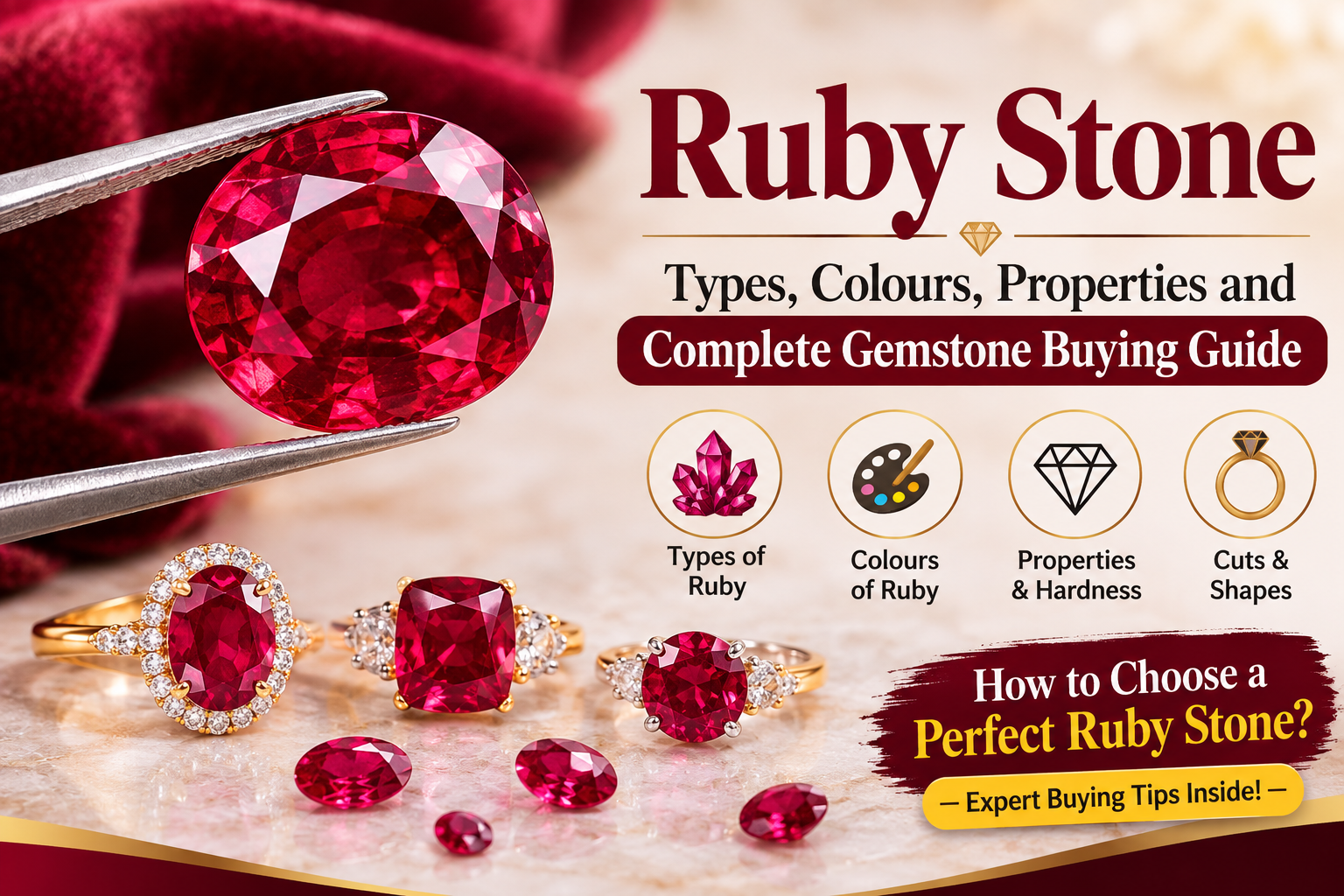
Ruby Stone: Types, Colours, Properties and Complete Gemstone Buying Guide
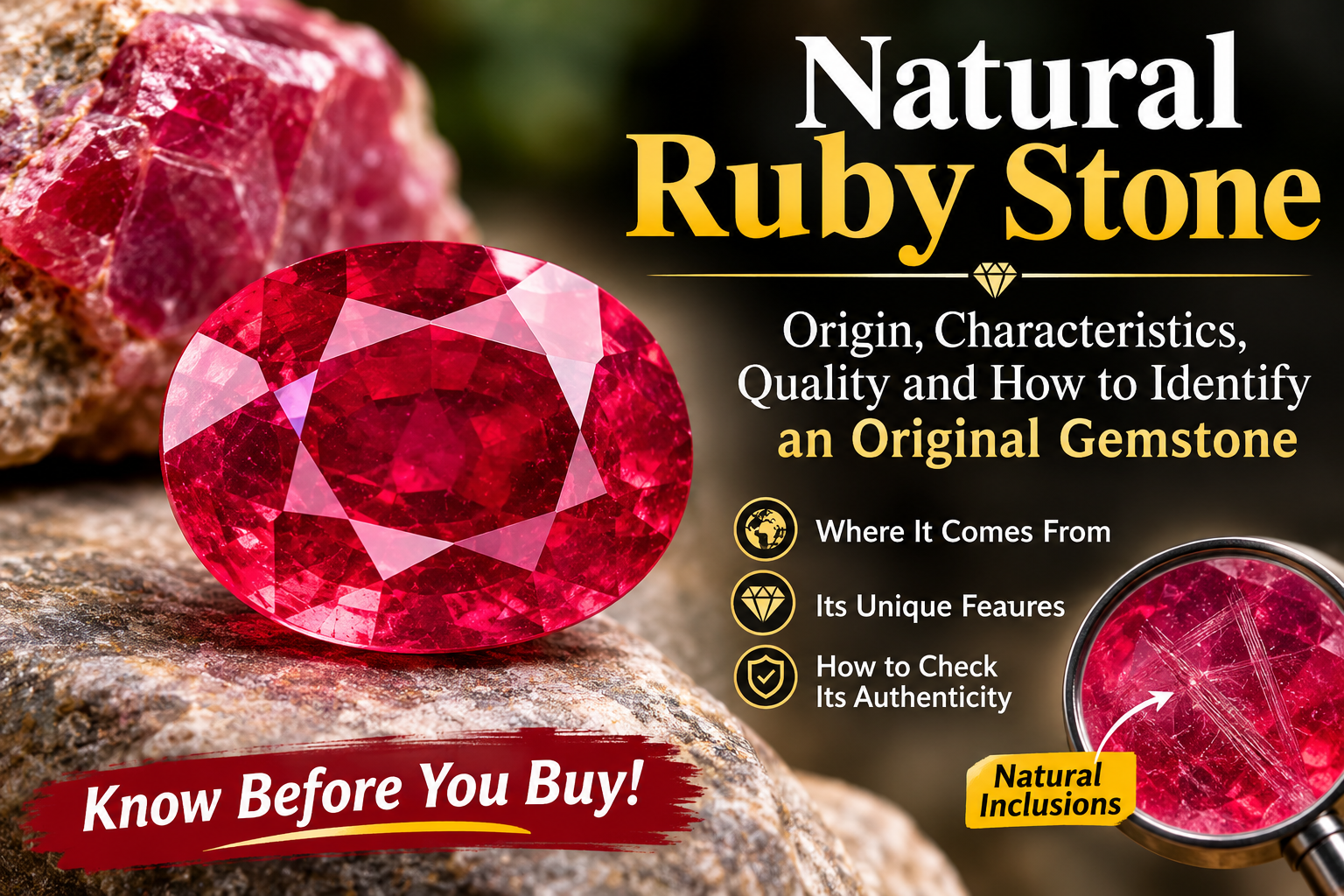
Natural Ruby Stone: Origin, Characteristics, Quality and How to Identify an Original Gemstone
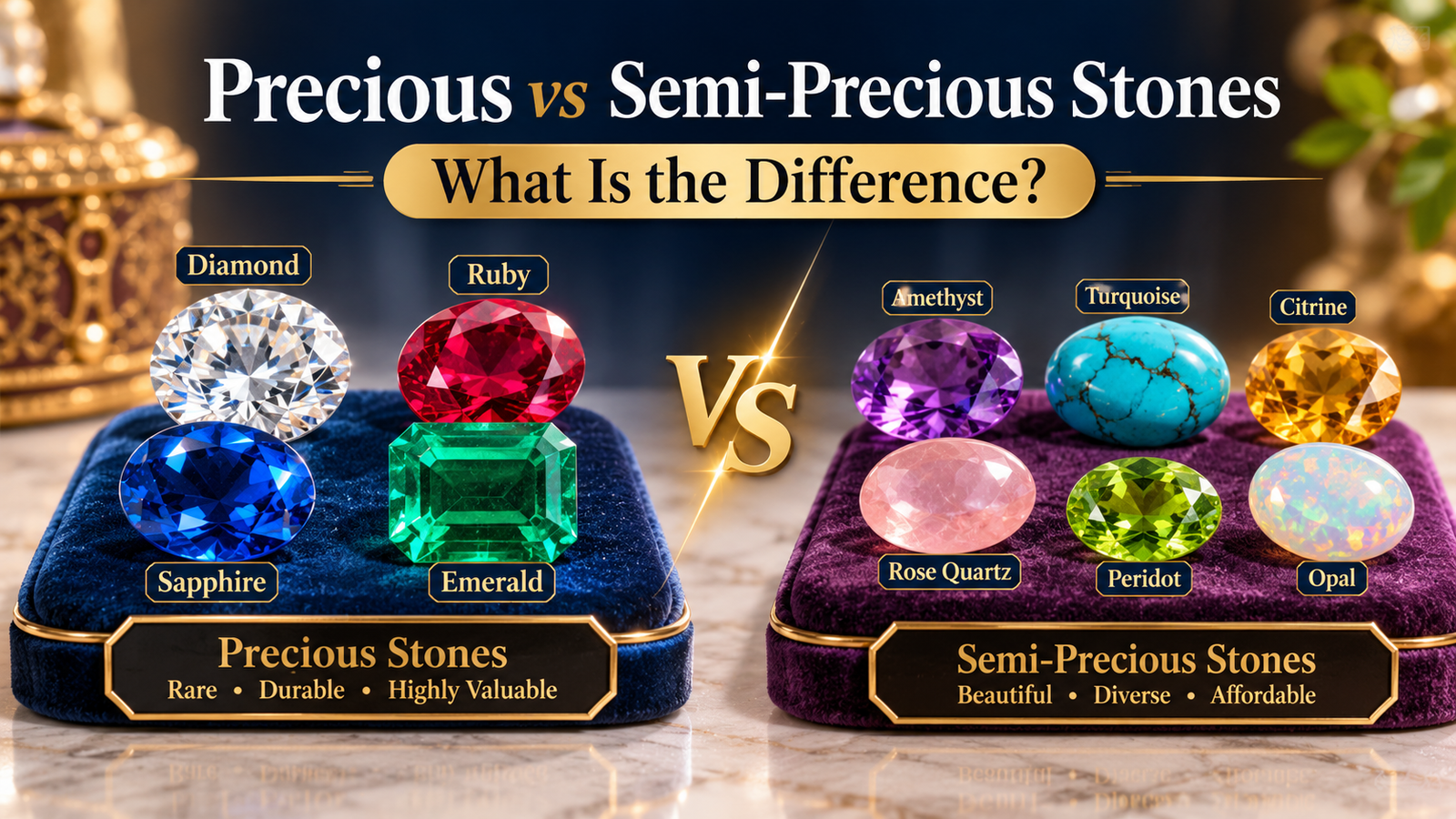
Precious vs Semi-Precious Stones: What Is the Difference?
Original Gemstones Online: How to Avoid Fake or Treated Stones
Natural Gemstones Online: How to Check Authenticity, Quality & Origin

 Blue Sapphire
 Emerald (PANNA)
 Pink Sapphire
 Yellow Sapphire
 White Sapphire
 Ruby
 Rudraksha
 Bracelet
