
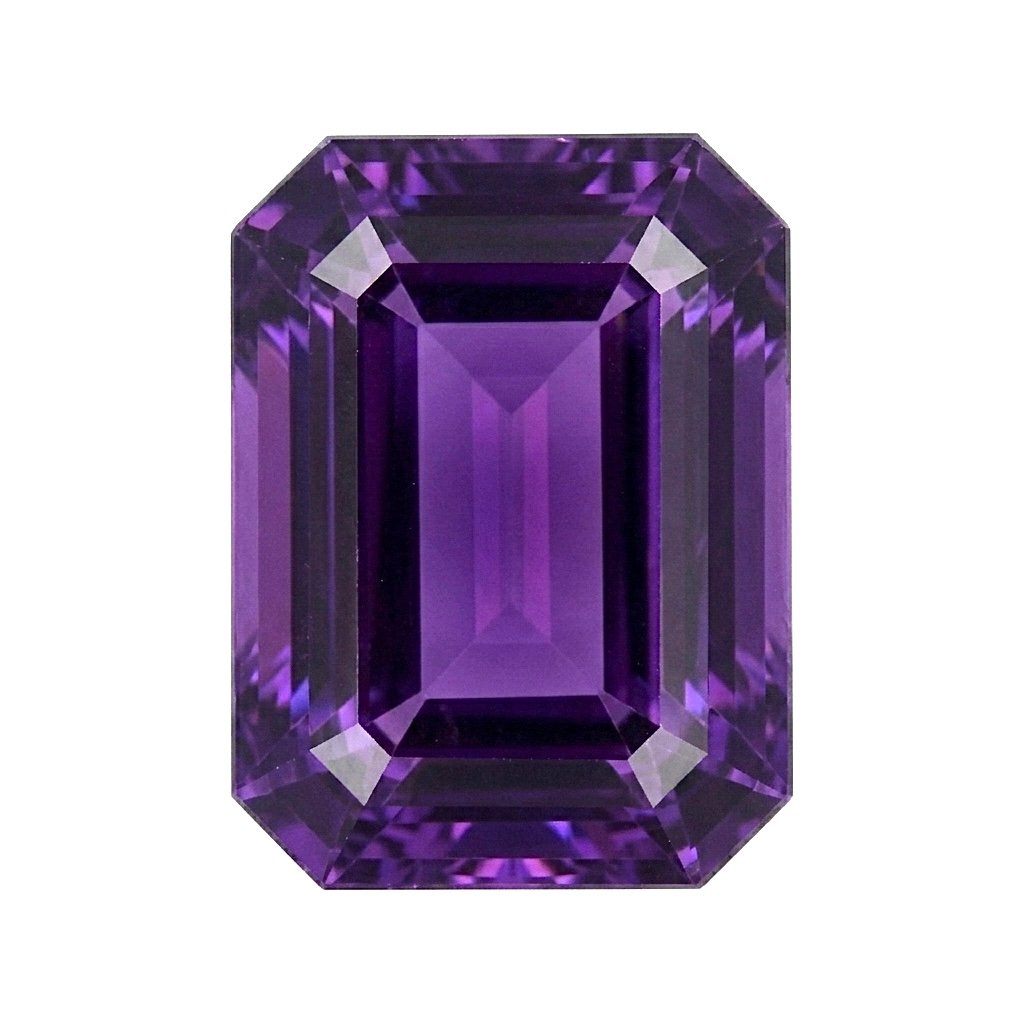
 Amethyst (ऐमेथिस्ट)
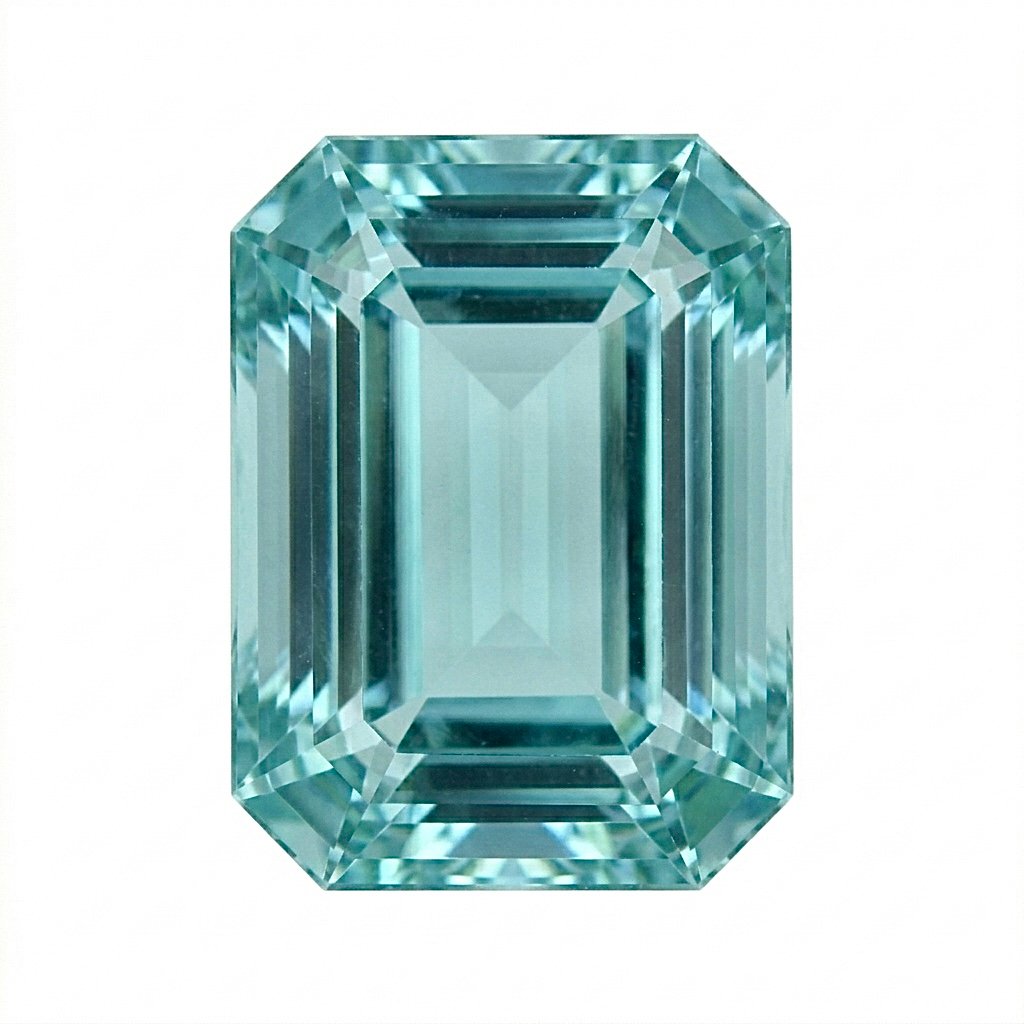 Aquamarine
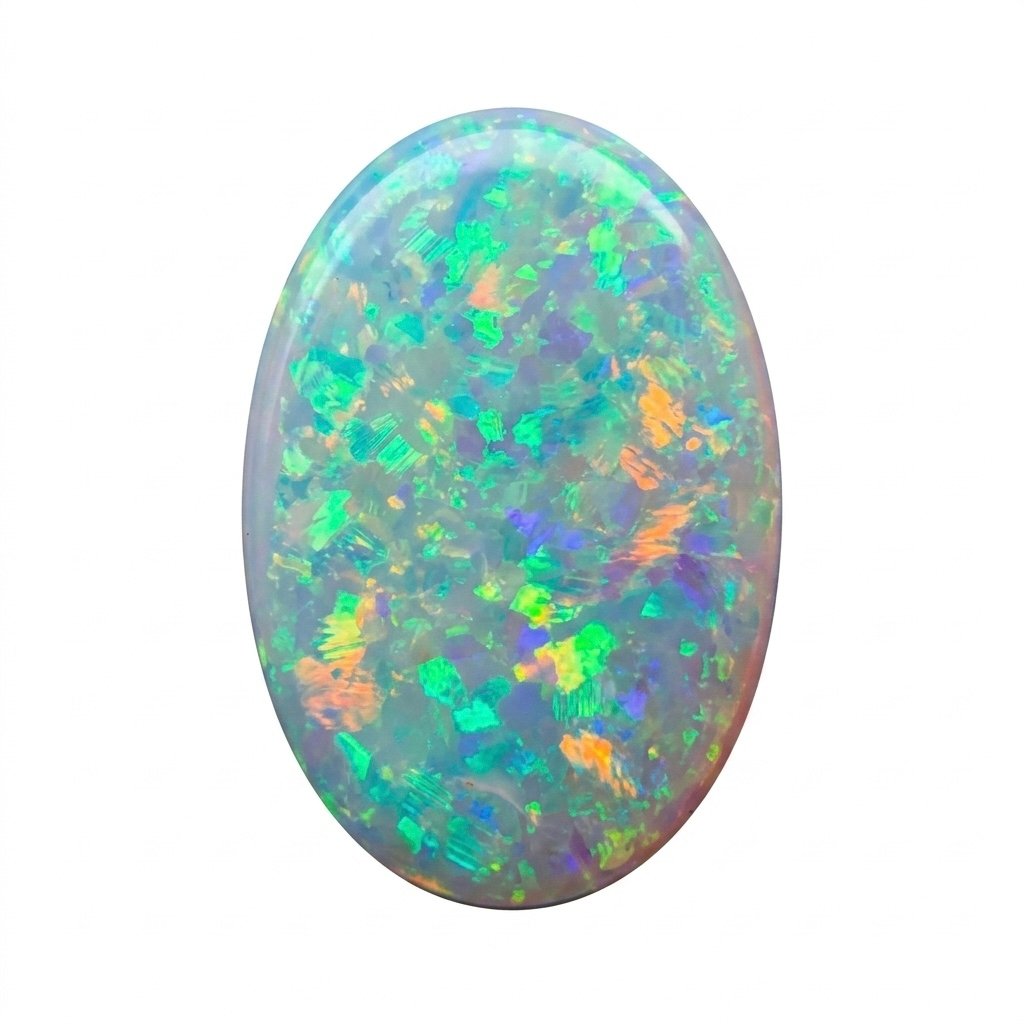 Australian Opal (ओपल)
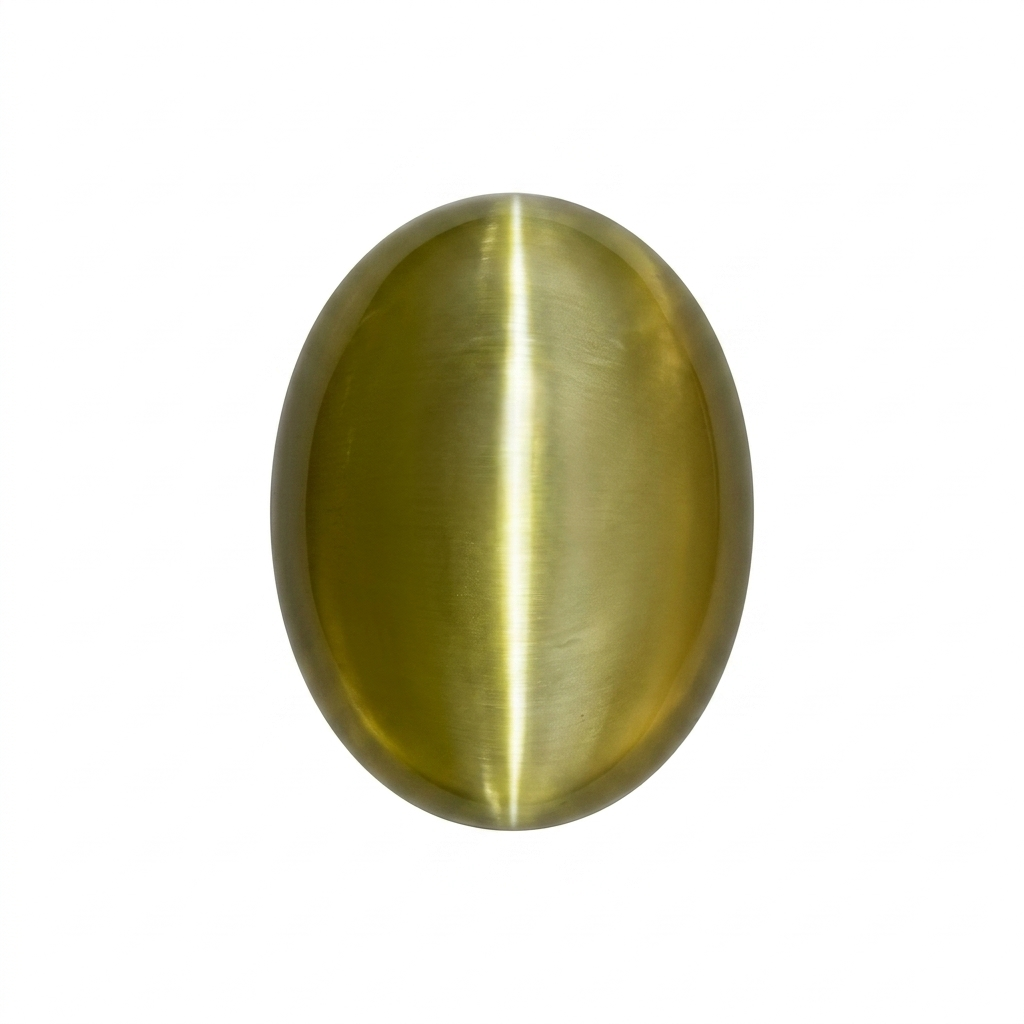 Catseye (लहसुनिया)
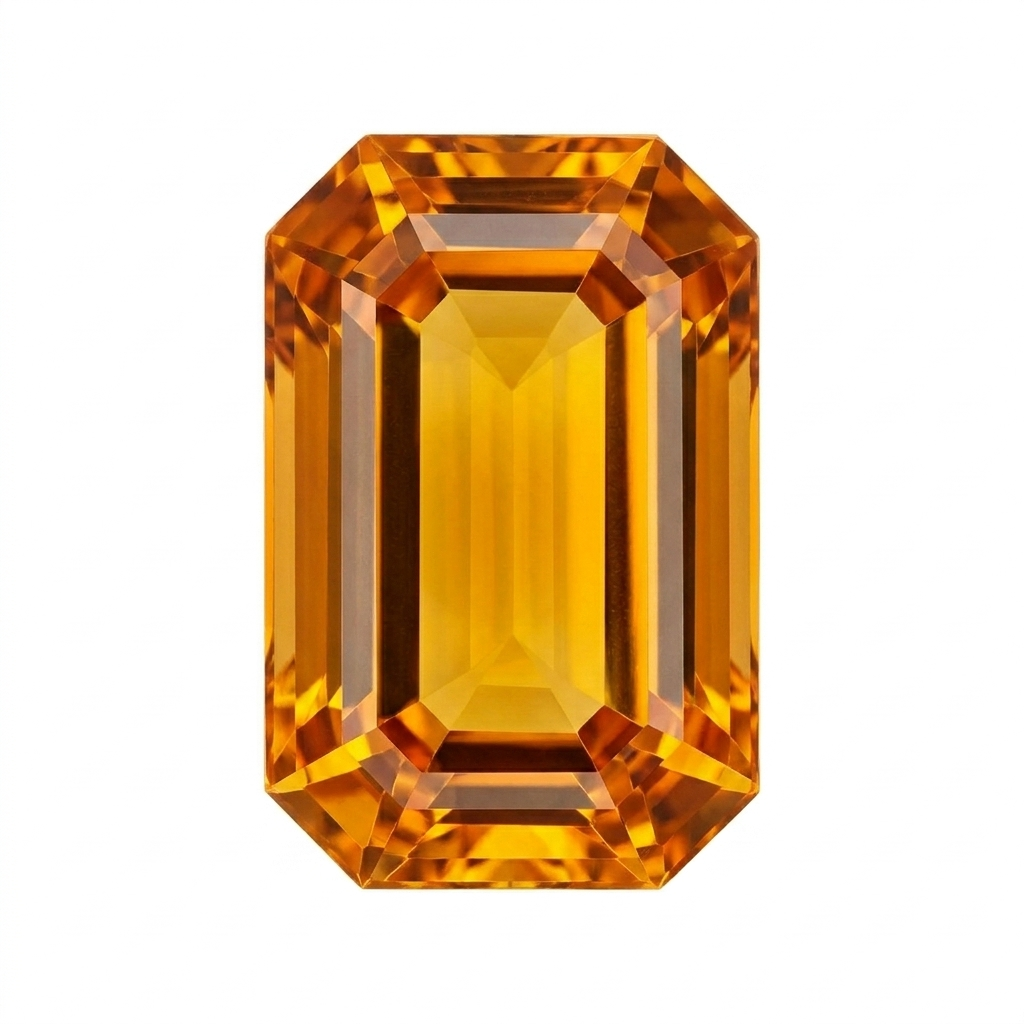 Citrine (सुनेहला)
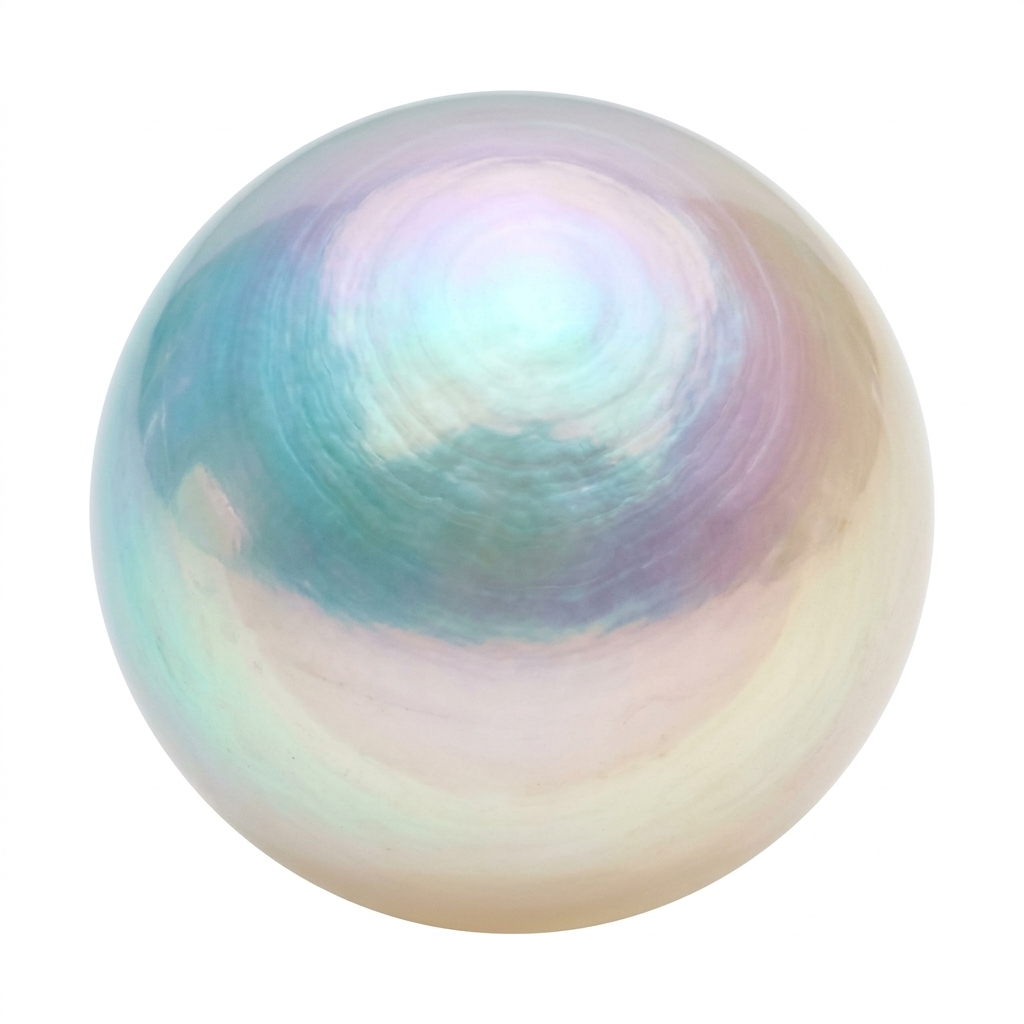 Fresh Water Pearl
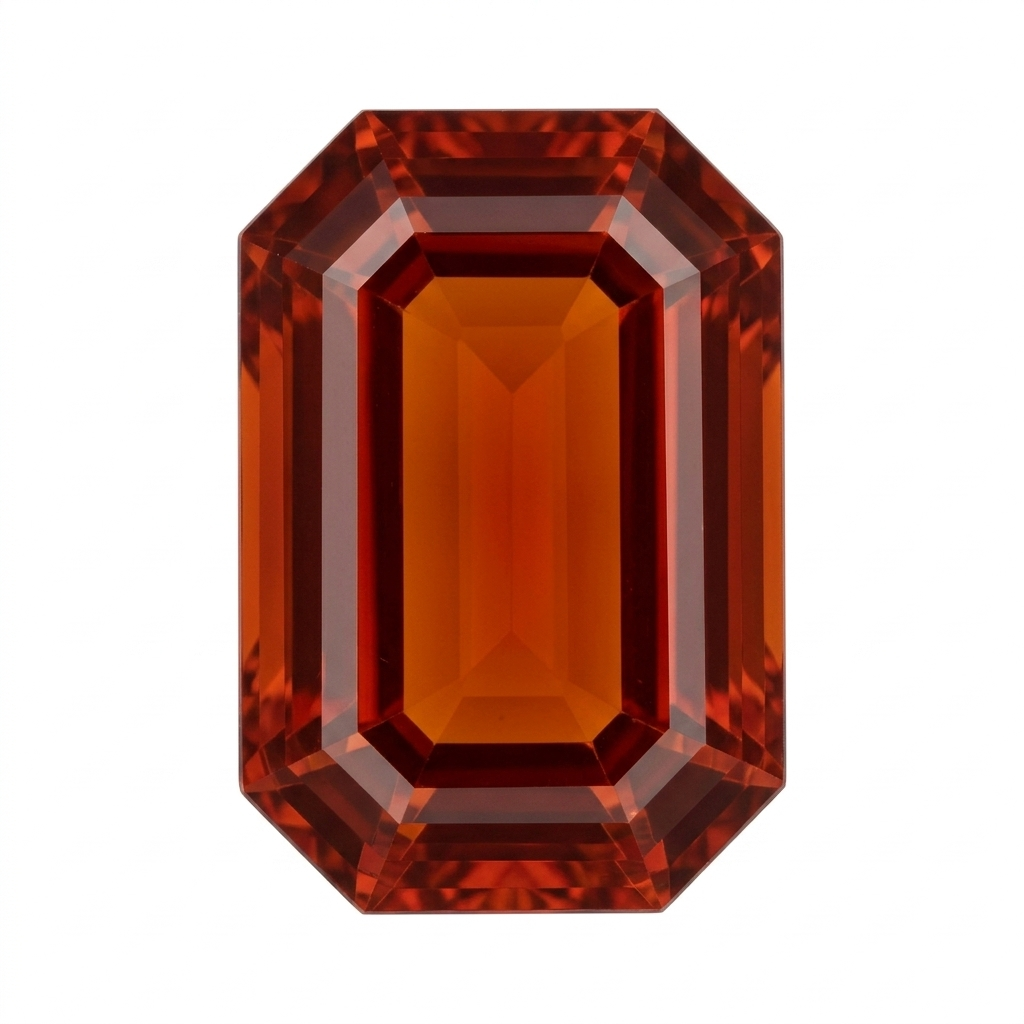 Hessonite (गोमेद)
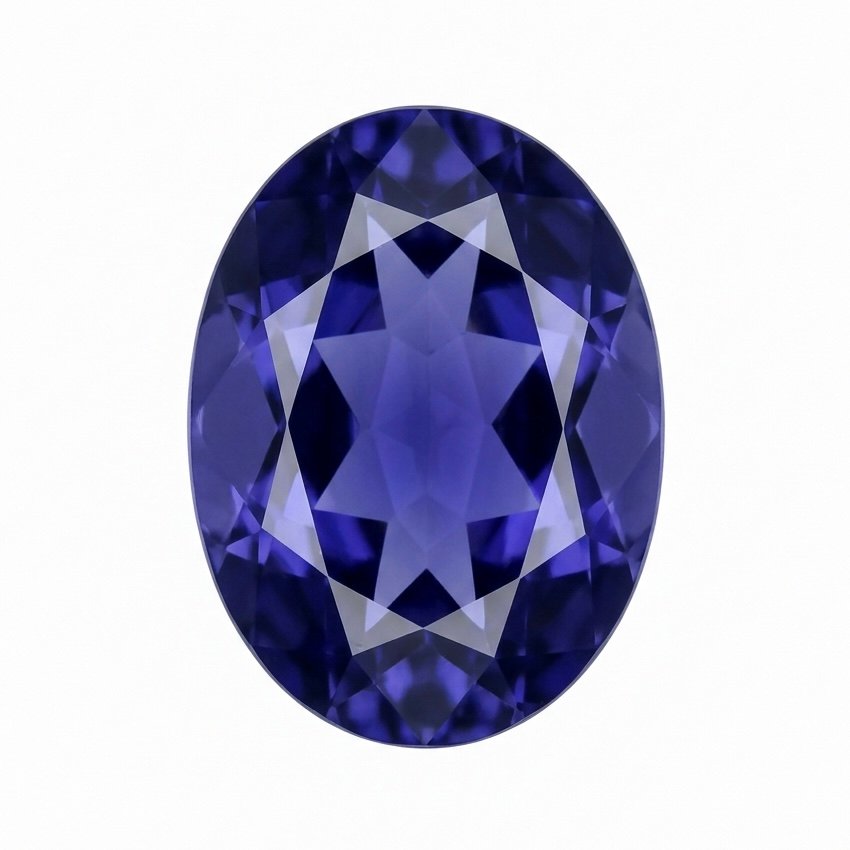 IOLITE (KAKA NILI)
 Japanese White Coral (मूंगा)
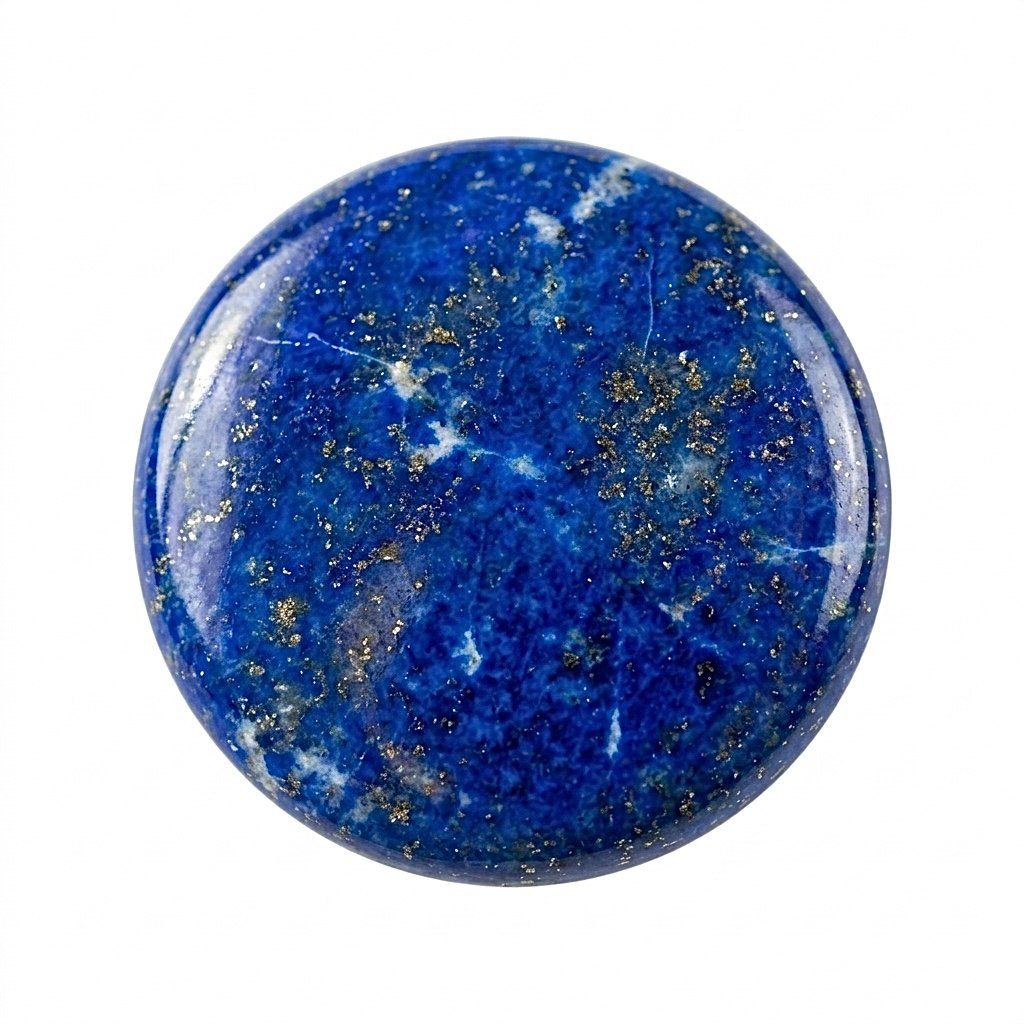 Lapis
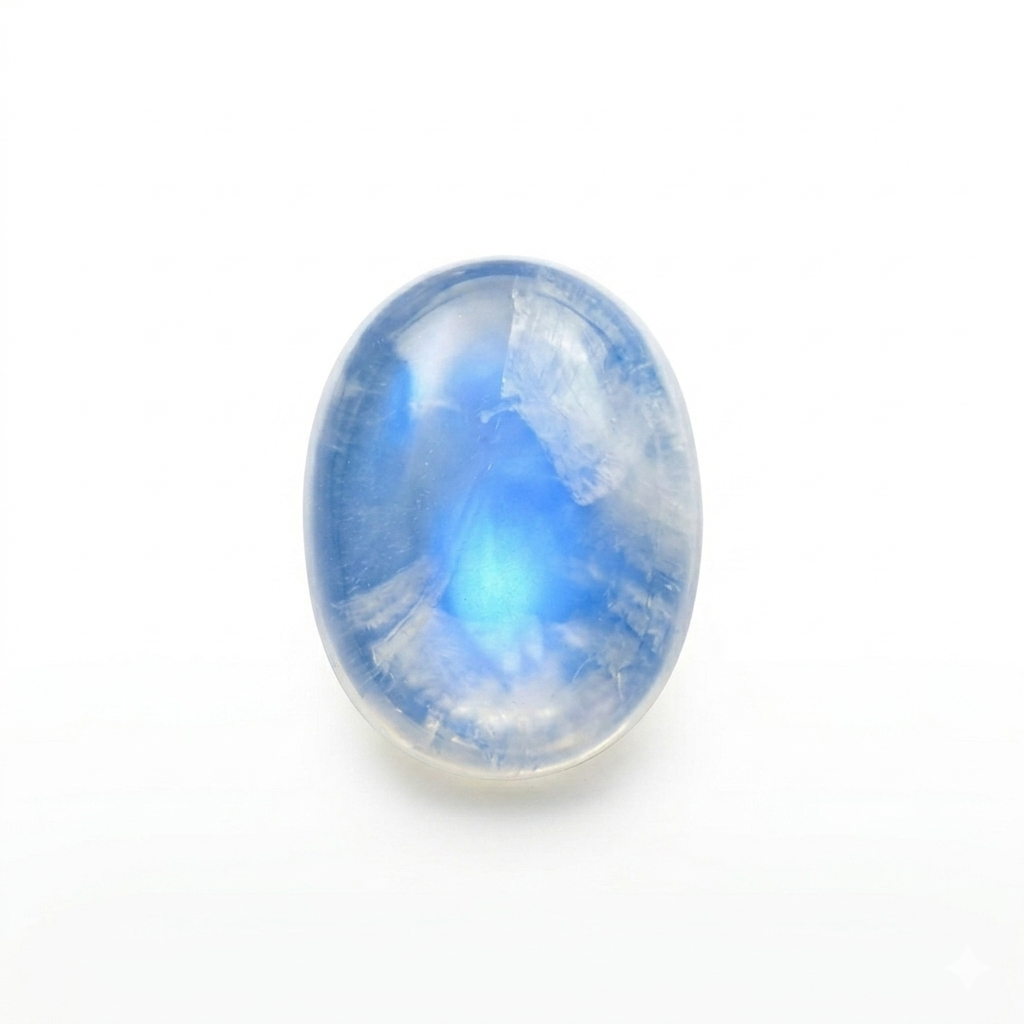 Moonstone
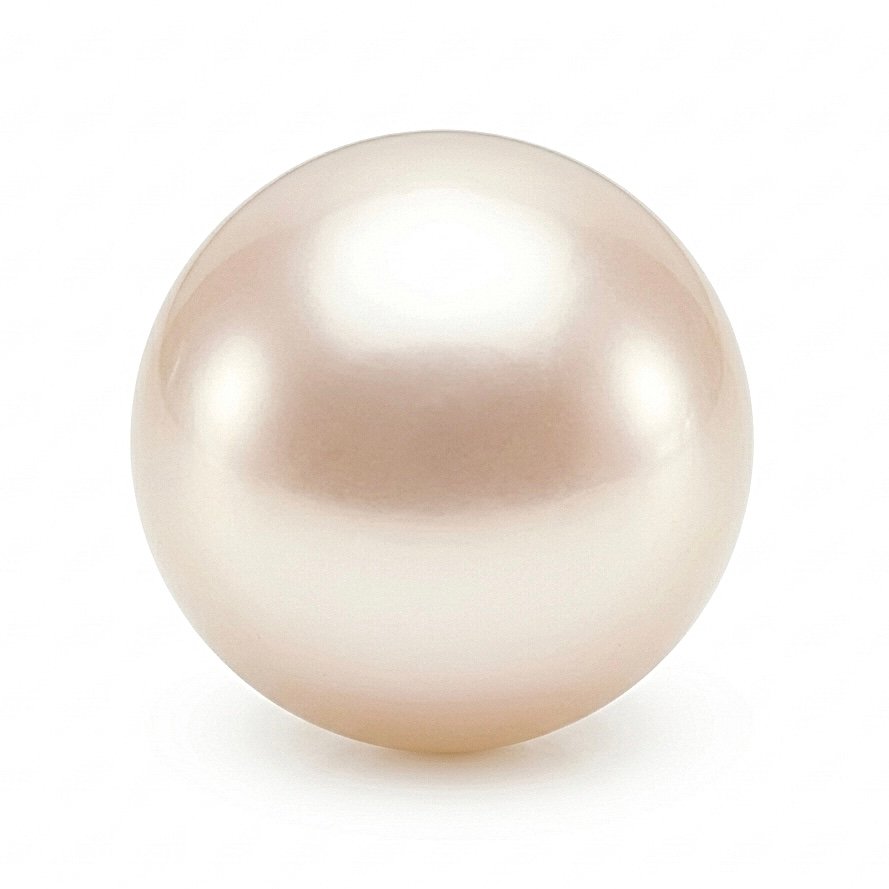 Natural South Sea Pearl
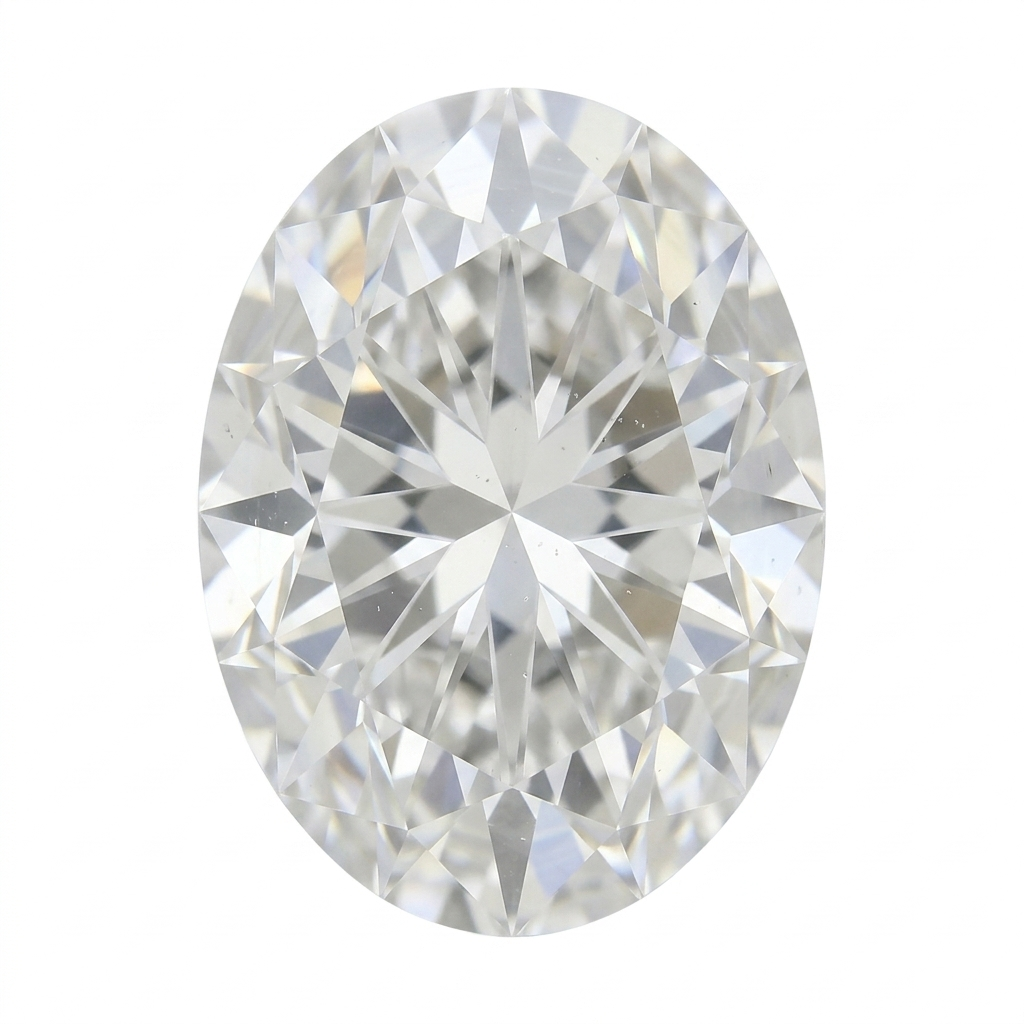 Natural Zircon
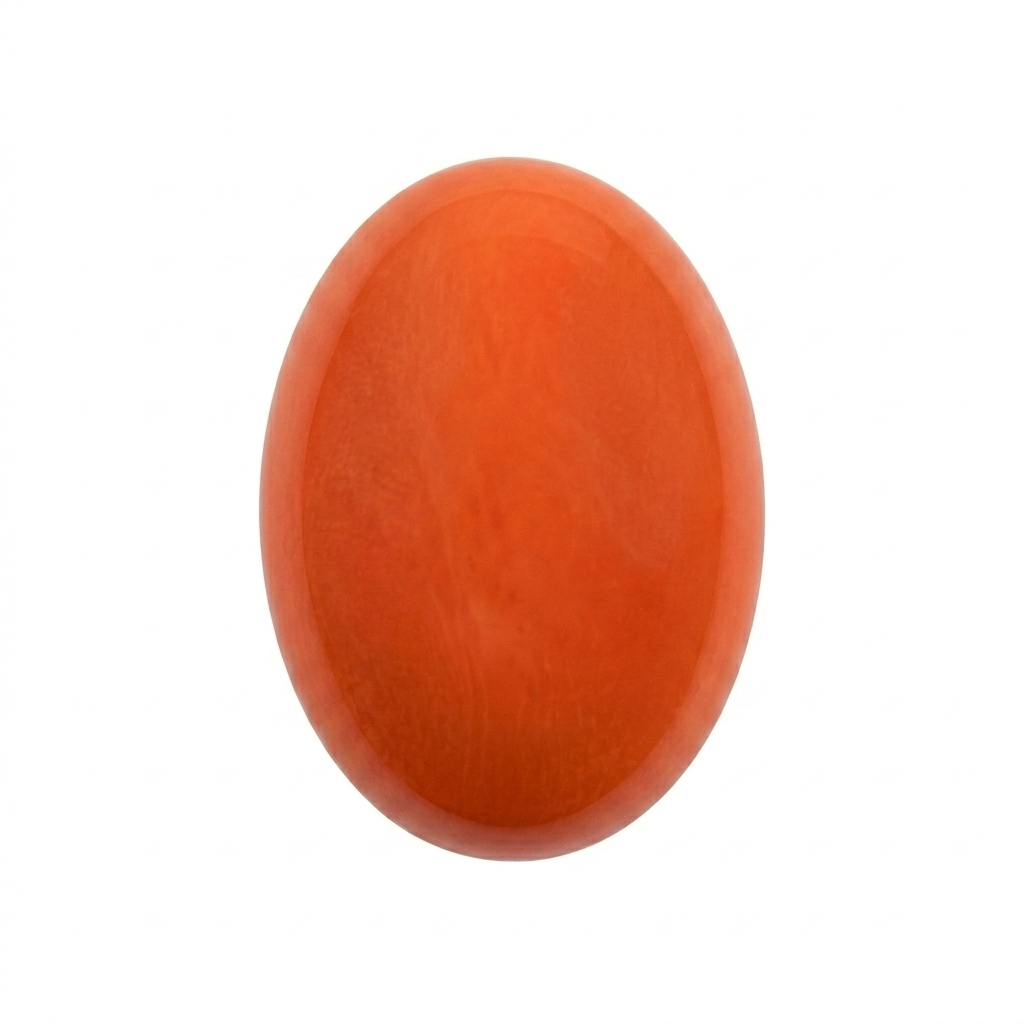 Orange Coral (मूंगा)
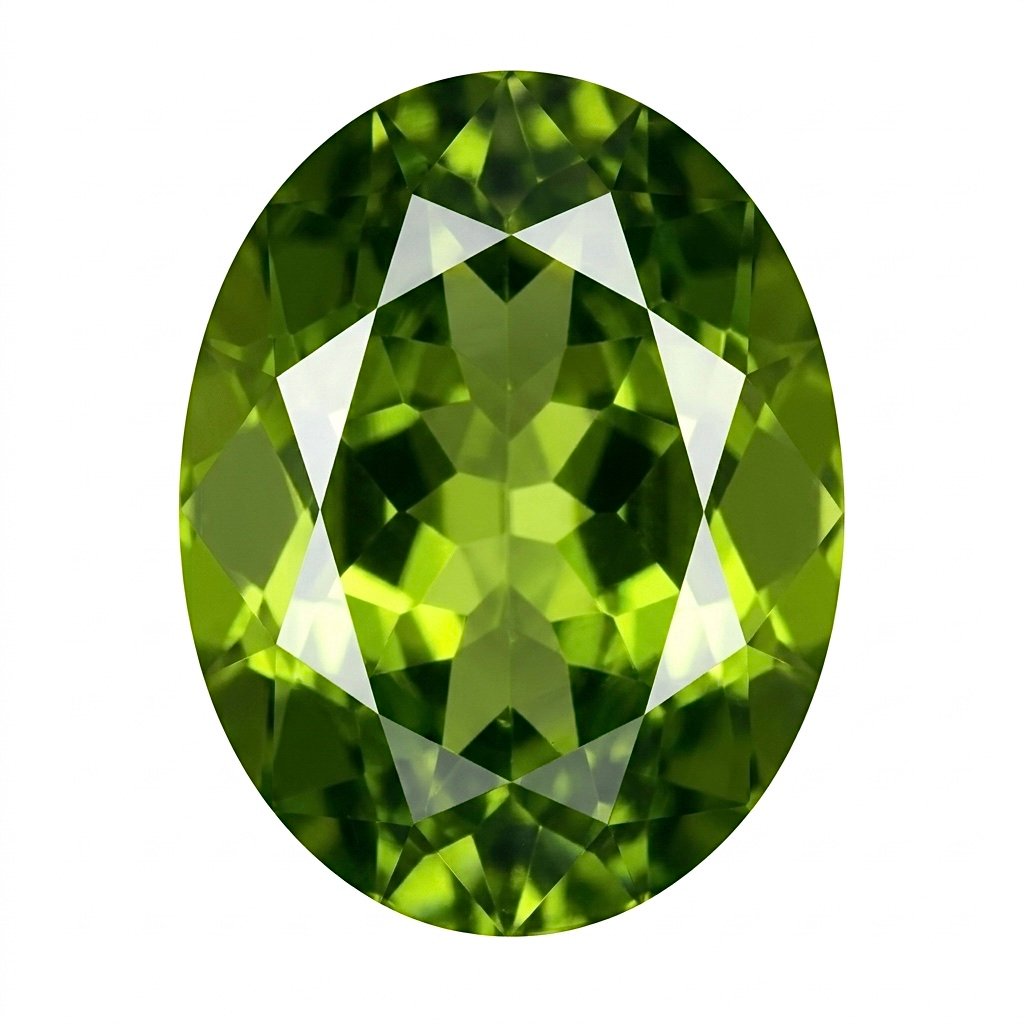 Peridot
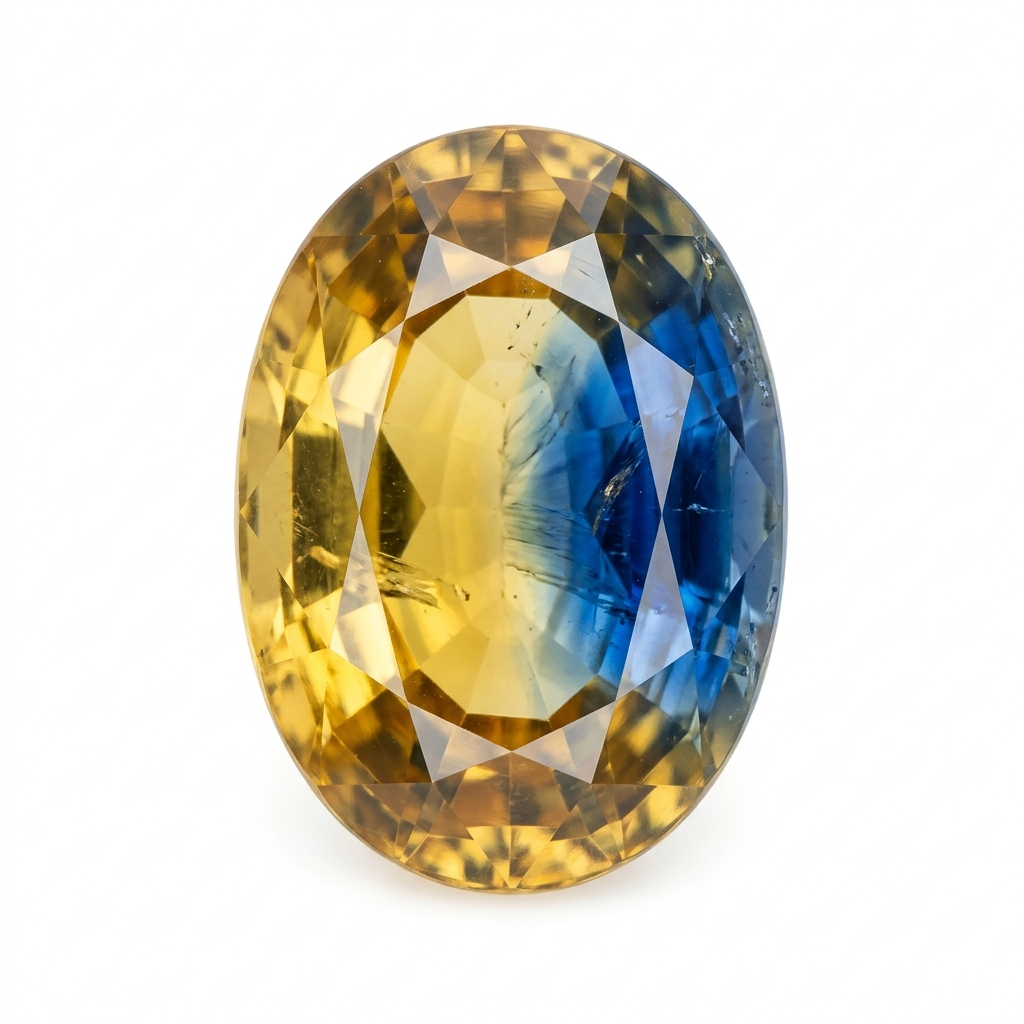 Pitambari
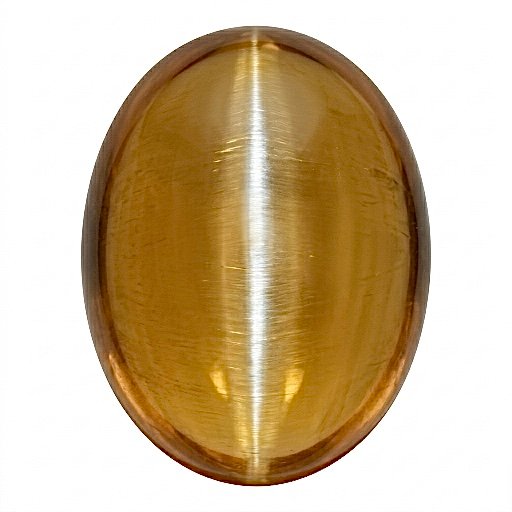 Quartz Catseye
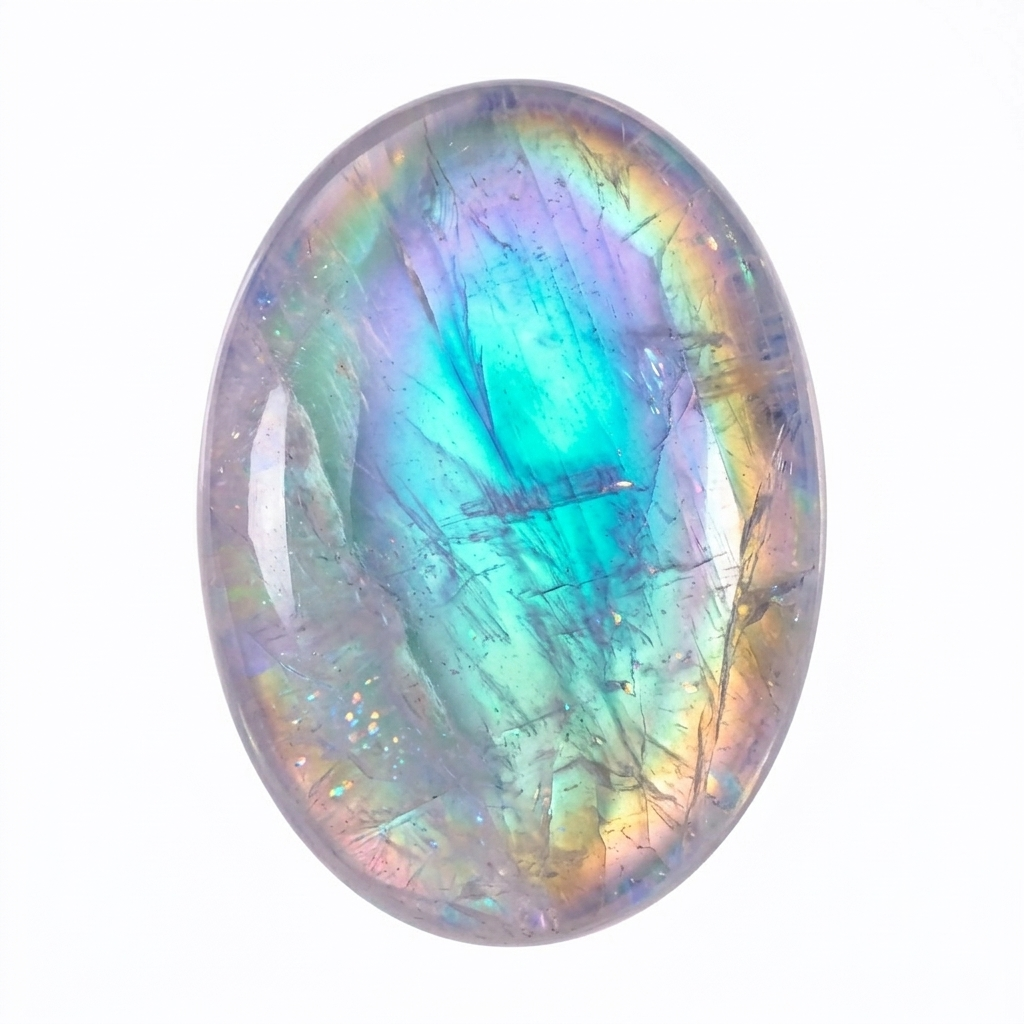 Rainbow Moonstone
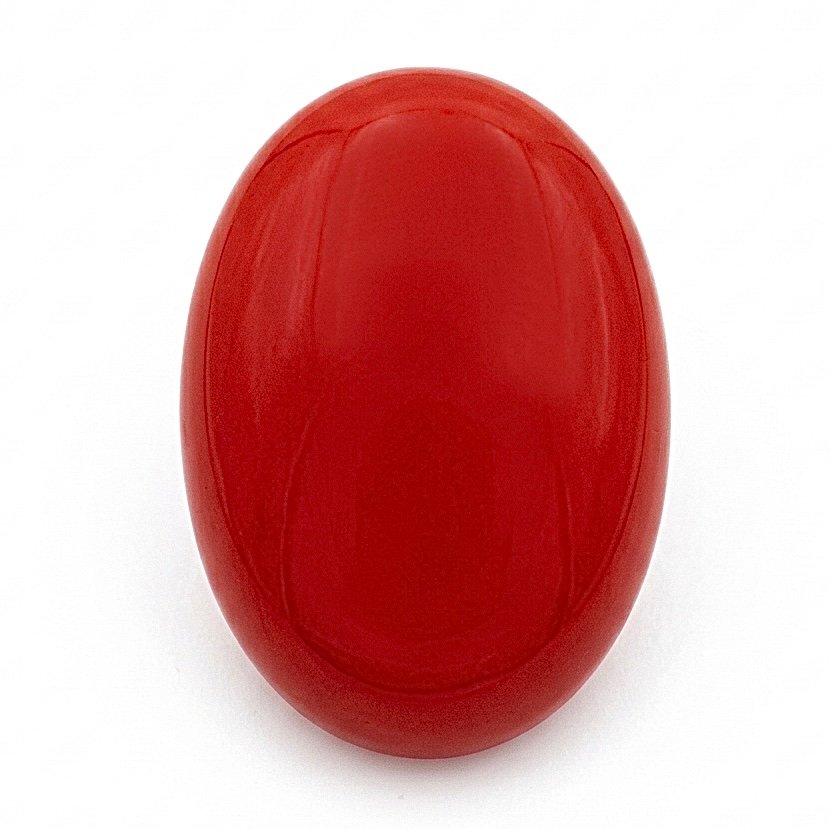 Red Coral (मूंगा)
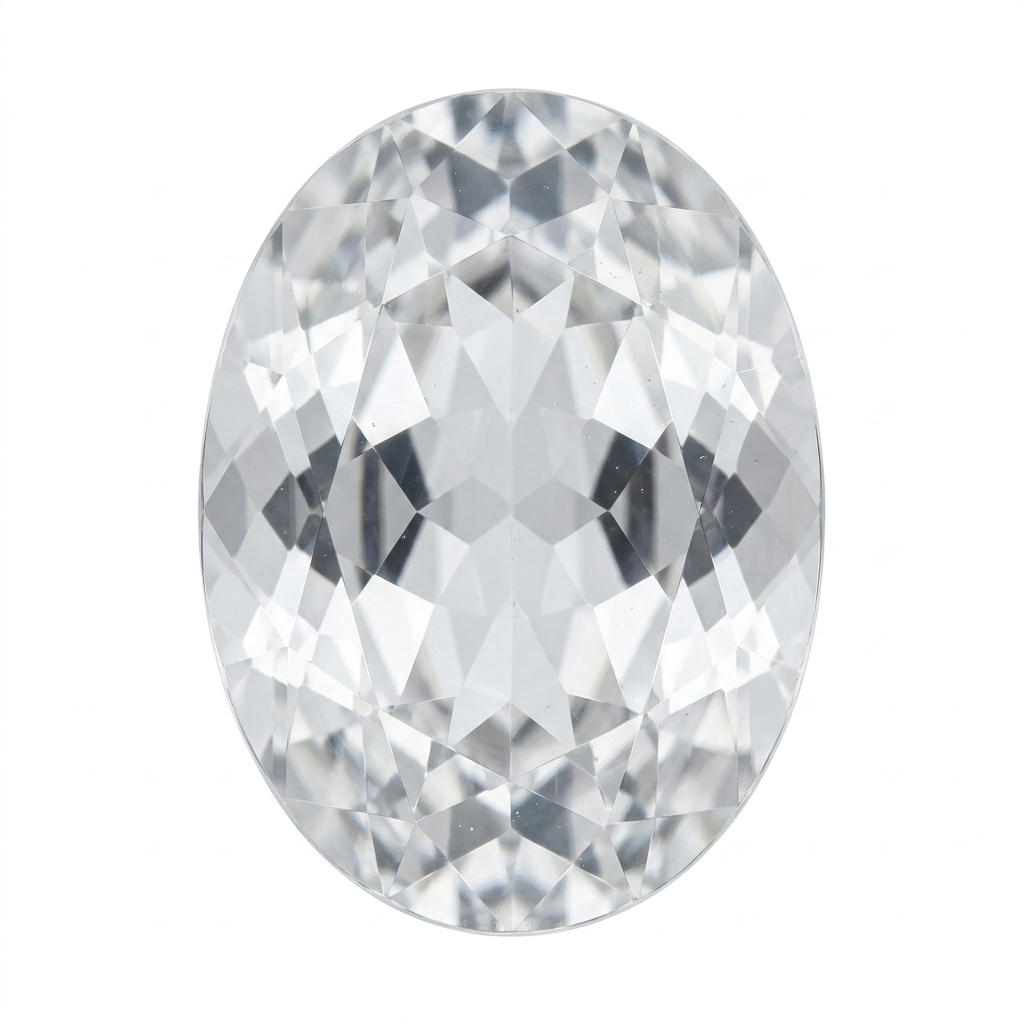 WHITE TOPAZ
 15 JAN
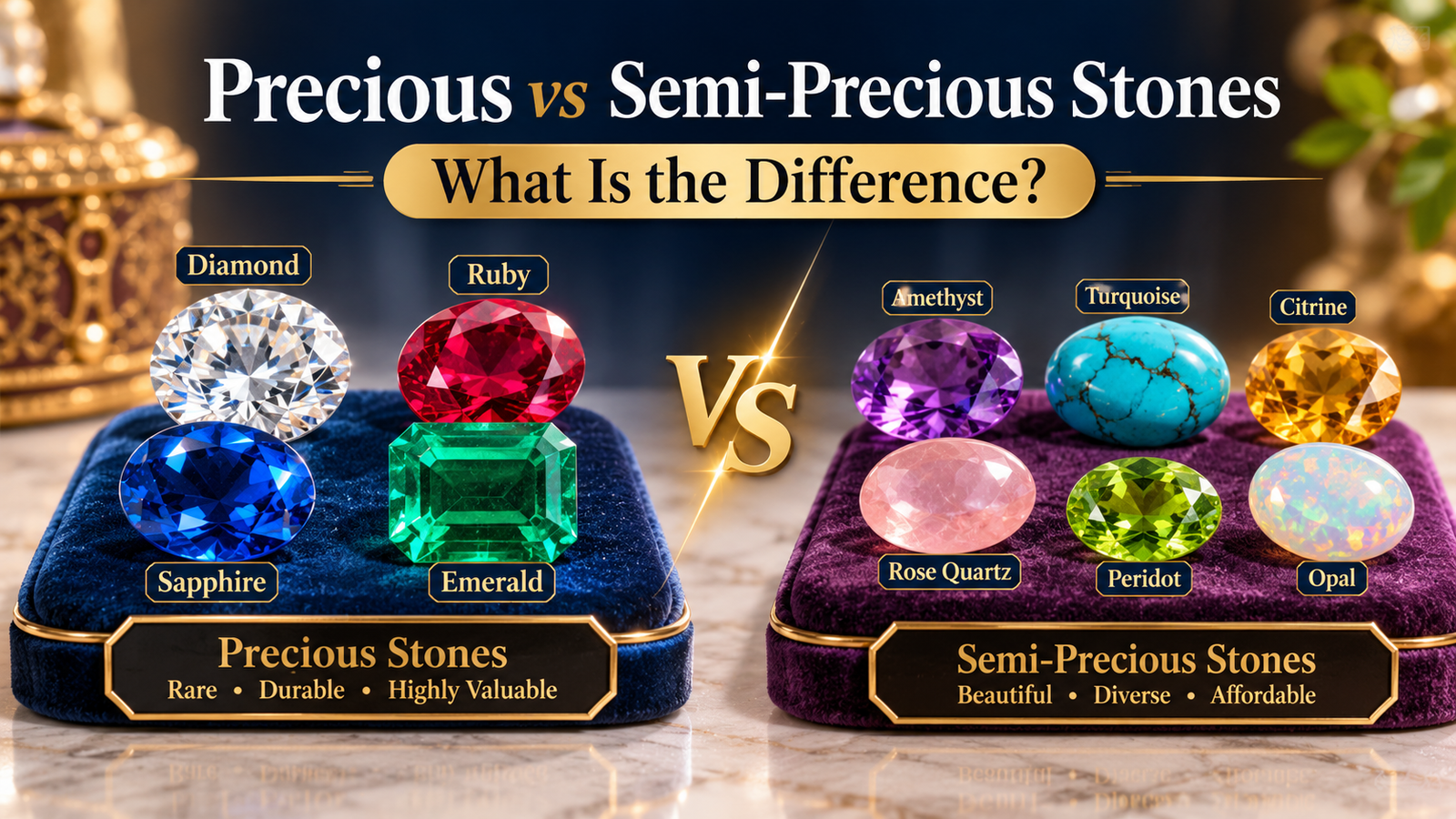
By historical convention, four
gemstone varieties are classified as precious: diamond, ruby, sapphire, and
emerald. This classification has its origins in European gem trade tradition
from centuries past, when these four stones were considered to be distinctly
superior in beauty, rarity, and value to all others.
The classification has persisted
in marketing and popular usage despite being scientifically arbitrary. There is
no gemological definition that formally establishes these four stones as
categorically superior to all others. The "precious" designation
reflects historical market convention, not a systematic assessment of every
known gemstone variety.
In the context of this
conventional classification, precious gemstones refers specifically to
diamonds, rubies, sapphires, and emeralds. The word "precious" in
this usage signals rarity, durability, and high market value — at least in the
upper quality ranges of each variety. However, it is important to note that "precious"
does not mean every stone of these varieties is high-quality or expensive. A
low-quality included ruby with poor colour is a precious stone by category and
may still be worth very little.
Diamond is the hardest natural
material known — scoring 10 on the Mohs hardness scale — and is the most widely
purchased precious gemstone globally. Its extraordinary hardness, high
refractive index (which produces the characteristic "fire" and
brilliance), and the established grading system (the 4Cs: cut, colour, clarity,
carat) make it one of the most systematically evaluated gemstones in the trade.
Diamonds are used primarily in engagement rings and fine jewellery, and are
central to both Western jewellery traditions and increasingly to Indian bridal
jewellery.
Natural diamonds are graded for
colour on a D-to-Z scale (D being colourless, the most prized) and for clarity
on a scale from Flawless to Included. Cut quality — which determines how the
diamond interacts with light — is evaluated separately. These four factors
together determine a diamond's value more precisely than any other gemstone
category.
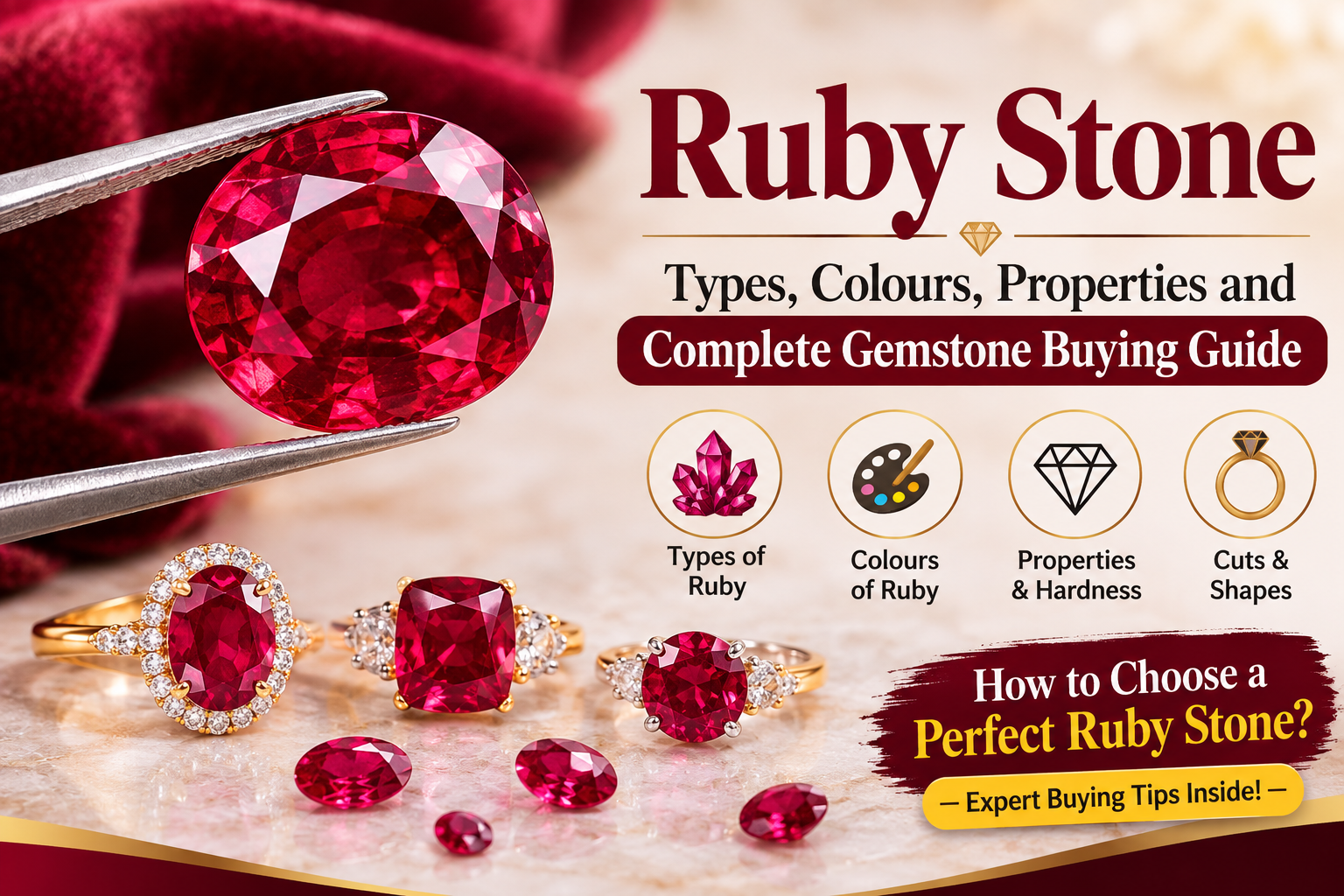
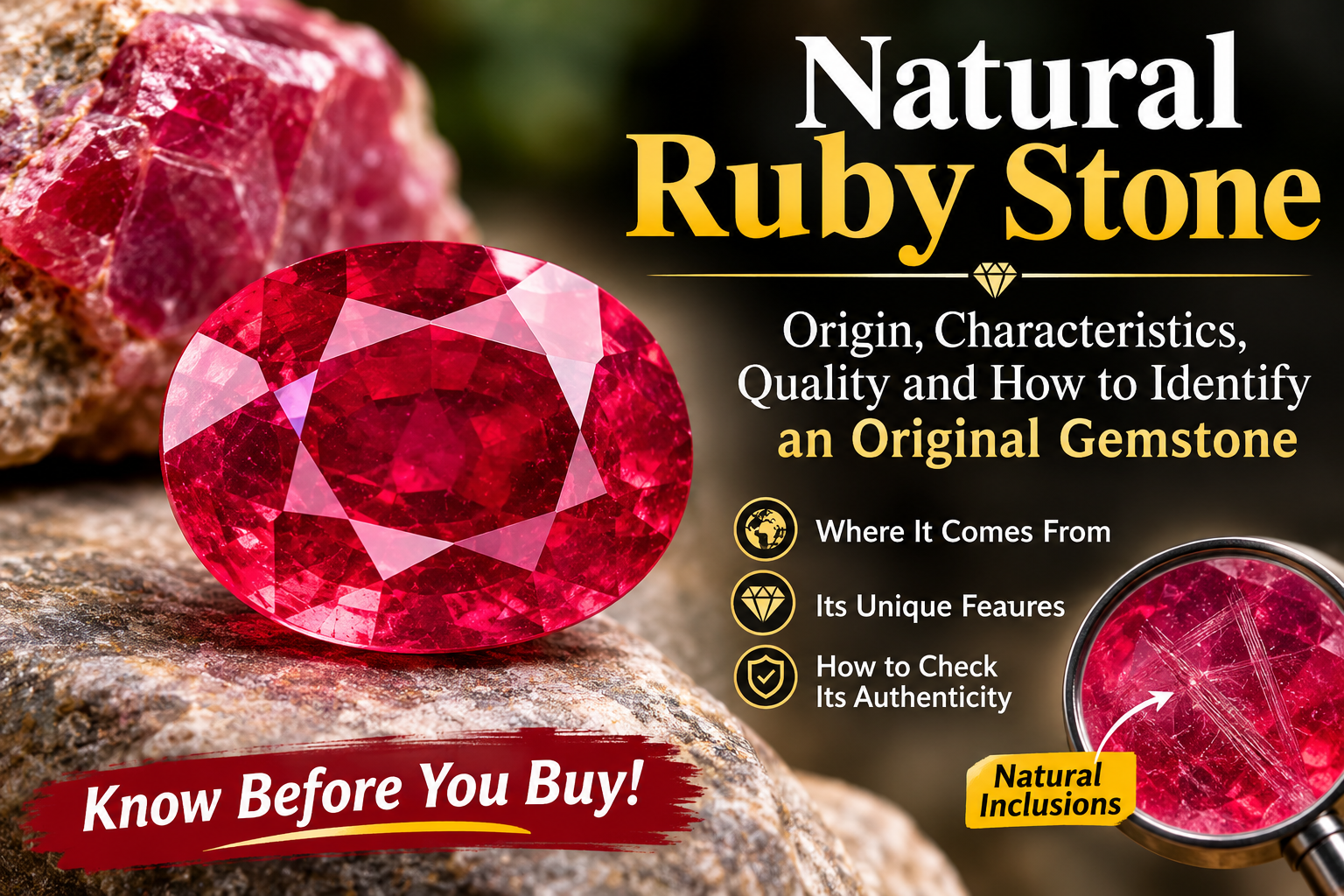
Ruby is the red variety of
corundum (aluminium oxide), coloured by chromium. It is among the most highly
valued gemstones per carat when found in fine quality — fine Burmese rubies
with no heat treatment and excellent colour have sold at international auction
for prices that exceed comparable diamonds by weight.
The primary quality factor for
ruby is colour. The most valued rubies show a vivid red with slight purplish
overtones — sometimes called "pigeon's blood" in the trade, though
this term is used loosely. Overly dark or brownish reds are less prized. Heat
treatment is standard in the commercial ruby market and must be disclosed.
Unheated natural rubies of fine quality are significantly rarer and
correspondingly more expensive.
In the Indian astrological
tradition, ruby (Manik) is associated with the Sun and is one of the nine
Navratna gemstones. Natural, untreated or minimally treated rubies are
preferred for this purpose.
Sapphire is also corundum, but
in blue and all other colours except red (which are rubies). Blue sapphire is
the most valuable and widely recognised variety, but sapphires also occur in
yellow, pink, purple, green, orange, and the colour-change alexandrite-like
variety. Padparadscha sapphire — a distinctive salmon-pink to orange-pink
colour — is among the rarest and most valuable sapphire varieties.
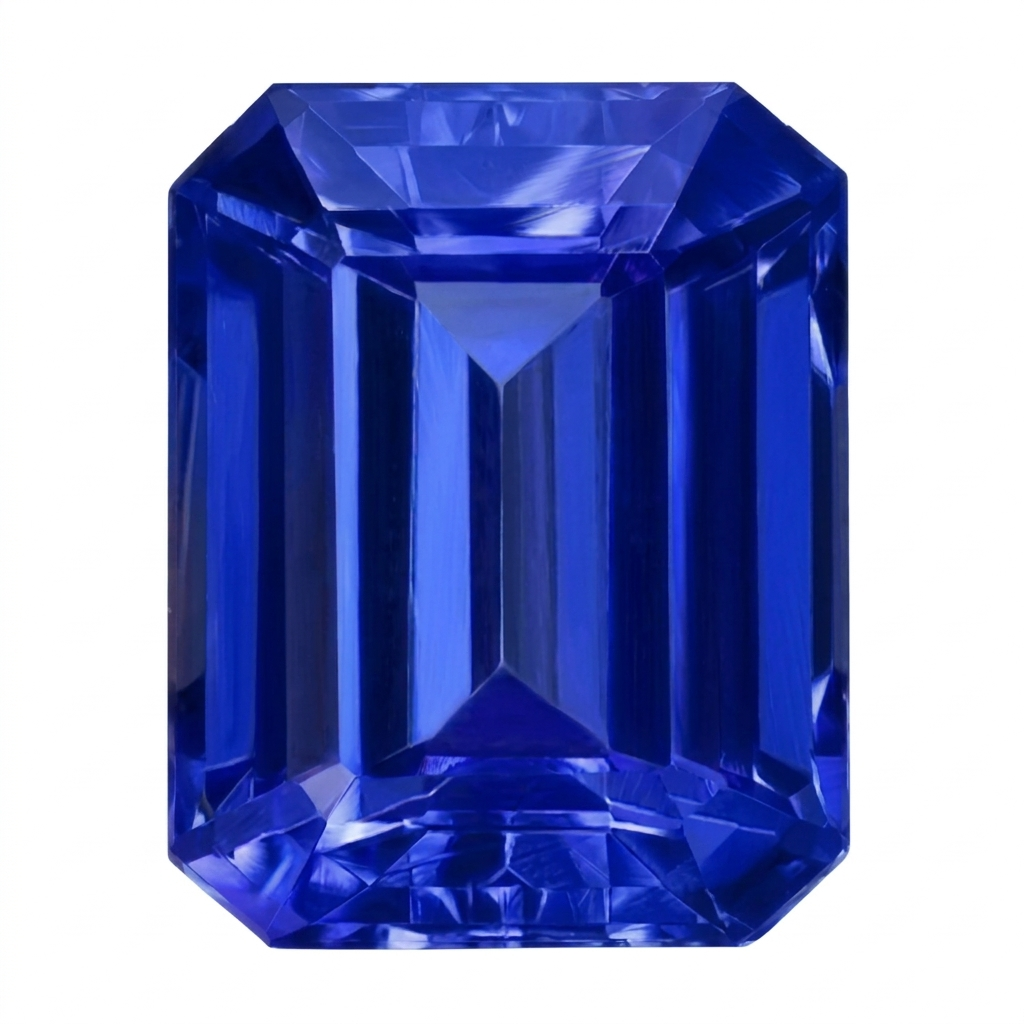
Blue sapphire quality is
evaluated primarily by colour — a rich, vivid blue of medium-dark tone commands
the highest prices. Kashmir sapphires, known for their characteristic velvety
blue caused by fine-grained inclusions, are legendary in the trade and can sell
for extraordinary prices per carat when accompanied by reliable provenance and
laboratory origin assessment.
In Vedic astrology, blue
sapphire (Neelam) is associated with Saturn and is considered one of the most
powerful of the Navratnas — traditionally recommended with care and only after
astrological consultation.
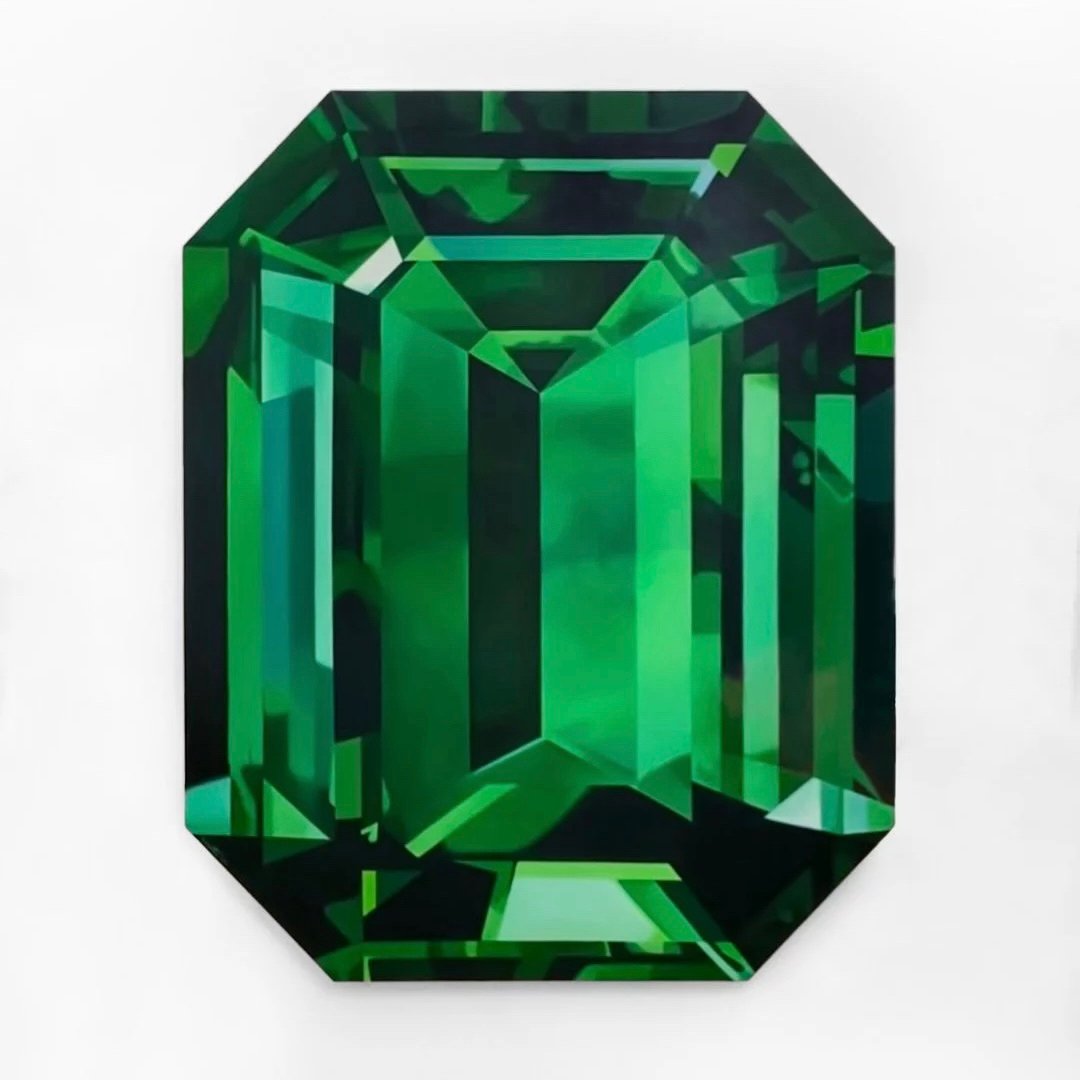
Emerald is the green variety of
beryl, coloured by chromium and/or vanadium. It is one of the most commercially
important coloured gemstones and has been prized across cultures for thousands
of years — from ancient Egyptian mines to the Colombian deposits that became
the dominant source from the 16th century onward.
Emeralds are almost universally
included — internal features (called "jardin," French for garden) are
so characteristic of natural emeralds that a completely clean emerald of
significant size is immediately suspicious. Most commercial emeralds are
treated with oil or synthetic resin to fill fractures and improve transparency;
the degree of filling (minor, moderate, significant) is documented in
laboratory reports.
The most valued emeralds show a
vivid, slightly bluish green with good transparency despite their inclusions.
Colombian emeralds — particularly those from Muzo and Chivor — are widely
considered the benchmark for finest emerald colour.
All other gemstones — by this
conventional classification — fall into the semi precious stones category. This
is an enormous category, encompassing hundreds of gem varieties across a vast
range of quality levels, prices, colours, and properties.
The term
"semi-precious" has been criticised in the gemological community for
being misleading, because many so-called semi precious stones are genuinely
rarer and more valuable than low-quality specimens of the "precious"
four. Nevertheless, the term persists in the trade and in popular usage, and
understanding what it means helps buyers interpret product descriptions correctly.
Semi precious gemstones are any
gemstone varieties that are not diamond, ruby, sapphire, or emerald. The
category includes stones ranging from extremely rare and expensive
(alexandrite, Paraíba tourmaline, demantoid garnet) to widely available and
affordable (amethyst, citrine, rose quartz). The "semi-precious"
label says nothing about the individual quality, rarity, or value of a specific
stone.
Amethyst is the purple variety
of quartz, coloured by iron impurities and natural irradiation. It was once
considered precious — in a category with ruby and sapphire — until large
Brazilian deposits were discovered in the 19th century, making it widely
available. Today it is one of the most popular semi precious stones, prized for
its distinctive purple colour and availability in large sizes. The finest
amethysts show a deep, vivid purple with red or blue secondary hues. Pale lilac
amethyst is more common and less valued.
Amethyst is used widely in jewellery
and is associated with Jupiter in some astrological traditions, though yellow
sapphire (Pukhraj) is the primary Navratna stone for Jupiter.
Garnet is not a single stone but
a family of related mineral species with significantly different properties and
values. Pyrope garnet — deep red, resembling ruby — is the variety most
commonly associated with the name. Tsavorite garnet is green, rival to fine
emerald in colour, and genuinely rare. Demantoid garnet — also green — has
dispersion exceeding even diamond and is among the most prized of all semi
precious stones. Spessartite garnet shows vivid orange. Colour-change garnet
exists in varieties that shift between green, blue, and purple depending on
light source.
In Indian astrology, hessonite
garnet (Gomed) is one of the Navratnas, associated with Rahu.
Peridot is the gem variety of
the mineral olivine, producing a distinctive lime-to-olive green colour caused
by iron. It is one of the few gemstones that occurs in only one colour — unlike
many stones, it cannot be found in any other hue. Peridot has been mined for
over 3,500 years, with a notable ancient source on the island of Zabargad in
the Red Sea. Fine peridot shows a vivid, saturated green without brownish
overtones.
Citrine is the yellow to
orange-brown variety of quartz. Much commercial citrine is heat-treated
amethyst or smoky quartz that has been heated to produce yellow colour. Natural
citrine is rarer than treated material. Turquoise is an opaque blue-green
phosphate mineral associated with a long history of use across cultures —
Persian, Native American, Tibetan, and Egyptian traditions all prize it.
Natural high-quality turquoise is considerably rarer than treated or imitation
material; the market includes significant quantities of stabilised, dyed, and
imitation turquoise that must be disclosed.
Other notable semi precious
stones include alexandrite (the colour-change variety of chrysoberyl,
associated with Ketu as Lehsunia/cat's eye in Indian astrology), spinel (often
confused with ruby historically), tanzanite (exclusively from a small area near
Mount Kilimanjaro in Tanzania), and a vast range of tourmaline varieties
including the rare Paraíba tourmaline with its electric blue-green colour
caused by copper.
|
Factor |
Precious Stones |
Semi-Precious Stones |
|
Varieties included |
Diamond, ruby, sapphire,
emerald only |
All other gemstones — hundreds
of varieties |
|
Classification basis |
Historical market convention |
Historical market convention
(the remainder) |
|
Rarity |
Fine examples are genuinely
rare |
Ranges from very rare to
extremely common |
|
Price range |
From modest to extraordinary
per carat |
From modest to extraordinary
per carat |
|
Durability |
Generally high (diamond 10,
ruby/sapphire 9, emerald 7.5–8) |
Varies widely by variety |
|
Treatments |
Common in ruby, sapphire,
emerald; rare in diamond |
Varies by variety |
|
Market position |
Premium marketing; higher
average prices |
Broad range of market
positions |
|
Certification |
Standard for diamonds;
advisable for coloured stones |
Advisable for higher-value varieties |
No — and this is the most
important practical takeaway from examining this classification. The
"precious" label is not a guarantee of value, rarity, or quality. The
category tells you only that the stone is one of four varieties with a
historical premium reputation. It does not tell you whether the specific stone
in front of you is high quality.
A low-quality ruby with heavy
inclusions, poor colour, and significant fracture filling may be worth less per
carat than a fine alexandrite, a top-quality Paraíba tourmaline, or an
untreated demantoid garnet — all technically "semi-precious" by
classification. Price within any variety is driven by quality, and quality
variation within each variety is enormous. The "precious" label is a
starting category, not a quality indicator.
Some semi precious stones are
genuinely rarer than most precious stones at comparable quality levels. Fine
alexandrite — colour-change chrysoberyl from Russia or Brazil — is
exceptionally rare in the market and commands prices per carat that exceed fine
rubies and sapphires in comparable sizes. Paraíba tourmaline with its electric
blue-green colour from copper is rarer than most precious stones and priced
accordingly. The "semi-precious" label does not prevent a stone from
being extraordinarily valuable.
For coloured gemstones of any
category, the same quality factors apply: colour (hue, tone, saturation),
clarity (freedom from visible inclusions), cut (proportions, symmetry, finish),
and carat weight (size). A fine, vivid, well-cut, eye-clean stone of any
variety will be more valuable than a dull, heavily included, poorly cut stone
of the same variety. These factors drive price far more reliably than the
precious/semi-precious classification.
Treatment status significantly
affects pricing across both categories. An untreated fine ruby commands a
premium over a heat-treated one. An untreated alexandrite is rarer still.
Origin disclosures, where supported by laboratory assessment, also affect
pricing — Kashmir sapphires, Mogok rubies, Colombian emeralds, and Russian
alexandrites all carry provenance premiums in the market. These factors apply
across the precious/semi-precious divide and matter more practically than the
category label.
Durability is the primary
practical consideration for stones worn in rings, particularly everyday rings.
Hardness (resistance to scratching) and toughness (resistance to chipping or
fracturing) both matter. Diamonds (Mohs 10) and corundum — ruby and sapphire
(Mohs 9) — are excellent choices for everyday ring wear. Among semi precious
stones, spinel (Mohs 8), alexandrite and chrysoberyl (Mohs 8.5), and tourmaline
(Mohs 7–7.5) are durable enough for rings with reasonable care. Emerald (Mohs
7.5–8 but typically included and therefore brittle) requires more careful
handling than its hardness might suggest.
Pendants and earrings experience
less mechanical stress than rings, making a broader range of gemstones
appropriate. Opal (Mohs 5.5–6.5), pearl (Mohs 2.5–4.5), and tanzanite (Mohs
6.5) — which are not suitable for everyday ring wear — can be used comfortably
in pendants and earrings. This context also opens up beautiful semi precious
stones like labradorite, moonstone, and malachite that would not survive ring
wear.
When buying precious stones
online or semi precious stones for jewellery, clarify the intended use to the
jeweller or at minimum check the hardness and toughness of the variety. The
Mohs scale gives a scratch resistance guide, but some stones with moderate
hardness (garnet at 6.5–7.5) are tough, while others with similar hardness
(emerald at 7.5–8) are brittle due to their characteristic inclusions.
Treatment type also matters: fracture-filled emeralds may be more fragile than
their untreated counterparts.
Different gemstones require
different care. Diamonds are durable and can be cleaned in ultrasonic machines
— but only if not heavily included or fracture-filled. Rubies and sapphires
without fracture filling are also generally safe for ultrasonic cleaning. Oiled
or resin-filled emeralds should not be ultrasonically cleaned. Opals should
avoid heat and low humidity. Pearls should never be cleaned with acids or
abrasives. Understanding care requirements before buying prevents damage that
cannot be repaired.
In the Indian Vedic astrological
tradition, the Navratna (nine gems) system assigns specific natural gemstones
to each of the nine planetary forces. This system has been in use for centuries
and continues to be an important driver of gemstone demand in India. The nine
stones and their planetary associations are:
|
Gemstone (Hindi name) |
Planet |
Category |
|
Ruby (Manik) |
Sun (Surya) |
Precious |
|
Natural Pearl (Moti) |
Moon (Chandra) |
Semi-precious (organic) |
|
Red Coral (Moonga) |
Mars (Mangal) |
Semi-precious (organic) |
|
Emerald (Panna) |
Mercury (Budh) |
Precious |
|
Yellow Sapphire (Pukhraj) |
Jupiter (Guru) |
Precious (corundum) |
|
Diamond (Heera) |
Venus (Shukra) |
Precious |
|
Blue Sapphire (Neelam) |
Saturn (Shani) |
Precious (corundum) |
|
Hessonite Garnet (Gomed) |
Rahu |
Semi-precious |
|
Cat's Eye Chrysoberyl
(Lehsunia) |
Ketu |
Semi-precious |
The Navratna system uses a
combination of precious stones and semi precious stones — natural pearl, red
coral, hessonite garnet, and cat's eye chrysoberyl are all
"semi-precious" by conventional classification, yet they are
essential parts of the astrological gemstone system alongside rubies,
sapphires, emeralds, and diamonds. This practical reality illustrates why the
precious/semi-precious distinction is less relevant than natural origin,
quality, and treatment status when buying gemstones for astrological purposes.
In the Vedic tradition, gemstone
recommendations are made based on an individual's horoscope — the position of
planets at the time of birth determines which planetary gemstone may benefit
them. Recommendations are typically made by a qualified Jyotish (Vedic
astrologer) who analyses the birth chart (Kundali). The recommended stone's
weight (ratti/carats), metal setting, and wearing finger may all be specified.
Quality, natural origin, and minimal treatment are generally considered
important factors in selecting the stone.
For astrological purposes,
natural origin is considered essential. A synthetic ruby, however chemically
identical to a natural one, is not recognised as a substitute for Manik in the
Vedic tradition. An imitation stone of any kind is not appropriate. Treatment
disclosures matter because heavily treated stones — particularly those with
significant filling that alters their physical structure — may not be
considered as suitable as minimally treated or untreated natural stones.
When buying precious or semi
precious stones online for astrological purposes, laboratory certification
confirming natural origin and treatment status from a recognised gemological
institution provides the most reliable assurance available.
The astrological properties
attributed to gemstones are traditional beliefs rooted in Vedic cultural and
philosophical tradition. They are not scientifically established facts. Wearing
a natural ruby, sapphire, or any Navratna stone may have cultural, personal,
and traditional significance; these traditional meanings are real and valued by
millions of people. A seller who claims specific guaranteed outcomes from
wearing a particular stone is making claims that go beyond established
tradition and should be approached with appropriate scepticism.
Start with clarity about what
you are purchasing for: jewellery, astrological use, or both. Define your
budget range before looking at specific stones, because the gemstone market can
lead buyers into spending far beyond their original intention when comparison
shopping across quality levels. Your intended use also shapes which variety is
appropriate and which quality factors matter most for your situation.
Once you know the variety you
want, compare specific stones on their documented quality characteristics. For
precious stones or significant semi precious stones, this means comparing
colour descriptions, clarity characteristics, cut quality, weight, and
treatment status — using laboratory reports where available. Comparison
shopping is far more productive when based on documented specifications than
when based on photographs alone.
For precious stones of any
significant value, laboratory certification from GIA, IGI, IGI-GTL, GII, or
IIGJ is advisable. For semi precious stones, the threshold at which
certification becomes worthwhile depends on the price point. A 5-carat fine
alexandrite is worth certifying; a small amethyst bead is not. Use the purchase
value as a guide: the more you are spending, the more important independent
verification becomes.
Review the return policy,
shipping terms, and customer support accessibility before placing any order. A
seller offering both precious gemstones and semi precious stones with clear
policies, verified buyer reviews, and accessible customer support provides a
considerably safer purchase environment than one where these basics are unclear
or absent. Gems N Diamond at gemsndiamond.com has operated from Karol Bagh and
Lajpat Nagar in Delhi since 1972, offering a range of natural certified
gemstones with product-specific documentation. Review the certification details
for each stone before purchasing.
A By
historical convention, diamond, ruby, sapphire, and emerald are classified as
precious stones. All other gemstones are semi-precious. This classification
reflects historical market tradition rather than a scientific assessment of
superiority. In practice, many semi-precious stones of fine quality are rarer
and more expensive than low-quality precious stones.
A Not
necessarily. The precious/semi-precious label is a category designation, not a
quality or value assessment. A fine alexandrite, a Paraíba tourmaline, or a
demantoid garnet of excellent quality can command higher prices per carat than
low-quality rubies, sapphires, or emeralds. Value is determined by individual
quality, rarity, and market demand, not by category alone.
A All
four traditional precious stones are widely used in jewellery. Diamonds are
most common in engagement rings and bridal jewellery. Rubies, sapphires, and
emeralds are used in rings, pendants, earrings, and statement pieces. Ruby and
sapphire are particularly durable (Mohs 9) and suitable for everyday wear;
emerald requires more careful handling due to its characteristic inclusions.
A It
depends on the variety. Spinel (Mohs 8) and chrysoberyl including alexandrite
(Mohs 8.5) are very durable. Tourmaline (Mohs 7–7.5) is appropriate with care.
Softer stones like opal or pearl are better reserved for occasional wear. Check
the hardness and toughness of the specific variety, and its treatment status,
before choosing it for a ring or other high-contact jewellery piece.
A A
laboratory report from a recognised gemological institution — GIA, IGI, IGI-GTL,
GII, or IIGJ — is the most reliable way to confirm a gemstone's authenticity
and identity when buying online. Verify the report number on the laboratory's
official website before purchase. Visual inspection alone is not sufficient to
distinguish natural from synthetic gemstones or to identify all treatments.
The precious versus semi-precious classification is a useful
shorthand for discussing general market categories, but it is not a reliable
guide to individual gemstone quality or value. What matters is the specific
stone's quality characteristics, natural origin, treatment status, and
documentation — regardless of whether it falls into the precious or semi
precious category.
Ruby Stone: Types, Colours, Properties and Complete Gemstone Buying Guide
Natural Ruby Stone: Origin, Characteristics, Quality and How to Identify an Original Gemstone
Precious vs Semi-Precious Stones: What Is the Difference?
Original Gemstones Online: How to Avoid Fake or Treated Stones
Natural Gemstones Online: How to Check Authenticity, Quality & Origin

 Blue Sapphire
 Emerald (PANNA)
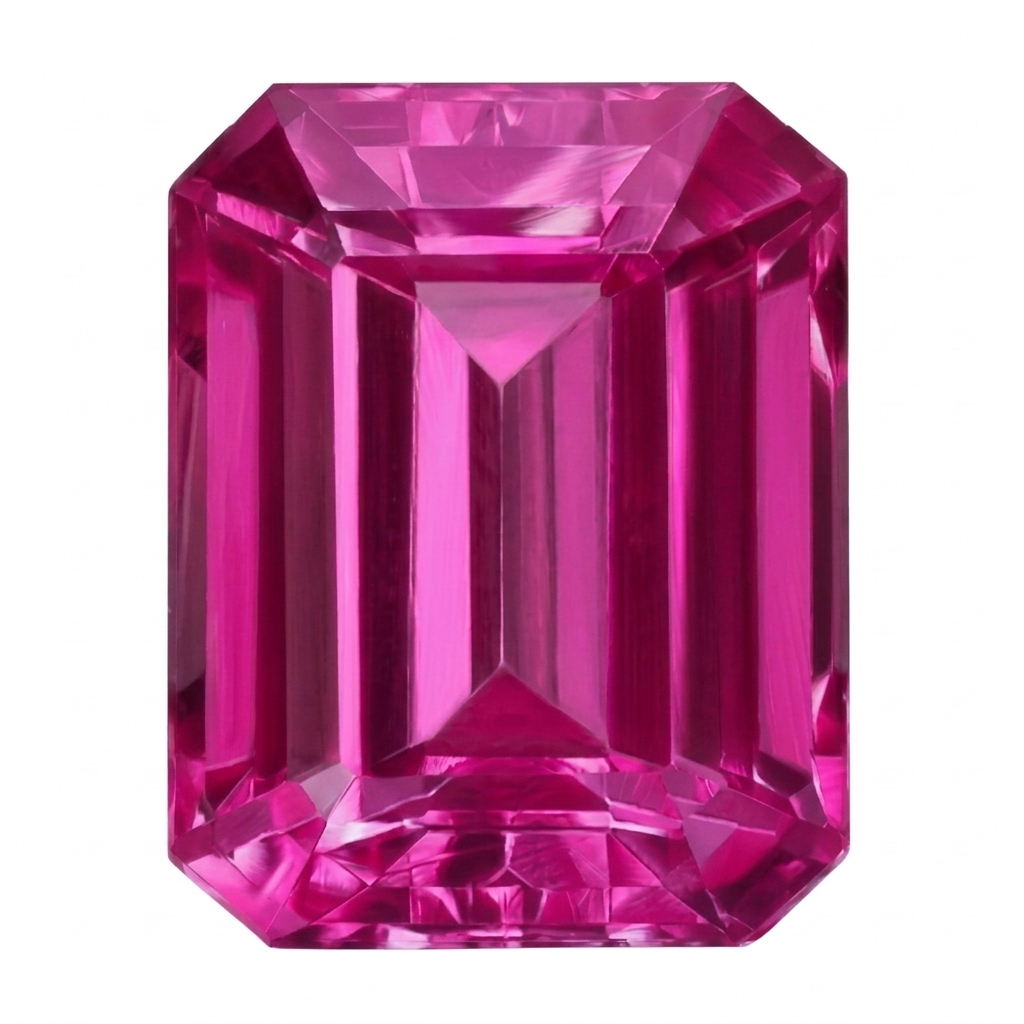 Pink Sapphire
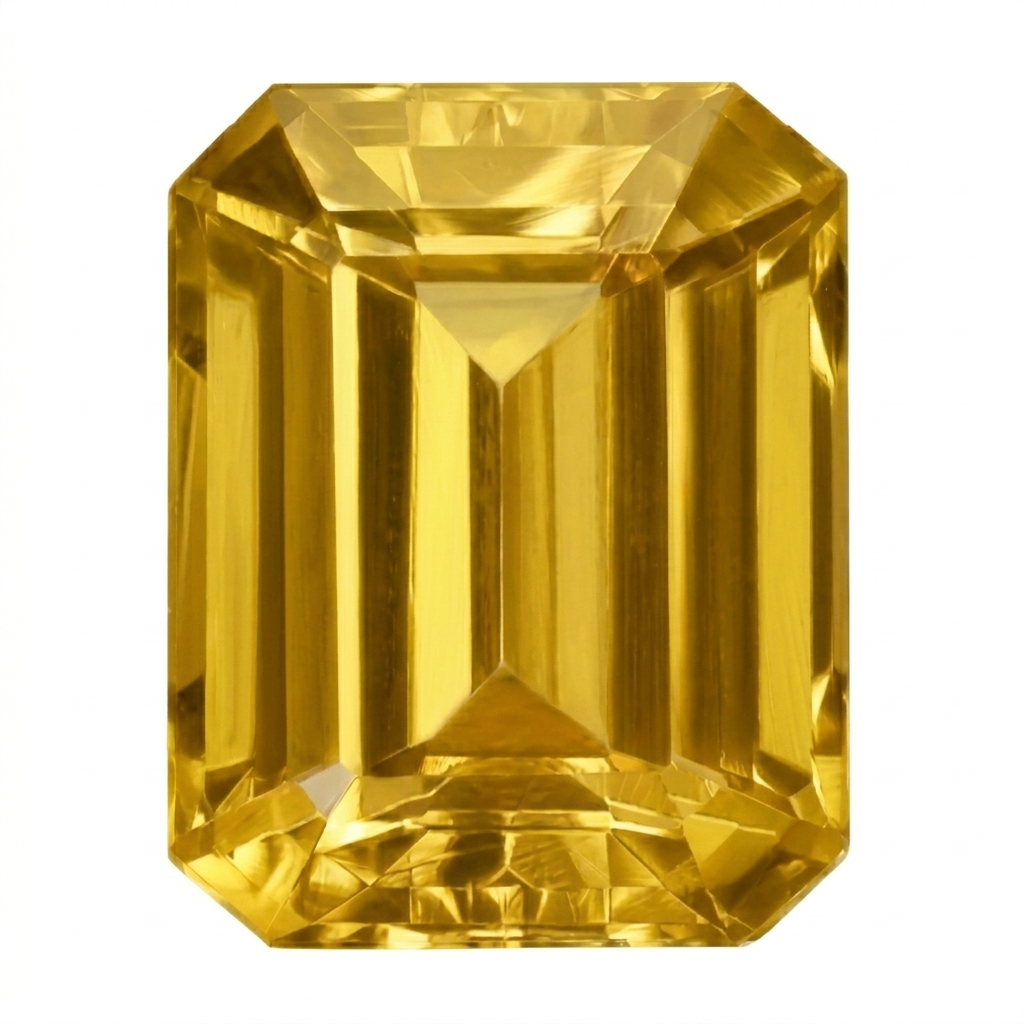 Yellow Sapphire
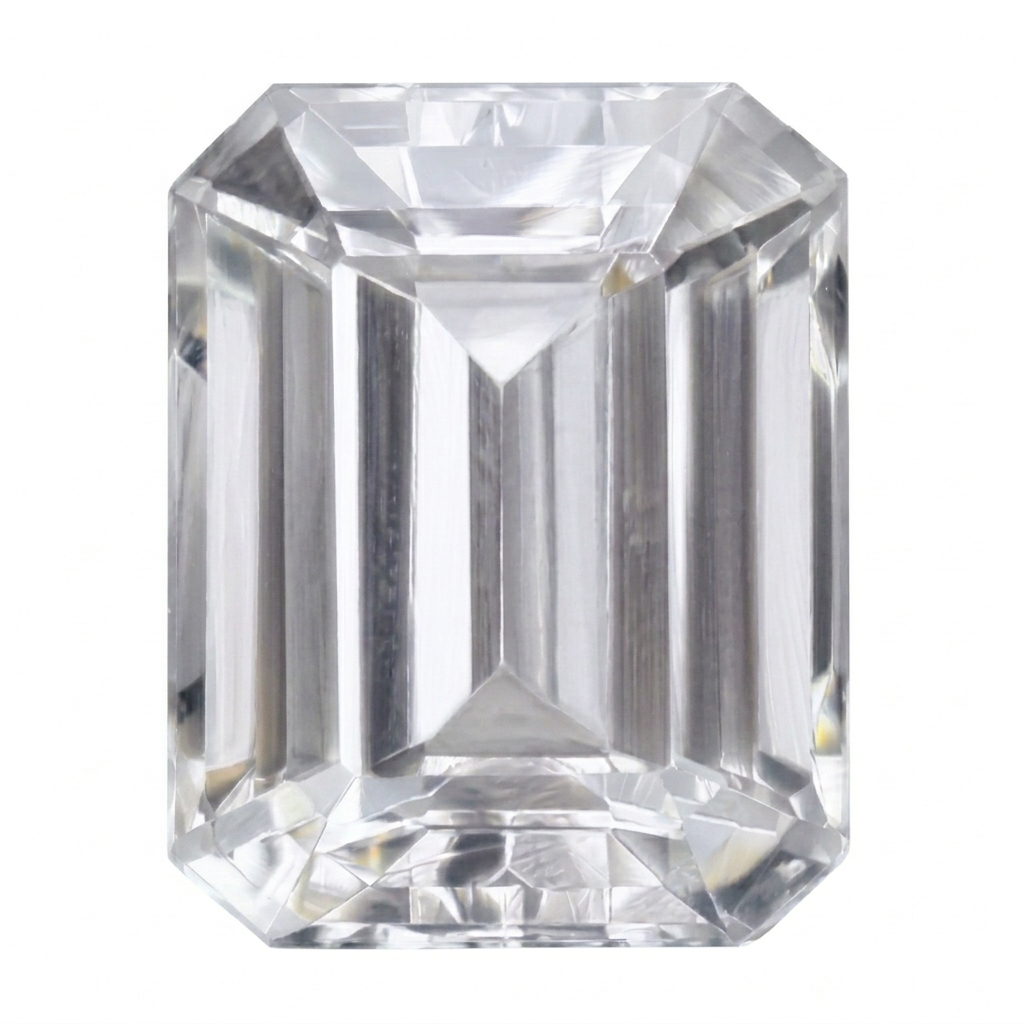 White Sapphire
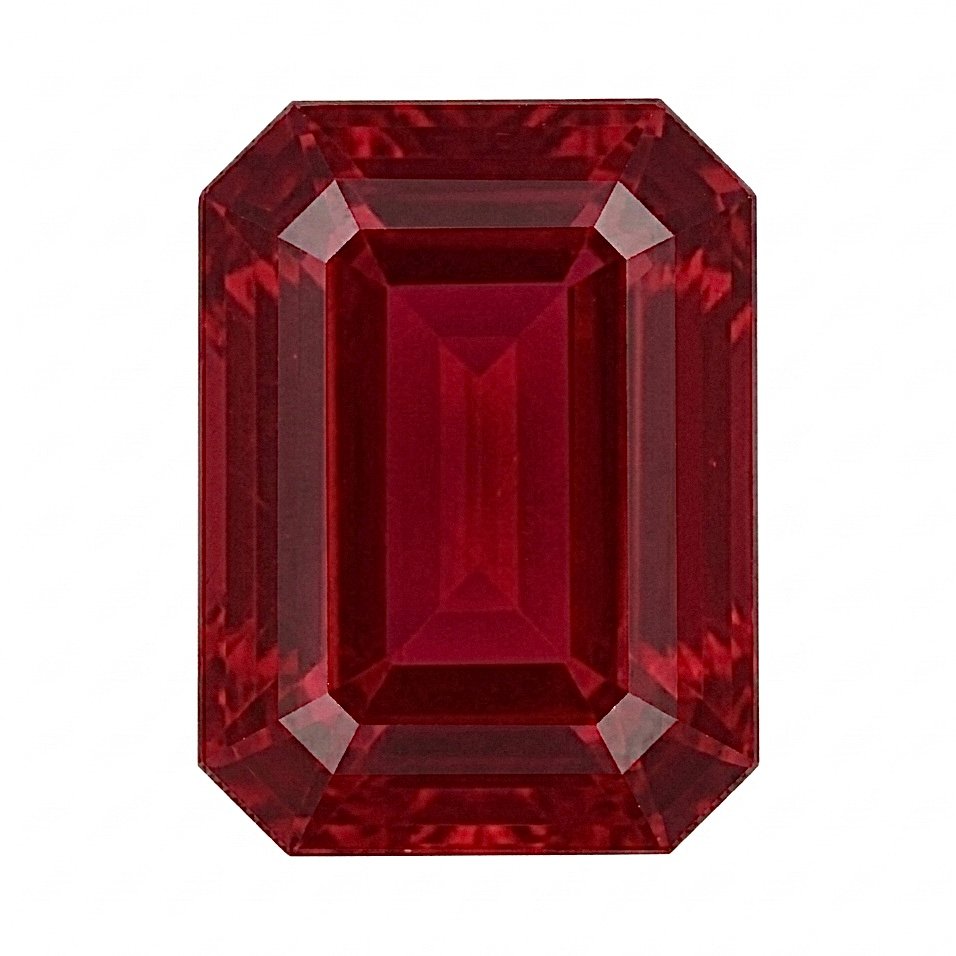 Ruby
 Rudraksha
 Bracelet
