
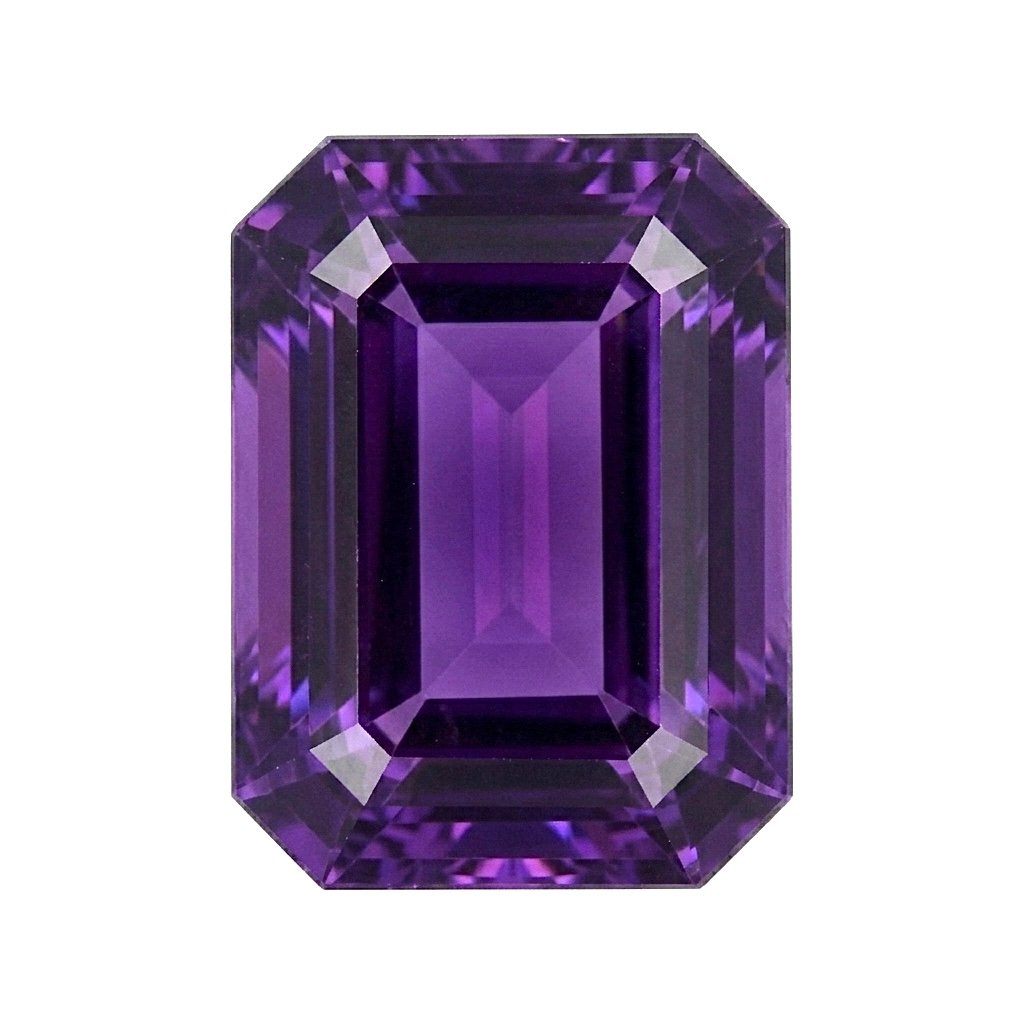
 Amethyst (ऐमेथिस्ट)
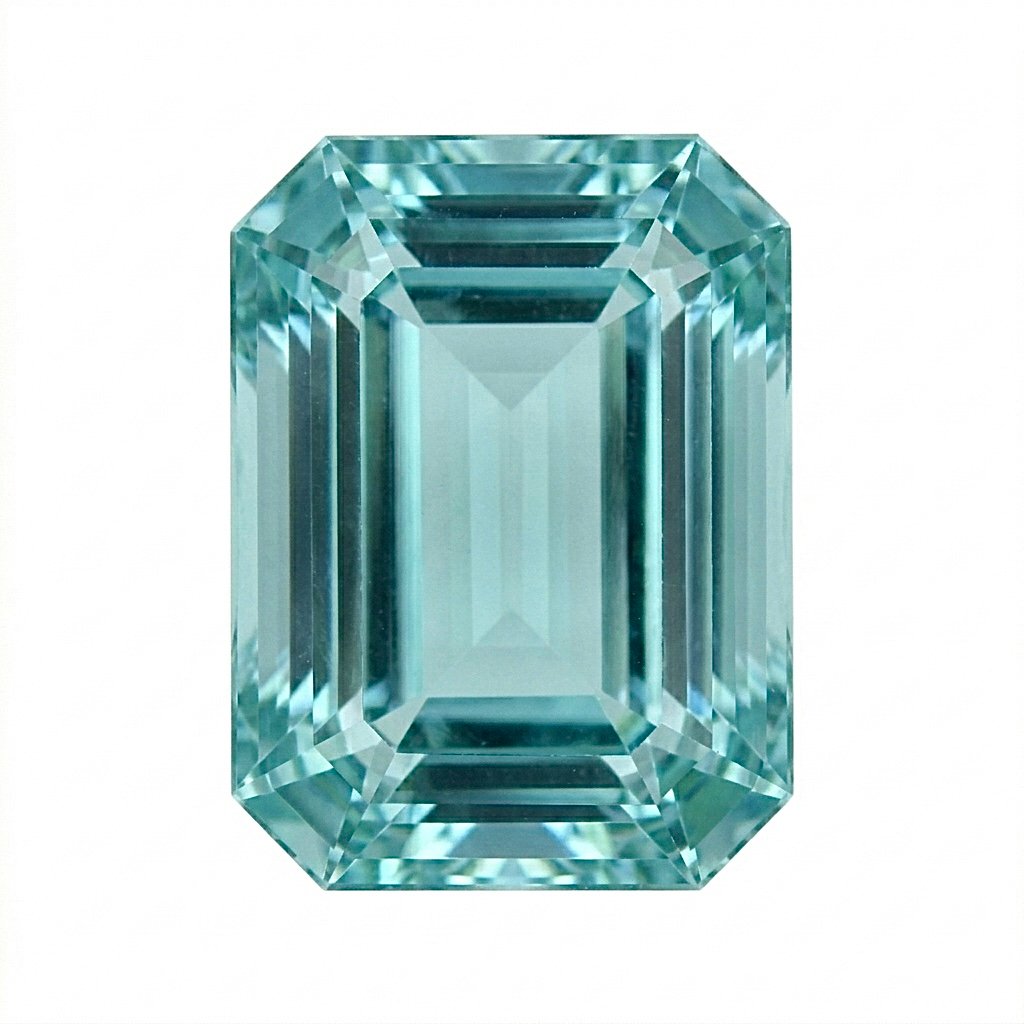 Aquamarine
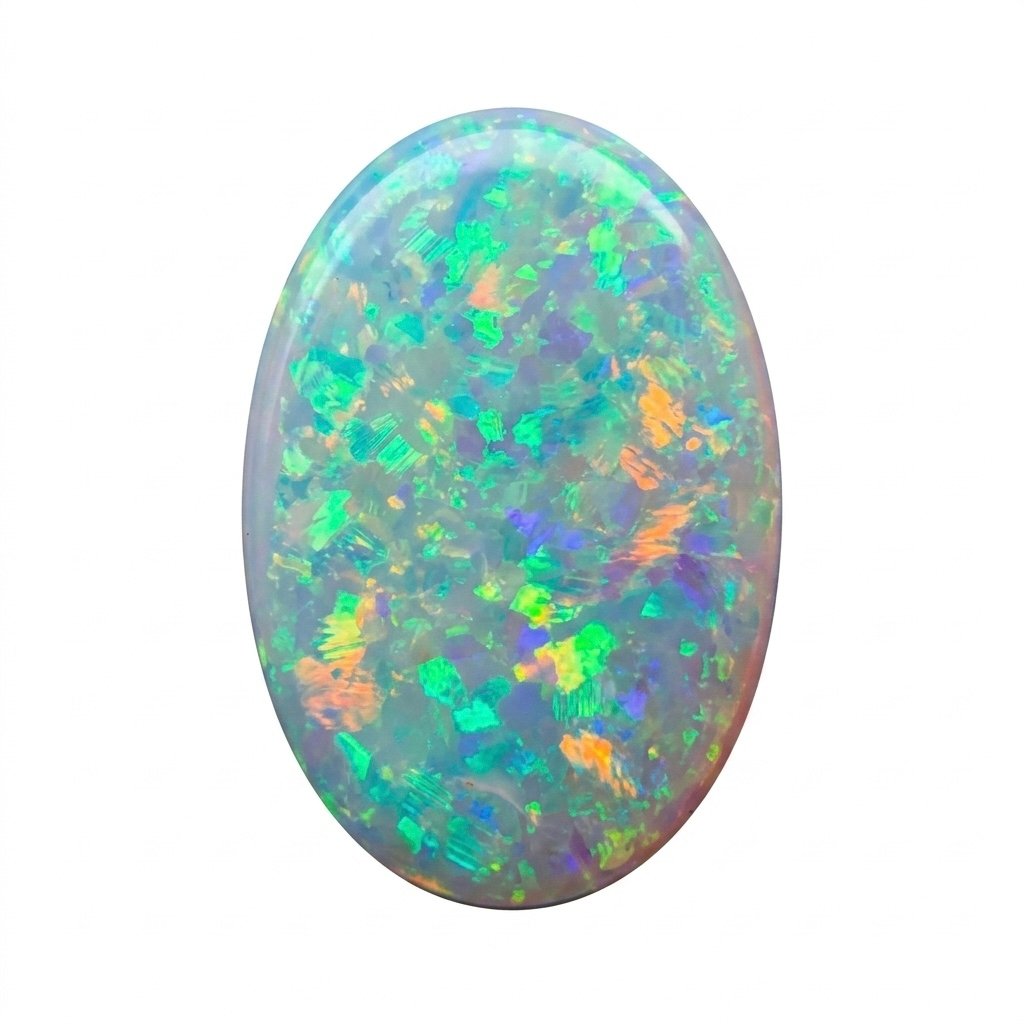 Australian Opal (ओपल)
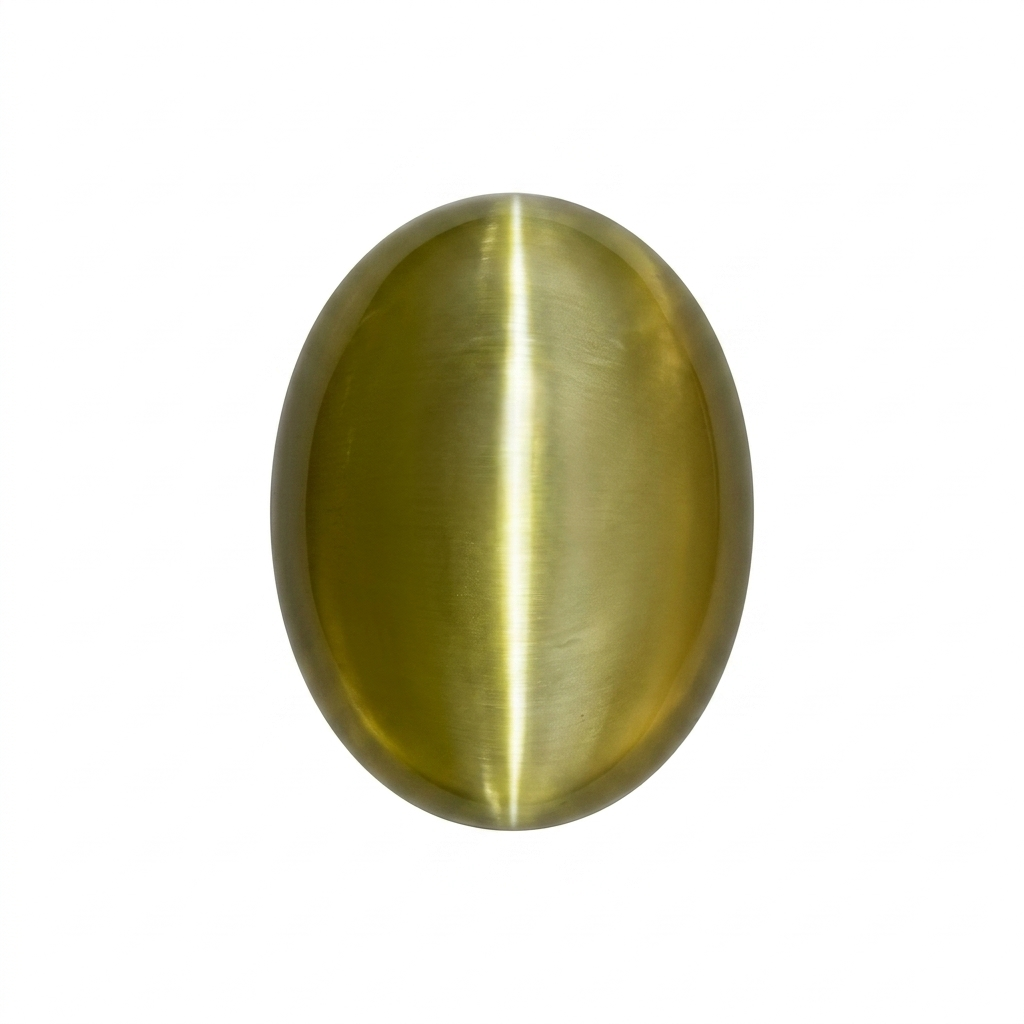 Catseye (लहसुनिया)
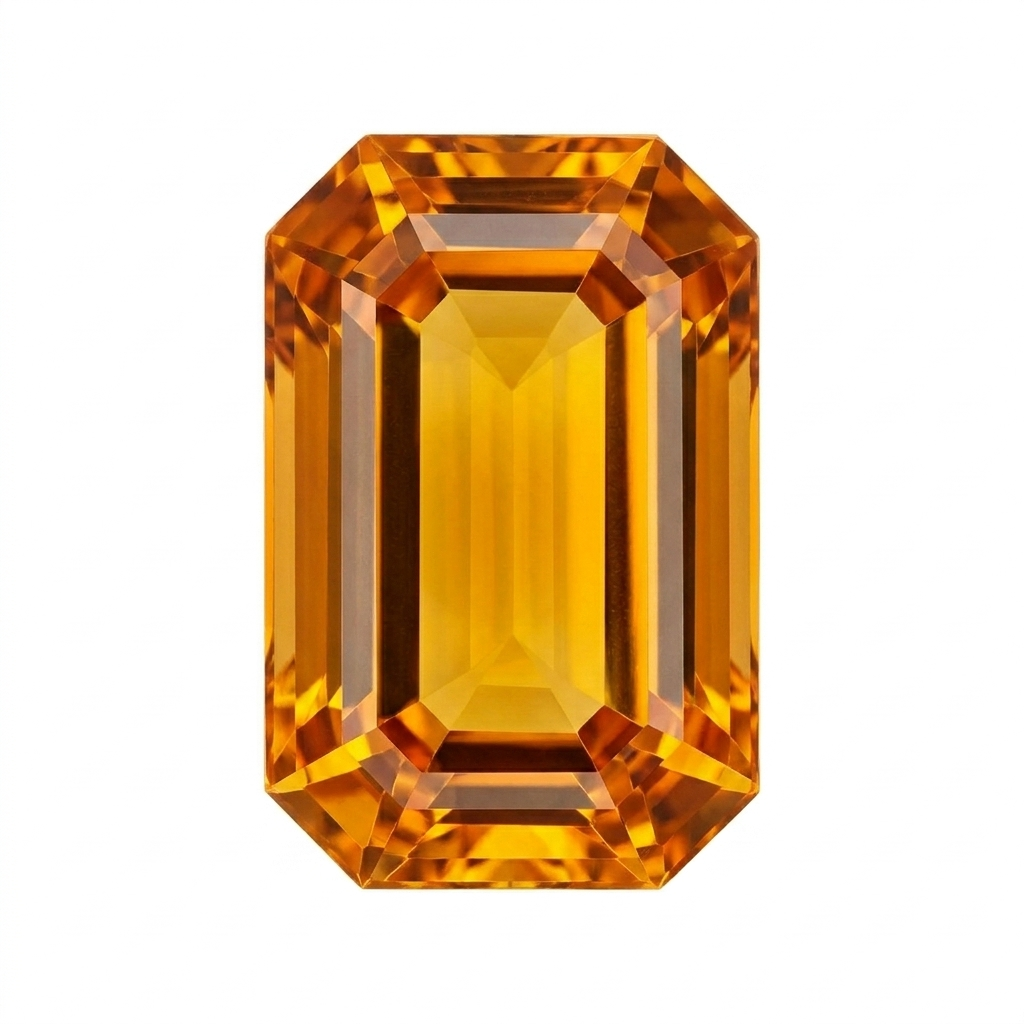 Citrine (सुनेहला)
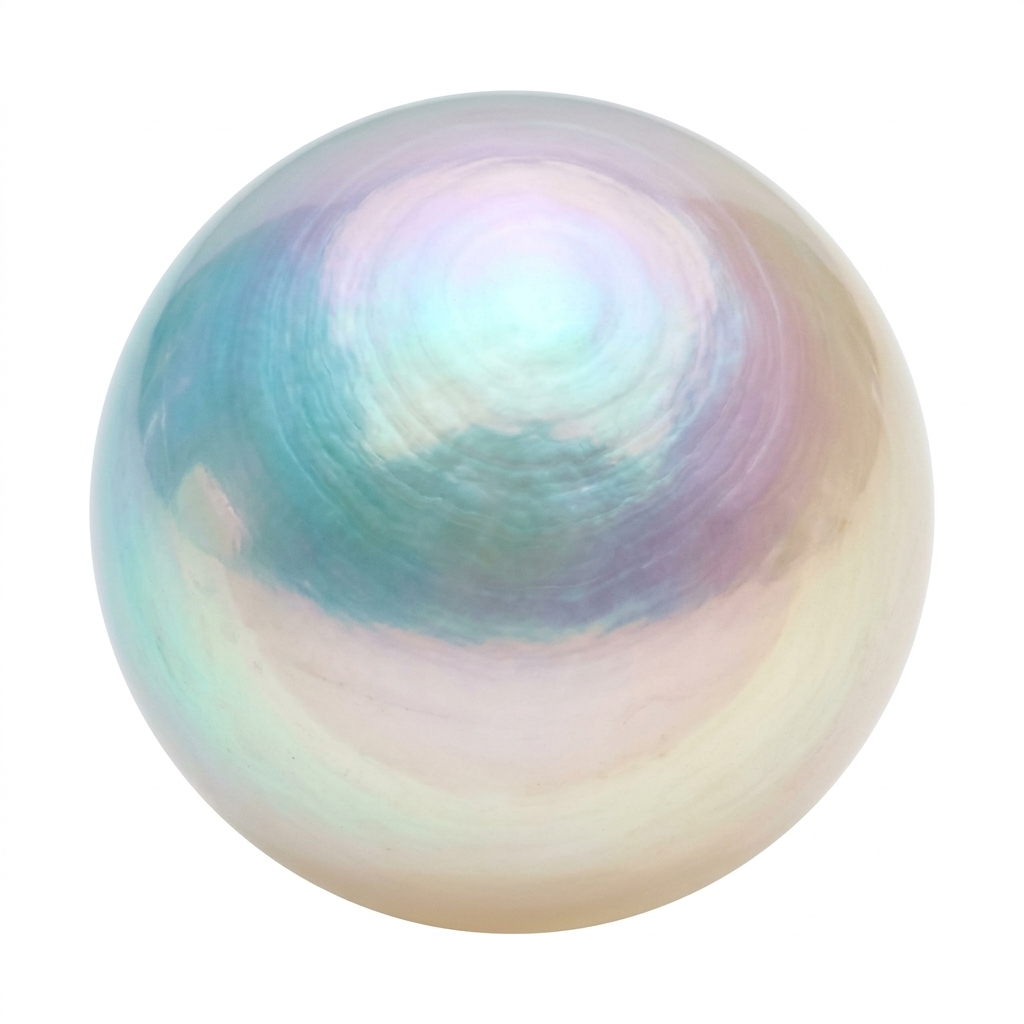 Fresh Water Pearl
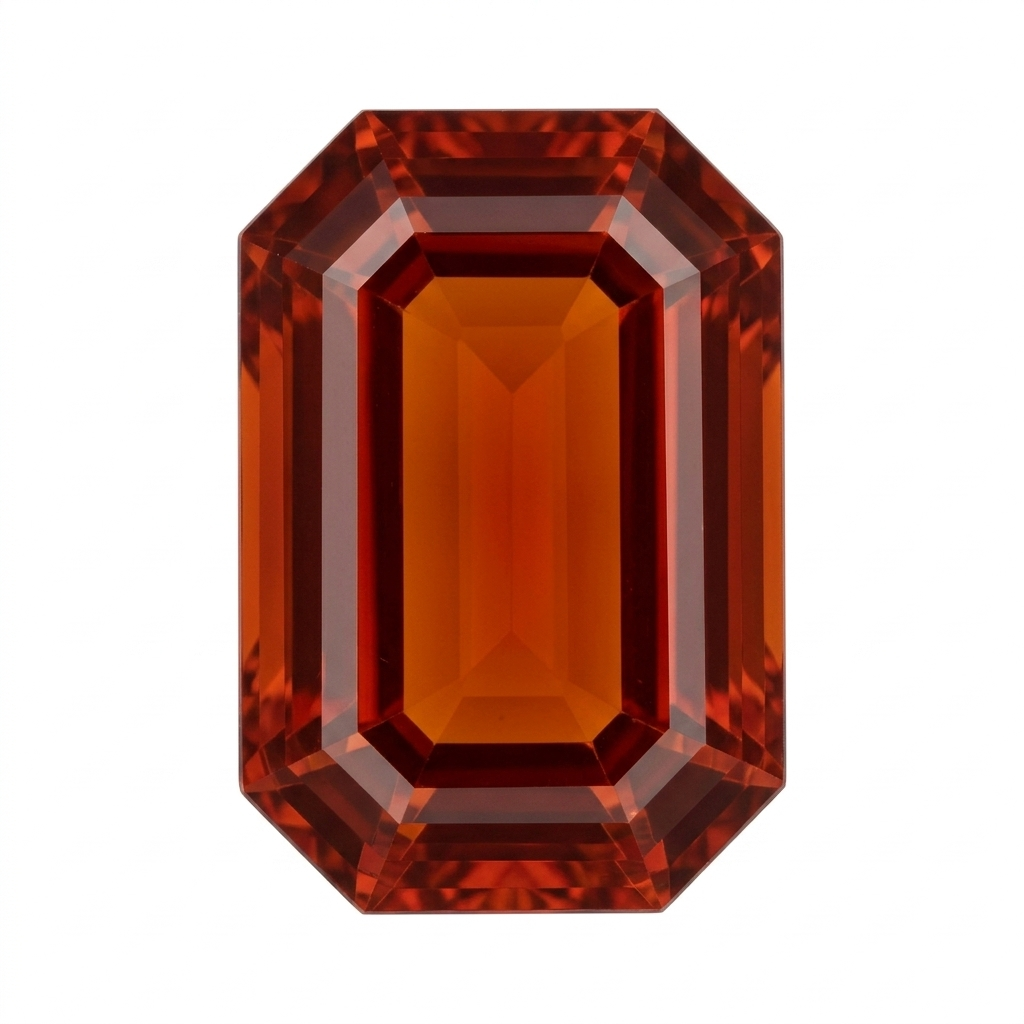 Hessonite (गोमेद)
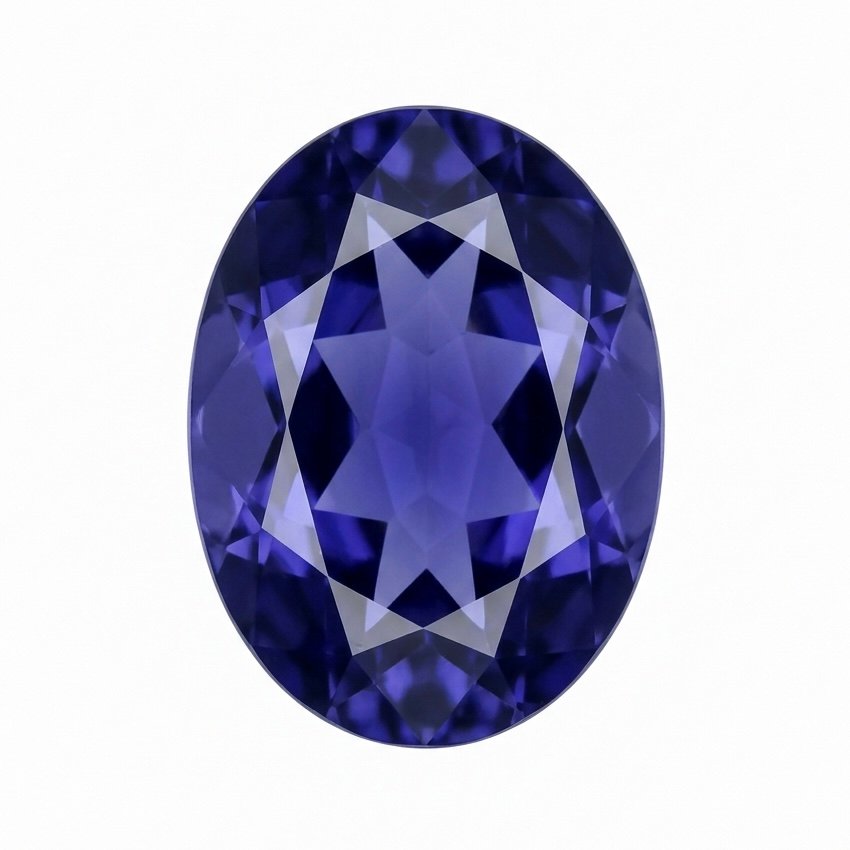 IOLITE (KAKA NILI)
 Japanese White Coral (मूंगा)
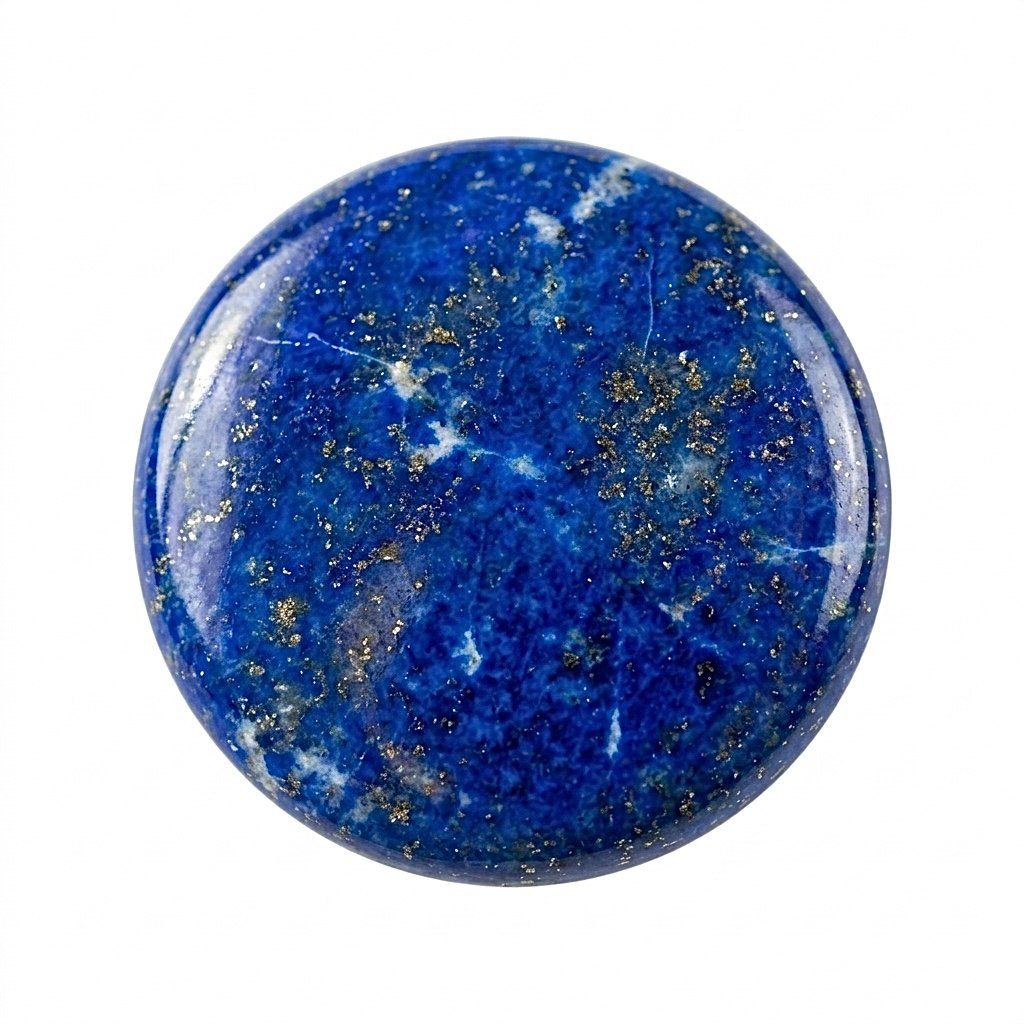 Lapis
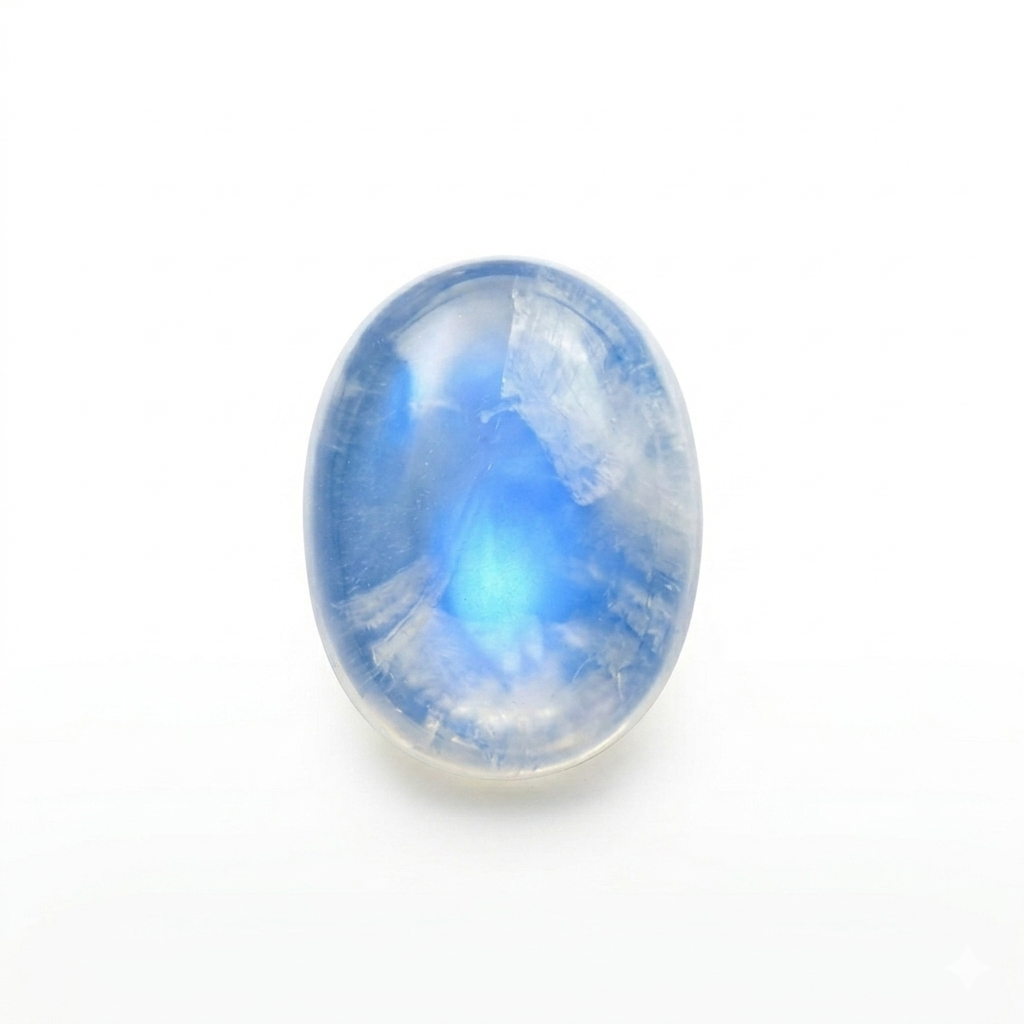 Moonstone
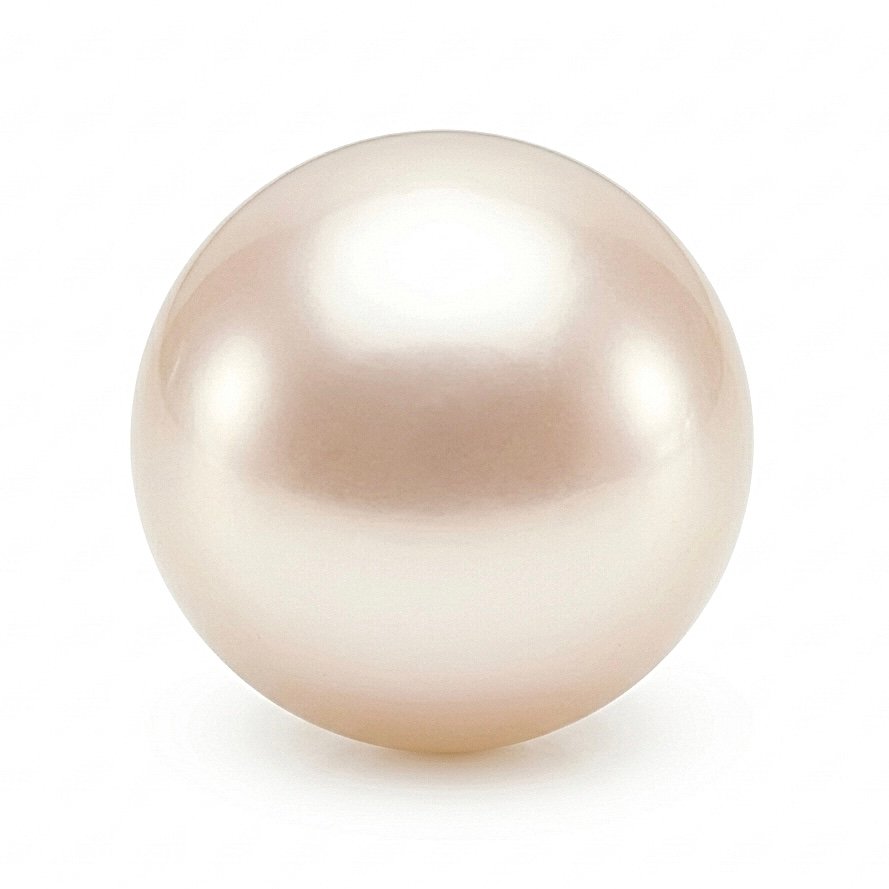 Natural South Sea Pearl
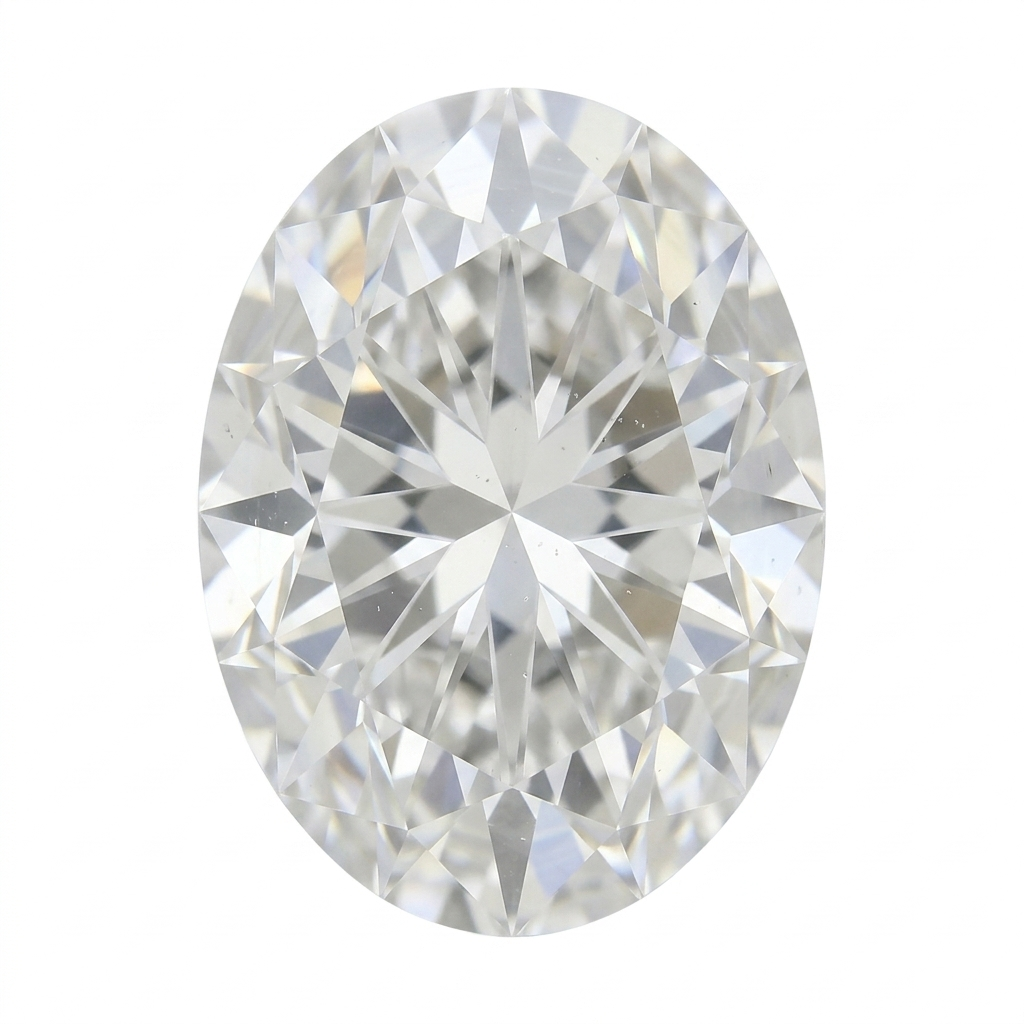 Natural Zircon
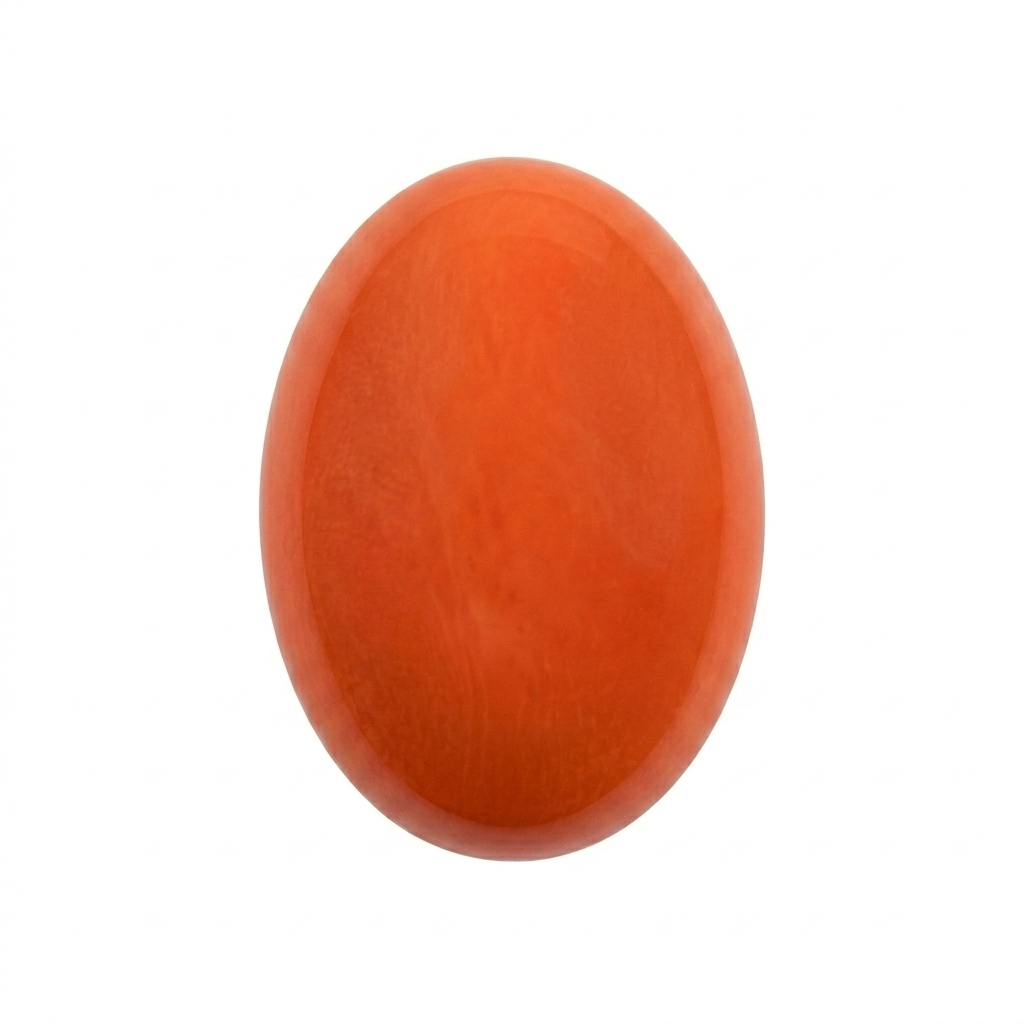 Orange Coral (मूंगा)
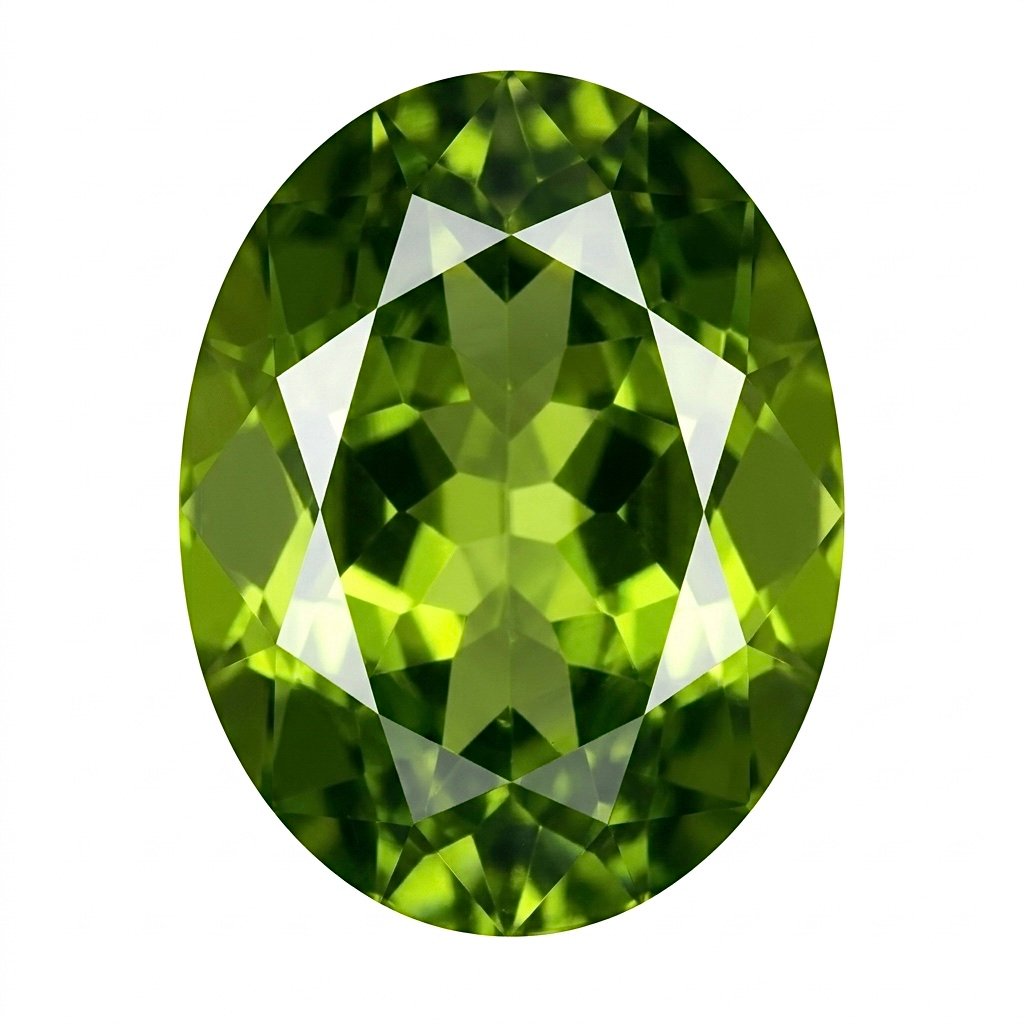 Peridot
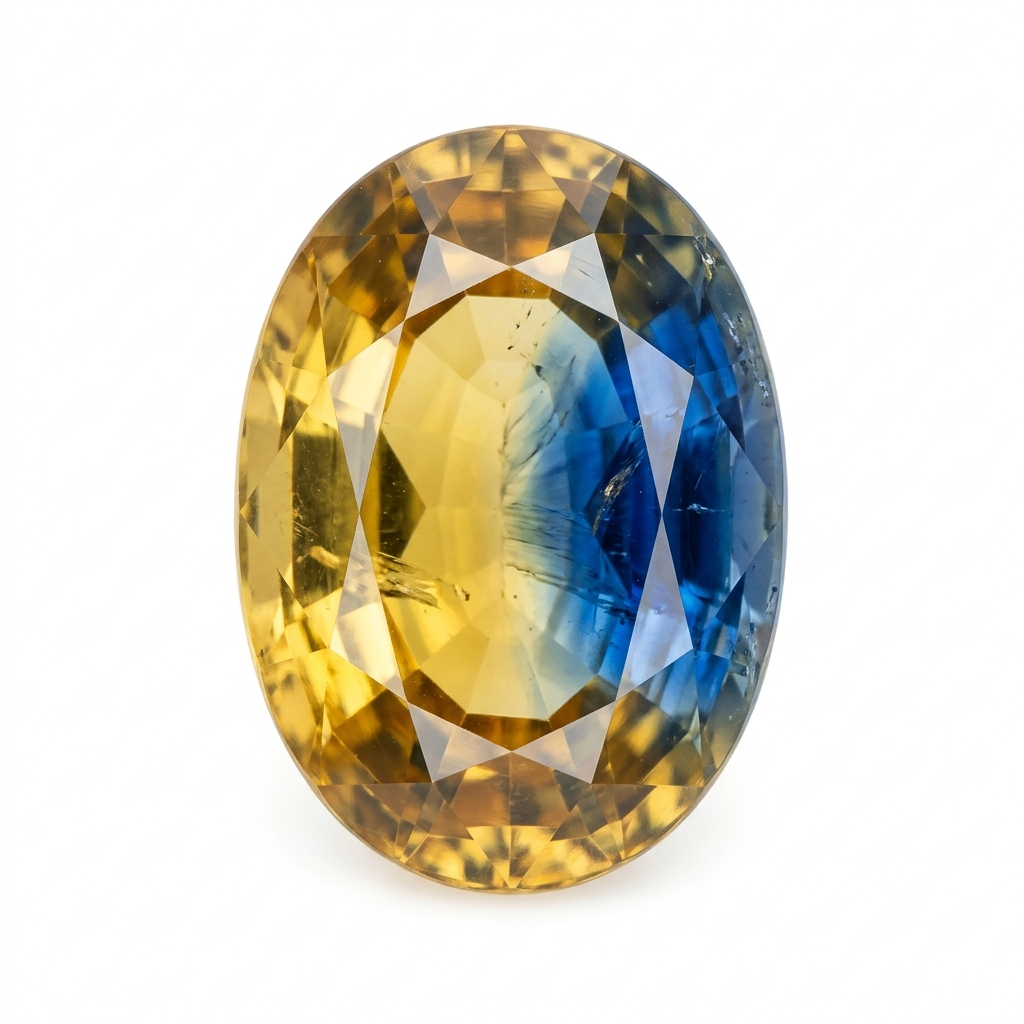 Pitambari
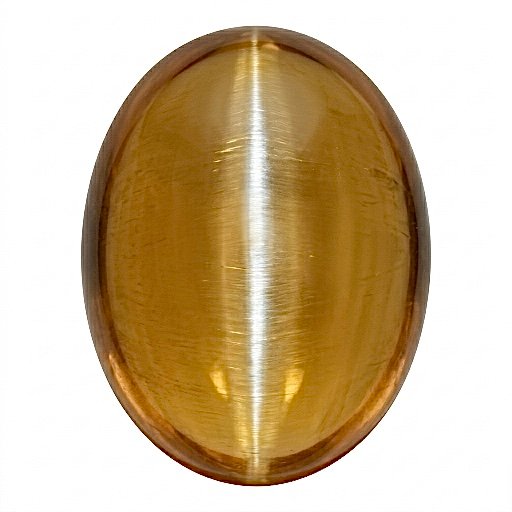 Quartz Catseye
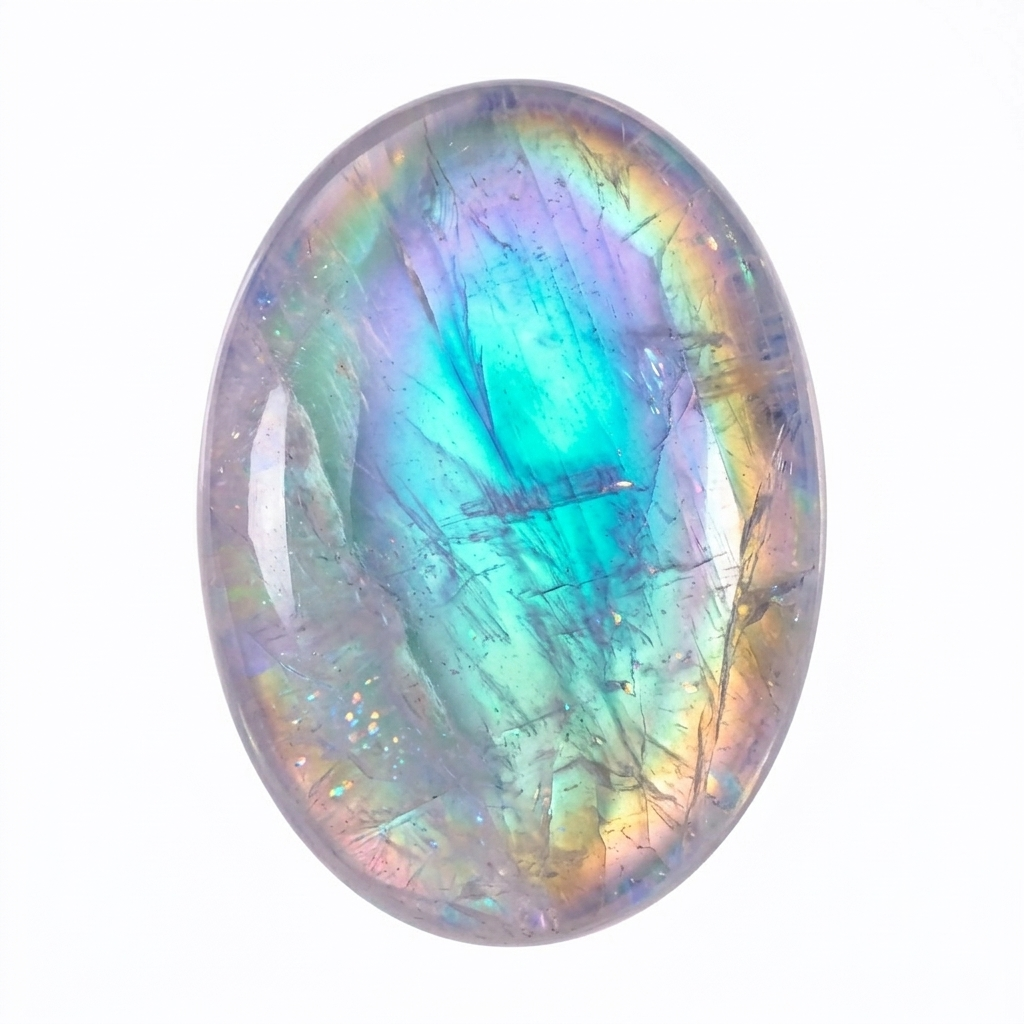 Rainbow Moonstone
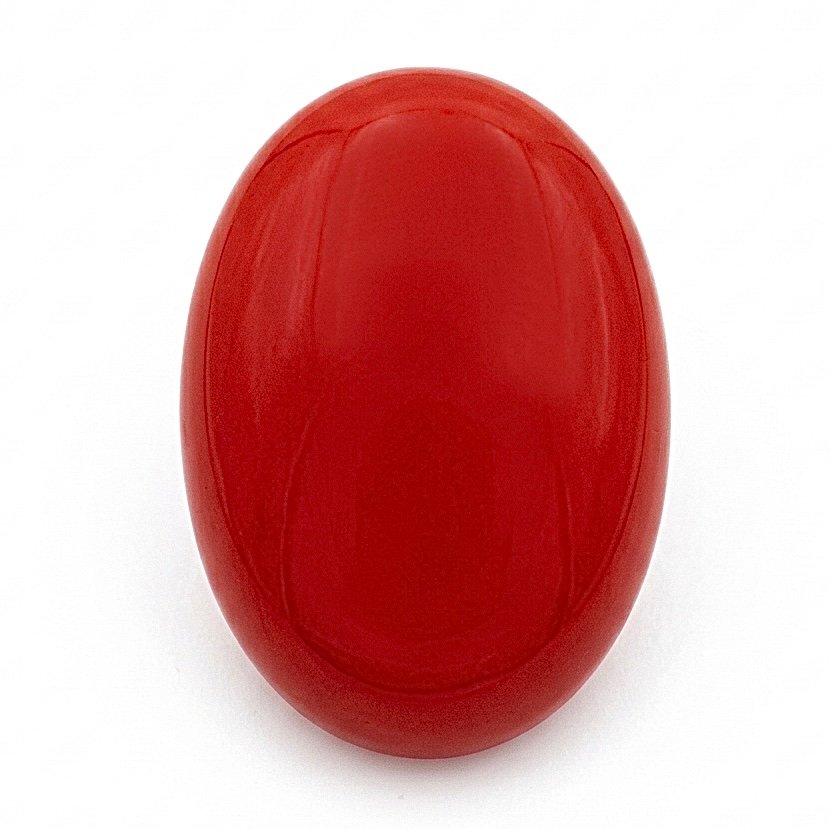 Red Coral (मूंगा)
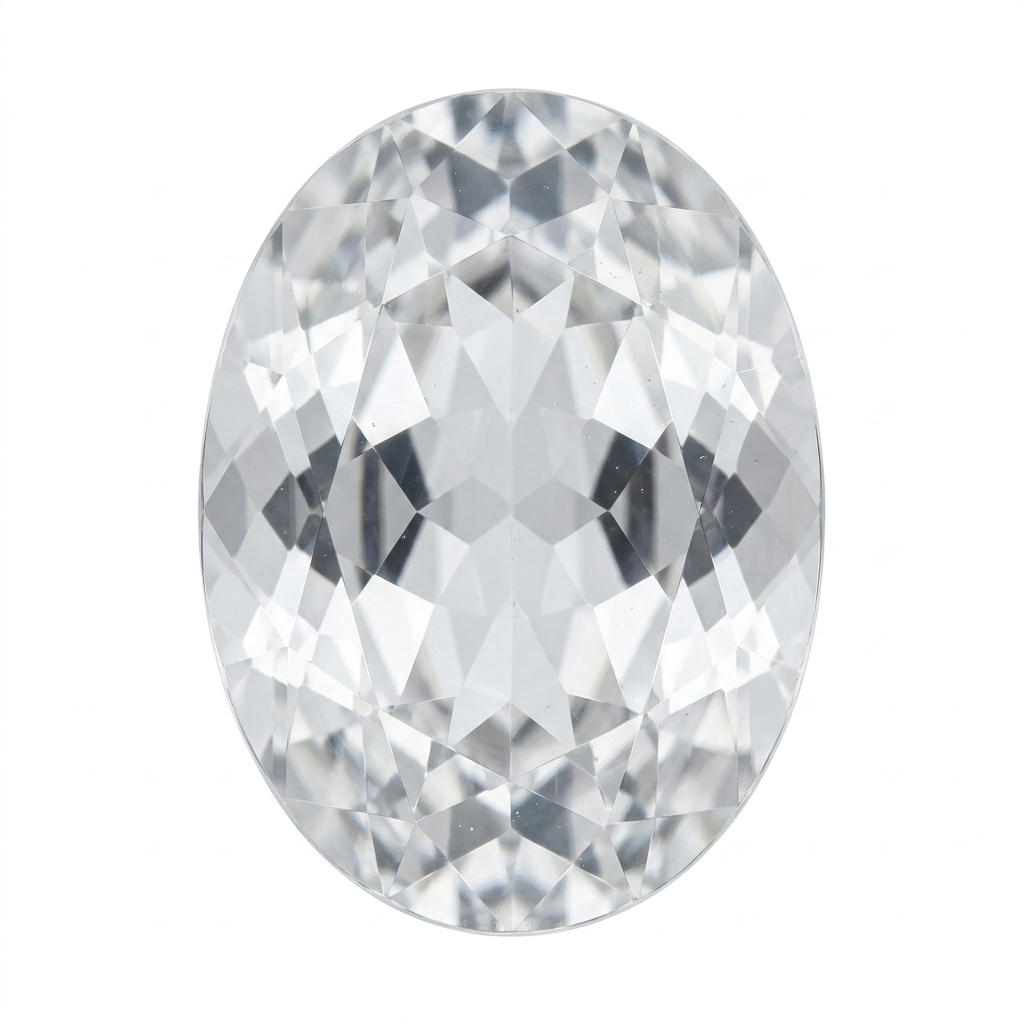 WHITE TOPAZ
 15 JAN
But a natural ruby is also one
of the most imitated, synthesised and treated stones in the market. Glass,
lab-grown corundum and heavily filled material all turn up in listings
described simply as "ruby". This guide walks through where a natural ruby comes from, what gives it
colour, which features separate it from look-alikes, and what to check before
you spend money on one.
A natural ruby is the red
variety of the mineral corundum that formed inside the earth over millions of
years, without any human role in its growth. It is mined, then cut and polished
— that is the only human involvement in the stone itself (apart from
treatments, which we cover later).
Chemically, ruby is aluminium
oxide (Al₂O₃). Pure corundum is colourless. A trace of chromium — often well
under one percent — replaces some aluminium in the crystal and produces red.
Too little chromium and you get pink sapphire; enough of it and the stone
crosses into ruby territory.
Most of the world's finest
rubies formed in marble, where chromium-bearing rock was metamorphosed under
heat and pressure with very little iron present. Others grew in basalt-related
deposits that are richer in iron. That difference in geology matters more than
most buyers realise, because iron dampens the red fluorescence that gives the
best stones their glow.
Ruby sits in the traditional
group of four precious gemstones alongside diamond, sapphire and emerald. It
earns that place on three counts: it is hard (9 on the Mohs scale, second only
to diamond among natural gems), its colour is distinctive, and fine-quality
crystals of any size are rare. A clean, vividly coloured natural ruby above two
or three carats is a stone many dealers see only a handful of times a year.
Origin influences both the look
and the market value of a natural ruby. Here are the sources a buyer in India
is most likely to come across.
The Mogok valley in Myanmar has
produced rubies for centuries and remains the benchmark. Marble-hosted Burmese
stones tend to show strong red fluorescence, which is why they can look lit
from within even in indirect light. Fine Burmese material with a reliable
laboratory origin report commands the highest premiums in the ruby trade.
Since the large Montepuez
discoveries around 2009, Mozambique has become the single most important source
of commercial and fine rubies. The material ranges from pinkish to deep red,
and the better stones compete directly with Burmese rubies in appearance. Many
of the larger, cleaner natural rubies on the market today come from here.
Thai and Cambodian rubies, from
basalt-related deposits, are richer in iron. They often look darker, sometimes
with a slightly brownish or garnet-like tone, and fluoresce less. Afghan rubies
from the Jegdalek marble deposits can be bright but are often included. Indian
rubies — found in parts of Karnataka, Odisha and Tamil Nadu — are mostly
translucent to opaque and used for beads, cabochons and commercial-grade
astrological stones rather than high-clarity faceted gems.
Ruby colour is described by hue
(the basic colour), tone (light to dark) and saturation (how vivid it is).
Small changes in any of the three can change value considerably.
"Pigeon blood" is a
trade term for a pure, highly saturated red of medium-dark tone, often with
strong fluorescence. A few international laboratories use it on reports under
their own defined criteria. Elsewhere it is used loosely in marketing. If a
seller calls a stone pigeon blood, ask which laboratory has used that term on
the report — otherwise treat it as a description, not a fact.
Pinkish red rubies are lighter
in tone and common in Mozambique and Madagascar material. They can be very
attractive and are usually more affordable. Deep red rubies sit at the darker
end; when the tone becomes too dark or brownish — common in iron-rich stones —
the stone loses brightness and value.
• Chromium content: the main source of red.
• Iron content: darkens the colour and reduces
fluorescence.
• Lighting: many rubies look better in
daylight or warm light than under cool white LEDs.
• Cut: a shallow cut leaks light and
washes out colour; a well-proportioned cut concentrates it.
Here is the honest answer that
most buyers do not want to hear: you cannot reliably confirm a natural ruby by
looking at it, by rubbing it on a surface, or by any "home test" from
the internet. You can, however, learn what to look for so you ask the right
questions.
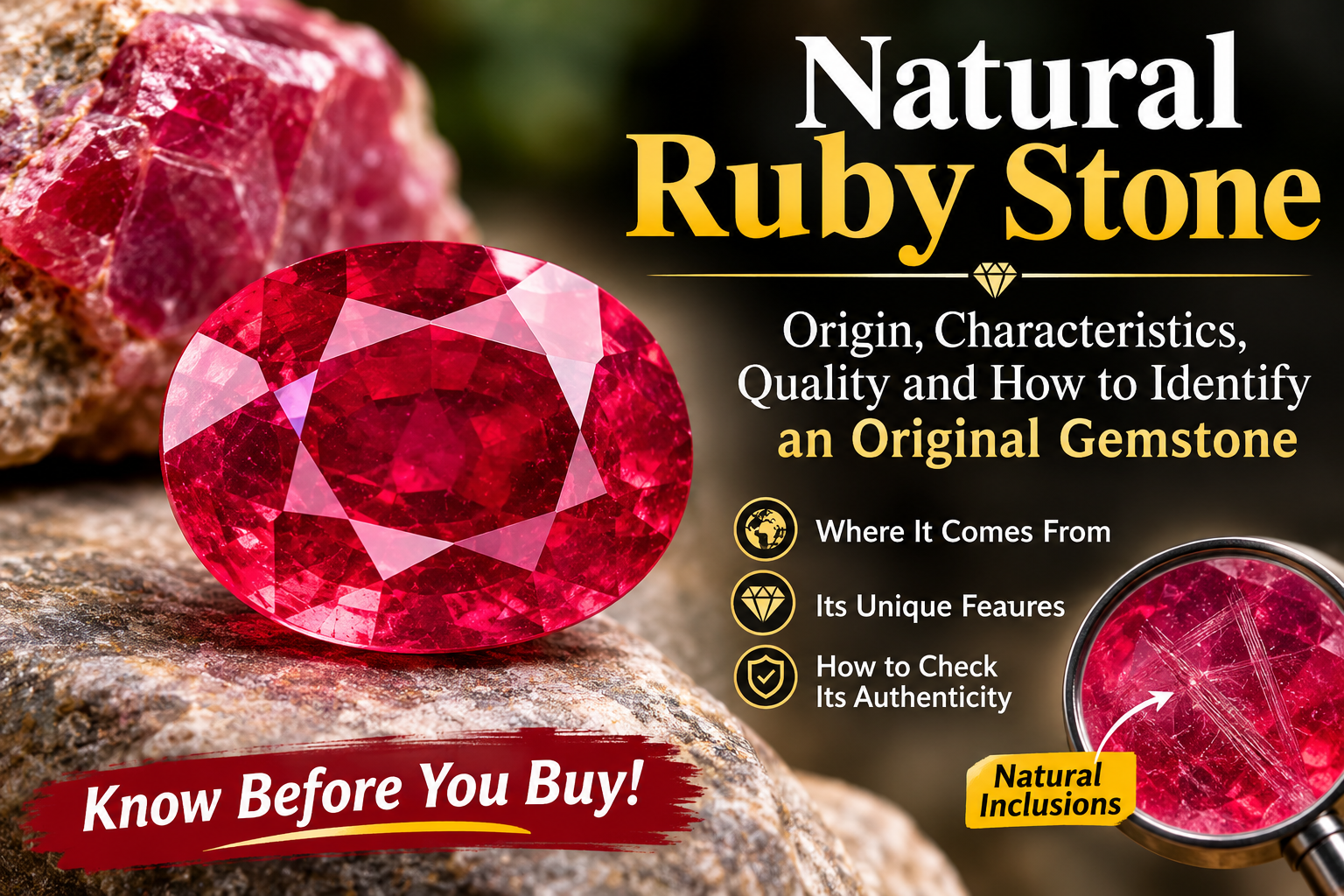
Almost every natural ruby
contains inclusions. Under 10x magnification you may see fine needles of rutile
("silk") crossing at angles, tiny crystals, fingerprint-like healed
fractures or angular colour zoning that follows the crystal's hexagonal growth.
These features are the stone's fingerprint. A ruby that looks perfectly clean
under magnification and is offered at a modest price should make you more
cautious, not less.
|
Type |
What it is |
Common clues (lab-confirmed) |
|
Natural ruby |
Corundum formed in the earth |
Natural silk, crystals,
angular zoning |
|
Synthetic ruby |
Same chemistry, grown in a lab |
Curved growth lines, gas
bubbles, flux fingerprints |
|
Imitation |
Glass, garnet or other red
material |
Different refractive index,
round bubbles, low hardness |
|
Composite / glass-filled |
Low-grade ruby bonded with
lead glass |
Flash effect in fissures, gas
bubbles in glass |
A report from a recognised
laboratory — GIA, IGI, GII, IIGJ or an established international lab such as
GRS, SSEF or Gübelin for high-value stones — tells you whether the ruby is
natural, whether it has been heated or filled, and in some cases its likely
origin. For anyone who wants to buy certified gemstones online, the report
number should be verifiable on the laboratory's own website before you pay.
That single step removes most of the risk in a ruby purchase.
Colour carries most of the
value. After colour comes clarity: rubies are expected to have some inclusions,
so the question is whether they are visible to the eye, whether they affect
brightness, and whether any reach the surface where they could weaken the
stone.
Many rubies are cut in Asia to
retain weight rather than maximise brilliance, so a deep or lopsided stone is
common. A well-cut natural ruby shows even colour across the face with few dark
or washed-out patches. Price per carat rises steeply with size, because large
fine rubies are scarce.
Heat treatment is widely
accepted and very common. Unheated stones with documentation command a premium.
Lead-glass filling is a different category altogether those stones are far less
valuable and need special care. Origin, where a laboratory gives an opinion,
can add a further premium, particularly for Burmese material.
For jewellery, a natural ruby is
one of the most practical coloured stones you can choose. It is hard and tough
enough for daily-wear rings, and it sits beautifully in yellow gold. For
astrology, ruby is known as Manik and is associated with the Sun in the Vedic
Navratna system. Practitioners generally insist on natural, untreated or
minimally treated stones for this purpose, which is another reason
certification matters. These astrological associations are traditional beliefs
rather than scientifically established effects.
If you plan to buy natural gemstones online, a ruby
deserves the most careful checklist of all, because it attracts the most
imitation:
• A laboratory report from a
recognised lab, with a report number you can verify yourself.
• Clear treatment disclosure —
"no indication of heating", "heated", or "glass
filled" are very different stones.
• Real photographs and a video of
the actual stone in daylight, not stock images.
• Exact weight in carats (and
ratti, if buying for astrology) that matches the report.
• A written return policy and a
seller with a verifiable physical address.
Gems N Diamond has traded
natural gemstones from Karol Bagh and Lajpat Nagar in Delhi since 1972. On
gemsndiamond.com you can review the stone details and certification information
for each ruby before ordering.
A natural ruby is defined by
where it formed, not by how red it looks in a photograph. Learn what its
inclusions should look like, understand the difference between heated and
glass-filled stones, and treat a verifiable laboratory report as non-negotiable
for any meaningful purchase. Do that, and buying one of the world's great
precious gemstones becomes far less of a gamble.
A A
ruby is natural when it formed in the earth as red corundum, with no laboratory
involvement in its growth. It may still be cut, polished or heat-treated and
remain natural, provided the treatment is disclosed.
A Look
for natural inclusions such as rutile silk and angular colour zoning under
magnification, but rely on a report from a recognised gemological laboratory to
confirm that the stone is natural and to disclose any treatment.
A Myanmar
(Mogok), Mozambique (Montepuez), Thailand and Cambodia, Madagascar,
Afghanistan, Tanzania, Sri Lanka and parts of India are all known sources.
Myanmar and Mozambique are the most important for fine material today.
A Almost
every natural ruby has inclusions, though in fine stones they may be invisible
to the naked eye. A completely flawless ruby at a low price is more likely to
be synthetic.
A Synthetic
rubies, glass-filled rubies and imitations can look identical to natural ones
in photographs. Certification from a recognised lab confirms identity, natural
origin and treatment status, which together determine value.
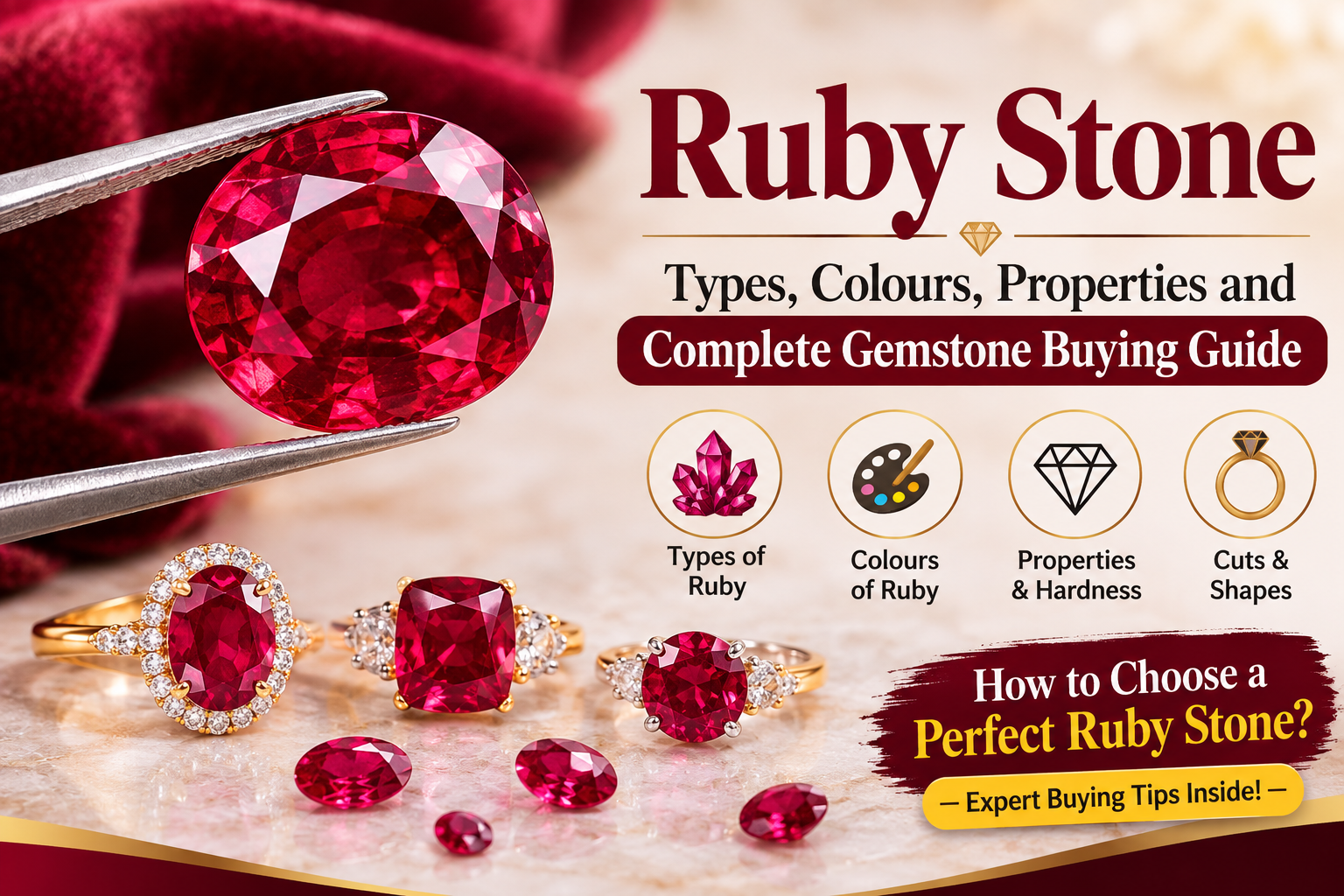
Ruby Stone: Types, Colours, Properties and Complete Gemstone Buying Guide
Natural Ruby Stone: Origin, Characteristics, Quality and How to Identify an Original Gemstone
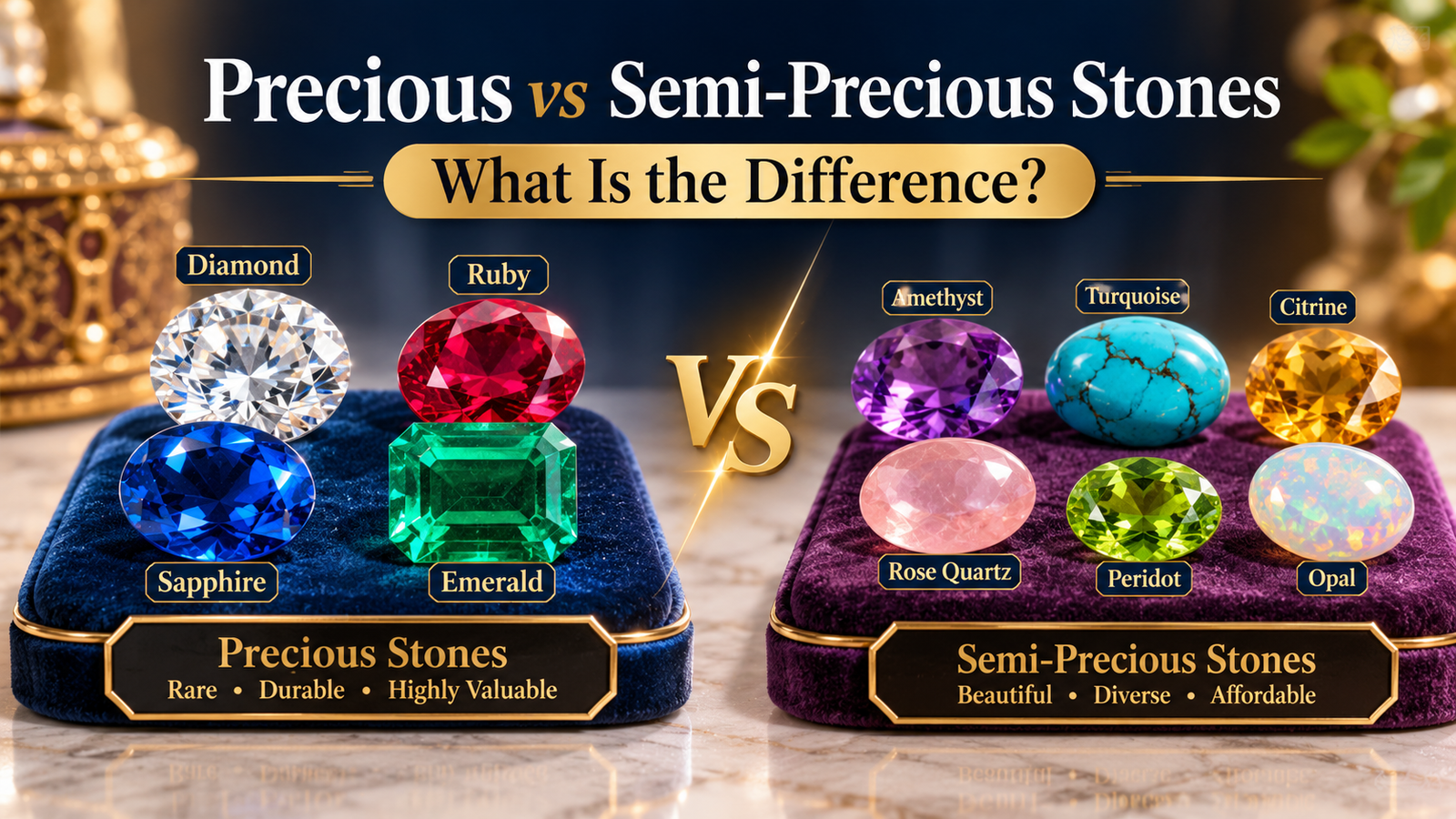
Precious vs Semi-Precious Stones: What Is the Difference?
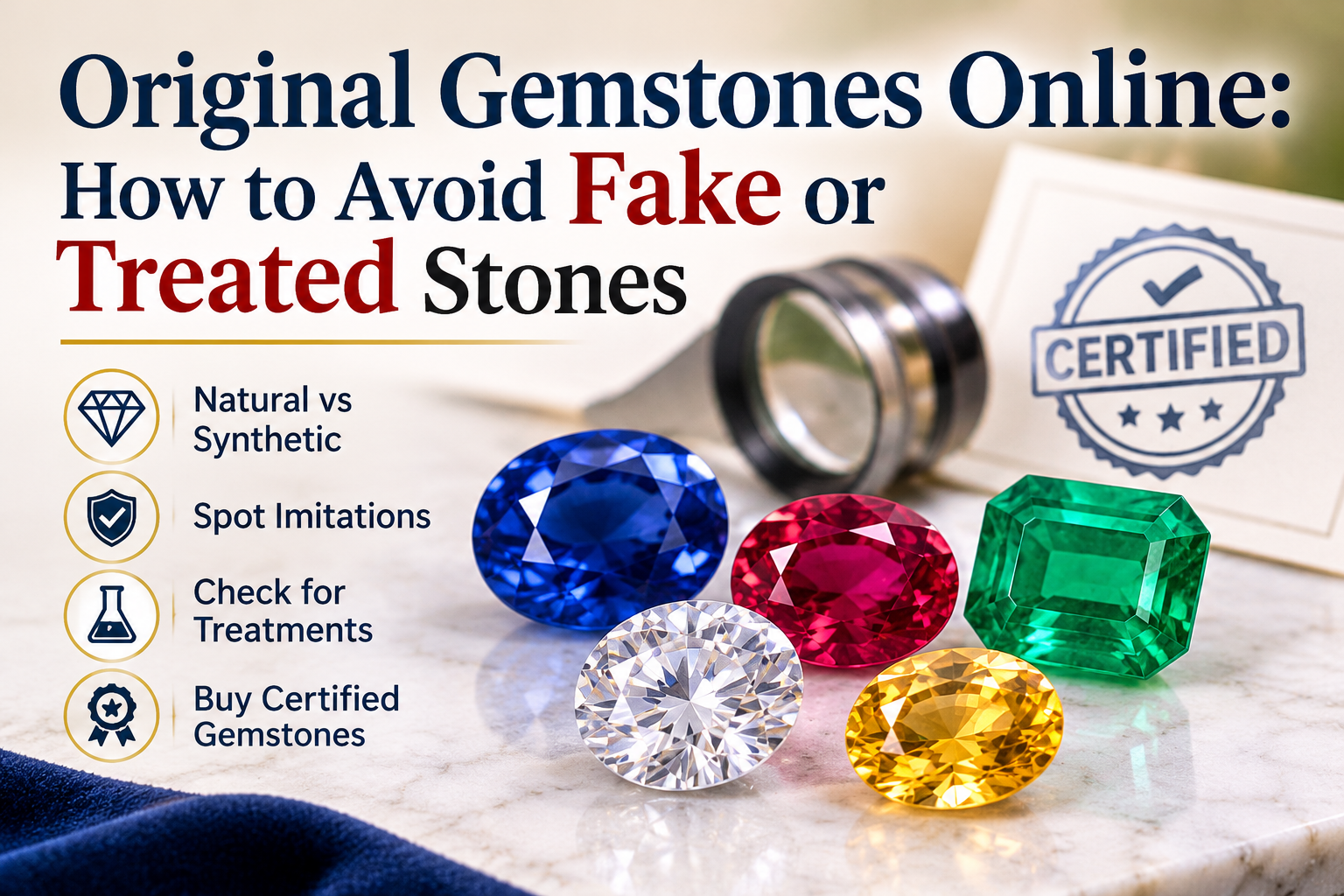
Original Gemstones Online: How to Avoid Fake or Treated Stones
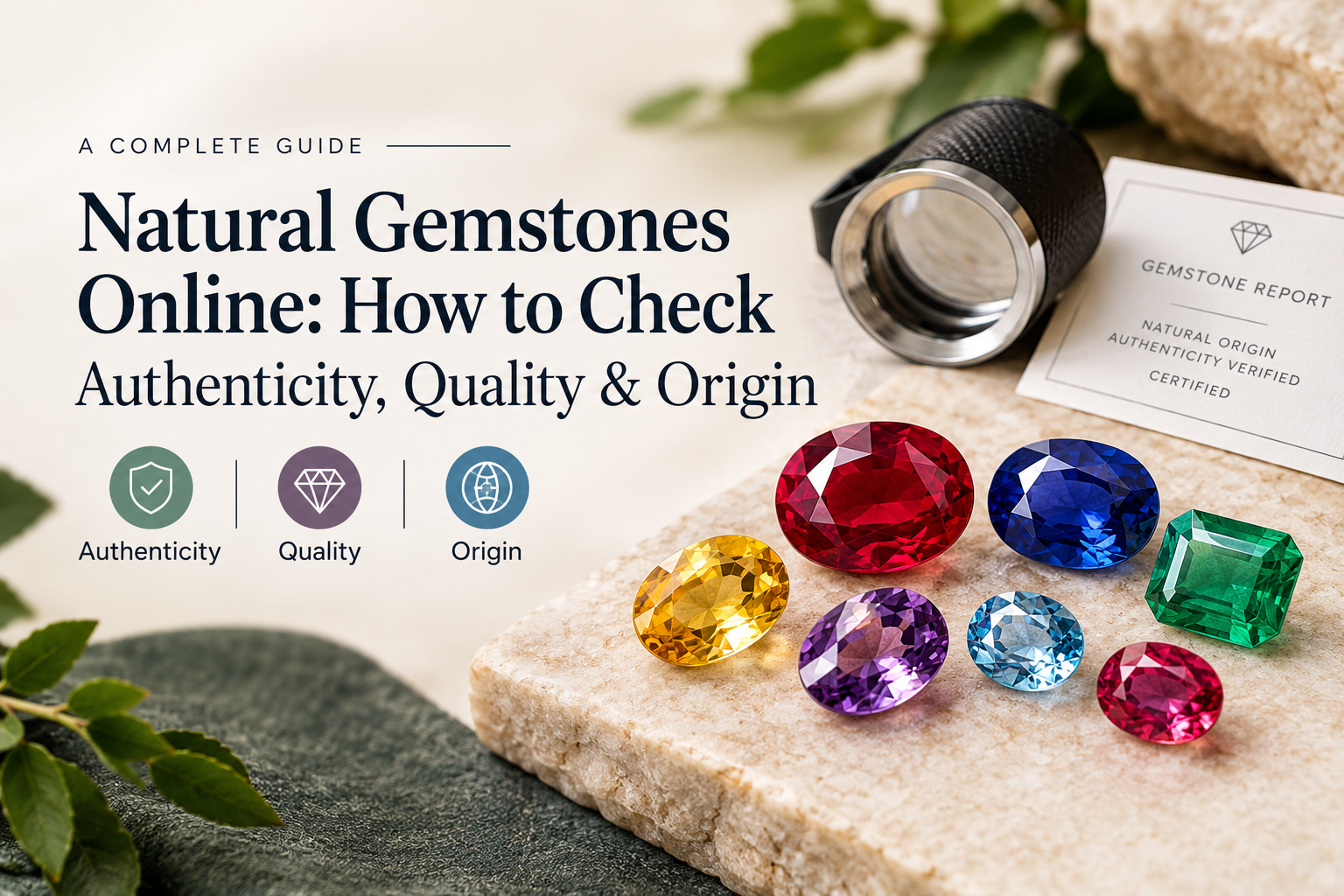
Natural Gemstones Online: How to Check Authenticity, Quality & Origin

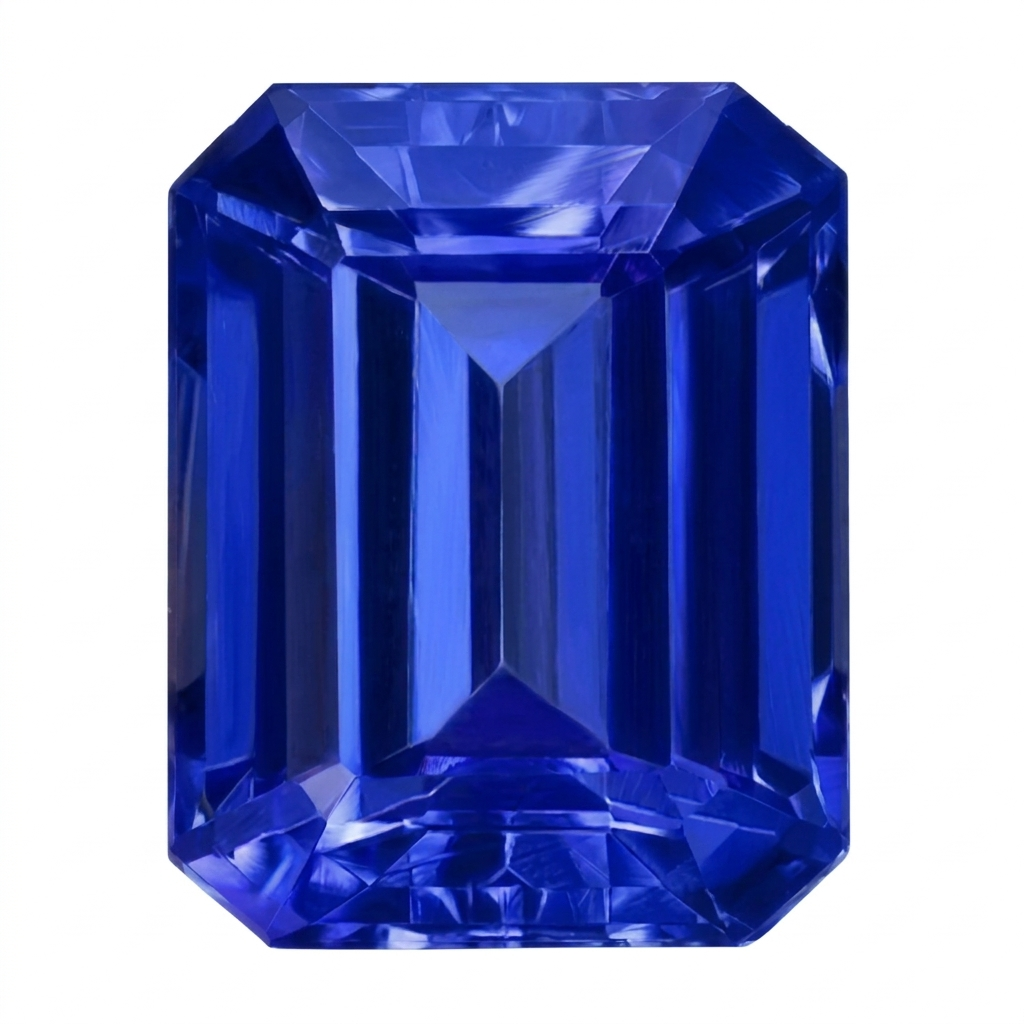 Blue Sapphire
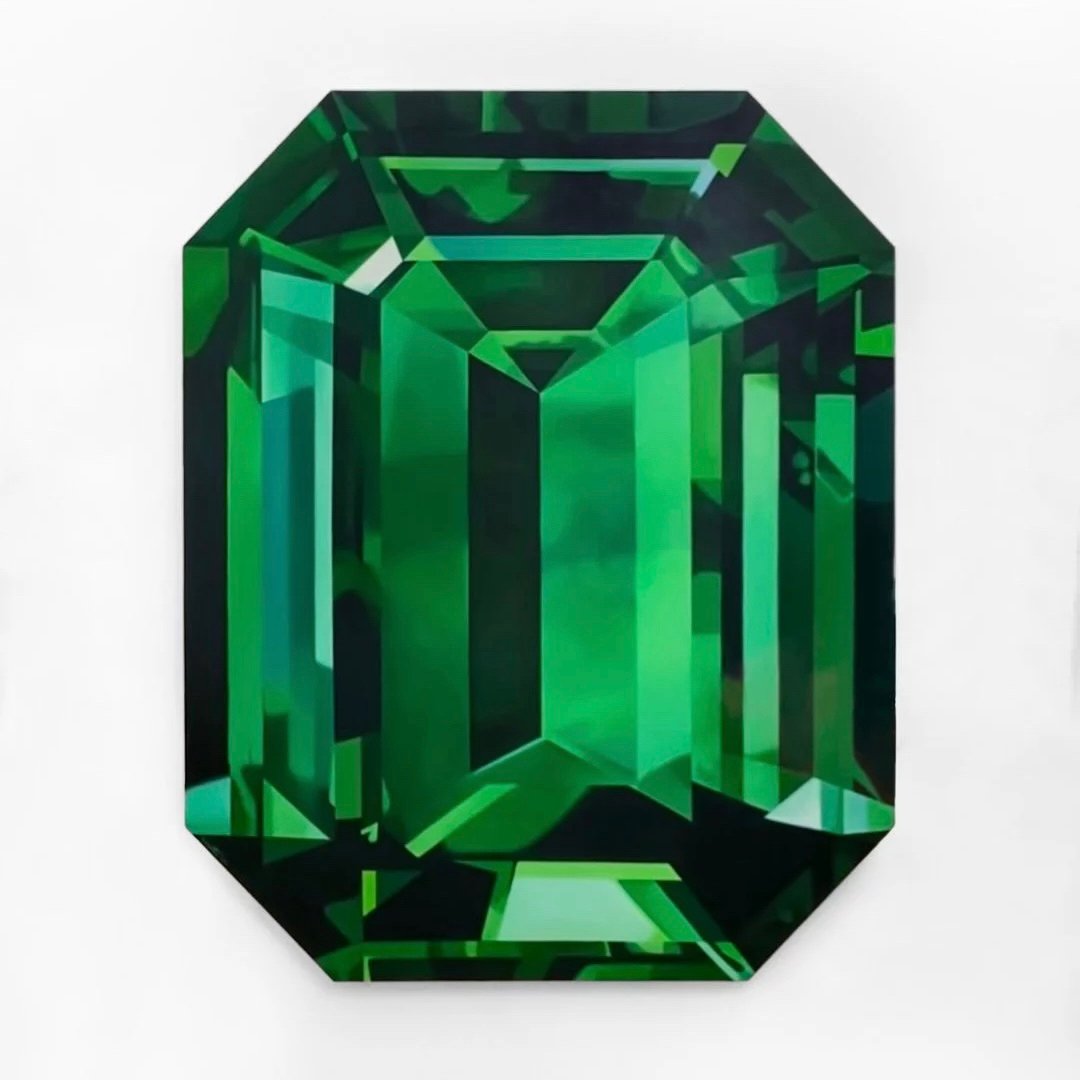 Emerald (PANNA)
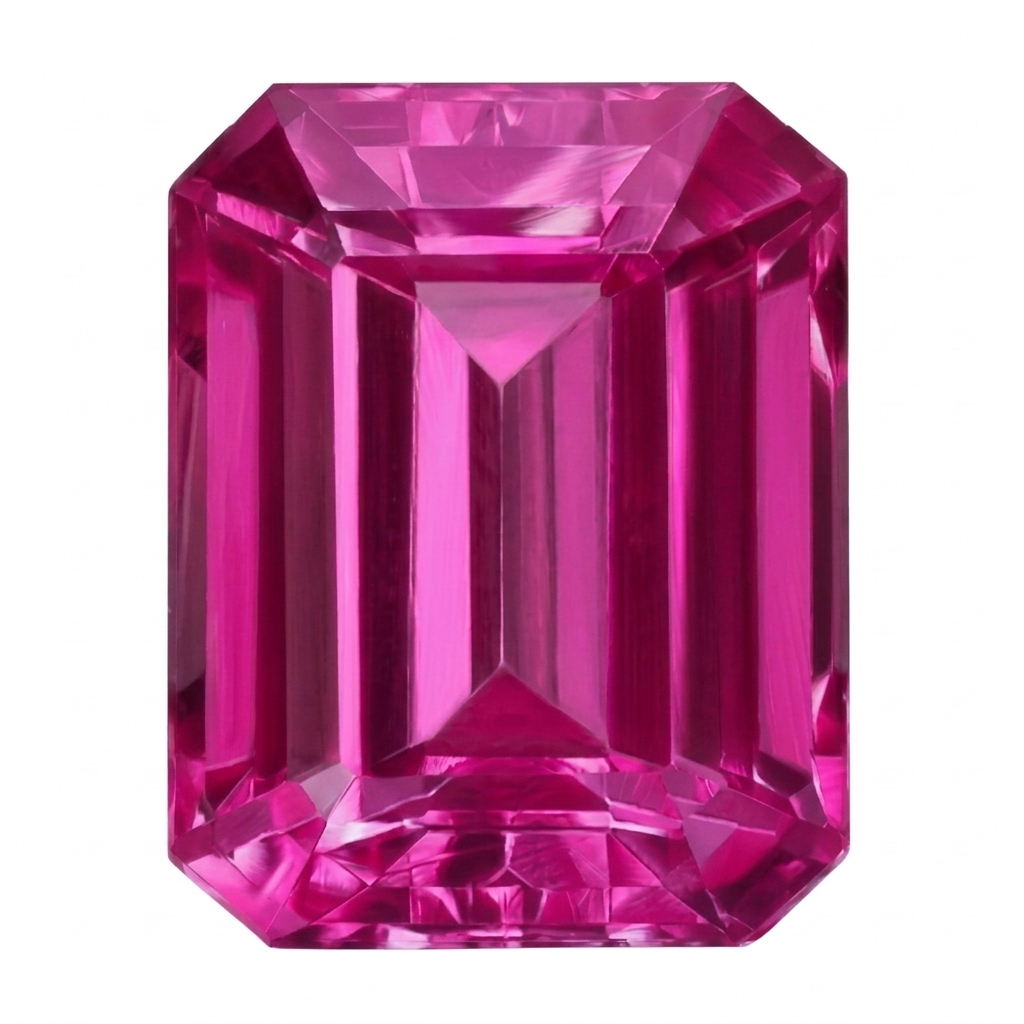 Pink Sapphire
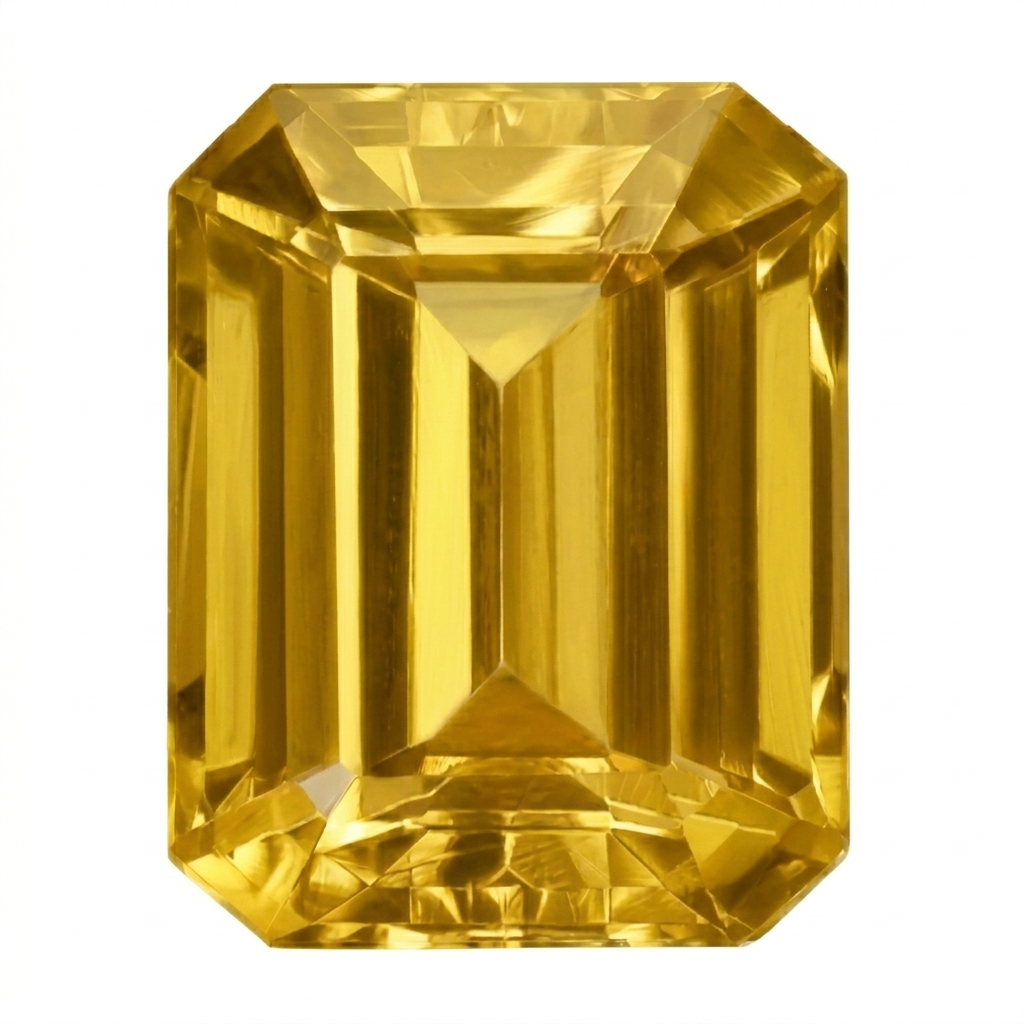 Yellow Sapphire
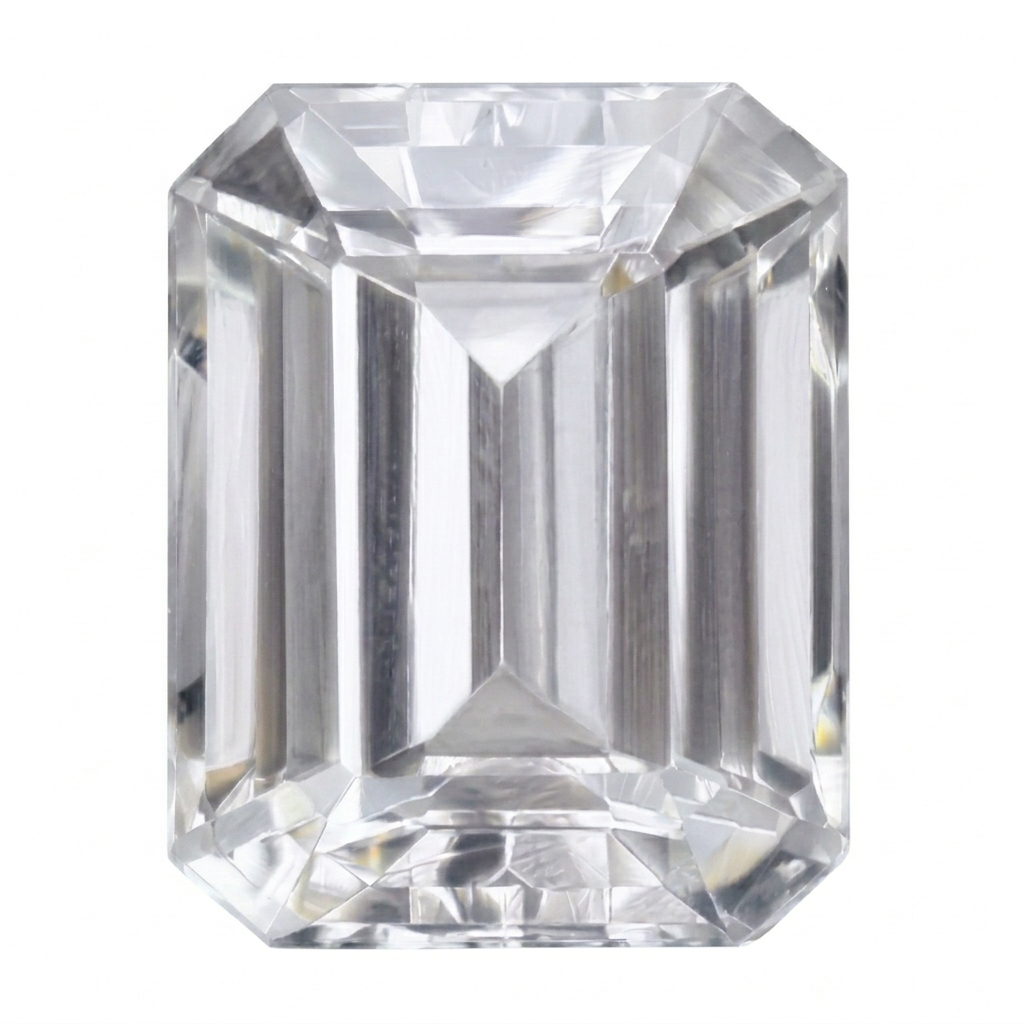 White Sapphire
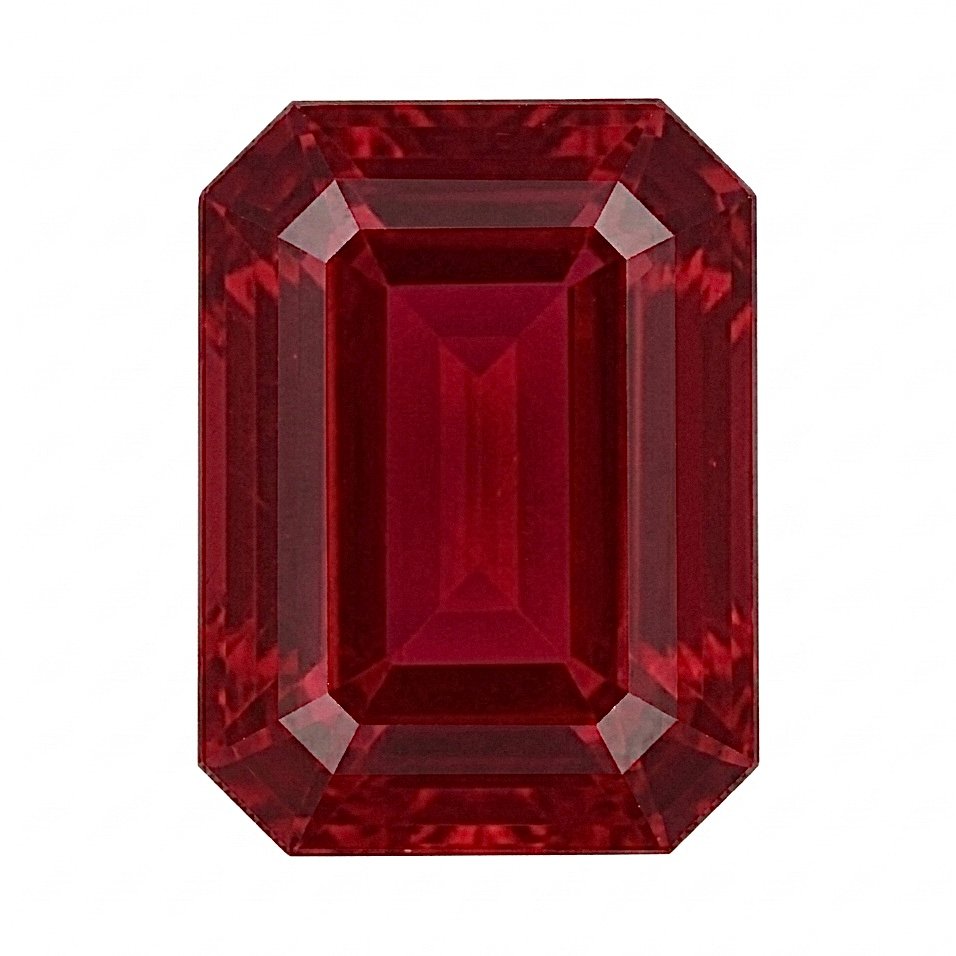 Ruby
 Rudraksha
 Bracelet
