
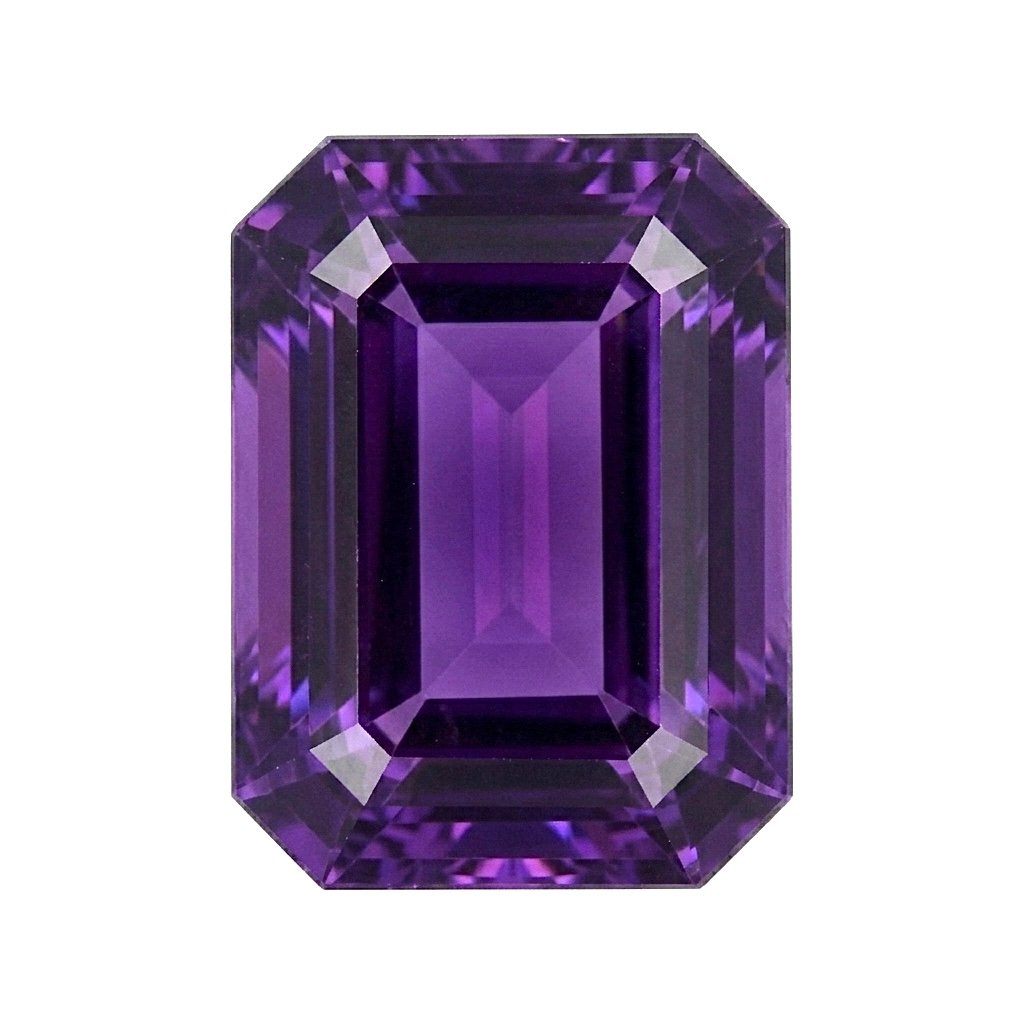
 Amethyst (ऐमेथिस्ट)
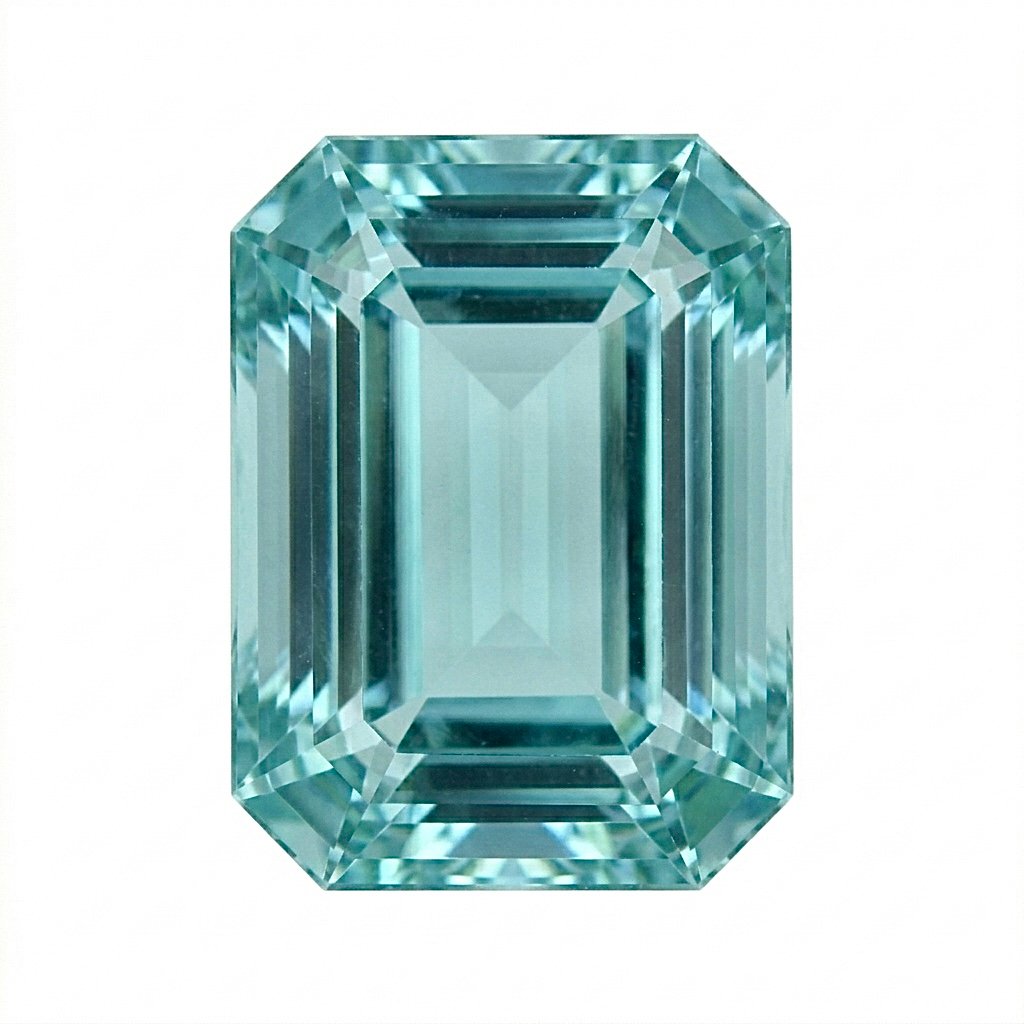 Aquamarine
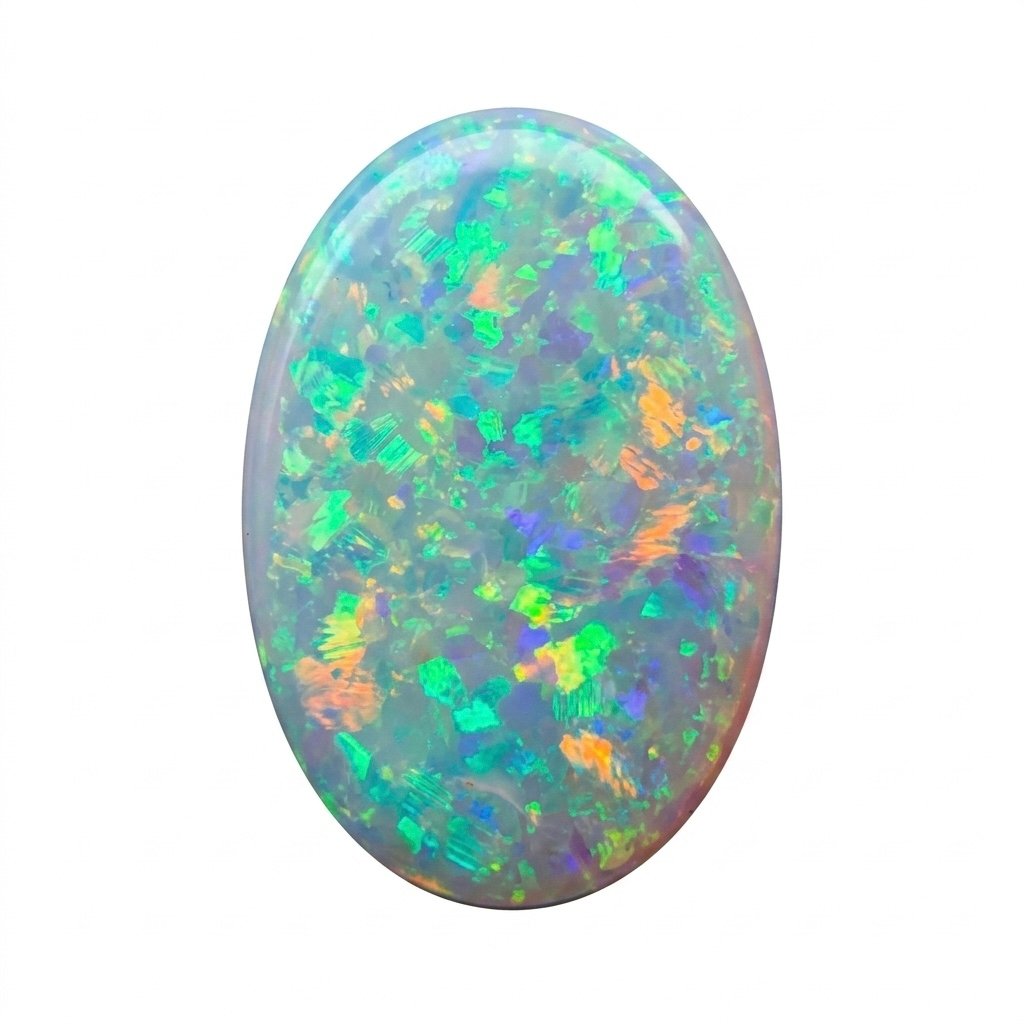 Australian Opal (ओपल)
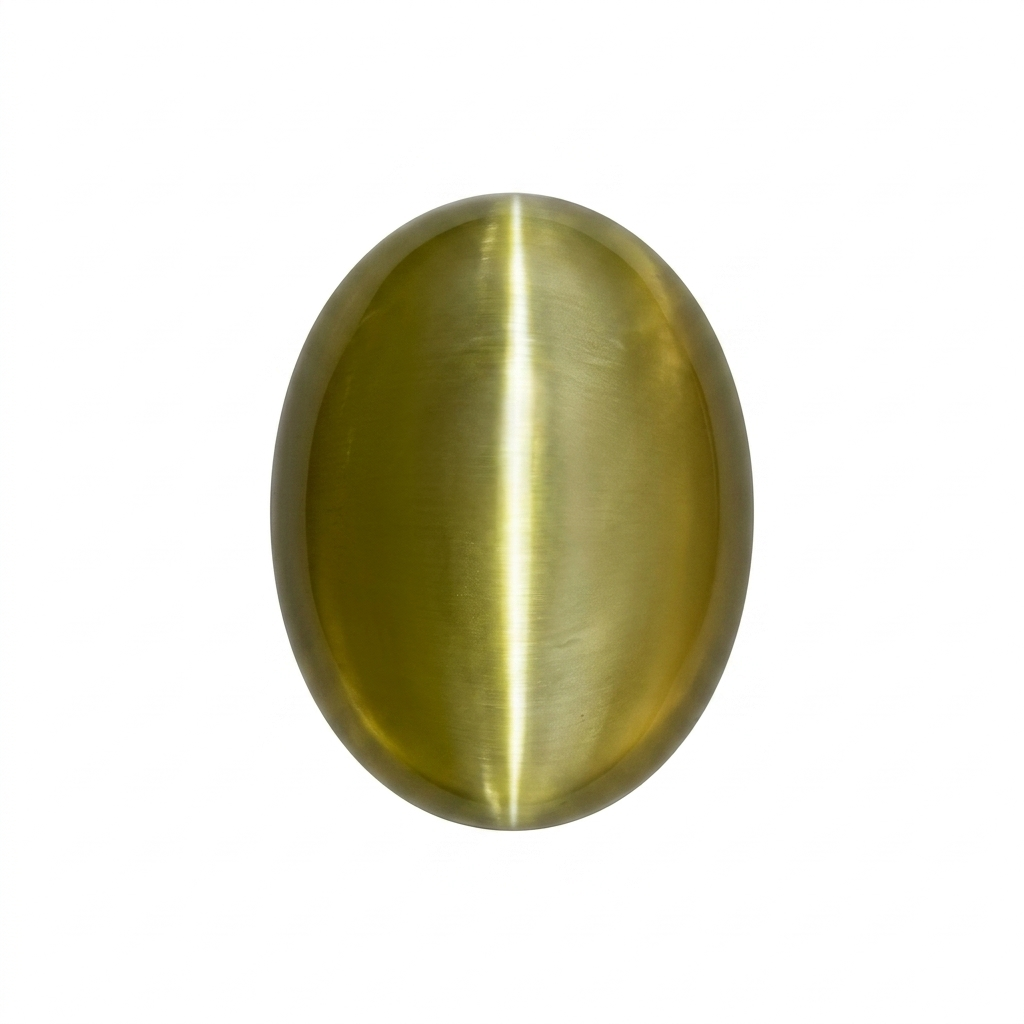 Catseye (लहसुनिया)
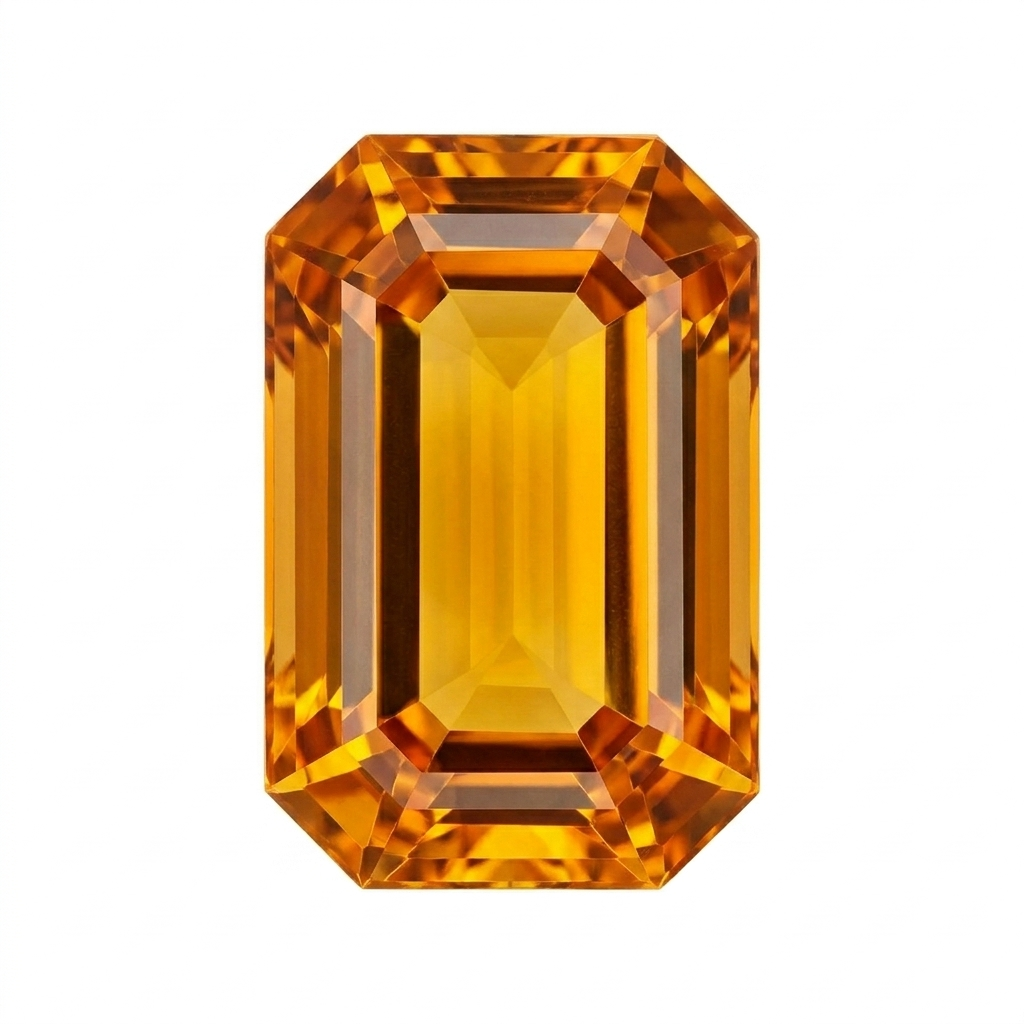 Citrine (सुनेहला)
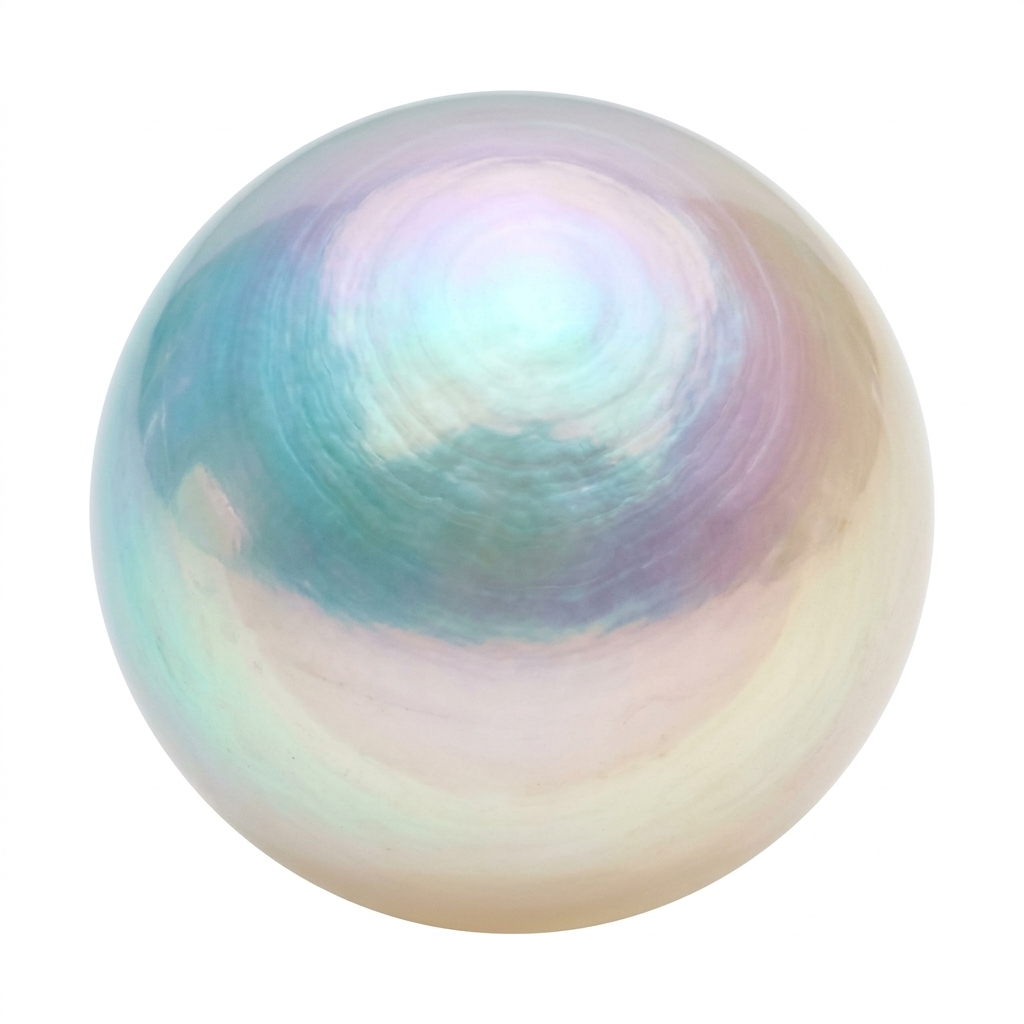 Fresh Water Pearl
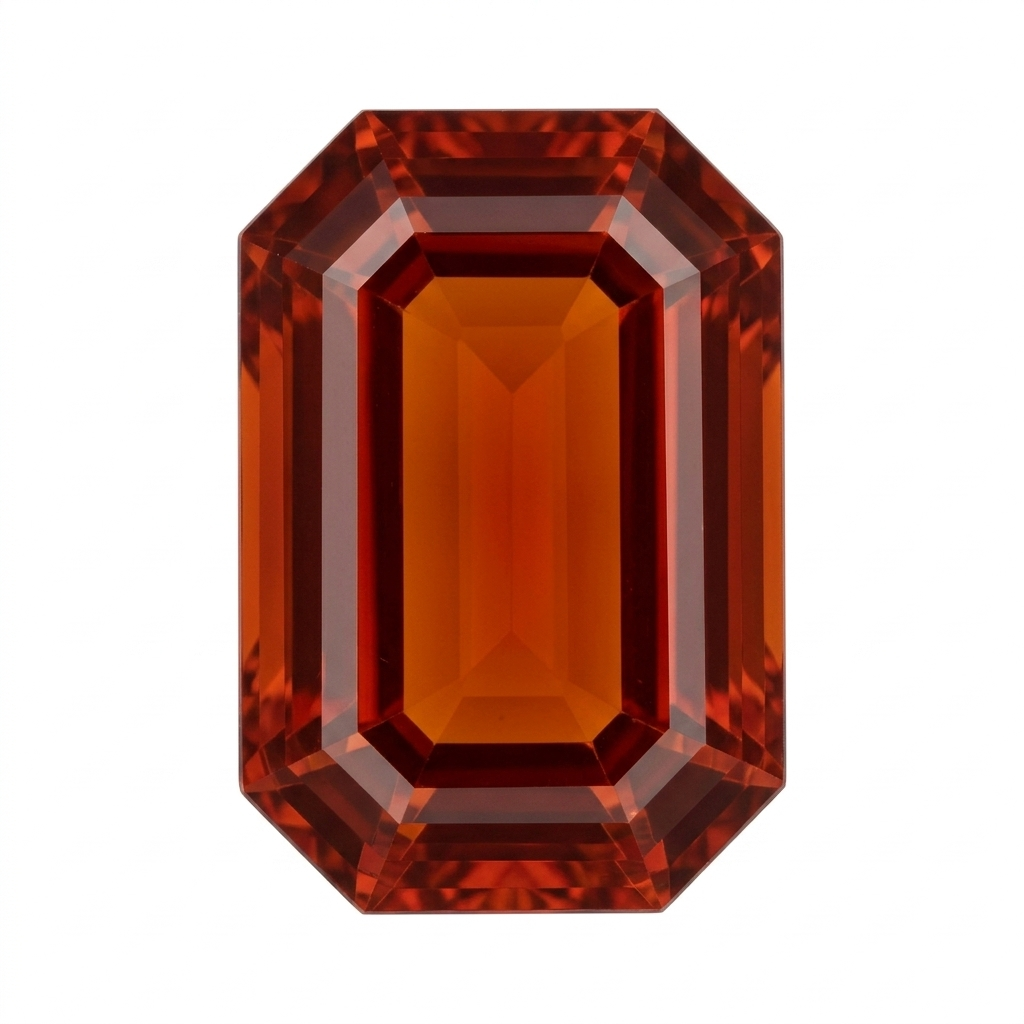 Hessonite (गोमेद)
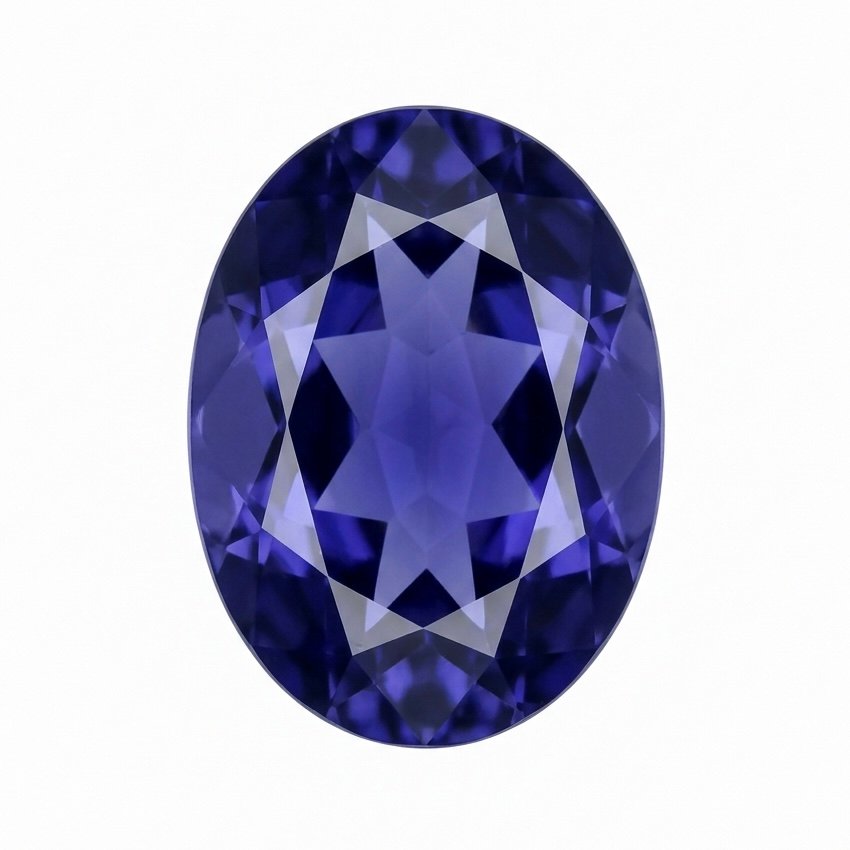 IOLITE (KAKA NILI)
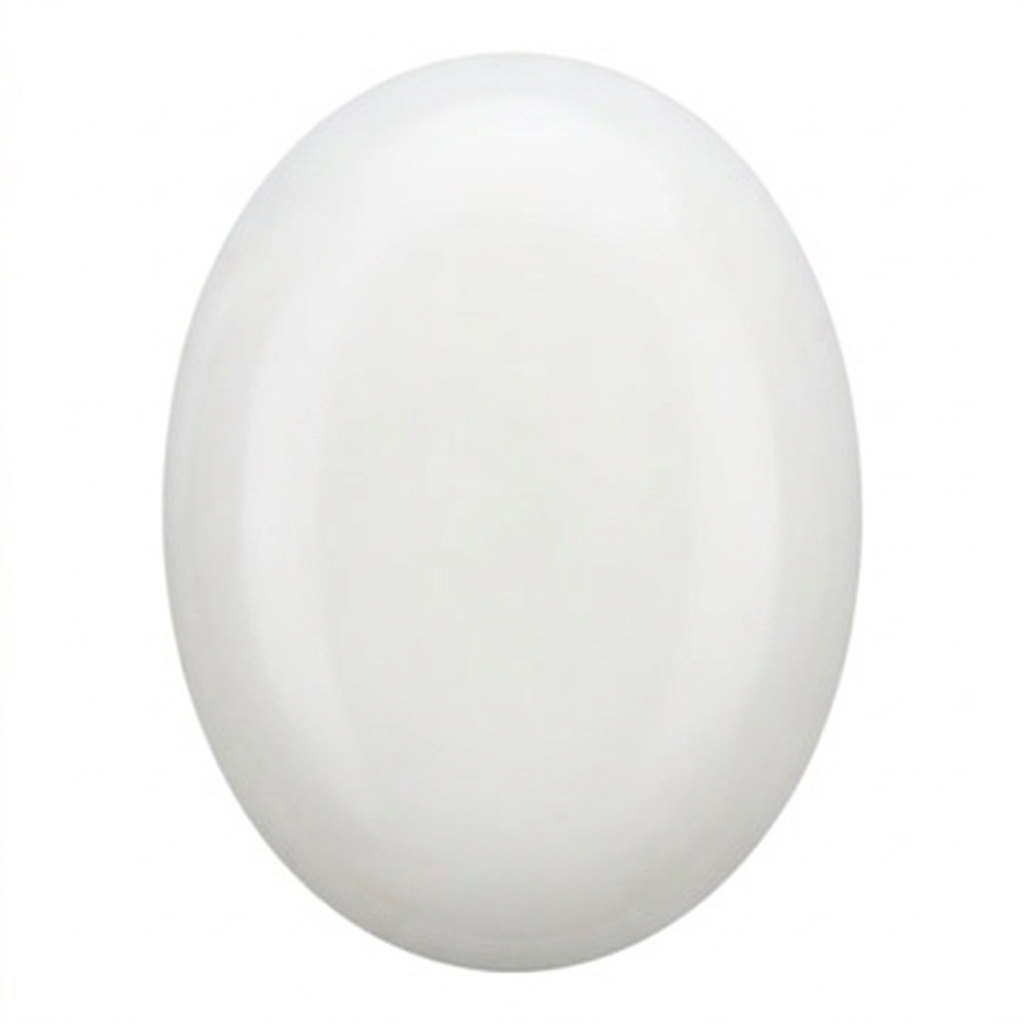 Japanese White Coral (मूंगा)
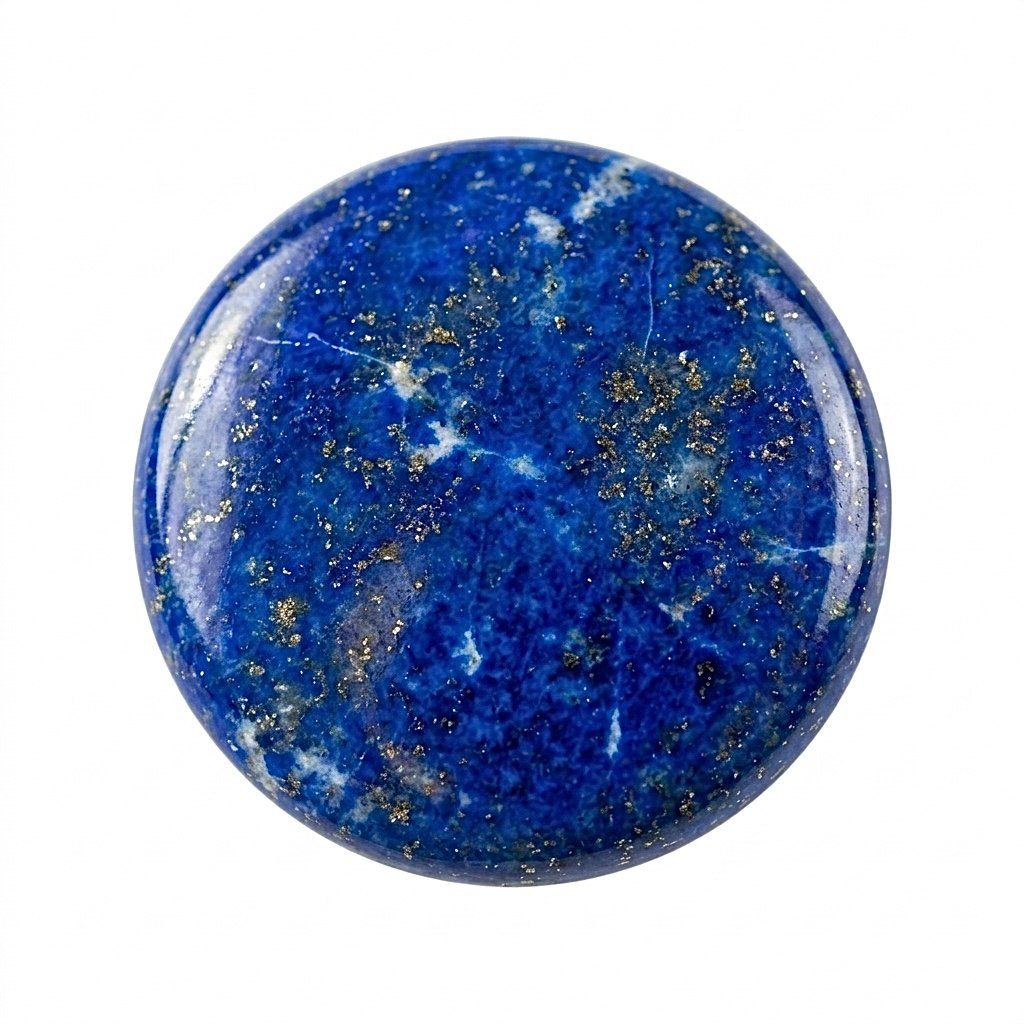 Lapis
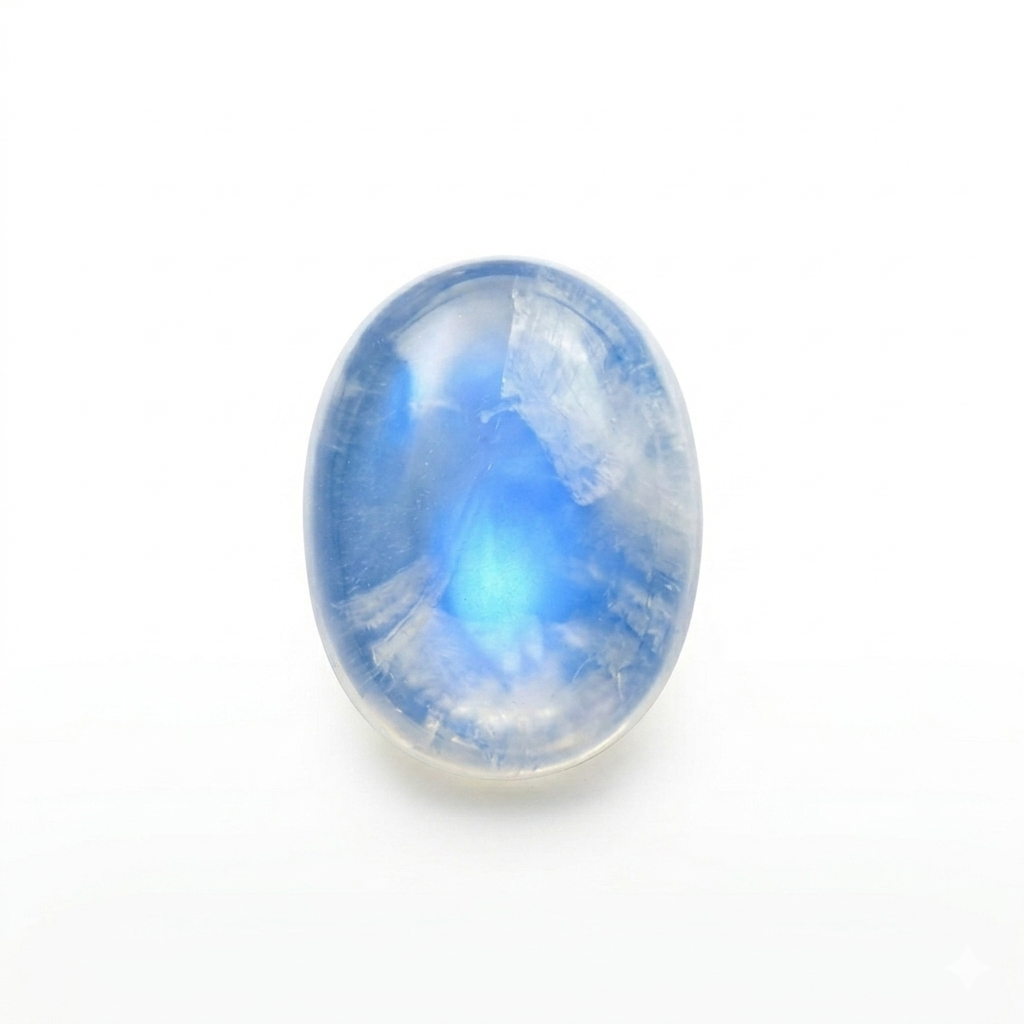 Moonstone
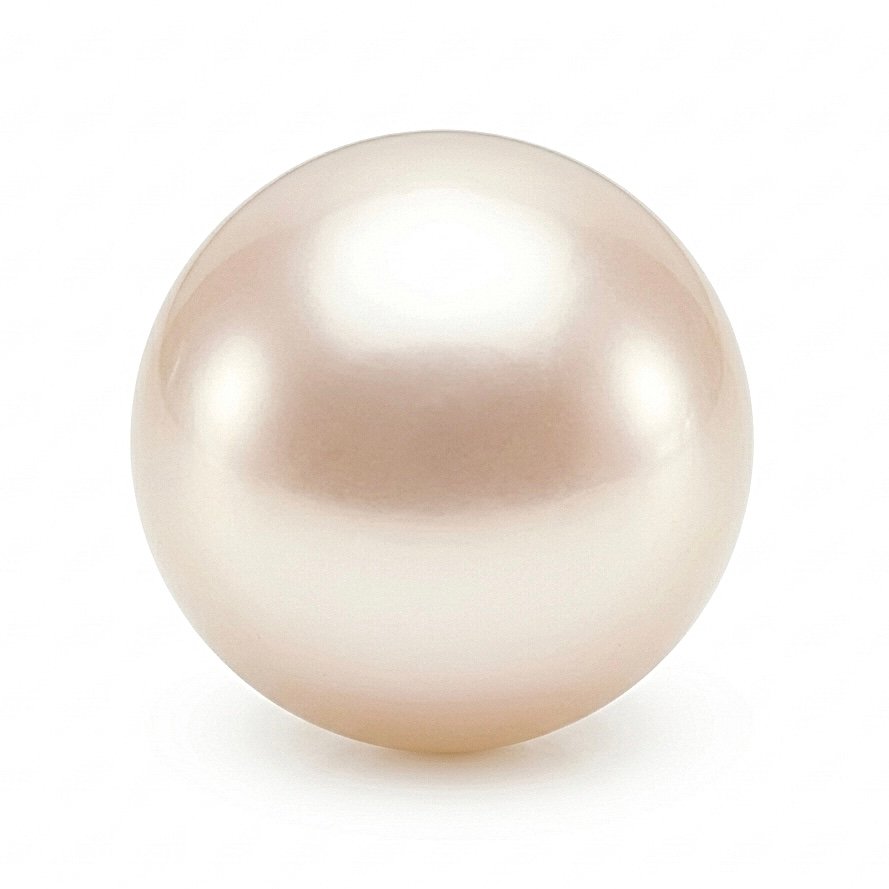 Natural South Sea Pearl
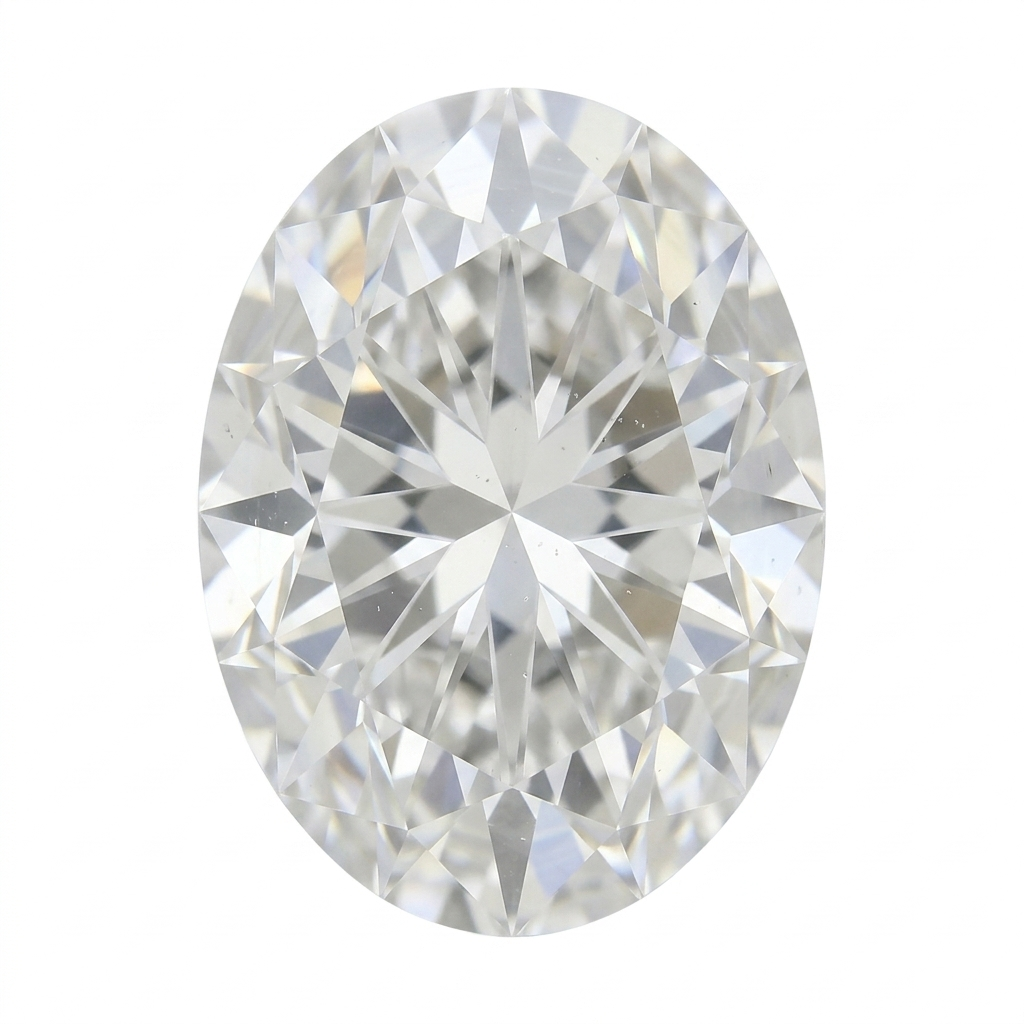 Natural Zircon
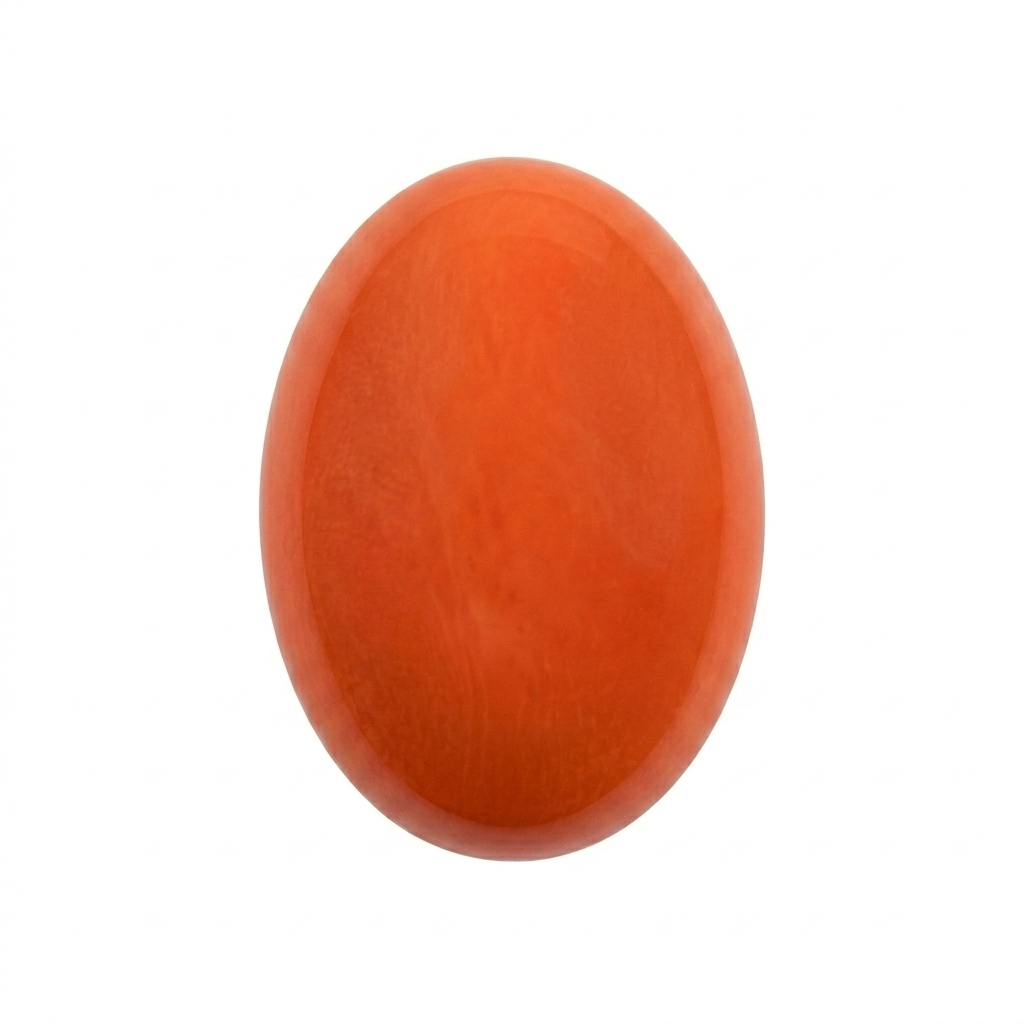 Orange Coral (मूंगा)
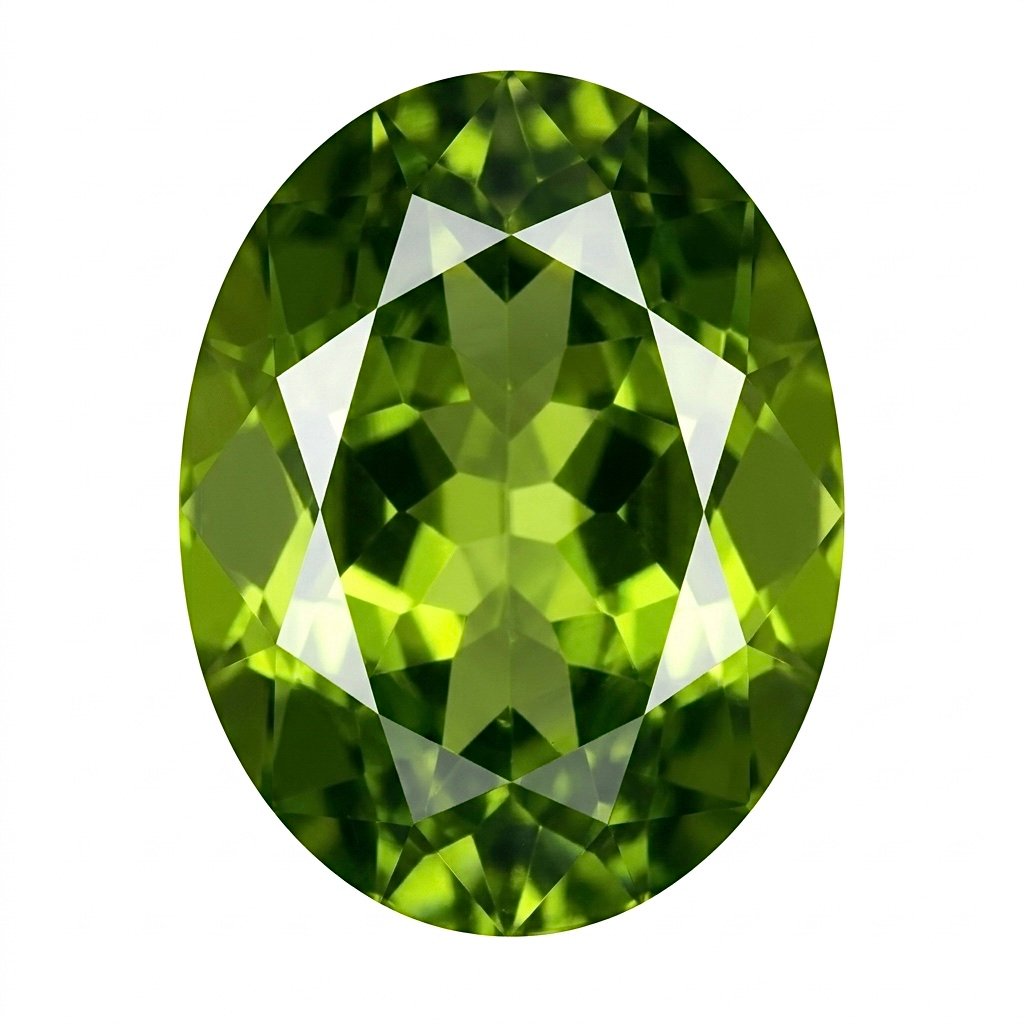 Peridot
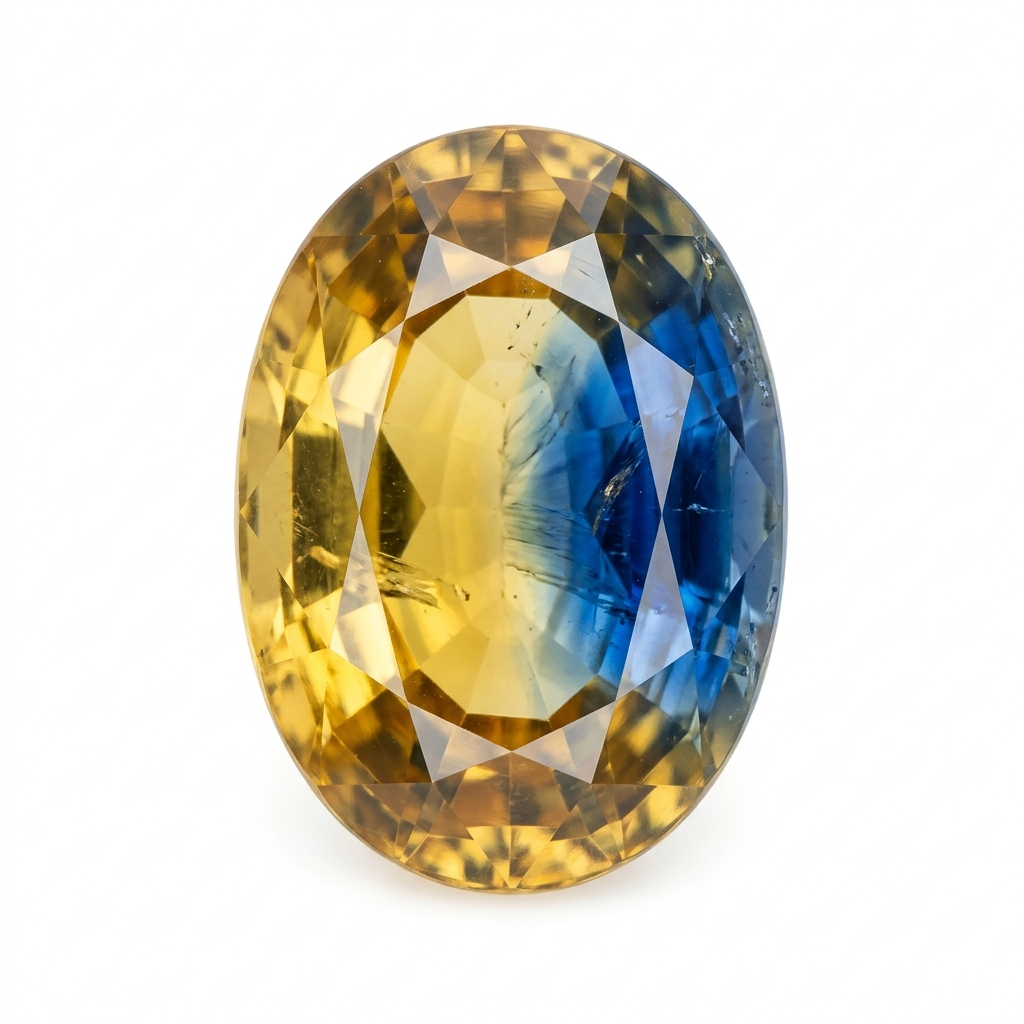 Pitambari
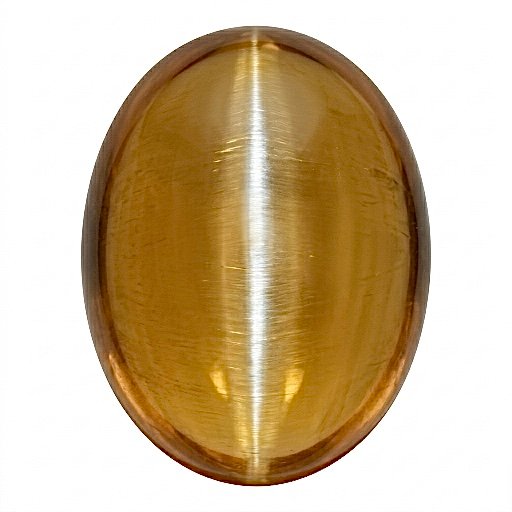 Quartz Catseye
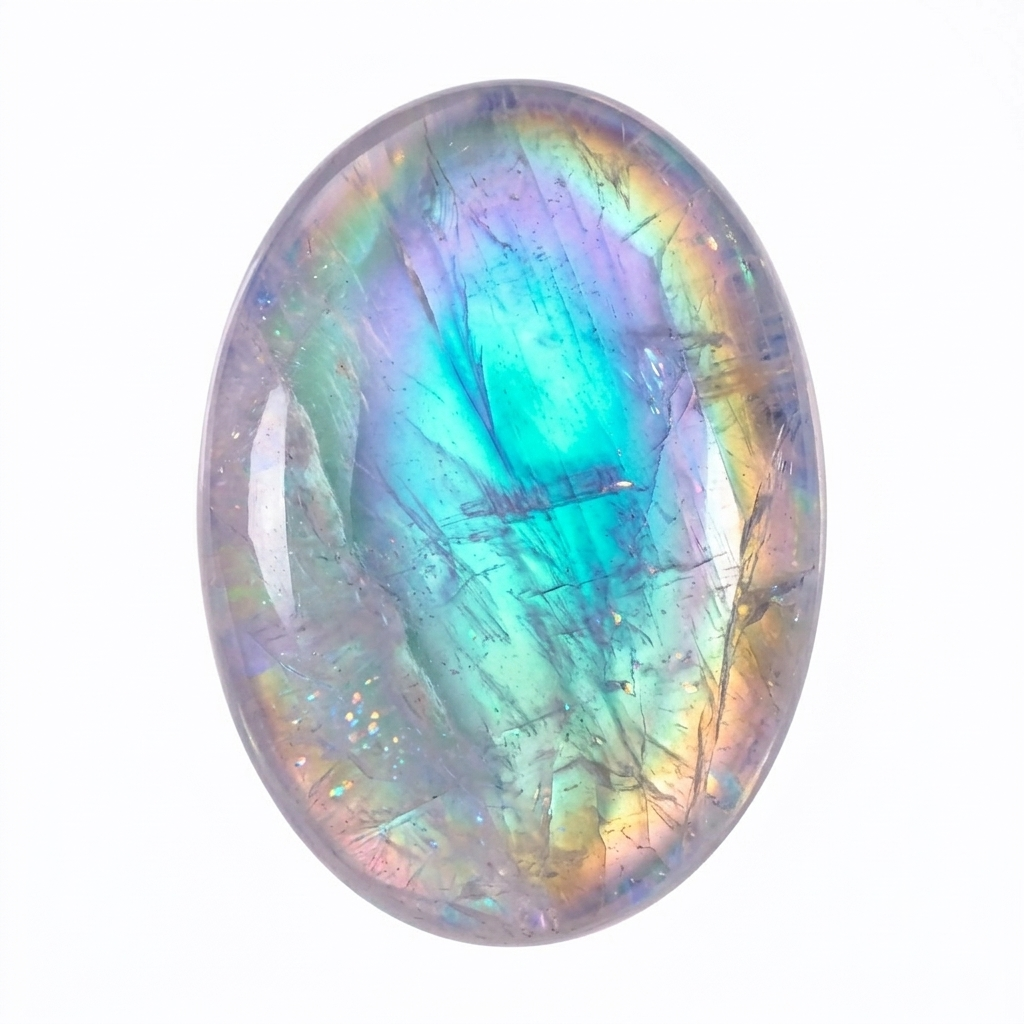 Rainbow Moonstone
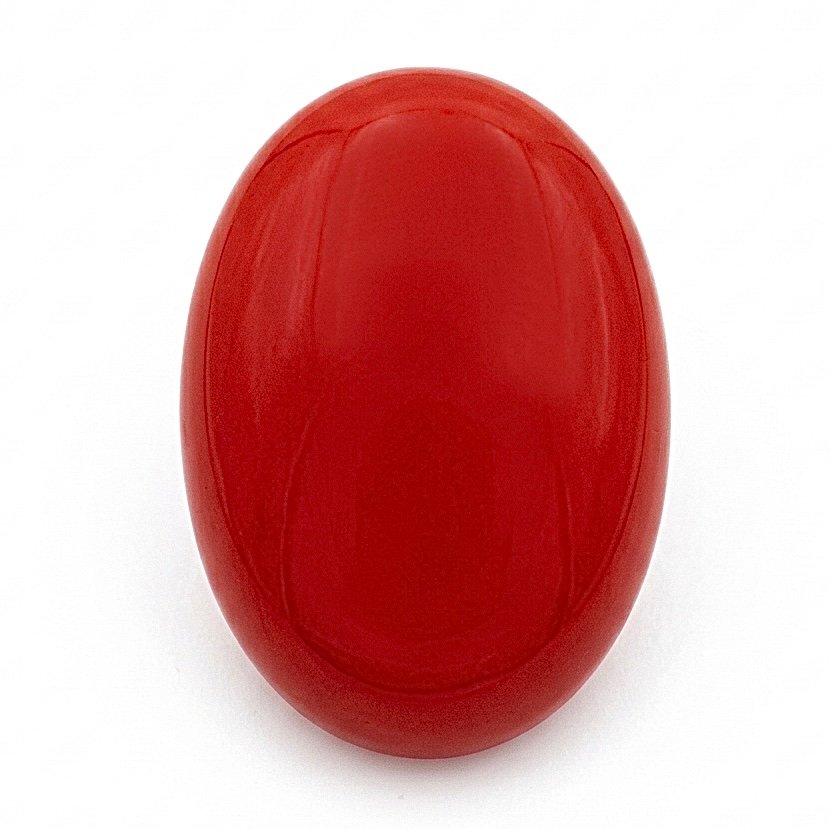 Red Coral (मूंगा)
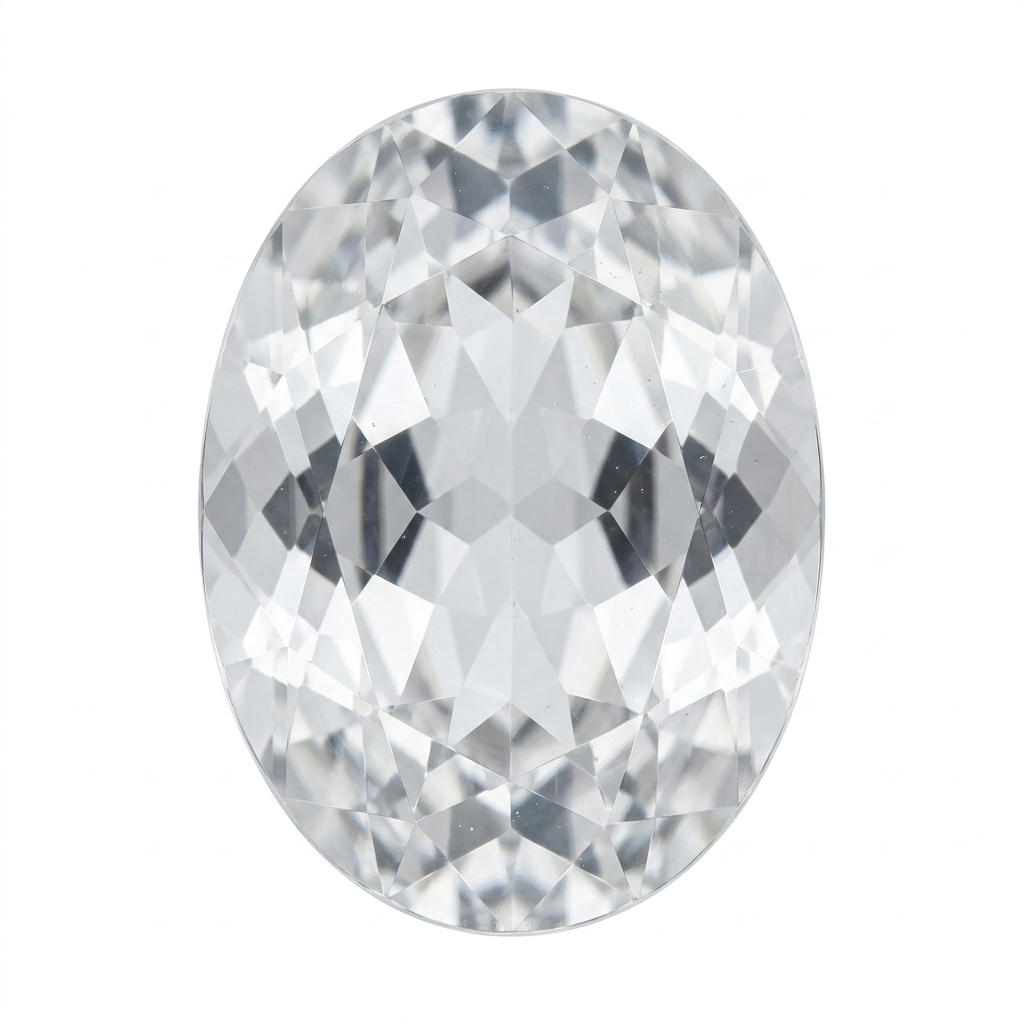 WHITE TOPAZ
 15 JAN
In common usage in the Indian
market, "original gemstone" typically means a natural gemstone — one
that formed in the earth through geological processes rather than being created
in a laboratory or fabricated from a different material. However, the term is
used loosely, and understanding the precise distinctions matters for evaluating
what you are purchasing.
A natural gemstone is a mineral or organic material that formed in
the earth without human intervention in its creation. It was mined, then cut
and polished, but the material itself is natural. When buyers in India search
for an original gemstone online, they are usually seeking this: a genuine
natural stone, not a synthetic one, not a glass imitation, not a plastic
replica. The term "original" and "natural" overlap significantly
in this context, though neither implies anything about treatment status —
natural gemstones can and frequently are treated.
Synthetic gemstones are the category most easily confused with natural ones,
because they are chemically and physically the same material — just formed in a
laboratory rather than the earth. A synthetic sapphire is genuine sapphire —
corundum coloured by iron and titanium — it simply grew in a furnace rather
than in metamorphic rock over millions of years. The distinction is critical
for value: natural sapphires of fine quality command prices that synthetic
sapphires of identical appearance cannot approach.
From a buyer's perspective, the
most important thing to understand is that synthetic gemstones cannot be
reliably distinguished from natural ones without gemological testing. Visual
inspection is not sufficient. A laboratory report from a recognised institution
is the only reliable means of confirmation.
Imitation stones — also called
simulants — have no chemical relationship to the gemstone they resemble. Glass
cut to look like a ruby, plastic moulded to resemble a turquoise, cubic
zirconia faceted to imitate a diamond — these are imitations, not rubies,
turquoises, or diamonds of any kind. They are entirely different materials that
share only an appearance.
Imitations are far less
expensive to produce than natural gemstones, which creates an obvious financial
incentive for misrepresentation. In online markets where buyers cannot inspect
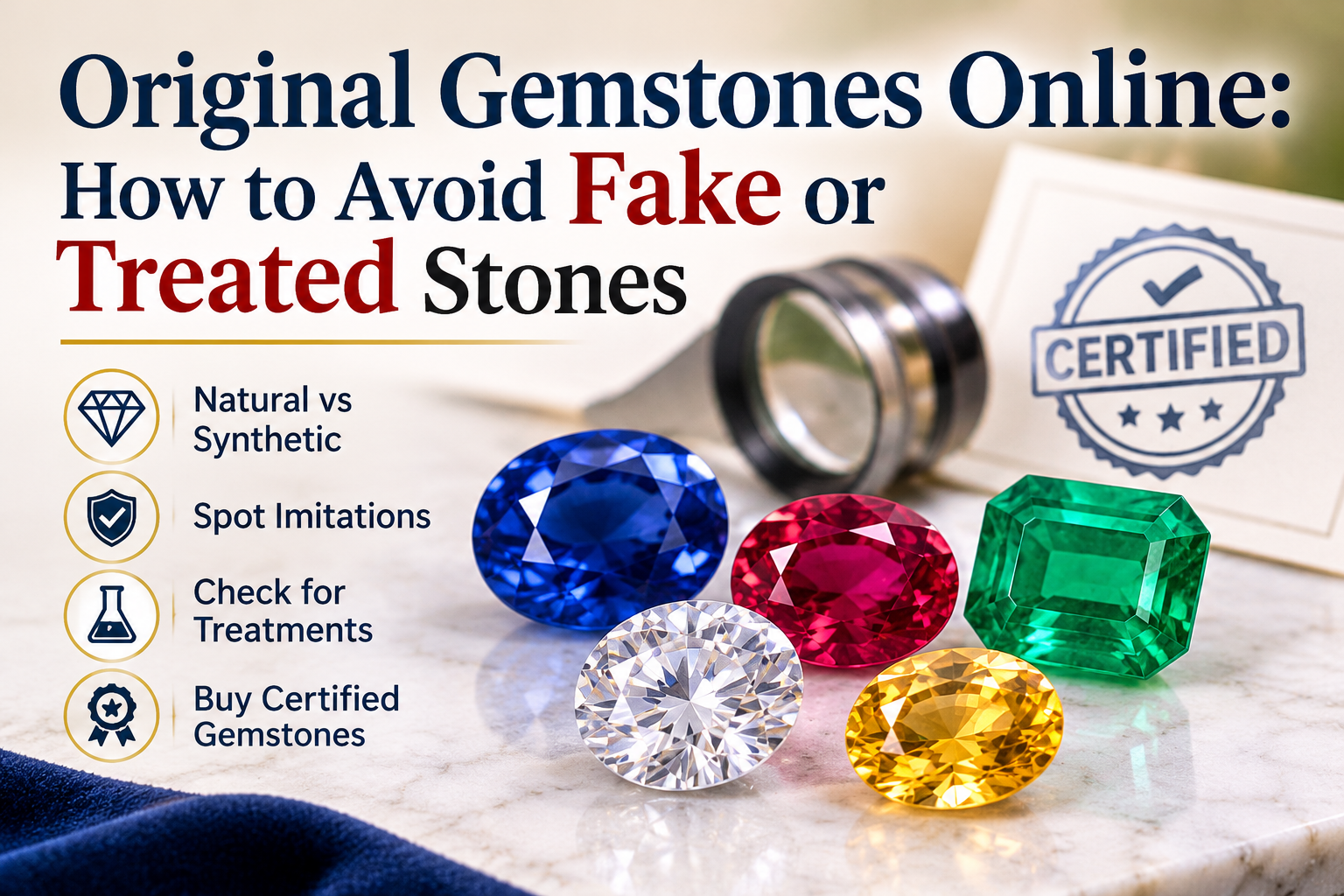
goods before purchase, imitation stones are a genuine concern. Buying certified gemstones online from
sellers with verifiable certification from recognised laboratories is the
primary defence.
Yes — with full disclosure of
the treatment. A ruby that has been heat-treated, or an emerald that has been
filled with cedar oil, is still a natural gemstone. The treatment does not
change its geological origin or fundamental identity. However, treatments must
be disclosed because they significantly affect the stone's value, rarity
compared to untreated equivalents, and in some cases its durability. A stone
sold as "original" or "natural" that has undergone
significant treatment without disclosure is misrepresented — not because it is
not natural, but because material information has been withheld.
Understanding what is out there
helps buyers recognise risks in listings that may not explicitly identify
stones as imitations.
Glass imitations are among the
oldest and most widespread fake gemstones. High-quality glass can be produced
in virtually any colour, can be cut into faceted shapes, and can be given
refractive properties that superficially resemble those of genuine gemstones.
Red glass can be mistaken for ruby at a glance; blue glass can look like
sapphire in a photograph. Glass is distinguishable from natural gemstones using
a refractometer and by looking for characteristic glass bubbles under
magnification — but these tests require equipment that buyers do not typically
have.
Glass imitations are sometimes
used in composite or assembled stones, where a thin layer of genuine gemstone
material is bonded to a glass backing. These "doublets" or
"triplets" present a genuine gemstone surface but are almost entirely
glass or a synthetic material beneath. Laboratory testing identifies these
reliably.
Plastic imitations are less
convincing than glass under close examination but are used in very low-value
costume jewellery contexts. More concerning are composite assemblies — for
example, a thin slice of genuine natural turquoise bonded to a backing of
plastic or chalk. These are technically "natural material" on the
surface but are misrepresented if sold as solid natural turquoise. Laboratory
examination identifies the composition.
This is the most practically
significant category for buyers of coloured gemstones online. A synthetic ruby is a genuine ruby
chemically, but it must be disclosed as synthetic. When it is sold without that
disclosure — or with a vague description that does not distinguish between
natural and synthetic — buyers are paying natural stone prices for synthetic
materials. The price difference between a fine natural ruby and a synthetic
ruby of identical appearance can be 90% or more. Independent laboratory
certification is the only reliable way to distinguish them.
Composite stones are assemblies
of multiple materials — a natural gemstone top bonded to a synthetic or glass
bottom, for example. Some doublets use a thin slice of natural opal bonded to a
black backing to imitate high-value black opal. Garnet-topped doublets (a
natural garnet crown on a glass base) have been in the market for over a
century. These can look convincing without magnification. Laboratory
examination identifies the assembly readily.
These are the practical checks
for buyers who want to verify they are getting an original gemstone online
before committing to a purchase.
The foundation of any original
gemstone online purchase is a laboratory report from a recognised gemological
institution. GIA, IGI, IGI-GTL, GII, and IIGJ are recognised options in the
Indian and international market. The report will identify the stone's species
and variety through testing, confirm whether it is natural or synthetic, and
disclose any treatments. This is the single most effective check available to
buyers who cannot inspect the stone directly.
After receiving the report
details from the seller, enter the report number into the verification portal
on the laboratory's official website. Confirm that the stone identity, weight,
and treatment status returned by the website match what is shown in the
document and the product listing. Forged certificates do exist — this
verification step catches them. If the report number returns no result on the
laboratory's website, treat this as a significant red flag.
Read the treatment section of
the laboratory report in full. For rubies: the distinction between "no
indications of heating," "indications of heating," and
"glass filling/clarity enhancement" is enormous. For emeralds: the
degree of resin or oil filling matters — "minor" and
"significant" have different implications for value and care. For
sapphires: beryllium diffusion treatment must be explicitly disclosed and
significantly affects value. Understanding what you read in this section is as
important as verifying the stone's identity.
Once you have a verified
laboratory report, compare every relevant detail against the product listing.
The stone's identity, weight, treatment status, and any recorded quality
characteristics should match what is described. Discrepancies — however small —
should be queried with the seller before purchase. A seller who cannot explain
discrepancies between their listing and the certificate is not operating
transparently.
Several home tests are widely referenced
online — the scratch test, the thermal conductivity test, the fog test. While
some of these tests can identify obvious imitations in specific circumstances,
none of them reliably distinguishes natural from synthetic gemstones, and none
of them confirms treatment status. A gemstone that "passes" a scratch
test may still be synthetic. A gemstone that does not fog a glass surface may
still be glass of the appropriate type. Home tests are not a substitute for
laboratory testing, and relying on them when buying original gems online leads
to false confidence.
Identifying treatments from a
product listing requires knowing what to look for and what questions to ask.
Heat treatment is the most
common treatment applied to rubies, sapphires, and tanzanite. It is generally
stable and permanent; heat-treated stones do not require special care beyond
normal handling. The primary relevance of heat treatment disclosure is value:
untreated natural rubies and sapphires of comparable quality command
significant premiums. If a listing for a ruby or sapphire does not mention heat
treatment status, assume it may be heat-treated and verify through the
laboratory report before purchasing based on an "untreated" assumption.
Fracture filling — glass or
resin filling of surface-reaching fractures — is used in rubies (lead glass
filling) and emeralds (oil or resin filling). These treatments are detectable
in gemological testing and must be disclosed. A fracture-filled ruby may appear
to have excellent transparency and colour, but it requires specific care — no
ultrasonic cleaning, no steam, no acid contact — and it is worth considerably
less than a comparable stone without filling. If you are looking to buy natural
gemstones online and want to avoid heavy treatment, check specifically for
fracture-filling disclosure in the laboratory report.
Surface coatings are applied to
some gemstones — typically topaz or certain labradorite varieties — to produce
colour effects. Coatings are not durable and can be scratched or worn. Clarity
enhancement, a broader term, covers various treatments applied to improve
apparent clarity, including filling, irradiation, and in some cases laser
drilling (for diamonds). All of these must be disclosed.
Treatment disclosures give you
the information to make a purchase decision that matches your priorities. If
you are buying stones online for astrological purposes in the Vedic tradition,
untreated or minimally treated natural stones are typically preferred. If you
are buying for jewellery on a budget, a treated natural stone of good
appearance may be excellent value. If you are buying for investment or resale,
treatment status significantly affects long-term value retention. Knowing what
you are buying allows you to choose appropriately — not buying an emerald with
significant clarity enhancement if you need a stone that can withstand regular
ultrasonic cleaning, for example.
The price of a natural gemstone
reflects its rarity, quality, and the cost of production — mining, cutting, and
certification. A natural, untreated ruby of fine quality will be priced
accordingly. When a listing offers what appears to be a natural, fine-quality
ruby at a price dramatically below comparable certified stones from other
sellers, that discrepancy warrants close scrutiny. The most common explanations
are: the stone is synthetic, heavily treated in an undisclosed way,
misidentified, or the quality characteristics are materially different from
what is implied.
A listing for an "original
gemstone" without any independent certification, or with a certificate
from a laboratory that cannot be independently verified, is a significant risk
factor. As discussed throughout this guide, laboratory reports from recognised institutions
are the primary tool for confirming what a stone is. Without one, you are
relying entirely on the seller's word. The absence of certification does not
guarantee a stone is fake — many legitimate sellers offer uncertified stones at
lower price points — but it means you are buying without independent
verification.
Listing descriptions that use
vague language — "high-quality natural stone," "beautiful
gem," "100% original" — without specific information about
variety, weight, treatment status, and certification provide little useful
information. Product photographs that are heavily edited, show only studio
lighting, or are clearly stock images rather than specific photographs of the
actual stone being sold are additional risk indicators.
Origin claims — "Burmese
ruby," "Kashmir sapphire," "Colombian emerald" —
without laboratory origin assessment to support them are unverifiable
assertions. Astrological benefit claims that go beyond describing traditional
beliefs — claiming that a specific stone "will guarantee" results or
citing specific gemstone properties as scientifically established — are not
verifiable and should be treated with caution.
A seller who is not willing to
accept returns if a stone does not match its description is a seller who is not
confident in their product descriptions. Read the return policy before buying.
If it is not clearly stated, ask for it in writing before placing an order.
Before placing an order, verify
the seller's operating history and physical presence. Established sellers in
recognised markets — such as the gemstone trading community in Delhi's Karol
Bagh and Lajpat Nagar — have verifiable histories and physical accountability
that online-only operations may lack. Look for independent reviews on
third-party platforms, not only testimonials on the seller's own website.
For any significant purchase,
ask for the laboratory report for the specific stone. Confirm the issuing
laboratory, obtain the report number, and verify it on the laboratory's
official website before payment. If the seller cannot provide a verifiable
report for the stone, consider whether the purchase risk is acceptable without
independent documentation.
Use the documented
specifications to compare across sellers. A natural, heat-treated ruby with an
IGI report can be fairly compared against another natural, heat-treated ruby
with an IGI report from a different seller — by looking at the quality
characteristics, price per carat, and any additional details in the respective
reports. Without certificates, such comparisons are guesswork.
Confirm that the shipment is
insured for the stone's value, that tracking is provided, and that the
packaging is appropriate for a gemstone. Read the return policy and understand
the process before placing the order. Check whether the seller has accessible
after-sales support — a contact method that produces a real response.
|
|
FOR ASTROLOGICAL BUYERS Vedic astrological gemstone
recommendations require natural original stones — synthetic stones and
imitations are not considered substitutes in this tradition. For planetary
gemstones (Navratnas), laboratory certification confirming natural origin and
treatment status is especially important. Verify before purchase. |
A Request
a laboratory report from a recognised gemological institution (GIA, IGI,
IGI-GTL, GII, or IIGJ). Verify the report number on the laboratory's official
website. Compare the report details against the product listing. This is the
only reliable method for confirming whether a stone is original and natural
when buying online.
A No
— they are genuinely the same material as natural gemstones, just grown in a
laboratory rather than the earth. The issue is one of disclosure. A synthetic
ruby is a real ruby in the chemical sense; it must simply be clearly identified
as synthetic, because it is worth considerably less than a natural ruby of
identical appearance. Selling synthetic gemstones without disclosure —
representing them as natural — is misrepresentation.
A Yes.
Treatment does not change a gemstone's natural origin. A heat-treated ruby is
still a natural ruby. The treatment must be disclosed because it affects value
and care requirements, but treated stones are not "fake" — they are
natural stones that have been enhanced. The distinction is between natural
(with or without treatment) versus synthetic versus imitation, and between
treated and untreated within the natural category.
A Yes,
absolutely. High-quality glass imitations and synthetic gemstones can be
visually indistinguishable from natural originals in standard product
photographs. This is precisely why laboratory certification is so important for
online purchases. Visual assessment alone — however experienced the buyer — is
not sufficient to distinguish a natural gemstone from a well-made imitation or
synthetic.
A For
stones of significant value, no. The risk of misrepresentation without
independent certification is too high when buying online. For lower-value
stones from established, reputable sellers with good reviews and a clear return
policy, the absence of certification may be acceptable. The threshold depends
on the purchase value and your tolerance for uncertainty about what you are
receiving.
Original gemstones online are widely available from established
sellers — but so are imitations, synthetics, and heavily treated stones sold
without adequate disclosure. Independent laboratory certification from a
recognised institution, combined with seller due diligence, is the consistent
protection against the most common problems buyers encounter.
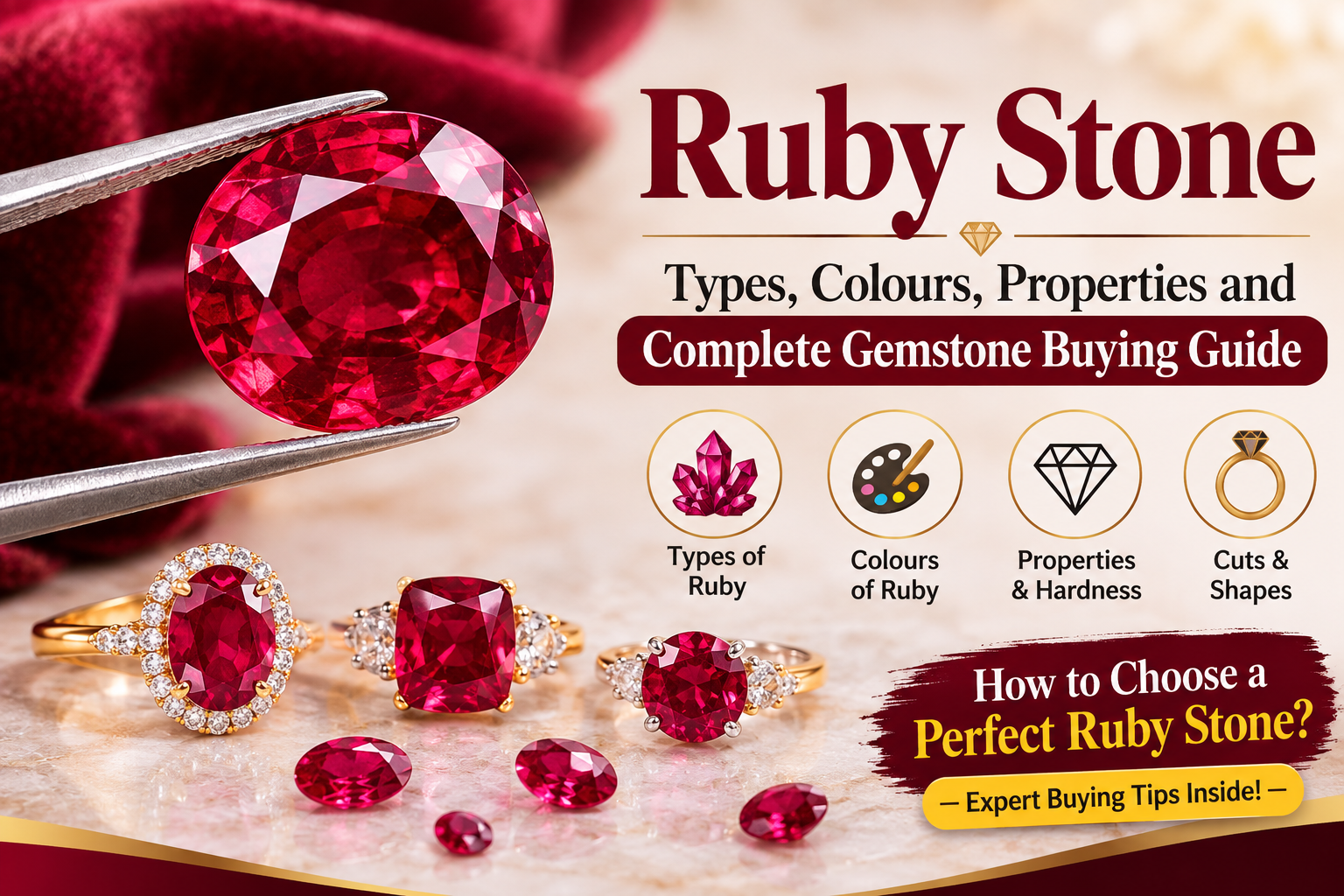
Ruby Stone: Types, Colours, Properties and Complete Gemstone Buying Guide
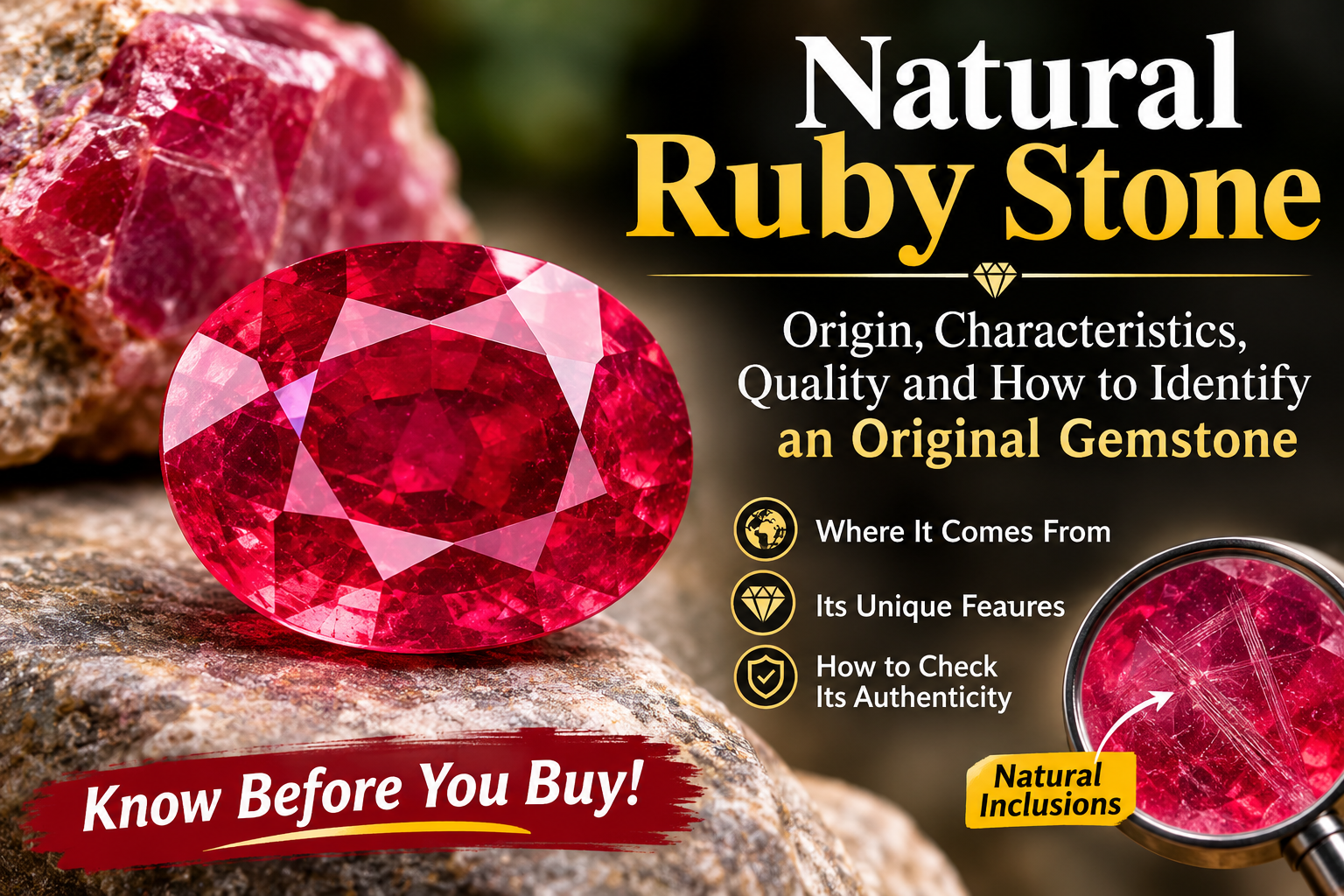
Natural Ruby Stone: Origin, Characteristics, Quality and How to Identify an Original Gemstone
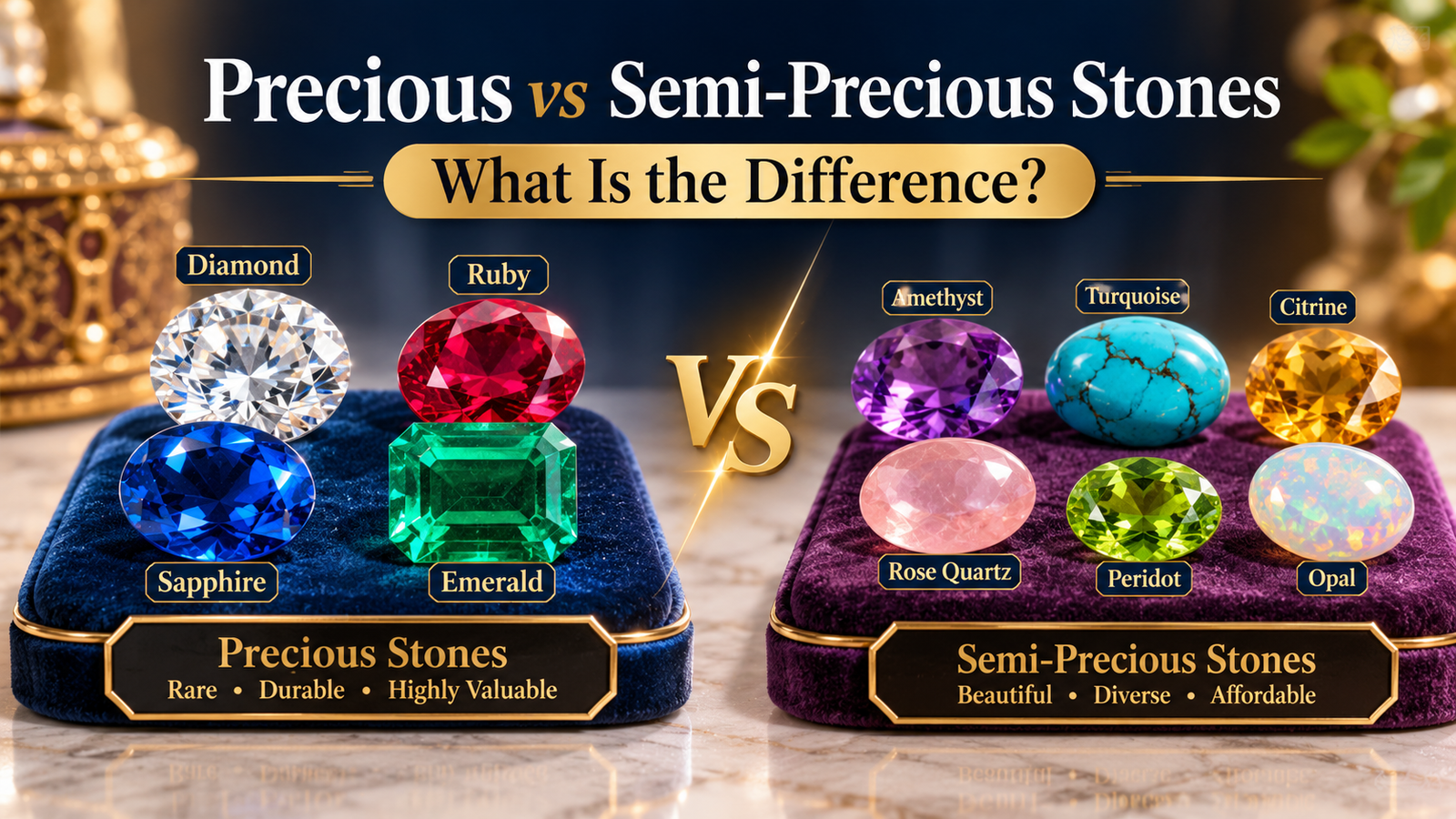
Precious vs Semi-Precious Stones: What Is the Difference?
Original Gemstones Online: How to Avoid Fake or Treated Stones
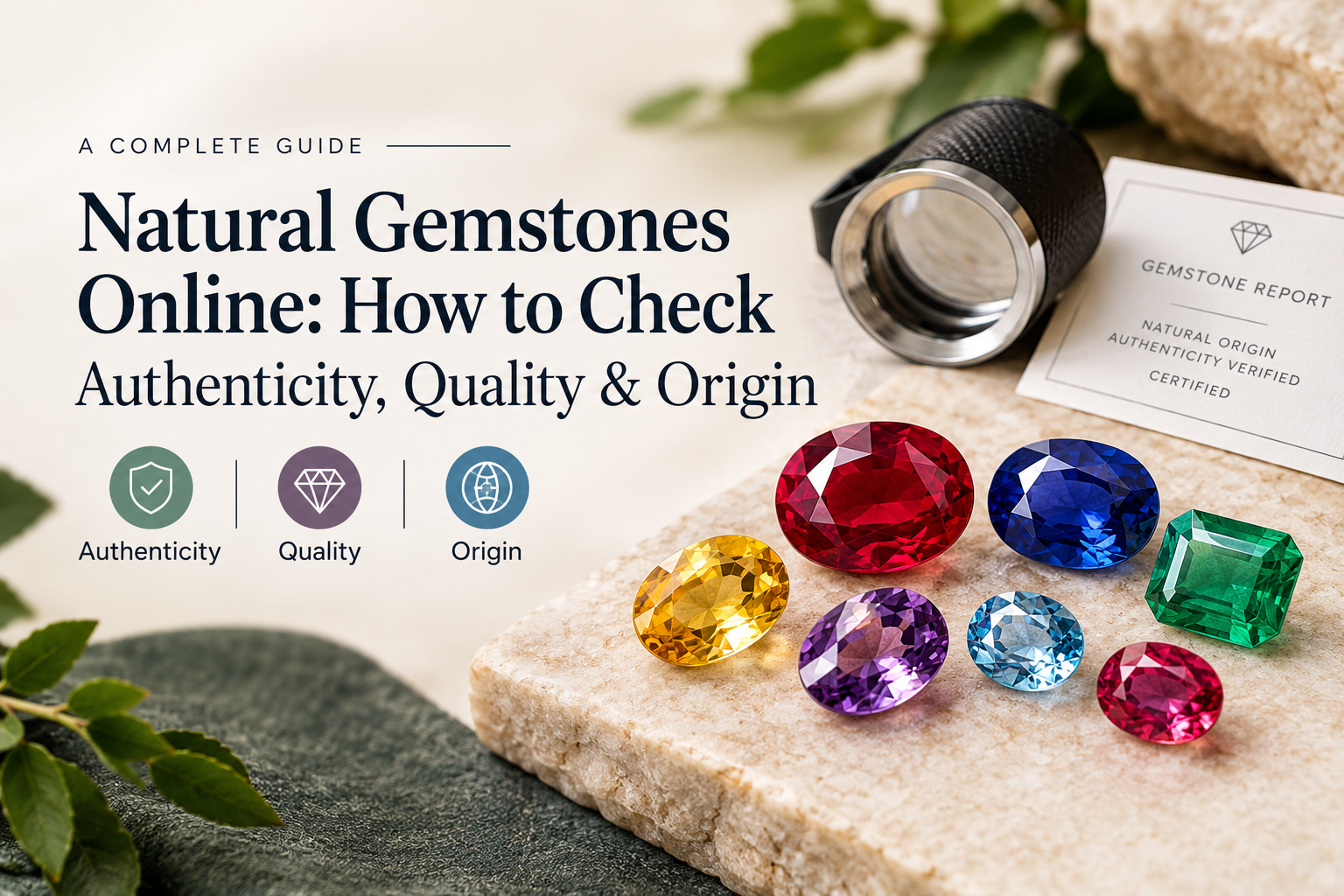
Natural Gemstones Online: How to Check Authenticity, Quality & Origin

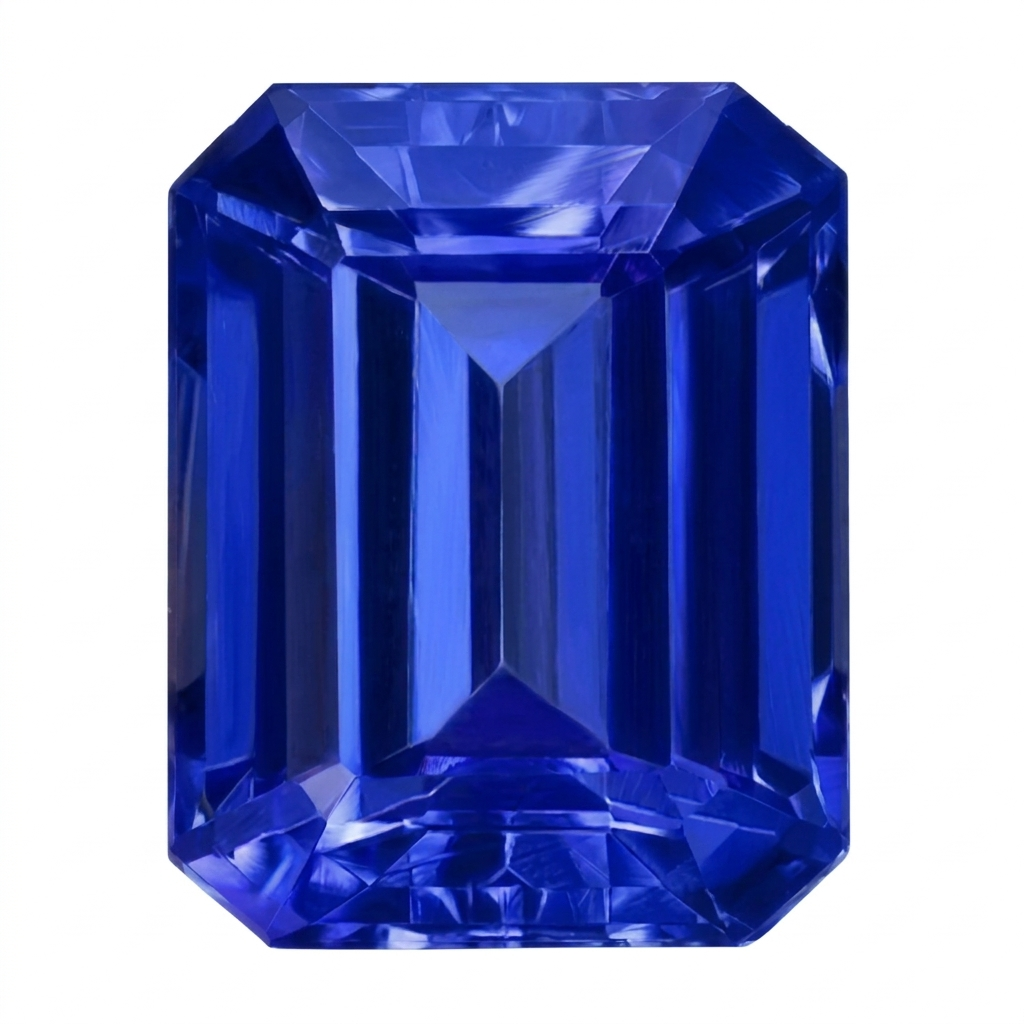 Blue Sapphire
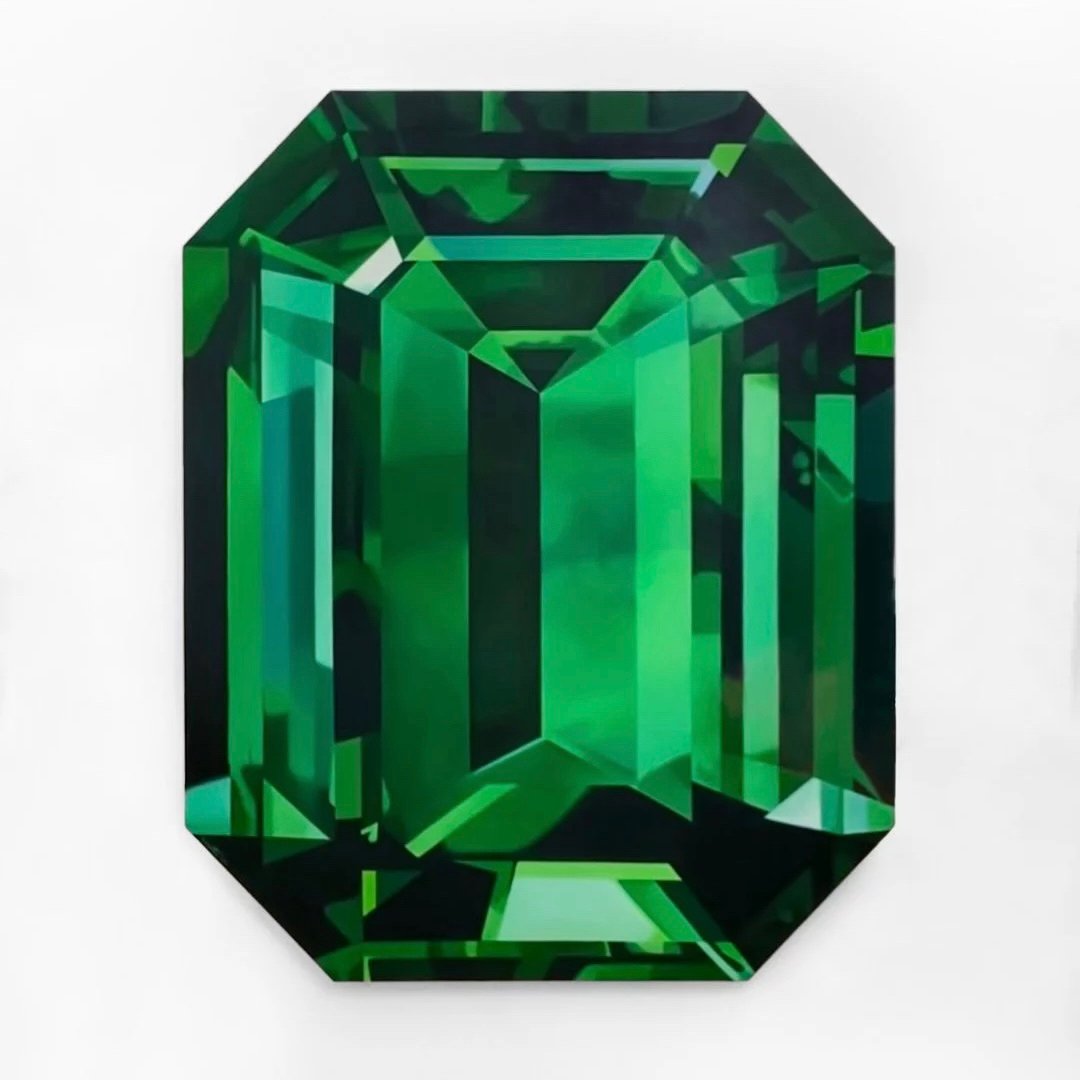 Emerald (PANNA)
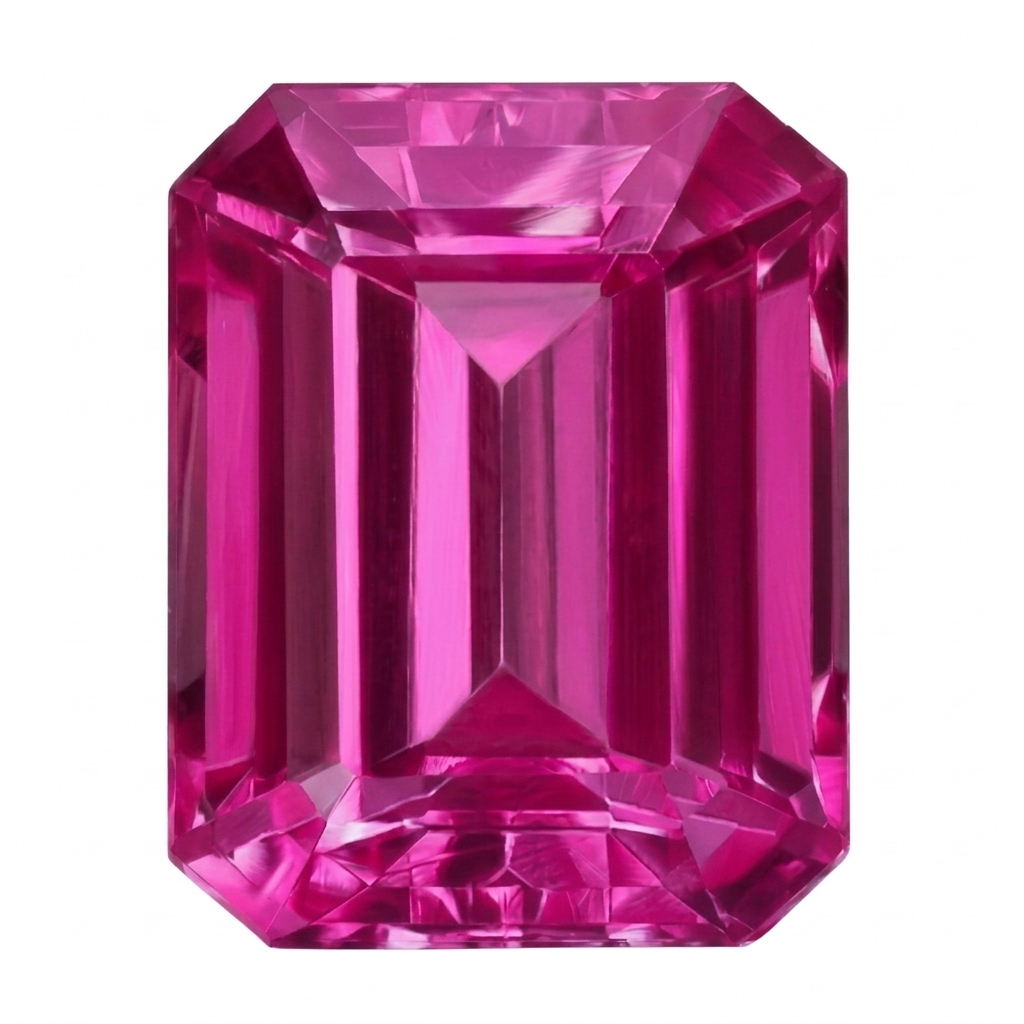 Pink Sapphire
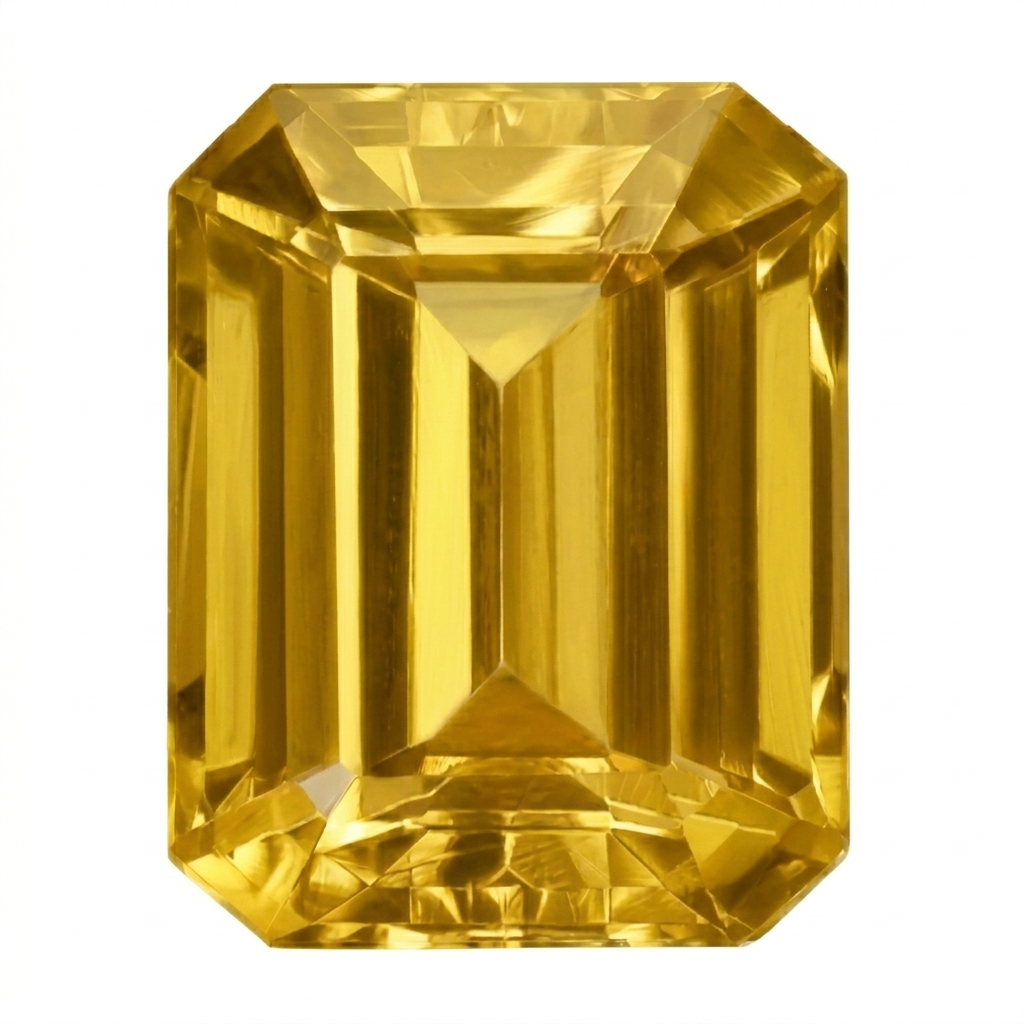 Yellow Sapphire
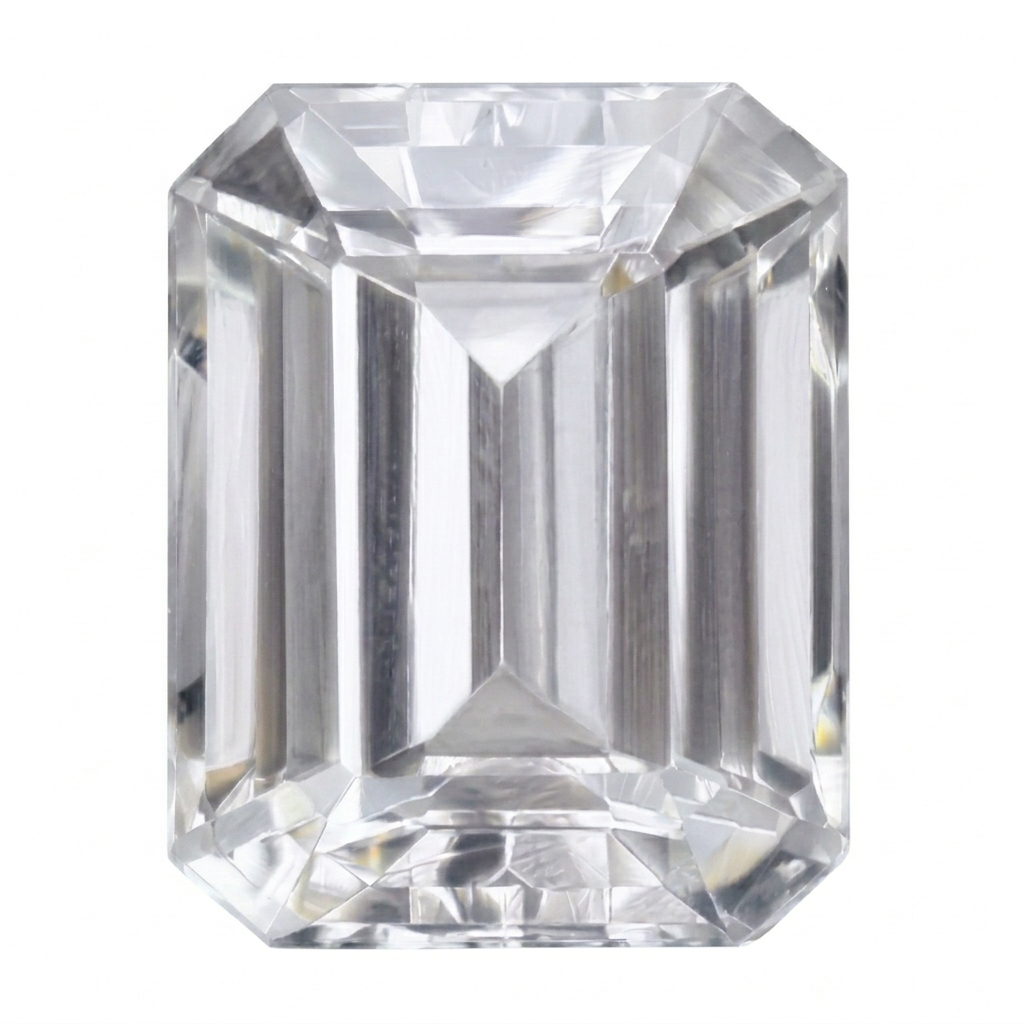 White Sapphire
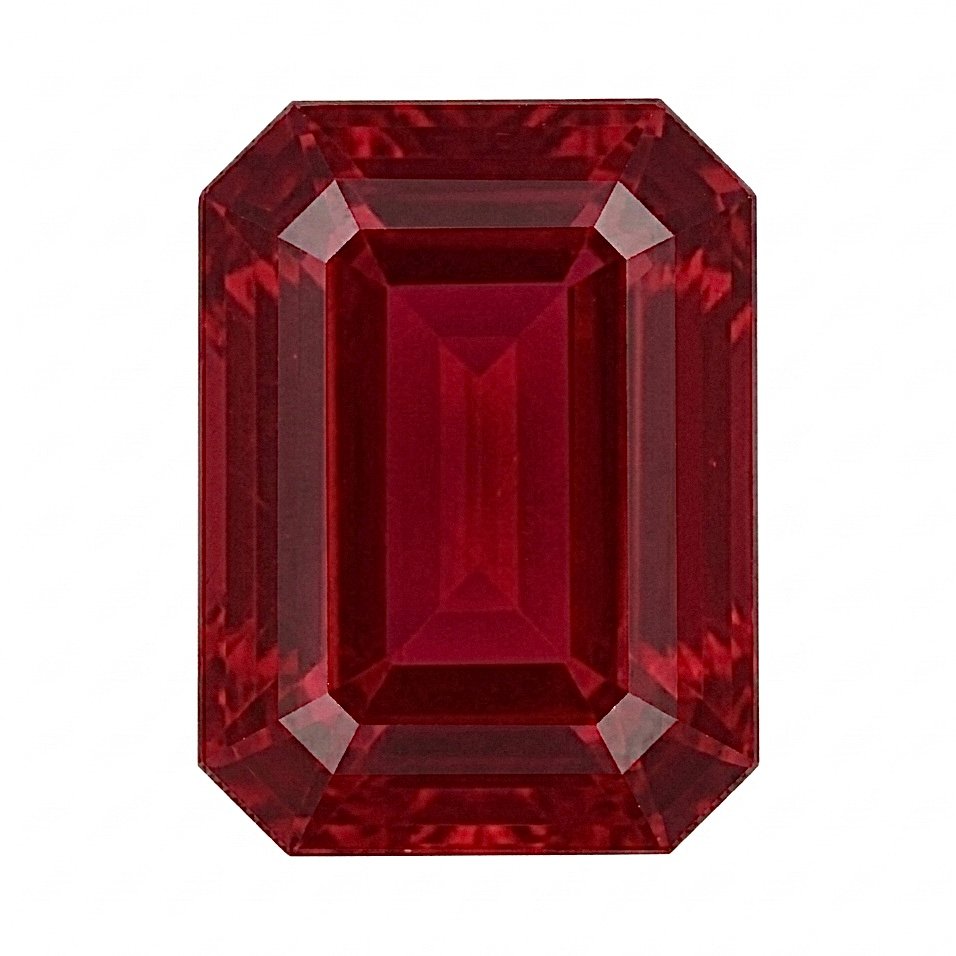 Ruby
 Rudraksha
 Bracelet
