

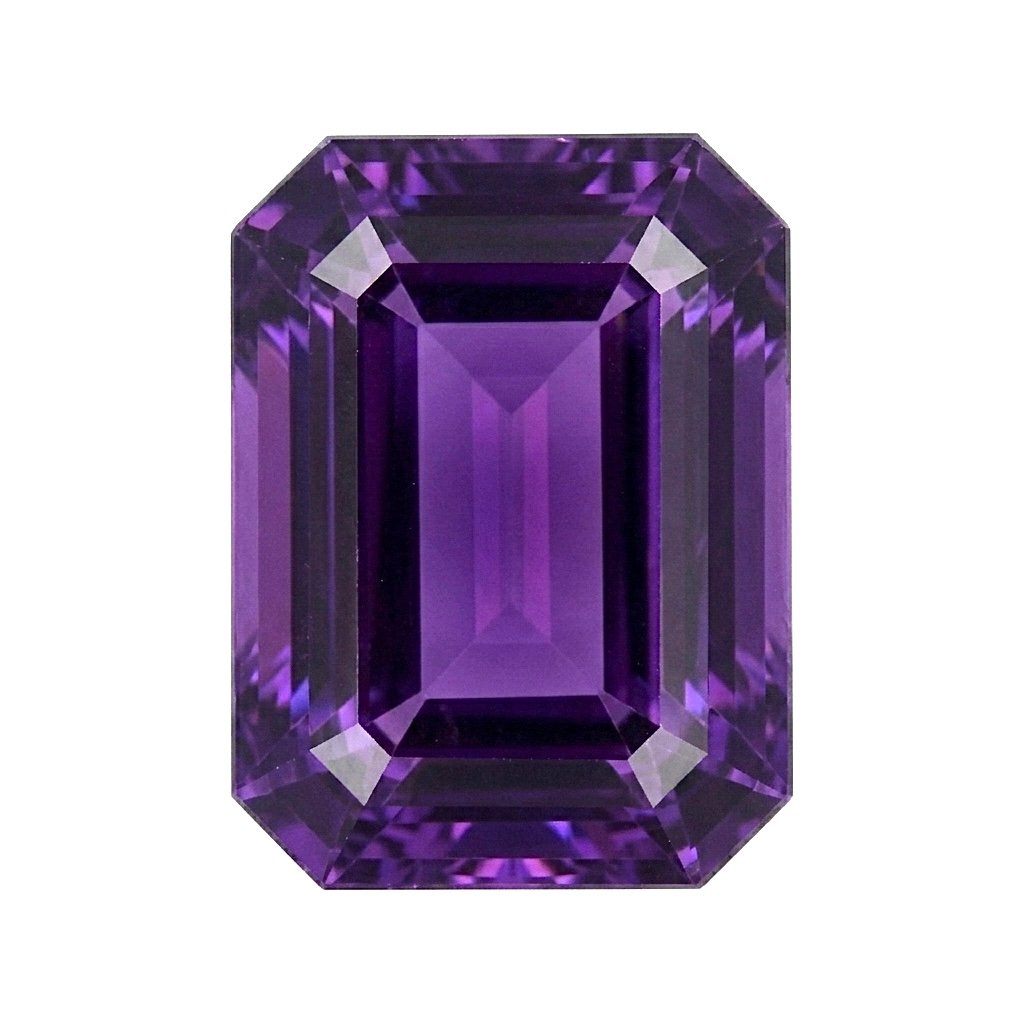
 Amethyst (ऐमेथिस्ट)
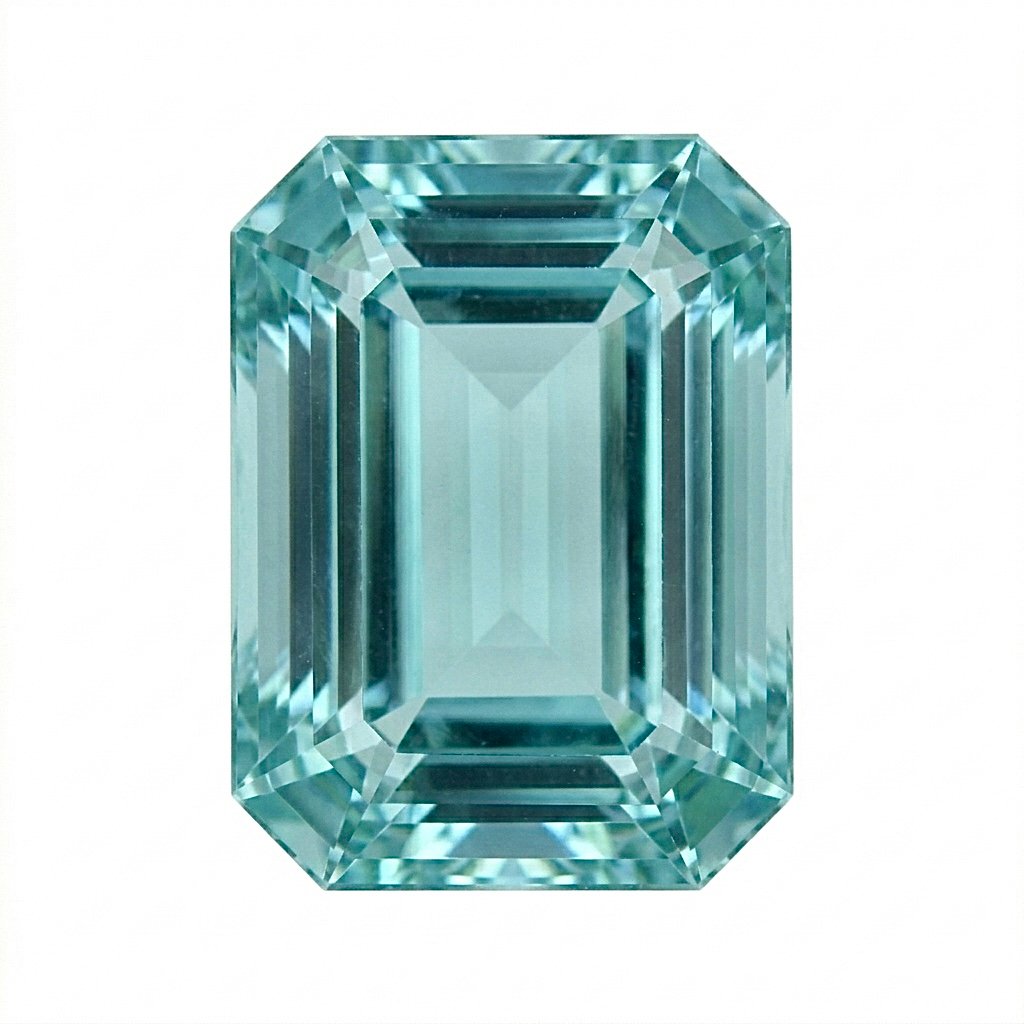 Aquamarine
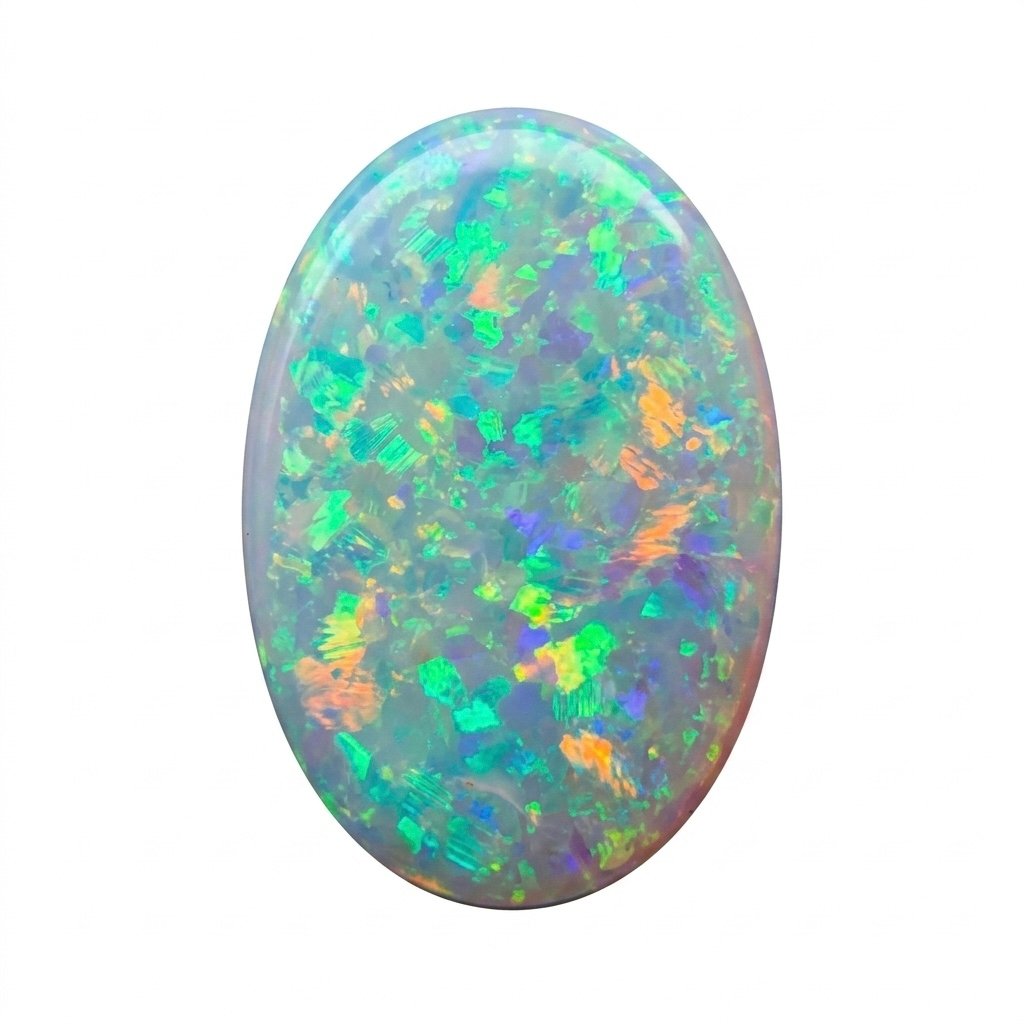 Australian Opal (ओपल)
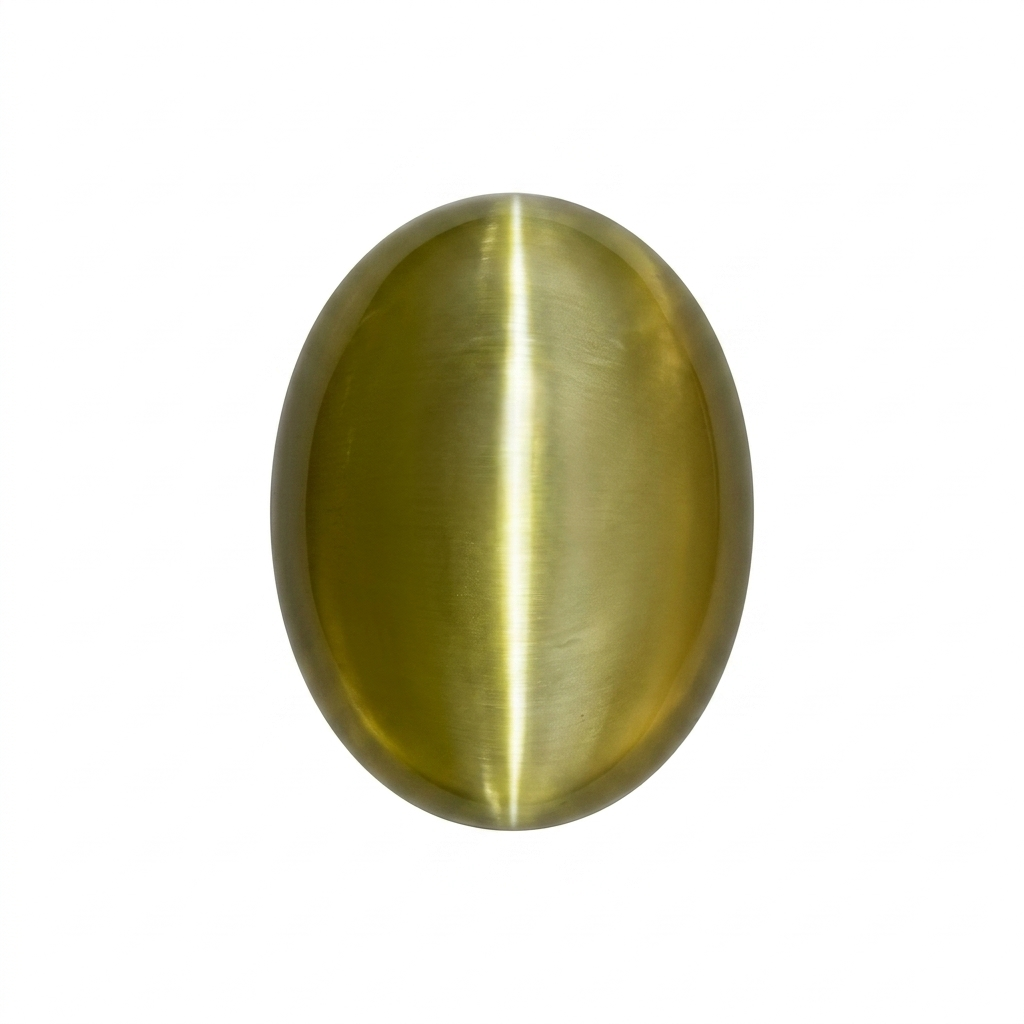 Catseye (लहसुनिया)
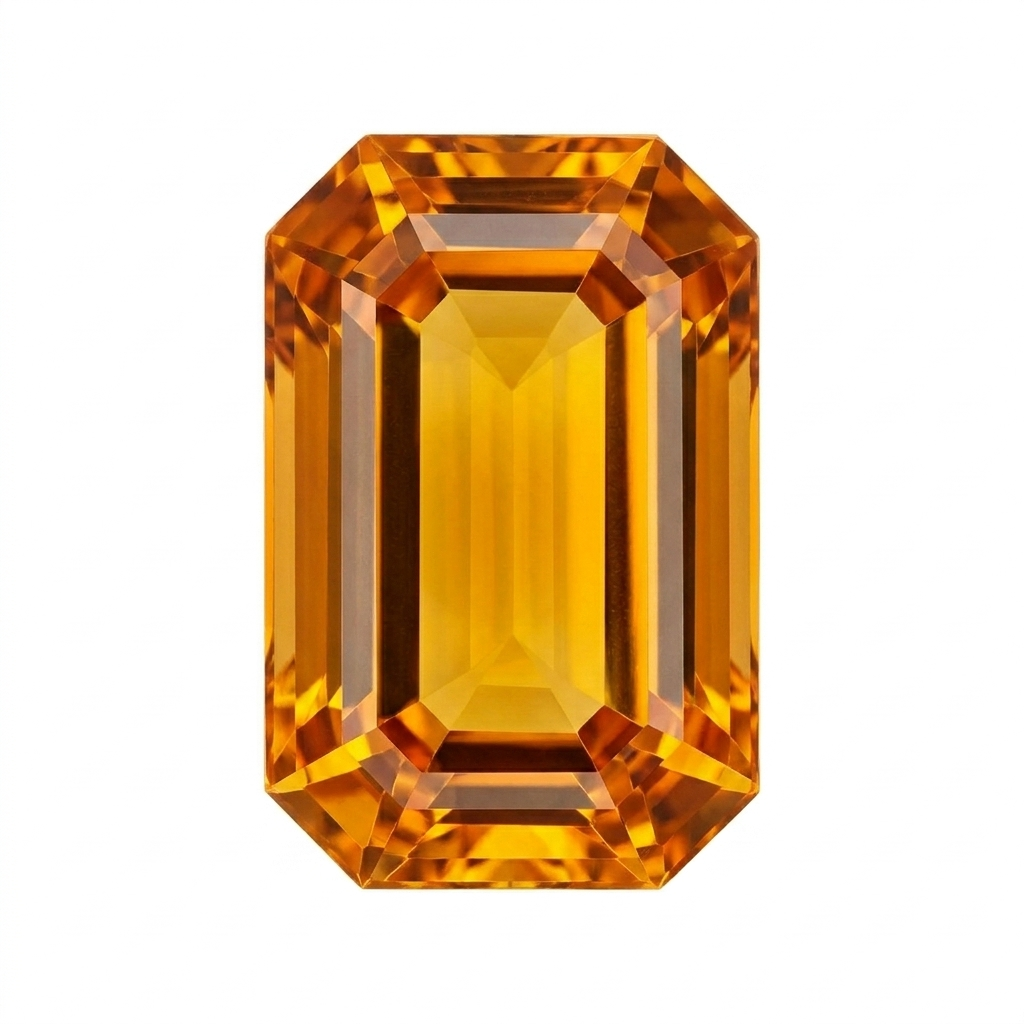 Citrine (सुनेहला)
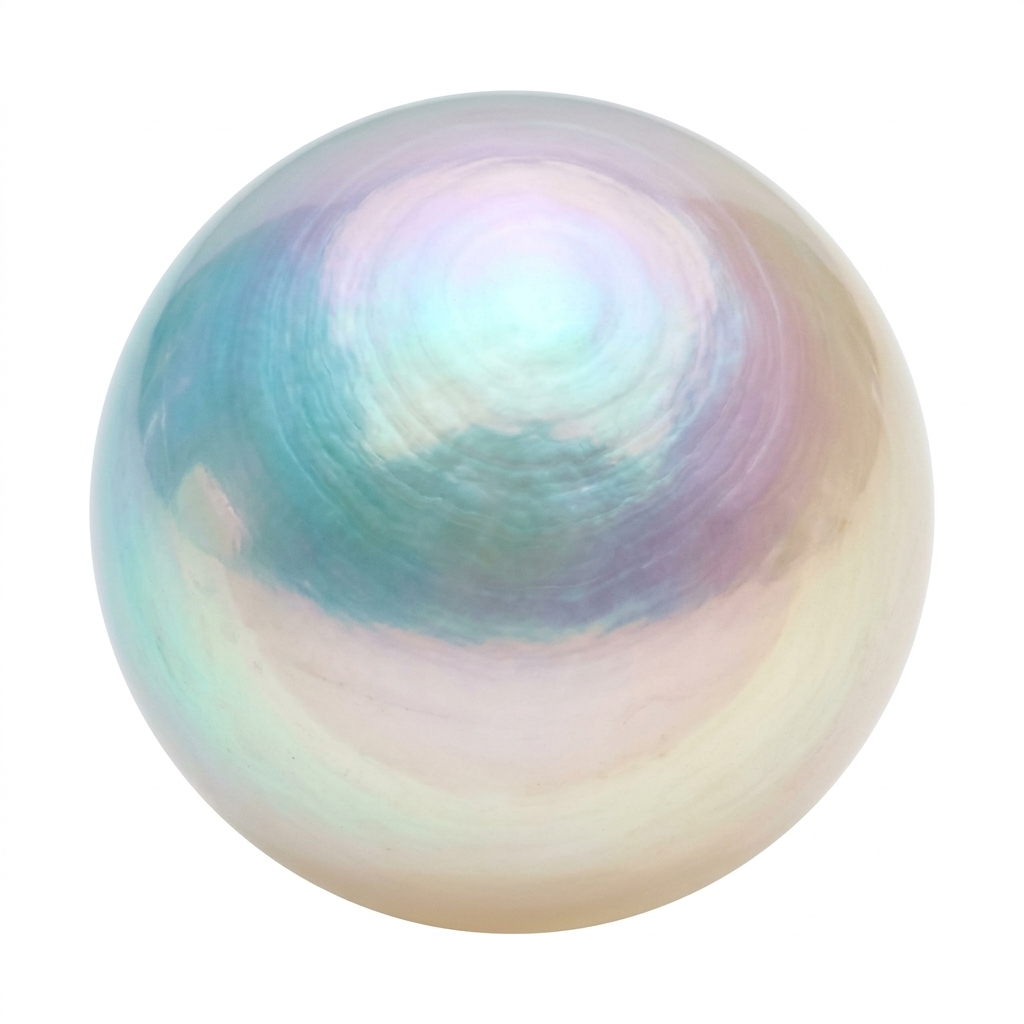 Fresh Water Pearl
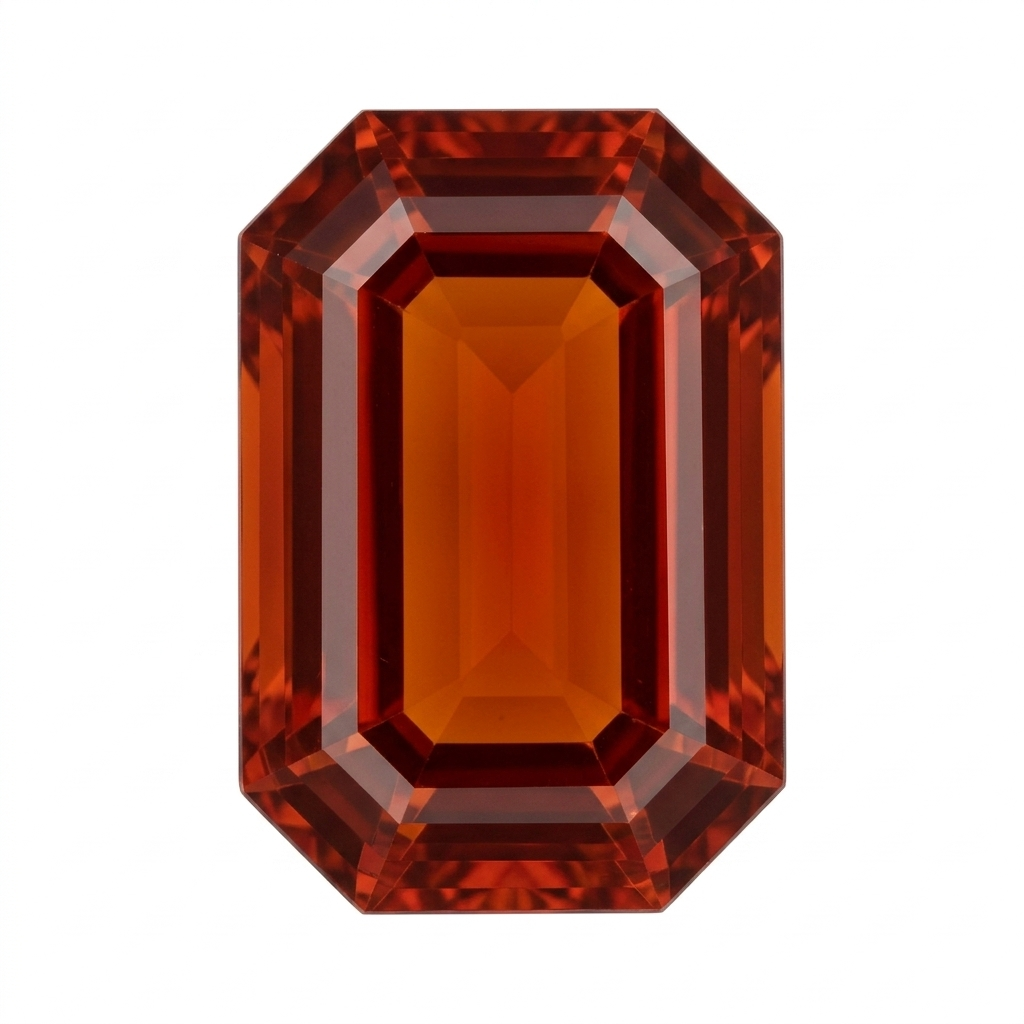 Hessonite (गोमेद)
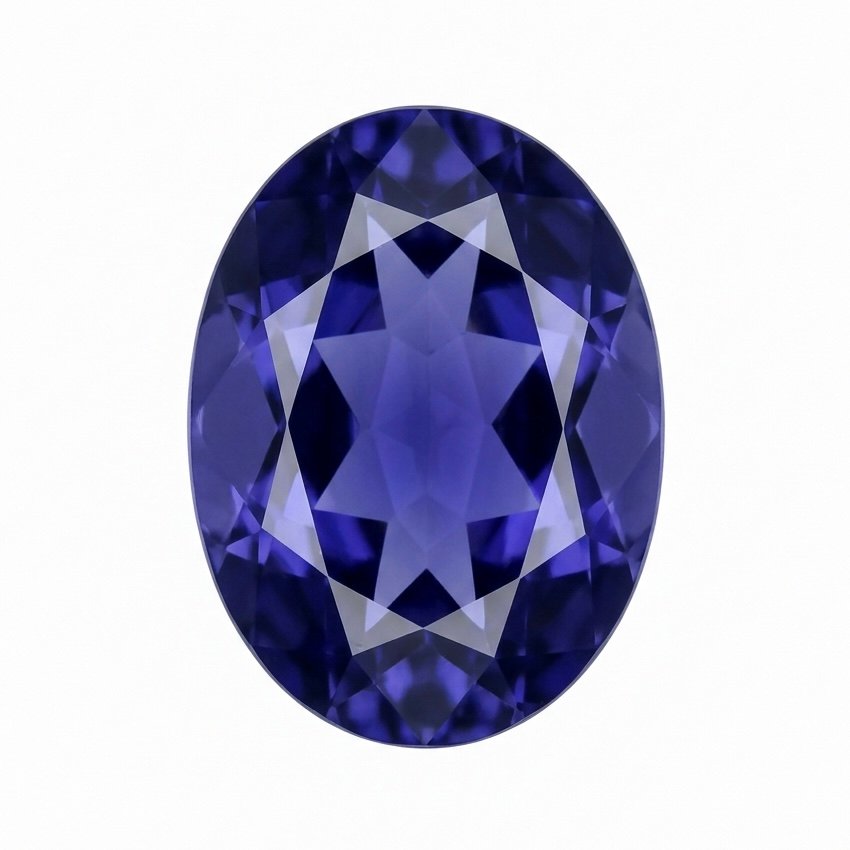 IOLITE (KAKA NILI)
 Japanese White Coral (मूंगा)
 Lapis
 Moonstone
 Natural South Sea Pearl
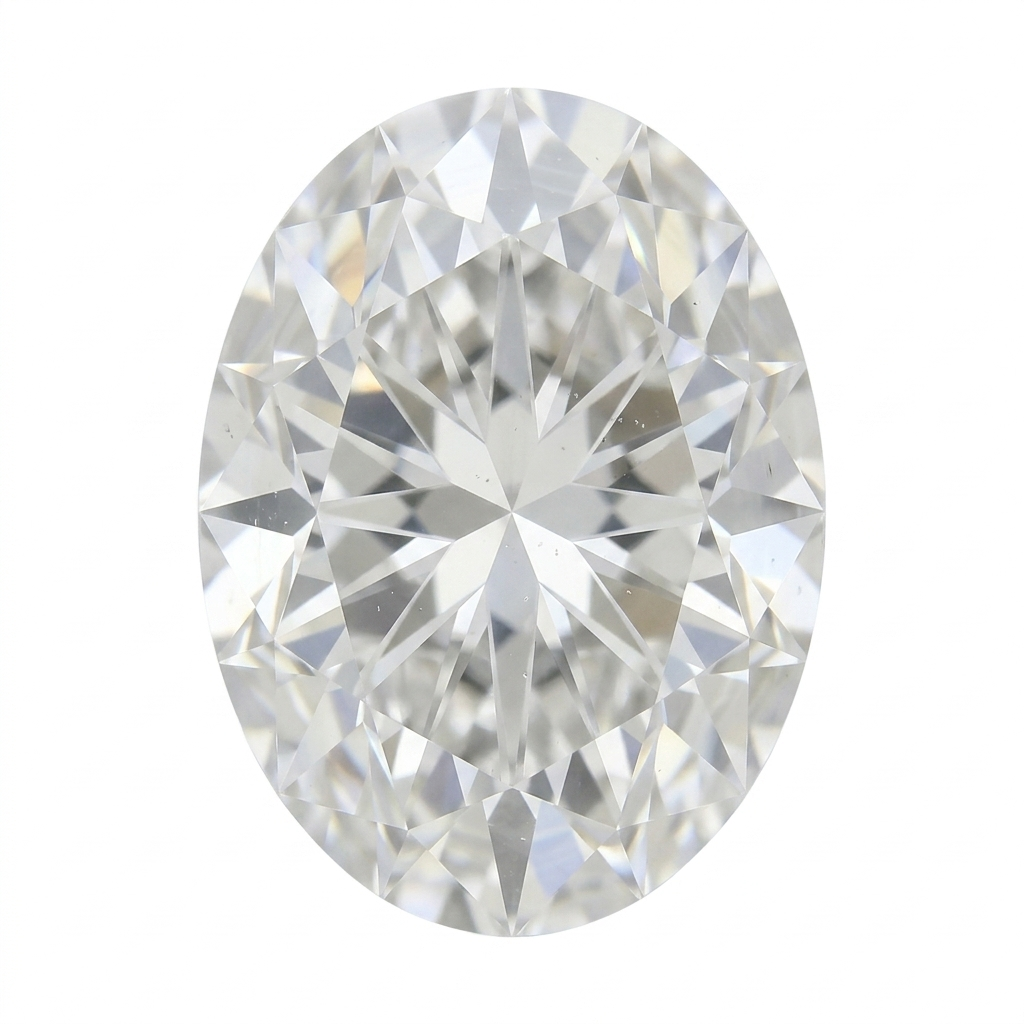 Natural Zircon
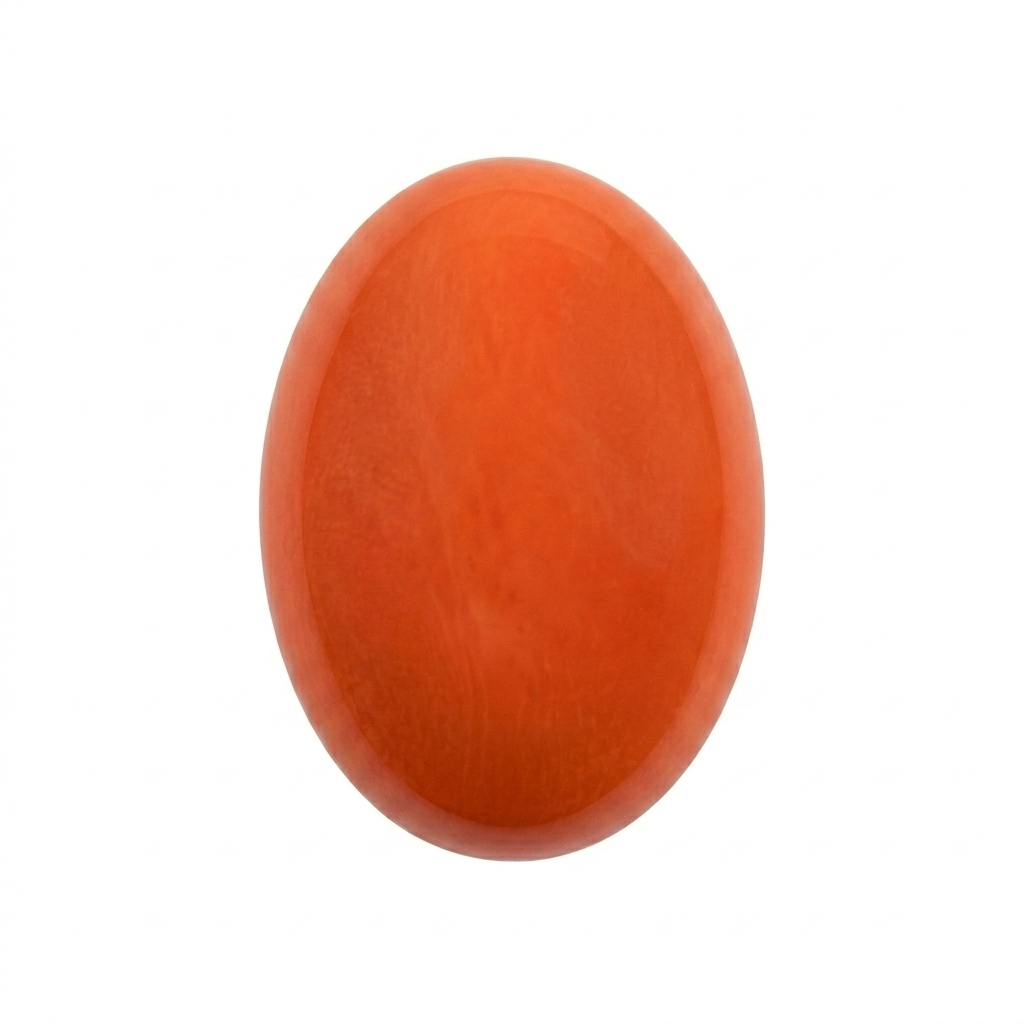 Orange Coral (मूंगा)
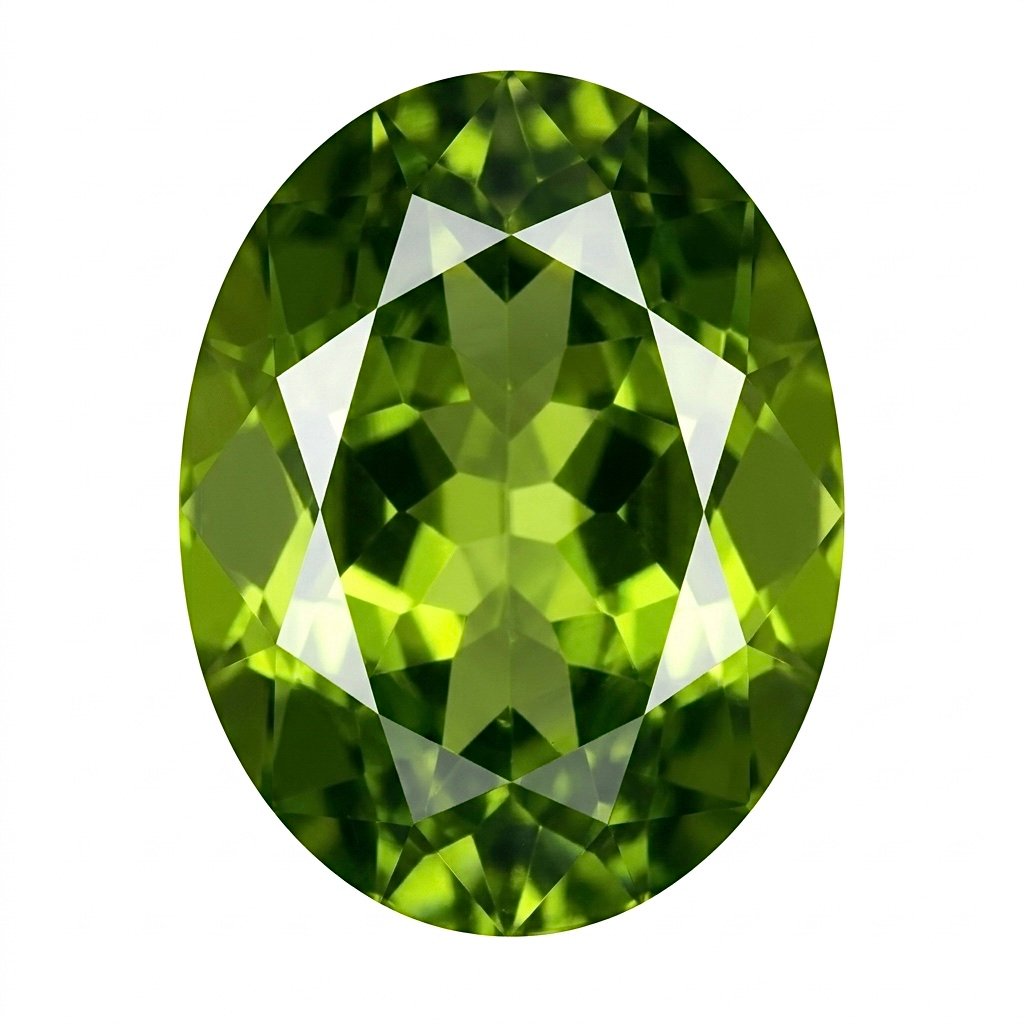 Peridot
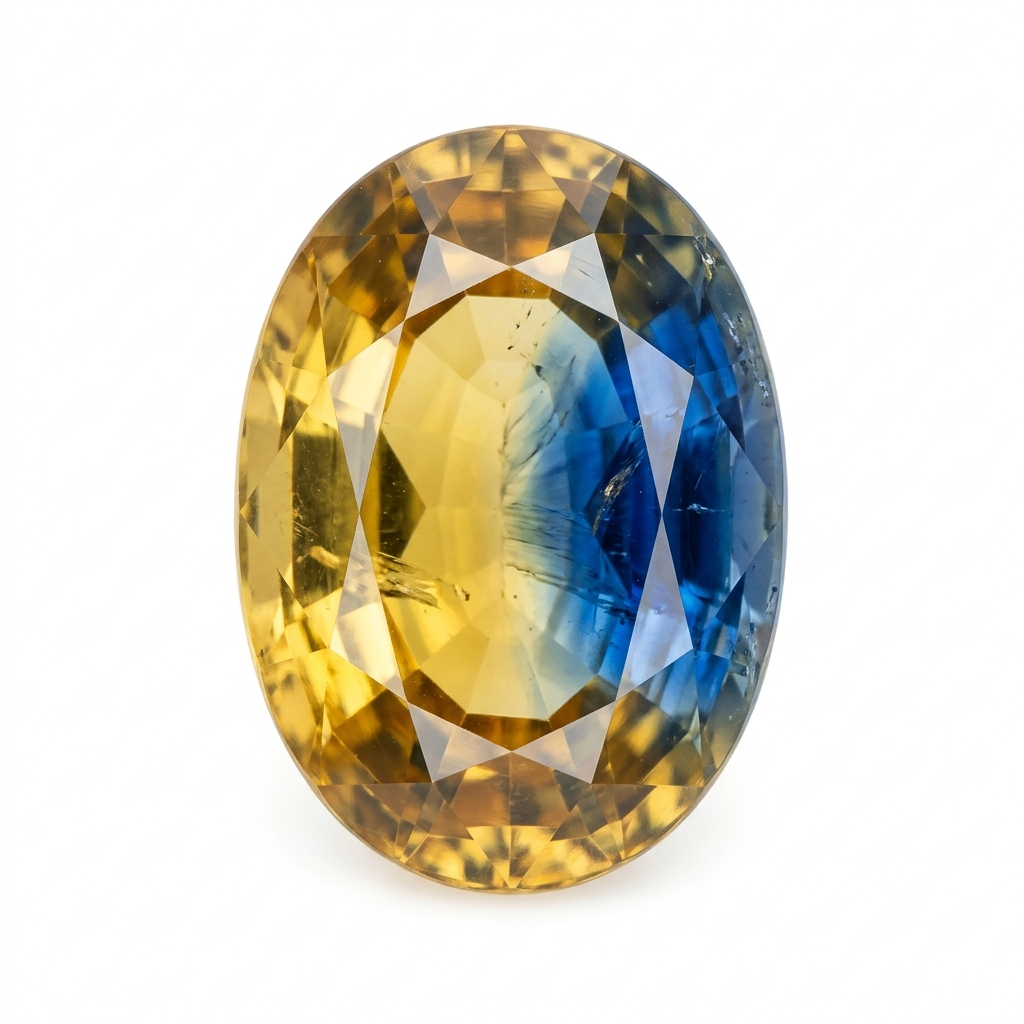 Pitambari
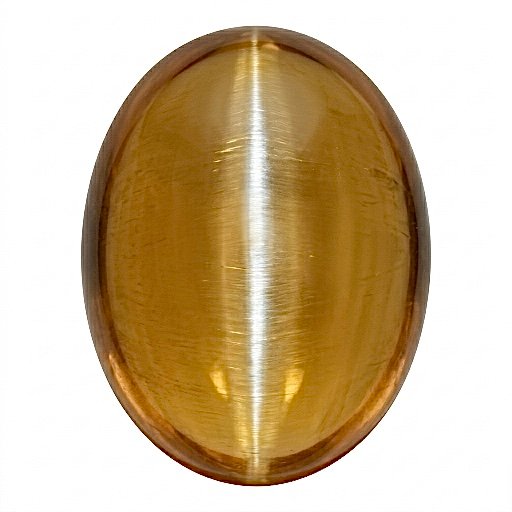 Quartz Catseye
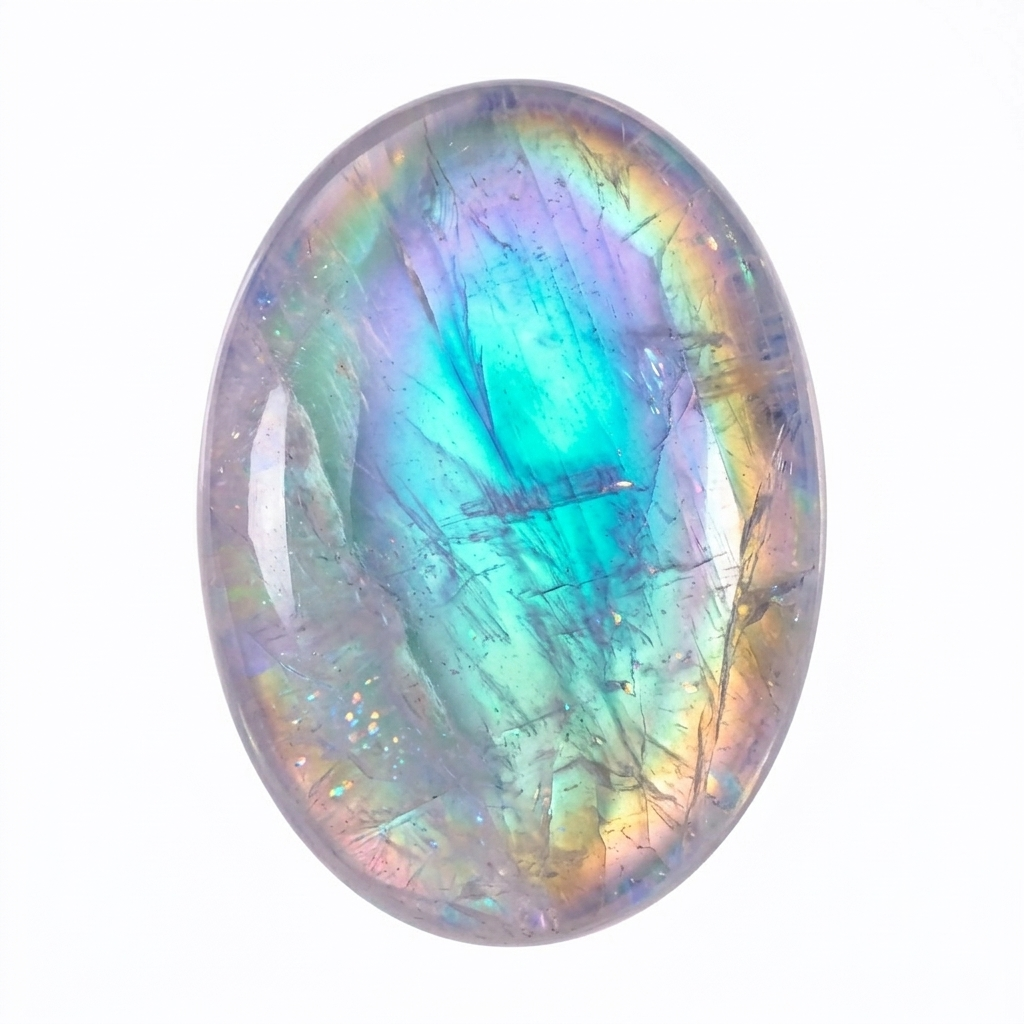 Rainbow Moonstone
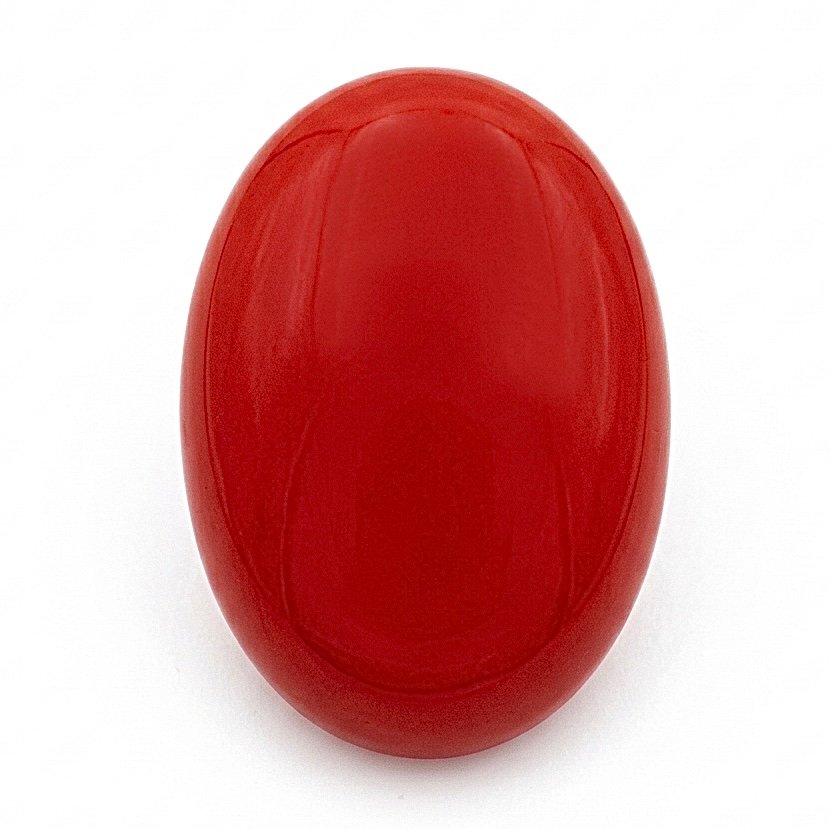 Red Coral (मूंगा)
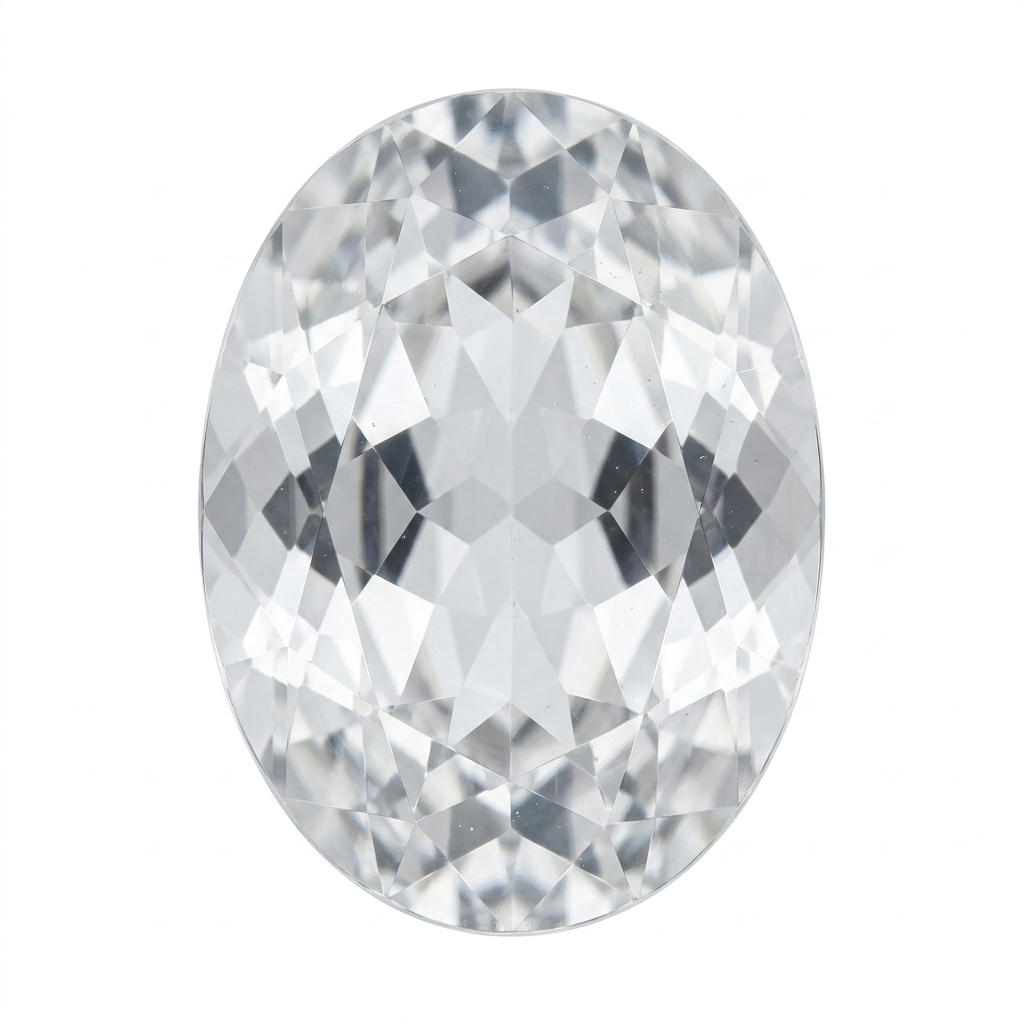 WHITE TOPAZ
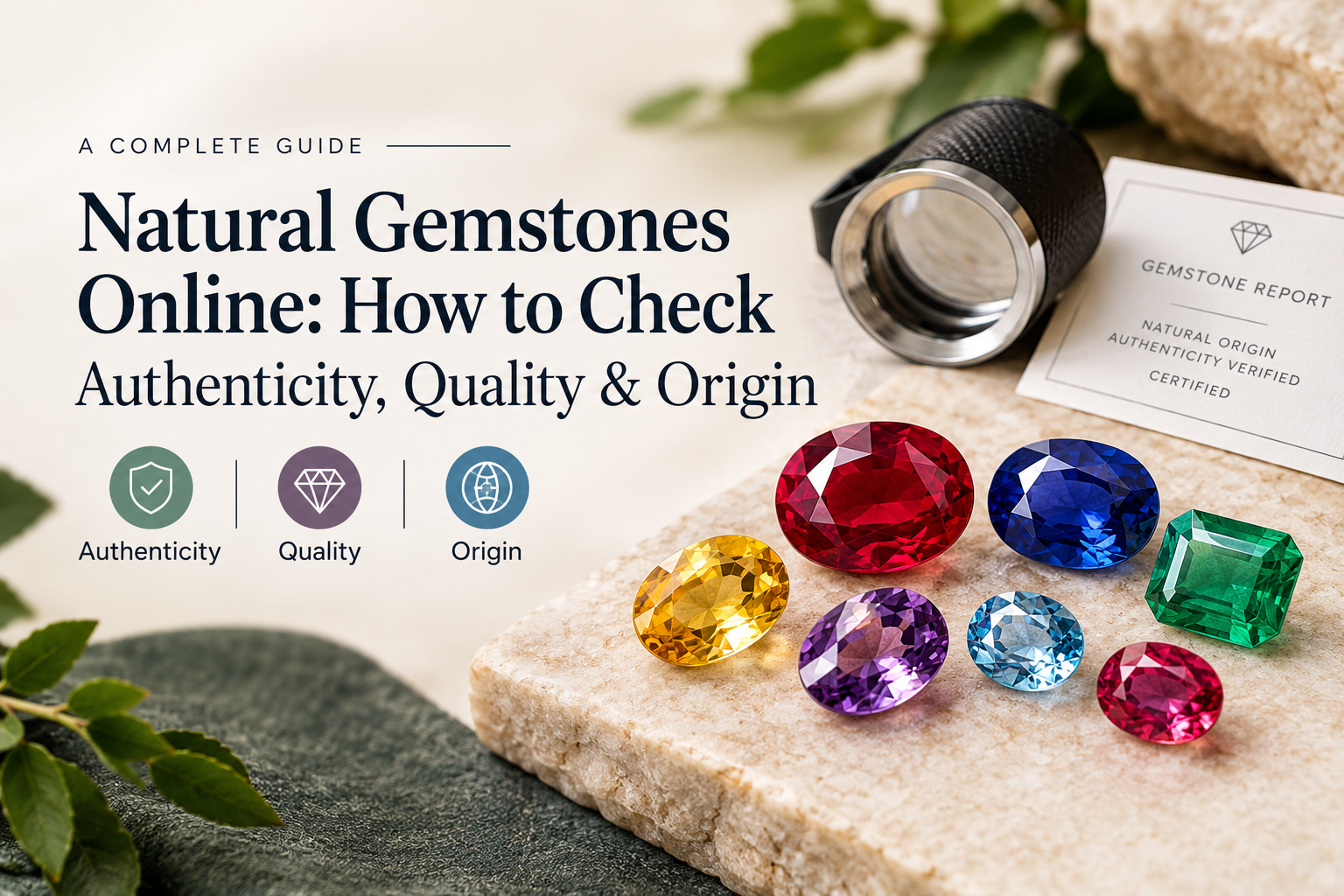 15 JAN
A natural gemstone is a mineral,
rock, or organic material that formed in the earth through natural geological
processes, without human intervention in its creation. The stone was mined from
the earth, then cut and polished — but the material itself is entirely natural.
This is the defining characteristic that distinguishes natural gemstones from
synthetic stones (created in a laboratory with the same chemical composition)
and from imitation stones (entirely different materials that resemble the named
gem in appearance).
Each gemstone variety has a
specific geological origin story. Corundum — the mineral species that produces
ruby and sapphire — typically forms in metamorphic rocks where aluminium-rich
sediments have been subjected to heat and pressure, or in igneous rocks like
basalt and pegmatite. The presence of trace chromium in corundum produces the
red colour of ruby; iron and titanium produce blue sapphire. Emerald, a variety
of beryl, requires the unusual geological coincidence of beryllium-rich
pegmatites intersecting with chromium or vanadium-bearing rocks — a combination
rare enough that fine emeralds are genuinely scarce worldwide.
These geological conditions
leave traces inside the stone — inclusions, growth patterns, trace element
compositions — that are part of what gemological laboratories use to confirm
natural origin and, in some cases, geographic origin.
Synthetic gemstones have the
same chemical composition, crystal structure, and optical properties as their
natural counterparts, but they were created in a laboratory rather than the
earth. A synthetic ruby is chemically identical to a natural ruby; both are
corundum coloured by chromium. The distinction is one of origin and formation
history — and it has substantial price implications. Natural rubies of fine
quality can command prices per carat that exceed synthetic rubies of identical
appearance by several orders of magnitude.
When you buy natural gemstones
online, the laboratory report from a recognised institution is what confirms
that a stone is natural rather than synthetic. Visual inspection — even by
experienced buyers — is not sufficient.
Imitation stones share no
chemical relationship with the gemstone they resemble. A piece of red glass is
not a ruby of any kind; it simply appears similar in colour. Cubic zirconia
resembles a diamond but is a different material entirely. Composite or
assembled stones — where a thin layer of genuine material is bonded to glass or
another backing — are deceptive imitations that have fooled many buyers who
relied on visual assessment alone.
Imitations are easily
distinguished from natural gemstones in a gemological laboratory, but virtually
impossible to distinguish reliably without testing equipment. For any purchase
above a minimal value, independent certification is the only reliable
protection against imitations.
Yes, and most commercially
available natural gemstones have been treated to some extent. Heat treatment is
applied to the majority of commercial rubies and sapphires to improve colour
and clarity. Most emeralds are oiled or filled with resin. Many stones undergo
additional treatments. A treated stone is still a natural gemstone — the
treatment does not change its geological origin. However, the type and extent
of treatment significantly affects the stone's value, rarity relative to
untreated stones of similar appearance, and in some cases its durability and
care requirements. Treatment disclosure is therefore a critical part of any
documentation for natural gemstones online.
Authenticity — confirming that a
stone is a genuine natural gemstone rather than a synthetic or imitation —
cannot be determined from a photograph. The equipment required for reliable
identification includes a polariscope, refractometer, spectroscope, and ultraviolet
lamps, along with training in gemological testing methodology. What buyers can
do is ensure that a credible independent institution has done this testing and
documented the results.
A laboratory report from a
recognised gemological institution is the primary tool for verifying
authenticity when buying natural gemstones online. The report documents the
stone's species and variety (its mineralogical identity), confirms whether it
is natural or synthetic, and discloses treatments. This is the single most
important document in any natural gemstone purchase above a modest value.
Recognised institutions in India
include IGI-GTL, GII, and IIGJ. Internationally, GIA and IGI are widely
recognised for both coloured gemstones and diamonds. Reports from these
institutions are issued after systematic testing and can be independently
verified.
Within the laboratory report,
look specifically for the field that addresses origin — natural or synthetic.
Phrasing varies by laboratory, but you are looking for confirmation that the
stone is of natural origin, with no indications of synthetic growth. For some
stone varieties and testing contexts, the report may include language such as
"Natural — no indications of synthetic origin detected" rather than a
simple "Natural" designation. Both are meaningful; the key is that
the report explicitly addresses this question rather than leaving it
unaddressed.
A well-photographed natural
gemstone and a well-photographed synthetic one can be visually
indistinguishable. The inclusions in a natural ruby look different from those
in a Verneuil synthetic ruby under magnification — curved striae in the
synthetic, fingerprint inclusions and rutile silk in the natural — but these
features are not visible in standard product photographs. Buyers who rely on
visual assessment alone, without laboratory documentation, are making decisions
without the information they need. This is why independent certification
matters so much when you buy natural stones online.
After reviewing the report,
verify the report number on the issuing laboratory's official website. This
step confirms that the report is genuine (not a forgery), that it was issued by
the laboratory named, and that the stone details recorded match what you are
seeing in the listing. For a purchase of any significant value, this step takes
a few minutes and provides meaningful assurance.
Quality in natural gemstones is
variety-specific — what constitutes excellent quality in a ruby is evaluated
quite differently from excellent quality in an emerald. However, some quality
factors apply broadly across coloured gemstones.
Colour is typically the primary
quality driver for coloured natural gemstones. Gemologists evaluate colour by
three characteristics: hue (the basic colour family — red, blue, green), tone
(how light or dark the colour is), and saturation (how pure or vivid the colour
is, versus being grey or brown). For rubies, the most valued colour is a vivid
red with slight purplish overtones; overly dark or brownish reds are less
prized. For sapphires, a rich, vivid blue — medium-dark in tone, highly
saturated — commands the highest prices.
Colour distribution — whether
the colour is even throughout the stone or shows colour zoning — also affects
quality and value. A stone with heavily uneven colour zoning will be priced
below one with even colour distribution, all else being equal.
Coloured natural gemstones
almost always contain inclusions — internal features that formed during the
stone's growth. Unlike diamonds, most coloured stones are graded for clarity
with the naked eye rather than under magnification; a stone that appears clean
at arm's length is generally considered acceptable for its variety. However,
inclusions that are visible and affect the stone's appearance — or that
represent structural risks, as surface-reaching fractures do — will reduce
value.
Some varieties are expected to
have inclusions — emeralds are famous for their "jardin" (garden) of
inclusions, and a completely clean emerald at any significant size is either
synthetic or treated to the point of concern. Other varieties, such as
aquamarine or amethyst, are typically eye-clean and inclusions are more
unusual.
The cut of a natural gemstone
affects its visual performance — how evenly light is reflected and distributed
through the stone, how the colour appears across the face of the stone, and
whether the stone has any windowing (a washed-out area in the centre where you
can see through rather than into the stone). Well-cut natural gemstones have
proportions that maximise colour visibility and minimise windowing and
extinction (dark areas).
Cut quality is difficult to
assess from static photographs alone. Video, where available, gives a better
indication of how the stone performs in motion. For significant purchases,
detailed video documentation is worth requesting from any reputable seller
offering natural gemstones online.
Carat weight is recorded in
laboratory reports and should match the listing exactly. Price per carat for
natural gemstones typically increases with size, because larger fine stones are
rarer. A 3-carat natural ruby will be priced at a higher per-carat rate than
three 1-carat rubies of similar quality, because the likelihood of finding a
3-carat natural ruby of fine quality is considerably lower.
Dimensions in millimetres help
confirm the stone will fit a particular setting if you are buying for jewellery
purposes.
Quality standards are
variety-specific because each gemstone has characteristic properties that
define excellence within its own category. The presence of inclusions in an
emerald is expected and does not diminish it the way equivalent inclusions
would in a sapphire. The colour saturation considered ideal in a ruby would
appear garish in a morganite. Understanding quality standards for the specific
variety you are purchasing is part of making an informed buying decision.
Asking the seller to describe the stone's specific quality characteristics — or
reading what the laboratory report records — is the starting point for this
evaluation.
Origin matters in the gemstone
trade because certain geographic sources are associated with specific quality
characteristics that the market values. Kashmir sapphires, Mogok (Burmese)
rubies, and Colombian emeralds command premiums that reflect both perceived
quality differences and market tradition.
Geographic origin refers to the
country or region where the gemstone was mined. Origin determinations are made
by comparing a stone's chemical composition, trace element ratios, and
inclusion characteristics against reference populations of stones from known
origins. This is not a simple measurement; it is a comparative assessment that
requires significant data and expertise.
Recognised laboratories use a
combination of techniques to assess origin — including laser ablation
inductively coupled plasma mass spectrometry (LA-ICP-MS) for trace element
analysis, UV-Vis spectroscopy for colour-determining elements, and microscopic
examination of inclusions characteristic of specific deposits. The combination
of these data points allows trained gemologists to compare the stone against
reference populations and offer a geographic origin opinion.
Geographic origin assessments
are opinions, not certifications of fact. Two stones from different origins may
have overlapping chemical profiles, making distinction difficult or impossible.
Deposits in the same geological belt — Myanmar and Thailand, for instance, for
rubies — can produce stones with similar characteristics. A laboratory's origin
assessment is the best available independent opinion on this question, but it
is important to understand that "origin: Burma/Myanmar" on a report
represents the laboratory's assessment based on testing, not an absolute
certainty.
A seller's claim that a stone is
"Burmese ruby" or "Kashmir sapphire" without a laboratory
report is an unverifiable assertion. A laboratory opinion noting "origin
consistent with Myanmar" is a tested assessment from an independent
institution. These are not equivalent statements. For stones where origin
significantly affects price, paying for origin assessment from a recognised
laboratory — or purchasing only stones that already carry such assessment — is
the only way to have reasonable confidence in an origin claim.
Understanding treatments is
essential for buying natural gemstones online, because treatment significantly
affects both value and care.
Heat treatment is the most
widely applied gemstone treatment. It is used on corundum (ruby and sapphire),
tanzanite, aquamarine, tourmaline, and many other varieties to improve colour
and/or clarity. For corundum, heat treatment can dissolve rutile silk inclusions
(improving transparency), intensify colour, or reduce unwanted colour
modifiers. Heat treatment is permanent and stable, and it is widely accepted in
the trade — but it must be disclosed because an untreated natural stone of fine
quality is rarer and correspondingly more expensive than a treated one. A
laboratory report will state "indications of heating" or "no
indications of heating" for corundum.
Fracture filling — also called
clarity enhancement — is used in rubies and emeralds to fill surface-reaching
fractures with glass, resin, or oil, improving apparent transparency and
colour. In rubies, lead glass filling is a particularly significant treatment
that substantially increases apparent transparency in heavily fractured stones;
such stones require special care because the filling is not durable. In
emeralds, cedar oil or synthetic resins are used to fill fractures; the degree
of filling is classified as minor, moderate, or significant in laboratory
reports.
Dyeing is used in some
lower-value stone varieties and in composite stones. Beryllium diffusion is a
colour-modifying treatment for corundum that is less stable than standard heat
treatment and must be disclosed. Irradiation is used to enhance colour in topaz,
tourmaline, and other varieties; stability varies by stone.
Treatment disclosure matters
because treatments affect value, rarity, and in some cases care requirements.
An untreated natural ruby of equivalent quality to a heat-treated one may be
worth two to four times the price per carat. A fracture-filled ruby requires
specific care — no ultrasonic cleaning, no steam, no acid contact — that an
untreated or simply heat-treated ruby does not. Buying without knowing a stone's
treatment status means buying without complete information.
The price impact of treatments
follows a general pattern: no treatment (premium), standard accepted treatment
such as heat treatment (market rate), more extensive or less stable treatments
such as glass filling (discount). Care impacts follow from the stability of the
treatment: heat treatment is permanent and requires no special care; resin or
glass filling can be damaged by heat, chemicals, or ultrasonic cleaners;
surface coatings may scratch or wear. Laboratory reports disclose treatments
and their extent — reading this section before purchasing and before discussing
setting or cleaning with a jeweller is essential.
Decide what variety you want
before searching — ruby, sapphire, emerald, alexandrite, spinel, or another
stone. Mixing comparisons across varieties without a clear purpose leads to
confusion rather than a better decision. If buying for Vedic astrological
purposes, the variety is typically specified; if buying for jewellery, the
colour or specific gem may be determined by the setting or personal preference.
Starting with clarity about the variety makes every subsequent step more
focused.
For any natural gemstone above a
modest value, a certificate from a recognised laboratory should be available.
Check which laboratory issued it, verify the report number online before
purchasing, and read the treatment disclosure section in full. Do not proceed
with a purchase where the treatment status is unclear or where the certificate
cannot be verified.
Ask for photographs from
multiple angles, in natural light as well as studio lighting. Request a video
if the seller can provide one. Confirm the exact carat weight and dimensions.
For significant purchases, some sellers will provide additional images or
measurements on request. A seller who refuses basic documentation requests for
a significant stone is one to approach with caution.
Use the documented
specifications to compare prices across sellers for similar natural gemstones
online. Account for treatment status in the comparison — heat-treated and
untreated stones of the same variety are not comparable at the same per-carat
rate. Compare return policies as part of the overall evaluation.
The return policy determines
your options if the stone does not match its description on arrival. Read the
terms before purchasing, not after. A clear, accessible return window with
reasonable terms indicates a seller confident in their product descriptions.
When buying natural gemstones
online for jewellery use, durability is a practical consideration alongside
beauty. The Mohs hardness scale provides a rough guide: rubies and sapphires
score 9 (very hard, suitable for all jewellery types including everyday rings).
Emeralds score 7.5–8 but are brittle due to their characteristic inclusions and
require more careful handling. Semi-precious stones vary considerably: amethyst
(7) is suitable for most jewellery; pearls and opals require more careful use.
Shape and dimensions are also
practical considerations — the stone must fit the intended setting. Discussing
dimensions with your jeweller before purchasing is advisable if you have a
specific setting in mind.
In India, the Vedic astrological
tradition associates specific natural gemstones with the nine planets
(Navgrahas) in the Navratna system. Ruby is associated with the Sun, natural
pearl with the Moon, red coral (Moonga) with Mars, emerald (Panna) with
Mercury, yellow sapphire (Pukhraj) with Jupiter, diamond with Venus, blue
sapphire (Neelam) with Saturn, hessonite garnet (Gomed) with Rahu, and cat's
eye chrysoberyl (Lehsunia) with Ketu.
For astrological purposes,
natural origin is considered essential — synthetic stones and imitations are not
recognised as substitutes in this tradition. Laboratory certification
confirming natural origin is therefore particularly important for gemstones
purchased for astrological use.
Before finalising any purchase
of natural gemstones online, confirm the stone's care requirements —
particularly if it has been treated. Fracture-filled rubies should not be
cleaned in ultrasonic machines or steam cleaners. Oiled emeralds should avoid
ultrasonic cleaning and strong chemicals. Natural pearls require gentle care
and storage separate from harder gems. Understanding these requirements before
purchase prevents unintentional damage.
A A
laboratory report from a recognised gemological institution — GIA, IGI,
IGI-GTL, GII, or IIGJ — explicitly identifies whether a stone is natural or
synthetic. Verify the report number on the laboratory's official website before
purchase. Visual assessment alone is not reliable for natural versus synthetic
determination.
A No.
Most commercially available natural gemstones have been treated to some extent.
Heat treatment is standard for corundum (ruby and sapphire); oiling and resin
filling are common in emeralds. Treatments must be disclosed in the laboratory
report. Untreated natural gemstones of fine quality are rarer and command
significant price premiums.
A A
laboratory report can include an origin assessment — a tested opinion about the
probable geographic source of the stone. This is an expert assessment based on
chemical analysis and inclusion study, not a certified fact. Recognised
laboratories including GIA and GRS offer origin determination services.
Laboratory origin assessments are considerably more reliable than unsubstantiated
seller claims.
A Yes,
with proper due diligence. Verify laboratory certificates from recognised
institutions before purchase, check the seller's track record and return
policy, compare specifications and pricing across sellers, and keep all
documentation after purchase. Buyers who complete these steps consistently
report better outcomes than those who proceed without verification.
Authenticity, quality, and origin are three distinct aspects of a
natural gemstone purchase, each requiring specific documentation and
evaluation. Laboratory certification addresses authenticity and treatments.
Quality assessment requires evaluating the specific stone's characteristics.
Origin assessment, where available, should come from a tested laboratory
opinion rather than a seller claim. Buy with documentation, not hope.
Natural Gemstones Online: How to Check Authenticity, Quality & Origin
How to Buy Certified Gemstones Online: Complete Guide to Certification
Certified Gemstones Online: Why Certification Matters Before Buying
A Complete Guide to Buying Gemstones Online Safely

Online Gemstone Shop: How to Choose a Trusted Seller

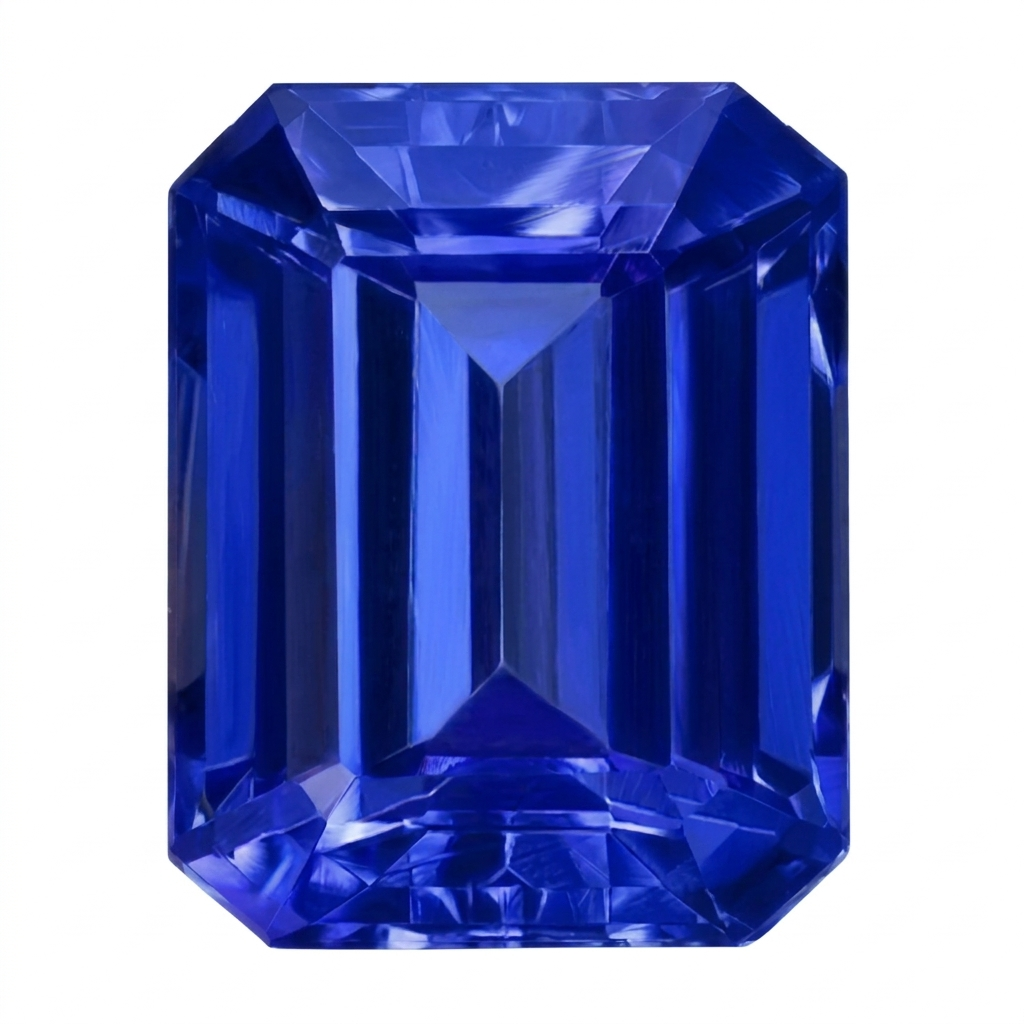 Blue Sapphire
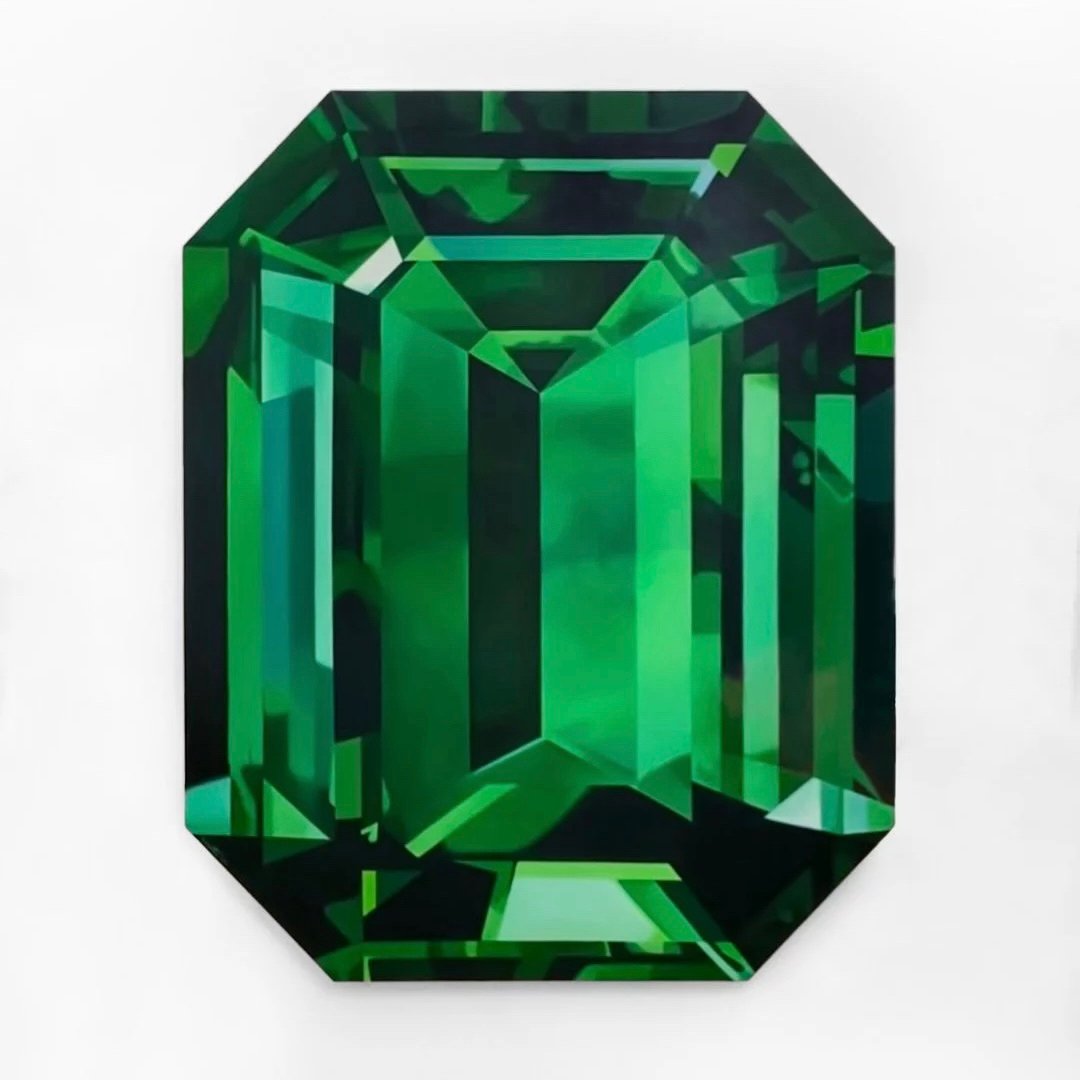 Emerald (PANNA)
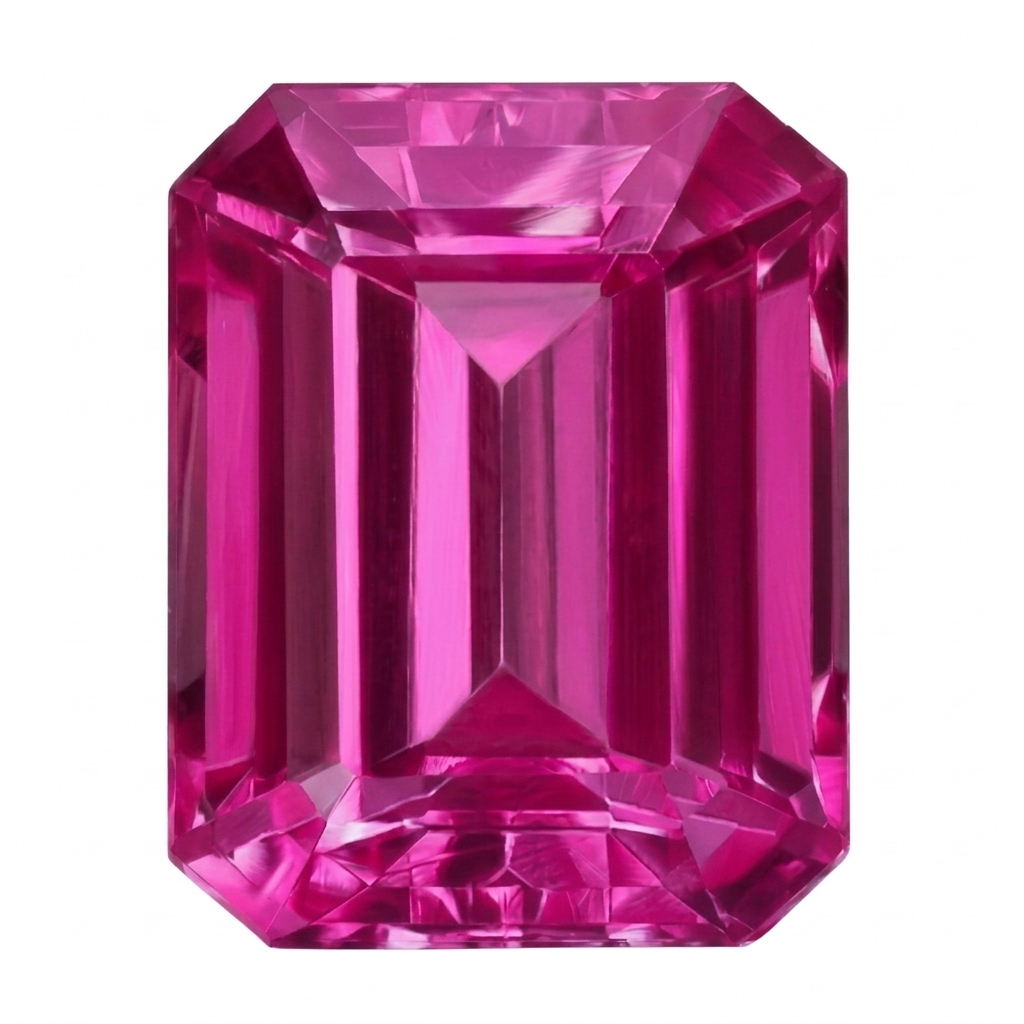 Pink Sapphire
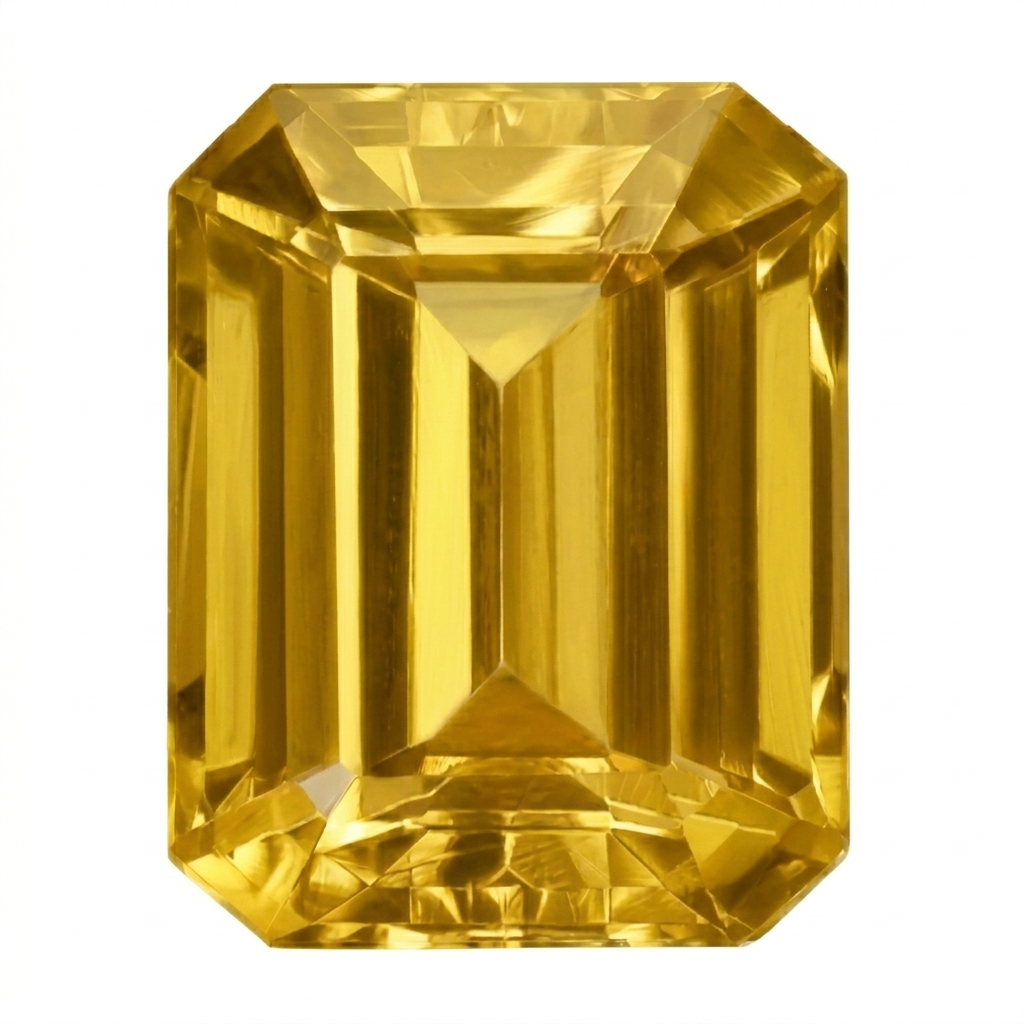 Yellow Sapphire
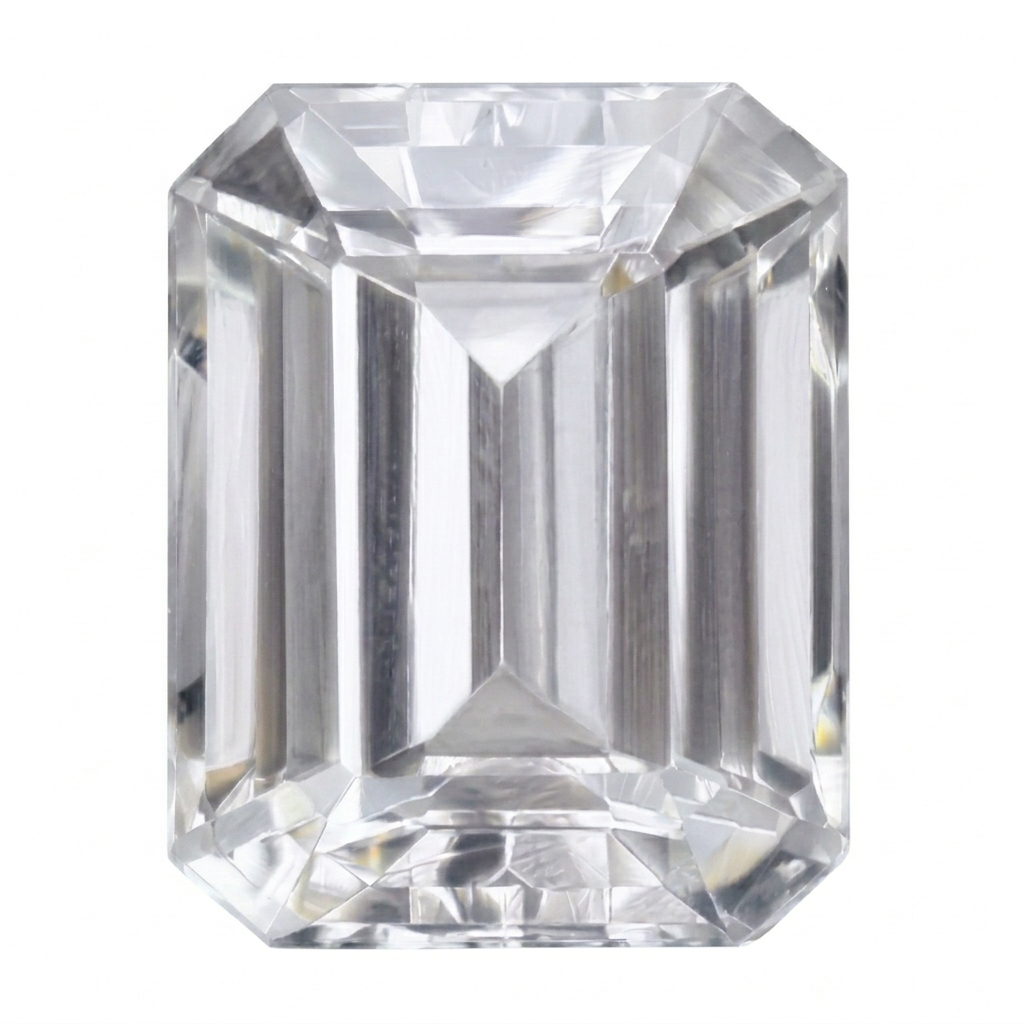 White Sapphire
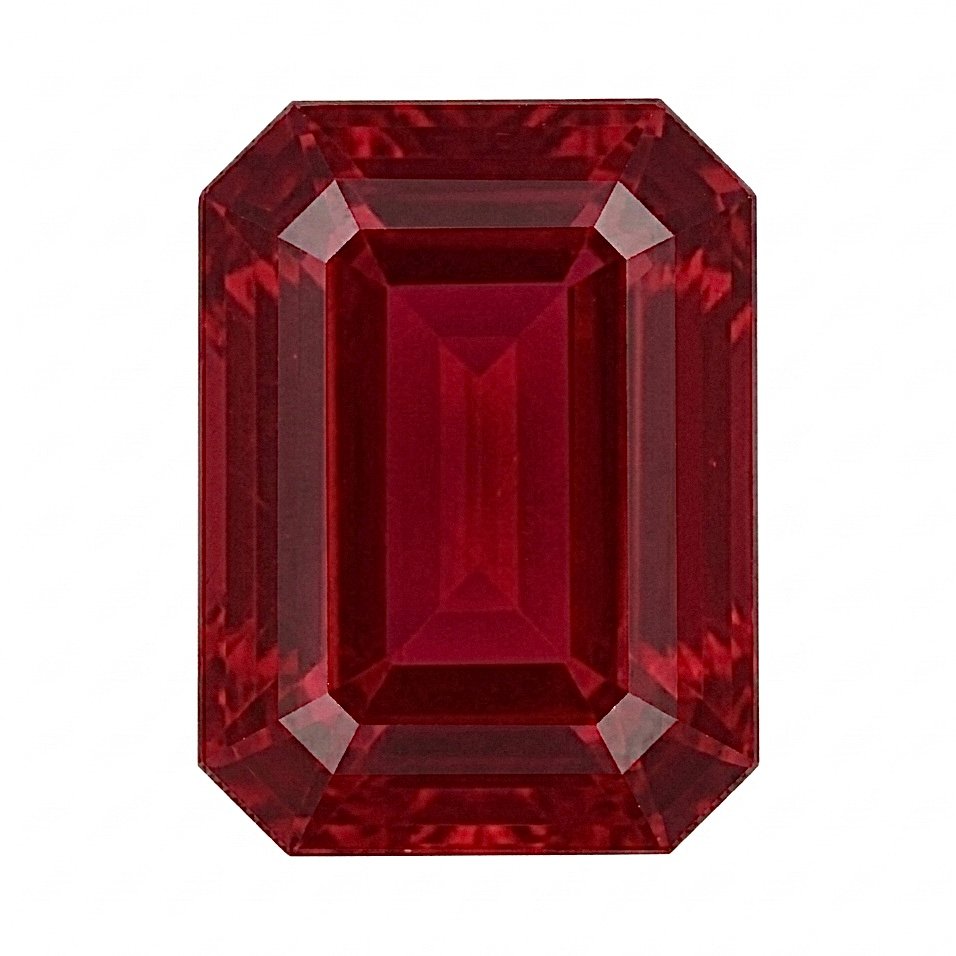 Ruby
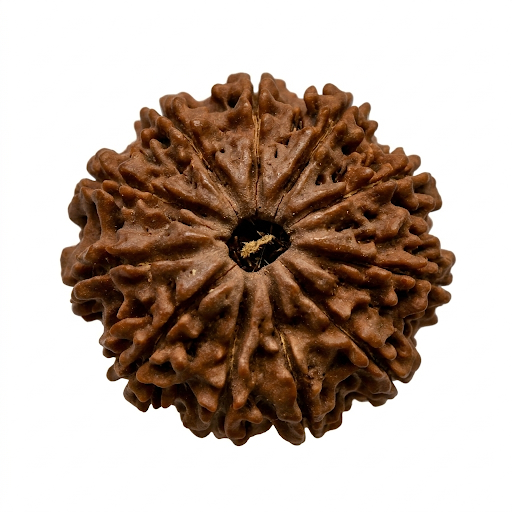 Rudraksha
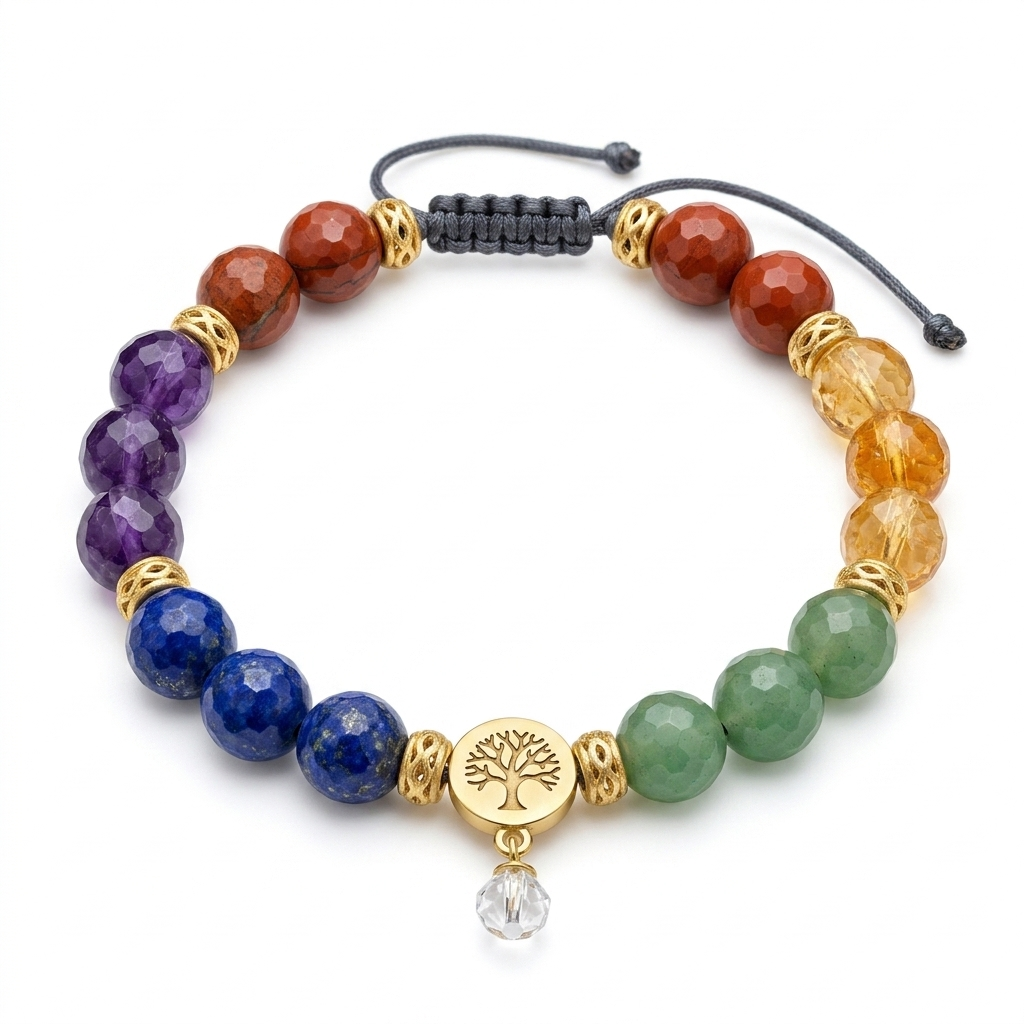 Bracelet
