

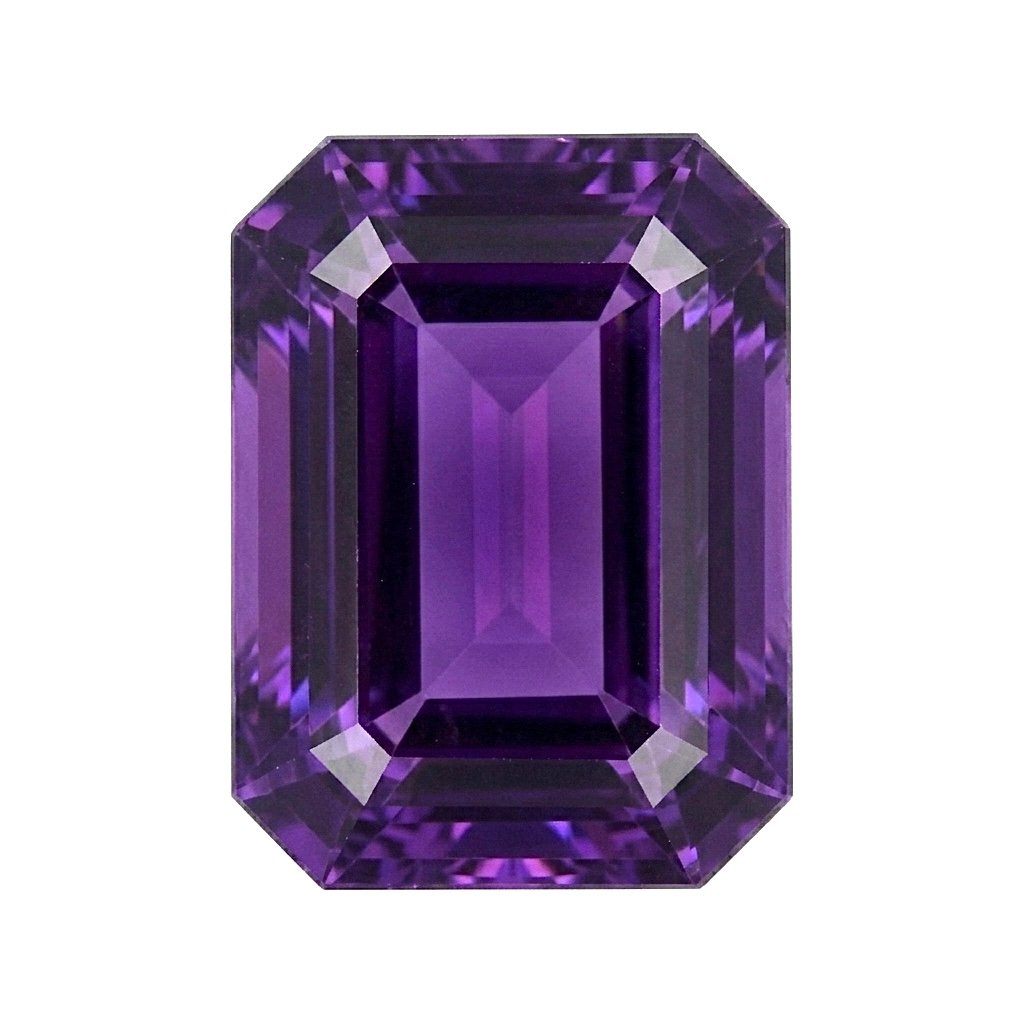
 Amethyst (ऐमेथिस्ट)
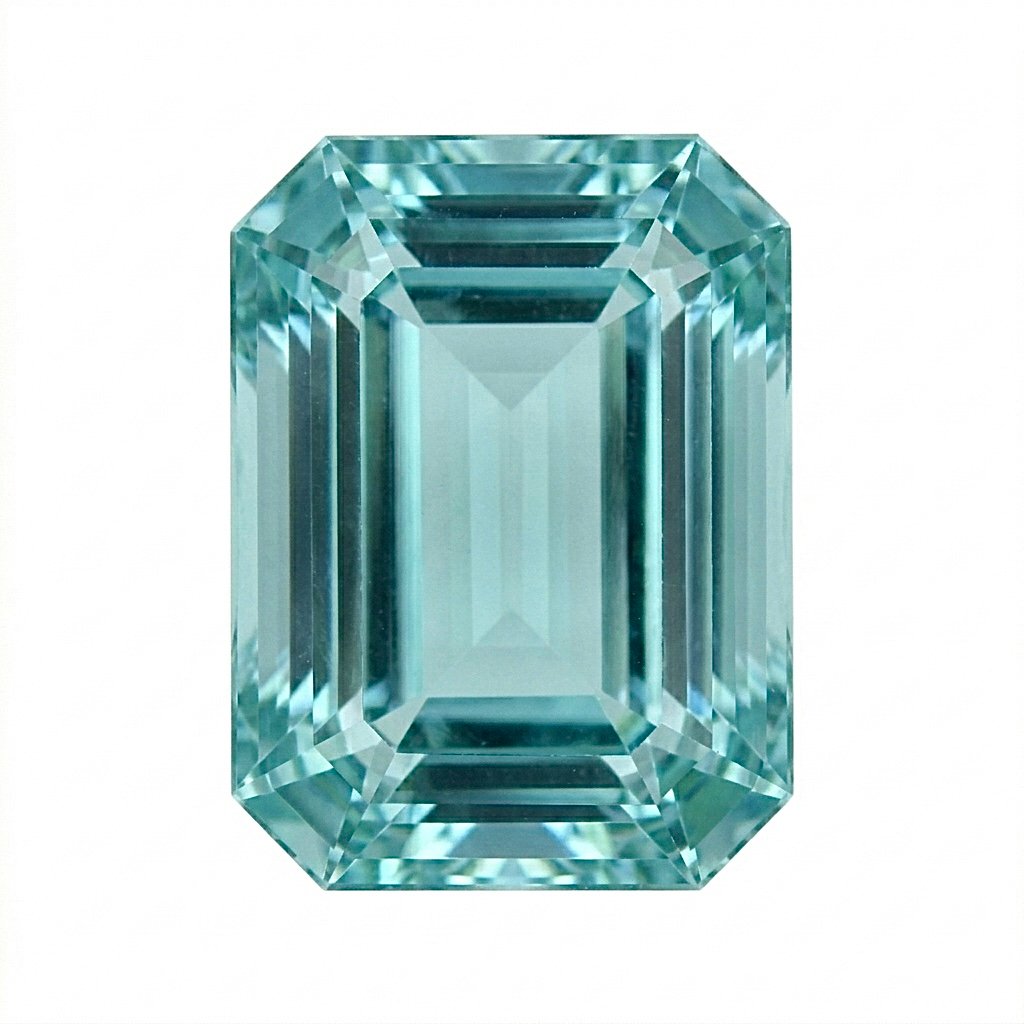 Aquamarine
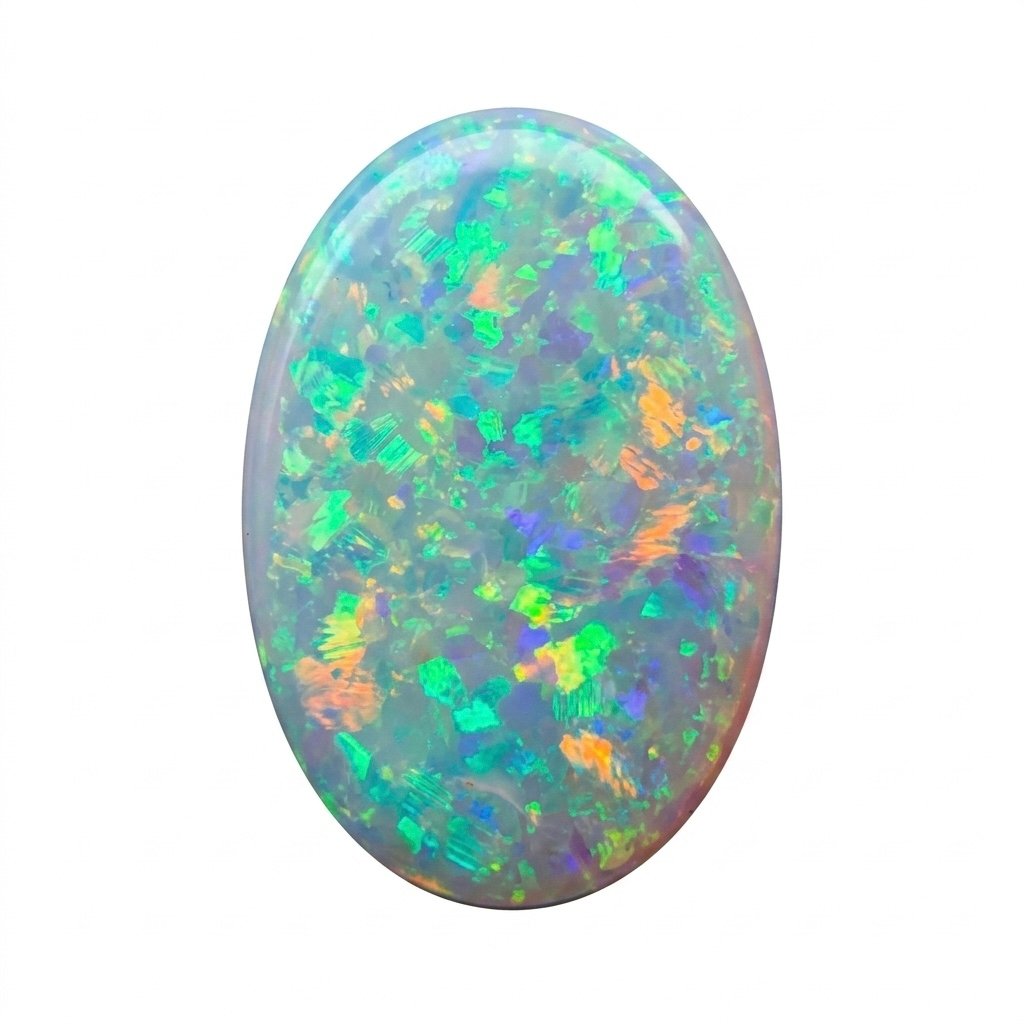 Australian Opal (ओपल)
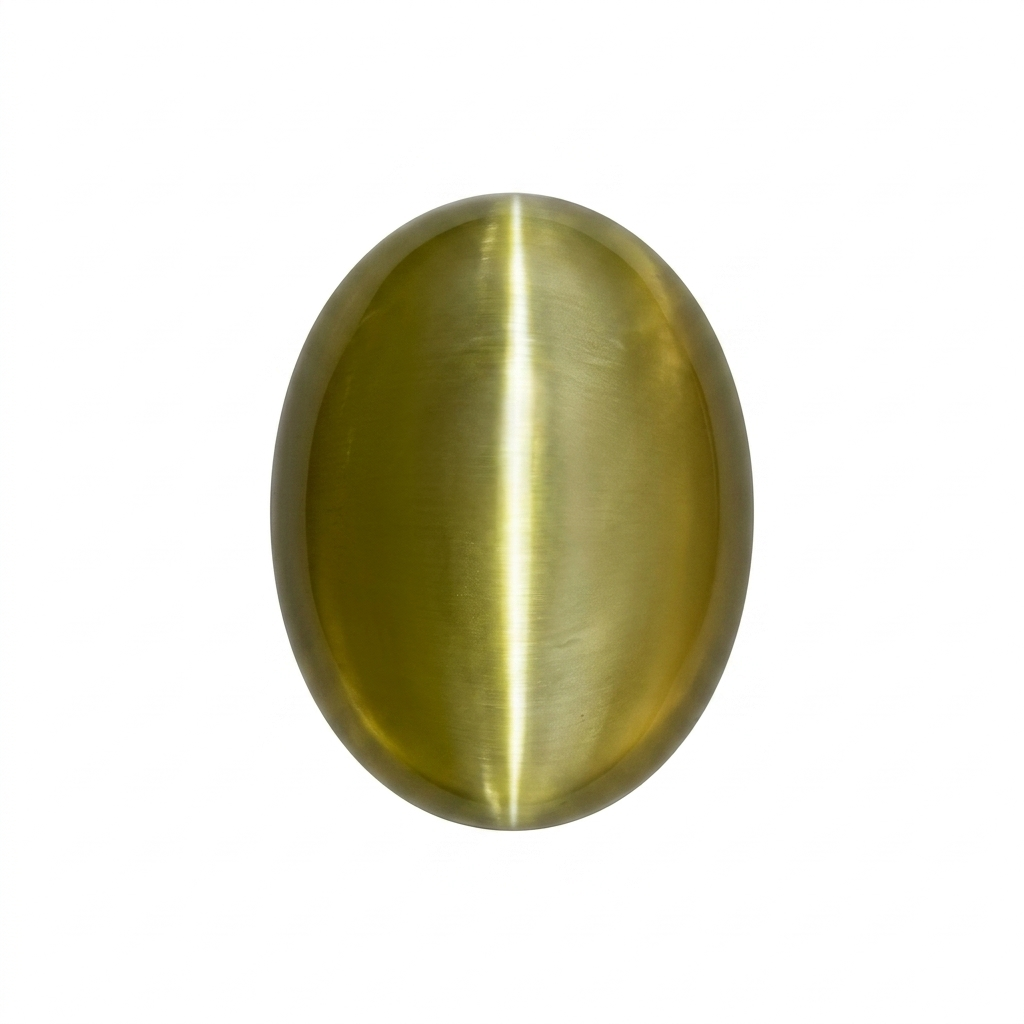 Catseye (लहसुनिया)
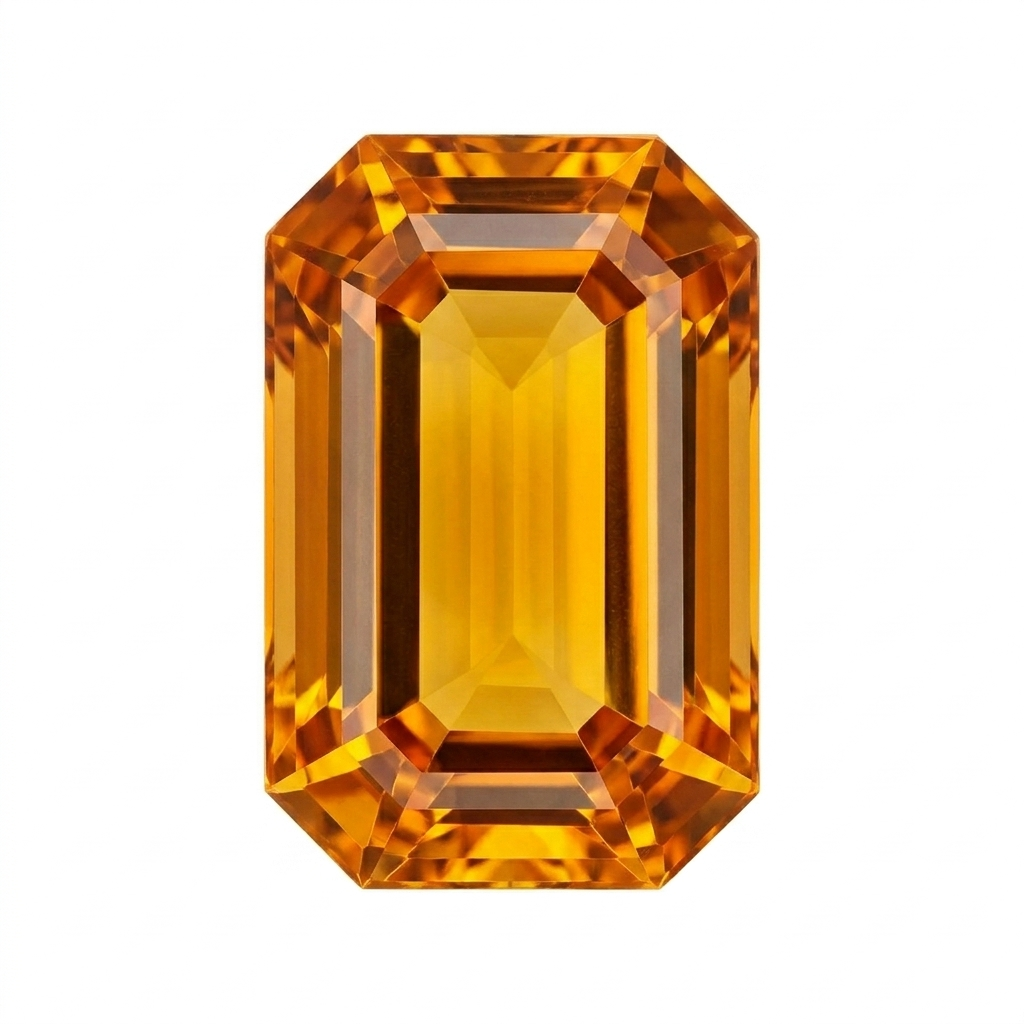 Citrine (सुनेहला)
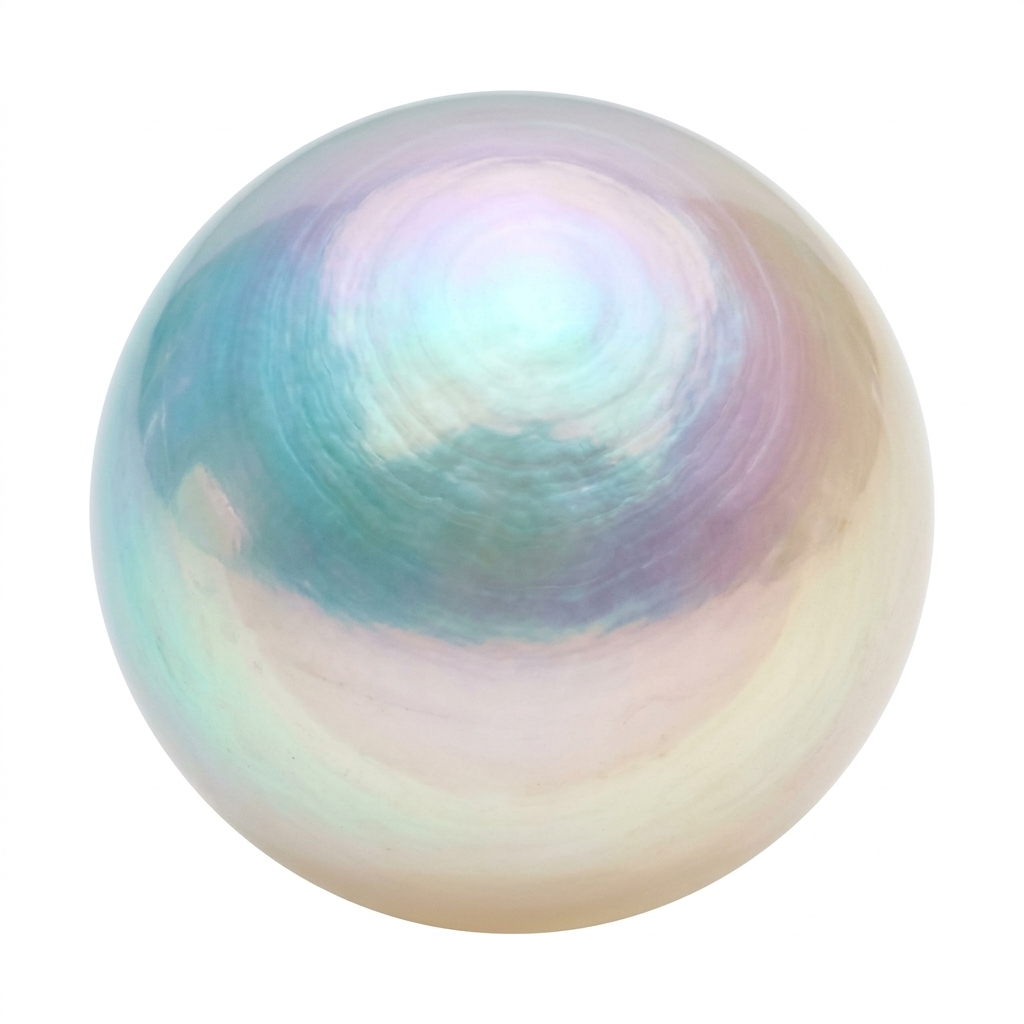 Fresh Water Pearl
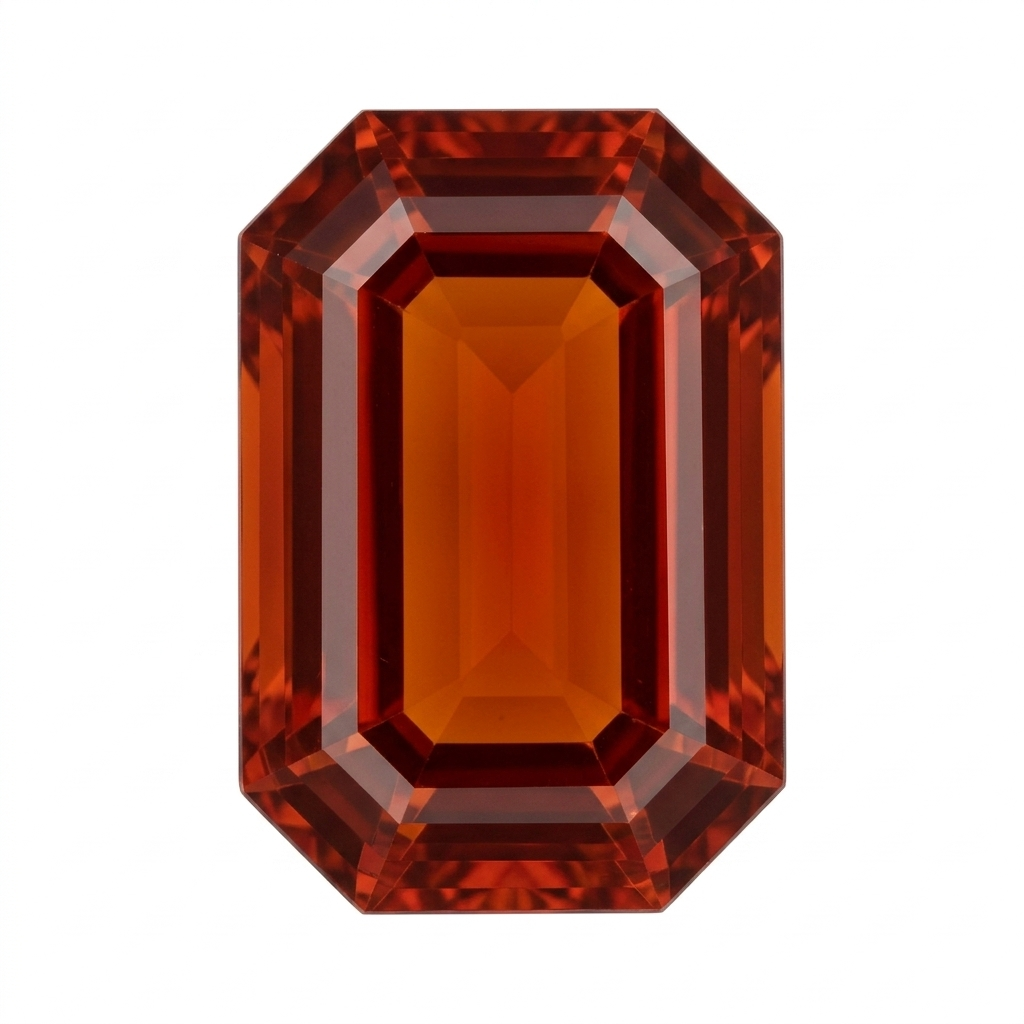 Hessonite (गोमेद)
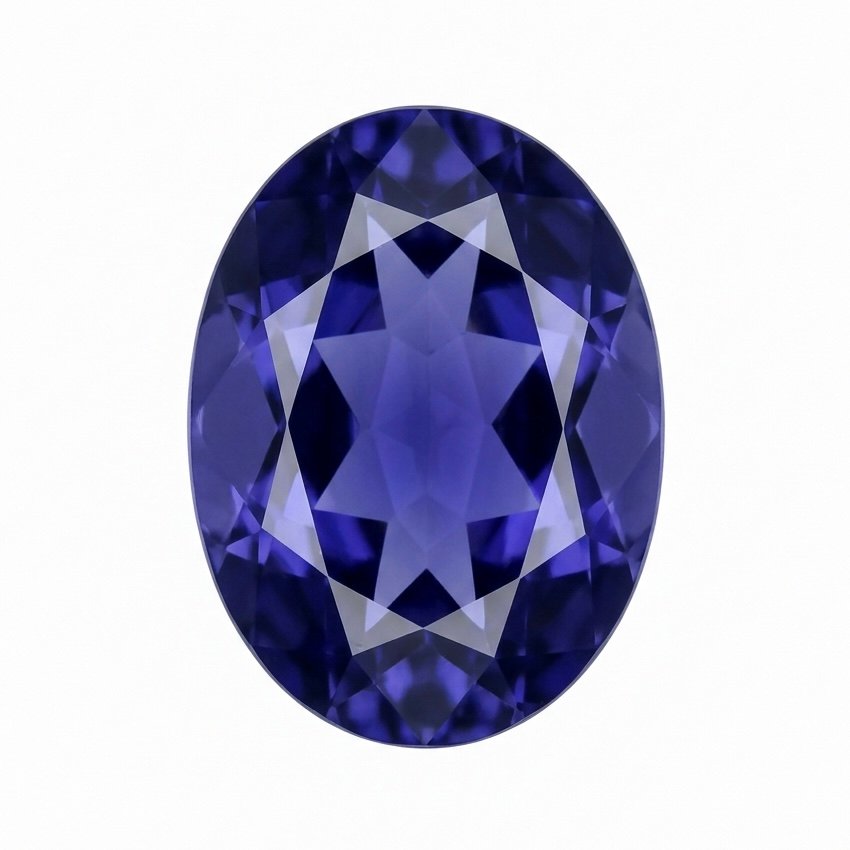 IOLITE (KAKA NILI)
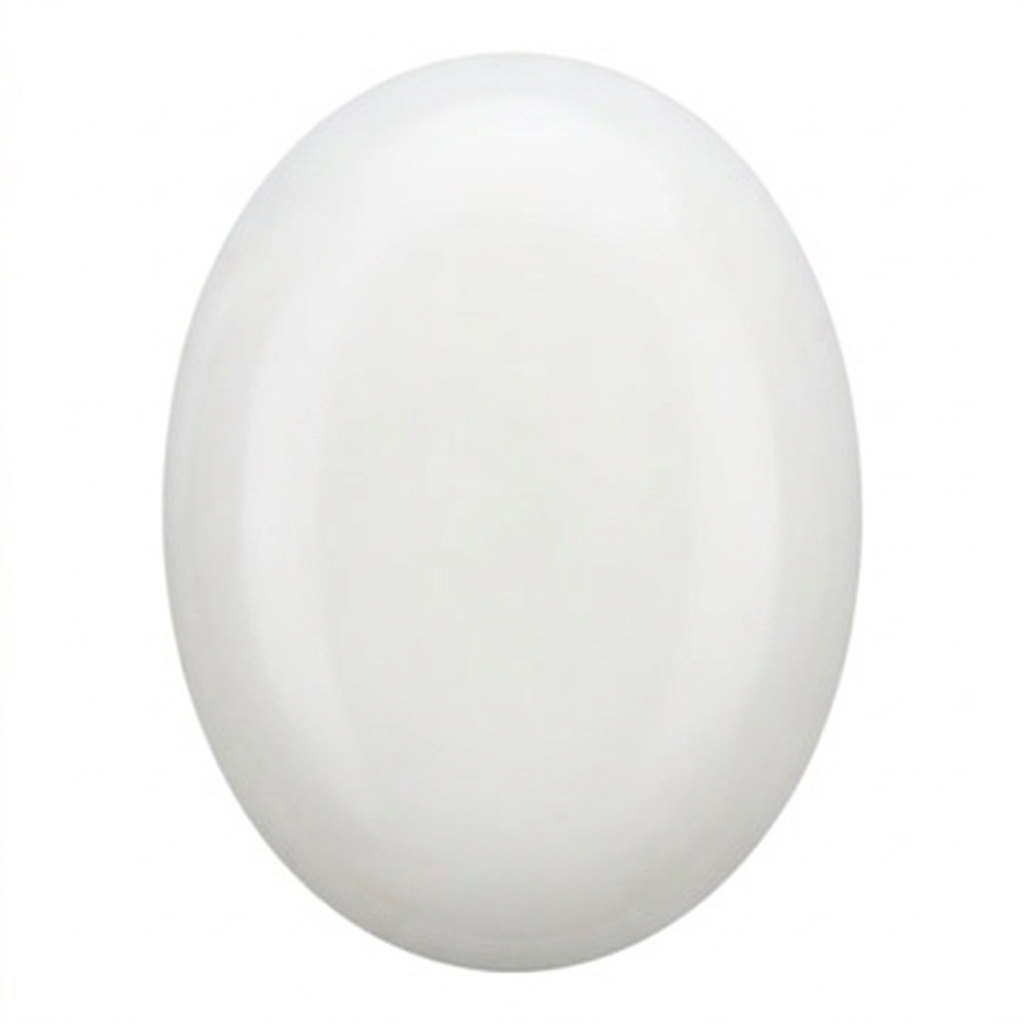 Japanese White Coral (मूंगा)
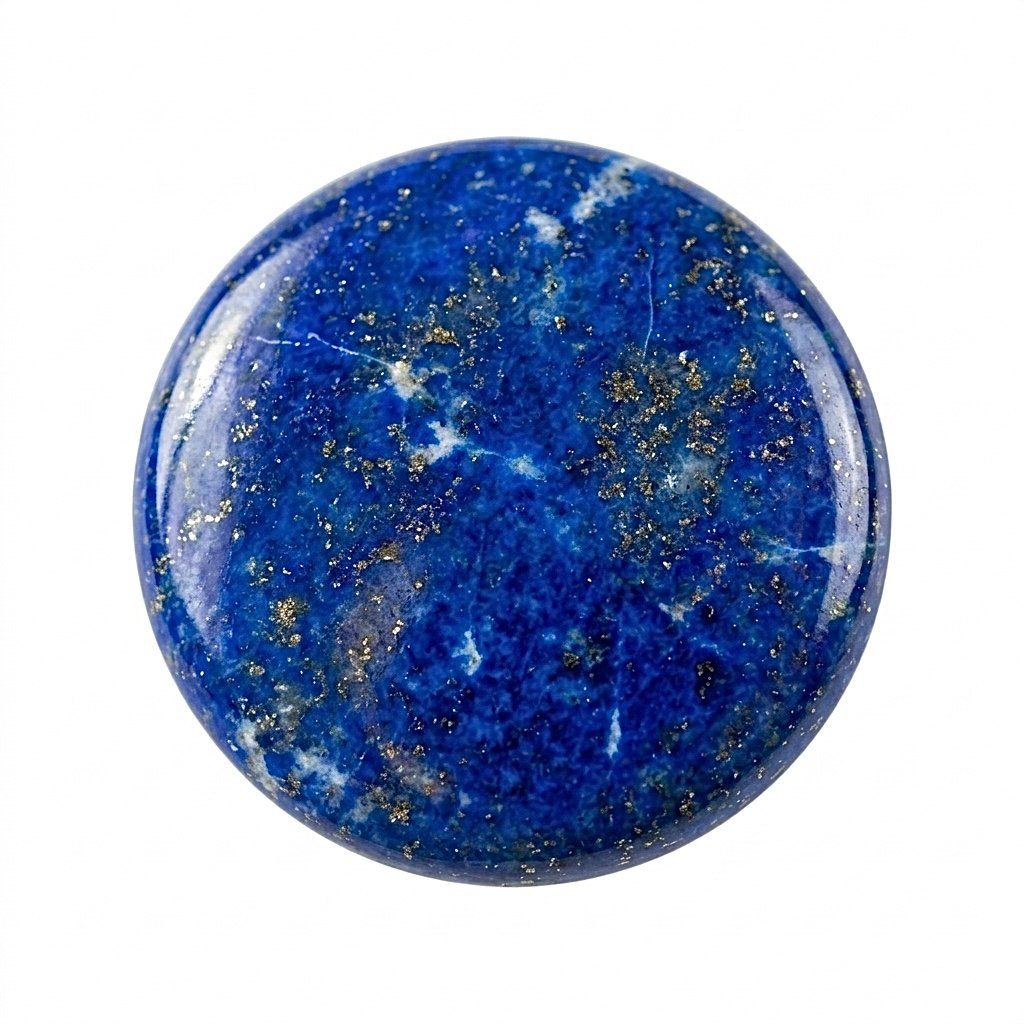 Lapis
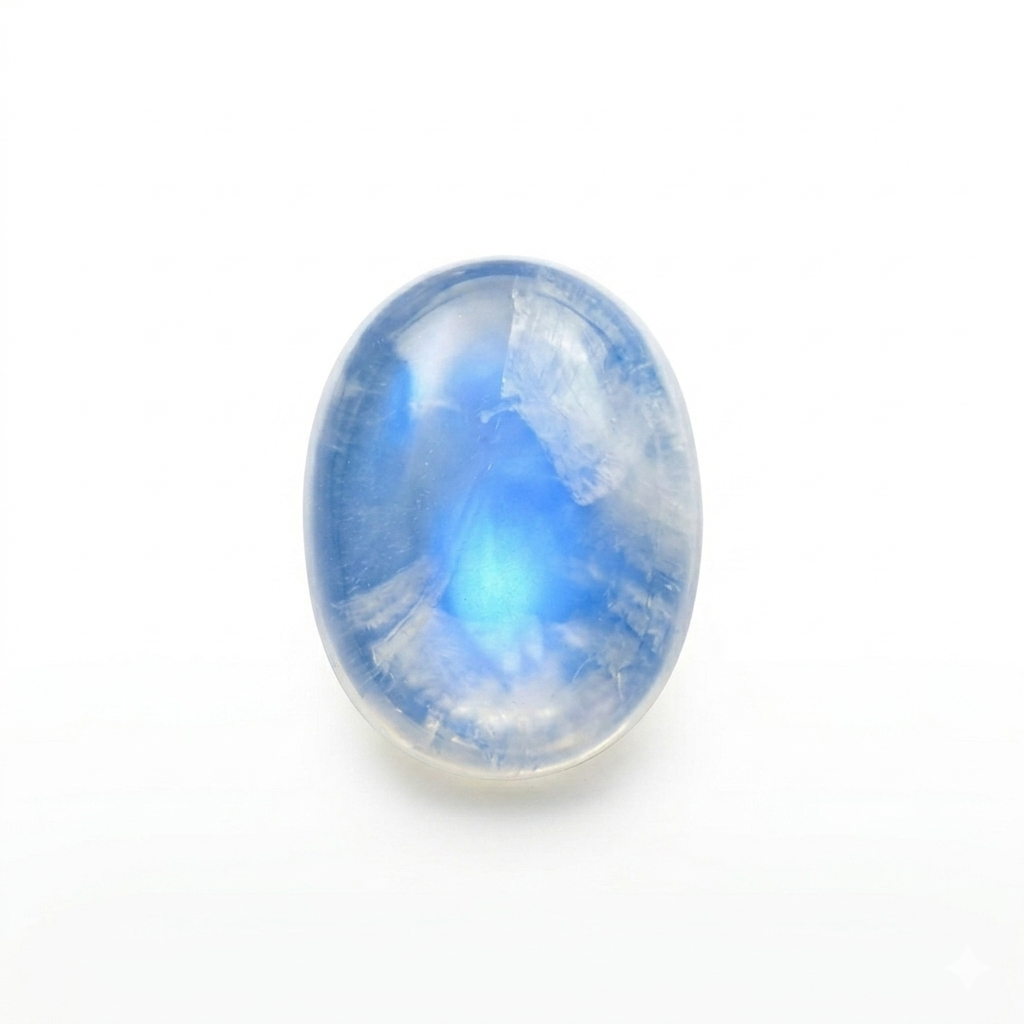 Moonstone
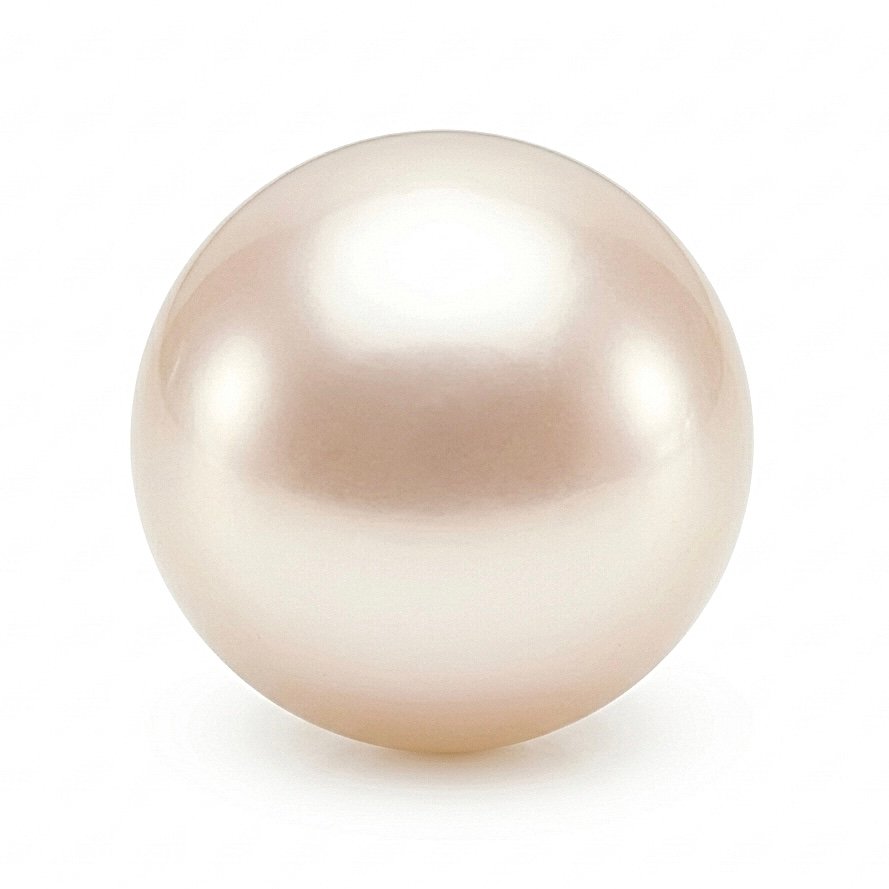 Natural South Sea Pearl
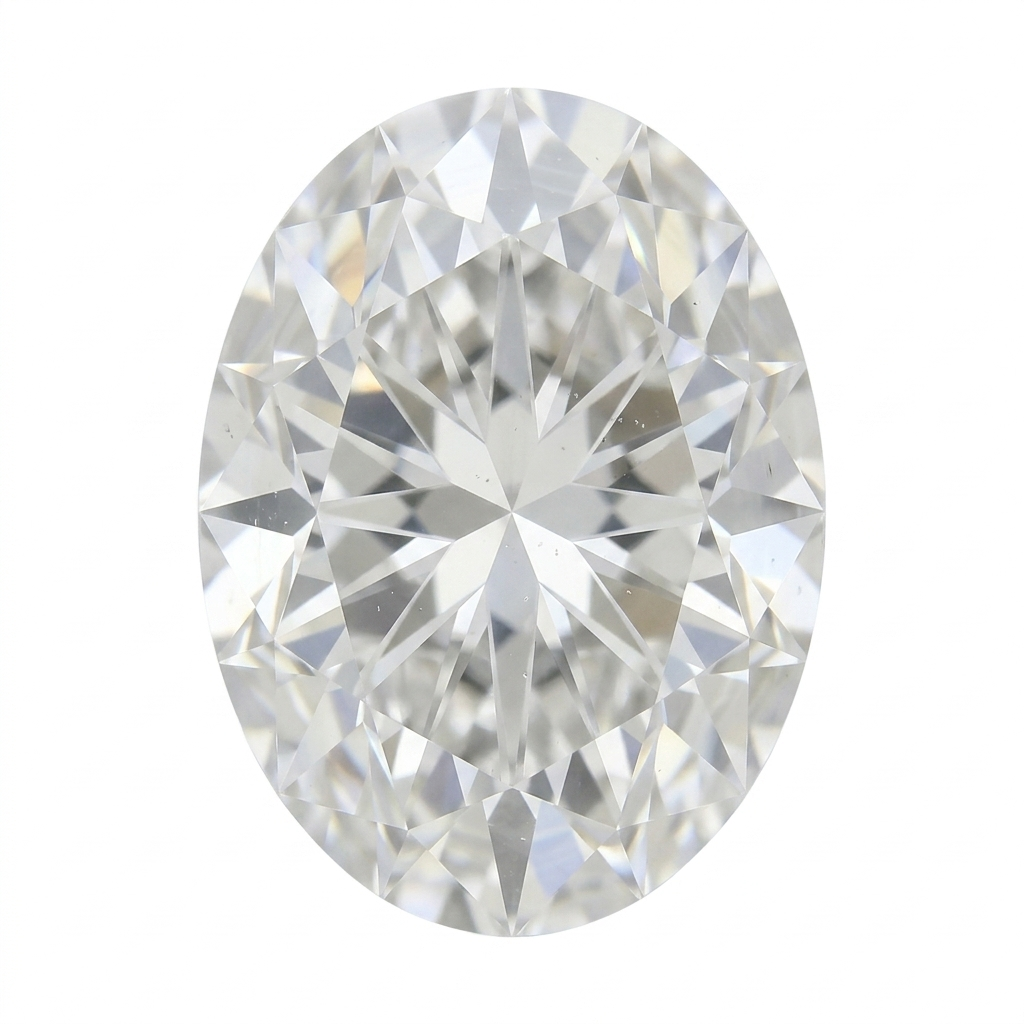 Natural Zircon
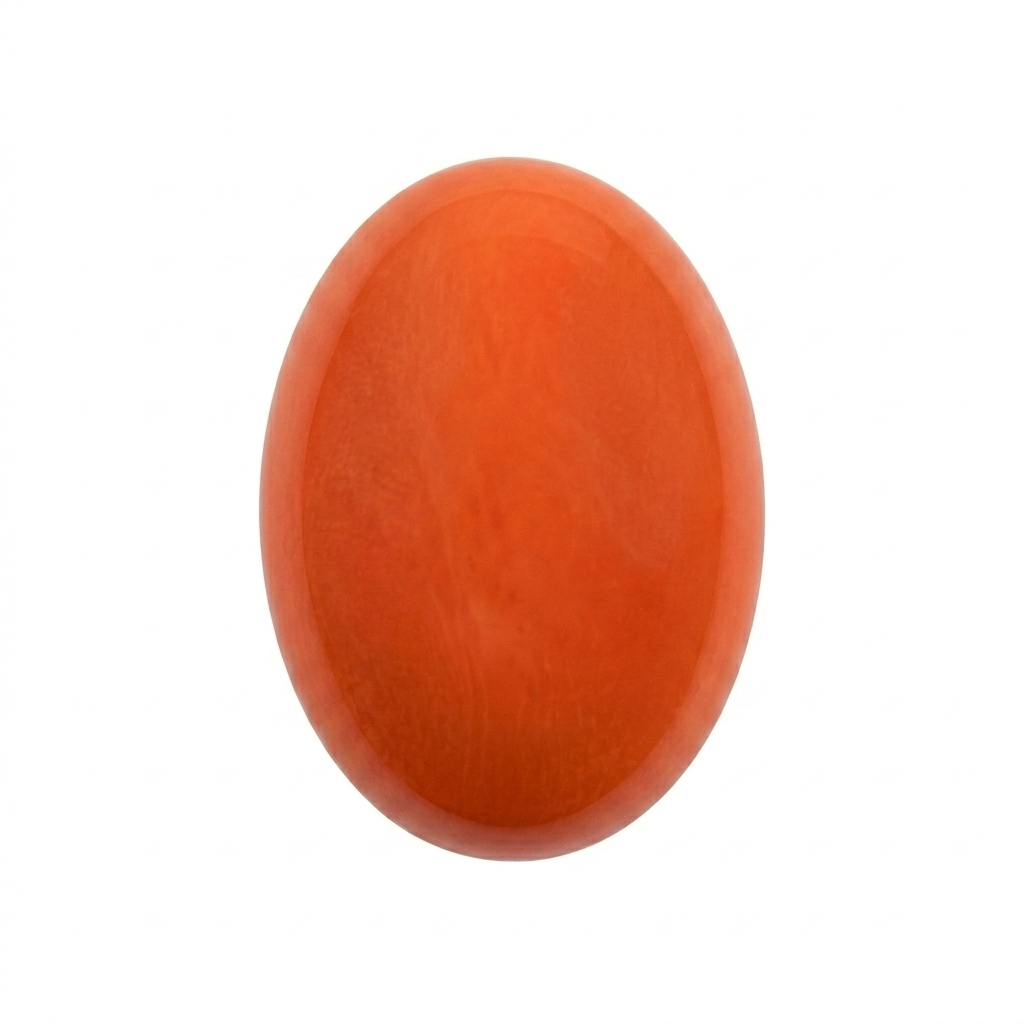 Orange Coral (मूंगा)
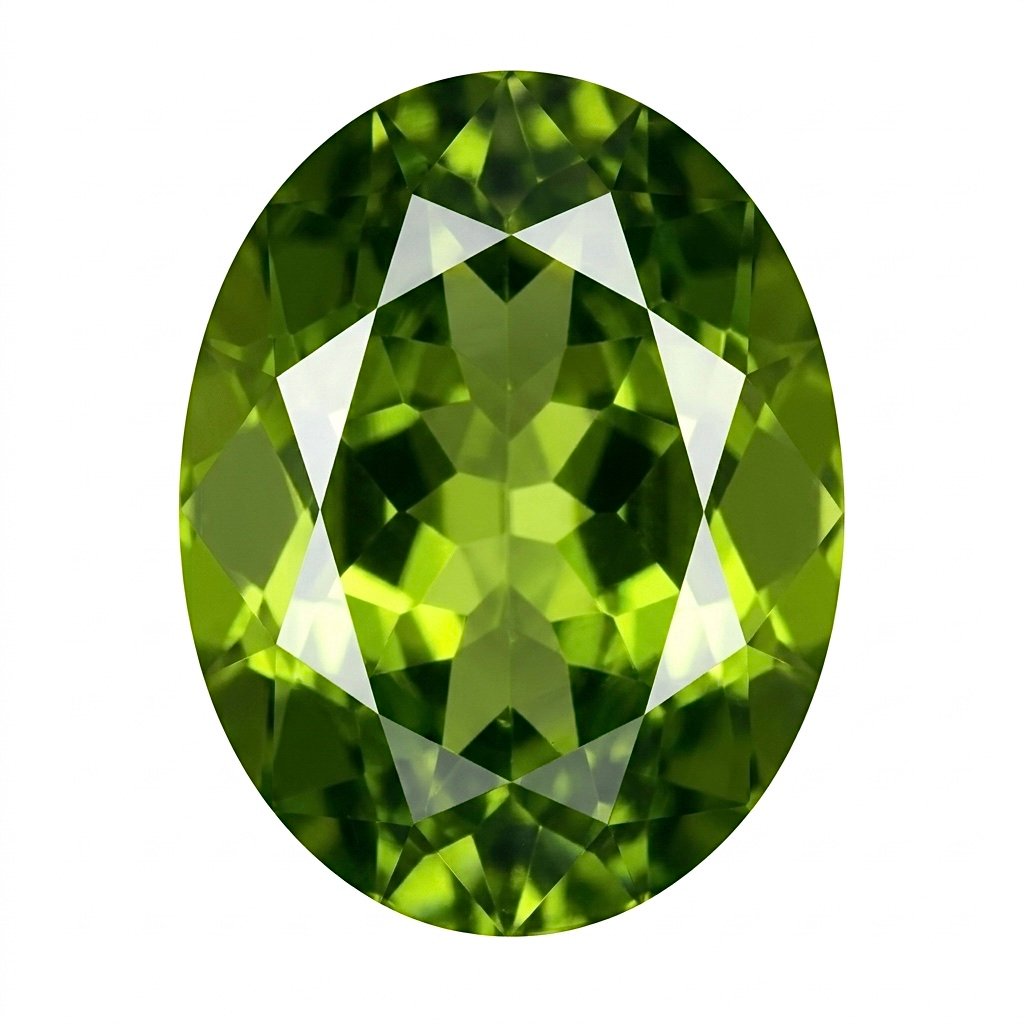 Peridot
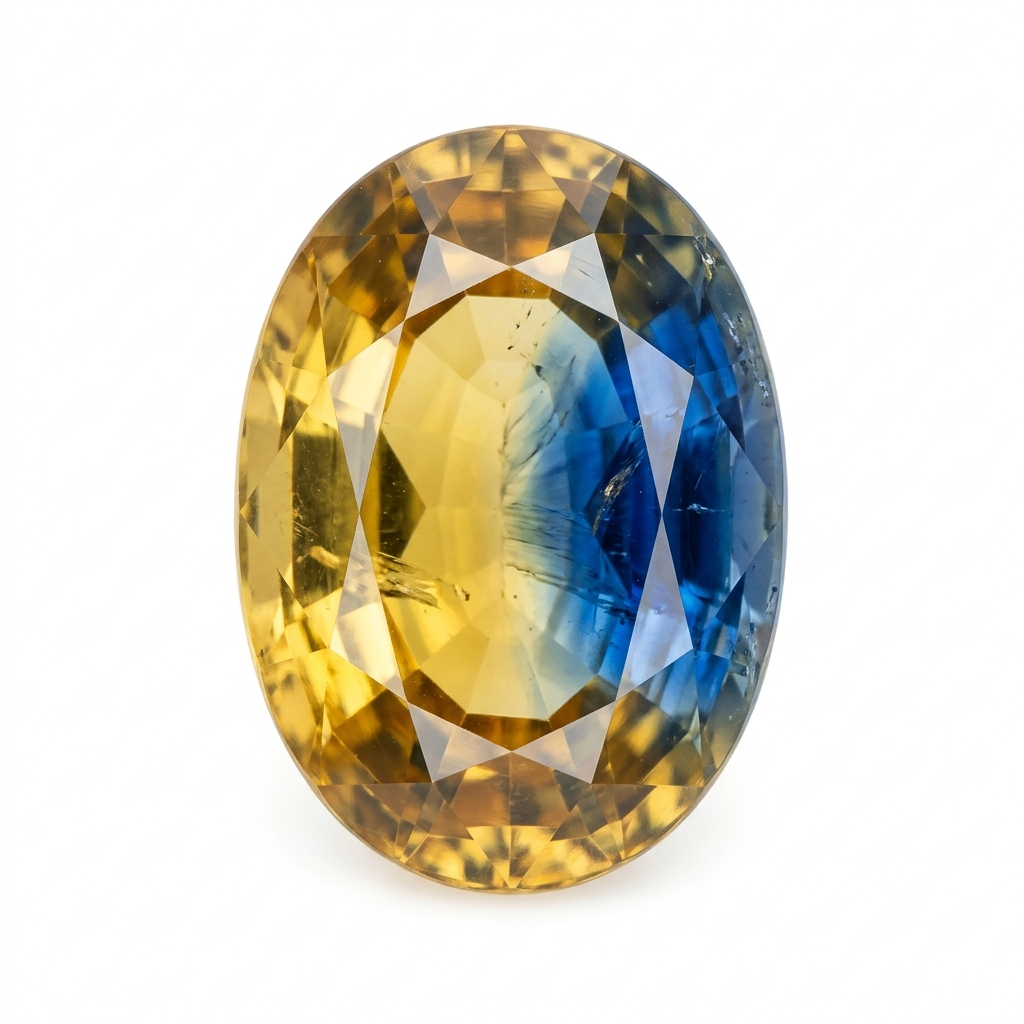 Pitambari
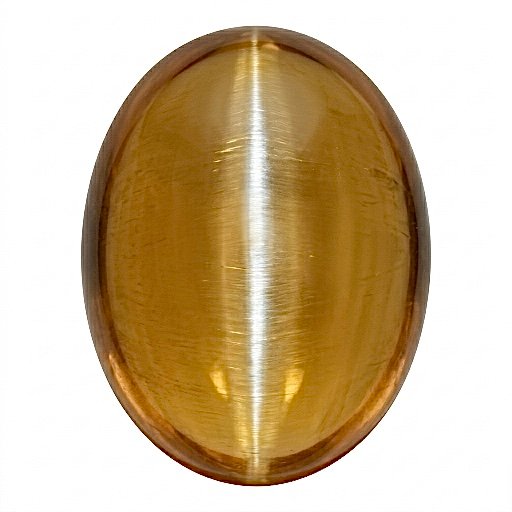 Quartz Catseye
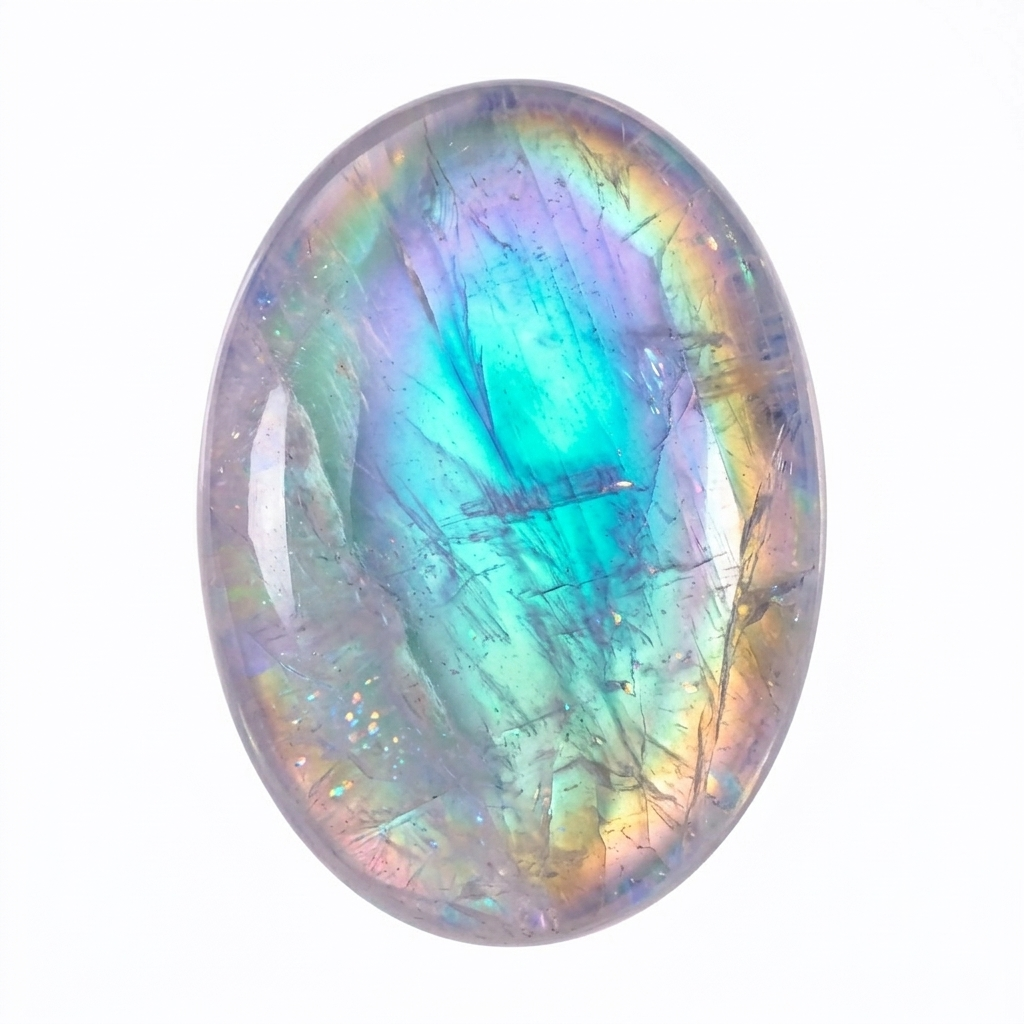 Rainbow Moonstone
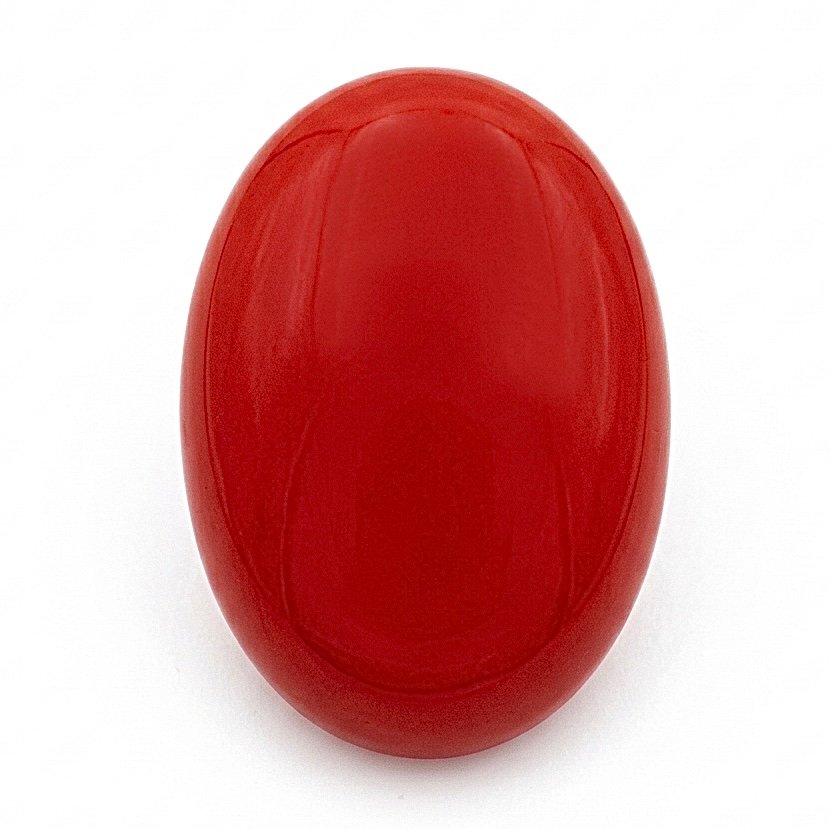 Red Coral (मूंगा)
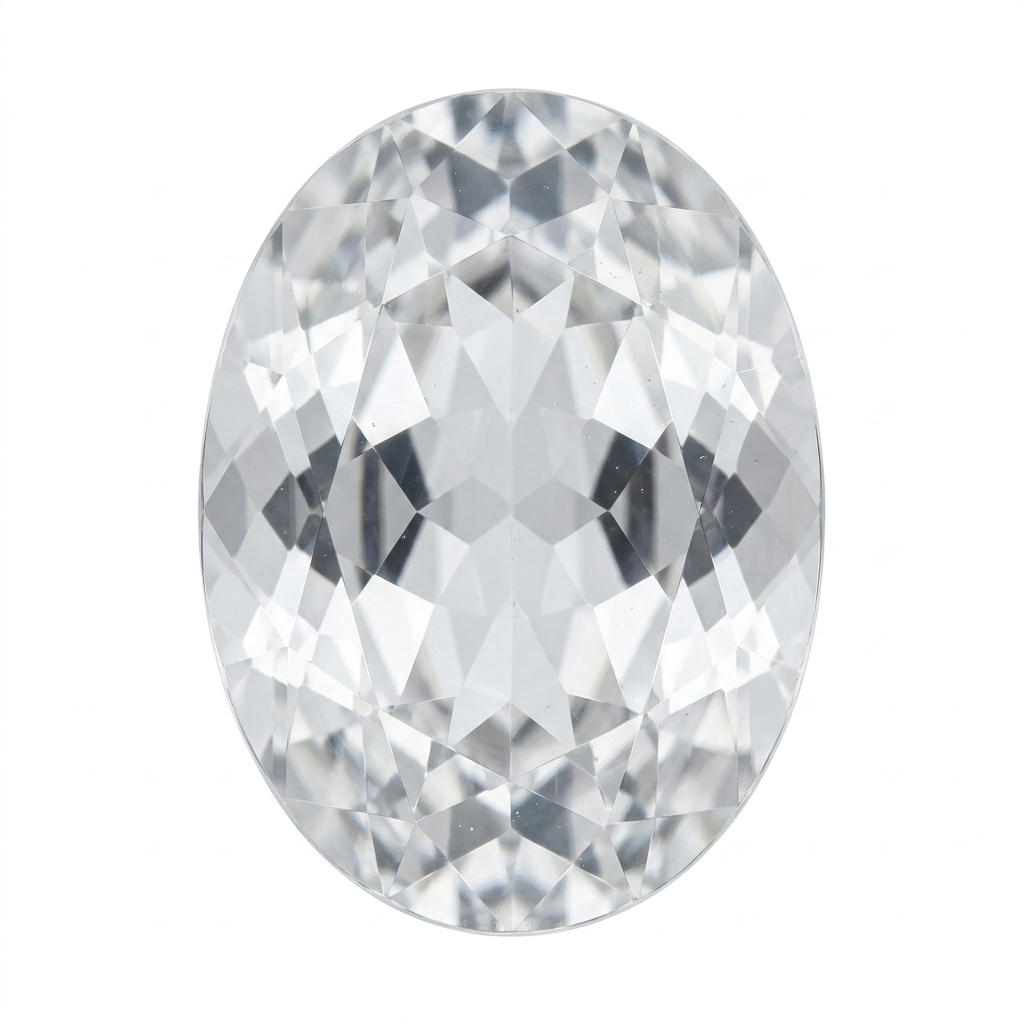 WHITE TOPAZ
 15 JAN
Here is a mix-up we see at the
counter more often than you would expect. A customer asks for Pukhraj, checks
the word in an English dictionary, and finds "topaz". Topaz is a completely
different mineral. In Jyotish and in the Indian gem trade, Pukhraj means yellow
sapphire — and the price difference between the two is enormous.
That one confusion says a lot
about why Yellow Sapphire (Pukhraj) deserves a proper guide. This article
covers what the stone is, its key properties, the main types, where it comes
from, its place in tradition, what drives yellow sapphire price, and how to buy
one without regret.
Yellow Sapphire (Pukhraj) is the
yellow variety of corundum — the same mineral as ruby and blue sapphire. Small
amounts of iron, and in some stones natural colour centres in the crystal,
produce its yellow colour. It is one of the most popular coloured gems in
Indian jewellery, valued for its warm glow in gold settings and for its
traditional link with Jupiter (Guru) in Vedic astrology.
|
Property |
Yellow sapphire stone |
|
Mineral |
Corundum (Al₂O₃) |
|
Colour cause |
Iron; natural colour centres
in some stones |
|
Colour range |
Pale lemon to canary yellow to
deep golden |
|
Hardness (Mohs) |
9 |
|
Refractive index |
Approx. 1.762 – 1.770 |
|
Specific gravity |
Approx. 4.00 |
|
Transparency |
Transparent to translucent |
At 9 on the Mohs scale, a yellow
sapphire stone is tough enough for everyday rings. Colour and clarity vary a
great deal from stone to stone. Many fine Sri Lankan stones are eye-clean,
while others show silk, small crystals or colour zoning under magnification. A
clean, bright, evenly coloured stone is the ideal, but most buyers find
attractive pieces with minor inclusions that are invisible to the eye.
A natural yellow sapphire formed
in the earth. "Natural" describes origin; it does not tell you
whether the stone has been treated. That is why the next three categories
matter.
Much of the Pukhraj on the
market has been heated to deepen or even out its colour. Conventional heating
is stable and widely accepted when disclosed. A more serious treatment is
beryllium diffusion, in which beryllium is driven into the stone at very high
temperatures to create strong yellow or orange colour. It is considered a
significant treatment, lowers value considerably, and many astrologers do not
accept such stones as Pukhraj.
Stones with no indication of
heating, confirmed by a laboratory, are rarer and command a premium. Unheated
Sri Lankan stones are especially sought after for astrological use.
Lab-grown material has the same
chemistry and hardness as natural material but costs a fraction of the price.
It should always be disclosed. It is not accepted as Pukhraj in Jyotish. Yellow
topaz and citrine (often sold in India as "Sunela") are different minerals
altogether and should never be sold as Pukhraj.
• Sri Lanka (Ceylon): the classic source, known for
bright lemon to canary yellow and good clarity. Ceylon Pukhraj is the name most
Indian buyers know.
• Madagascar: a major modern source of yellow
and golden sapphire.
• Thailand: an important cutting and
trading centre; in Indian markets, "Bangkok Pukhraj" usually refers
to deeper golden-yellow stones traded through Thailand, often heated.
• Tanzania and Australia: also produce the stone,
sometimes darker or more golden.
Origin alone does not decide
quality or value. A fine Madagascar stone can outshine a mediocre Sri Lankan
one. If origin is important to you, it should be supported by a laboratory
opinion rather than a seller's description.
In Vedic astrology, Pukhraj is
the stone of Guru (Jupiter), the planet associated with wisdom, teaching,
wealth, children and, in traditional practice, marriage. Commonly described
yellow sapphire benefits include support for knowledge, prosperity, good
judgement and family life. These are traditional beliefs rather than proven
outcomes.
A Pukhraj stone is commonly
considered for Sagittarius and Pisces ascendants (both ruled by Jupiter) and
for charts where Jupiter is a helpful but weak planet. It is traditionally worn
in gold on the index finger, first put on on a Thursday morning. A qualified
astrologer should review your full birth chart before you wear it.
Astrological associations in
this guide are traditional beliefs. They are not scientifically established
effects and are not a substitute for medical, financial or other professional
advice.
Yellow sapphire price is set per
carat (or per ratti for many astrological buyers) and moves with several
factors:
• Colour: a vivid, saturated canary or
golden yellow is worth more than pale or brownish stones.
• Clarity: eye-clean stones command more.
• Carat weight: the per-carat rate rises with
size.
• Cut: good proportions improve
brightness and face-up colour.
• Treatment: unheated stones sit at the top;
heated stones are the norm; beryllium-diffused stones are far lower.
• Origin claims: a lab-supported Sri Lankan
origin can add a premium.
• Certification: a verifiable report increases
buyer confidence and resale value.
Two stones of the same weight
can differ widely in price because of these factors. We have not quoted fixed
figures because prices change and depend entirely on the individual stone;
compare current certified listings instead.
A gemological laboratory report
— from GIA, IGI, GII, IIGJ or a similar recognised lab — can confirm that a
stone is corundum, natural rather than synthetic, and whether it is heated or
beryllium-diffused. Reports have limits: origin is given as an opinion, and not
every lab tests for every treatment on every report, so read exactly what is
stated.
Home tests — scratching,
breathing on the stone, looking for "rays" — cannot confirm origin or
treatment. Many depend on myths and can damage a stone. A verified report is
the reliable route.
• Set a budget first and decide
whether size or quality matters more.
• Choose a colour you like — lemon,
canary or golden — and look at it in daylight.
• If buying for astrology, follow
the weight your astrologer prescribes and confirm the ratti conversion (roughly
0.9 to 0.91 carat per ratti).
• Compare treatment disclosure and
report details across sellers.
• Prefer sellers who are
transparent about origin, treatment and returns.
• Ask for daylight photographs and
a video of the actual stone.
• Check weight, dimensions and
shape against the report.
• Verify the report number on the
laboratory's website.
• Read the return policy before
you pay.
• Confirm the seller's address and
contact details.
Gems N Diamond has traded
natural gemstones from Karol Bagh and Lajpat Nagar in Delhi since 1972. On
gemsndiamond.com you can review each Pukhraj listing's specifications and
certification details before ordering.
A good Yellow Sapphire (Pukhraj)
is about more than colour. Know that you are buying corundum and not topaz or
citrine, understand the difference between heated, unheated and
beryllium-diffused stones, and let a verifiable lab report do the work your
eyes cannot. Explore the Yellow Sapphire collection to compare options side by
side.
Q What
is Yellow Sapphire (Pukhraj)?
A It
is the yellow variety of the mineral corundum, the same mineral as ruby and
blue sapphire. In India it is called Pukhraj and is linked with Jupiter in
Vedic astrology.
Q What
is Yellow Sapphire used for?
A It
is used in rings, pendants and earrings, and is widely worn as an astrological
stone for Jupiter. Astrological benefits are traditional beliefs, not proven
effects.
Q Which
factors affect Yellow Sapphire price?
A Colour,
clarity, carat weight, cut, treatment status, origin claims supported by a lab,
and certification.
Q Is
unheated Yellow Sapphire more valuable?
A Yes.
Laboratory-confirmed unheated stones are rarer than heated material and usually
commands a premium.
Q How
can I check whether Pukhraj is natural?
A Through
a report from a recognised gemological laboratory, verified on the lab's
website. Home tests cannot confirm natural origin or treatment.
Q What
should I check before buying Yellow Sapphire online?
A Daylight
photos and video, exact specifications, a verifiable lab report with treatment
disclosure, the return policy and the seller's contact details.

Blue Sapphire (Neelam): Types, Colours, Origin, Quality and Complete Buying Guide
Yellow Sapphire (Pukhraj): Properties, Benefits, Types and Complete Buying Guide

Astro Gemstone Guide: How to Choose the Right Gemstone According to Your Birth Chart

Birthstones by Zodiac Signs: Complete Guide to Gemstones for All 12 Zodiac Signs

Japanese White Coral Stone: Origin, Properties, Astrology and Buying Guide

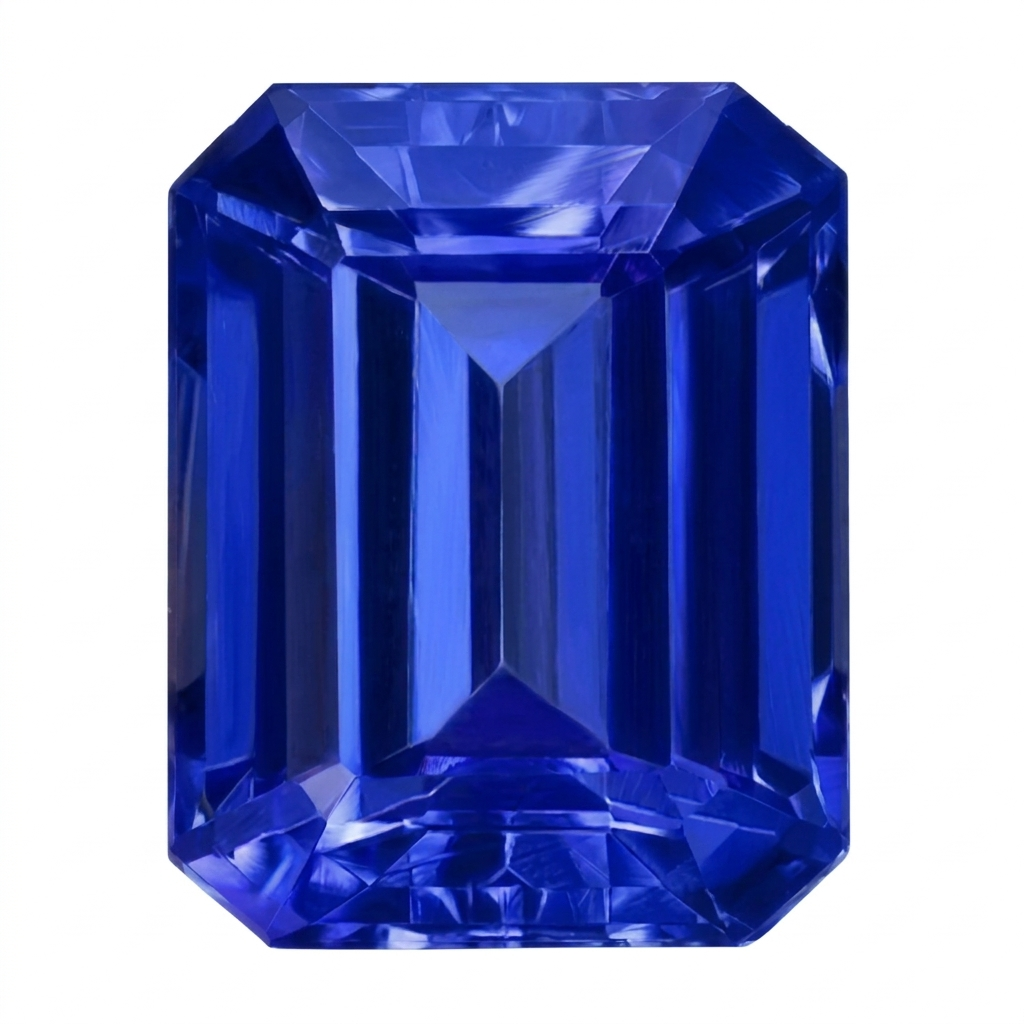 Blue Sapphire
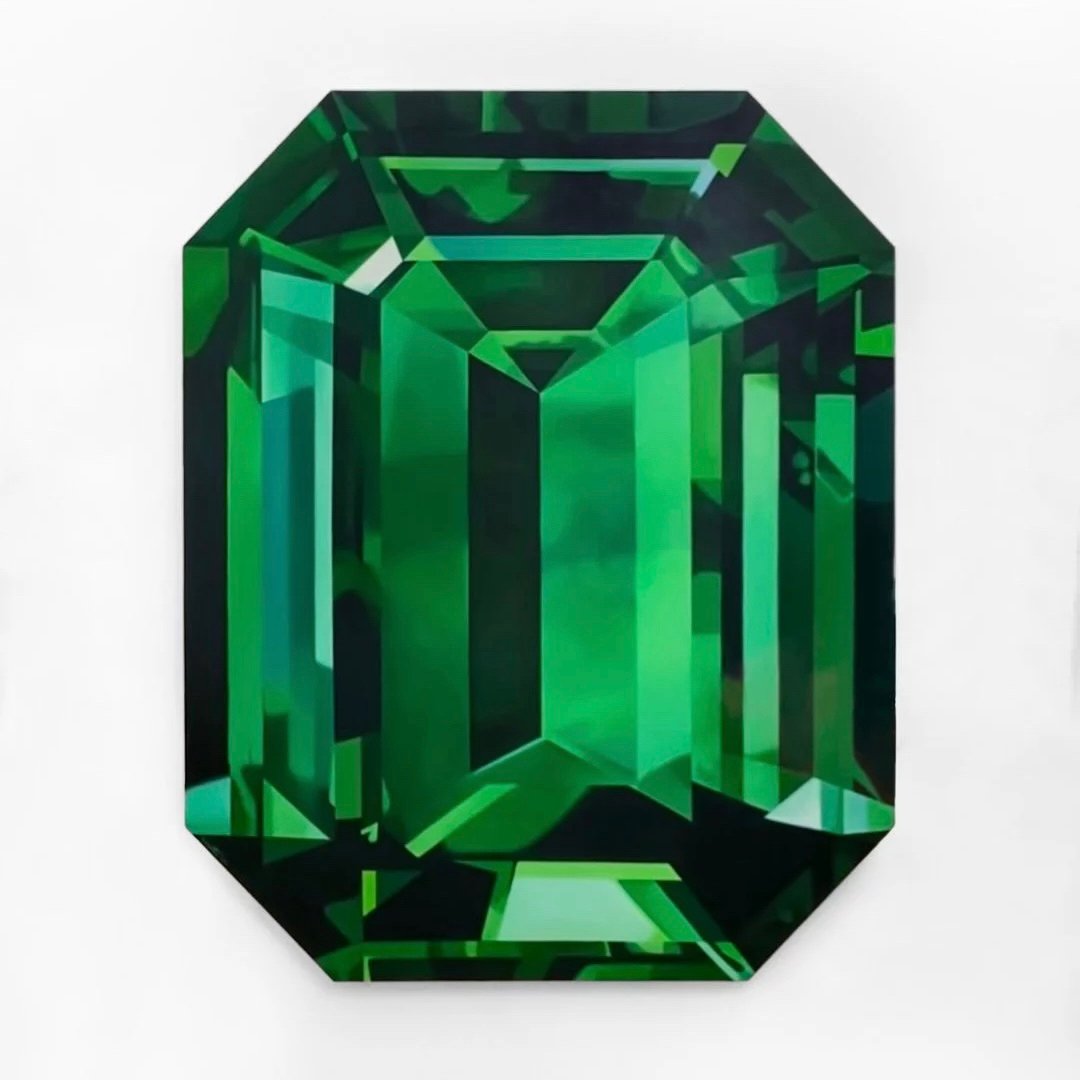 Emerald (PANNA)
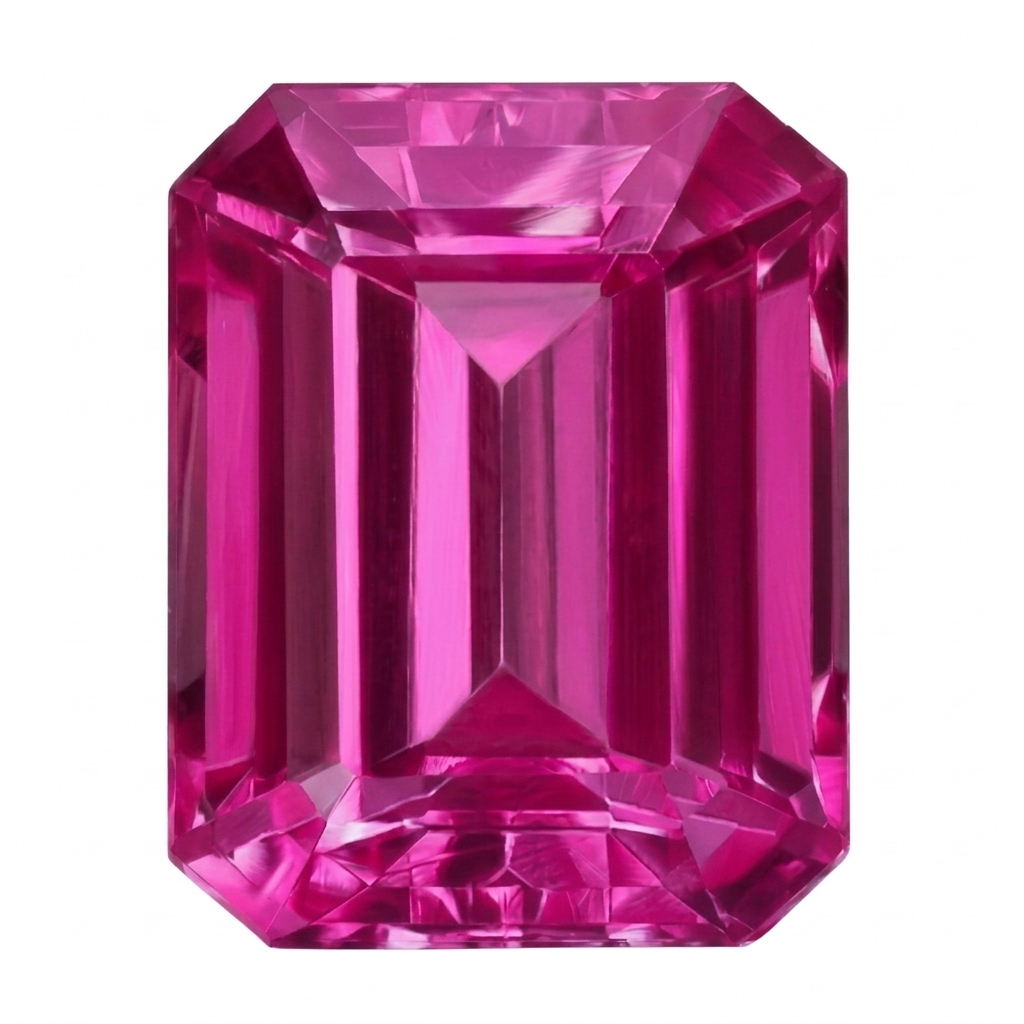 Pink Sapphire
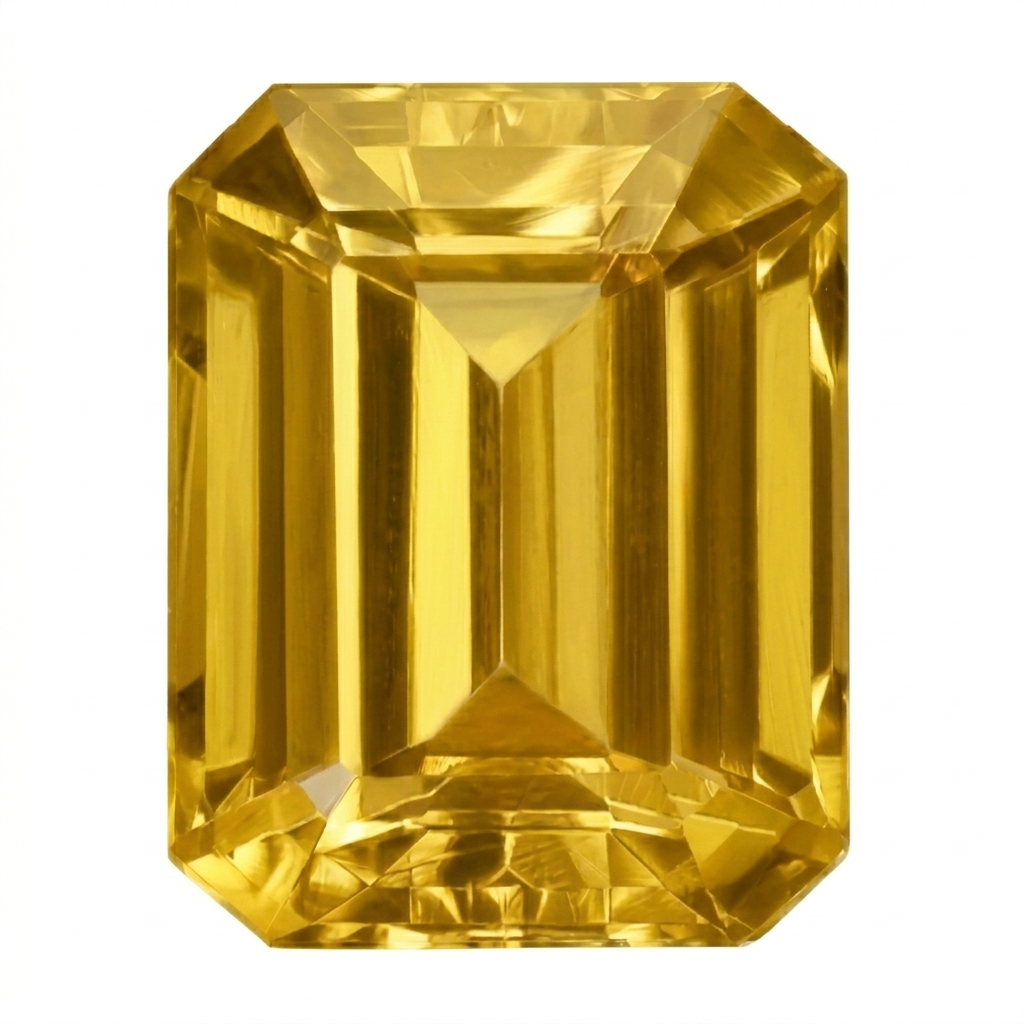 Yellow Sapphire
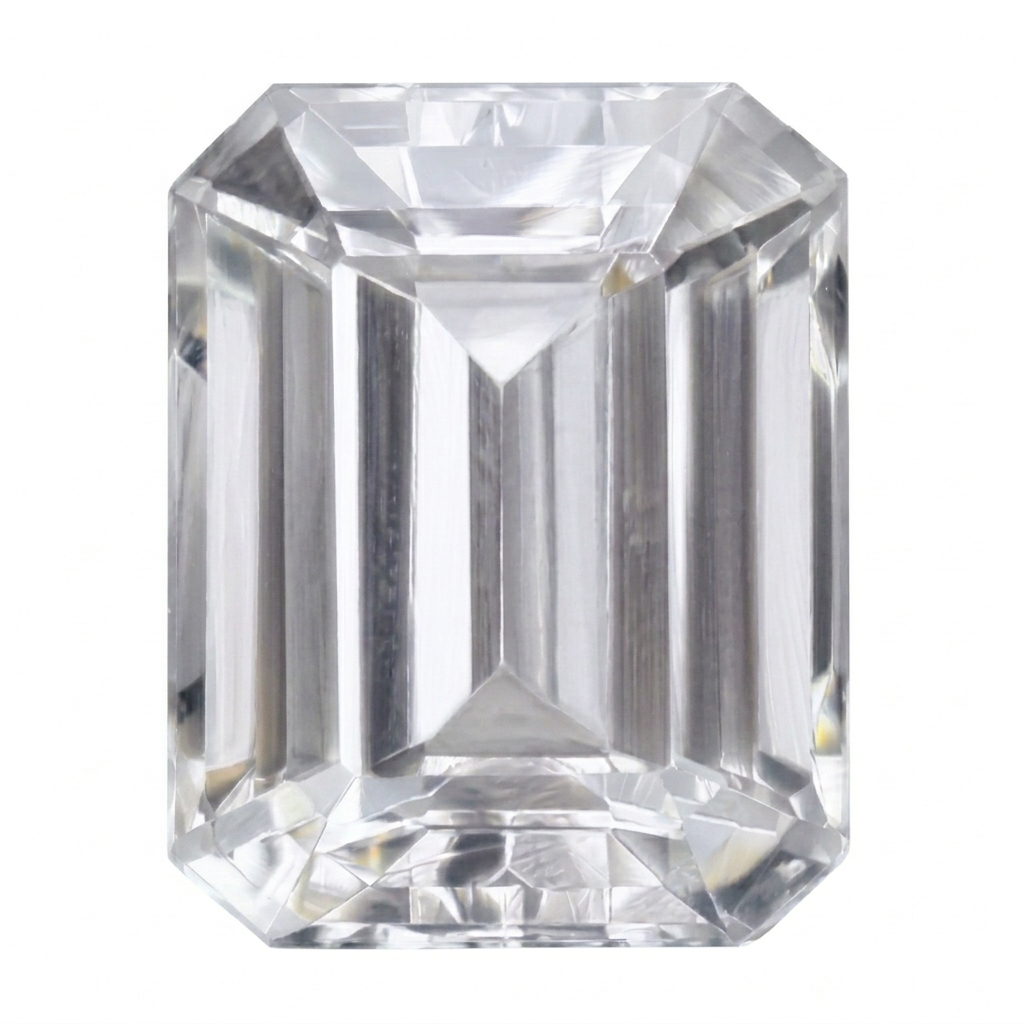 White Sapphire
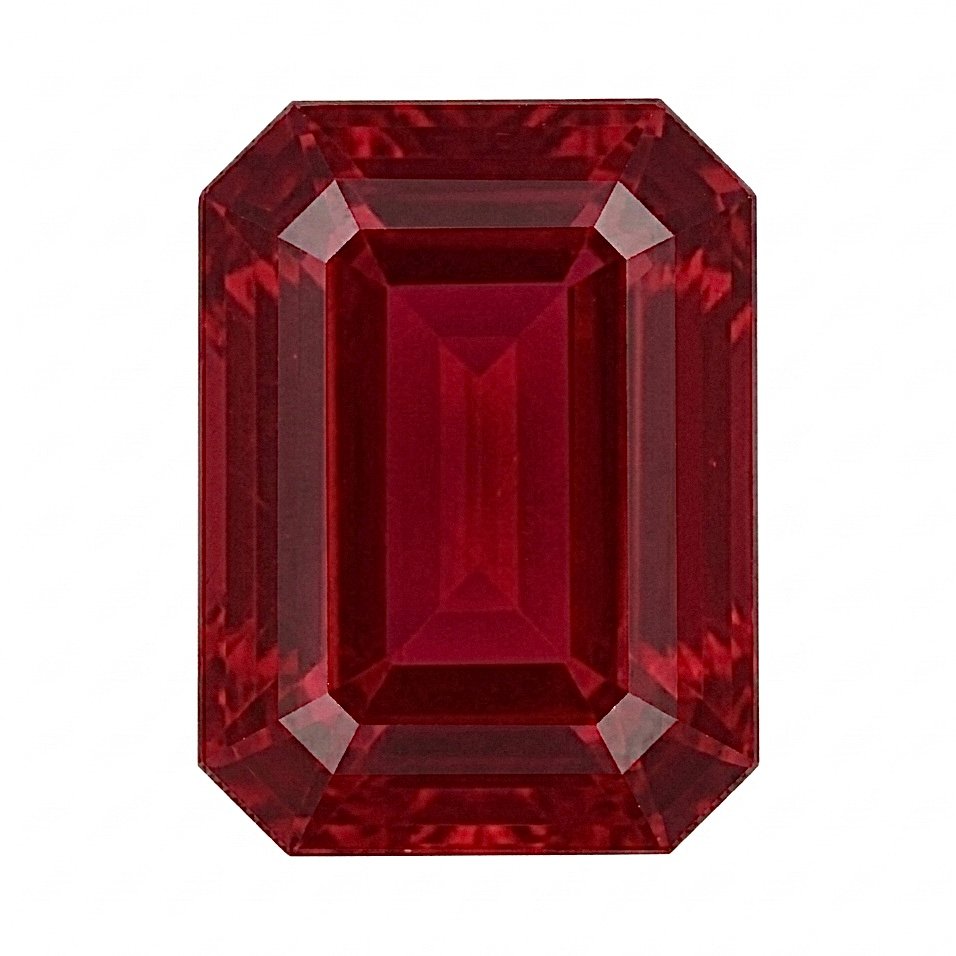 Ruby
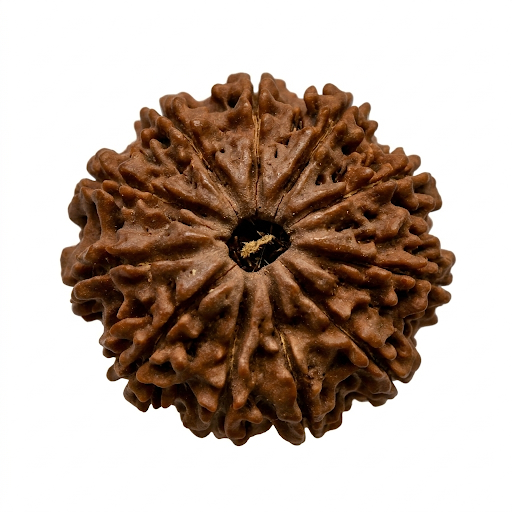 Rudraksha
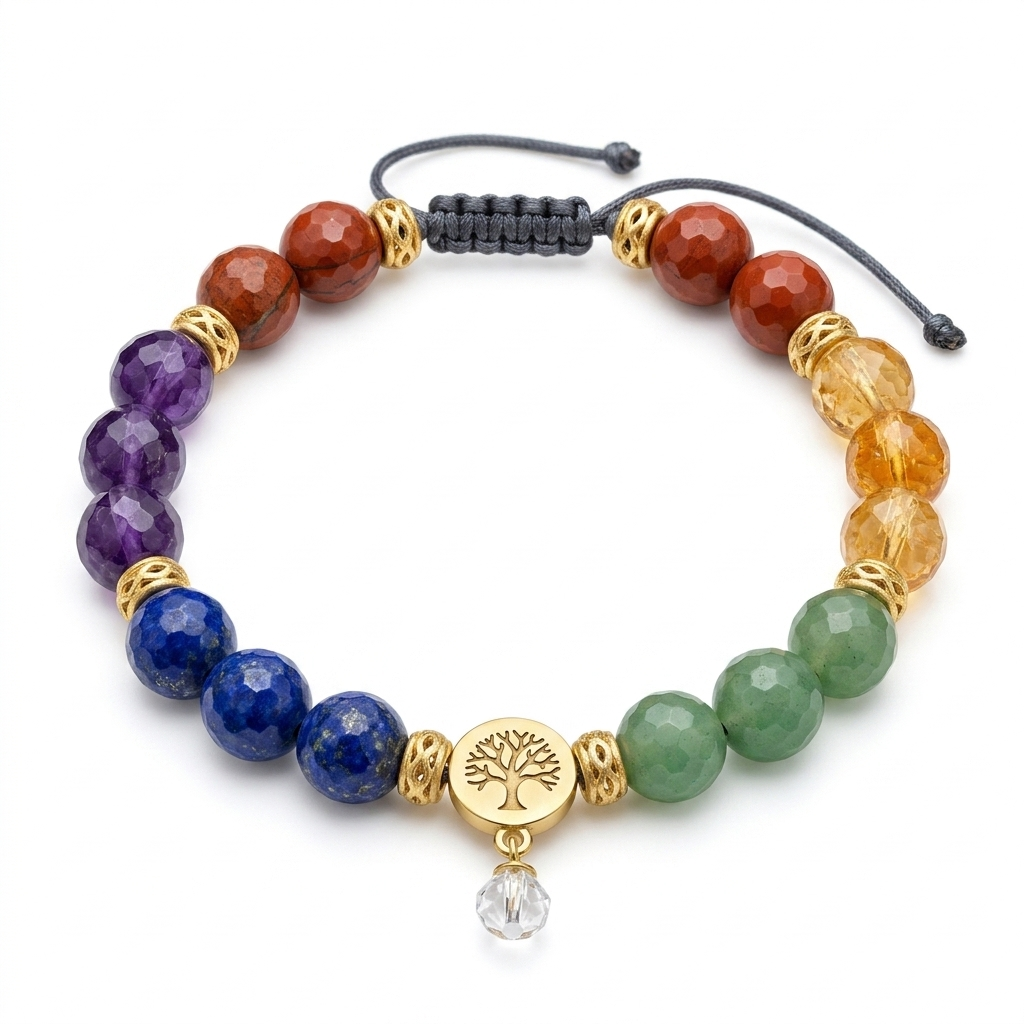 Bracelet
