

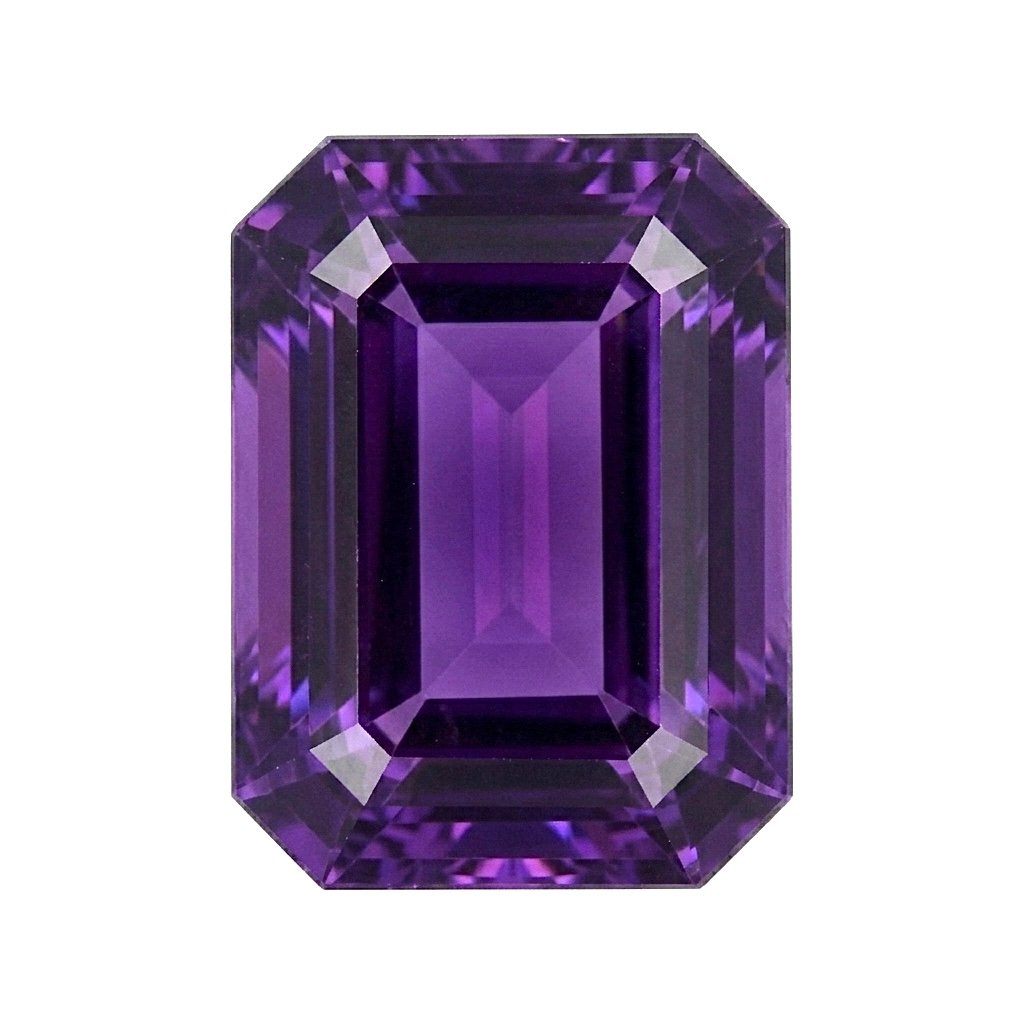
 Amethyst (ऐमेथिस्ट)
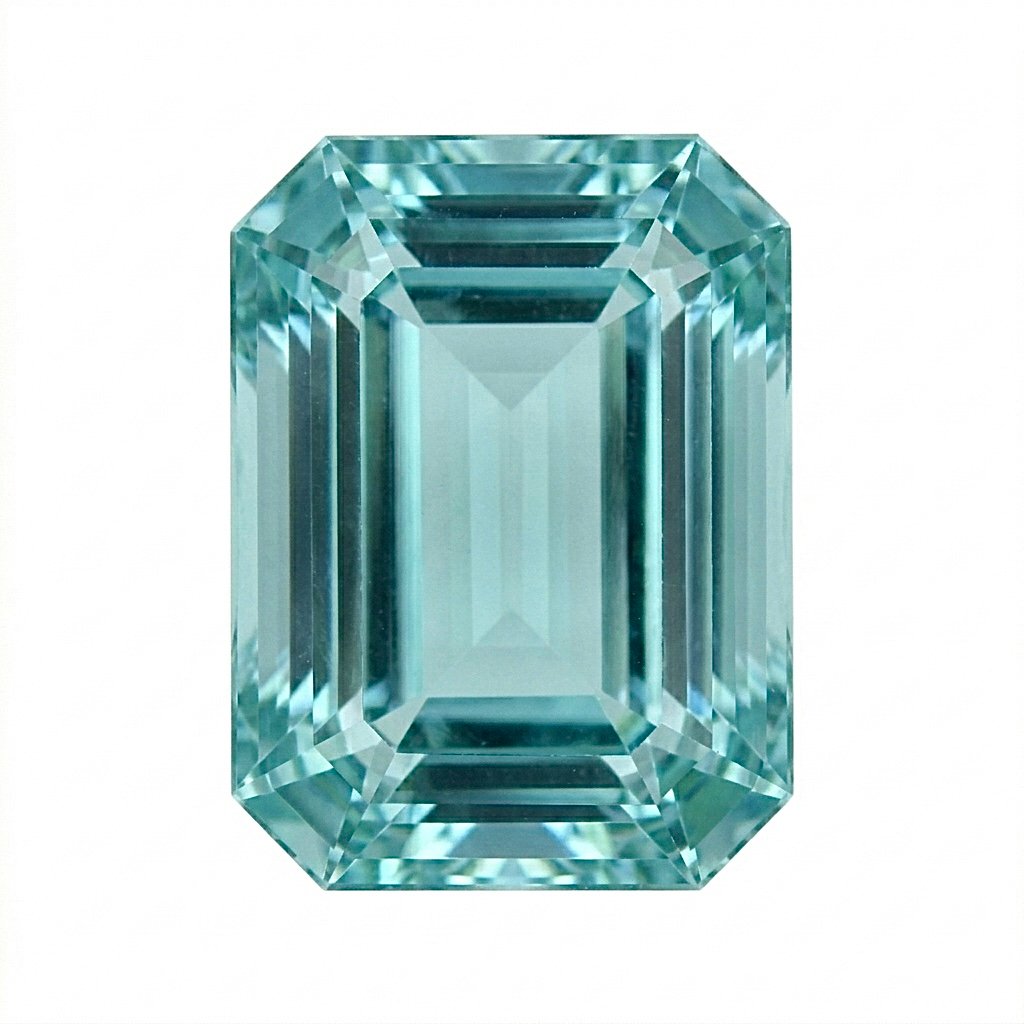 Aquamarine
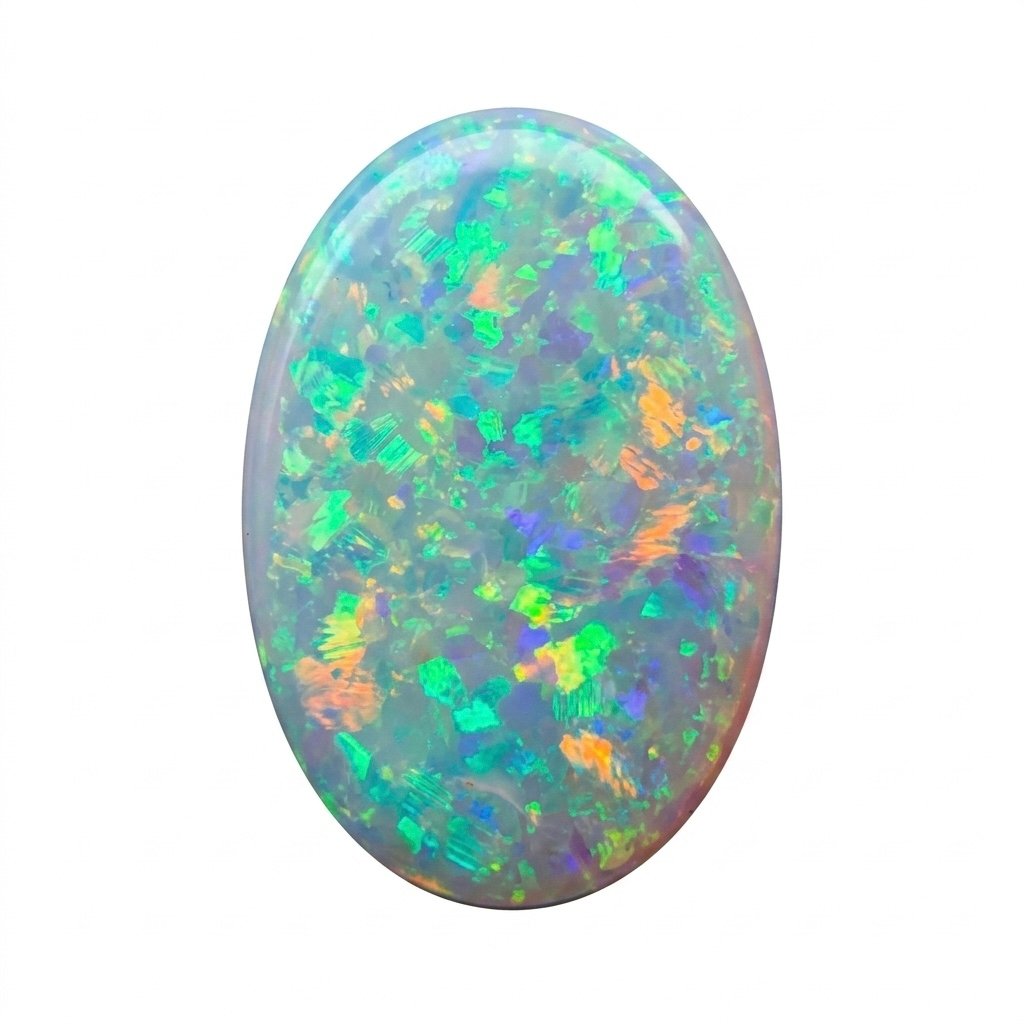 Australian Opal (ओपल)
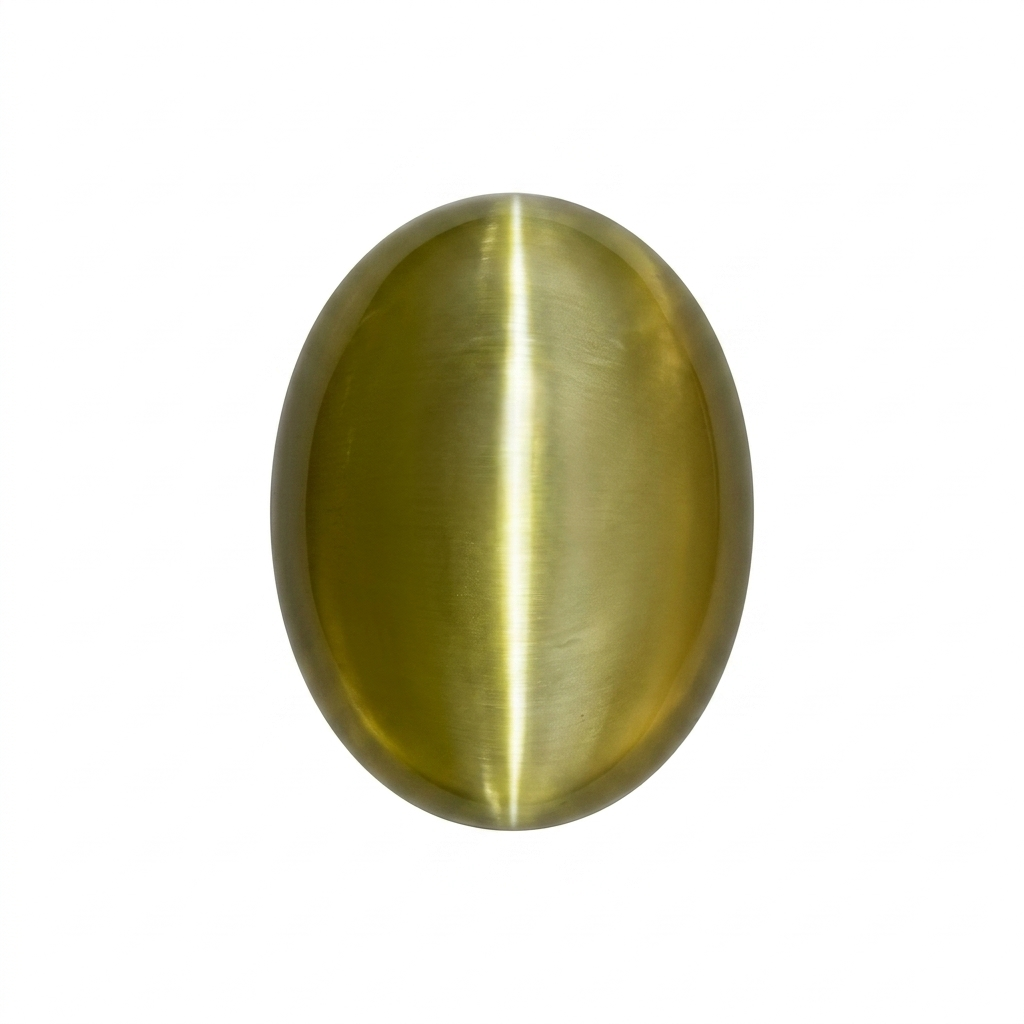 Catseye (लहसुनिया)
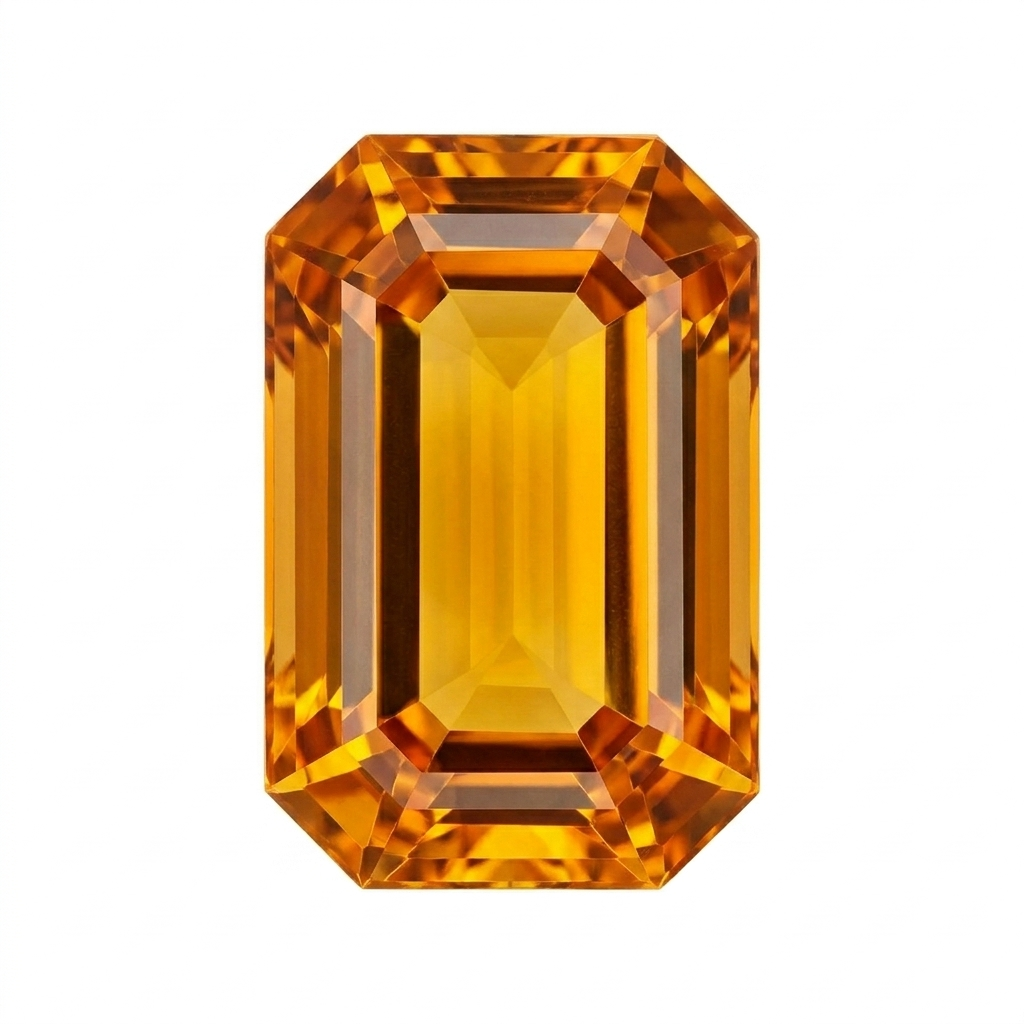 Citrine (सुनेहला)
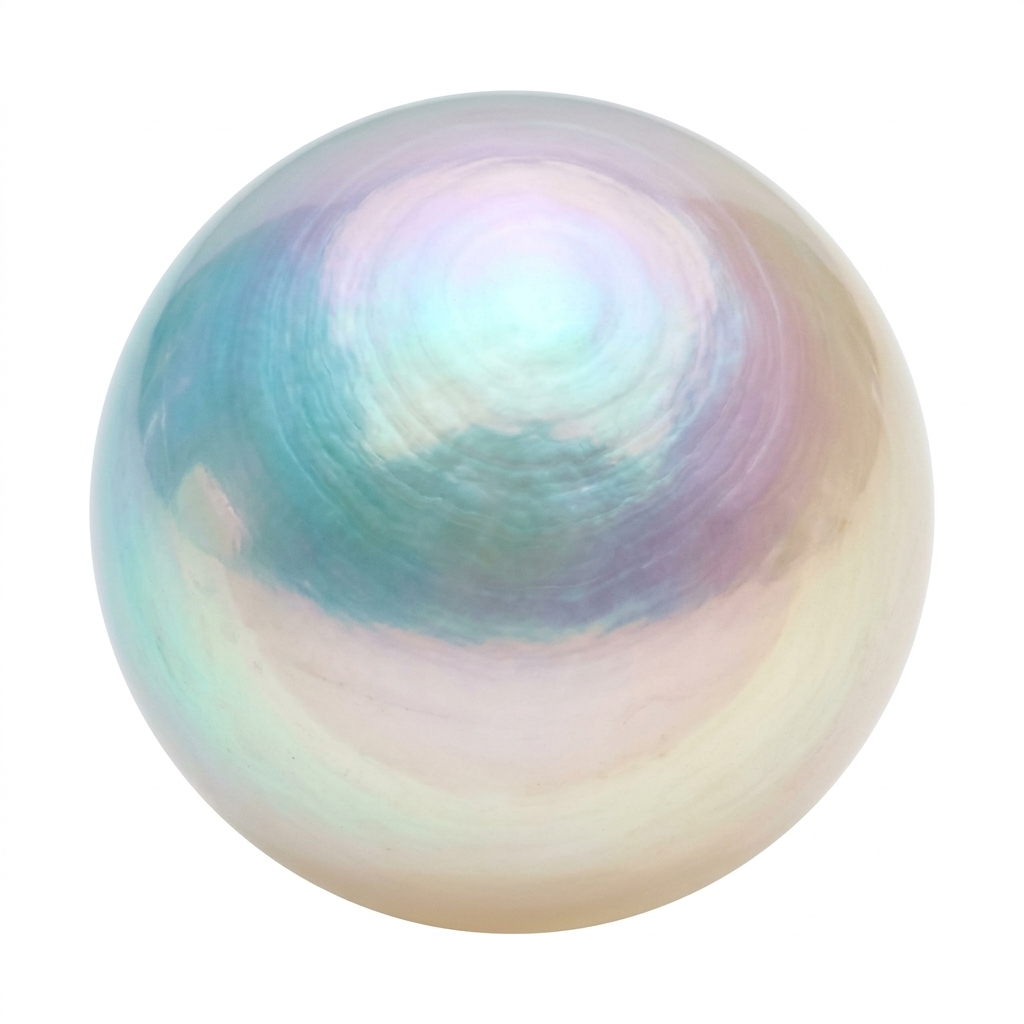 Fresh Water Pearl
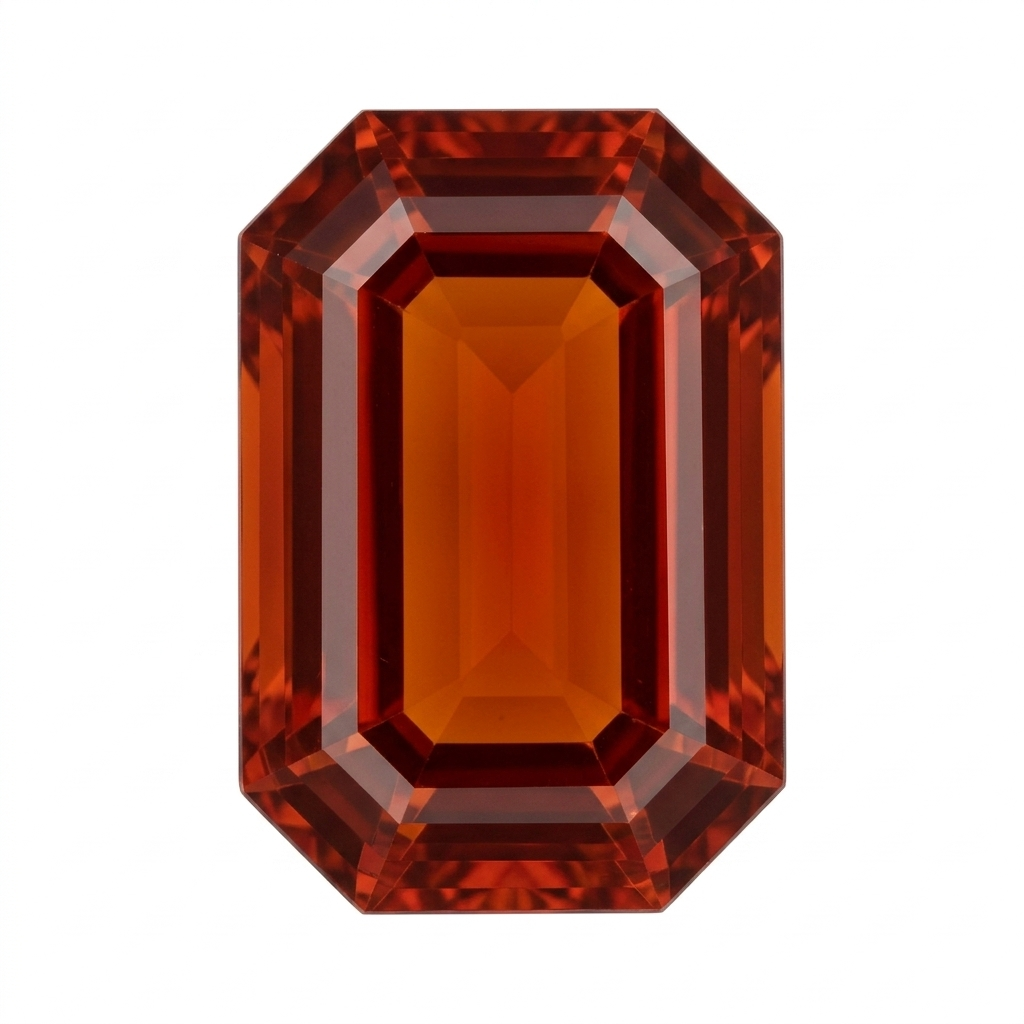 Hessonite (गोमेद)
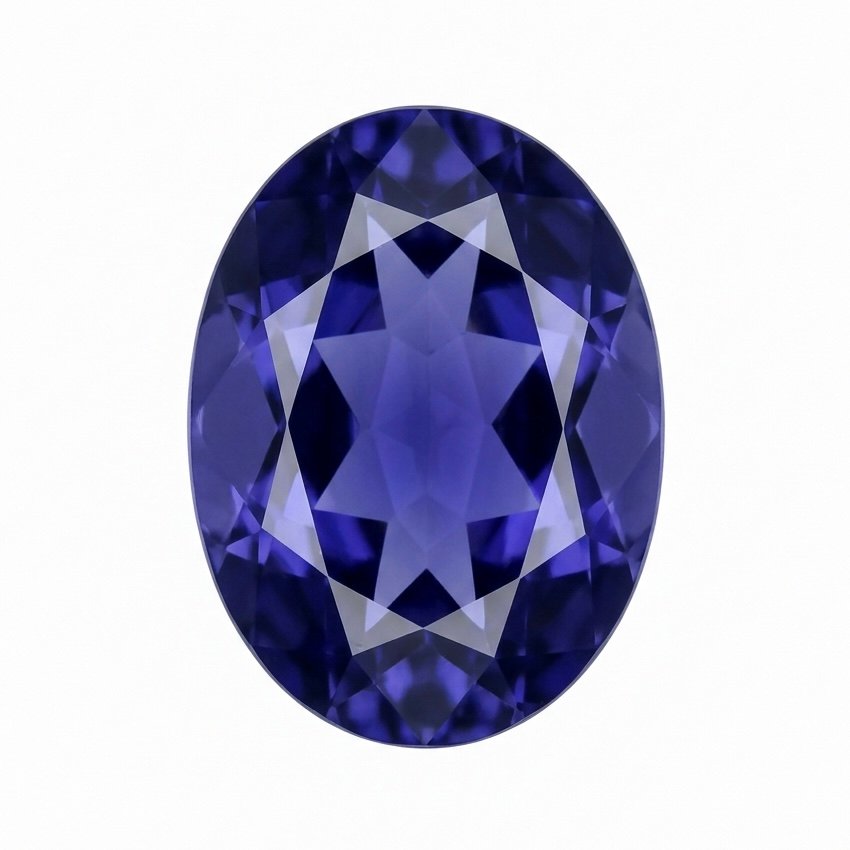 IOLITE (KAKA NILI)
 Japanese White Coral (मूंगा)
 Lapis
 Moonstone
 Natural South Sea Pearl
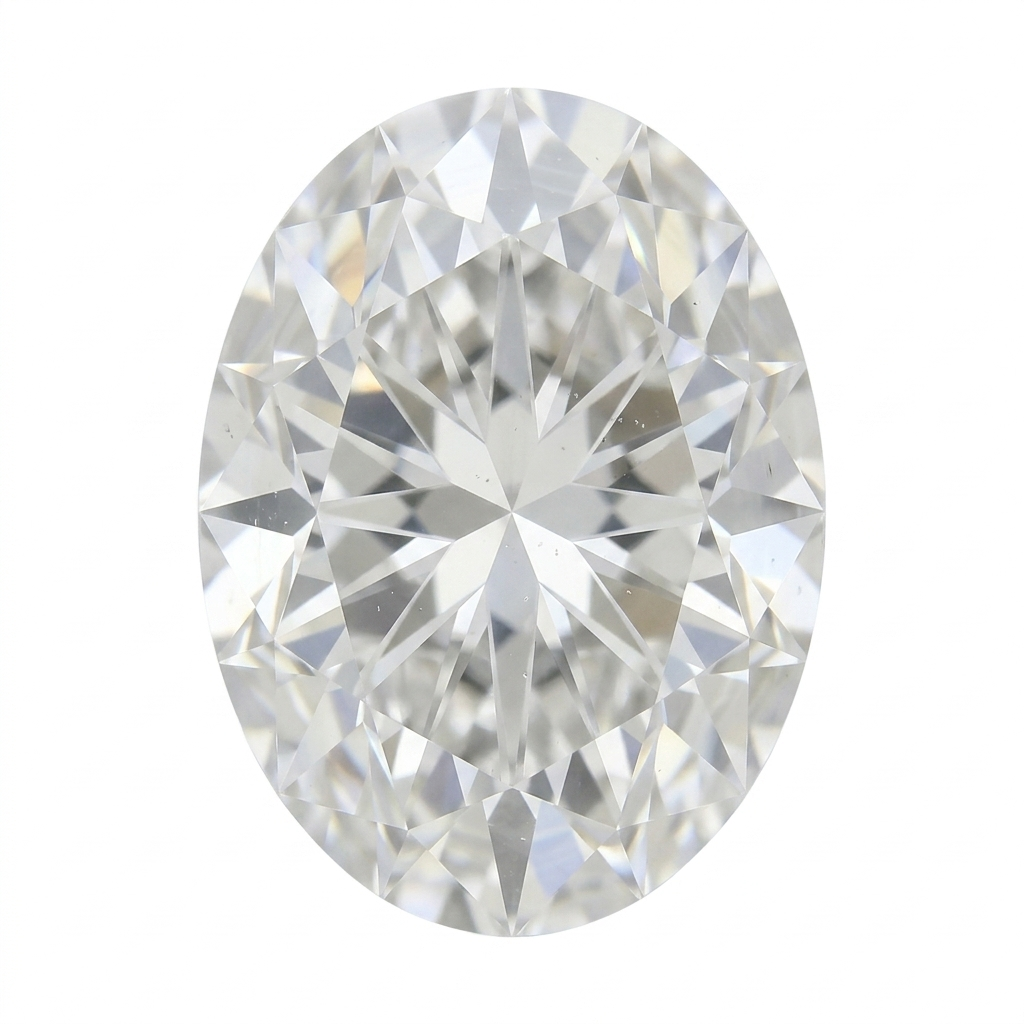 Natural Zircon
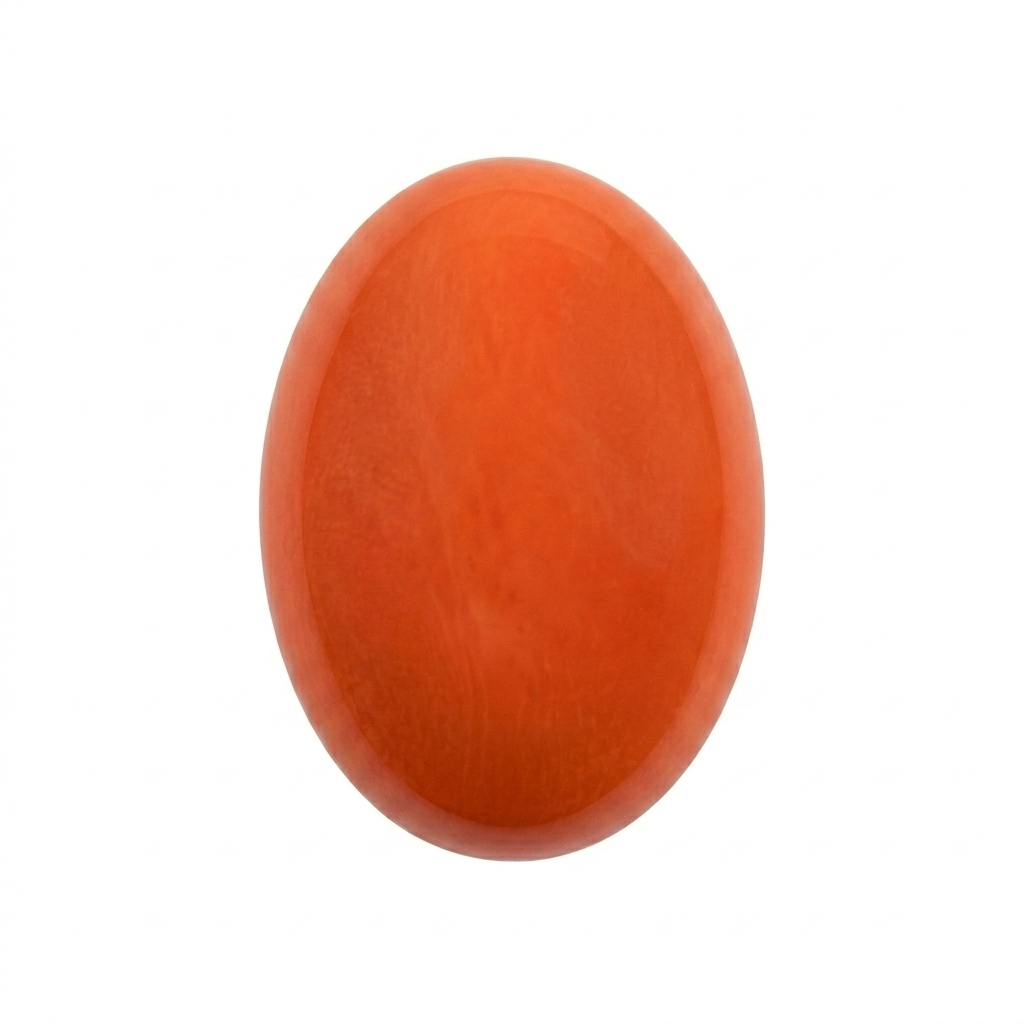 Orange Coral (मूंगा)
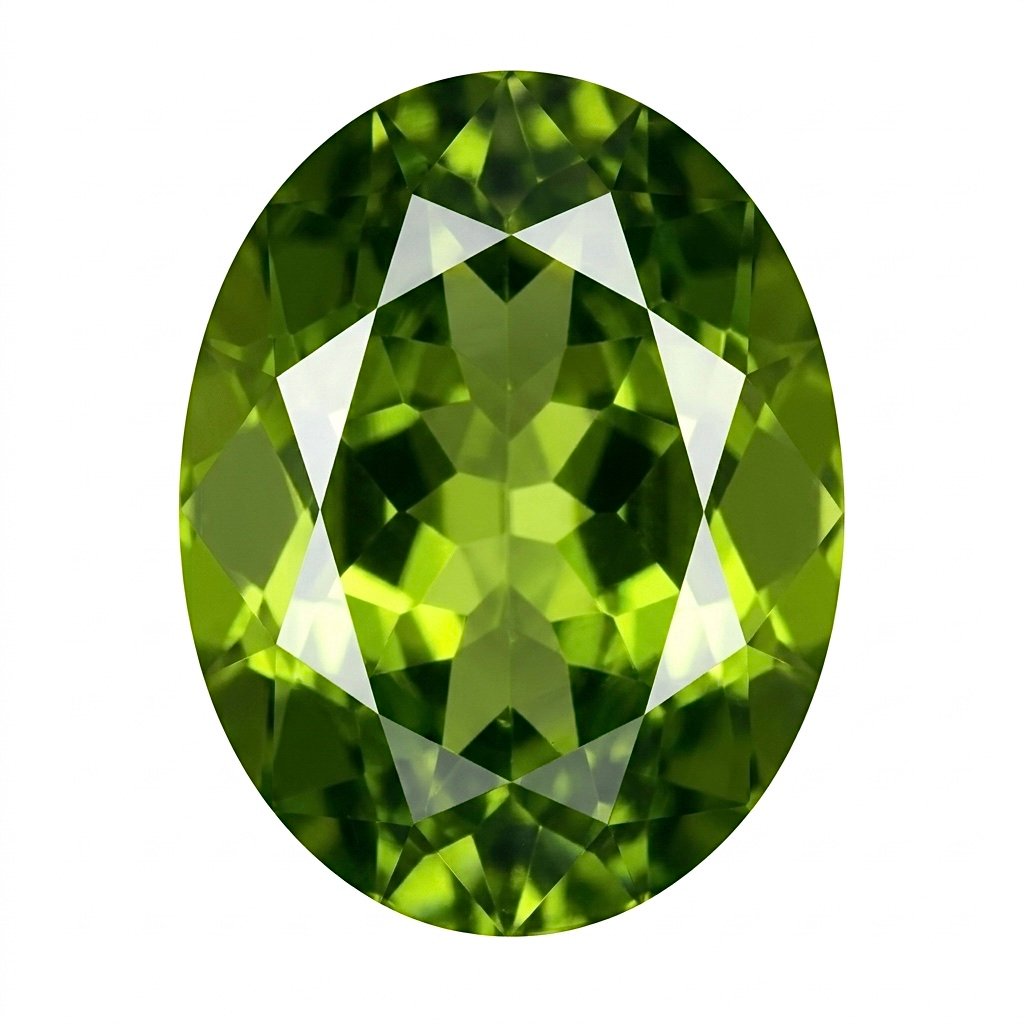 Peridot
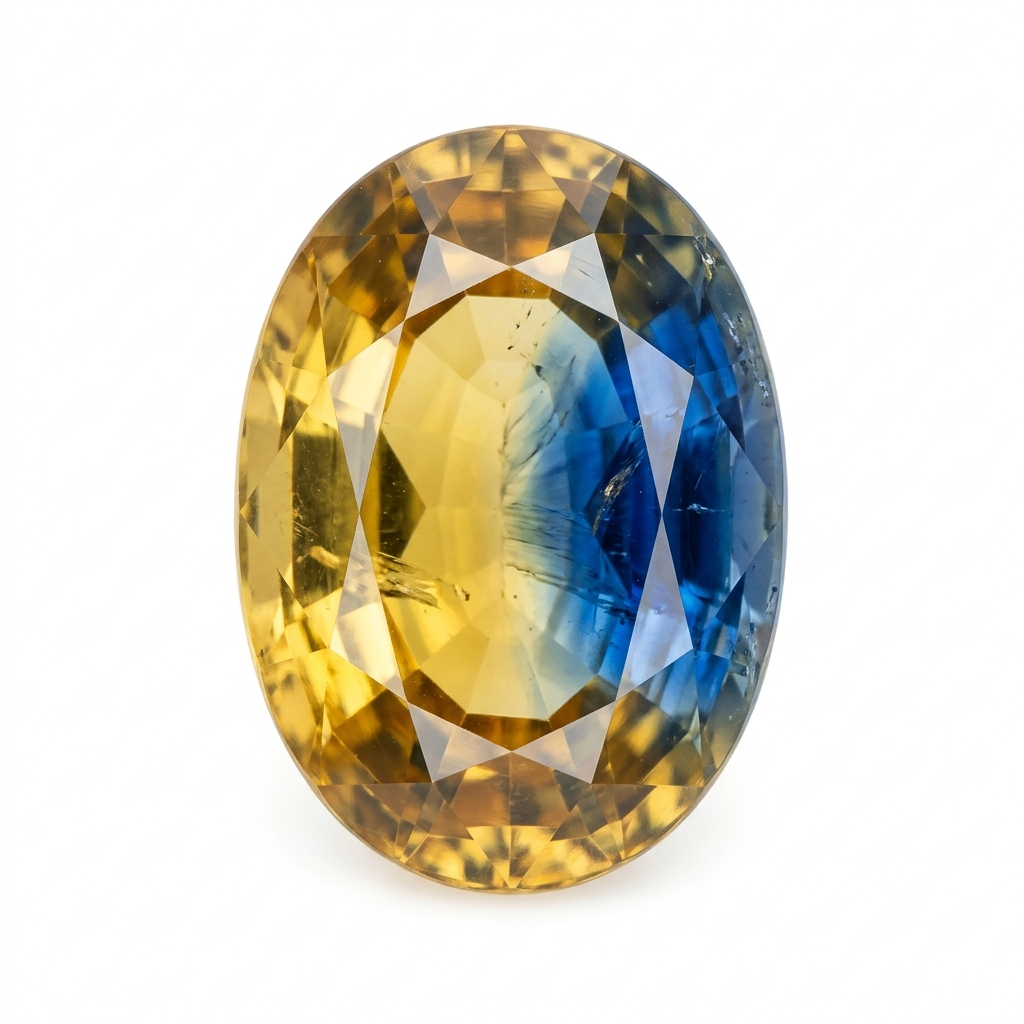 Pitambari
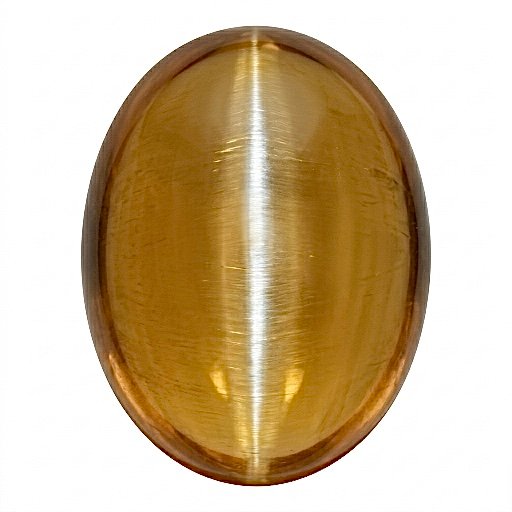 Quartz Catseye
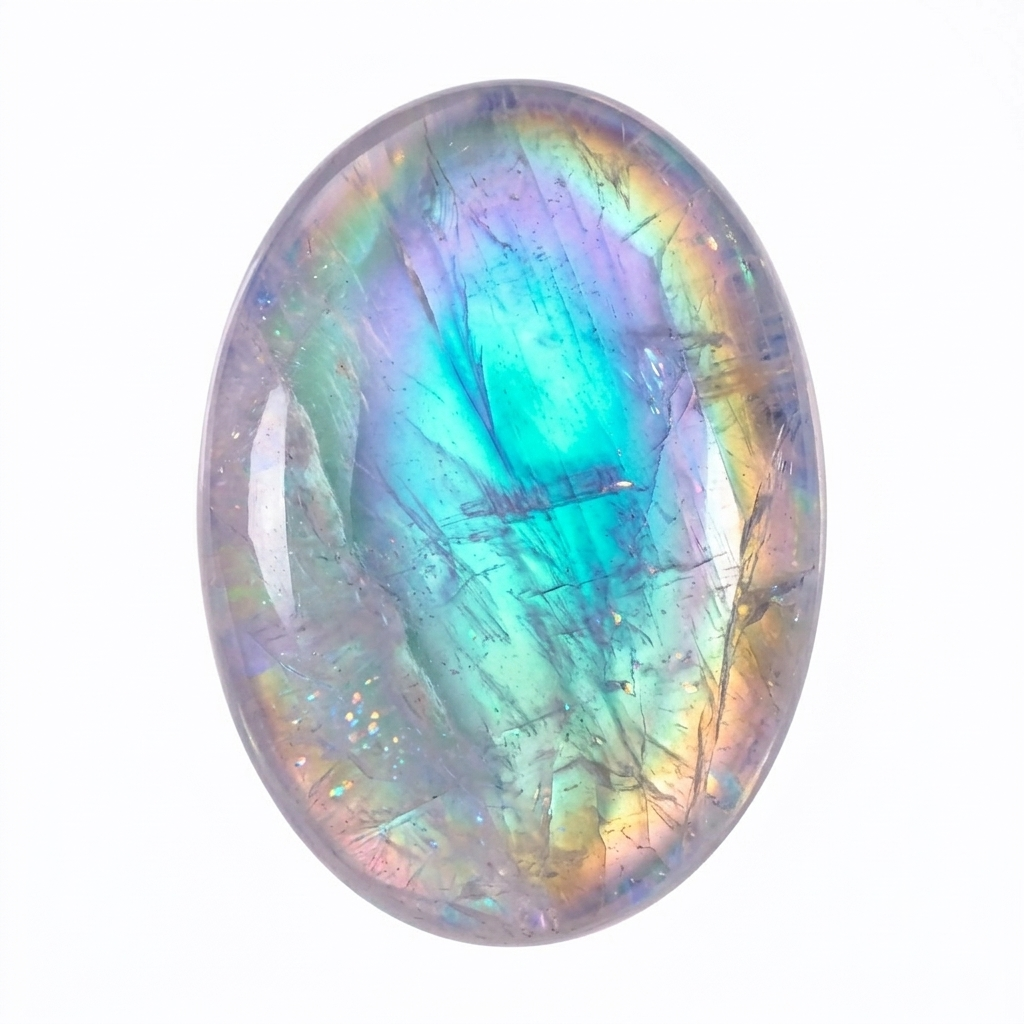 Rainbow Moonstone
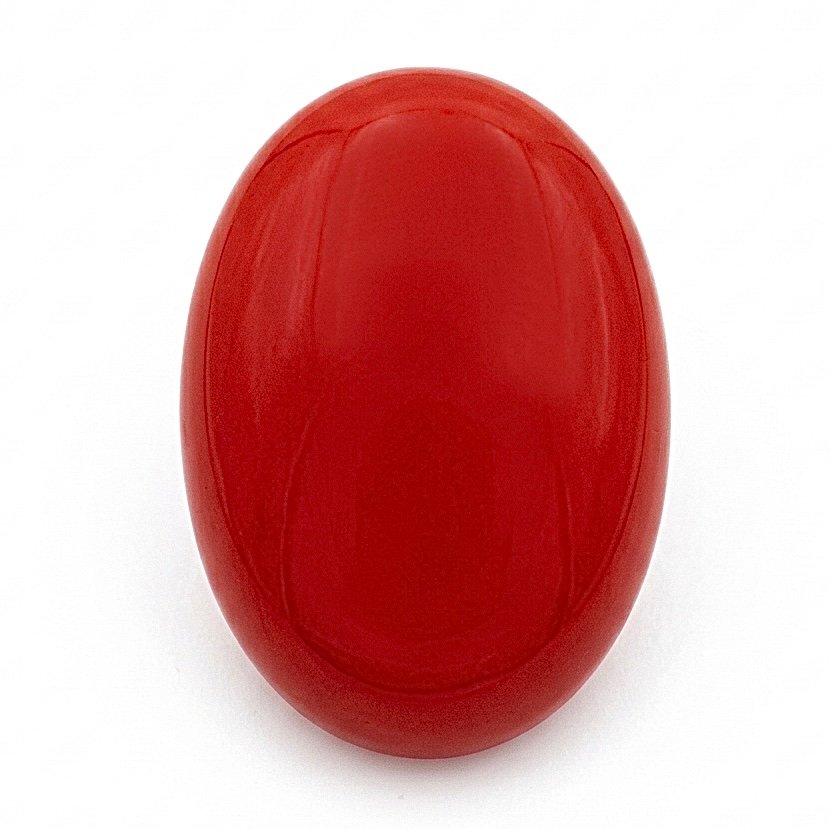 Red Coral (मूंगा)
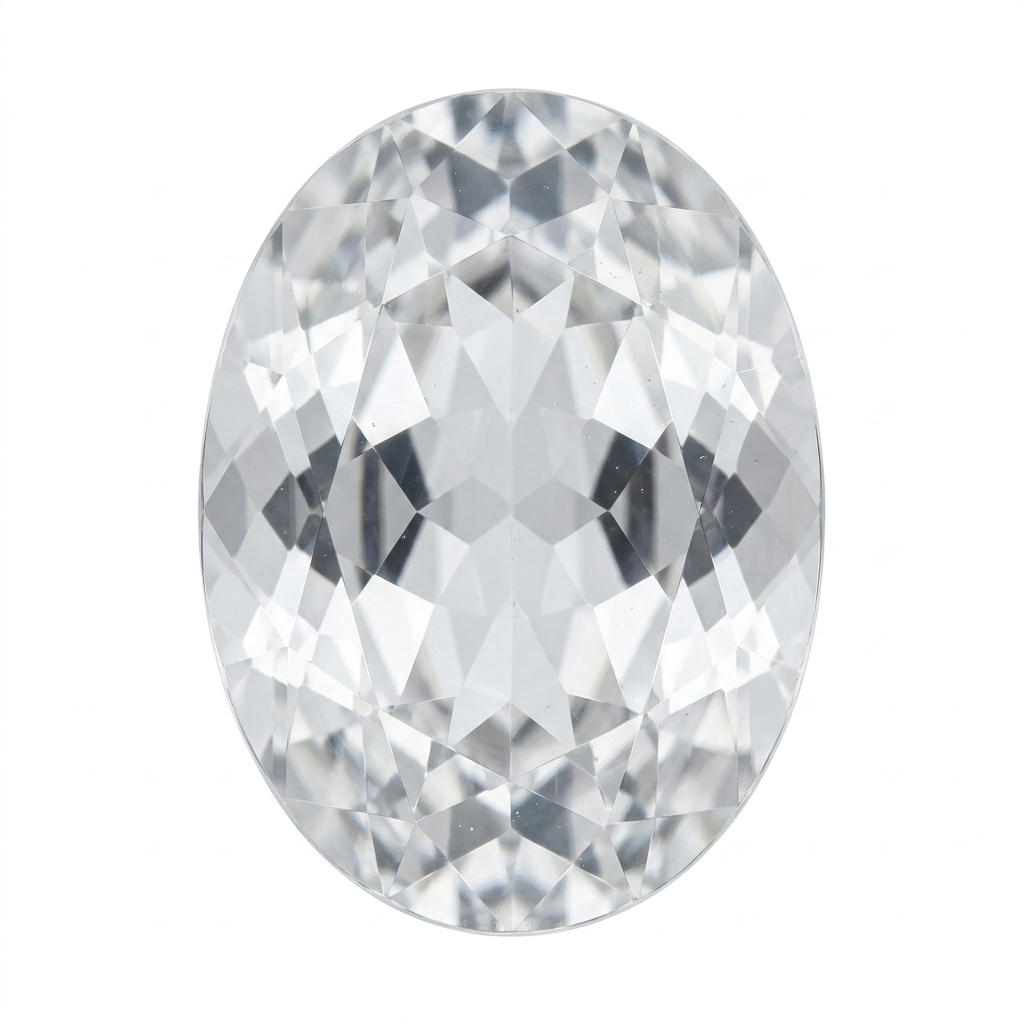 WHITE TOPAZ
 15 JAN
Few gems carry as much weight —
in jewellery or in tradition — as Blue Sapphire (Neelam). It has been set in
royal engagement rings, and in India it is spoken of with a mix of admiration
and caution because of its link with Shani. Whatever brings you to it, the
questions are the same: what makes a Neelam good, how do you tell natural from
synthetic, and what should you pay?
This guide covers the stone's
properties and colour range, the types you will meet, the famous origins, its
traditional significance, blue sapphire price factors, and practical checks for
buying online.
Blue Sapphire (Neelam) is the
blue variety of corundum. Traces of iron and titanium create its colour. It is
one of the traditional precious gems and, alongside ruby and emerald, among the
most important coloured gemstones in the world. In India it is also one of the
Navratnas, associated with Saturn.
|
Property |
Blue sapphire stone |
|
Mineral |
Corundum (Al₂O₃) |
|
Colour cause |
Iron and titanium |
|
Hardness (Mohs) |
9 |
|
Refractive index |
Approx. 1.762 – 1.770 |
|
Specific gravity |
Approx. 4.00 |
|
Pleochroism |
Strong — violet-blue and
greenish-blue from different directions |
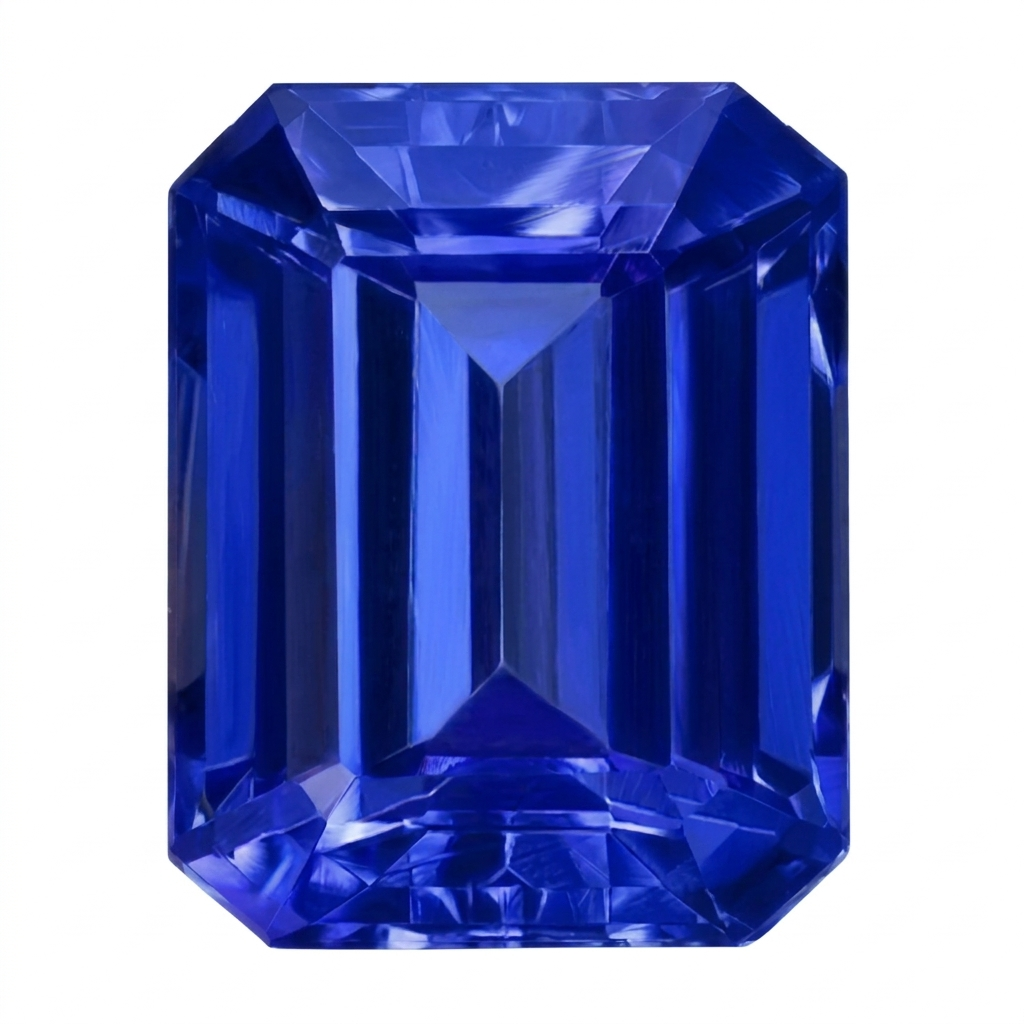
Colour ranges from pale
"cornflower" blue to rich royal blue to very dark, almost inky blue.
The most valued stones show a vivid, medium to medium-dark blue that stays
bright in both daylight and indoor light. Colour zoning — bands of stronger and
weaker blue — is common, and a good cutter orients the stone so the face looks
even. Inclusions such as fine silk, crystals and healed fractures are normal in
a natural blue sapphire; in Kashmir stones, extremely fine silk produces the
famous soft, velvety look.
|
Type |
What it means |
Market position |
|
Natural, unheated |
No indication of heating
(lab-confirmed) |
Highest premium |
|
Natural, heated |
Heated to improve colour or
clarity |
Market standard |
|
Natural, diffused or filled |
Beryllium/titanium diffusion
or glass filling |
Much lower value |
|
Synthetic |
Lab-grown corundum |
Lowest; not natural |
Formed in the earth. Natural
describes origin, not treatment, so always read the treatment line on the
report.
Most sapphire on the market has
been heated to deepen colour or dissolve silk. It is permanent and accepted in
the trade when disclosed. Many astrologers accept heated Neelam; some prefer
unheated stones.
Only a minority of rough is fine
enough to sell without heating. Lab-confirmed unheated stones, especially from
Sri Lanka, Myanmar or Kashmir, carry a significant premium.
Lab-grown sapphire has been made
for over a century. It can look flawless and very blue. Under magnification,
gemologists look for curved growth lines, gas bubbles or flux residues — but
this needs proper equipment.
• Kashmir: the legend. Mined mainly in the
late 19th century in the Padar region of the Himalayas, Kashmir stones have a
soft, velvety royal blue. Very few reach the market, and they need strong
laboratory documentation.
• Sri Lanka (Ceylon): bright, lively blues, often
lighter and very clean. Ratnapura has been a gem centre for centuries.
• Myanmar (Burma): deep, saturated royal blue from
the Mogok region.
• Madagascar: a major modern source since the
late 1990s, producing everything from commercial to very fine stones.
Thailand, Australia and parts of
Africa also produce Neelam, often darker because of higher iron content. Origin
alone does not prove quality or authenticity, and should be backed by a
laboratory opinion if it affects the price you pay.
In Jyotish, a Neelam stone is
the gem of Shani (Saturn), the planet of discipline, work, delay and reward for
effort. It is traditionally described as one of the strongest and
fastest-acting stones, and therefore one of the most carefully prescribed.
Commonly cited blue sapphire benefits include focus, career stability and
protection from setbacks when Saturn is favourable — these are cultural and
astrological beliefs, not proven effects.
Because tradition also holds
that an unsuitable Neelam can bring difficulty, astrologers usually recommend
it only after a full chart reading — often for Taurus, Libra, Capricorn and
Aquarius ascendants — and many suggest a short trial period. It is commonly
worn on the middle finger in silver or panchdhatu, first put on on a Saturday.
Astrological associations in
this guide are traditional beliefs. They are not scientifically established
effects and are not a substitute for medical, financial or other professional
advice.
Blue sapphire price varies more
than almost any other coloured stone. The main factors are:
• Colour: a vivid, medium-dark blue
commands the most; overly dark or greyish stones less.
• Clarity: eye-clean stones are worth
more.
• Carat weight: price per carat rises sharply
above about two and five carats.
• Cut: good proportions improve
brightness and face-up colour.
• Treatment: unheated at the top; heated
standard; diffused or glass-filled far lower.
• Origin evidence: a lab report stating Kashmir,
Burma or Sri Lanka can add significantly.
• Laboratory report: documentation from a respected
lab supports value and resale.
We do not quote fixed figures —
prices depend on the individual stone and change with the market.
Natural blue sapphire forms over
millions of years under heat and pressure. Synthetic sapphire is grown in a lab
in days or weeks. Both are corundum. Visual inspection alone is not conclusive:
a synthetic stone can look better than a natural one. A laboratory test is the
only reliable way to separate them — and to detect diffusion or glass filling,
which are also hard to spot without equipment.
• Budget: decide your range, then choose
between size and quality.
• Colour: look in daylight and indoor
light; avoid stones that turn inky indoors.
• Dimensions: check millimetre size, not just
carats; deep stones can look small.
• Treatment disclosure: know whether it is heated,
unheated or diffused.
• Documentation: insist on a verifiable report
for any significant purchase.
• Detailed photos and video of the
actual stone in different lighting.
• Full specifications: weight,
dimensions, shape, treatment.
• Report information you can
verify on the lab's website.
• A clear return policy.
• Seller details — address, phone
number and history.
Gems N Diamond has dealt in
natural sapphires from Karol Bagh and Lajpat Nagar in Delhi since 1972. Each
Neelam listing on gemsndiamond.com shows the stone's specifications and
certification details.
Choosing a Blue Sapphire
(Neelam) comes down to colour, clarity, treatment and documentation — and, if
you are buying for astrology, proper advice first. Compare stones side by side
in the Blue Sapphire collection, and make a verified report part of every
serious purchase.
Q What
is Blue Sapphire (Neelam)?
A The
blue variety of corundum, coloured by iron and titanium. In India it is called
Neelam and is associated with Saturn in Vedic astrology.
Q Which
factors determine Blue Sapphire quality?
A Colour
(hue, tone and saturation), clarity, cut, carat weight and treatment status,
with origin documentation as an added factor.
Q What
affects Blue Sapphire price?
A Colour,
clarity, size, cut, treatment, laboratory-supported origin and the quality of
the documentation.
Q What
is the difference between heated and unheated Blue Sapphire?
A Heated
sapphire has been heated to improve colour or clarity, which is permanent and
common. Unheated sapphire shows no evidence of heating and is rarer, so it
usually costs more.
Q How
can I verify a Blue Sapphire?
A Ask
for a report from a recognised gemological laboratory, check that it states
natural origin and treatment, and verify the report number on the lab's
website.
Q What
should I check before buying Neelam online?
A Photos
and video of the actual stone, full specifications, a verifiable lab report,
the return policy and the seller's contact details — and, for astrological use,
your astrologer's recommendation.
Blue Sapphire (Neelam): Types, Colours, Origin, Quality and Complete Buying Guide

Yellow Sapphire (Pukhraj): Properties, Benefits, Types and Complete Buying Guide

Astro Gemstone Guide: How to Choose the Right Gemstone According to Your Birth Chart

Birthstones by Zodiac Signs: Complete Guide to Gemstones for All 12 Zodiac Signs

Japanese White Coral Stone: Origin, Properties, Astrology and Buying Guide

 Blue Sapphire
 Emerald (PANNA)
 Pink Sapphire
 Yellow Sapphire
 White Sapphire
 Ruby
 Rudraksha
 Bracelet
