

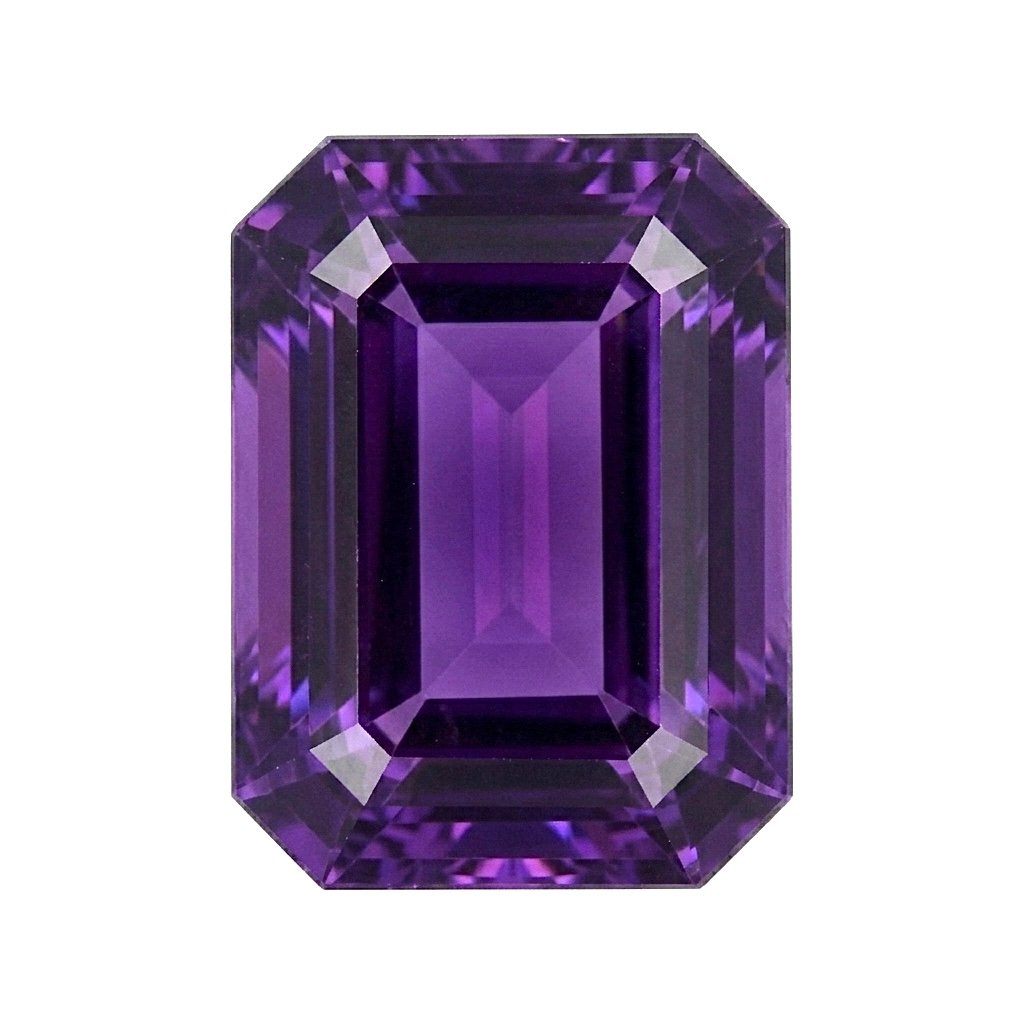
 Amethyst (ऐमेथिस्ट)
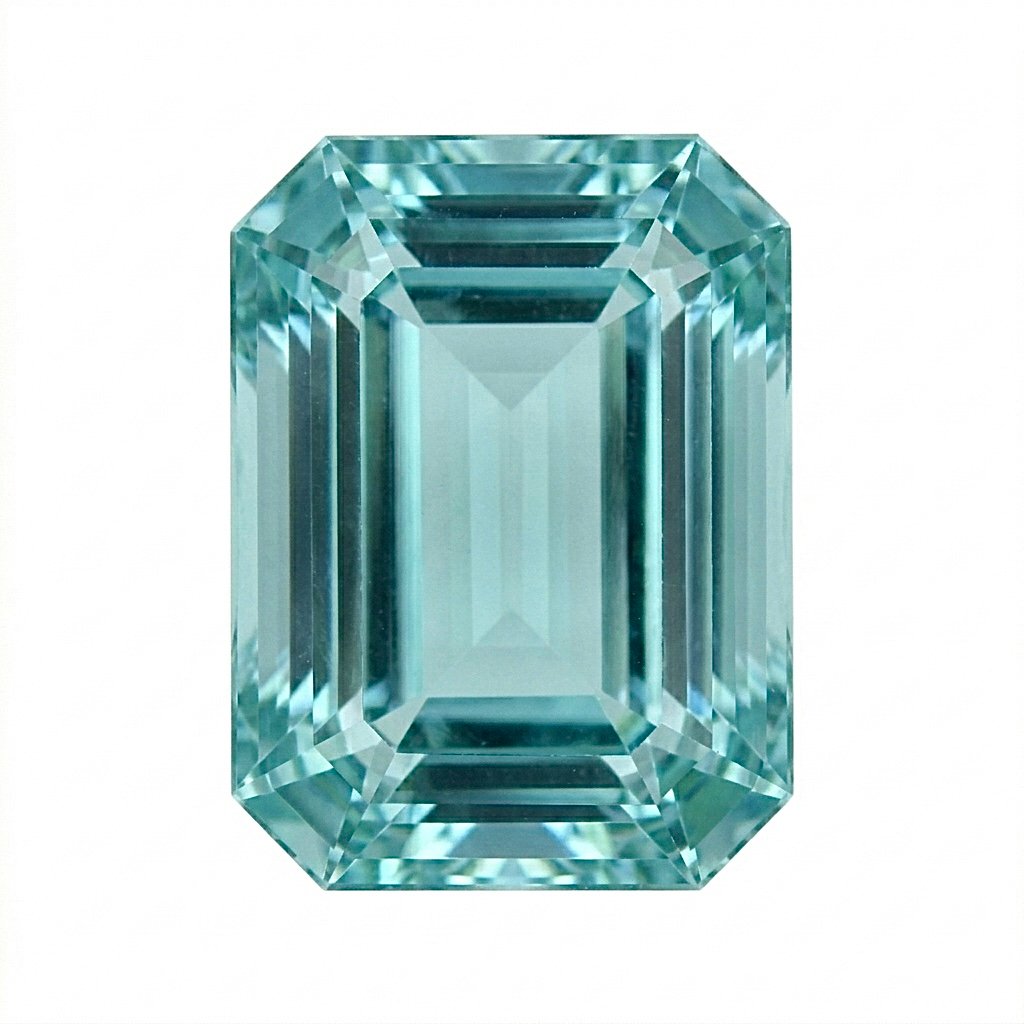 Aquamarine
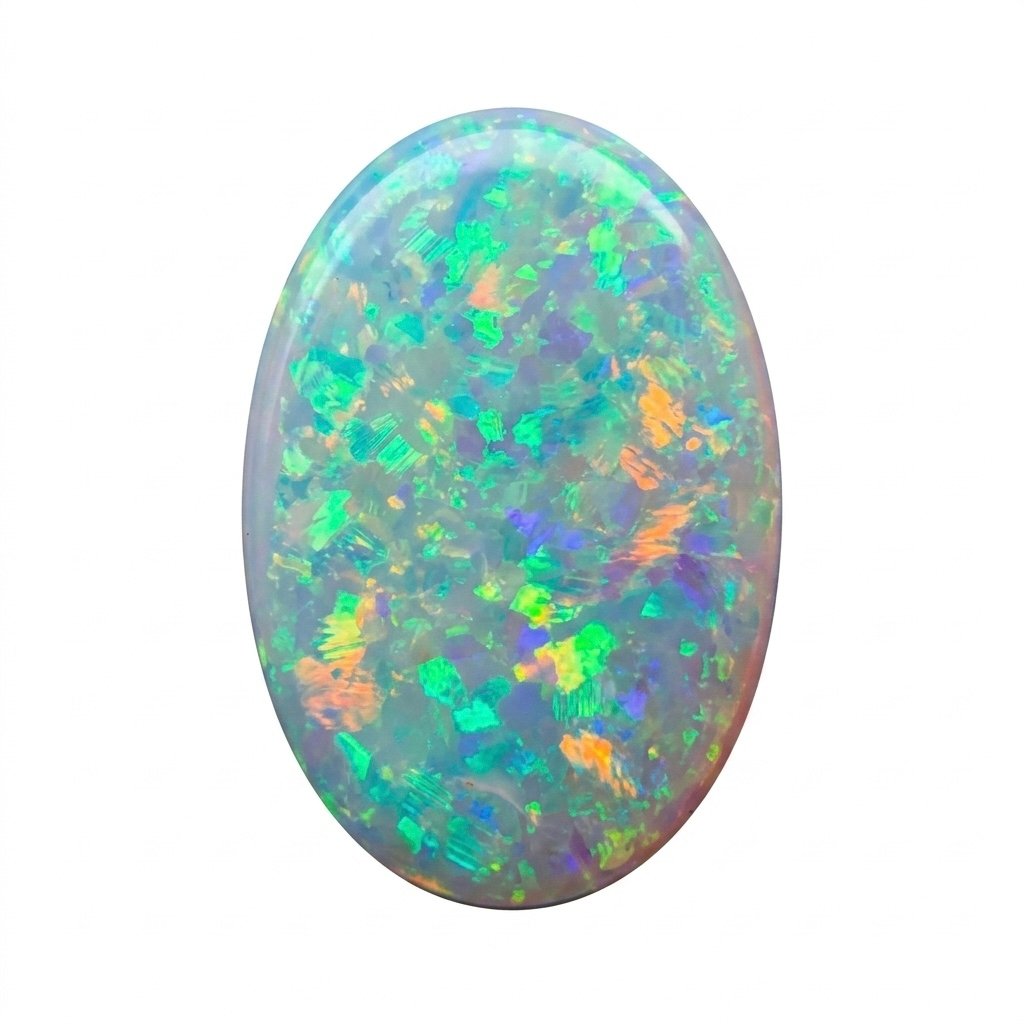 Australian Opal (ओपल)
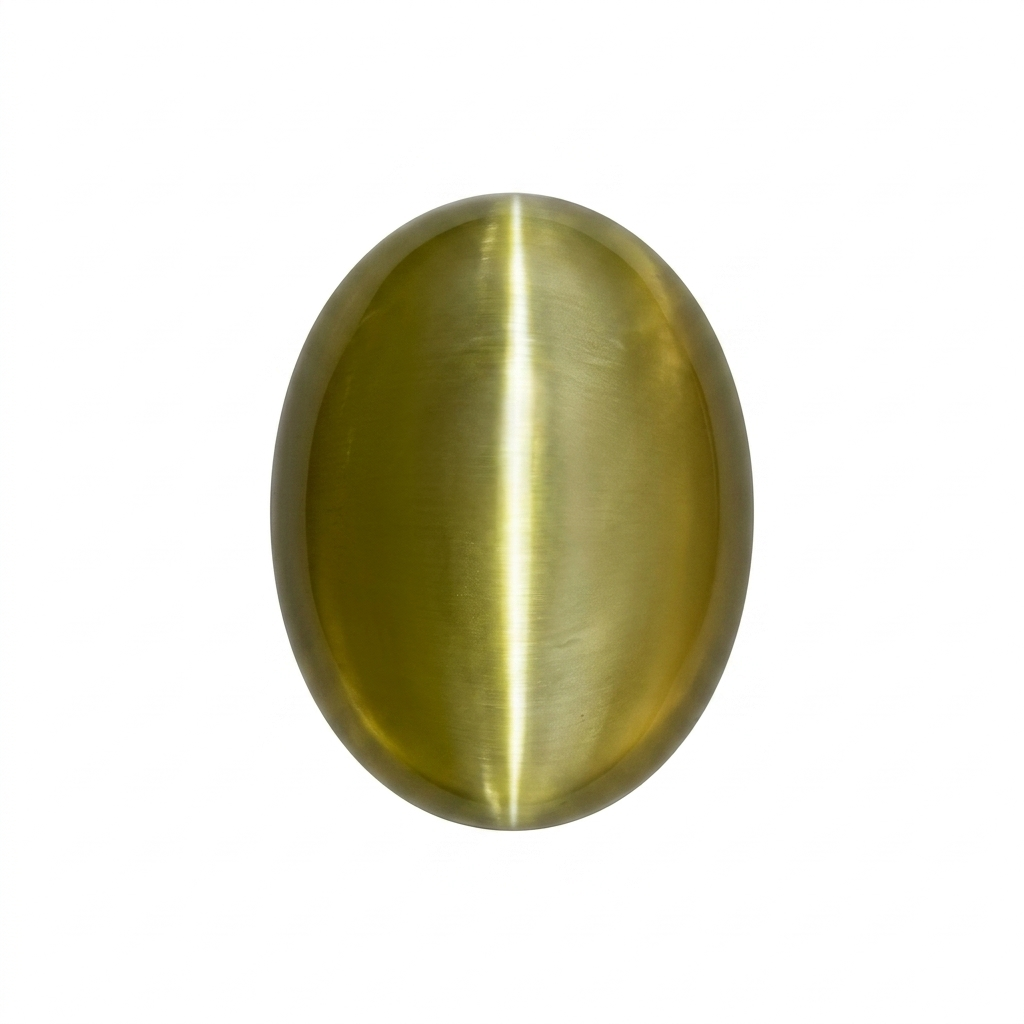 Catseye (लहसुनिया)
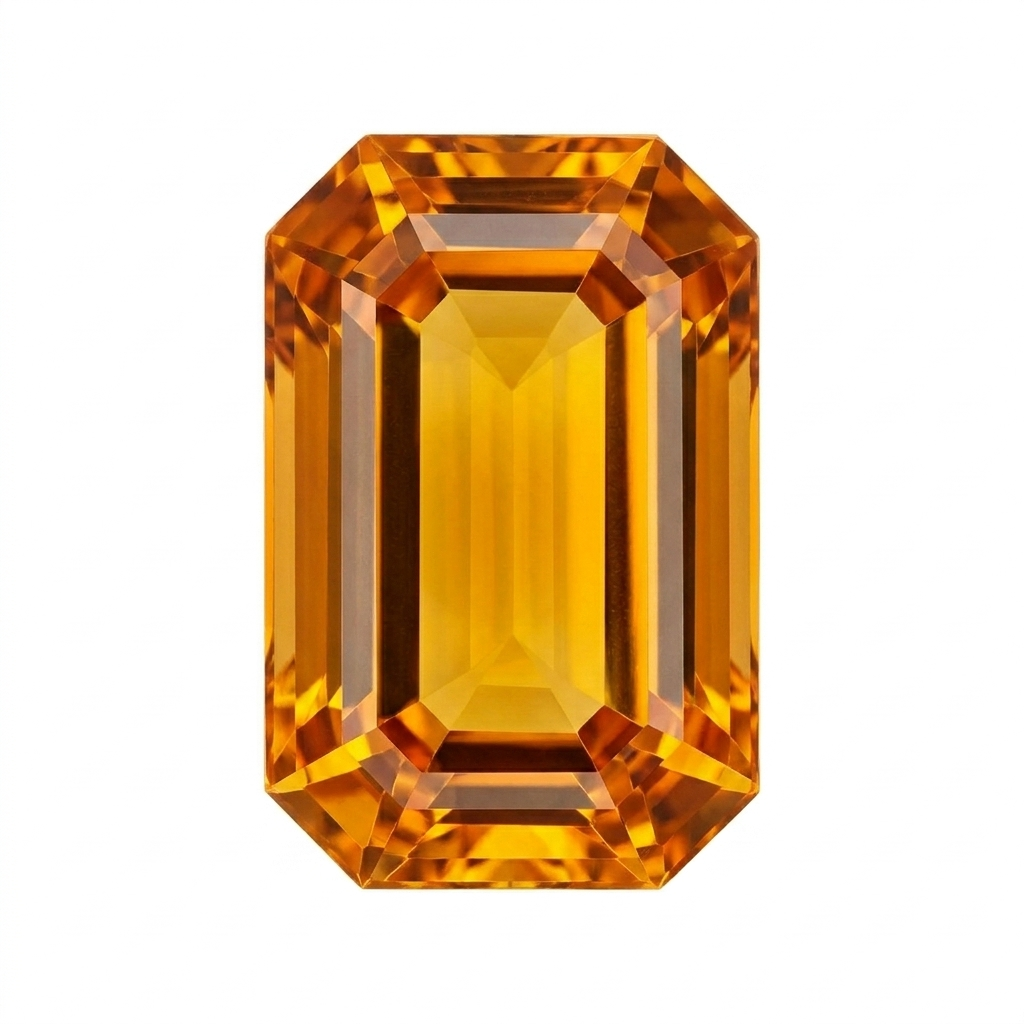 Citrine (सुनेहला)
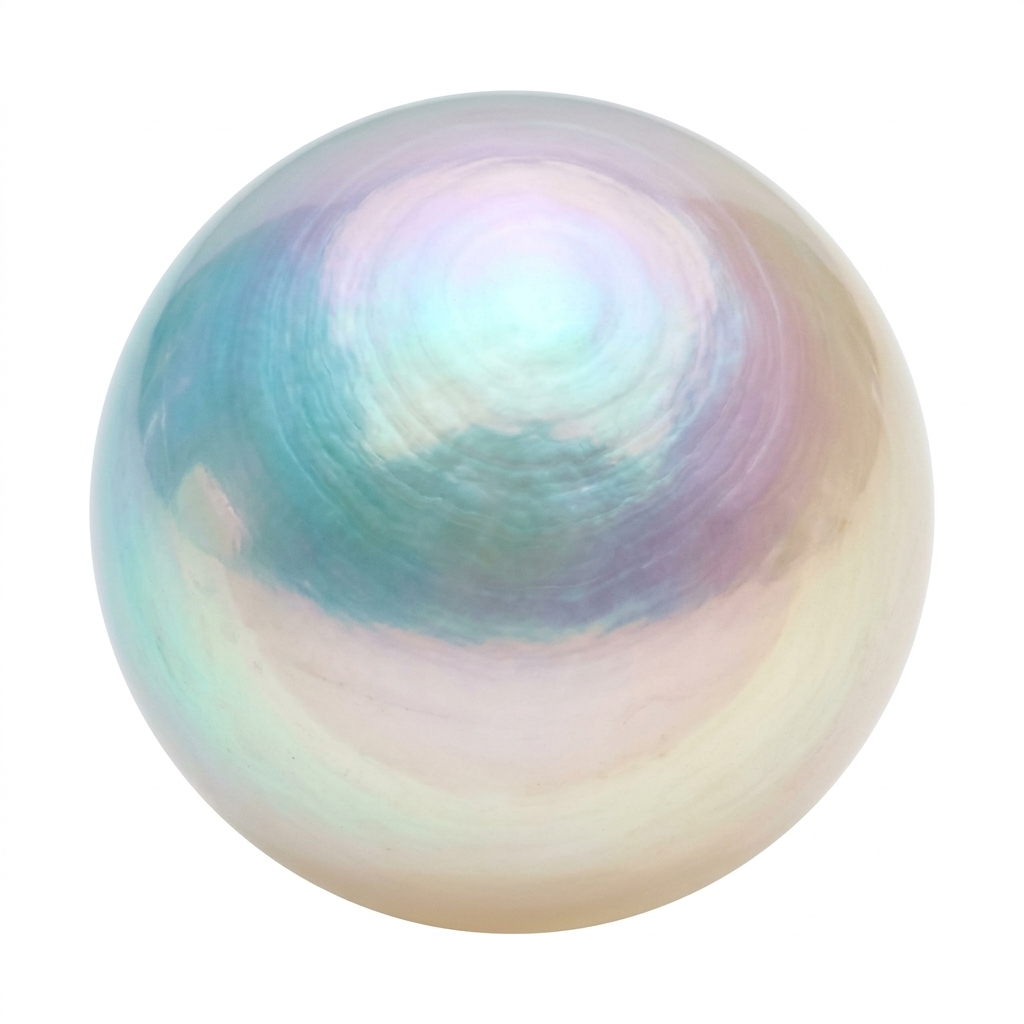 Fresh Water Pearl
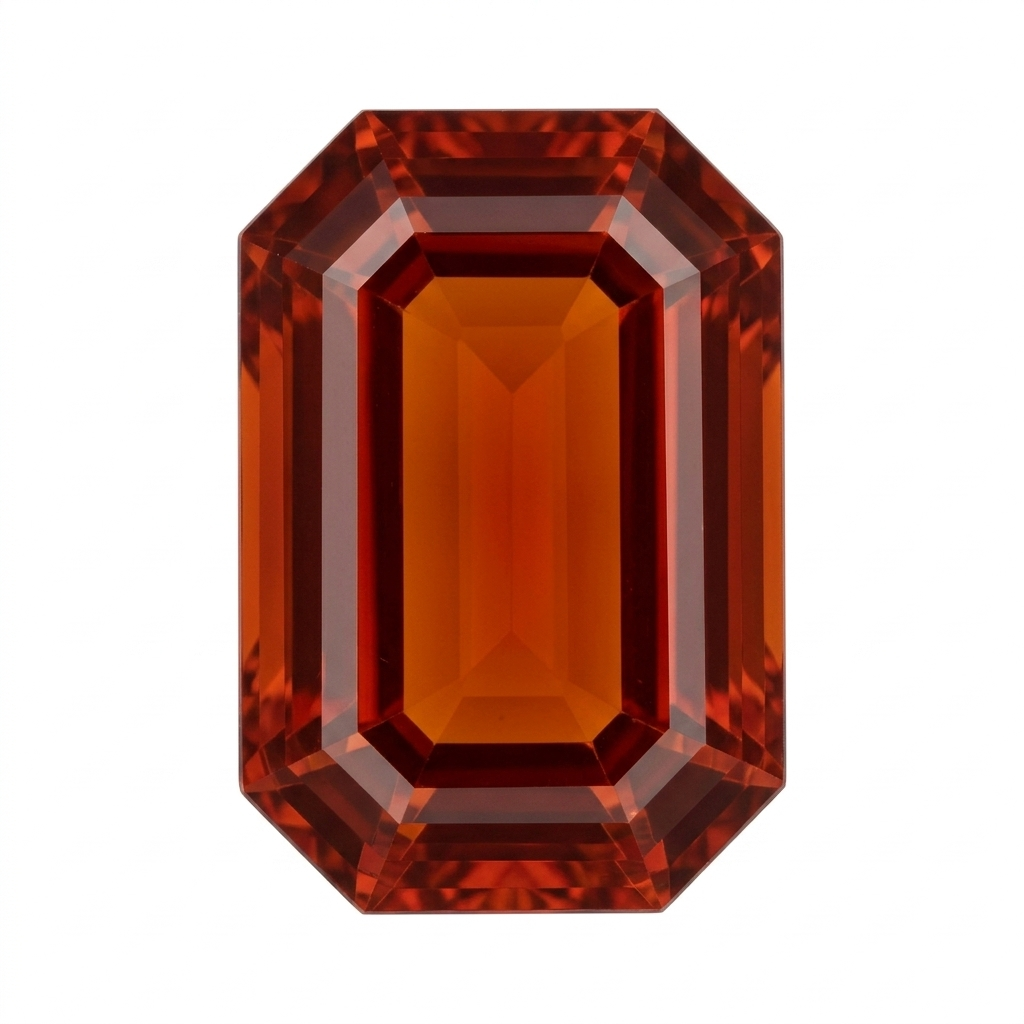 Hessonite (गोमेद)
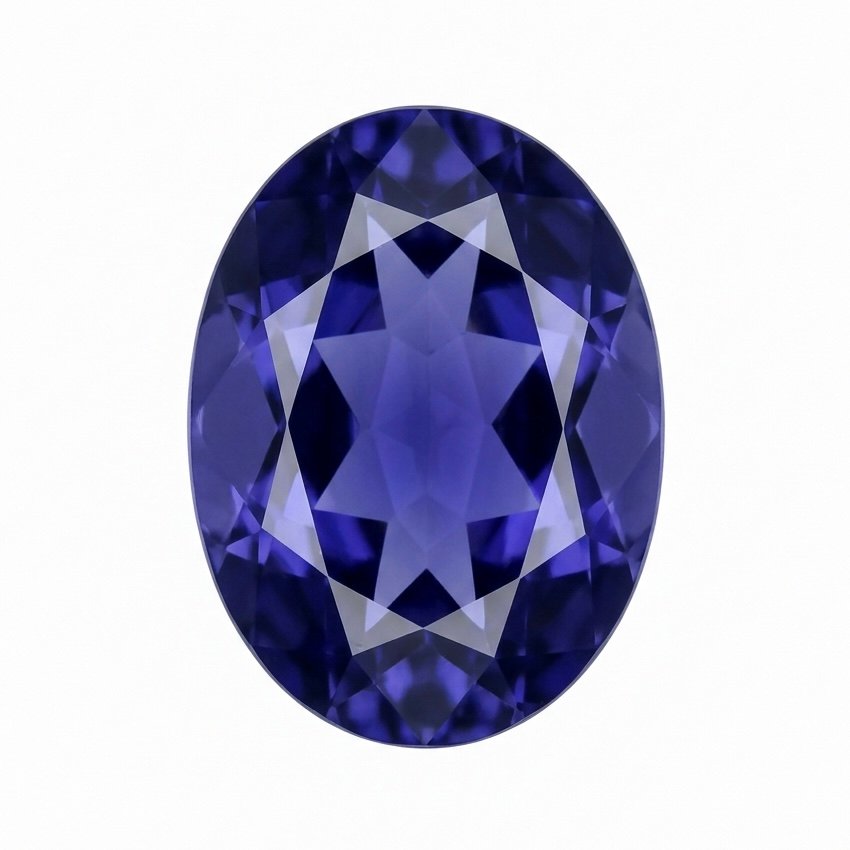 IOLITE (KAKA NILI)
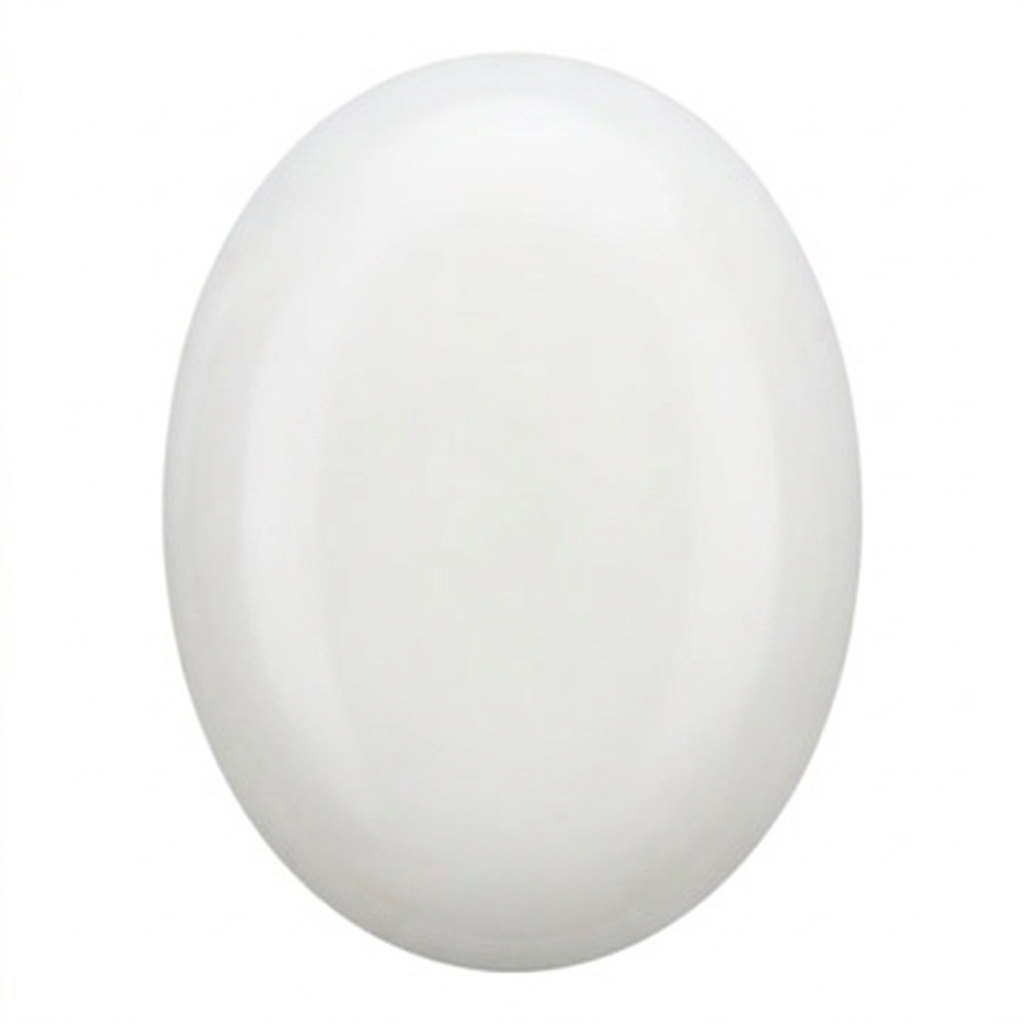 Japanese White Coral (मूंगा)
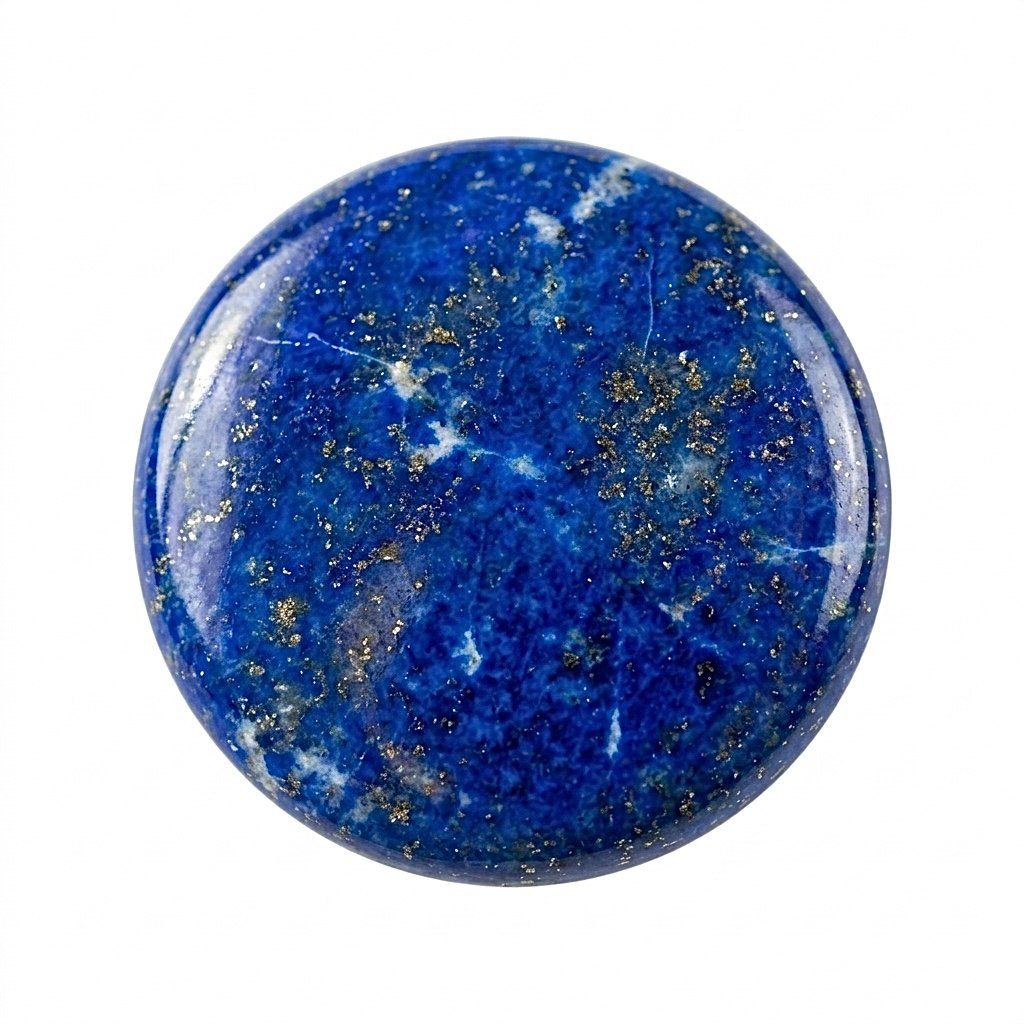 Lapis
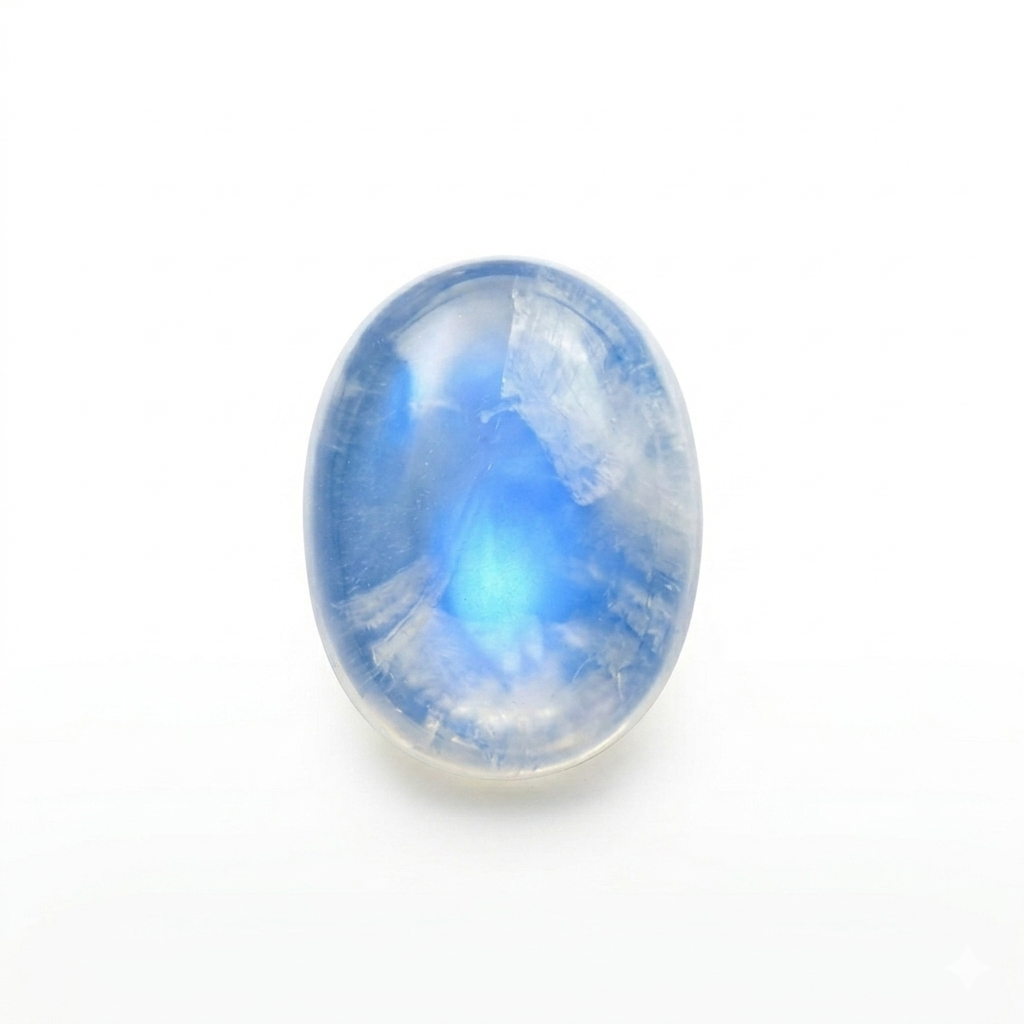 Moonstone
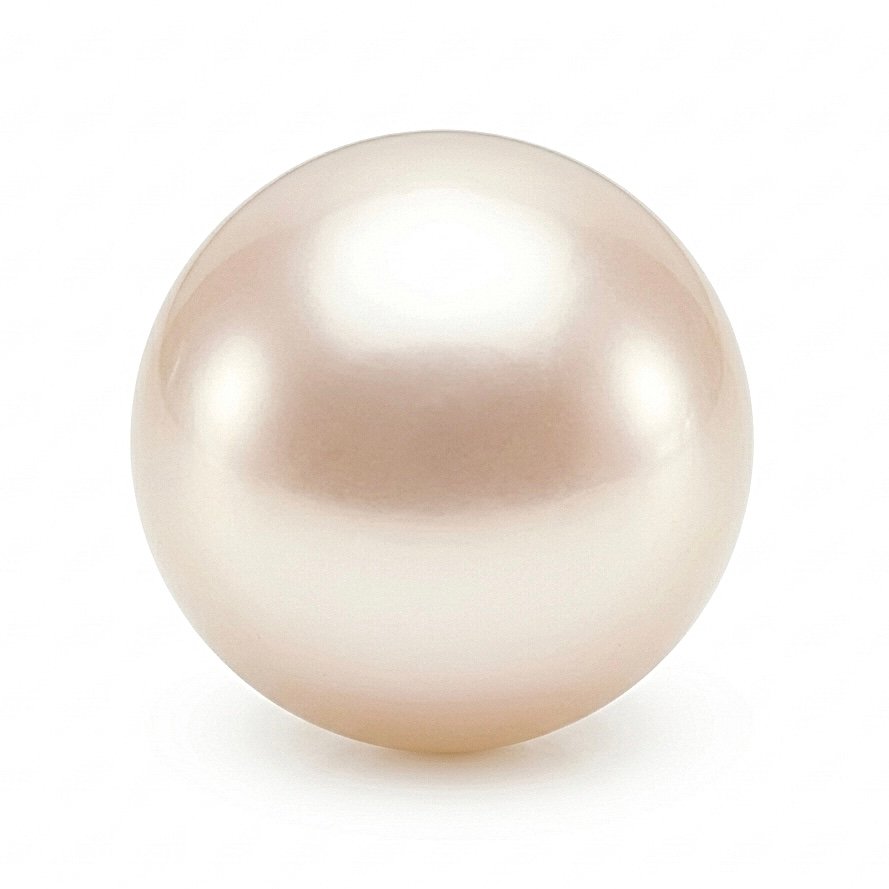 Natural South Sea Pearl
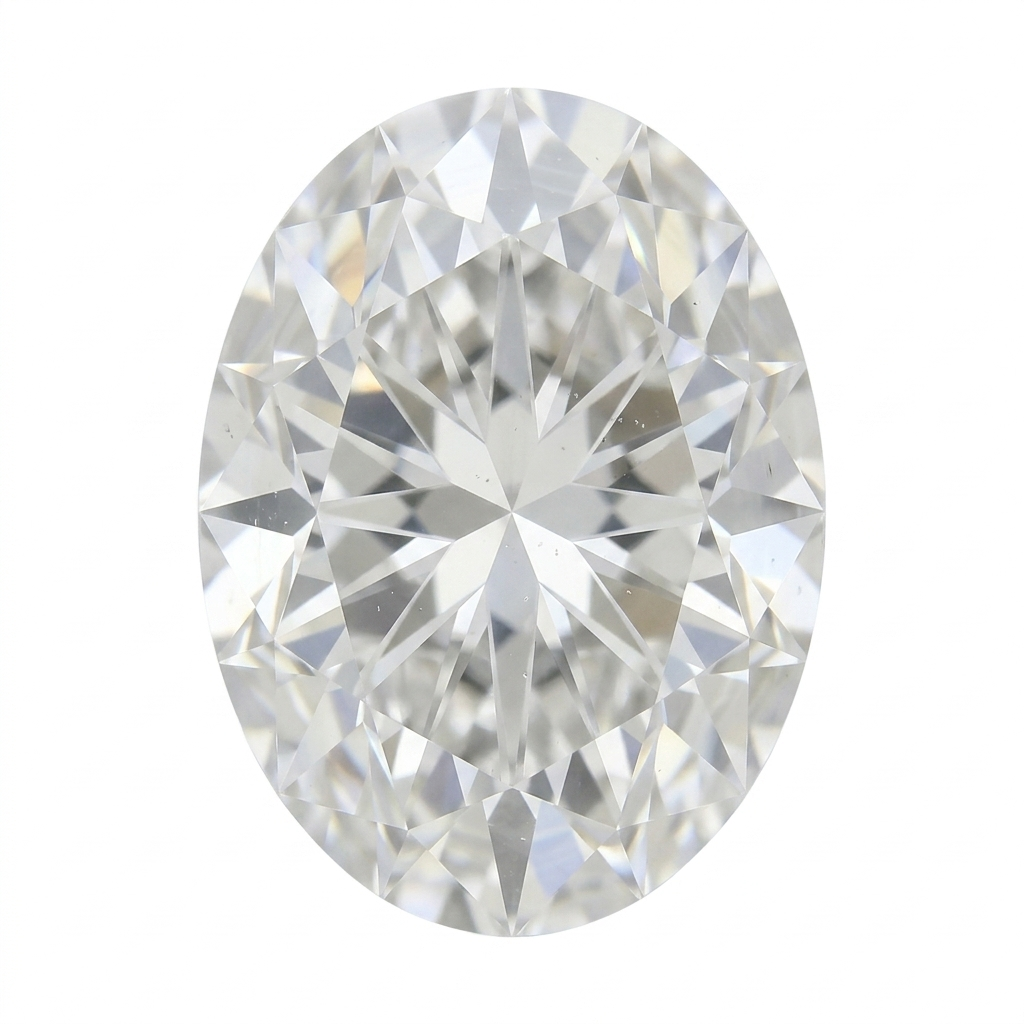 Natural Zircon
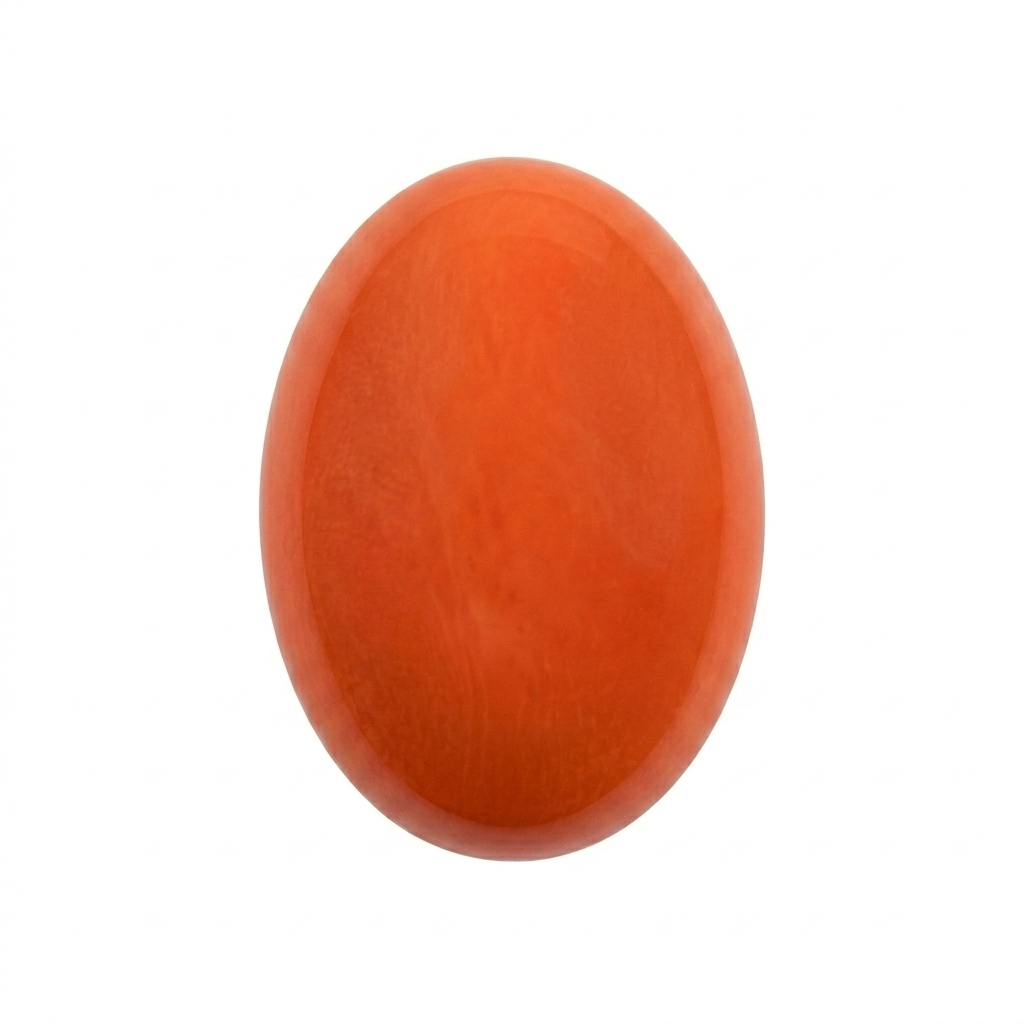 Orange Coral (मूंगा)
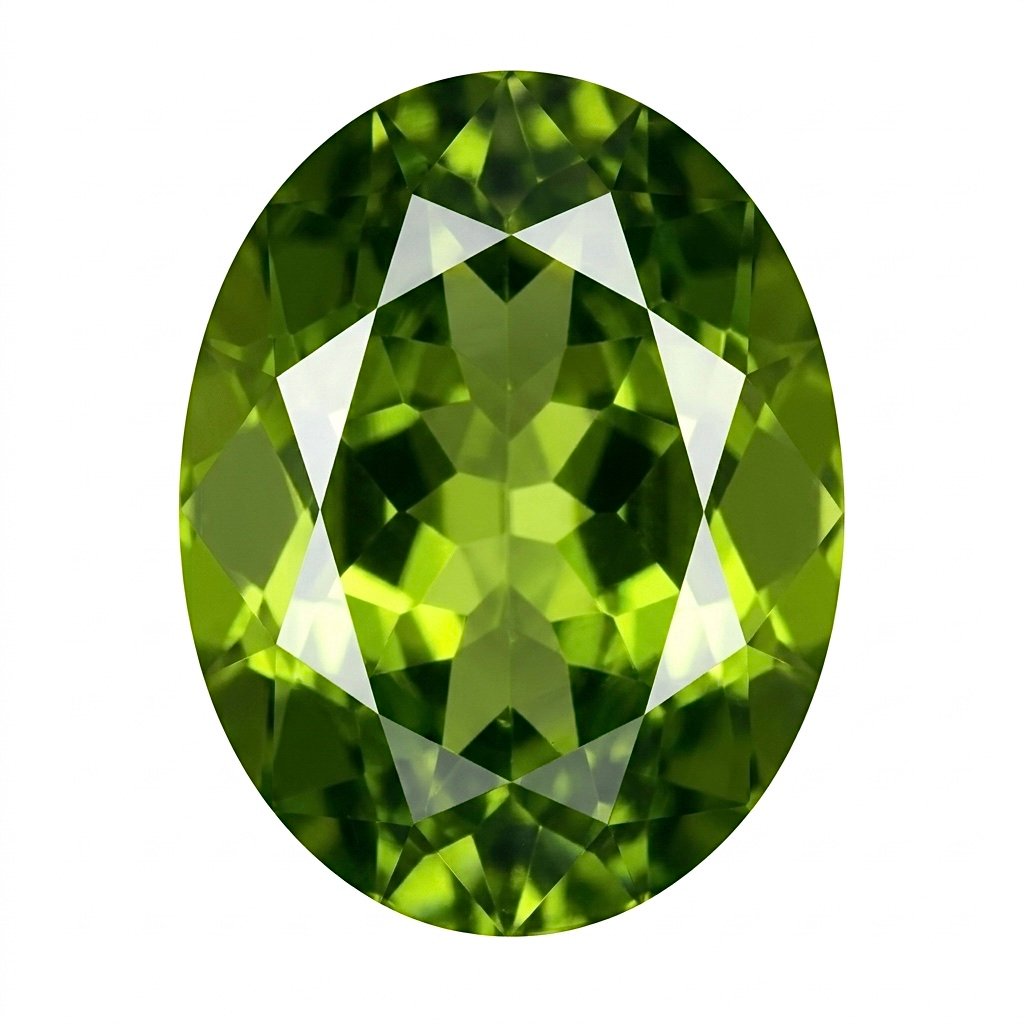 Peridot
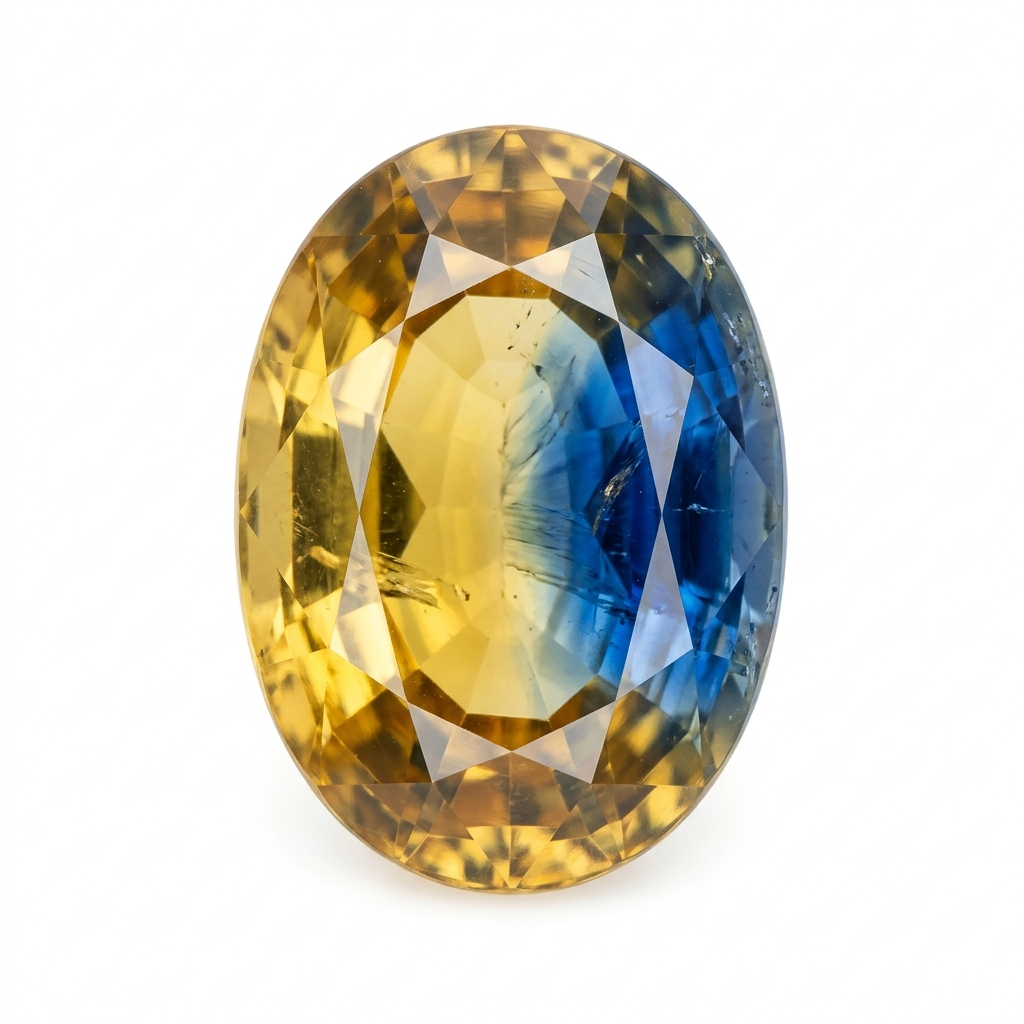 Pitambari
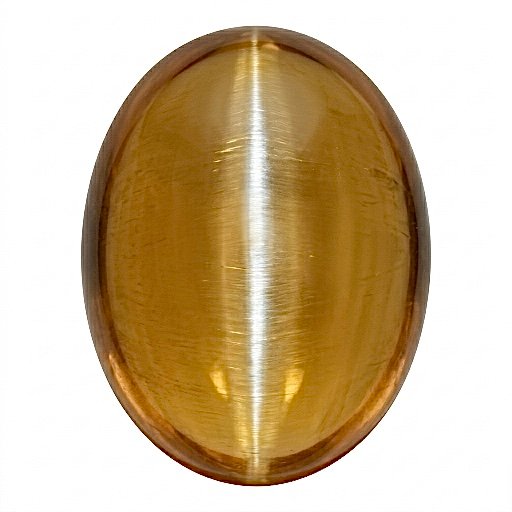 Quartz Catseye
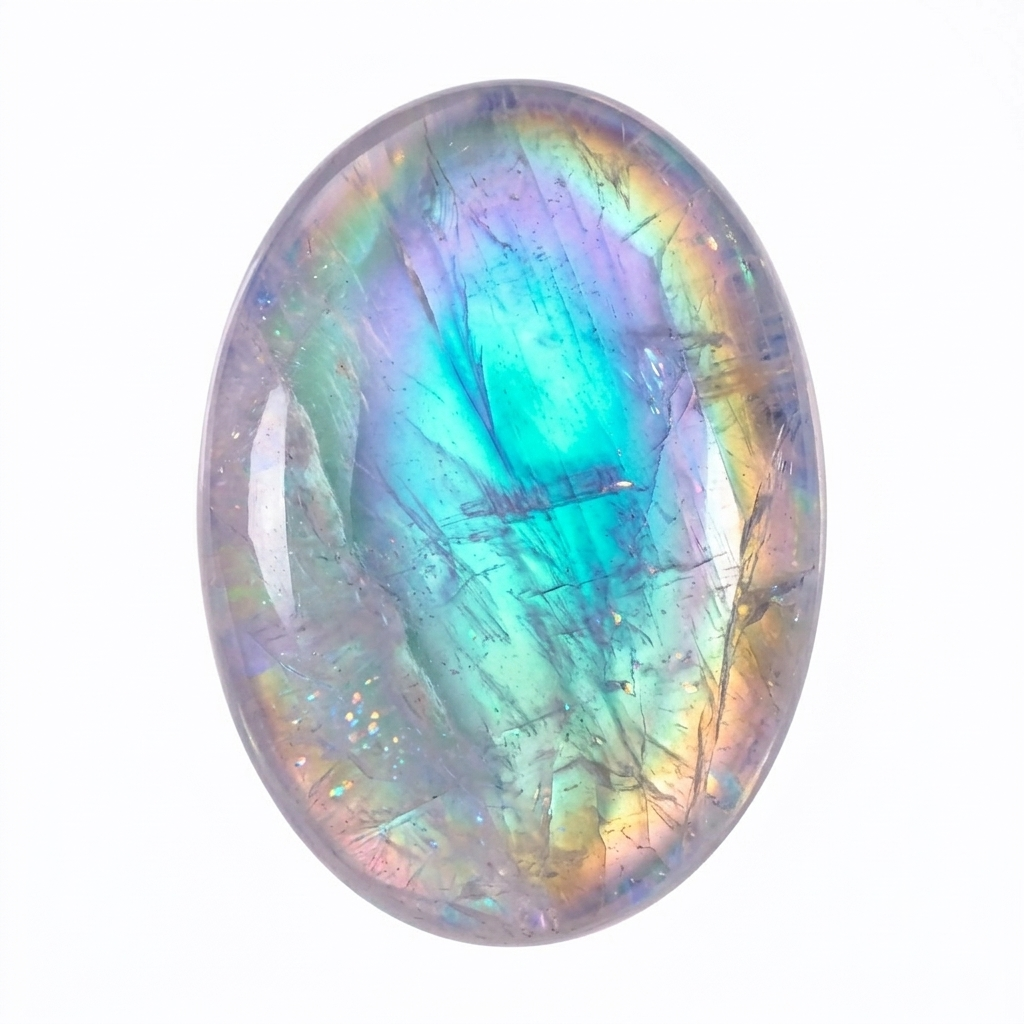 Rainbow Moonstone
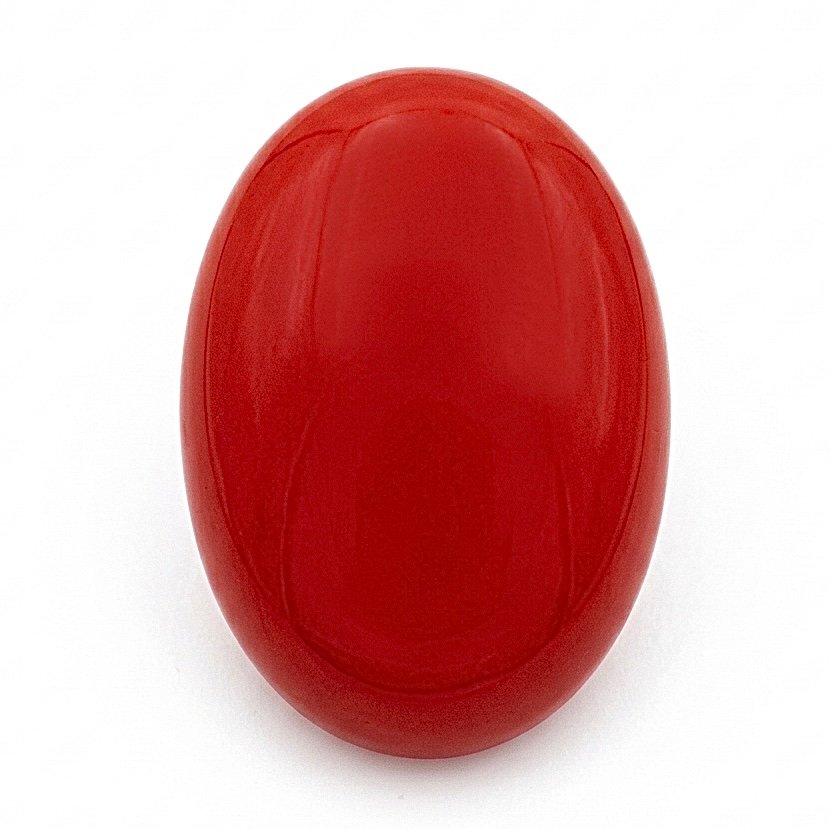 Red Coral (मूंगा)
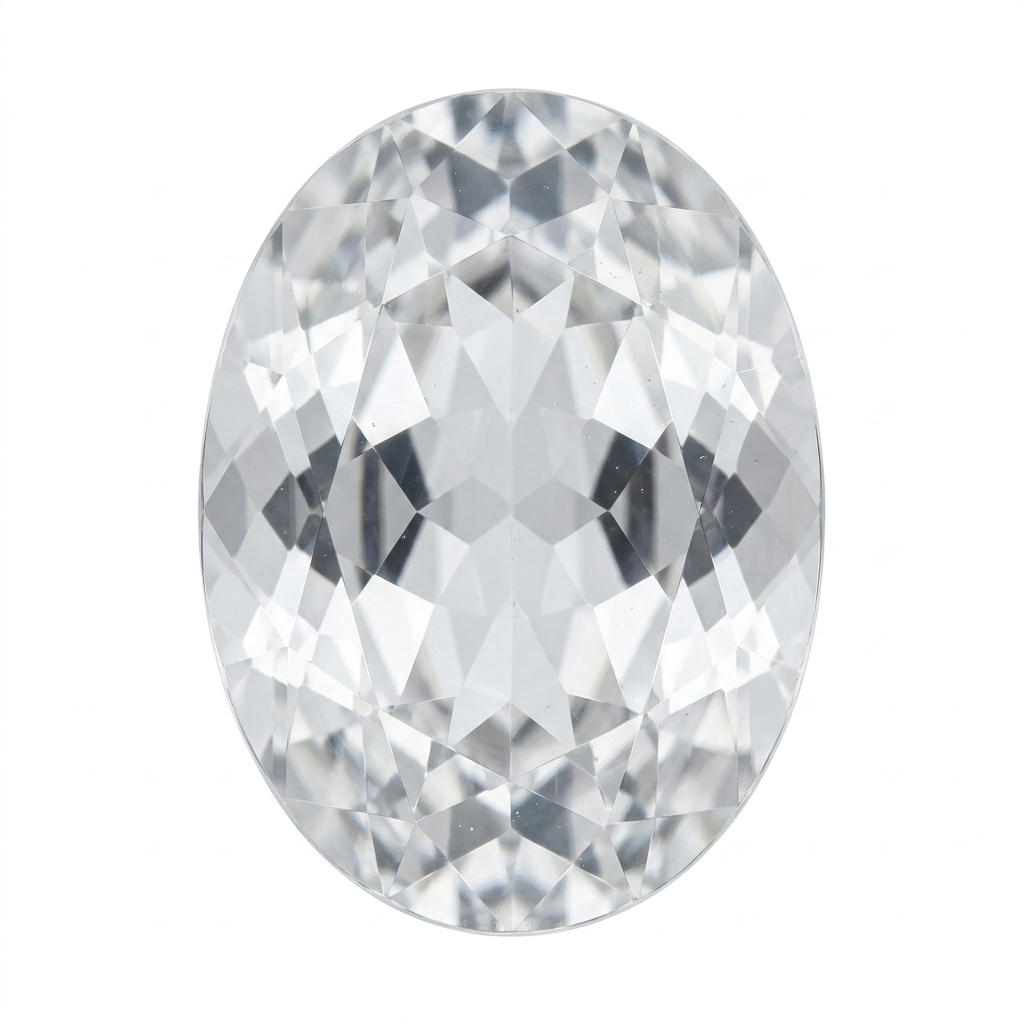 WHITE TOPAZ
 15 JAN
An astro gemstone is rarely an
impulse buy. Most people come to it after a conversation with an astrologer, a
family elder or a friend who swears by their Pukhraj. And most come with the
same worry: what if I pick the wrong one?
That worry is reasonable. In
Vedic tradition, the right astro gemstone is the one your birth chart calls for
— not the one that matches your sign, your favourite colour or a list online.
This guide explains how that selection works, how to judge the stone itself,
and the mistakes buyers make most often. Astrological effects are described
here as traditional beliefs.
An astro gemstone is a natural
gemstone worn for its astrological association with a planet. In Jyotish, nine
stones — the Navratnas — correspond to the nine grahas. The stone is believed
to carry and strengthen the influence of its planet for the wearer. Astrology
gemstones are therefore chosen for a purpose, which makes the selection process
more important than with ordinary jewellery.
The link rests on colour and
correspondence. Classical texts associate each planet with a colour, a metal, a
day and a gem: the Sun with red and ruby, the Moon with white and pearl,
Jupiter with yellow and yellow sapphire, Saturn with deep blue and blue sapphire,
and so on. Rahu and Ketu, the lunar nodes, are linked with hessonite and cat's
eye. Works such as Varahamihira's Brihat Samhita discuss gem quality in detail,
and later astrological practice built the Navratna system on these
associations.
|
Planet |
Gemstone |
Common metal |
Common finger |
Common day |
|
Surya (Sun) |
Ruby (Manik) |
Gold |
Ring finger |
Sunday |
|
Chandra (Moon) |
Pearl (Moti) |
Silver |
Little finger |
Monday |
|
Mangal (Mars) |
Red Coral (Moonga) |
Gold or copper |
Ring finger |
Tuesday |
|
Budh (Mercury) |
Emerald (Panna) |
Gold |
Little finger |
Wednesday |
|
Guru (Jupiter) |
Yellow Sapphire (Pukhraj) |
Gold |
Index finger |
Thursday |
|
Shukra (Venus) |
Diamond (Heera) |
Platinum, silver or white gold |
Middle or ring finger |
Friday |
|
Shani (Saturn) |
Blue Sapphire (Neelam) |
Silver or panchdhatu |
Middle finger |
Saturday |
|
Rahu |
Hessonite (Gomed) |
Silver or panchdhatu |
Middle finger |
Saturday |
|
Ketu |
Cat's Eye (Lehsunia) |
Silver or panchdhatu |
Ring or little finger |
Tuesday or Thursday |
Metals, fingers and days above
are the most commonly cited traditional practices. They vary between
astrologers and regional traditions.
Every chart has helpful and
unhelpful planets. A planet is considered functionally benefic or malefic for
you depending on which houses it rules from your ascendant. The same planet can
help one person and trouble another. That is the entire reason a gemstone
according to astrology is never picked by sign alone.
Here is an example practitioners
often use. For a Taurus ascendant, Saturn rules both the 9th and 10th houses,
which makes it a highly favourable planet (a yoga karaka). Blue sapphire is
frequently considered for such charts. For a Leo ascendant, Saturn rules the
6th and 7th houses and is generally treated with caution — the same Neelam
would usually be avoided. Same stone, opposite advice.
You will need your exact date,
time and place of birth. From these, an astrologer works out your ascendant
(lagna), Moon sign and planetary positions. They then look at:
• The ascendant lord — usually the first planet
considered for strengthening.
• The 5th and 9th house lords — traditionally regarded as
favourable.
• Lords of the 6th, 8th and 12th
houses —
traditionally avoided for gemstones.
• Planetary strength and dignity — whether a planet is exalted,
debilitated, combust or well placed.
• The current dasha — the planetary period you are
running, which often shapes the timing.
Once a planet is chosen, the
stone follows from the Navratna table. Some astrologers also suggest uparatnas
(substitute stones) — for example, red garnet for the Sun or amethyst for
Saturn — when budget or availability is a concern. Ask your astrologer whether
a substitute is acceptable before buying one.
Traditional guidance favours
stones that are natural, of good colour, transparent where the variety allows,
and free from cracks and dark spots. Weight is usually prescribed — often in
ratti, at roughly 0.9 to 0.91 carat per ratti depending on convention. A larger
stone is not automatically "stronger"; follow the prescription.
|
Type |
What it is |
Generally accepted for
astrology? |
|
Natural, untreated |
Formed in the earth, no
enhancement |
Yes — preferred |
|
Natural, heat-treated |
Natural stone heated to
improve colour |
Commonly accepted (e.g. ruby,
sapphire) |
|
Natural, filled or dyed |
Fractures filled with
glass/resin, or colour added |
Widely considered unsuitable |
|
Synthetic (lab-grown) |
Same chemistry, made in a lab |
Not accepted |
|
Imitation |
Glass or another material |
Not accepted |
For an astro gemstone, the top
two rows are the ones to look for.
Most problems with an astro
gemstone come from a handful of avoidable mistakes:
• Choosing by Sun sign or online
quiz. Horoscope
gemstones depend on the whole chart.
• Wearing several powerful stones
together without
advice; some combinations are traditionally avoided, such as ruby with blue
sapphire.
• Buying uncertified stones to save money, and ending up
with synthetic or glass-filled material.
• Confusing ratti and carat when matching the prescribed
weight.
• Believing guarantees. No honest seller can promise
specific results from astrological stones.
If you buy certified gemstones
online, choose a seller who shows the laboratory report for the exact stone,
states natural origin and treatment clearly, gives weight in both carats and
ratti, and offers a written return policy. Verify the report number yourself on
the lab's website.
Gems N Diamond (gemsndiamond.com)
has supplied astrological stones from Karol Bagh and Lajpat Nagar in Delhi
since 1972. Each listing shows the stone's specifications and certification
details so you can match it to your astrologer's recommendation before
ordering.
The right astro gemstone starts
with your chart, not with the shop. Get a proper reading, understand why a
particular planet is being strengthened, and then buy a natural, certified
stone of the prescribed weight. That sequence keeps both the tradition and your
money in safe hands.
Q What
is an astro gemstone?
A A
natural gemstone worn for its traditional association with a planet in Vedic
astrology, such as ruby for the Sun or yellow sapphire for Jupiter.
Q How
do I know which gemstone is suitable for me?
A Traditionally,
through a birth-chart analysis that considers your ascendant, house lordships,
planetary strength and current dasha. Sun-sign lists are not enough.
Q Should
I consult an astrologer before wearing an astro gemstone?
A Yes.
Vedic practice holds that the same stone can suit one person and not another,
so a qualified astrologer should review your chart first.
Q Does
gemstone quality matter in astrology?
A Yes.
Practitioners prefer natural, untreated or minimally treated stones with good
colour and no major cracks. Synthetic and glass-filled stones are generally not
accepted.

Blue Sapphire (Neelam): Types, Colours, Origin, Quality and Complete Buying Guide

Yellow Sapphire (Pukhraj): Properties, Benefits, Types and Complete Buying Guide
Astro Gemstone Guide: How to Choose the Right Gemstone According to Your Birth Chart

Birthstones by Zodiac Signs: Complete Guide to Gemstones for All 12 Zodiac Signs

Japanese White Coral Stone: Origin, Properties, Astrology and Buying Guide

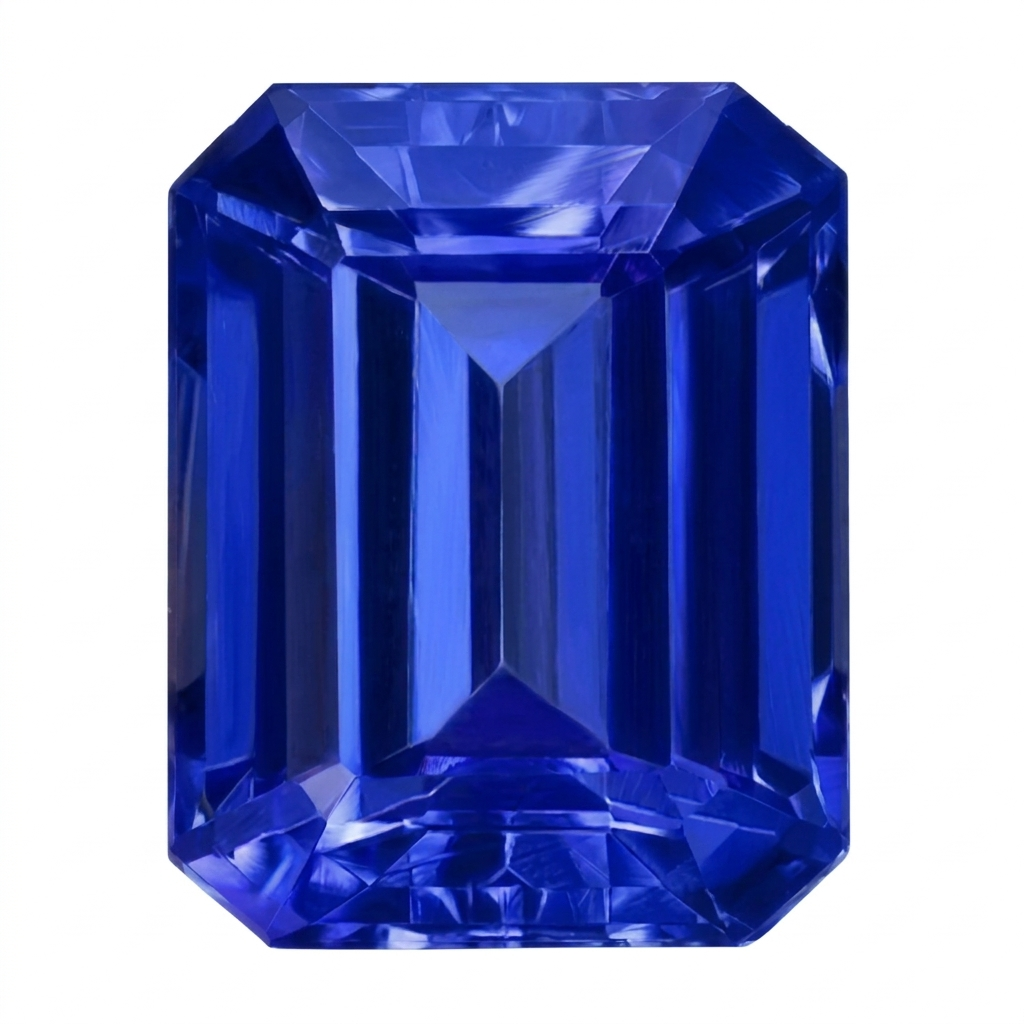 Blue Sapphire
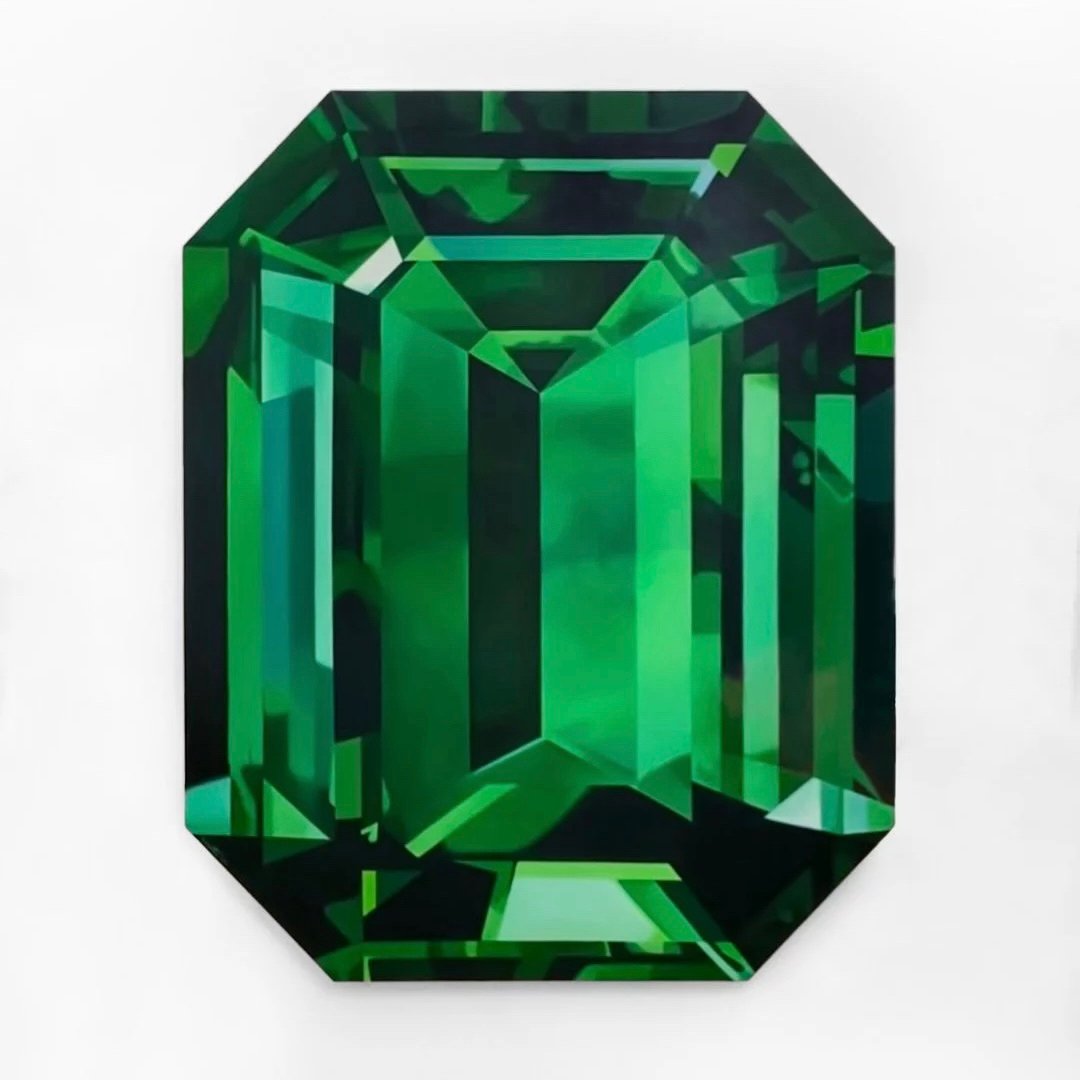 Emerald (PANNA)
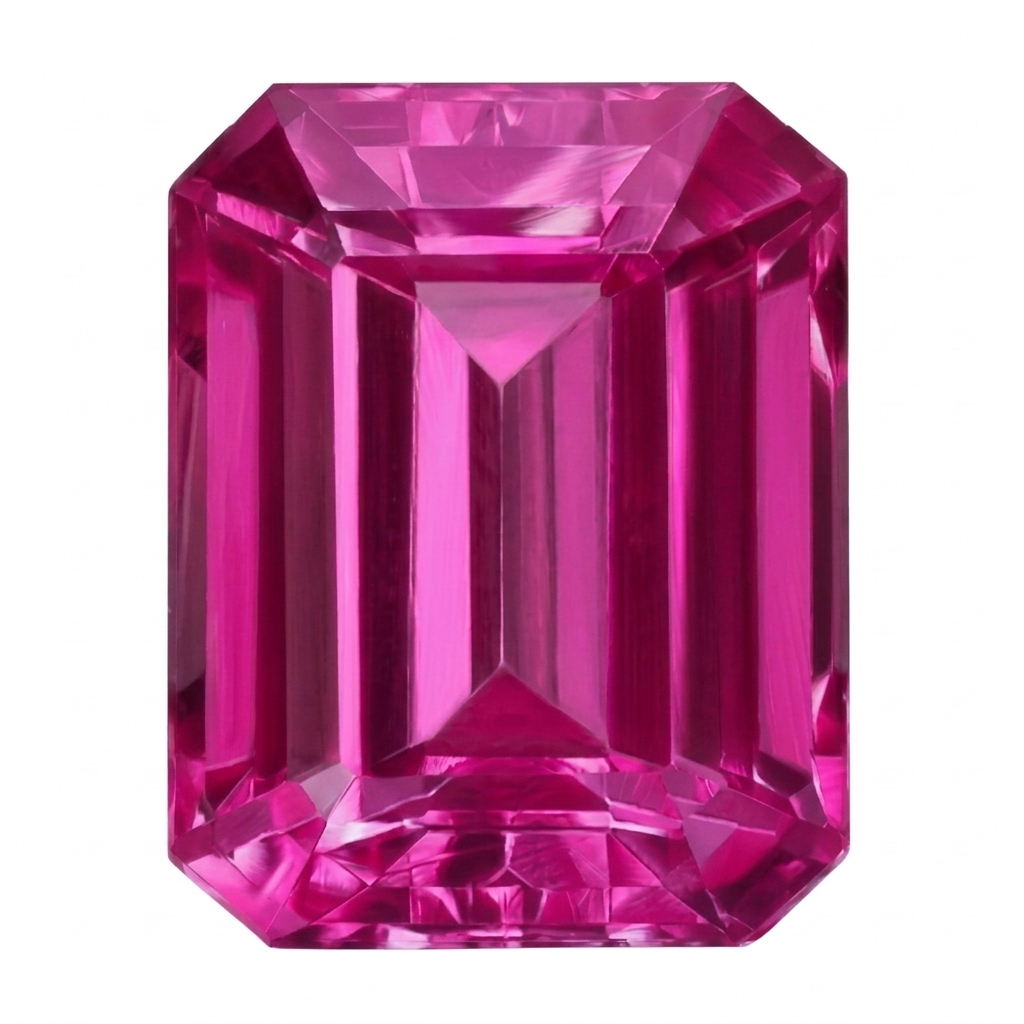 Pink Sapphire
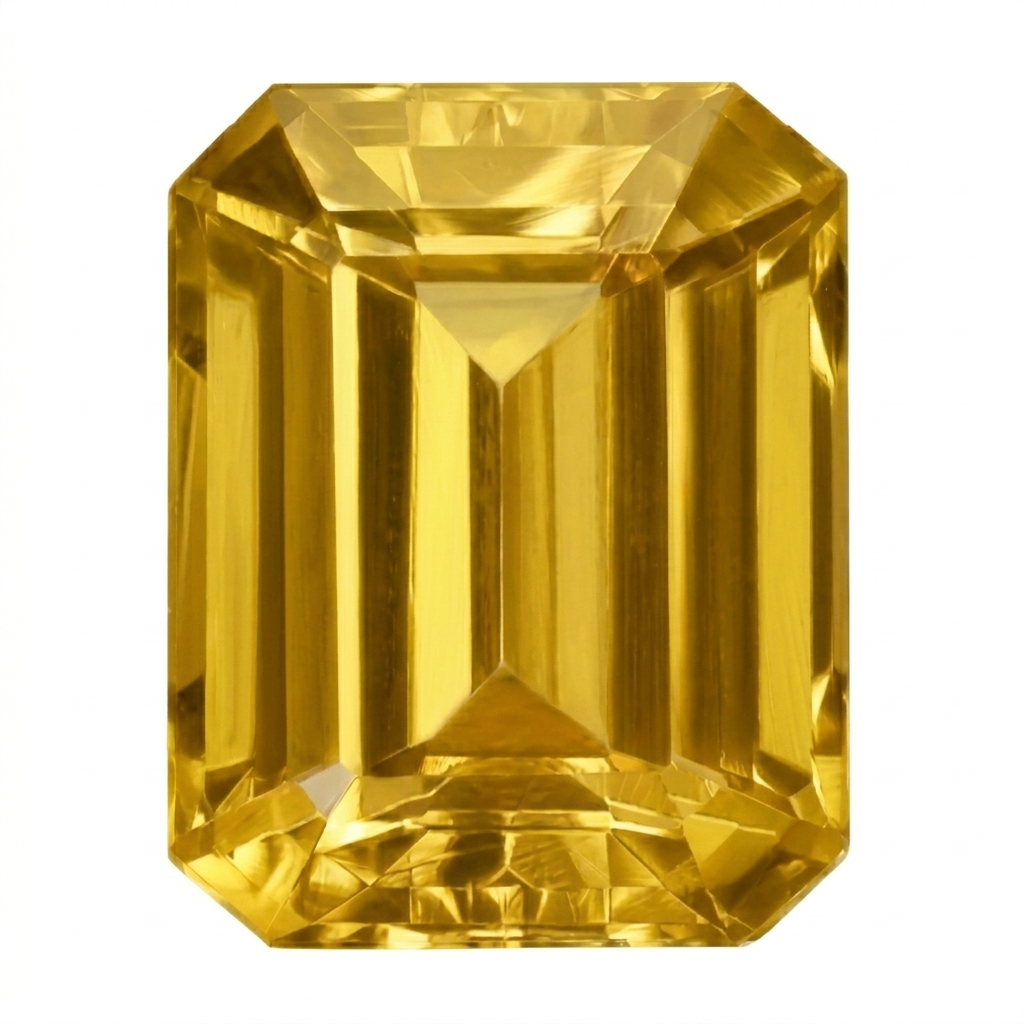 Yellow Sapphire
 White Sapphire
 Ruby
 Rudraksha
 Bracelet
