
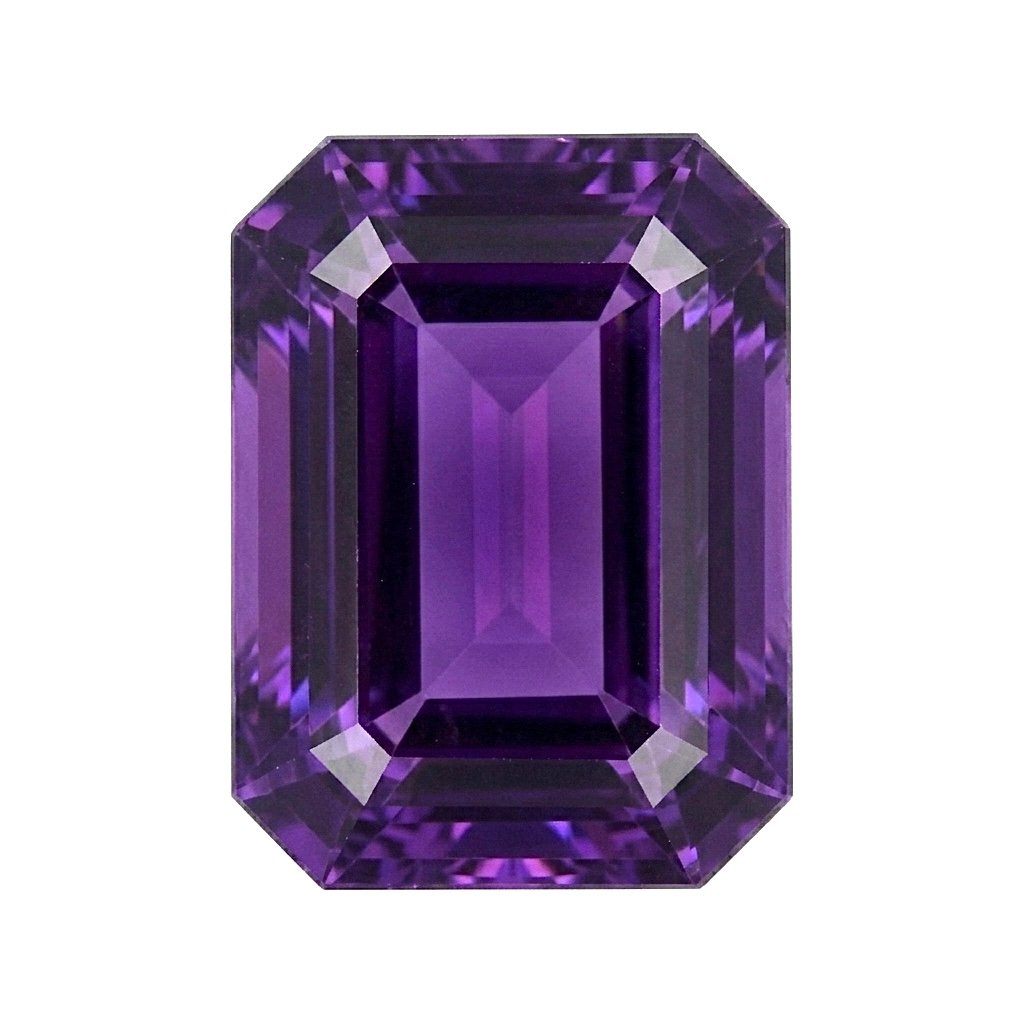
 Amethyst (ऐमेथिस्ट)
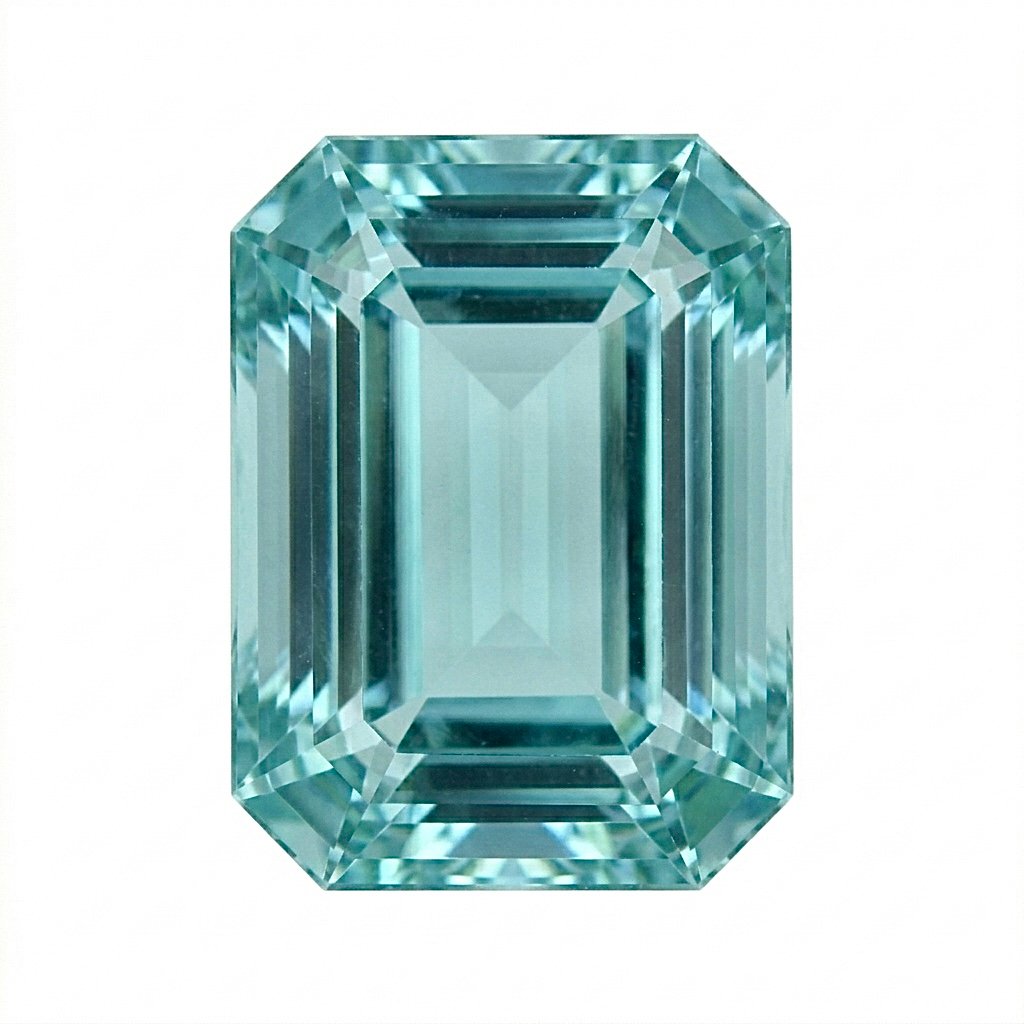 Aquamarine
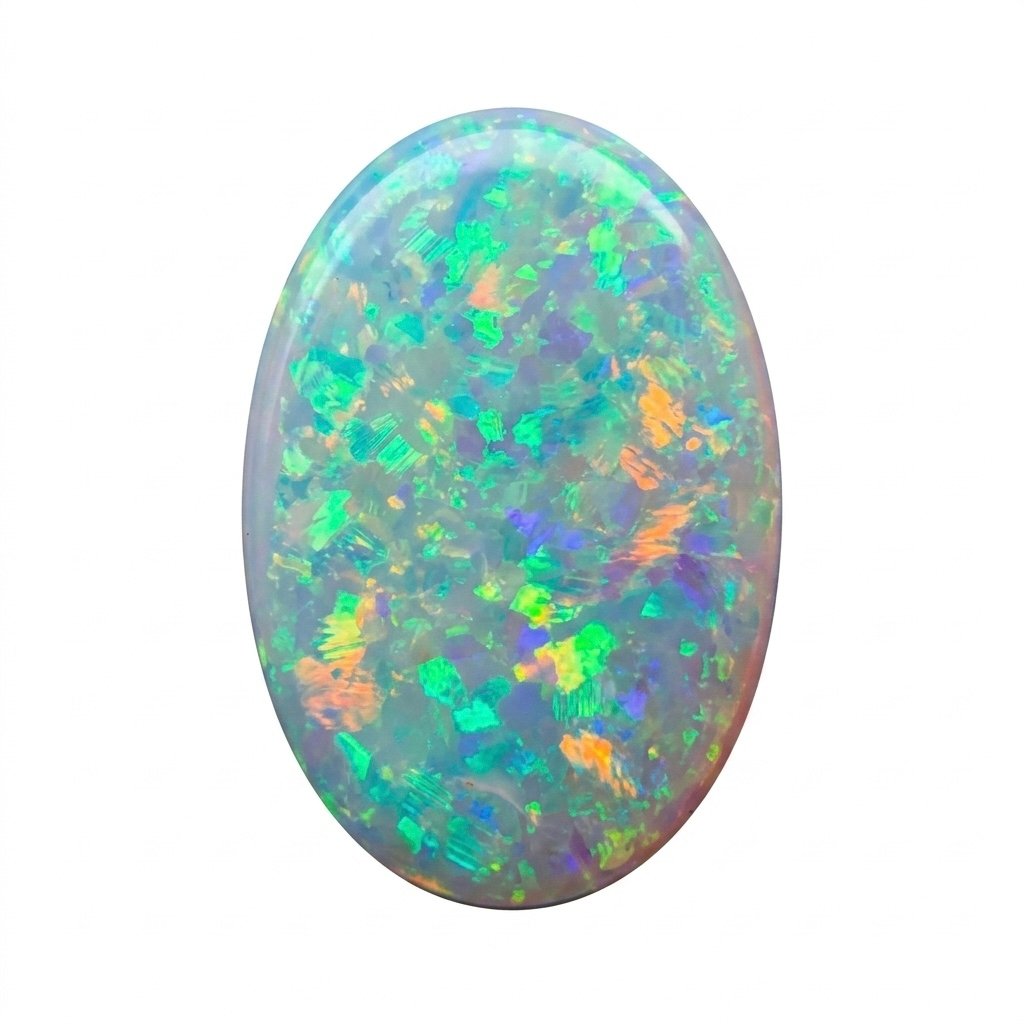 Australian Opal (ओपल)
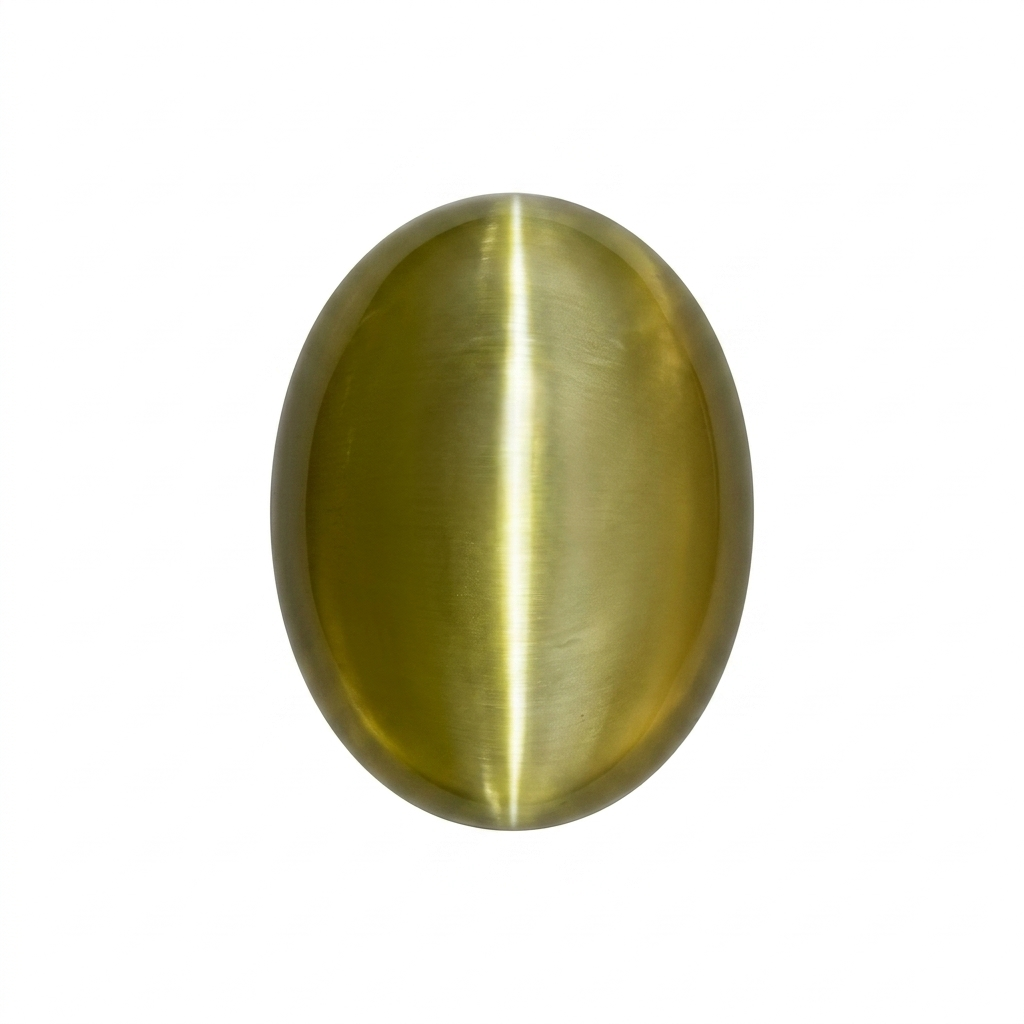 Catseye (लहसुनिया)
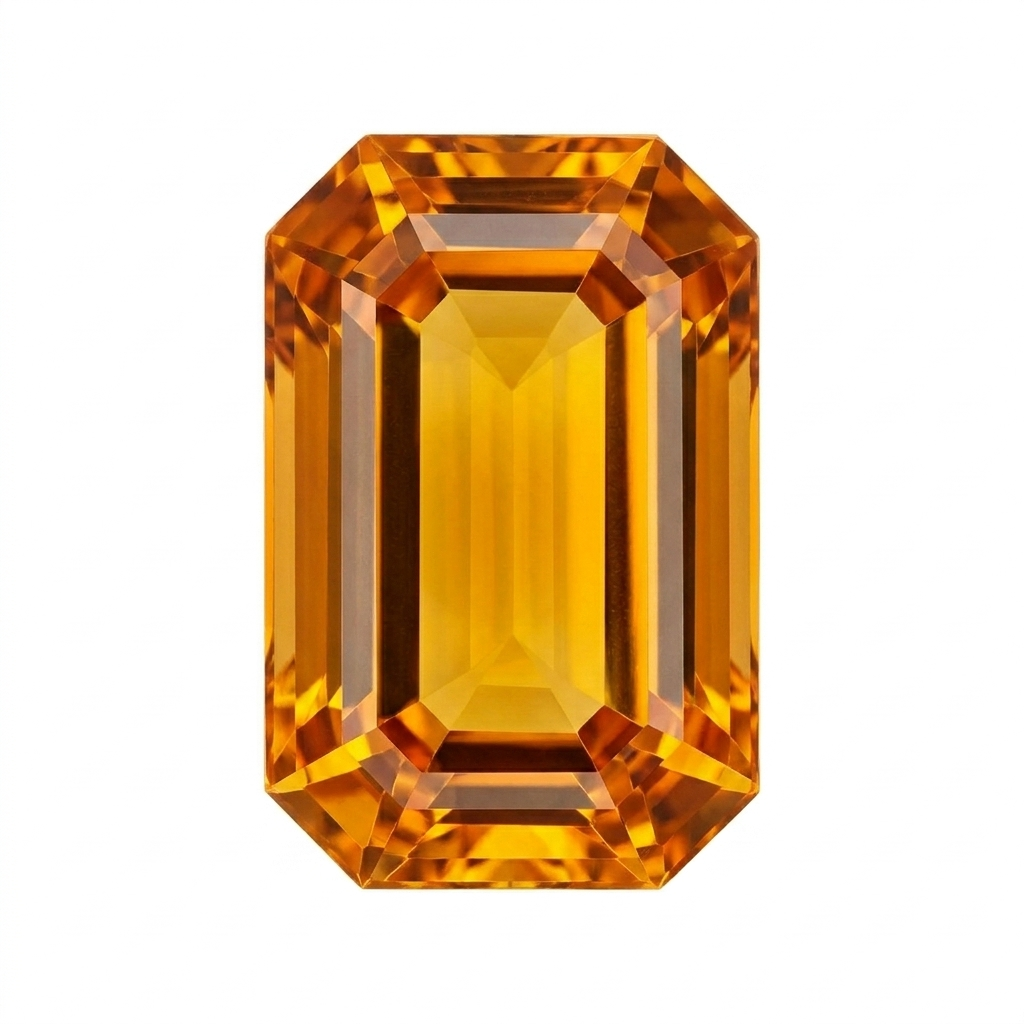 Citrine (सुनेहला)
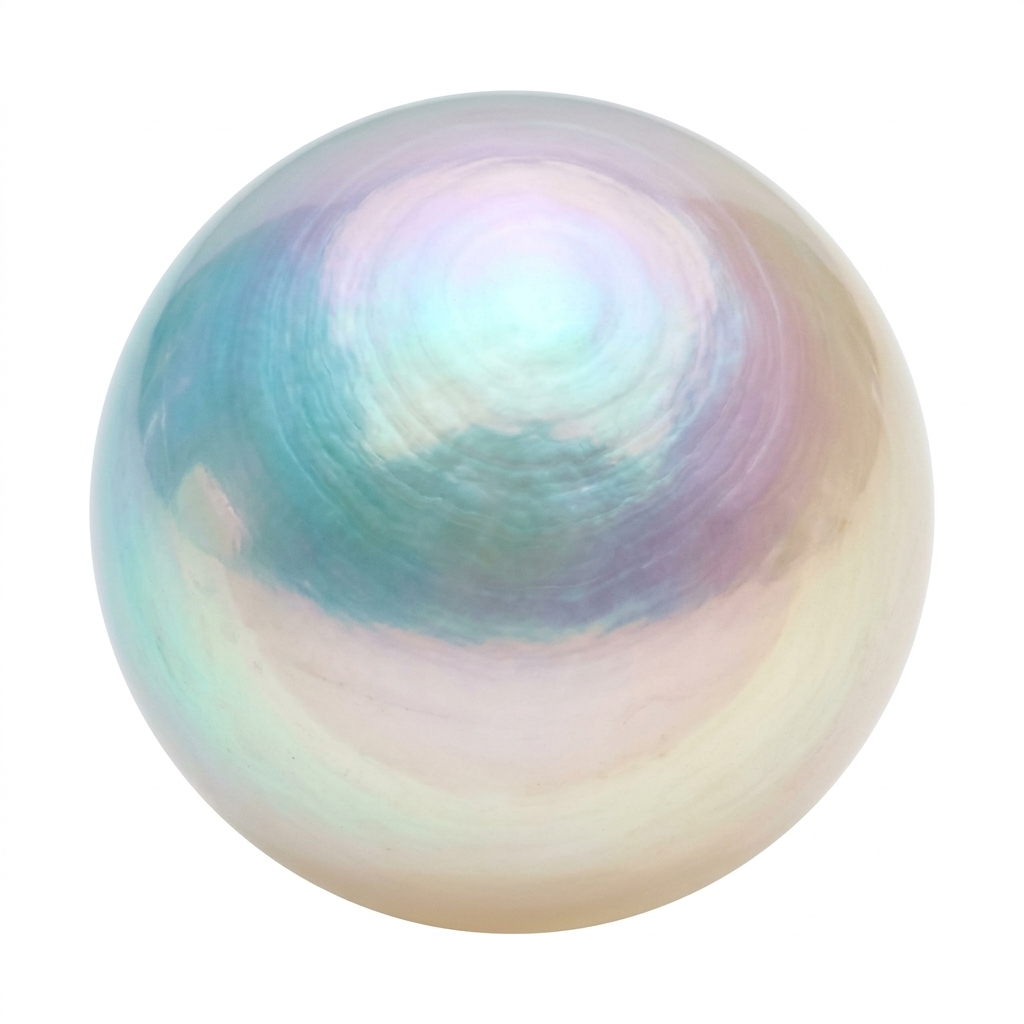 Fresh Water Pearl
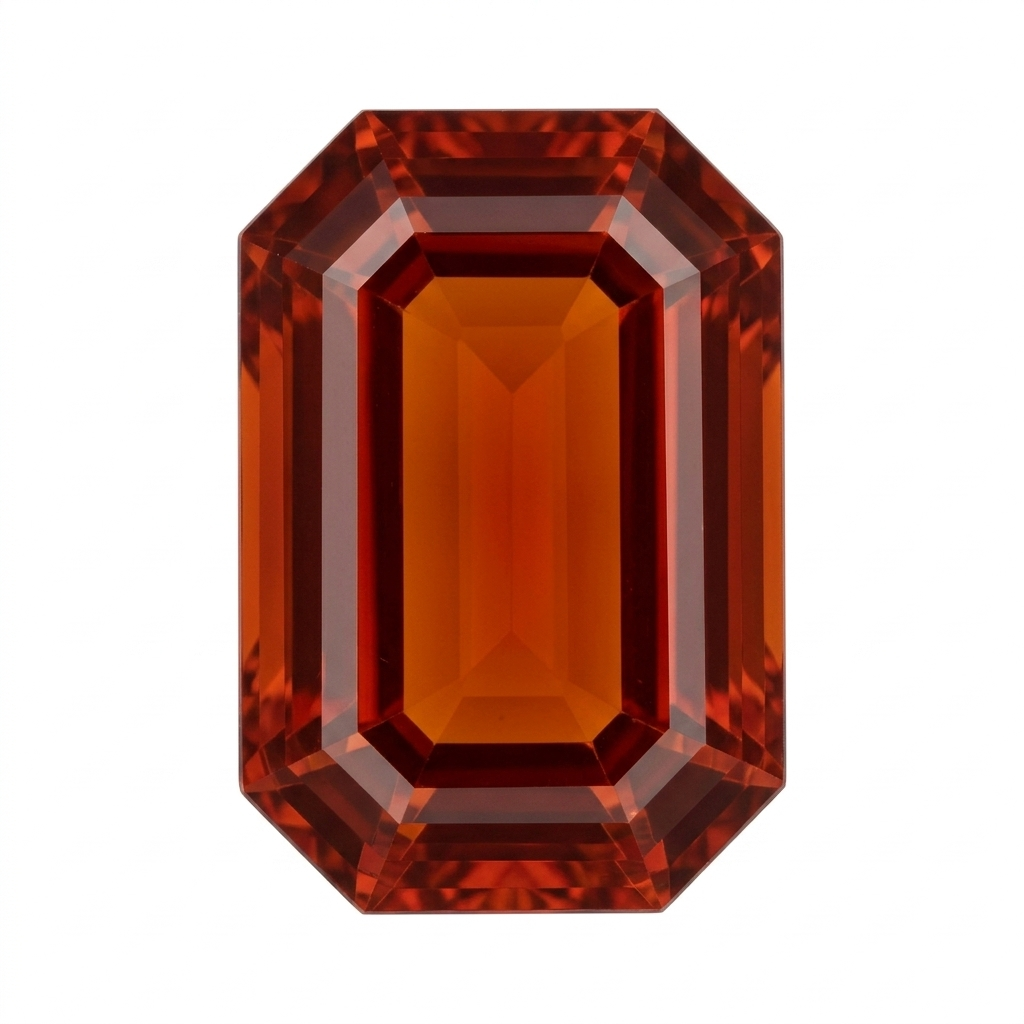 Hessonite (गोमेद)
 IOLITE (KAKA NILI)
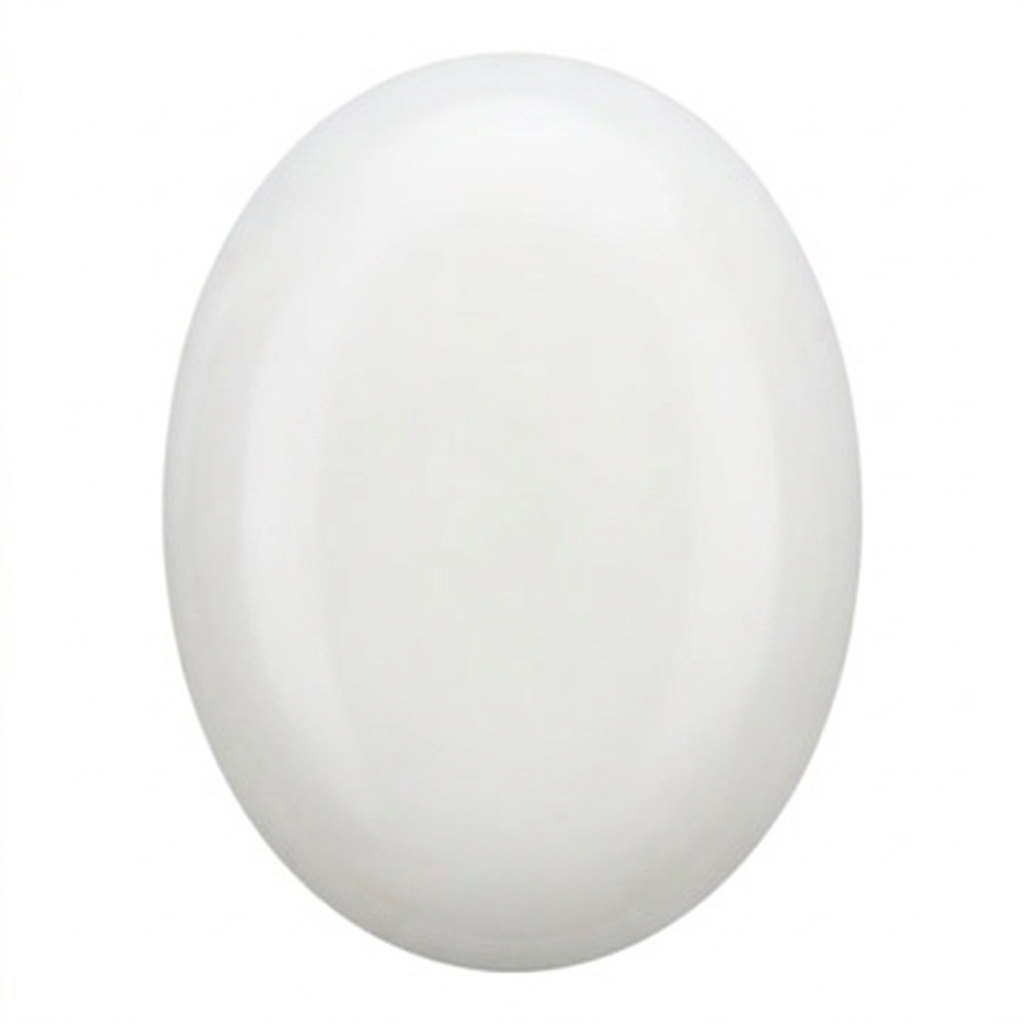 Japanese White Coral (मूंगा)
 Lapis
 Moonstone
 Natural South Sea Pearl
 Natural Zircon
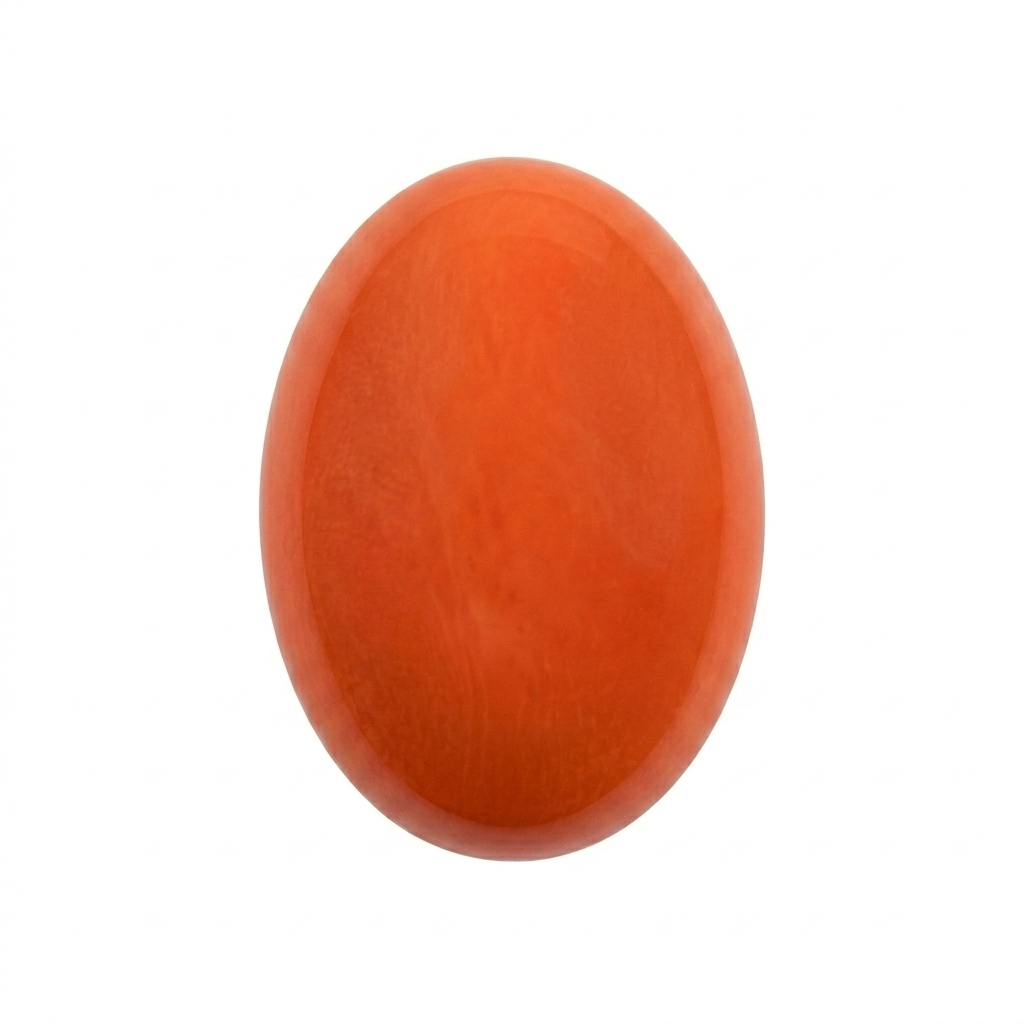 Orange Coral (मूंगा)
 Peridot
 Pitambari
 Quartz Catseye
 Rainbow Moonstone
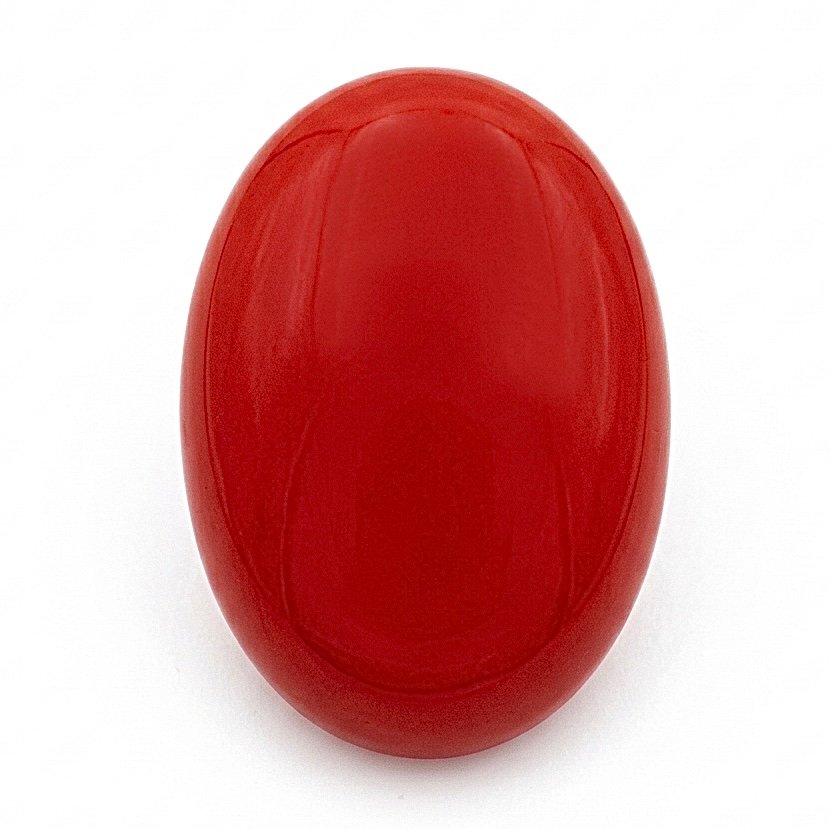 Red Coral (मूंगा)
 WHITE TOPAZ
 15 JAN
Most people picture coral as the
bright red Moonga set in an astrological ring. Japanese white coral is its
quieter relative — a soft, porcelain-white organic gem with a fine, satiny
texture. It is less common in Indian jewellery than red coral, and that rarity
makes it worth understanding properly before you buy, including the legal and
sourcing questions that come with any coral.
Coral is not a mineral in the
usual sense. Precious coral is built by colonies of tiny marine animals that
secrete a skeleton of calcium carbonate over many years. Once harvested and
polished, that skeleton becomes a gem material — classed with pearl and amber
as an organic gem. It is soft (about 3 to 4 on the Mohs scale) and sensitive to
acids.
In the trade, Japanese whitecoral usually refers to precious coral harvested in the deep waters of the
western Pacific around Japan and Taiwan. Species such as Pleurocorallium
konojoi are known for white material. It ranges from pure white to cream,
sometimes with a faint pinkish blush, and takes a smooth, glossy polish.
Precious corals grow slowly at
depths often of a hundred metres or more, adding fine concentric layers year
after year. A branch thick enough to cut beads or cabochons may take many
decades to form — one reason good material is scarce and why sustainable harvesting
matters.
Under magnification, natural
precious coral shows fine, parallel, wavy growth lines running along the branch
and concentric rings in cross-section. The surface may show tiny natural pits.
Japanese white coral has a dense, even texture compared with porous
"sponge" corals.
In the classical Navratna
system, red coral (Moonga) is the stone of Mars (Mangal). White coral is not
one of the nine classical gems, and practice varies. Some astrologers treat
white coral as a gentler alternative related to Mars, while others associate it
with the Moon or Venus because of its white colour. If you are buying it as an
astro stone, follow the guidance of your own astrologer. Any benefits are
traditional beliefs, not scientifically proven outcomes.
Coral has been valued across
cultures — in Mediterranean, Tibetan, Chinese and Indian traditions — as a
protective and auspicious material. In the wider field of gems and astrology,
it is one of the few organic materials alongside pearl that is used as one of
the astrological stones.
|
Feature |
Japanese white coral |
Red coral (Moonga) |
|
Colour |
White to cream, sometimes
pinkish |
Orange-red to deep red |
|
Material |
Calcium carbonate (organic) |
Calcium carbonate (organic) |
|
Common sources |
Waters around Japan and Taiwan |
Mediterranean, Japan, Taiwan |
|
Hardness |
Approx. 3 – 4 |
Approx. 3 – 4 |
|
Navratna status |
Not a classical Navratna stone |
Classical stone for Mars |
|
Common uses |
Beads, cabochons, carvings |
Astrological rings, beads,
jewellery |
Red coral's colour comes from
natural carotenoid pigments; white coral lacks these. Both take a similar
polish.
Both are calcium carbonate and
share the same care needs. White coral is more often used in beads, carvings
and contemporary designs; red coral dominates astrological rings in India.
Red coral has a fixed, classical
association with Mars. White coral's associations depend on the practitioner,
so the two should not be treated as interchangeable without astrological
advice.
White coral is imitated with
bleached or dyed bone, shell, conch shell, glass, plastic, reconstituted coral
powder bound with resin, and porous bamboo coral that has been filled. Some of
these look convincing in photographs.
Natural precious coral shows
parallel wavy lines along its length. Bone shows tiny dark channels; shell
shows layered or flame-like structure; plastic and glass look too uniform and
may contain round bubbles. Avoid "acid tests" — they damage the
coral.
A gemological laboratory can
identify natural precious coral, detect bleaching, dye, filling and imitations,
and note whether material is reconstituted. For any significant purchase of
Japanese white coral, this is the reliable route.
White coral looks elegant in
bead strands, stud earrings, pendants and carved pieces, and pairs well with
yellow gold, rose gold and silver. Because it is soft, it suits pendants and
earrings better than everyday rings; a protective bezel helps if used in a
ring.
• Wipe with a soft damp cloth
after wearing to remove sweat and oils.
• Avoid perfume, hairspray,
cosmetics, vinegar, lemon and other acids.
• Never use ultrasonic or steam
cleaners.
• Store separately in a soft
pouch, away from harder precious gemstones.
• Keep away from prolonged heat
and strong sunlight, which can affect surface lustre.
Ask for a lab report confirming
natural precious coral and disclosing any bleaching, dyeing, filling or
reconstitution. Confirm weight and dimensions match the listing.
Coral trade is regulated.
Several precious coral species from the western Pacific, including Japanese
species, have been listed under CITES Appendix III, which means international
trade requires appropriate documentation. Many coral species are also protected
under India's wildlife laws. Buy only from sellers who can explain the source
of their coral and confirm that it is legally traded, and check current
regulations before carrying coral across borders.
|
|
BUYER NOTE Coral regulations change and
vary by species and country. A responsible seller should be able to tell you
what the material is, where it came from, and how it was legally obtained. If
they cannot, do not buy. |
Gems N Diamond
(gemsndiamond.com) has dealt in natural gems and astrological stones in Delhi
since 1972. Review the product details and documentation provided for each
coral item before purchasing.
Japanese white coral is a
beautiful, understated organic gem with a long cultural history. Value it for
what it is — a soft, slow-growing natural material — and buy it with three
things confirmed: that it is genuine precious coral, that any treatment is
disclosed, and that it has been sourced and traded legally.
Q What
is Japanese white coral stone?
A It
is white to cream precious coral, an organic gem made of calcium carbonate,
harvested from deep waters around Japan and Taiwan and polished for jewellery.
Q Is
Japanese white coral a natural gemstone?
A It
is a natural organic gem material, formed by marine organisms rather than
geological processes. It should not be confused with imitations made from
shell, bone, glass or resin.
Q What
is the difference between Japanese white coral and red coral?
A Both
are calcium carbonate precious coral with similar hardness. Red coral contains
natural pigments and is the classical Navratna stone for Mars; white coral is
not a classical Navratna stone and its astrological associations vary by
practitioner.
Q How
can you identify natural white coral?
A Natural
precious coral shows fine parallel wavy growth lines along its length.
Imitations often look too uniform or show bone or shell structure. A
gemological lab report is the reliable confirmation.
Q How
should Japanese white coral be maintained?
A Wipe
it with a soft damp cloth, keep it away from acids, cosmetics and heat, avoid
ultrasonic cleaners, and store it separately from harder gems.

Blue Sapphire (Neelam): Types, Colours, Origin, Quality and Complete Buying Guide

Yellow Sapphire (Pukhraj): Properties, Benefits, Types and Complete Buying Guide

Astro Gemstone Guide: How to Choose the Right Gemstone According to Your Birth Chart

Birthstones by Zodiac Signs: Complete Guide to Gemstones for All 12 Zodiac Signs
Japanese White Coral Stone: Origin, Properties, Astrology and Buying Guide

 Blue Sapphire
 Emerald (PANNA)
 Pink Sapphire
 Yellow Sapphire
 White Sapphire
 Ruby
 Rudraksha
 Bracelet
