

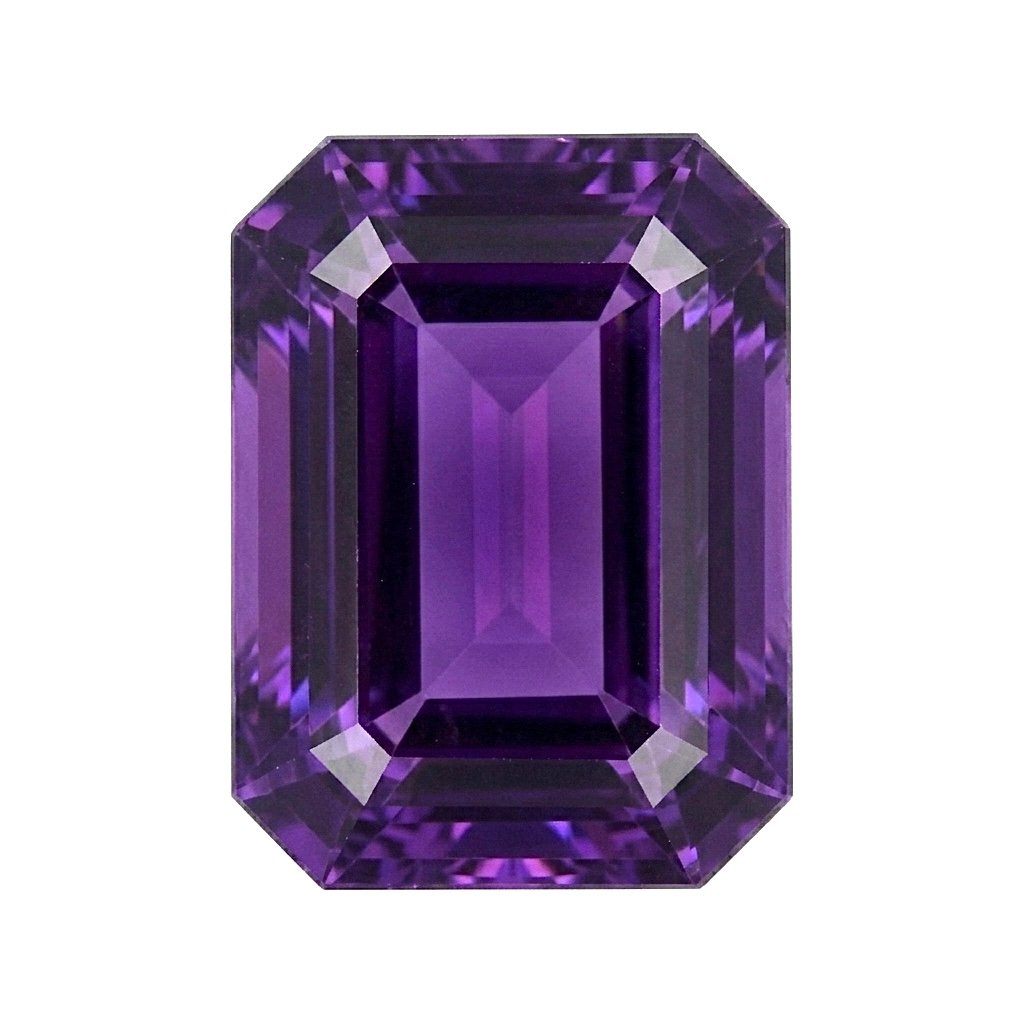
 Amethyst (ऐमेथिस्ट)
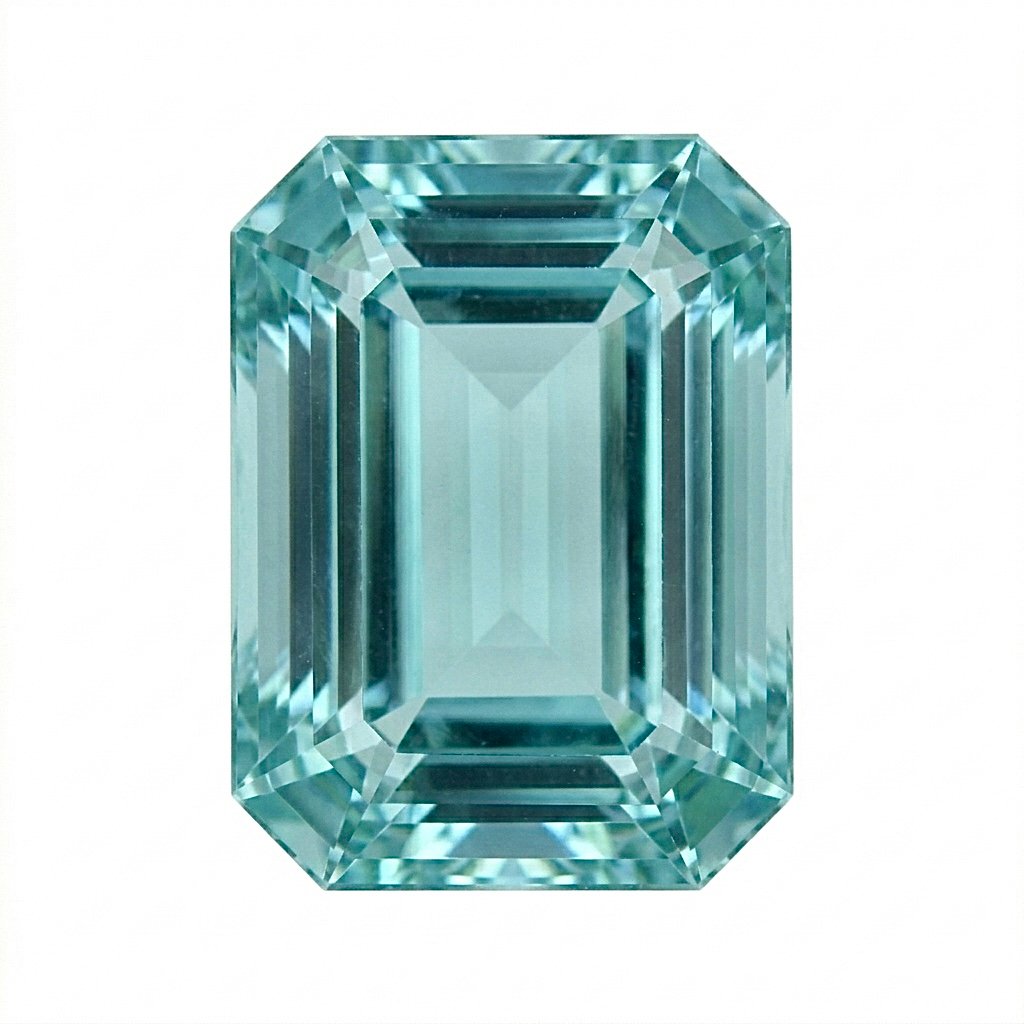 Aquamarine
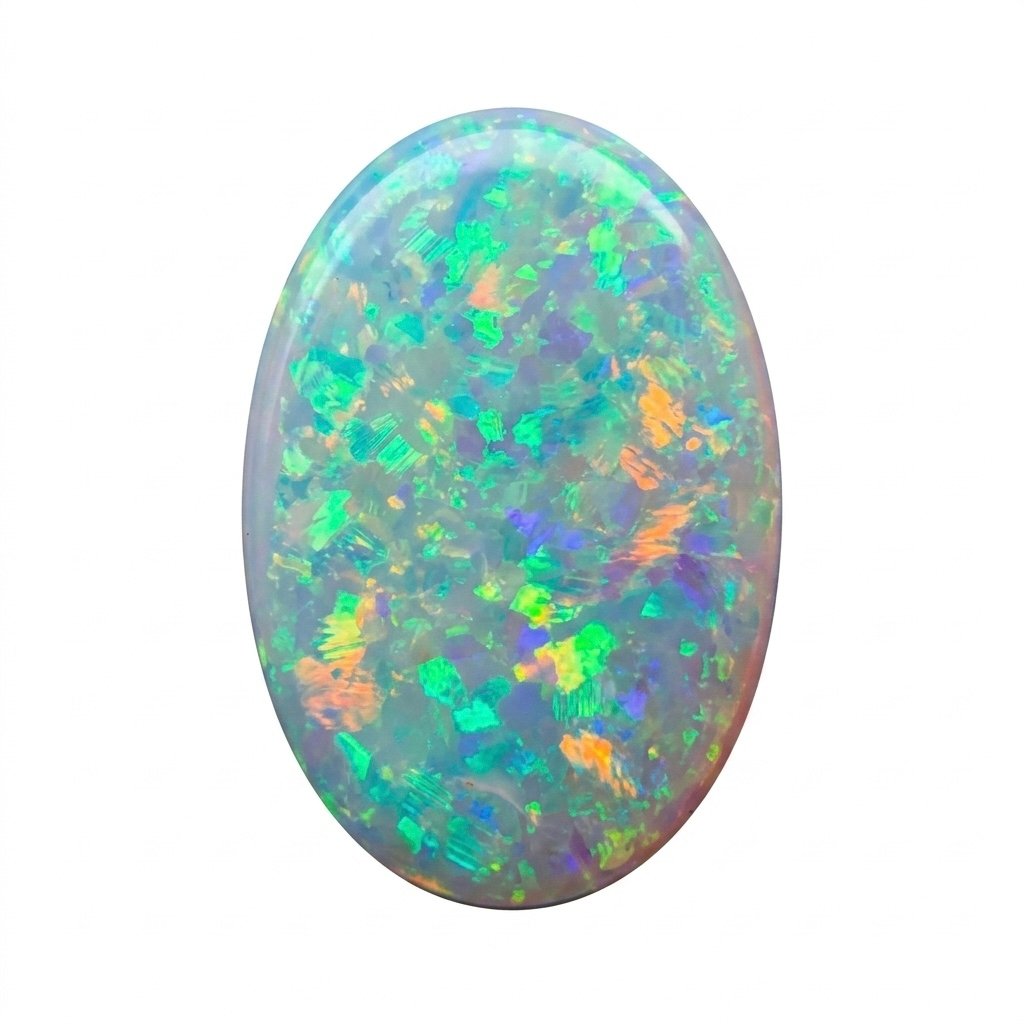 Australian Opal (ओपल)
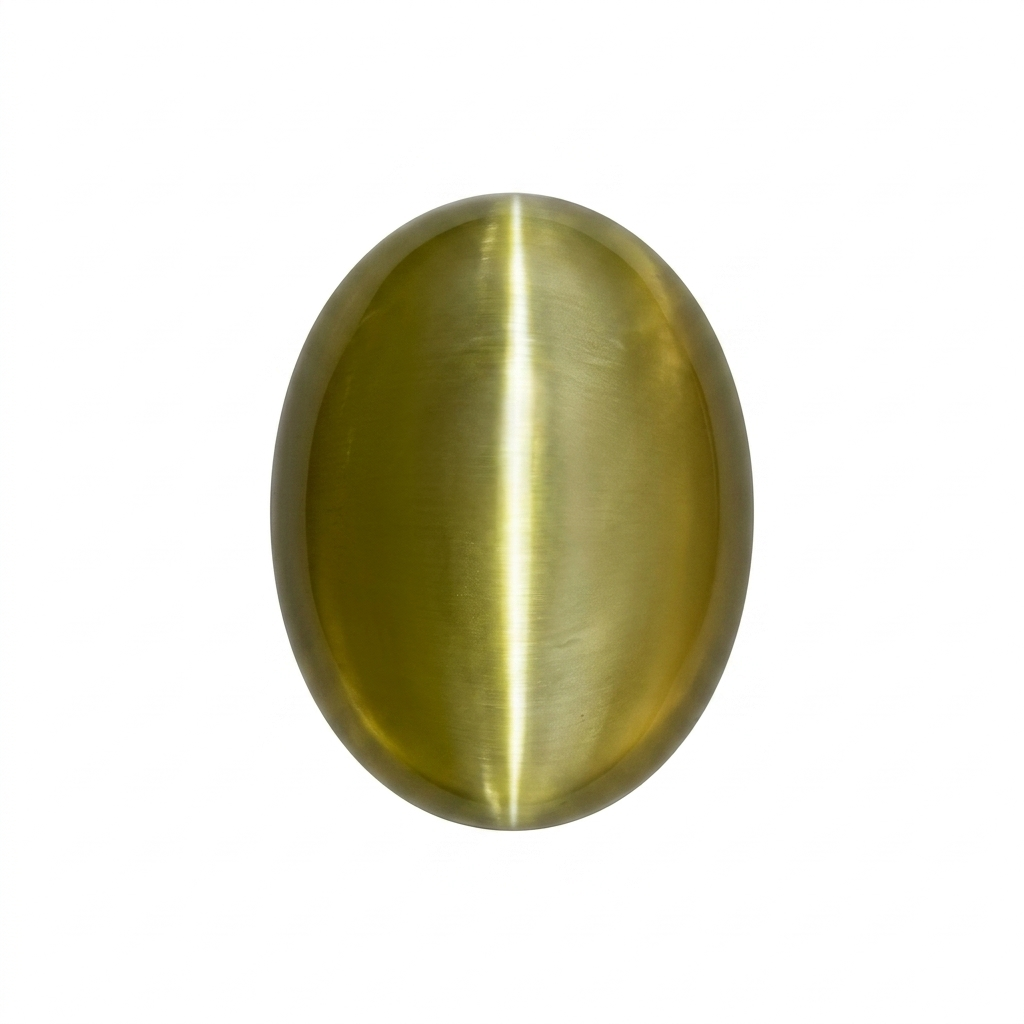 Catseye (लहसुनिया)
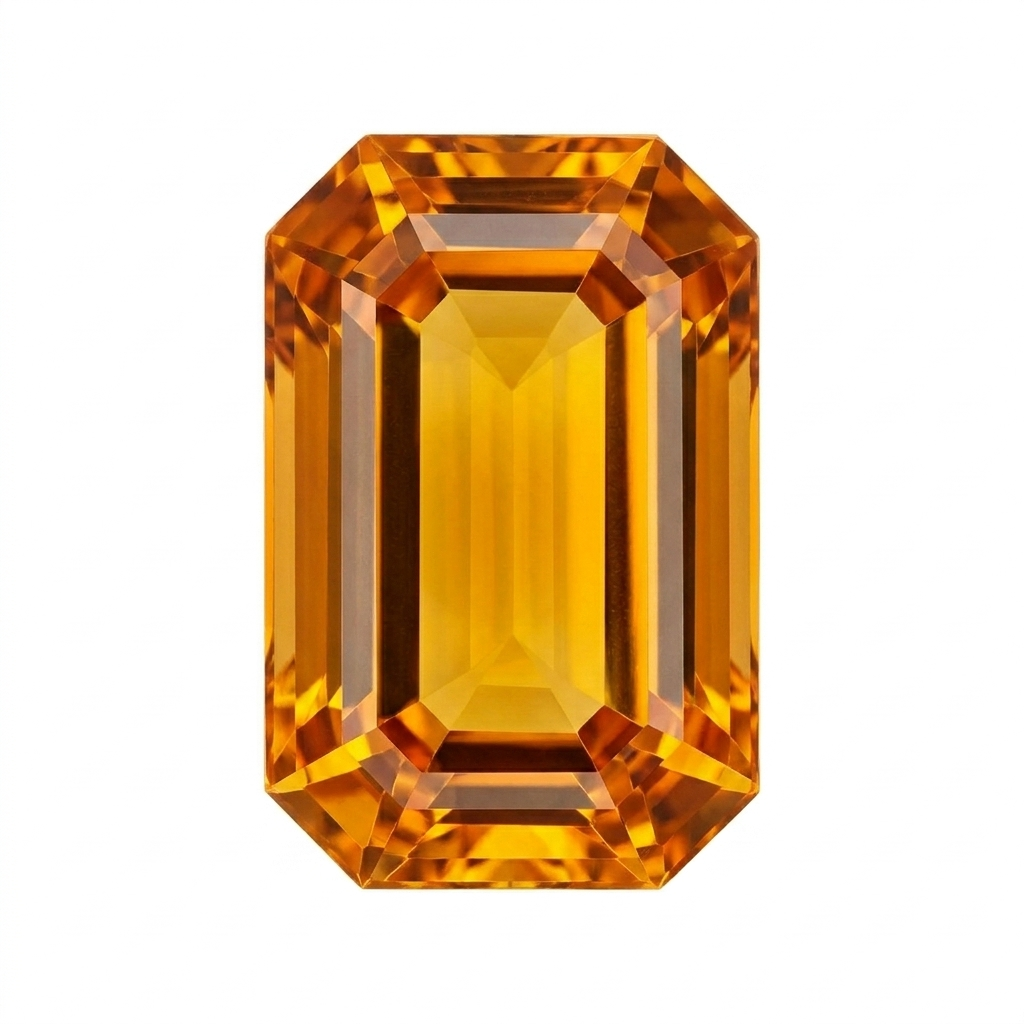 Citrine (सुनेहला)
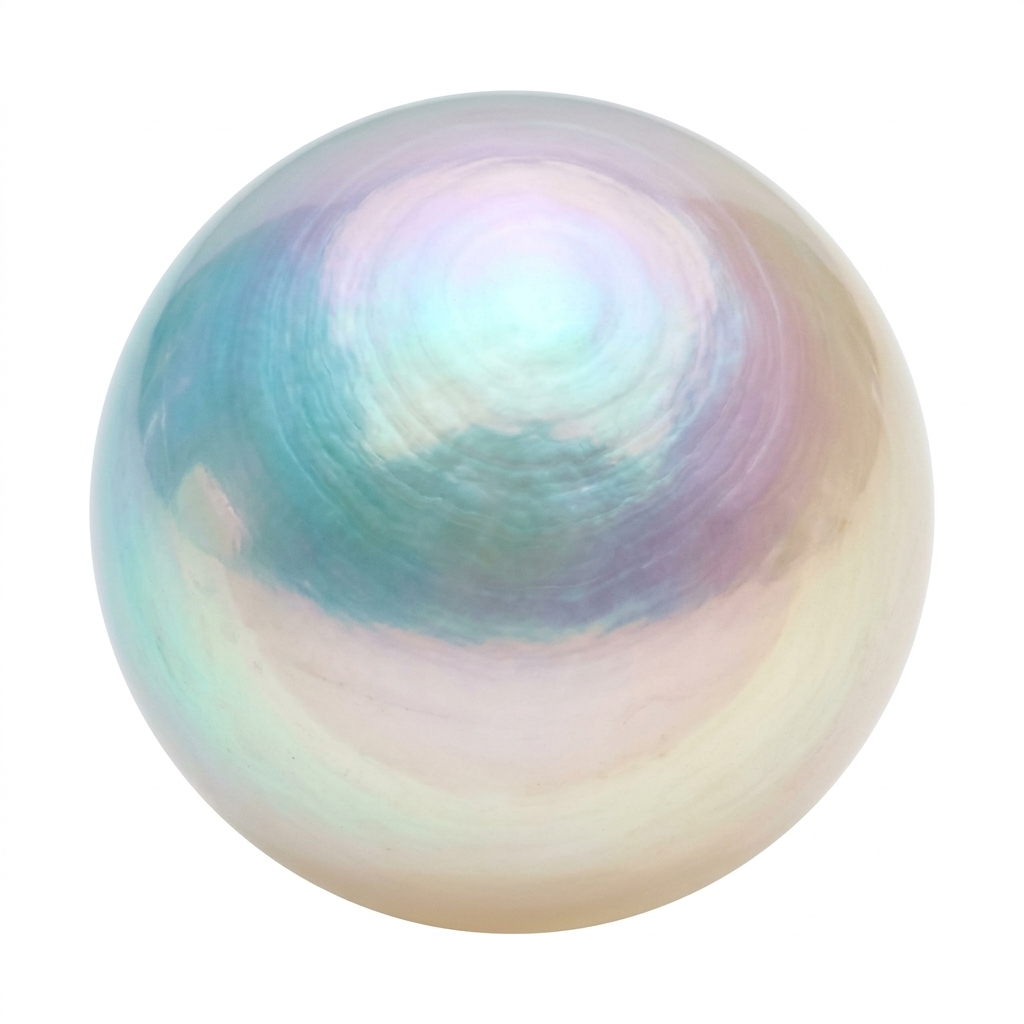 Fresh Water Pearl
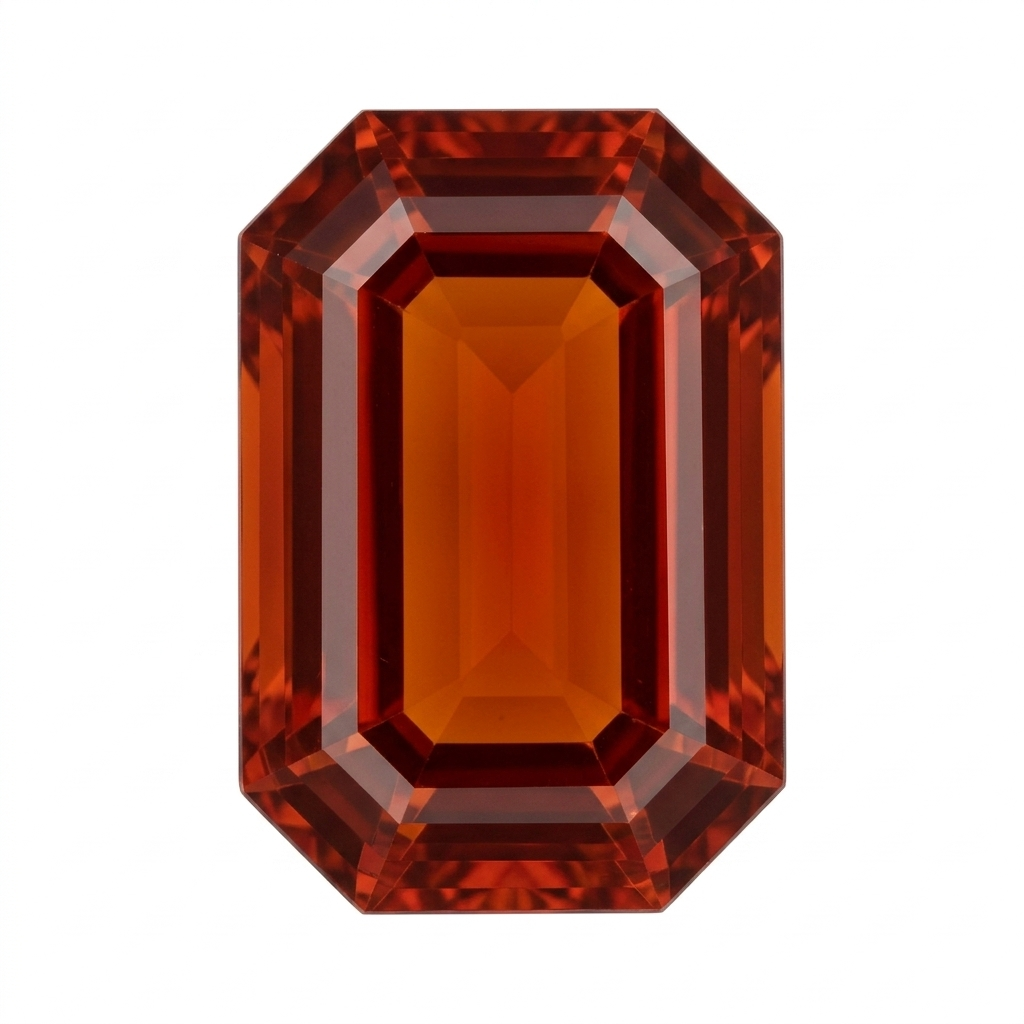 Hessonite (गोमेद)
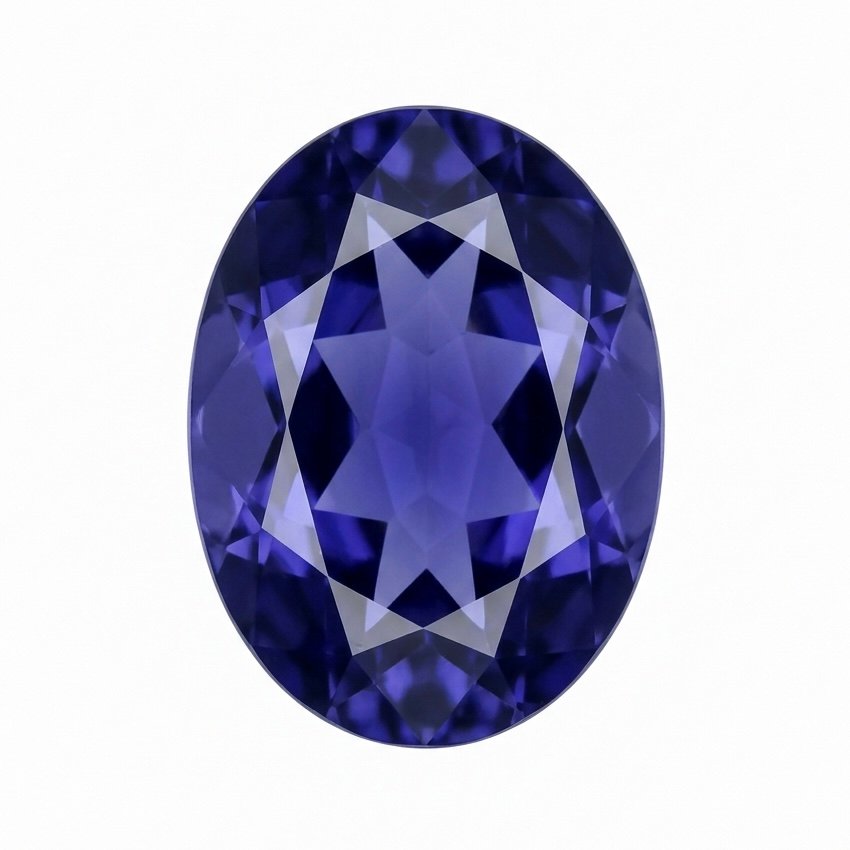 IOLITE (KAKA NILI)
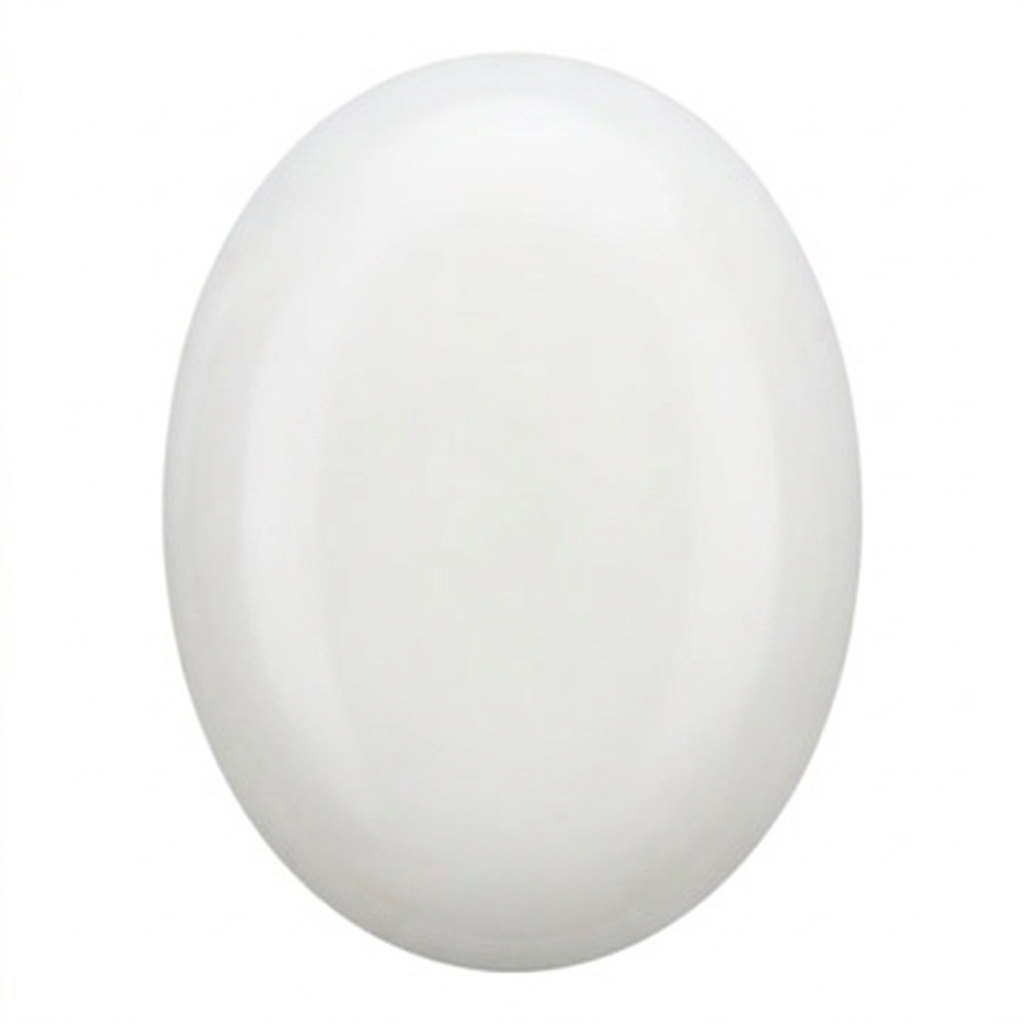 Japanese White Coral (मूंगा)
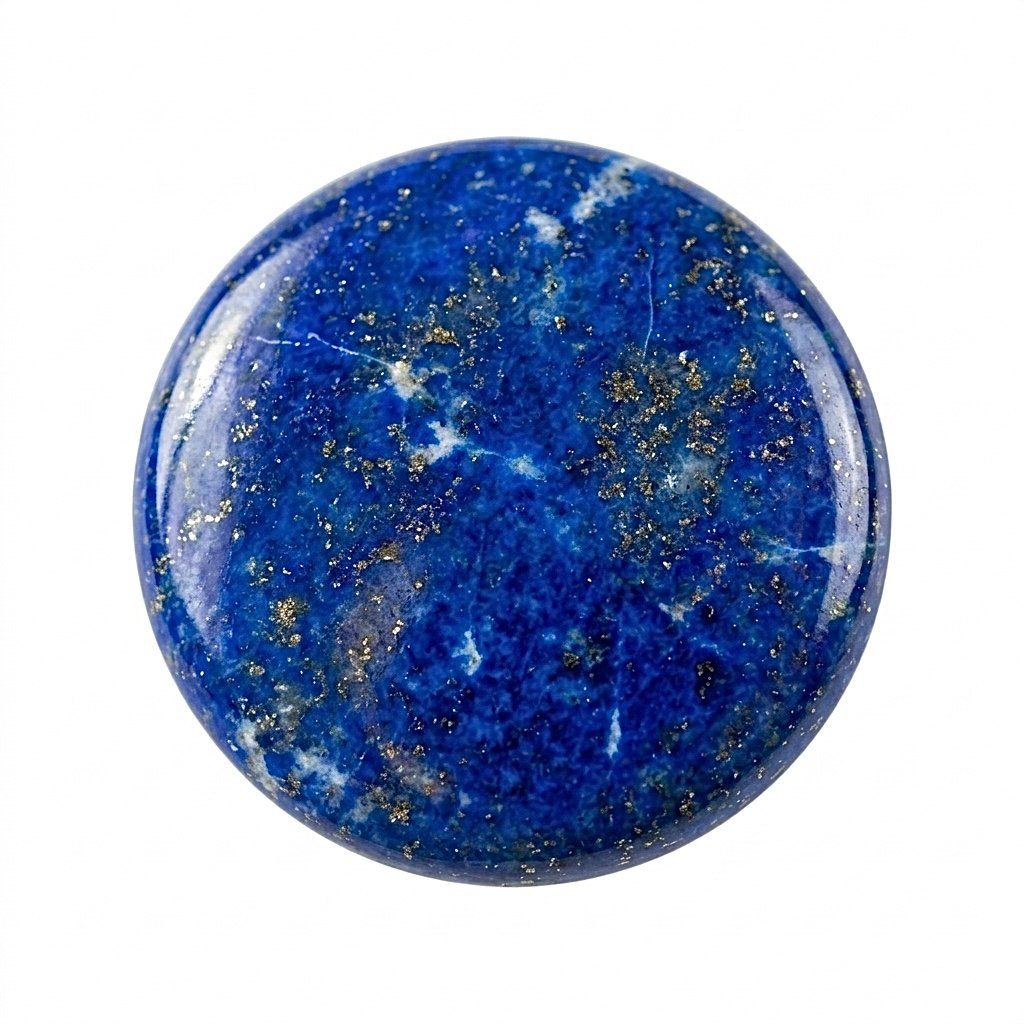 Lapis
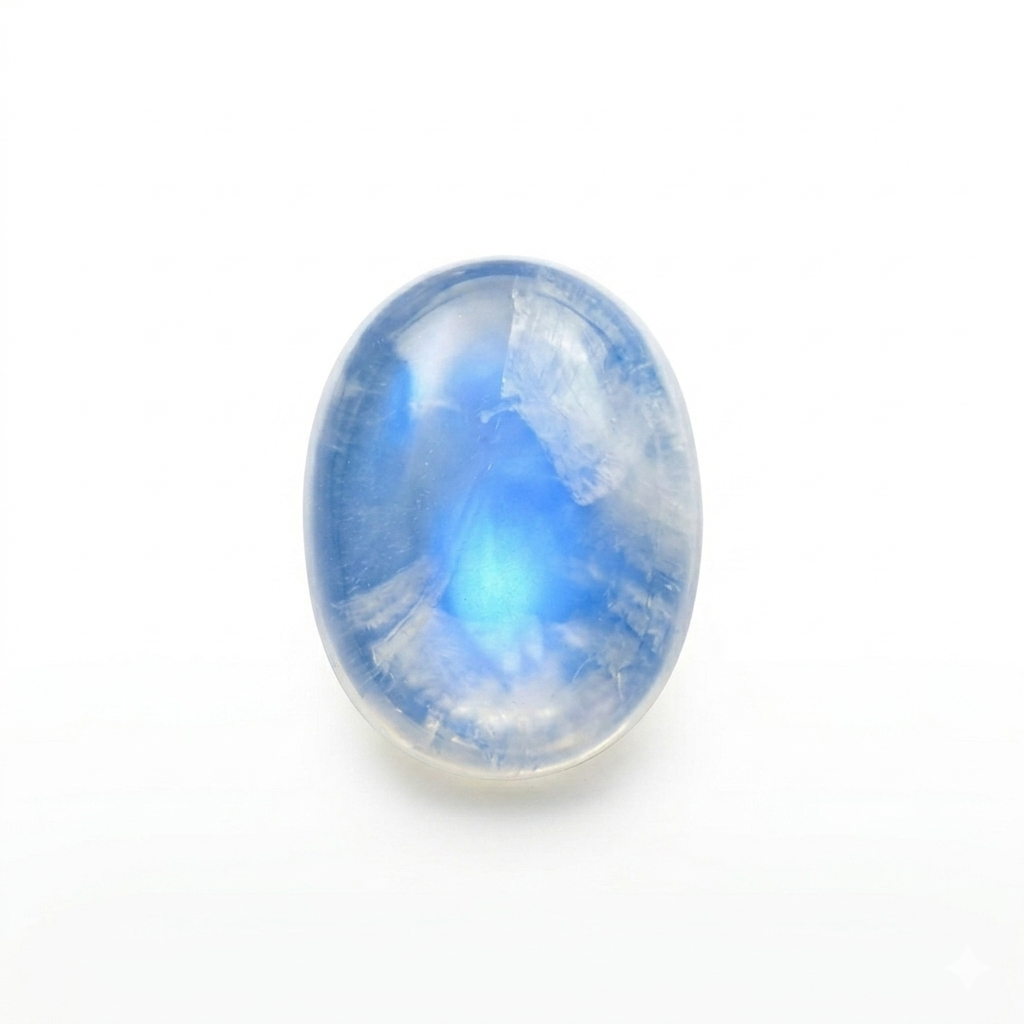 Moonstone
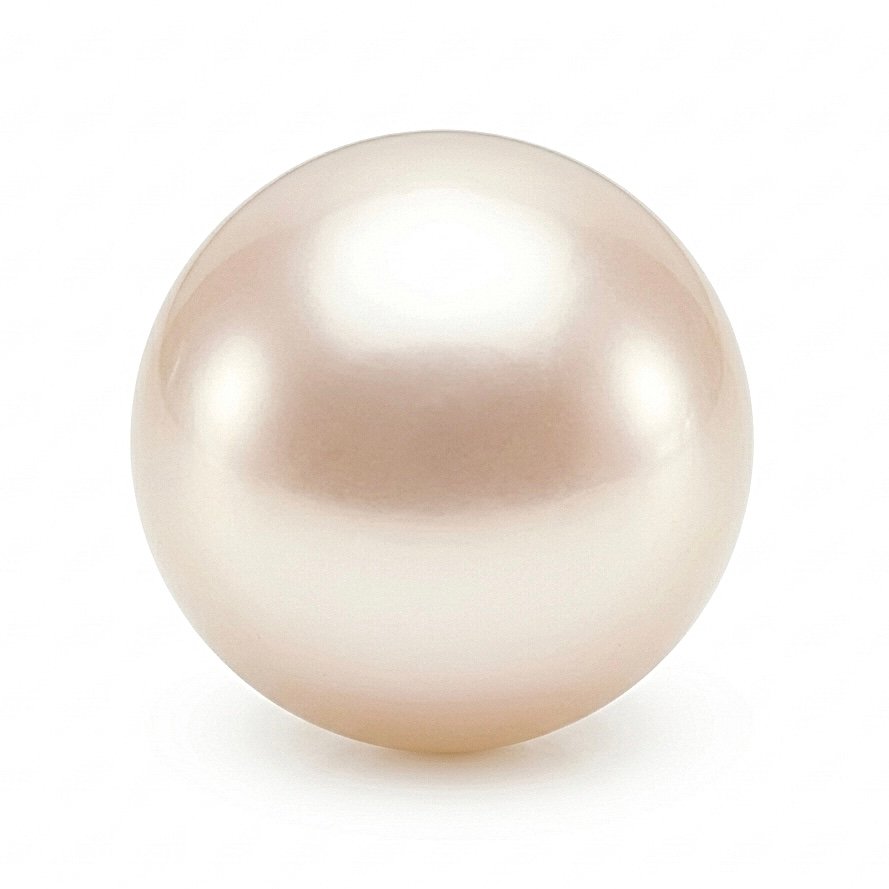 Natural South Sea Pearl
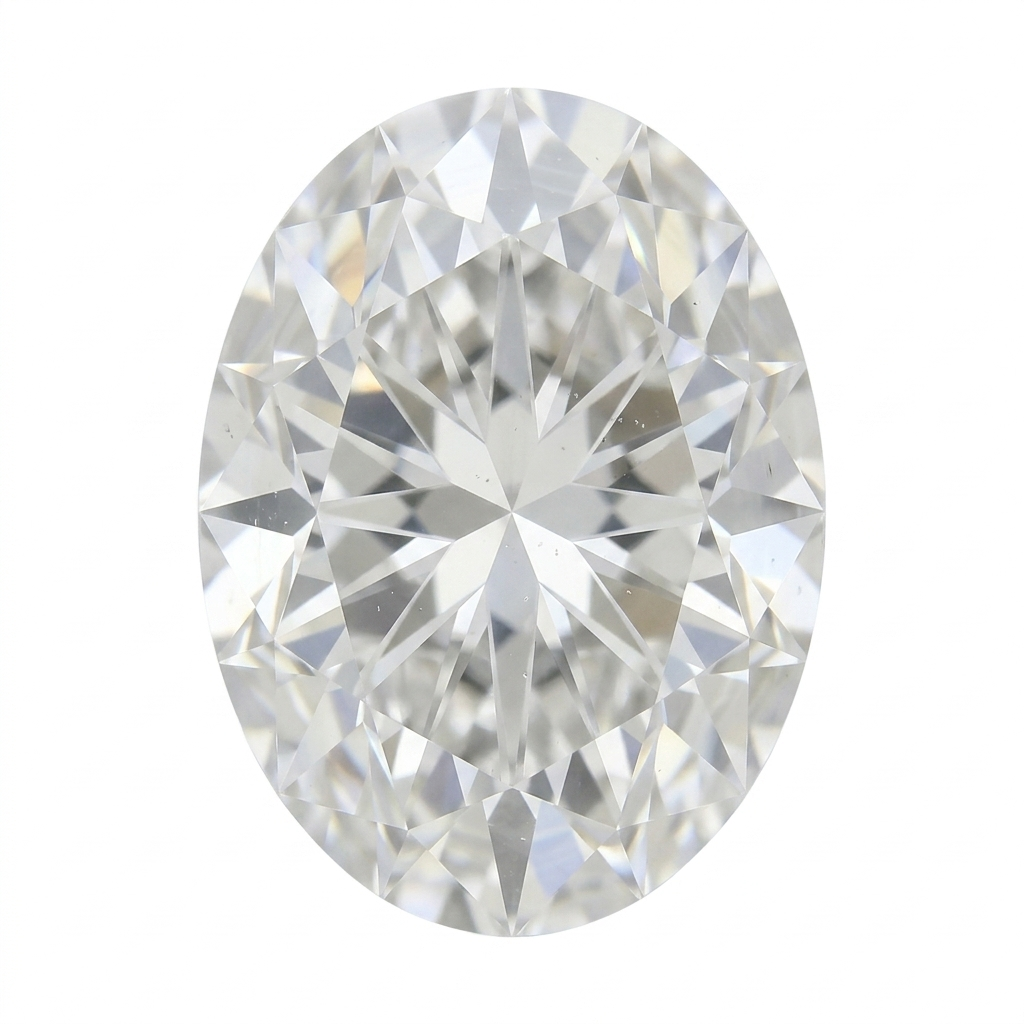 Natural Zircon
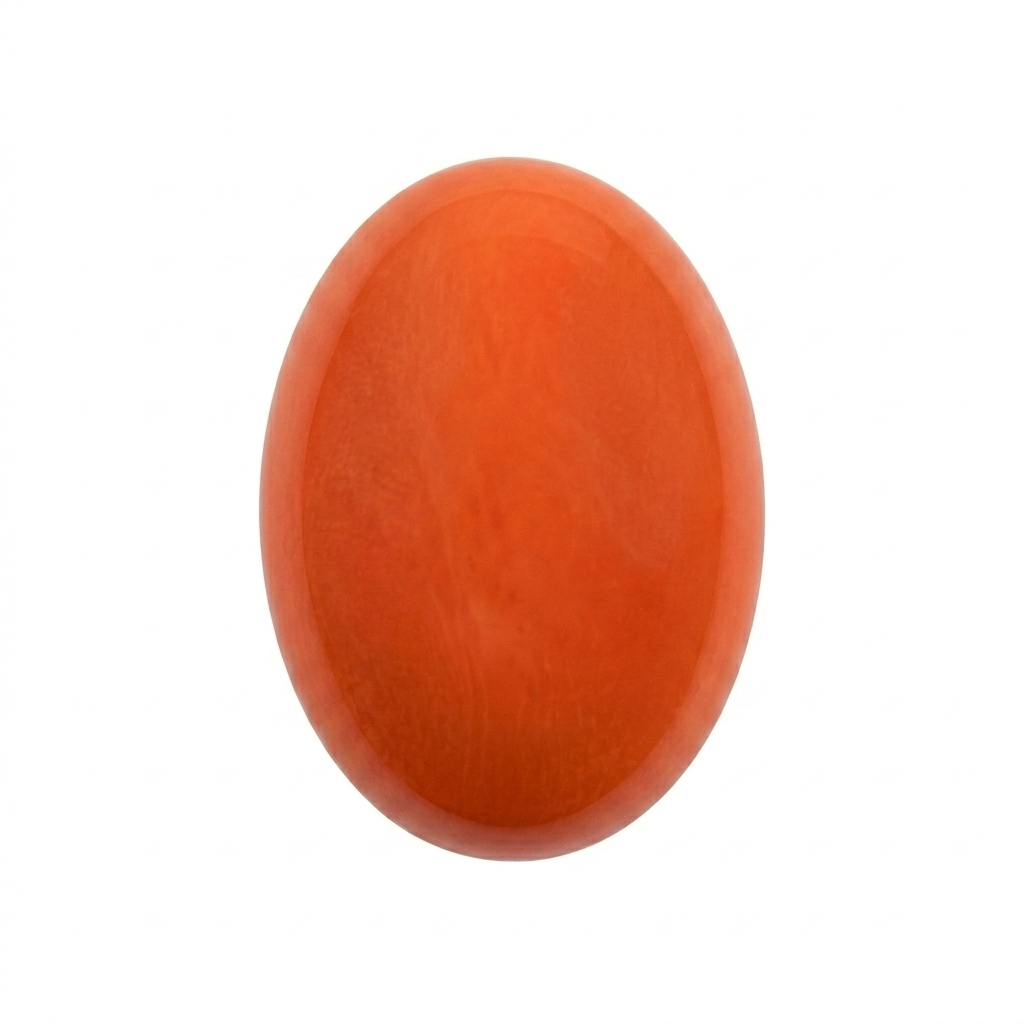 Orange Coral (मूंगा)
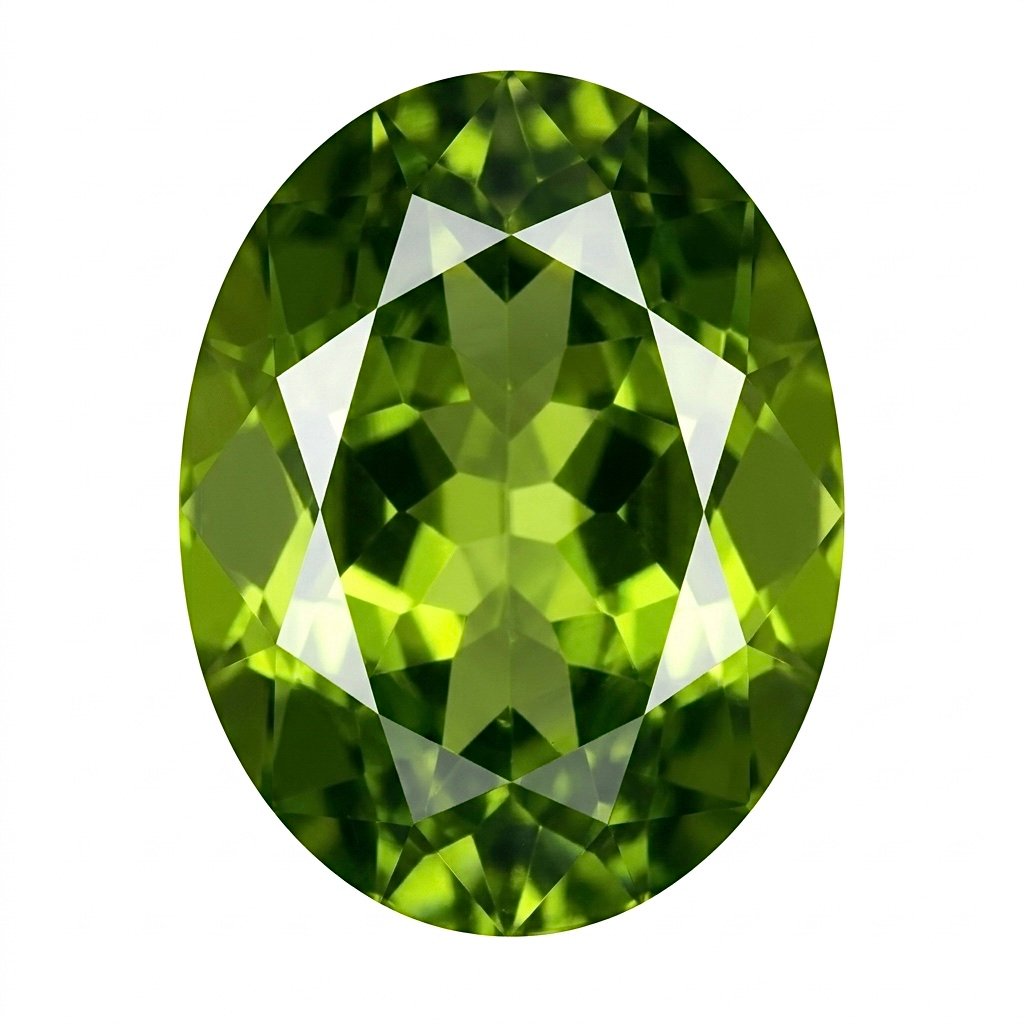 Peridot
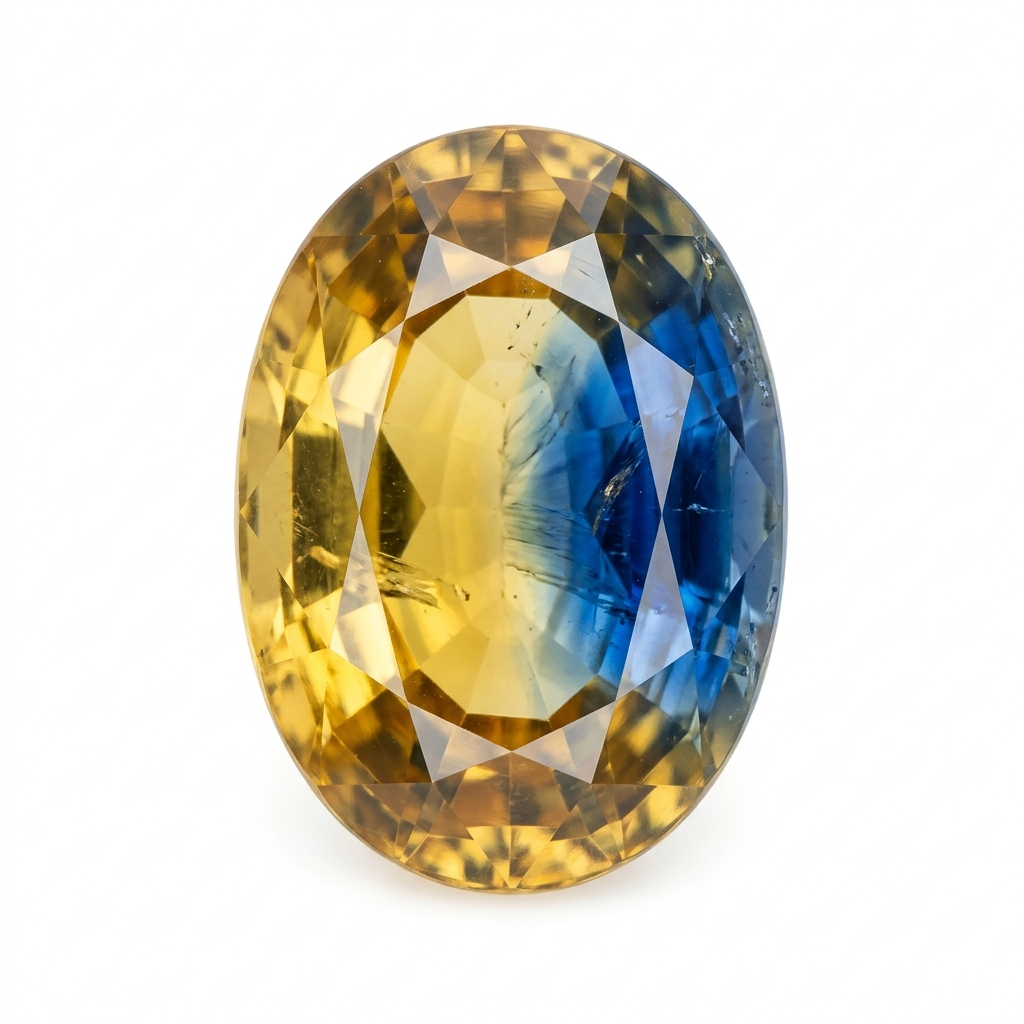 Pitambari
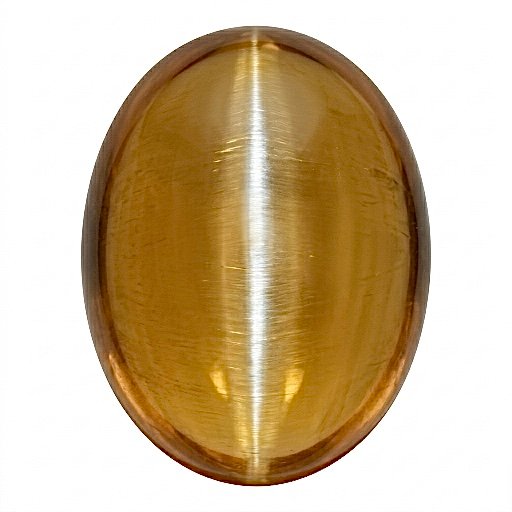 Quartz Catseye
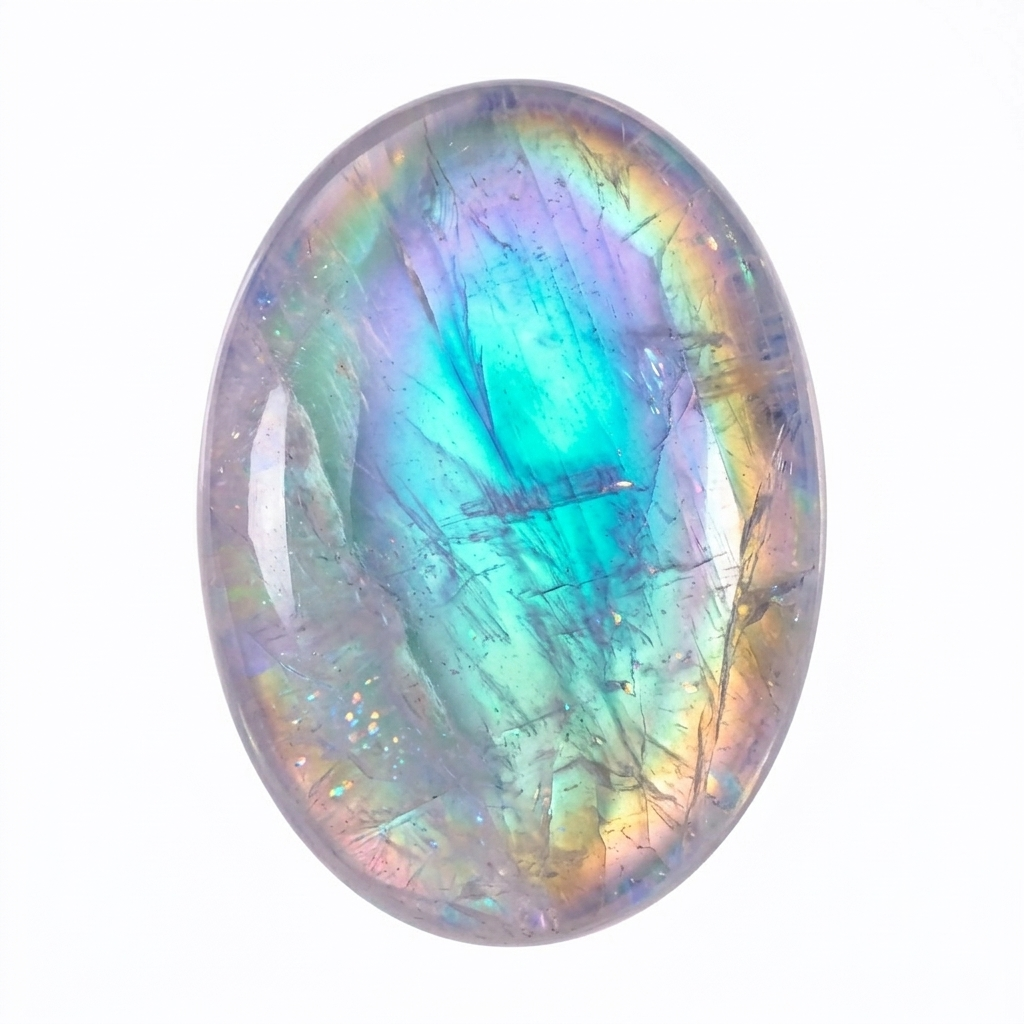 Rainbow Moonstone
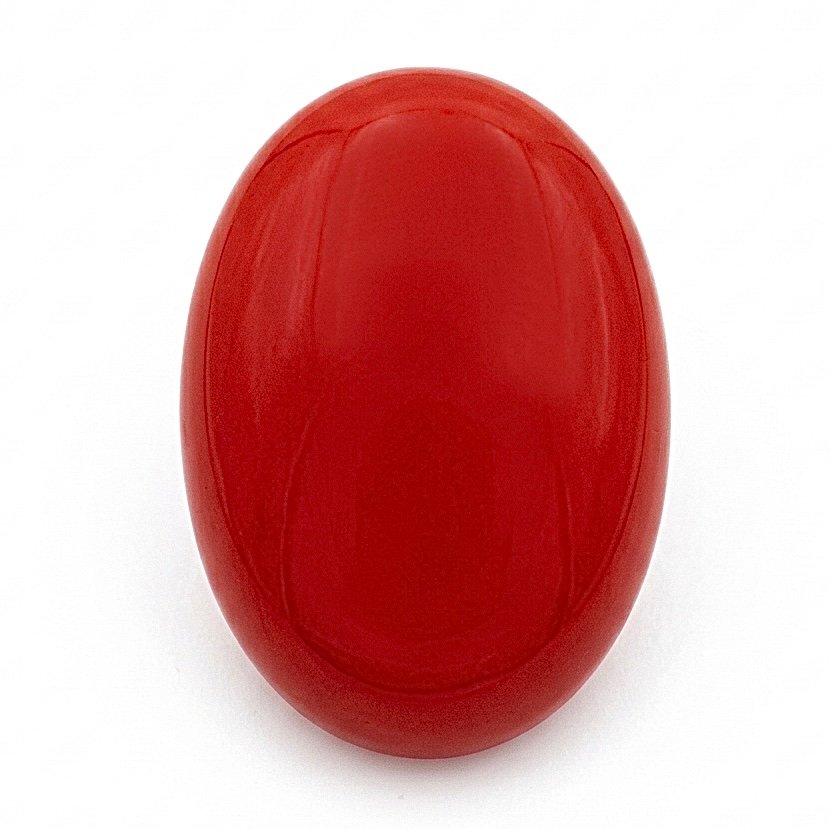 Red Coral (मूंगा)
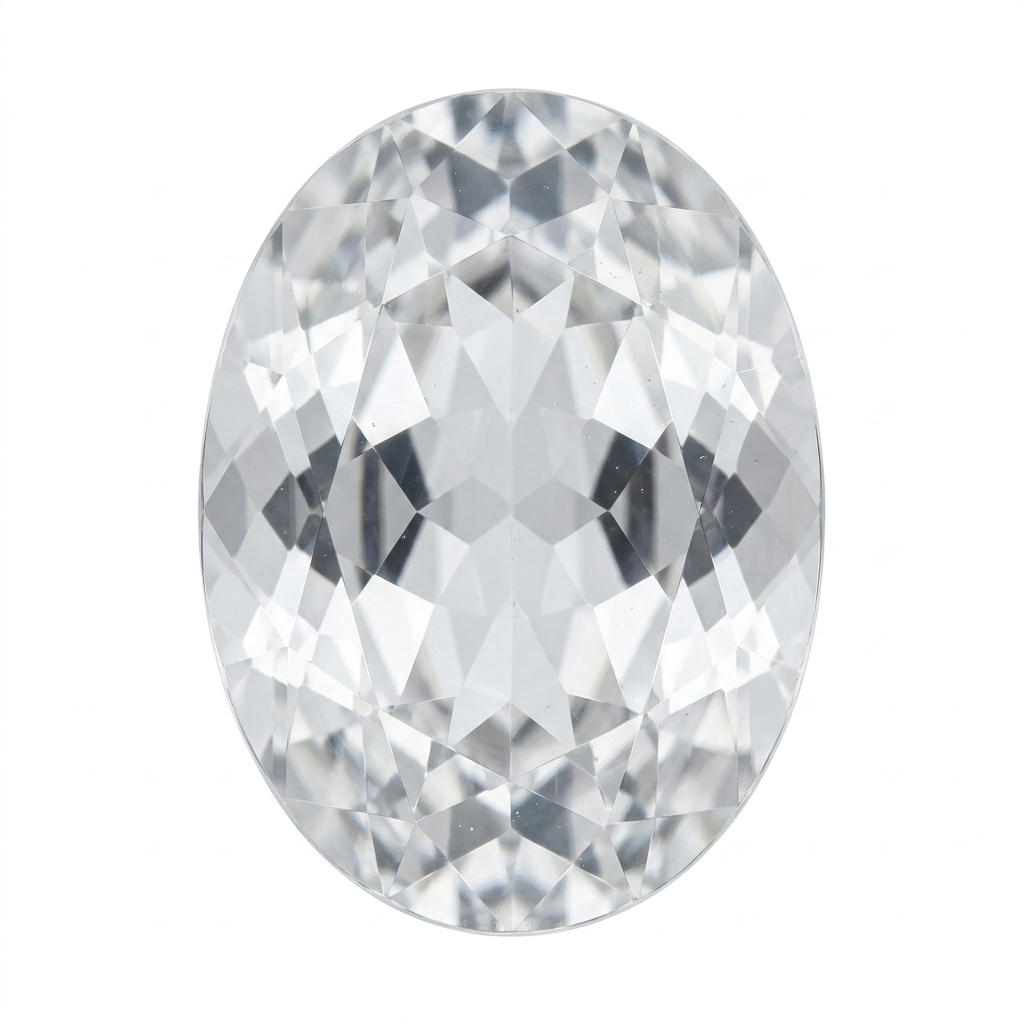 WHITE TOPAZ
 15 JAN
Most people who get burned buying gemstones online share one thing in common: they made the decision based on how the stone looked in the photo.
Product photos are the most misleading medium for gemstones. A synthetic stone photographed under studio lighting will outshine a natural one every single time. Filters, saturation tweaks, and angle manipulation are standard practice in low-credibility listings.
Here is what actually matters — and how to check it — before you place any order for gemstones online.
The first question to answer is simple: did this stone form inside the earth, or inside a laboratory? Natural gemstones develop over thousands to millions of years under specific geological conditions. Synthetic gemstones are produced in controlled lab environments in a matter of weeks — same chemical composition, completely different origin and energy.
Both can look identical to the naked eye. The difference appears under spectrometer testing at a certified lab. The most accessible indicator is inclusions — natural stones almost always have internal characteristics formed during growth. A coloured stone above 2 carats with zero inclusions under 10x magnification is suspicious.
The lab report is the only way to officially confirm natural origin. Look for the word 'Natural' under species on the certificate — not just in the product description, which sellers write themselves.
Not all certifications carry equal weight. A credibility ranking for labs issuing gemstone reports in India:
Tier 1 — Internationally recognised: GIA (Gemological Institute of America), IGI (International Gemological Institute), GRS (Gem Research Swisslab), Gübelin
Tier 2 — Nationally recognised: IGI-GTL (Indian Gemological Institute – Gem Testing Laboratory), GII (Gemological Institute of India), IIGJ
Avoid: Unknown single-name labs with no verifiable address, and any certificate issued by the seller themselves.
When you buy certified gemstones online, verify the certificate number on the lab's official website before purchasing. This takes under two minutes and is the single most effective protection against misrepresented stones.
This is the check that most buyers skip — and the one that matters most for astrological use. Treatments are standard across the trade, but treated stones carry less astrological potency than untreated ones in Vedic tradition.
Heat treatment in rubies and sapphires — improves colour and clarity. Extremely widespread. Reduces astrological value.
Fracture filling in rubies and emeralds — improves clarity but reduces durability over time.
Beryllium diffusion in sapphires — alters colour deep in the lattice. Very difficult to detect without proper equipment.
Oiling in emeralds — minor oiling is accepted; heavy oiling significantly reduces value.
Irradiation in topaz and tourmaline — permanently changes colour.
Ask the seller directly: 'What treatment status does the lab report show?' — and get the answer in writing before you buy natural stones online.
Colour is the most visible quality factor and the primary driver of price in coloured gemstones. For astrological use, the benchmark colours are: cornflower or royal blue for blue sapphire (Neelam), vivid yellow without orange for yellow sapphire (Pukhraj), and pigeon blood red for ruby (Manik).
Clarity standards differ by stone type. Emeralds (Panna) are almost always included — an eye-clean Zambian emerald above 2 carats at an accessible price is almost certainly not natural. Request 10x magnification images before you buy gemstones online.
Cut quality affects how light moves through a stone — which influences both its visual appeal and, according to Vedic astrology, how efficiently it channels planetary energy. A well-executed cut shows even facets, a centred culet, and no 'windowing' effect — where you can see straight through the stone to your finger as if looking through glass.
For astrological stones, the most accepted shapes are oval and cushion for sapphires and rubies, and emerald cut for Panna. Your astrologer may specify a preference based on the planetary association.
Carat weight is a primary price driver — and one of the most commonly misrepresented specifications in online gemstone listings. One carat equals 0.2 grams. When buying gemstones online, confirm:
The stated carat weight matches the lab report — not just the product listing description
Physical dimensions in millimetres are listed and proportionally consistent with the stated weight
Weight was measured on a calibrated gem balance, not estimated from dimensions
Gemstone pricing has no fixed daily rate like gold or silver. A practical comparison framework:
Research across at least three reputable gem shops online carrying certified material
Use the lab report grade — not the seller's marketing language — as your benchmark
Understand that unheated, untreated certification commands a 30–60% premium over heated material at the same visual grade
A stone priced significantly below comparable certified material elsewhere deserves scrutiny. At the same time, overpaying is equally common on platforms that charge premium positioning fees with no lab quality to match.
A gemstone business built on genuine reputation does not hide its history:
Google Business Profile — Check review count, recency, and whether the seller responds. Reviews mentioning specific stones and describing concrete buying experiences carry real signal.
Physical address — Verify on Google Maps Street View. An established gemstone seller has a real shop in a recognised market.
Business age — Sellers operating before 2010 with consistent reviews have built real accountability.
Educational content — Does the seller post real gemological information? Or only sales posts with vague 'powerful stone' language?
For reviews: Look for specificity. 'Bought a 4.2-carat Zambian emerald, received with IGI-GTL report, colour matched exactly what was shown, arrived safely packaged' — that tells you something real. 'Great seller, fast delivery' tells you almost nothing.
For return policies: Before purchasing at any gem shop online, confirm:
Return window — minimum 7 days; 15 days is a buyer-friendly standard
Whether the certificate must be returned intact with the stone
Refund method — bank transfer back to your account, not only store credit
Who bears the cost of return shipping for high-value items
Before finalising any purchase, request these specifications in writing from the seller:
Stone species and variety (e.g., 'Corundum — Blue Sapphire,' not just 'blue stone')
Country of origin as confirmed on the lab report
Treatment status exactly as stated on the certificate
Carat weight confirmed by lab — not estimated from dimensions
Measurements in millimetres, certificate name, and report number
A professional seller provides all of this as standard. If there's resistance or vague answers, that itself is your answer.
☑ Natural origin confirmed on the lab report — not just in the product description
☑ Certificate from a recognised lab — GIA, IGI, IGI-GTL, or GII
☑ Certificate number verified on the lab's own website
☑ Treatment status clearly stated on the certificate
☑ Carat weight matches between listing and lab report
☑ Price benchmarked across at least 3 reputable sellers
☑ Seller reviews are specific, detailed, and span multiple years
☑ Return policy confirmed in writing before payment
☑ Product images include a 10x magnification close-up view
☑ Complete stone specifications provided by seller in writing
A. Certification from a recognised lab. Origin, clarity, treatment status, and carat weight should all be confirmed through the certificate — not just the seller's description, which anyone can write.
A. Yes, when you buy from sellers with verifiable physical addresses, recognised lab certificates, and clear return policies. Avoid listings where certification details are absent or vague.
A. Use the lab report grade to compare like-for-like. Identify the same colour grade, clarity, treatment status, and origin across multiple sellers before making a price decision.
A. Document the discrepancy with photographs immediately. Reference the original listing, your order confirmation, and the lab report. Contact the seller in writing. If unresolved, file a dispute with your payment provider.
A. Some planetary combinations are compatible; others are not. Blue sapphire and diamond are generally considered compatible, while ruby and blue sapphire are not typically worn together. Always consult a qualified astro-gemologist before combining stones.
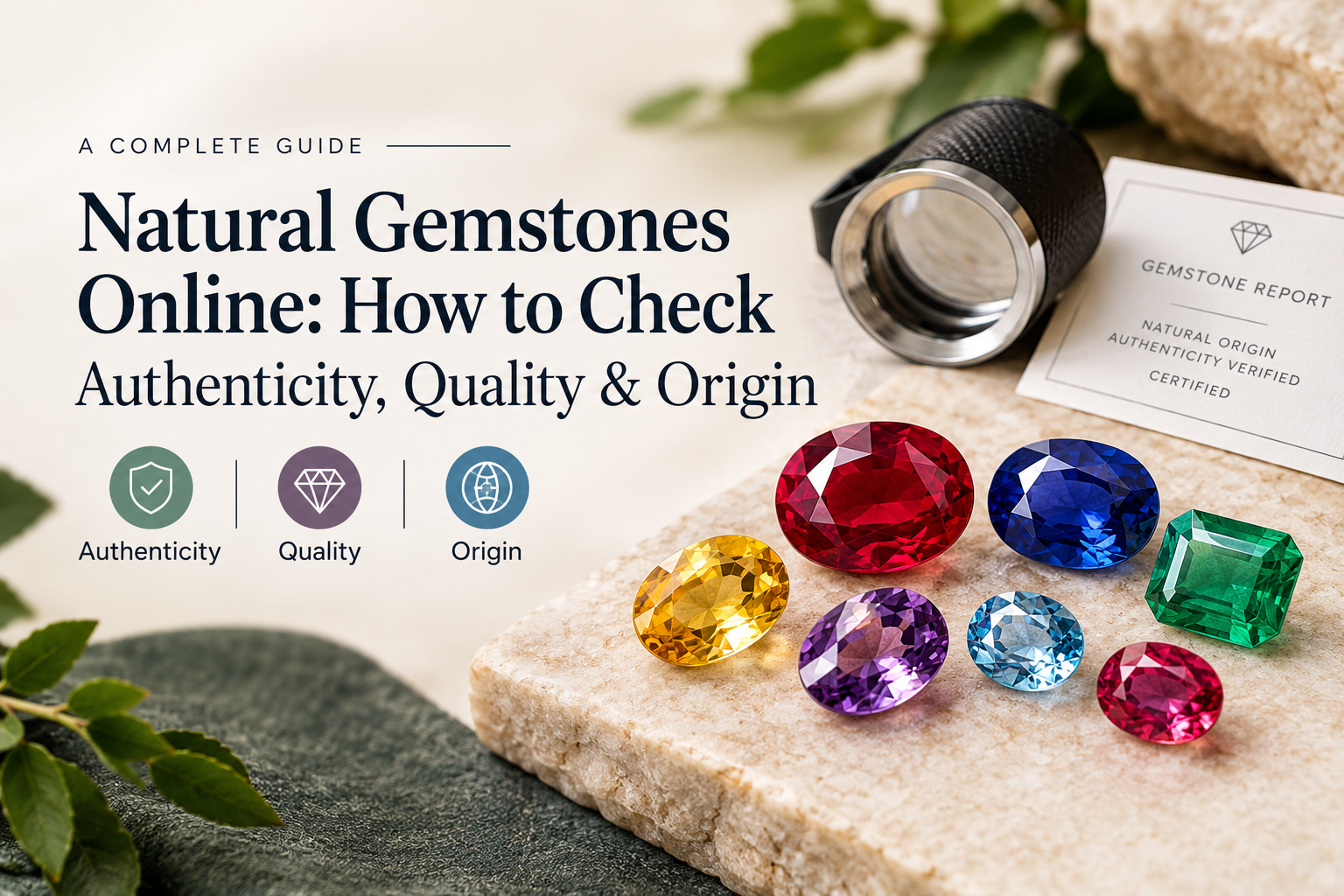
Natural Gemstones Online: How to Check Authenticity, Quality & Origin
How to Buy Certified Gemstones Online: Complete Guide to Certification
Certified Gemstones Online: Why Certification Matters Before Buying
A Complete Guide to Buying Gemstones Online Safely

Online Gemstone Shop: How to Choose a Trusted Seller

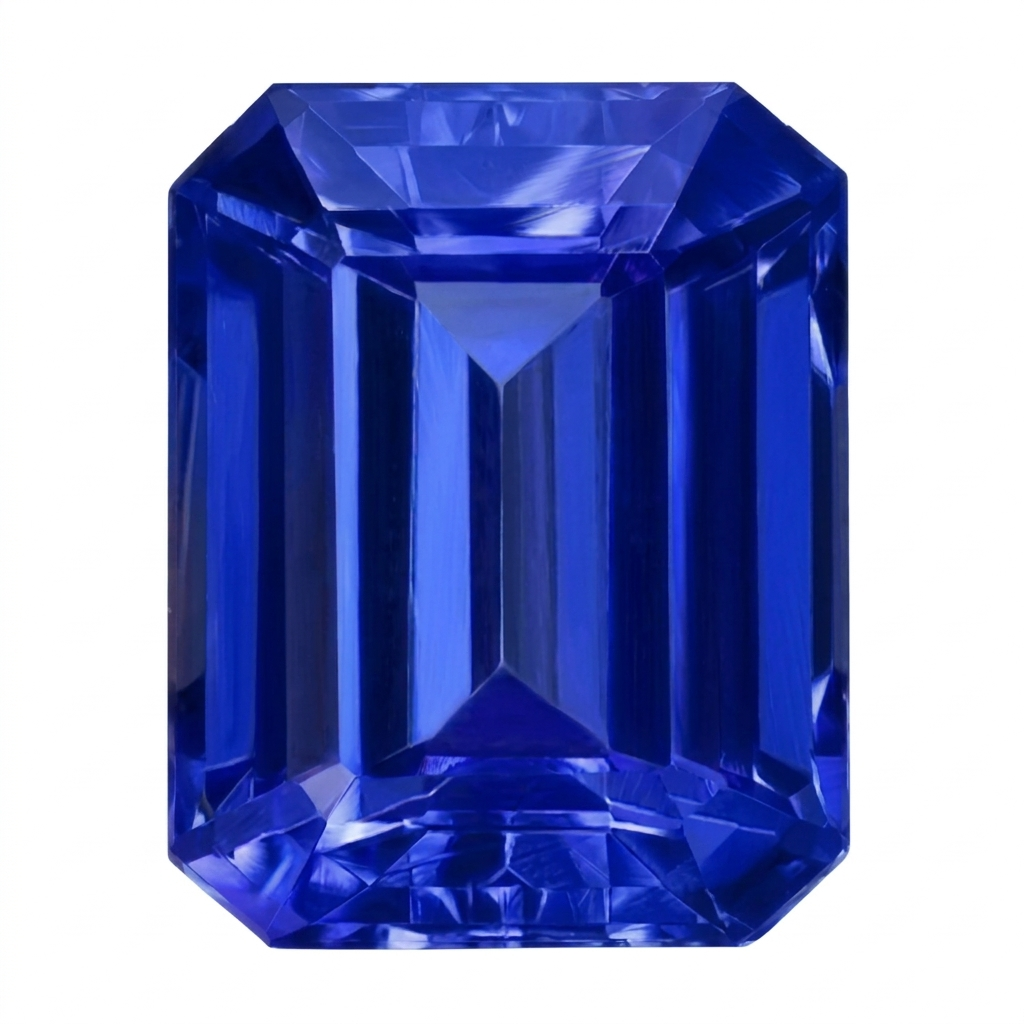 Blue Sapphire
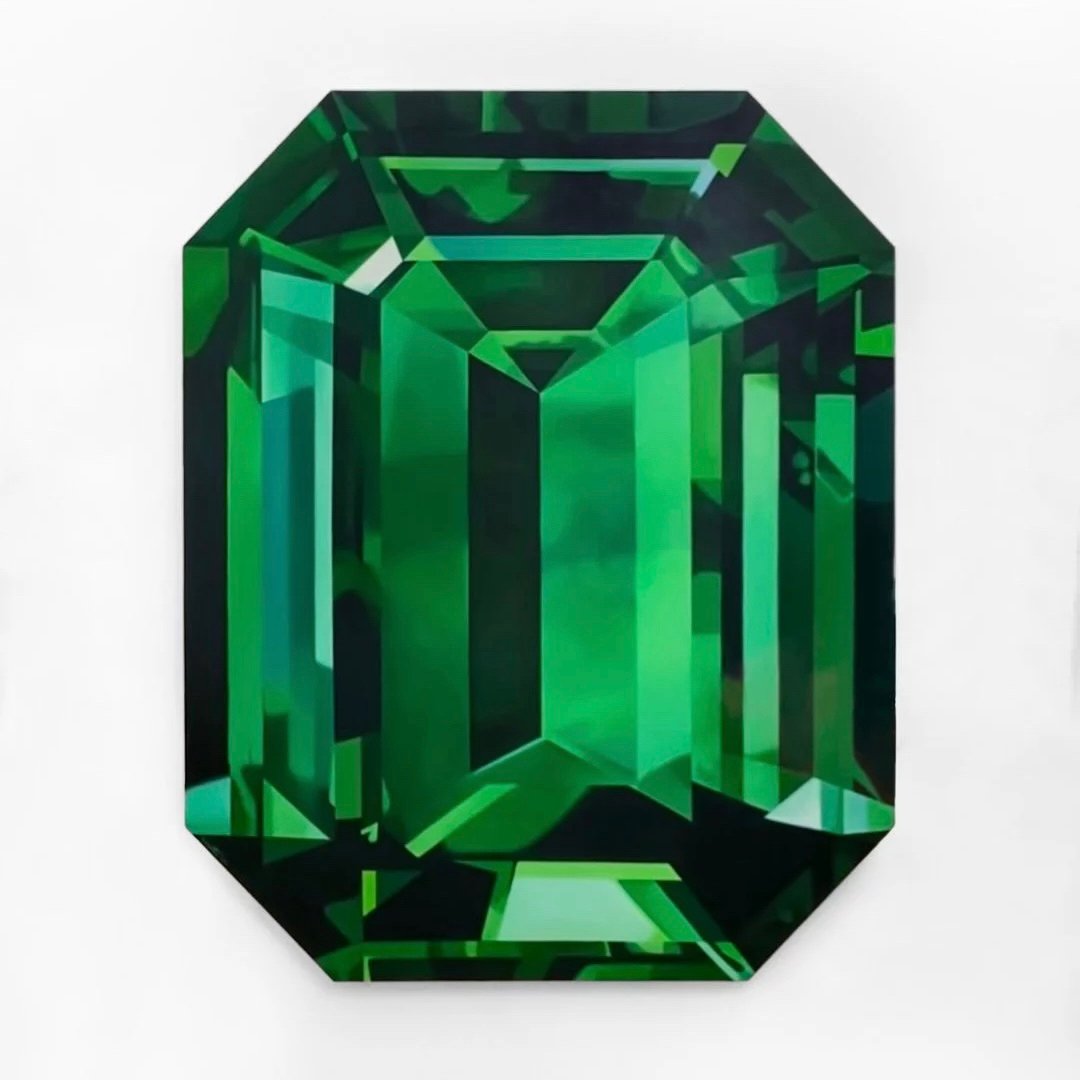 Emerald (PANNA)
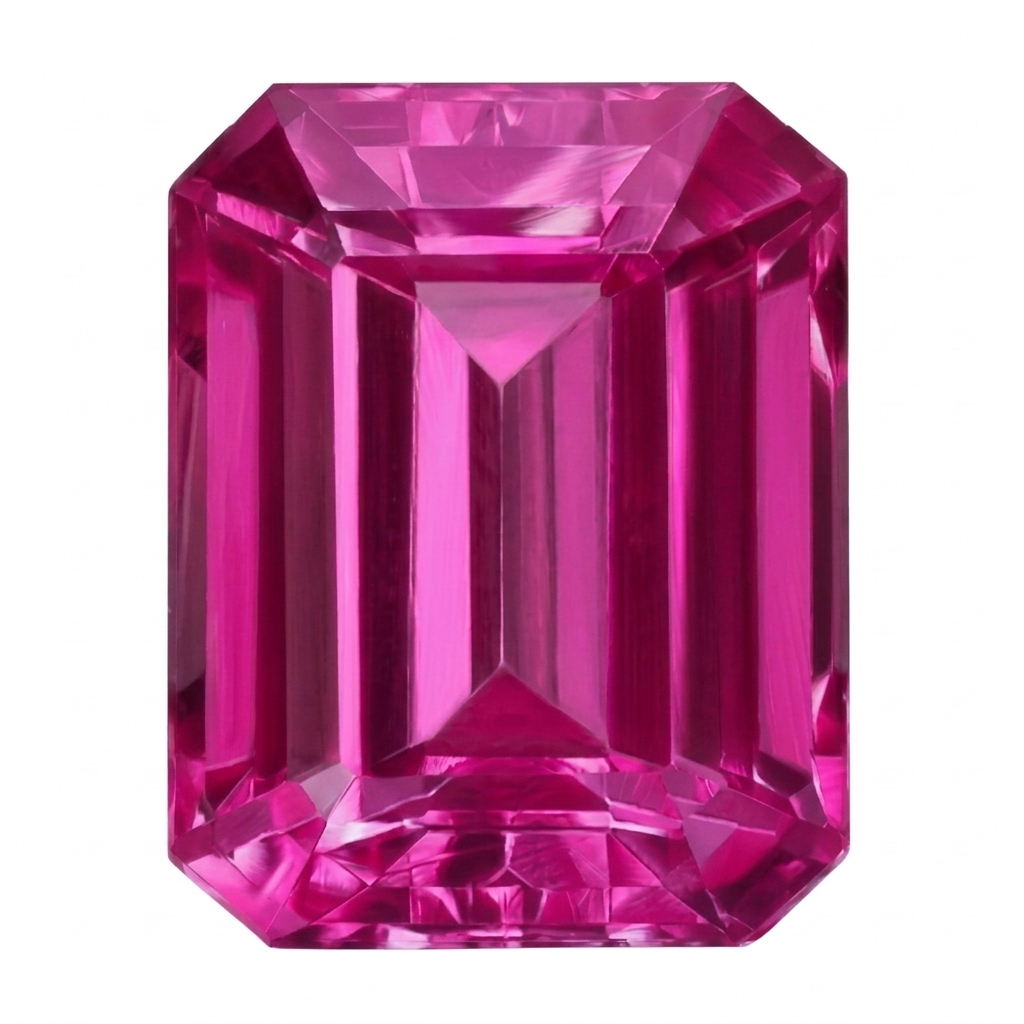 Pink Sapphire
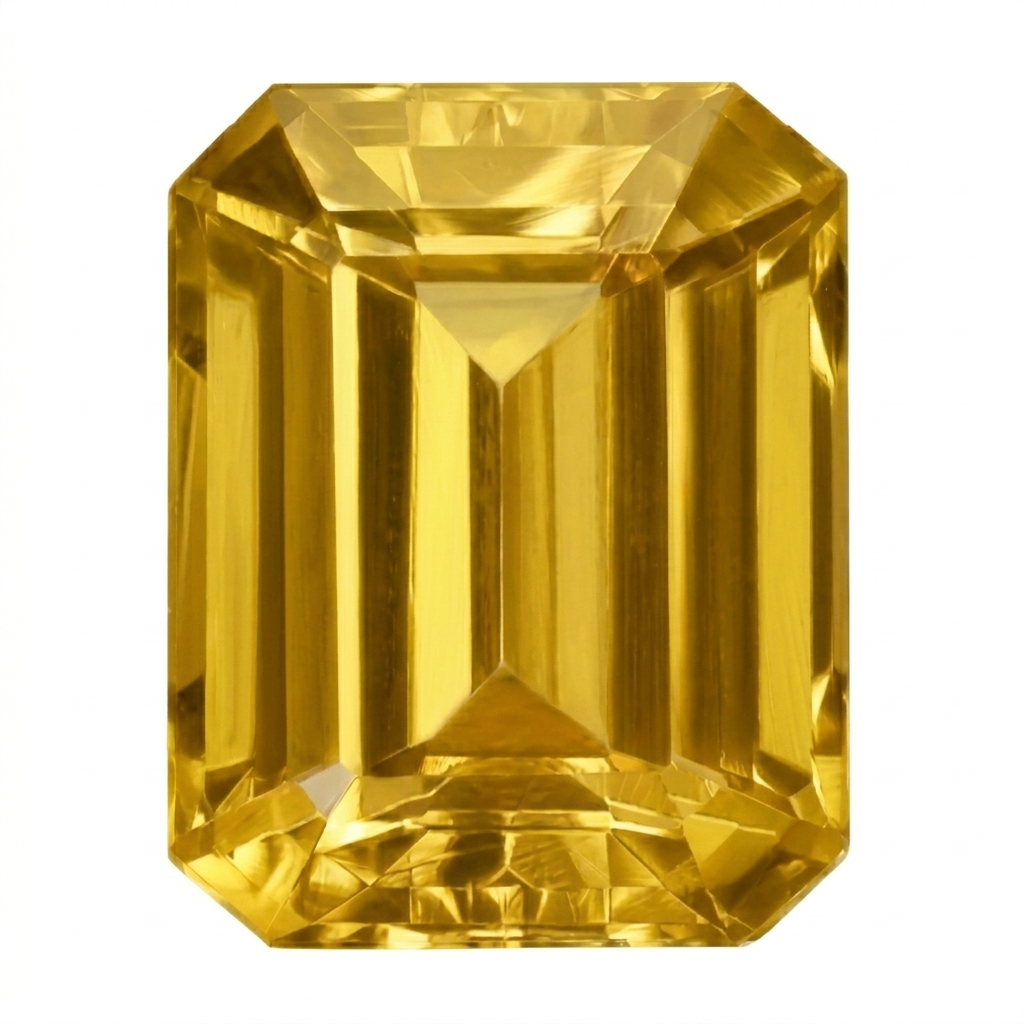 Yellow Sapphire
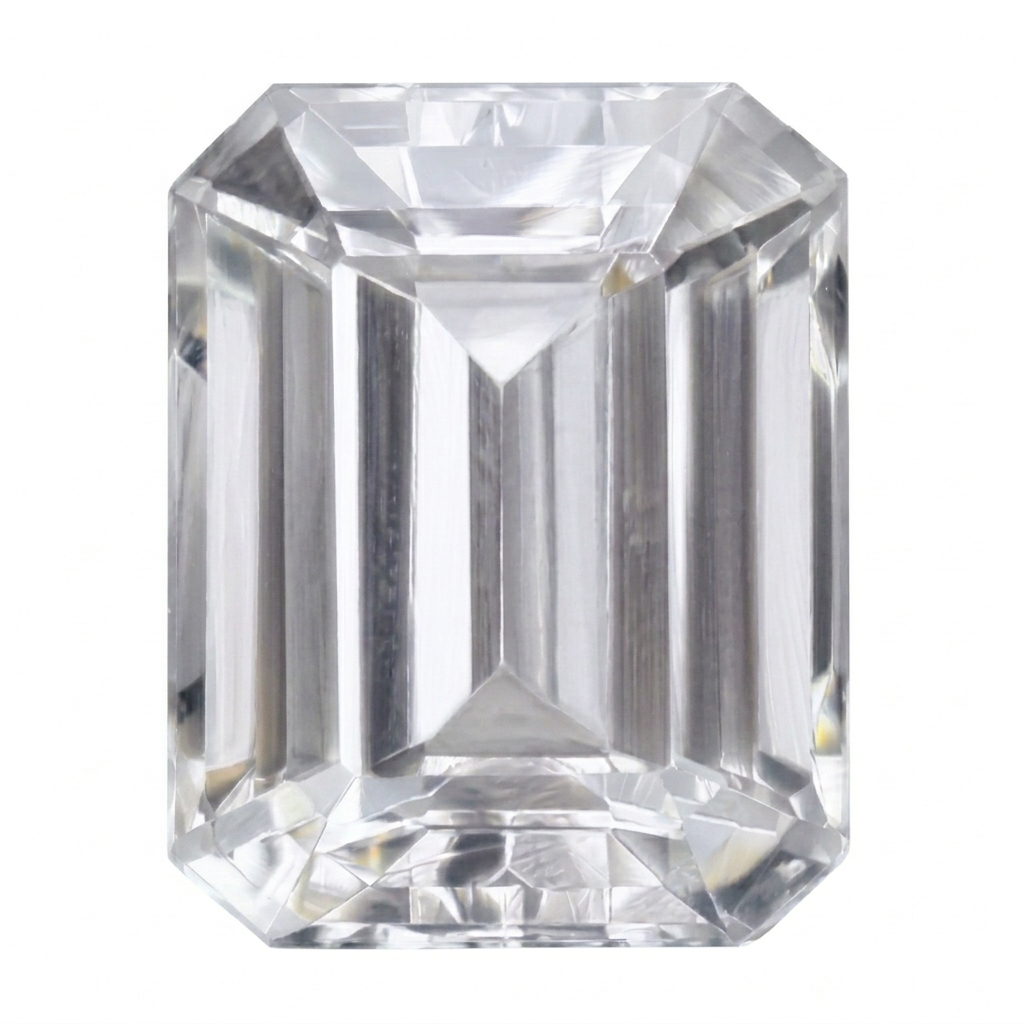 White Sapphire
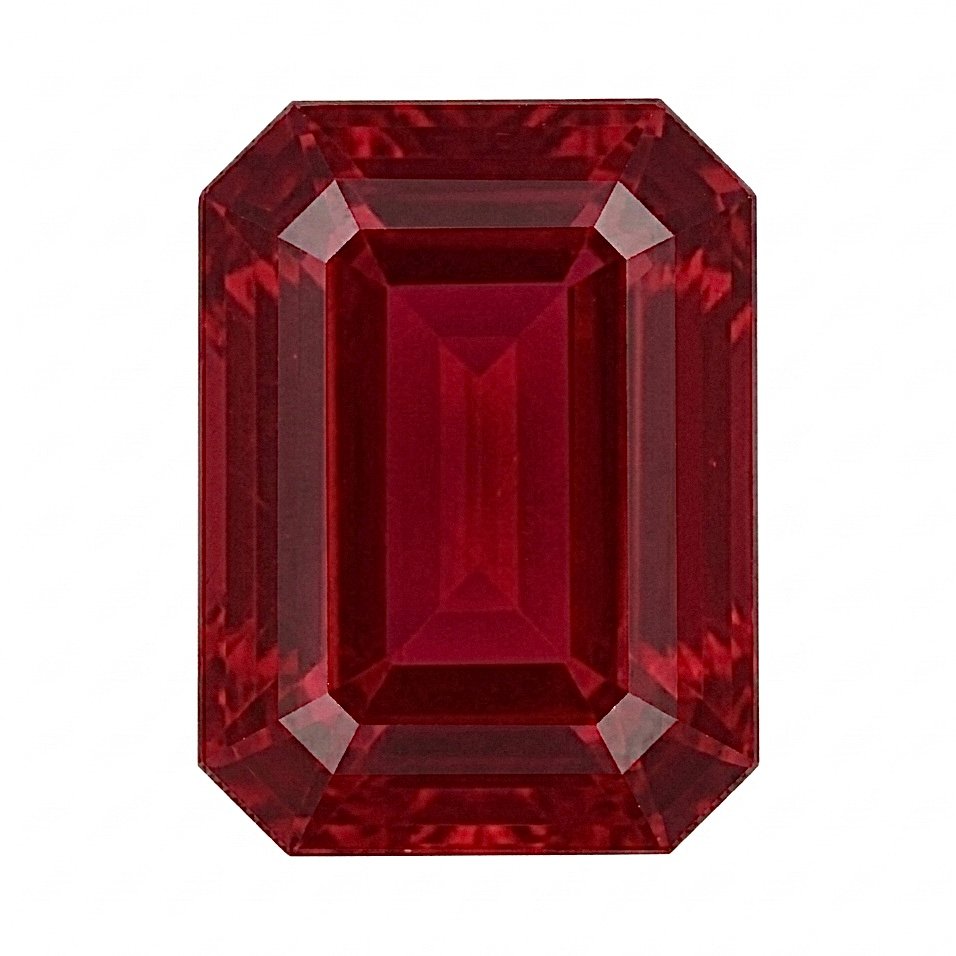 Ruby
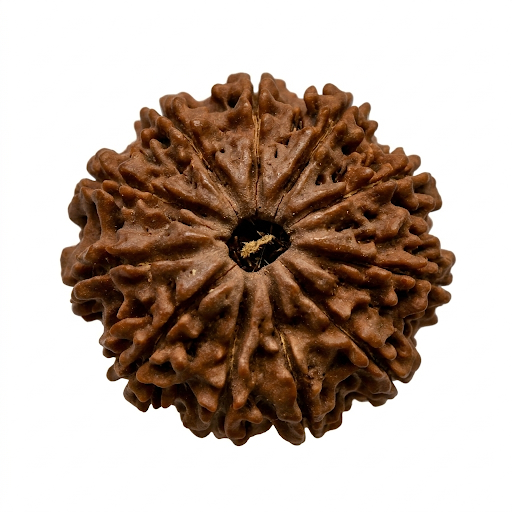 Rudraksha
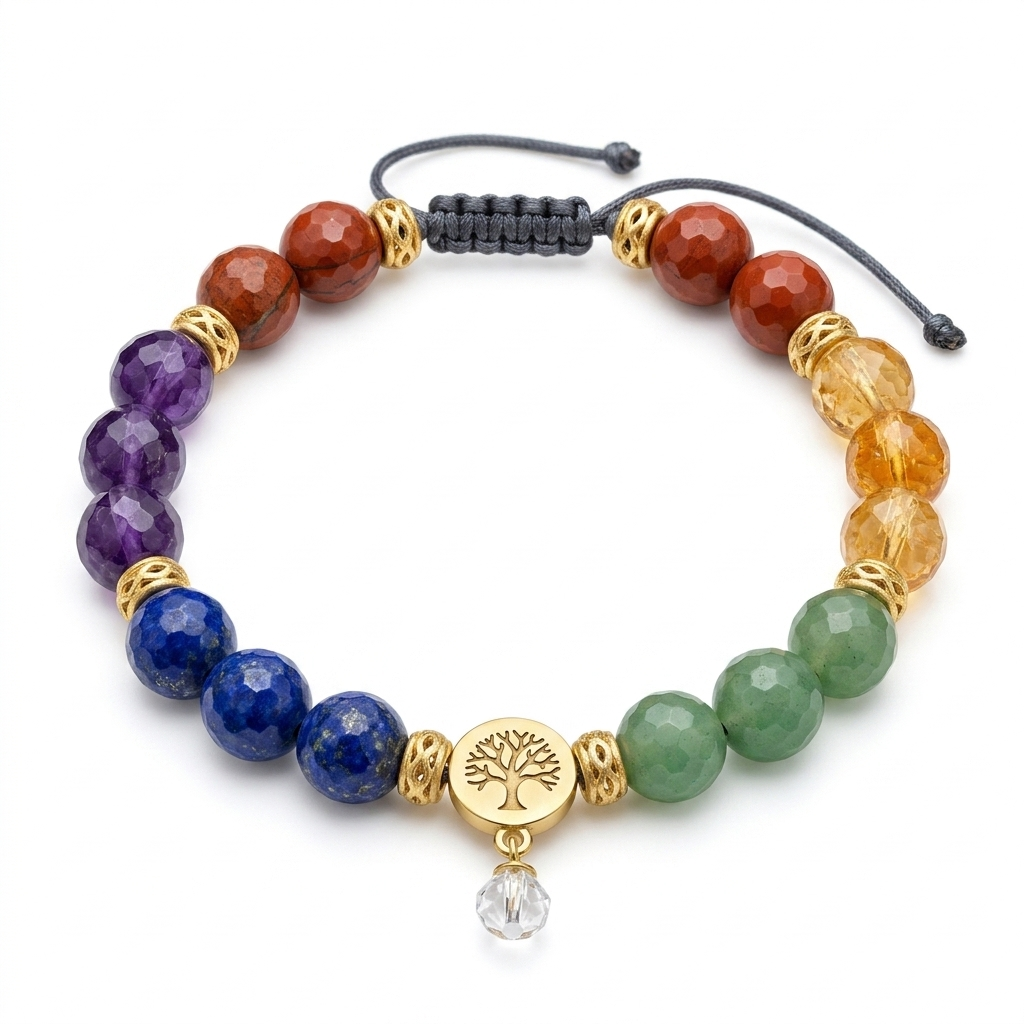 Bracelet
