

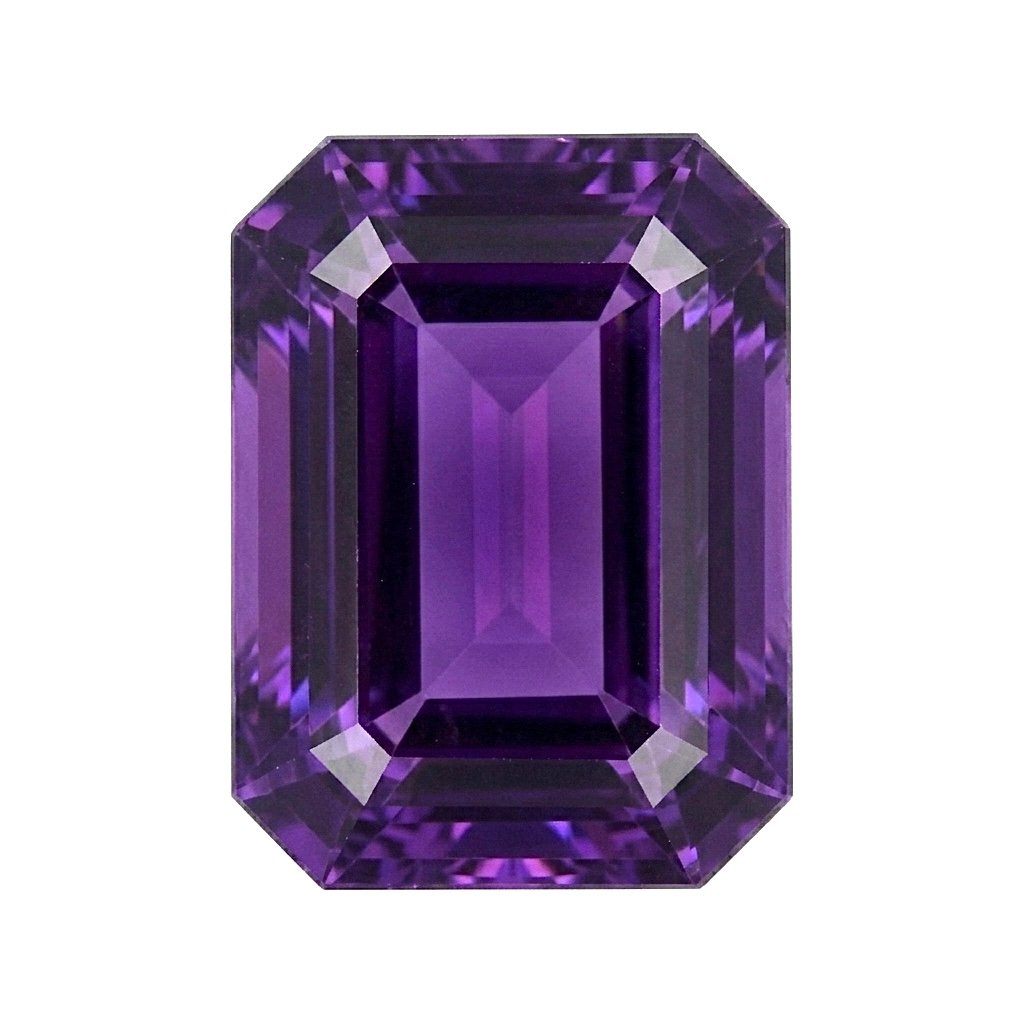
 Amethyst (ऐमेथिस्ट)
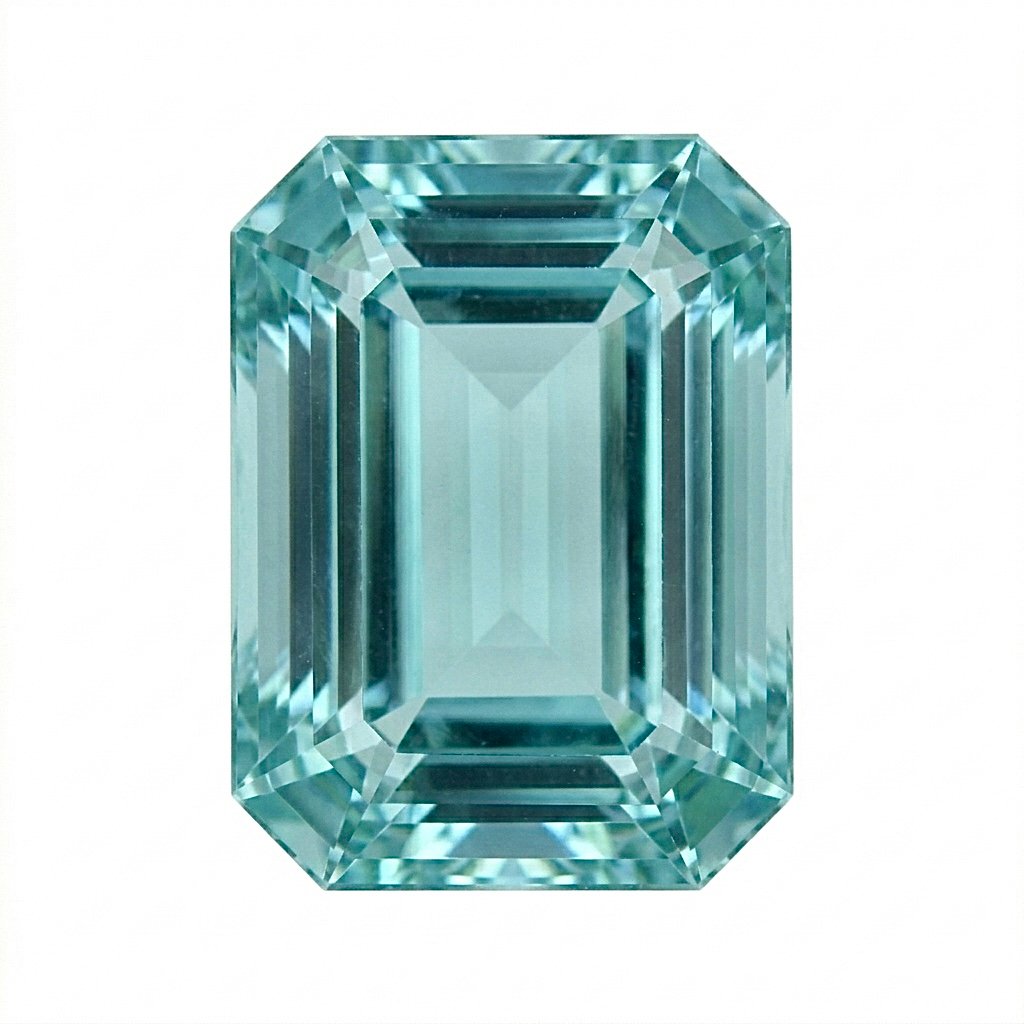 Aquamarine
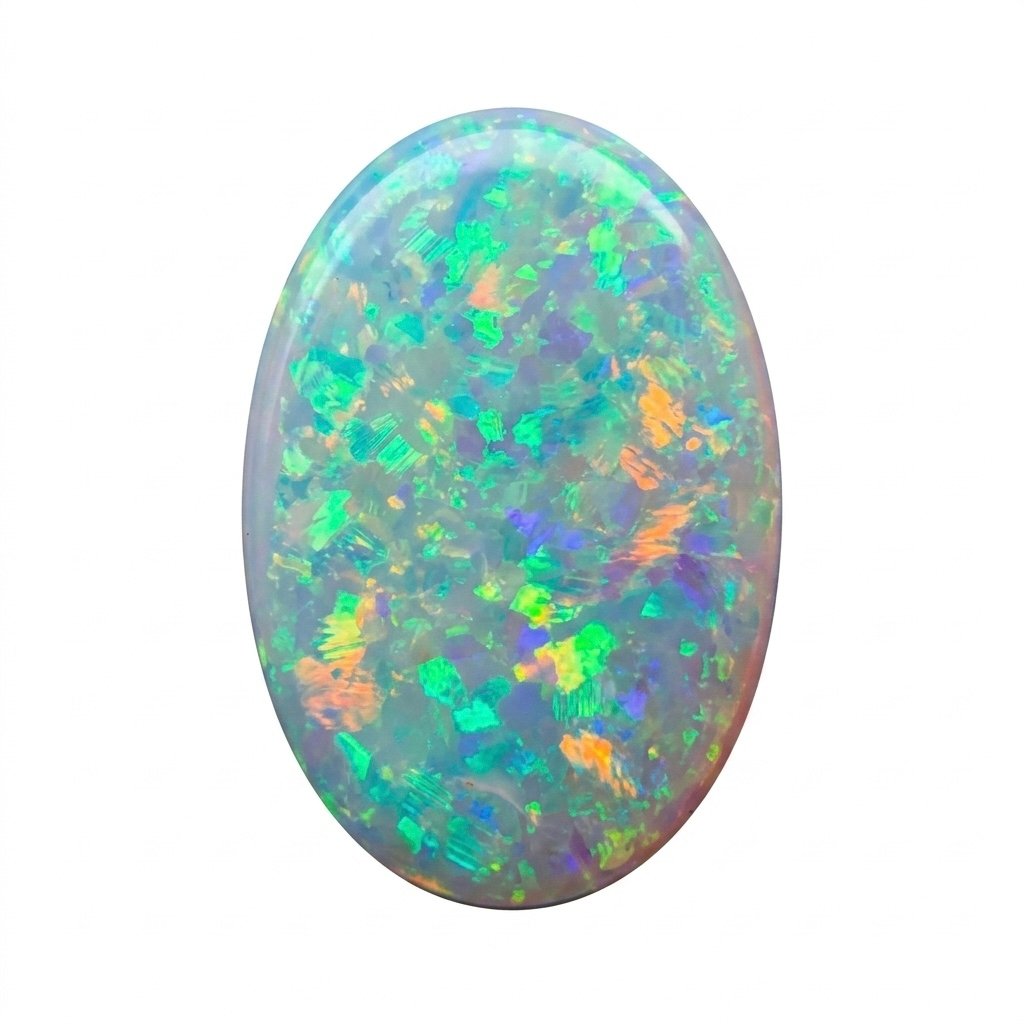 Australian Opal (ओपल)
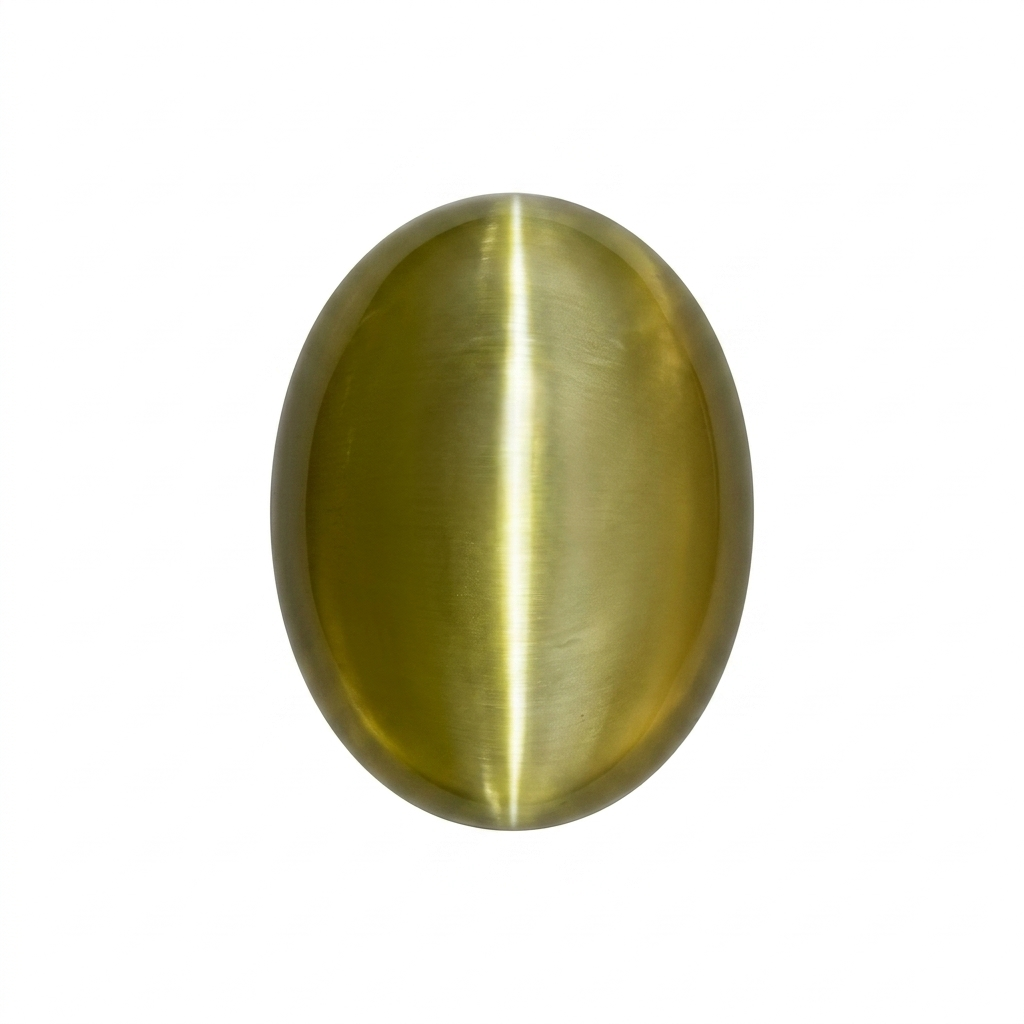 Catseye (लहसुनिया)
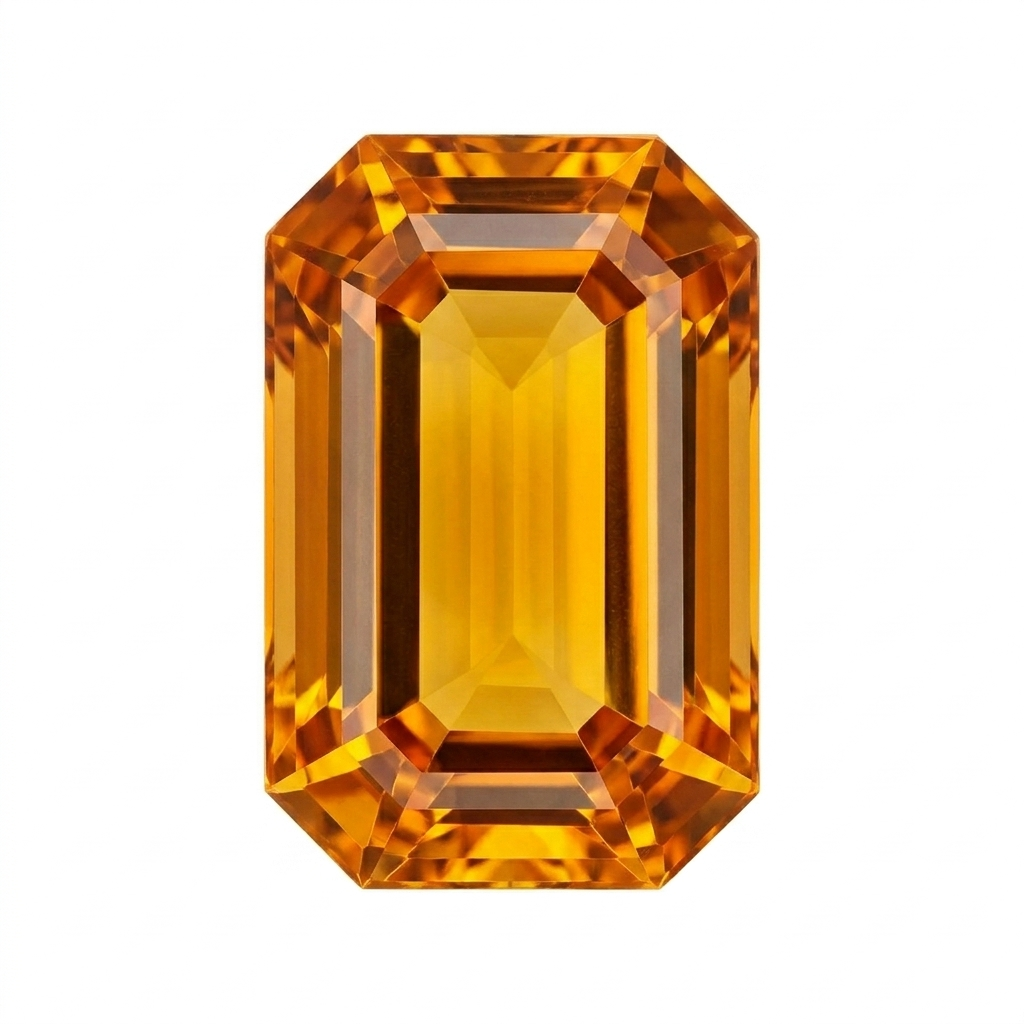 Citrine (सुनेहला)
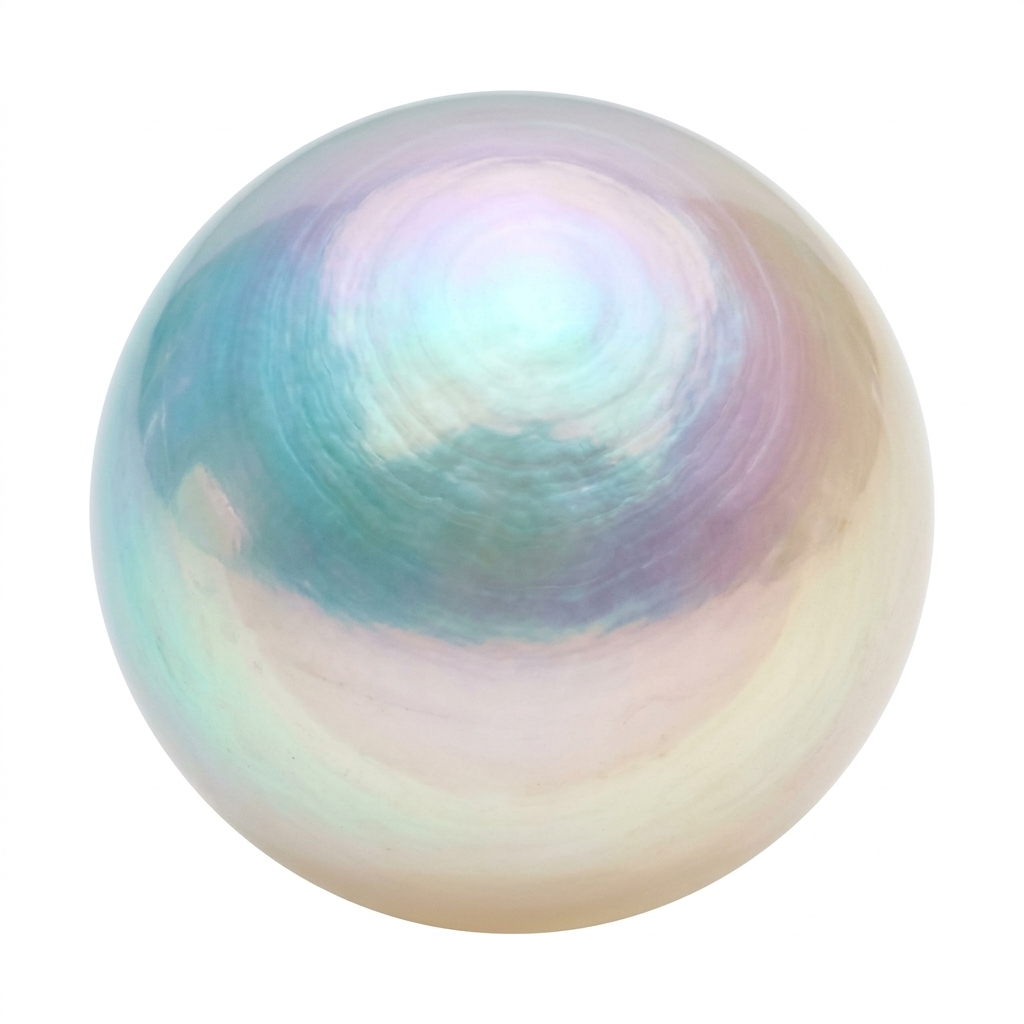 Fresh Water Pearl
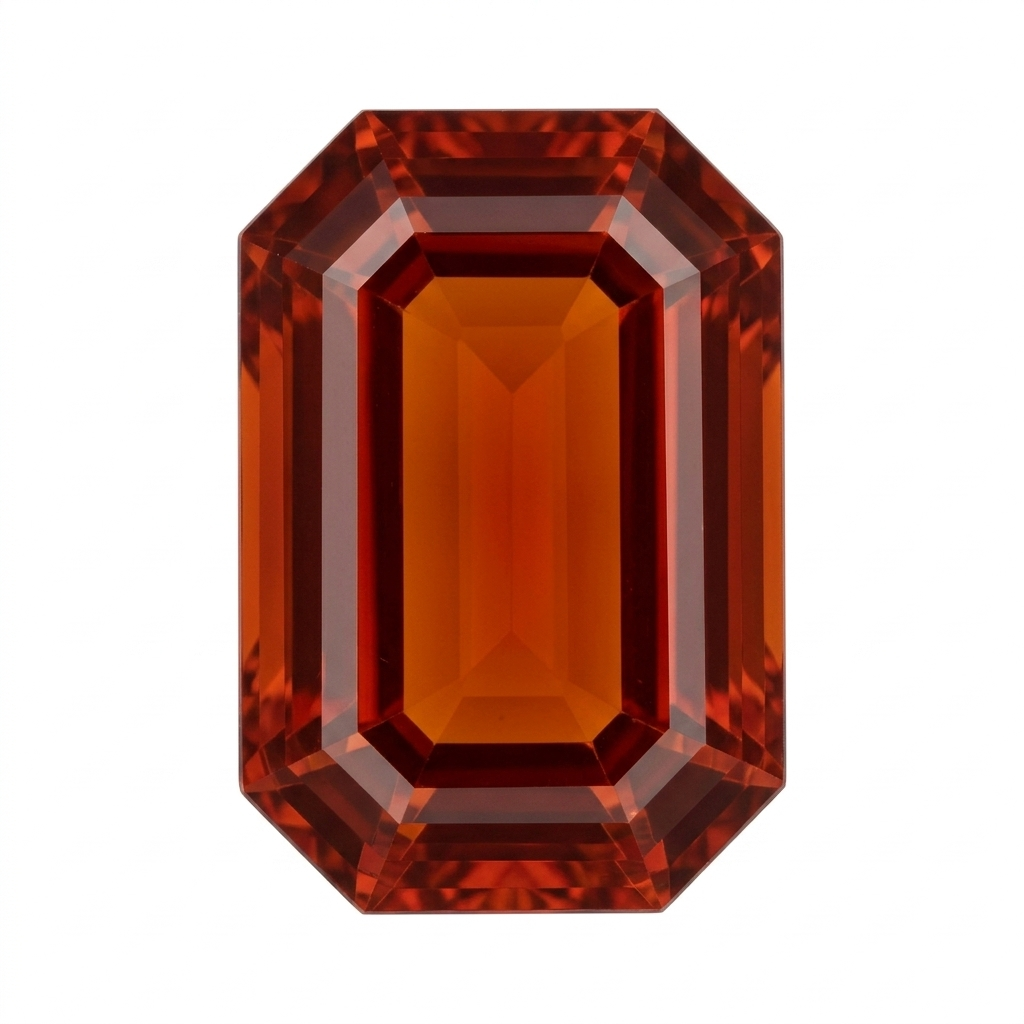 Hessonite (गोमेद)
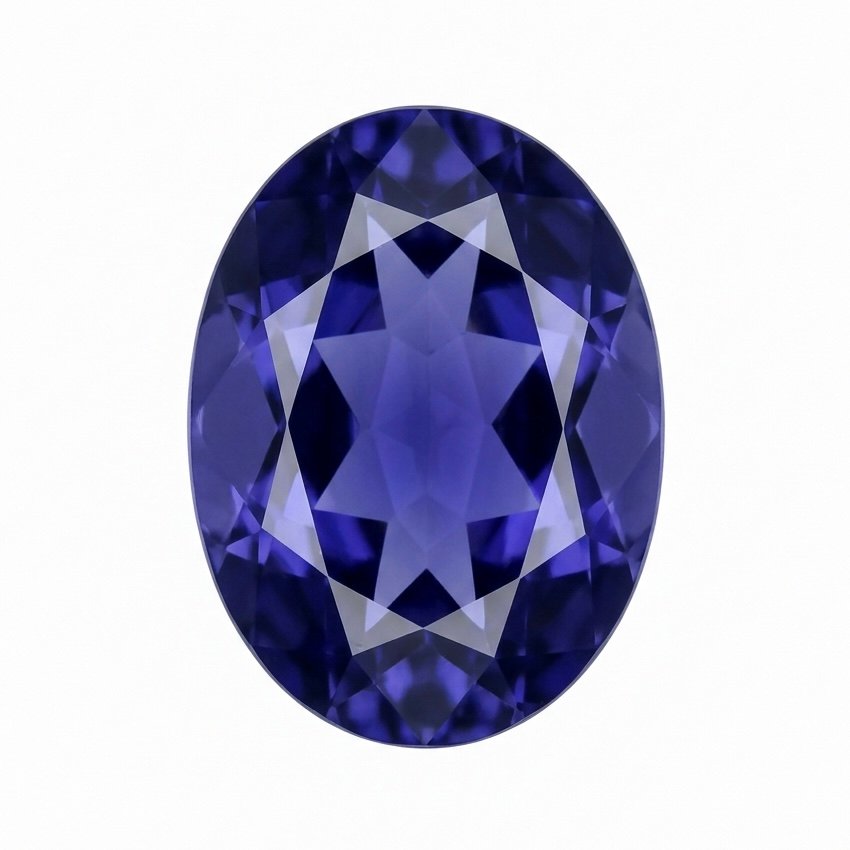 IOLITE (KAKA NILI)
 Japanese White Coral (मूंगा)
 Lapis
 Moonstone
 Natural South Sea Pearl
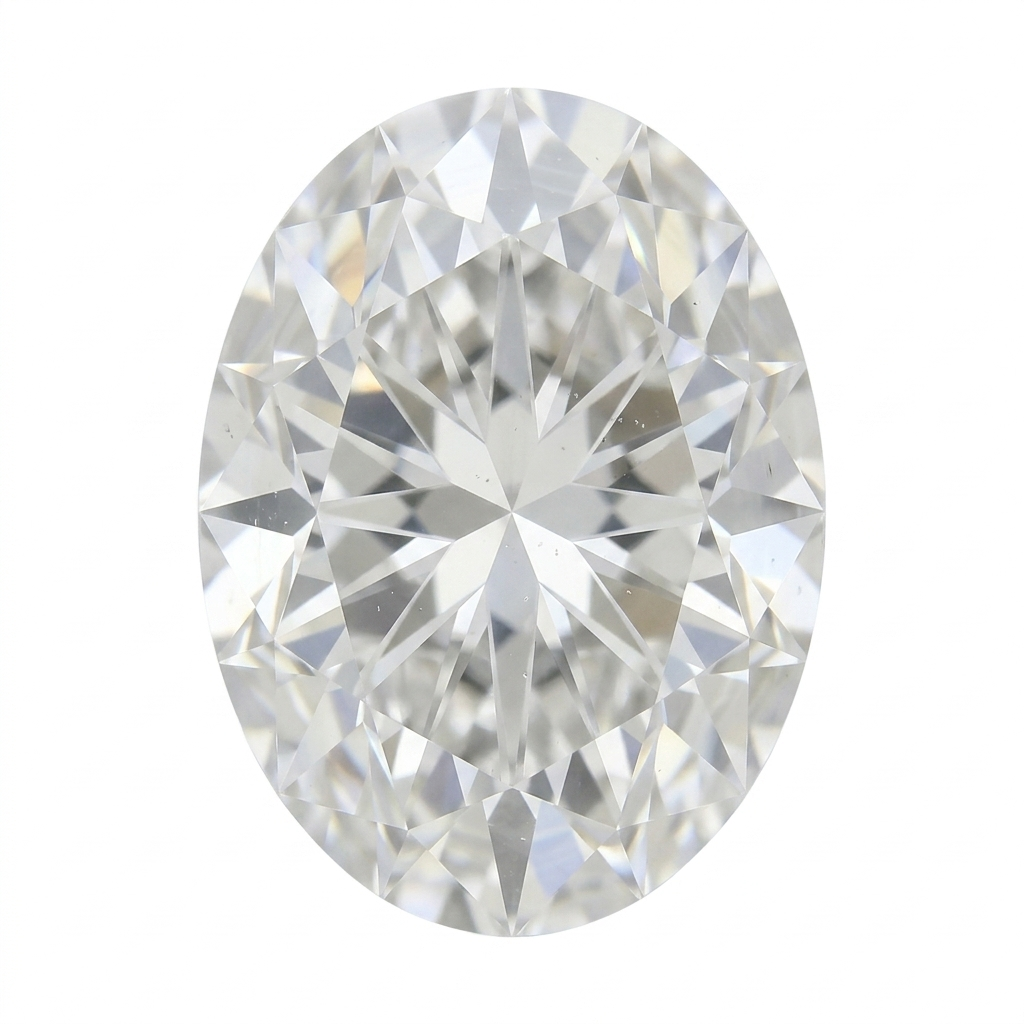 Natural Zircon
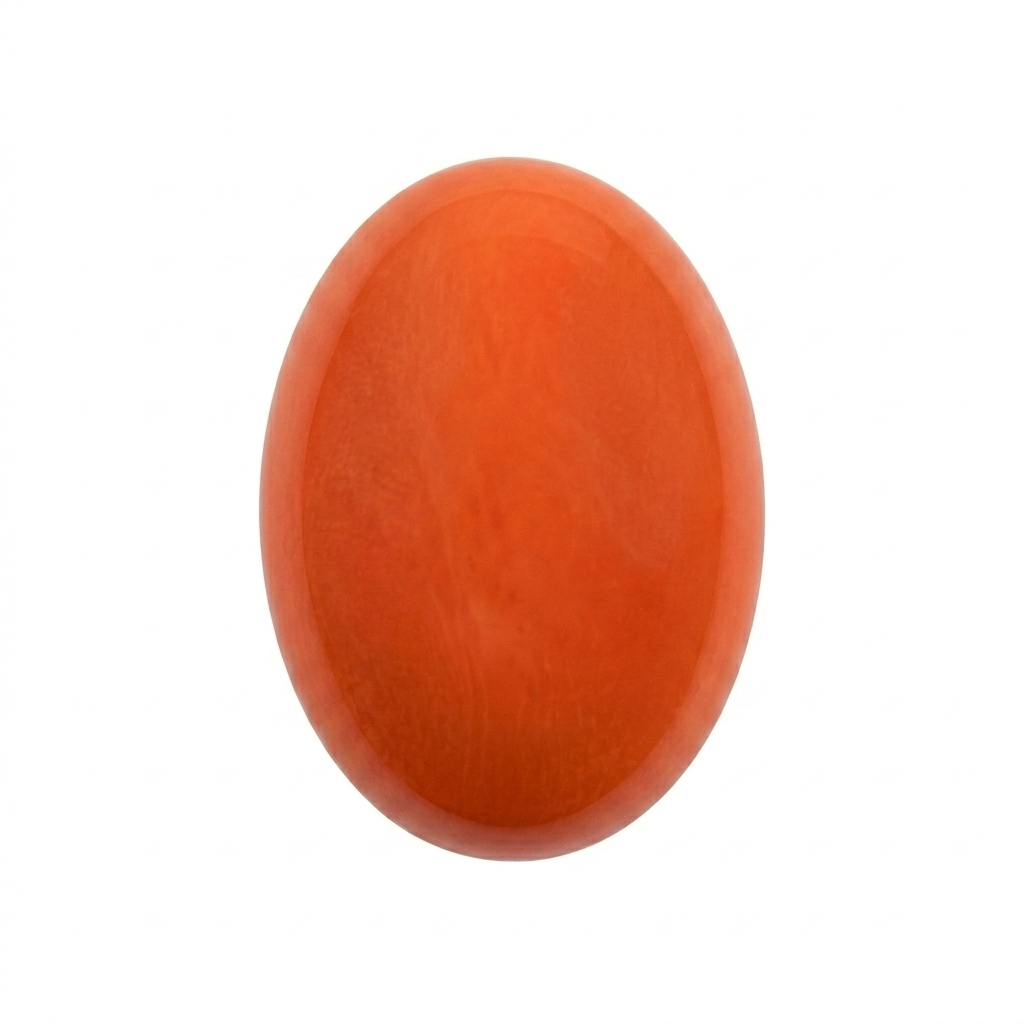 Orange Coral (मूंगा)
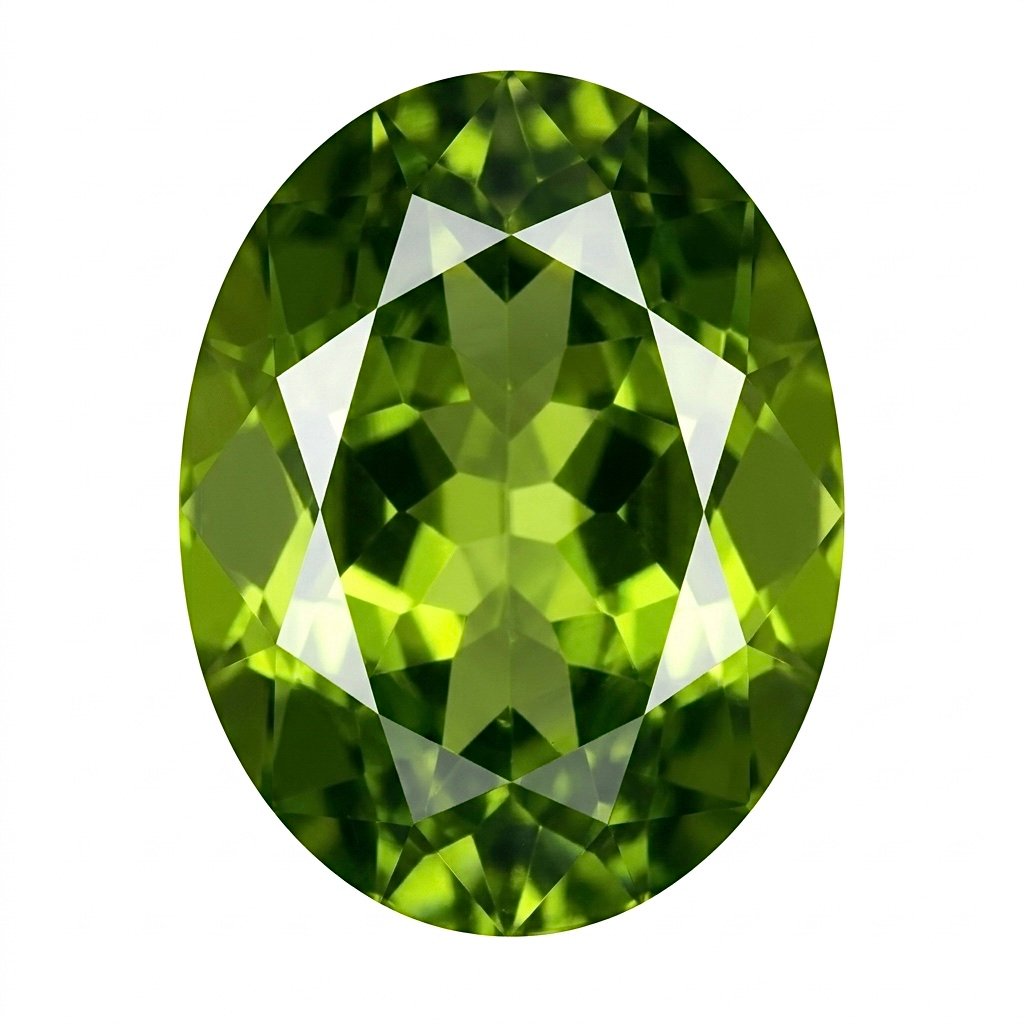 Peridot
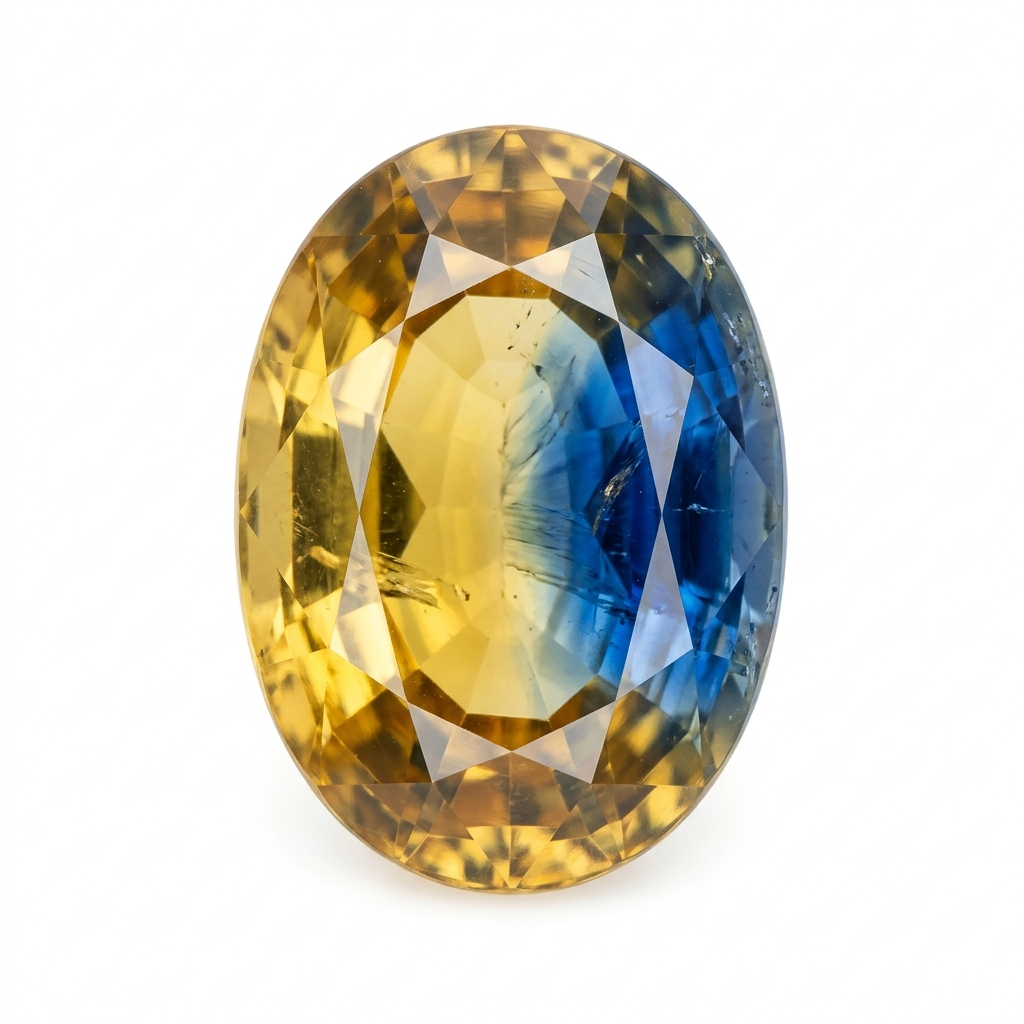 Pitambari
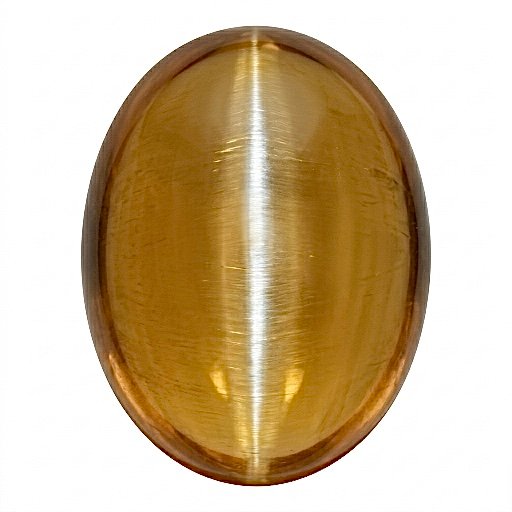 Quartz Catseye
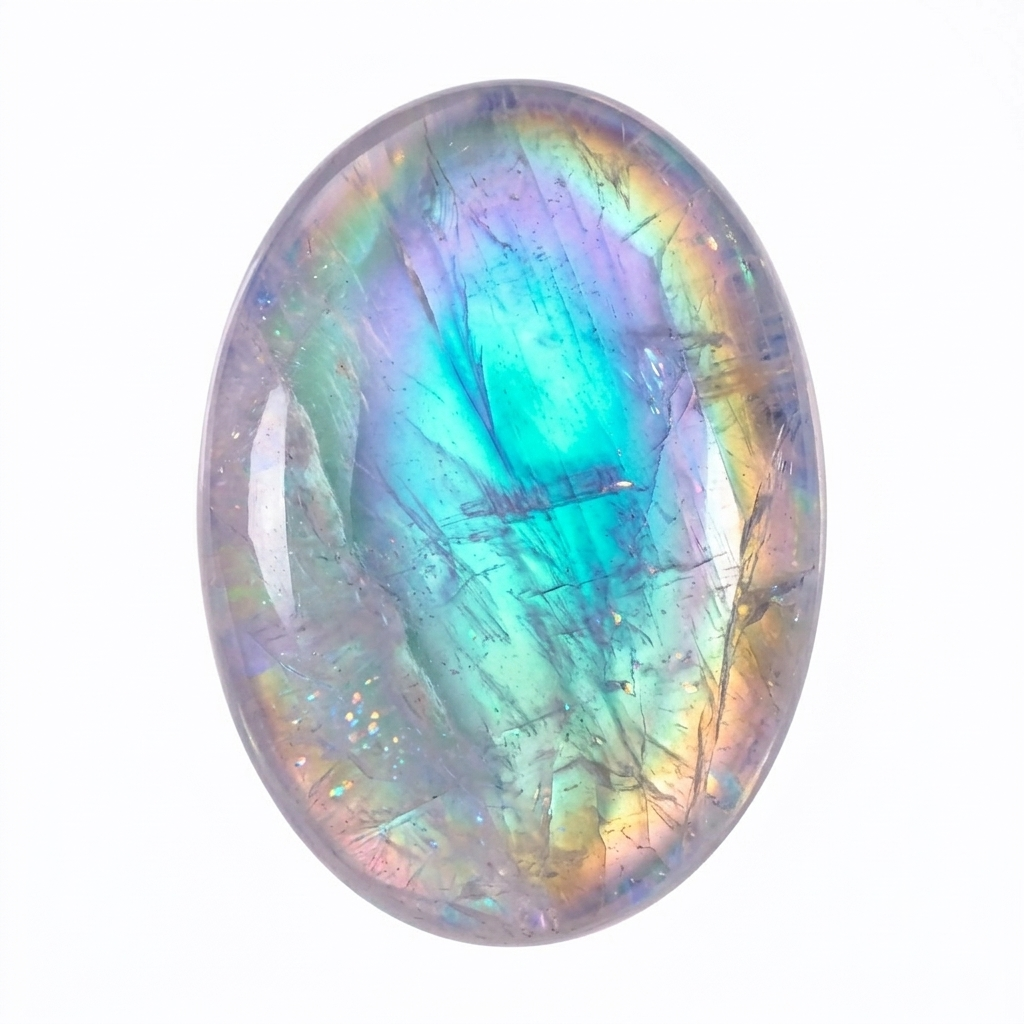 Rainbow Moonstone
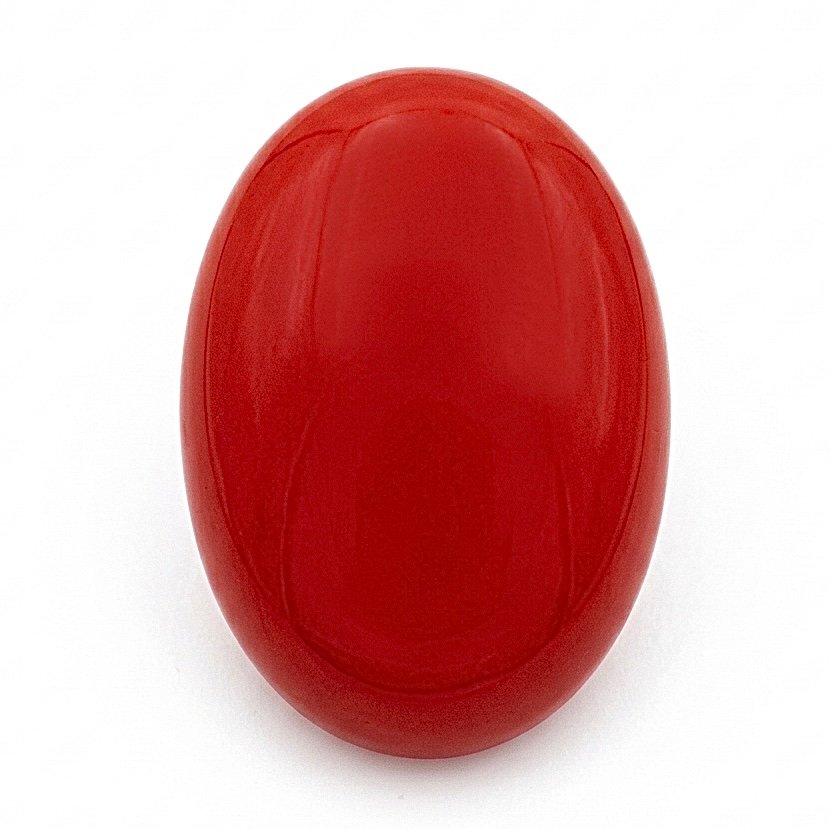 Red Coral (मूंगा)
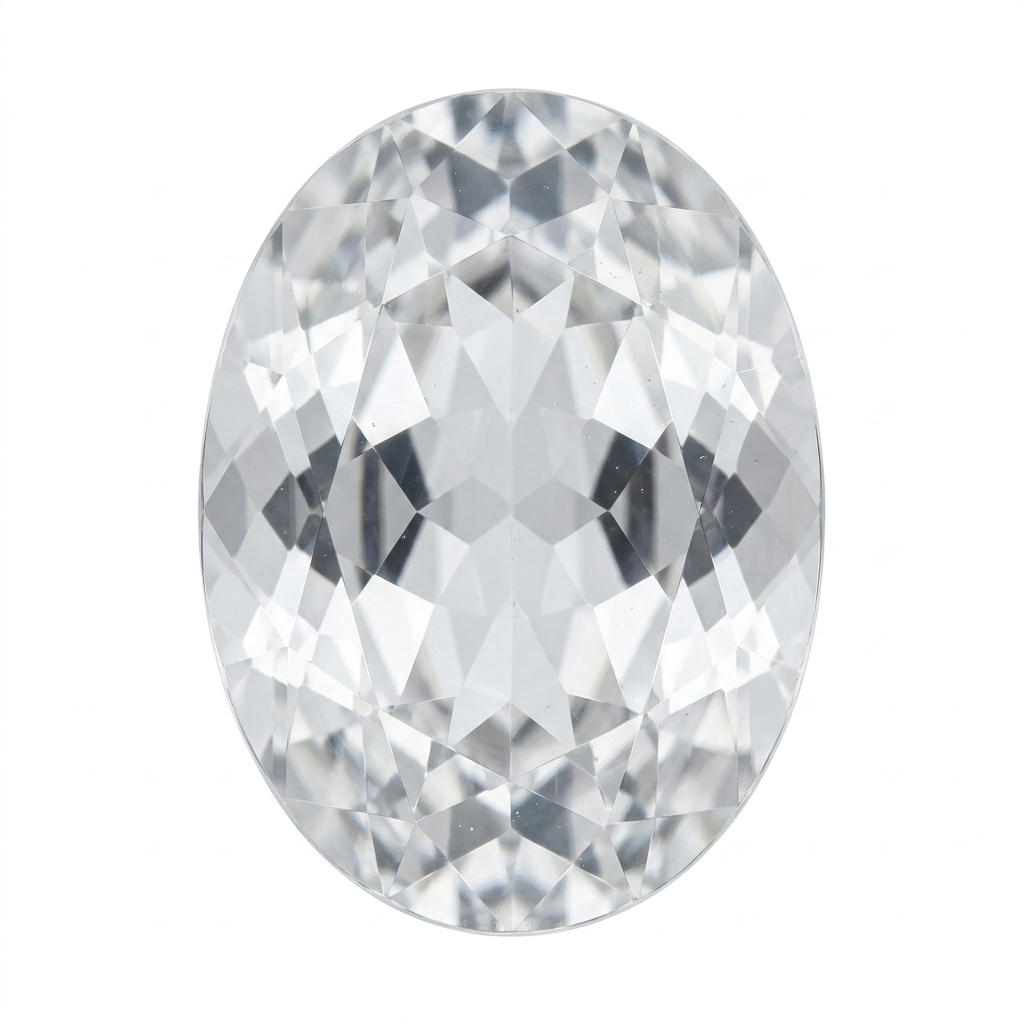 WHITE TOPAZ
Buying gemstones online has become far more practical than it was a decade ago. Detailed product listings, certified lab reports, high-resolution photographs, and direct seller communication have made it possible to purchase gemstones online with a reasonable degree of confidence — provided you know what to look for.
At the same time, the gemstone market includes synthetic stones, glass imitations, treated natural gemstones sold without clear disclosure, and exaggerated quality claims. When you buy gemstones online, you cannot physically inspect the stone before payment. That makes pre-purchase research more important than in a physical shop.
This guide covers the specific checks buyers should complete before placing an order — from verifying authenticity and certification to evaluating sellers and understanding return policies. Whether you are looking to order gemstones online for the first time or you have purchased stones before, the steps below will help you make a more informed decision.
The shift toward online gemstone purchases has been consistent over the past several years. Buyers can now compare stones across multiple sellers, access laboratory reports, view magnified photographs, and check pricing without visiting a physical market. For buyers in smaller cities or towns where specialist gemstone shops are limited, the ability to purchase gemstones online from established sellers in major markets like Delhi has been particularly useful.
India has a long tradition of gemstone trade, with markets in Delhi — including Karol Bagh and the gems and jewellery corridor in Lajpat Nagar — serving buyers from across the country. Many of these sellers have extended their inventory online, making it easier to buy natural gemstones online and compare options that were previously only accessible in person.
The convenience of ordering gemstones online, however, comes with its own set of risks. Understanding those risks — and the steps that reduce them — is the starting point for any safe online gemstone purchase.
Before placing an order, every buyer should complete several checks. These are not optional steps for cautious buyers — they are basic due diligence that applies to any gemstone purchase above a nominal value.
Gemstone identity: Is the stone identified correctly as a ruby, sapphire, emerald, or another variety? Misidentification — whether accidental or deliberate — is one of the more common issues in the online gemstone market.
Natural or synthetic: Is the stone a natural gemstone formed in the earth, a synthetic gemstone with the same chemical composition created in a lab, or an imitation stone with no chemical resemblance to the named gem?
Treatment disclosure: Has the stone been treated? Heat treatment, fracture filling, beryllium diffusion, oiling, and irradiation are all common. Their presence or absence should be clearly stated.
Certification status: Does the stone come with a report from a recognised gemological laboratory? If so, which laboratory, and can the report be verified online?
Weight and measurements: Are the carat weight and dimensions provided accurately? These are material specifications that affect pricing and fit for jewellery settings.
Seller credibility: How long has the seller operated? What do verified buyers say about their experience? Is there a clear physical address and contact method?
Return and refund policy: Can you return the stone within a reasonable period if it does not match the description on arrival?
Authenticity verification is the single most important step when you buy gemstones online. A gemstone's authenticity cannot be determined from a photograph, and even a well-taken video has limitations. The only reliable way to confirm a gemstone's identity and natural status is through a laboratory report from a recognised gemological testing facility.
A gemological laboratory report identifies the stone's species and variety, determines whether it is natural or synthetic, and discloses any treatments that have been detected. Reports from established laboratories — such as the Gemological Institute of America (GIA), the International Gemological Institute (IGI), IGI-GTL (India), the Gemmological Institute of India (GII), or the Indian Institute of Jewellery Gemological Laboratory (IIGJ) — are issued after systematic testing using specialised equipment.
These reports are not a seller's opinion or a guarantee of value. They are a record of what the laboratory found at the time of testing. A natural ruby with heat treatment disclosed in the report is still a natural ruby; the report simply ensures that the buyer knows about the treatment before purchase.
Most reputable laboratories allow buyers to verify a report using the report number on the laboratory's official website. Before purchase, check that the report number provided by the seller returns the correct stone details on the laboratory's verification page. If the seller provides a report but the number cannot be verified online, ask the seller to clarify before proceeding.
Certification is often misunderstood as a quality stamp or a guarantee that a stone is valuable. It is neither of those things. What a certificate — more accurately called a laboratory report or grading report — provides is a reliable, independent record of what the stone is.
When you buy certified gemstones online, you are purchasing with knowledge of the stone's identity, treatments, and recorded characteristics, rather than relying solely on what the seller tells you. This distinction matters considerably when buying gemstones online, because you cannot examine the stone in person.
Some commonly sold gemstones — including many commercial-grade stones sold at lower price points — are not accompanied by laboratory reports. This does not automatically mean they are not genuine, but it does mean the buyer has no independent verification of what they are purchasing. For stones of significant value, a laboratory report should be considered essential.
The terms "original" and "natural" are used frequently in the Indian gemstone market and sometimes interchangeably, but they refer to specific characteristics. A natural gemstone is one that formed in the earth through geological processes, without human intervention in its creation. An original gemstone, in common usage, typically means the same thing — a genuinely natural stone rather than a synthetic or imitation.
Synthetic gemstones have the same chemical composition, crystal structure, and optical properties as their natural counterparts, but they are created in a laboratory rather than formed naturally. A synthetic sapphire is chemically identical to a natural sapphire. In principle, this distinction should always be clearly disclosed in a product listing. In practice, not all sellers make this disclosure clearly when you buy natural gemstones online.
Imitation stones — including glass, plastic, and composite assemblies — have no chemical relationship to the gemstones they are intended to resemble. A piece of blue glass is not a sapphire of any kind. Imitation stones can look convincing in photographs and are considerably cheaper to produce, which creates an incentive for misrepresentation. Buy original gems online only from sellers who provide independent certification and clear treatment disclosures.
Treatment disclosure is one of the most frequently overlooked aspects of buying gemstones online. Treatments are procedures applied to a gemstone after it is mined to improve its appearance — typically its colour or clarity. Many treatments are widely accepted in the trade, but they must be disclosed because they affect the stone's value and, in some cases, its durability and care requirements.
Heat treatment: Applied to corundum (ruby and sapphire) and many other gemstones to improve colour and clarity. Widely accepted; must be disclosed.
Fracture filling: Used in rubies and emeralds to fill surface-reaching cracks and improve transparency. Affects durability; must be disclosed.
Beryllium diffusion: A treatment for corundum that alters colour by diffusing beryllium into the stone's lattice. Controversial; must be clearly disclosed.
Oiling and resin filling: Common in emeralds. Cedar oil or resin is used to fill fractures. Must be disclosed along with the degree of filling.
Irradiation: Used to enhance or change colour in several gemstone varieties. Must be disclosed.
When you purchase gemstones online, review the listing carefully for treatment information. If treatment status is not mentioned, ask the seller directly before placing an order.
Gemstone prices vary significantly based on variety, origin, colour saturation, clarity, carat weight, and treatment history. A ruby from Mogok, Myanmar with no heat treatment will be priced very differently from a similarly sized heat-treated ruby from another origin, even if both stones are natural and genuinely ruby.
When you compare gemstone prices online, account for these variables rather than treating price alone as a quality indicator. Unusually low prices for a claimed high-quality stone are a common warning sign. If a seller is offering what appears to be a high-quality, untreated Burmese ruby at a price significantly below the market rate, that discrepancy warrants careful scrutiny of the documentation.
Compare prices across multiple sellers for similar specifications — same stone variety, comparable weight, similar treatment status, and similar quality characteristics. This gives a realistic picture of current market pricing.
The seller's credibility is as important as the stone's documentation. When you order gemstones online, consider the following:
Business longevity: Established sellers with a track record are generally more reliable than newly created listings with no purchase history. Sellers like Gems N Diamond, operating from Delhi since 1972, have a verifiable history in the gemstone trade.
Physical presence: A seller with a verifiable physical address and contact information provides an additional layer of accountability.
Verified reviews: Look for reviews that describe specific purchases and outcomes rather than generic positive comments. Pay attention to how the seller responds to any negative reviews.
Certificate availability: Does the seller provide laboratory reports for the stones they list? Can those reports be verified independently?
Product detail quality: Does the seller provide complete specifications — exact carat weight, measurements, treatment status, origin (if known), and certification details? Incomplete listings are a risk factor.
While photographs and videos cannot replace physical inspection or laboratory analysis, they do provide useful information when evaluated correctly.
Request multiple photographs from different angles, under different lighting conditions. A stone photographed only under studio lighting designed to enhance colour saturation may look quite different in natural light.
If a video is available, watch it to assess how the stone behaves in motion — how light reflects and refracts through it.
Check whether the photograph shown matches the specific stone being sold, or whether it is a stock image representing the variety. Ask the seller to confirm this if unclear.
Note the scale in product photographs. A stone can appear considerably larger or smaller depending on photographic scale and background.
Even when all pre-purchase checks are completed, a stone can arrive and be a poor match for the description — in colour, size, or quality — or the documentation may not match what was described. A clear, workable return policy provides a practical remedy in these situations.
Before placing an order, read the return policy carefully. Check how many days the seller allows for returns, whether the return shipping cost is borne by the buyer or seller, what condition the stone must be in for a return to be accepted, and how refunds are processed. An unclear or very restrictive return policy is a meaningful risk factor when buying gemstones online.
Buying by price alone: The cheapest option is rarely the best value in the gemstone market. A significantly below-market price for a claimed high-quality stone is almost always a sign of misrepresentation or undisclosed treatments.
Trusting appearance over documentation: Photographs are not verification. A convincing photograph of a deep red stone does not confirm that the stone is a natural ruby.
Ignoring treatment disclosure: Treatments are not defects, but they must be disclosed. Buying without knowing a stone's treatment history means buying without complete information.
Skipping laboratory report verification: A certificate number that cannot be verified on the laboratory's website is a significant red flag.
Not reading return policies: Understanding your options if the stone does not match the listing is essential before you place an order.
Bringing together the checks described above, here is a practical sequence for a safe online gemstone purchase:
Step 1: Identify the gemstone variety you want and your budget range.
Step 2: Identify reputable sellers who provide laboratory certificates and have a verifiable track record.
Step 3: For each stone you are seriously considering, verify the laboratory report number on the issuing laboratory's website.
Step 4: Review the treatment disclosure and confirm you understand what treatments have been applied and what that means for the stone's care and value.
Step 5: Compare the stone's specifications and price against similar stones from other sellers.
Step 6: Read the return policy before placing the order.
Step 7: Keep all documentation — the laboratory report, the seller's product description, photographs, and payment receipts — after purchase.
A Yes, provided you follow due diligence steps — verifying the laboratory report, checking the seller's reputation, reviewing treatment disclosures, and reading the return policy. The risk comes from skipping these checks rather than from online purchasing itself.
A At minimum, you should receive a certificate or laboratory report from a recognised gemological laboratory, along with the seller's invoice. The report should identify the stone, confirm whether it is natural or synthetic, and disclose any detected treatments.
A Yes. Many established Delhi-based gemstone sellers ship nationally. Confirm shipping timelines, packaging standards, and insurance for transit before placing an order.
A A certified gemstone comes with a laboratory report from a recognised gemological testing facility confirming its identity, natural status, and treatments. An uncertified stone does not have independent third-party verification, meaning you are relying on the seller's word alone.
A Contact the seller immediately and refer to the product listing and documentation you received. If the seller has a return policy, initiate the return process within the stated window. Keep all packaging and documentation until the matter is resolved.
Buying gemstones online can be done safely with proper research. Verify documentation, check seller credibility, understand treatment disclosures, and read return policies before you complete a purchase. These steps consistently separate a confident, well-informed purchase from a regrettable one.
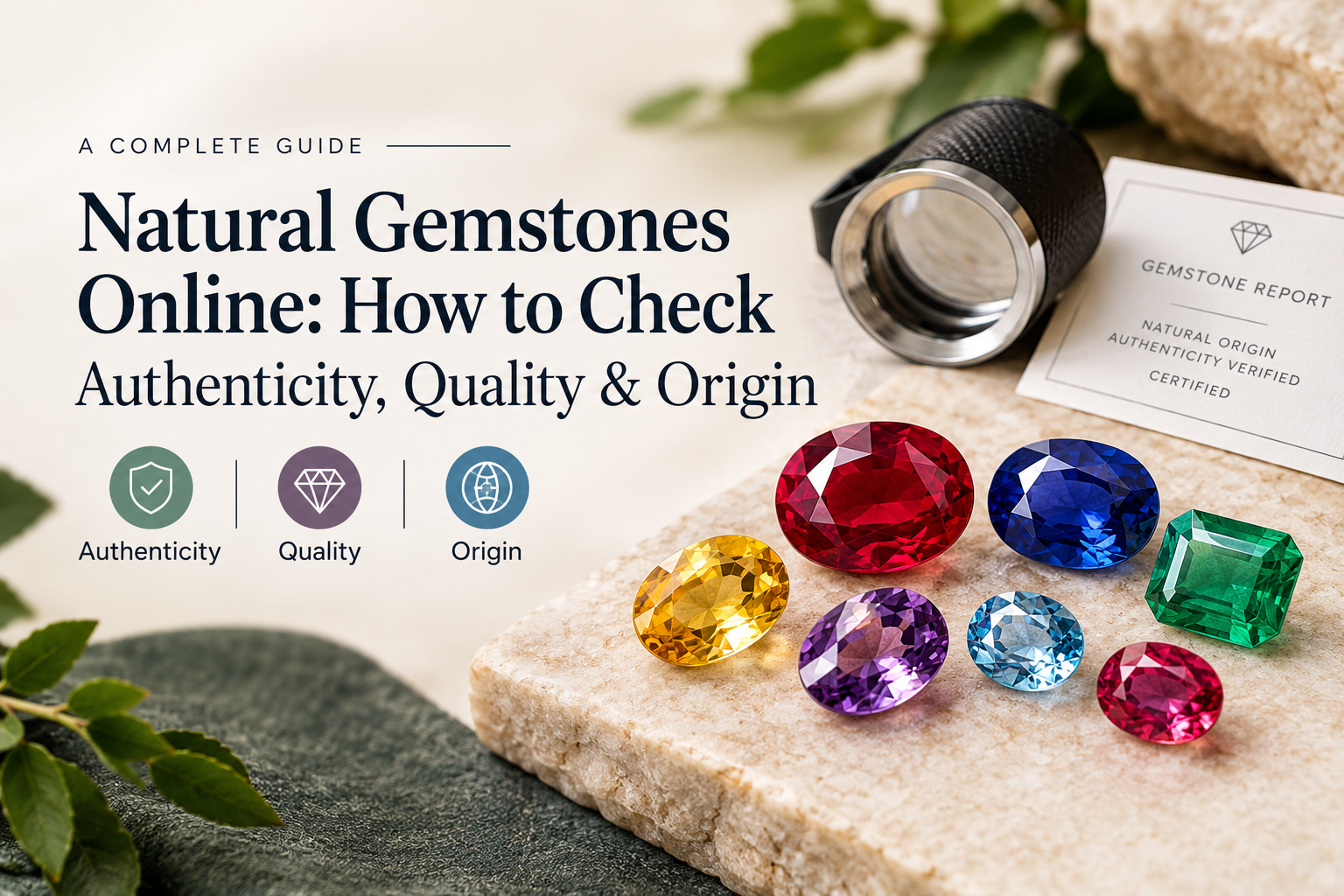
Natural Gemstones Online: How to Check Authenticity, Quality & Origin
How to Buy Certified Gemstones Online: Complete Guide to Certification
Certified Gemstones Online: Why Certification Matters Before Buying
A Complete Guide to Buying Gemstones Online Safely

Online Gemstone Shop: How to Choose a Trusted Seller

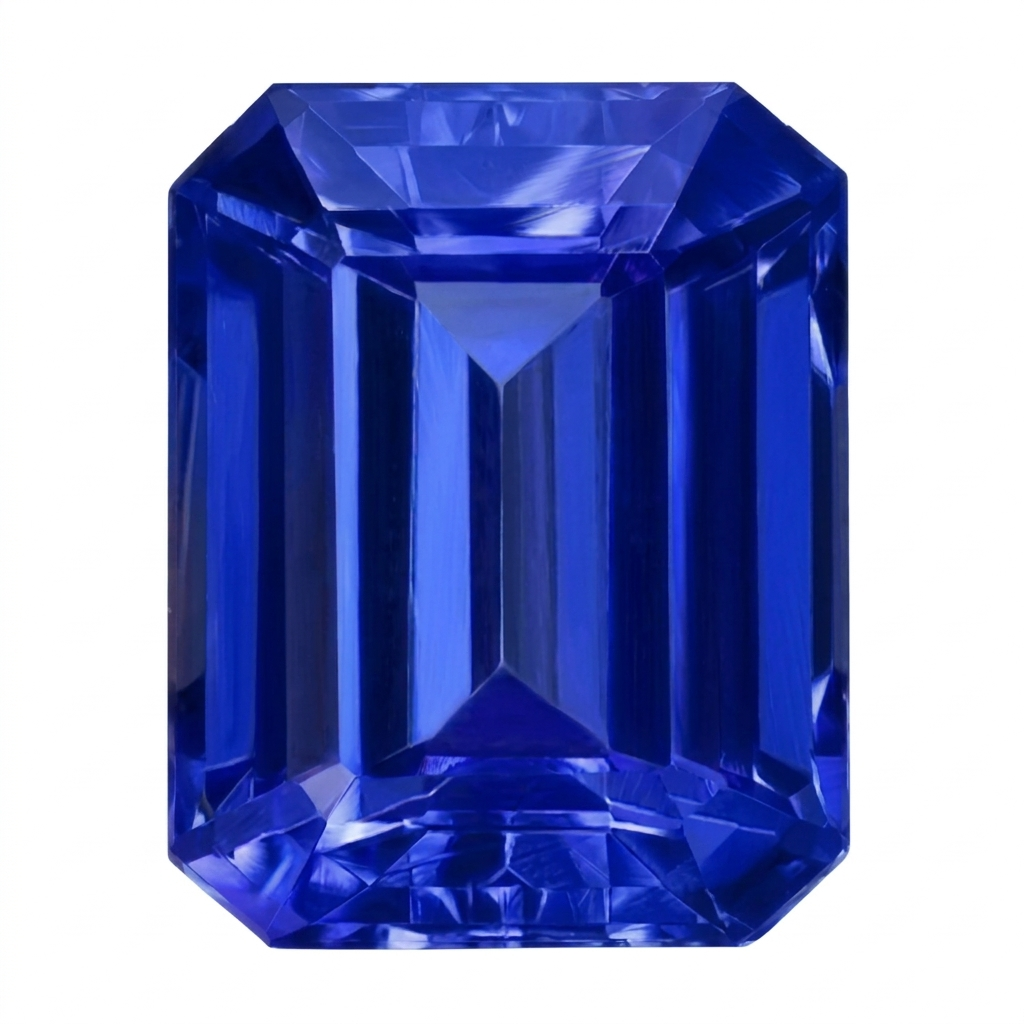 Blue Sapphire
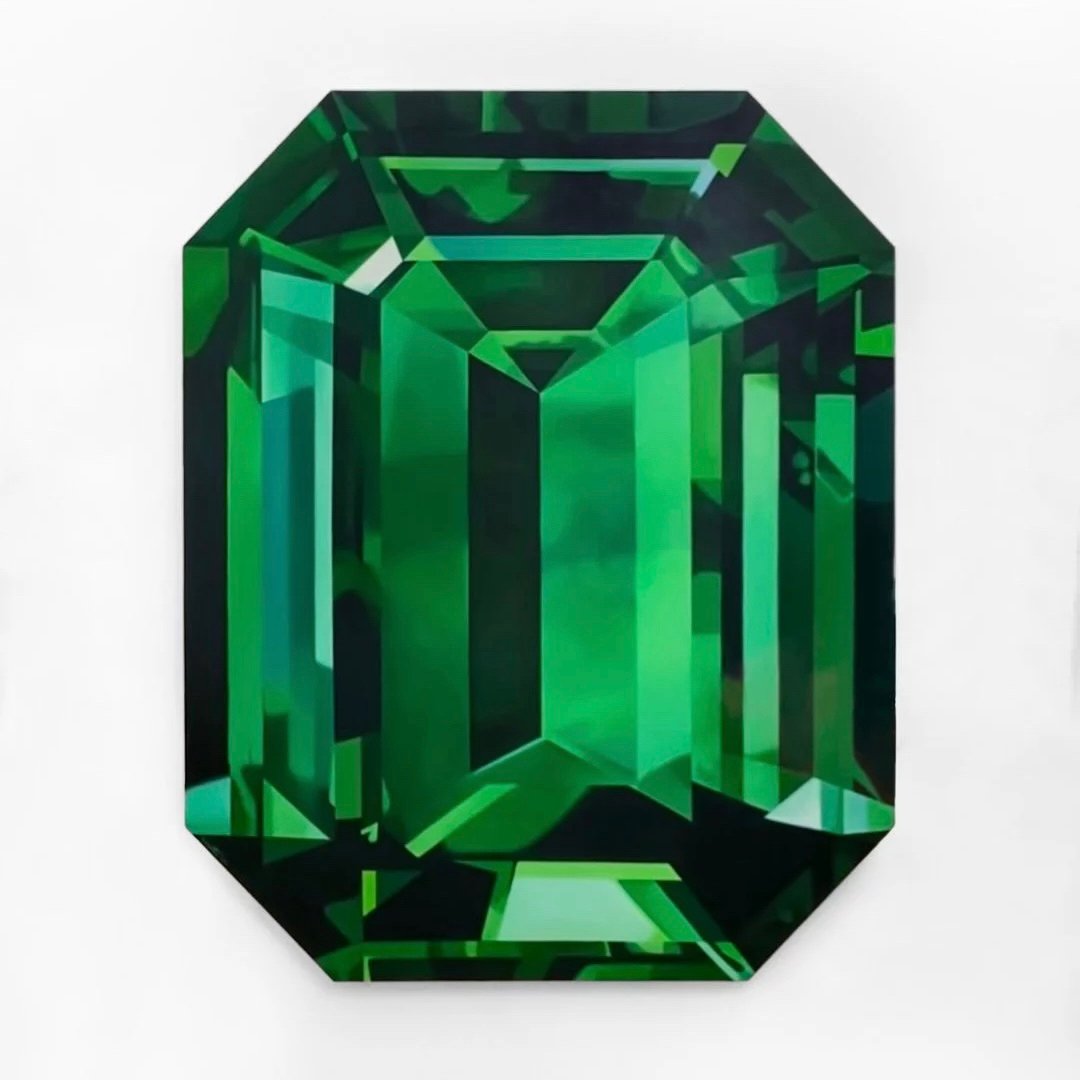 Emerald (PANNA)
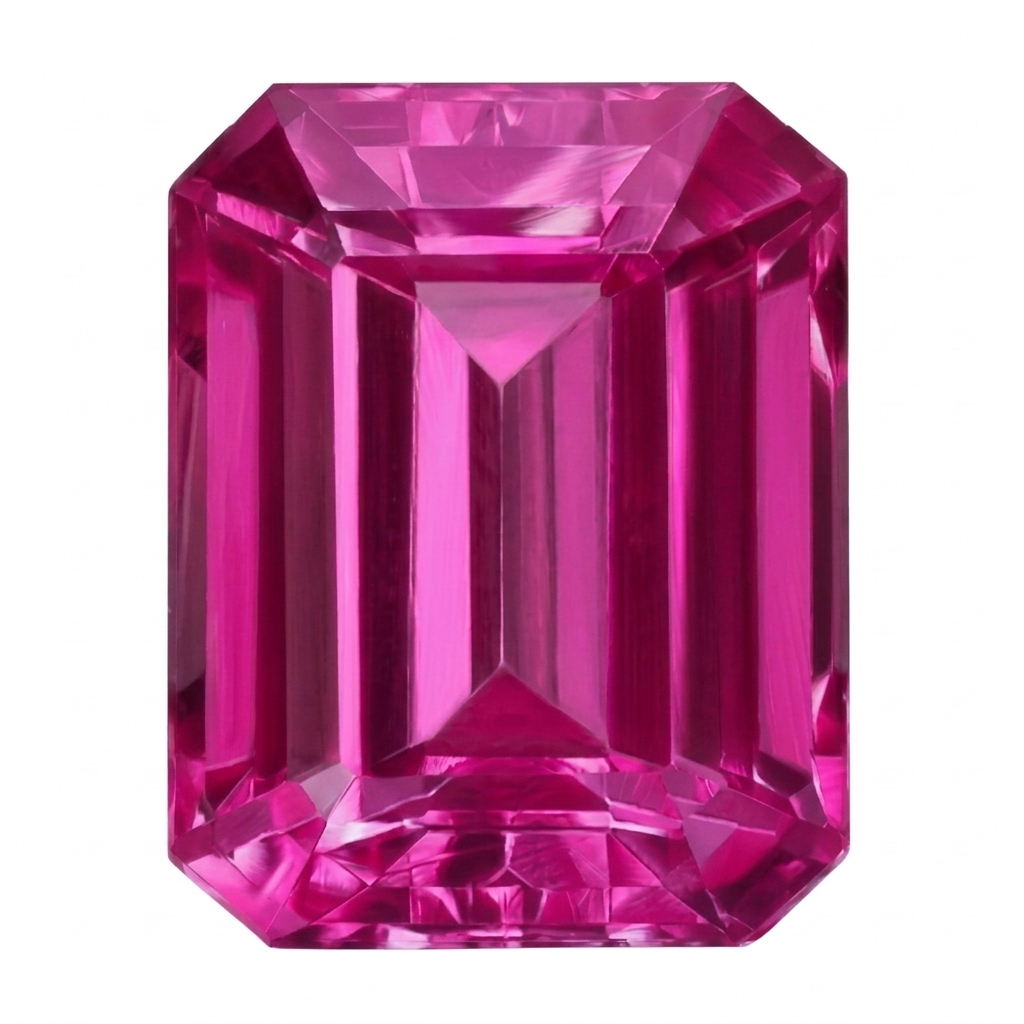 Pink Sapphire
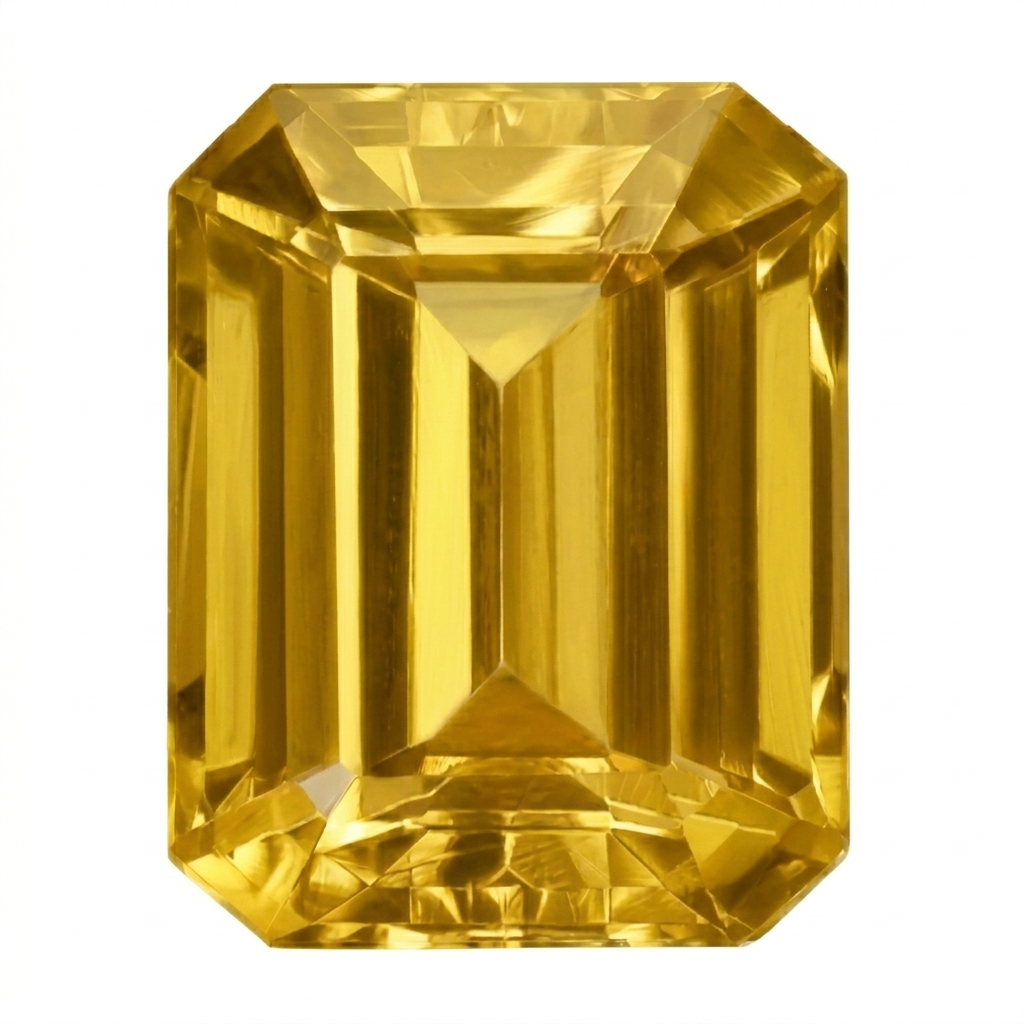 Yellow Sapphire
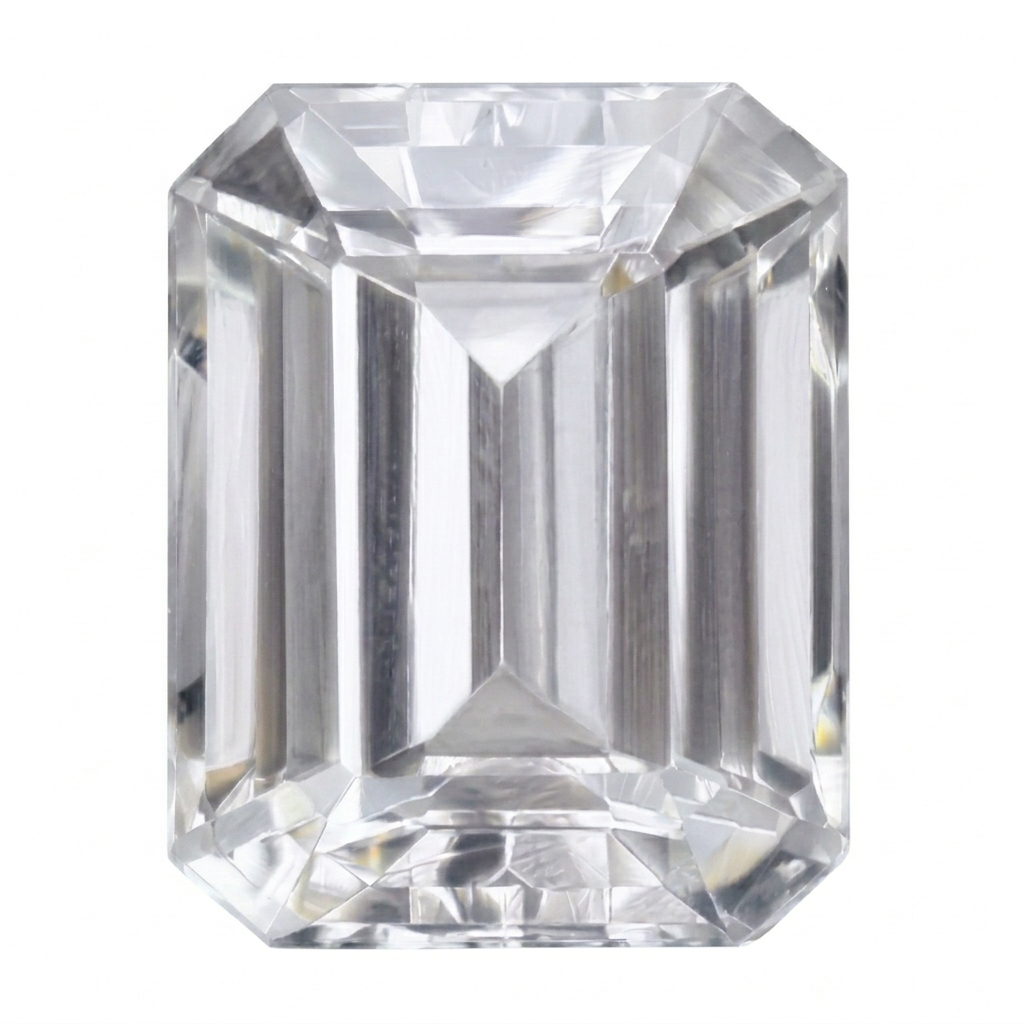 White Sapphire
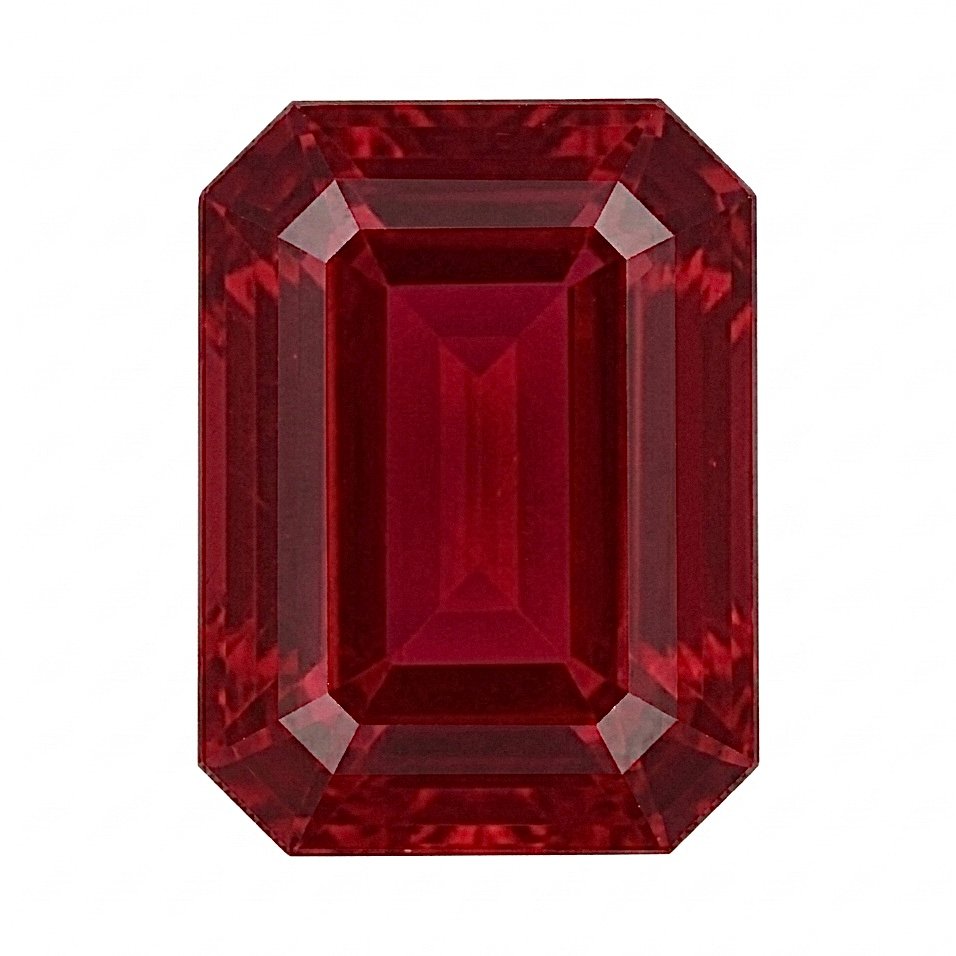 Ruby
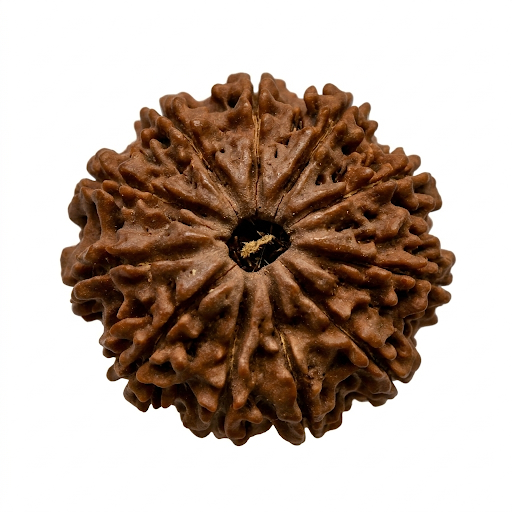 Rudraksha
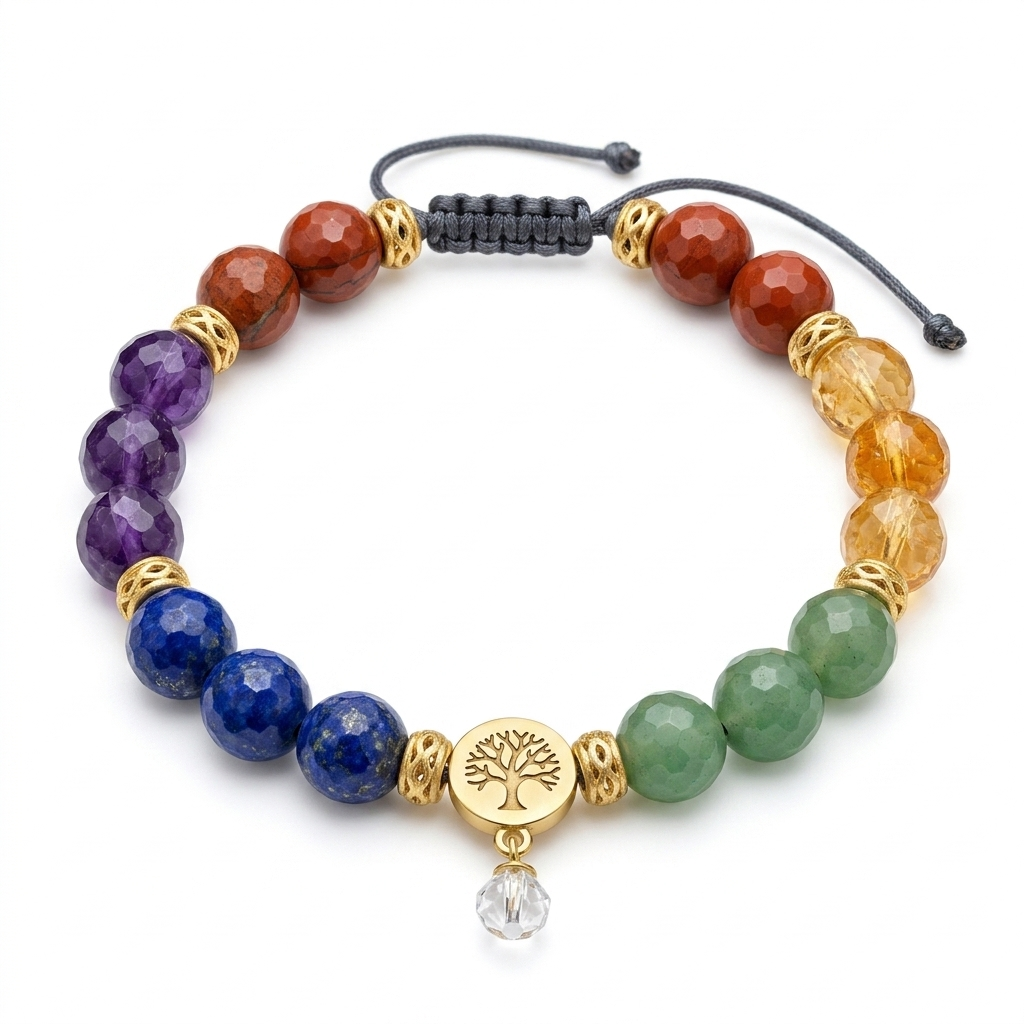 Bracelet
