
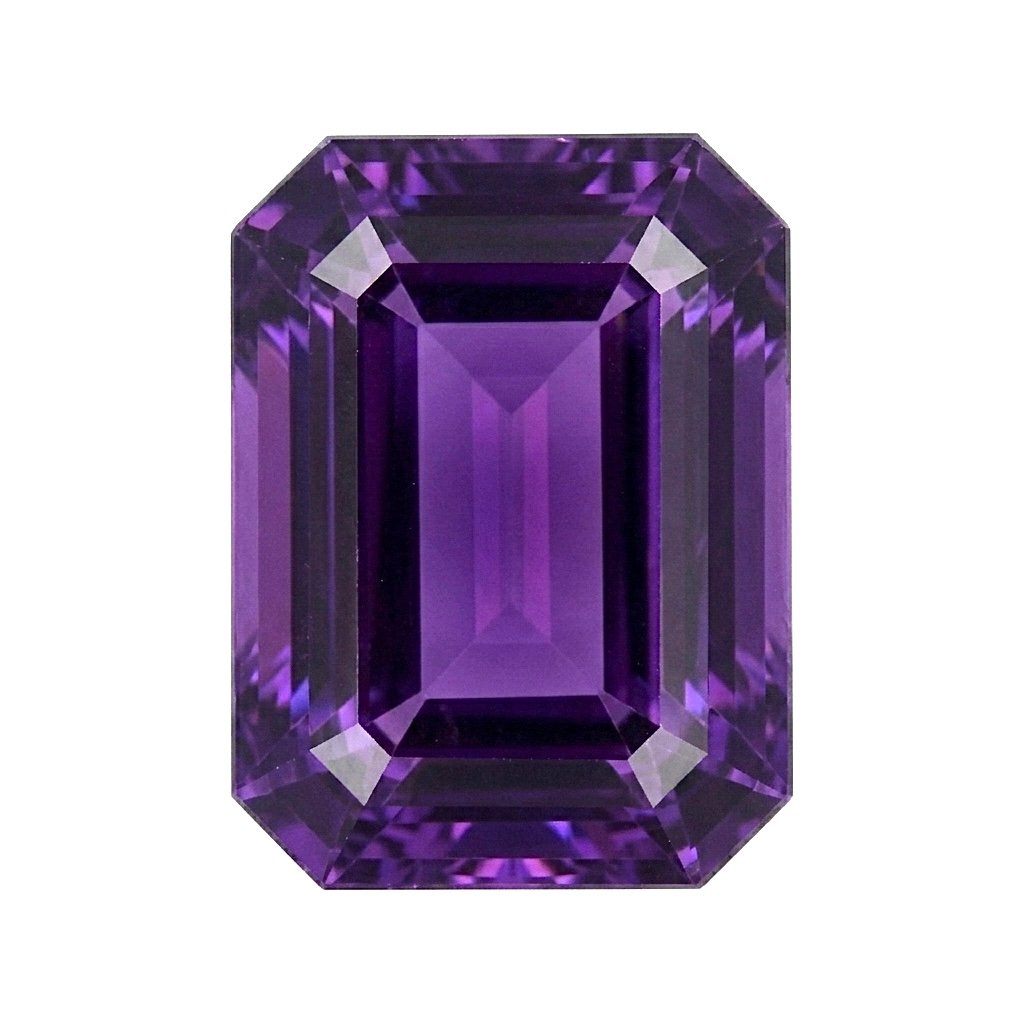
 Amethyst (ऐमेथिस्ट)
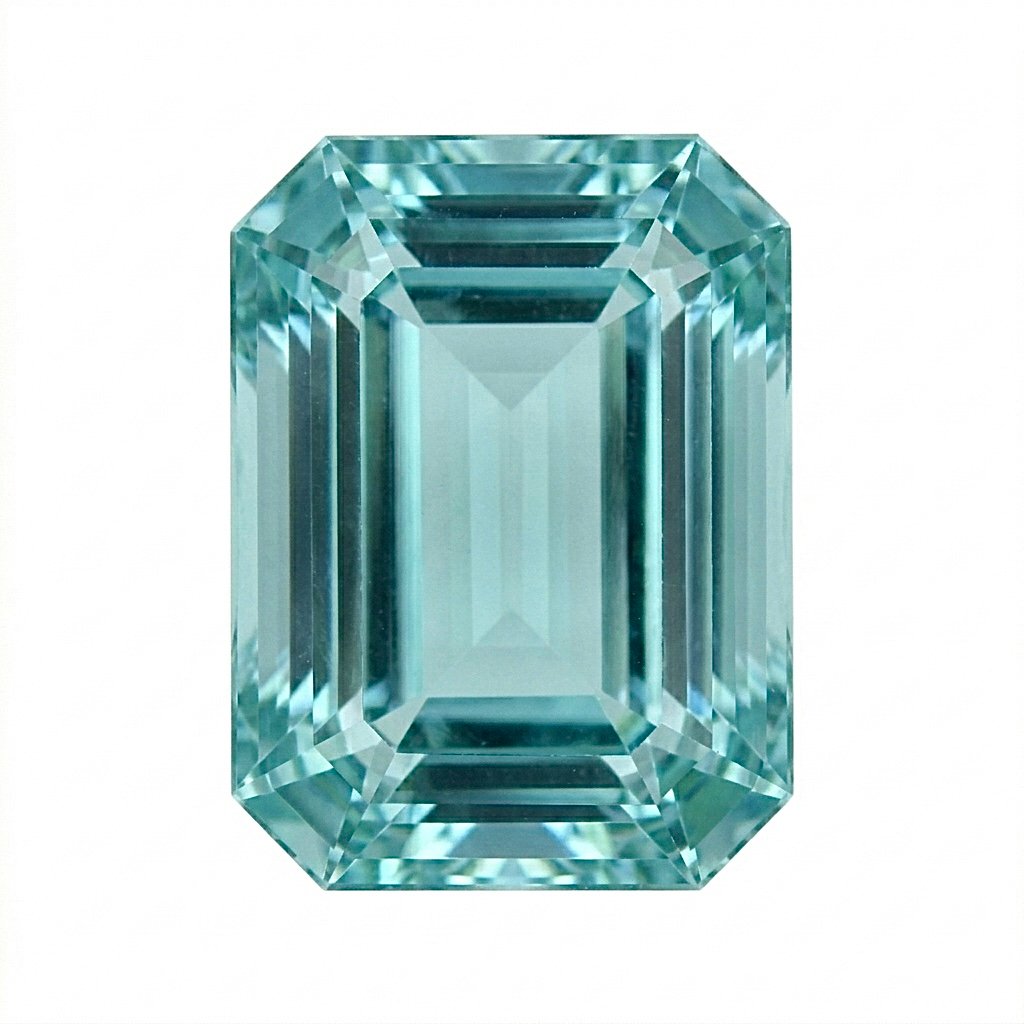 Aquamarine
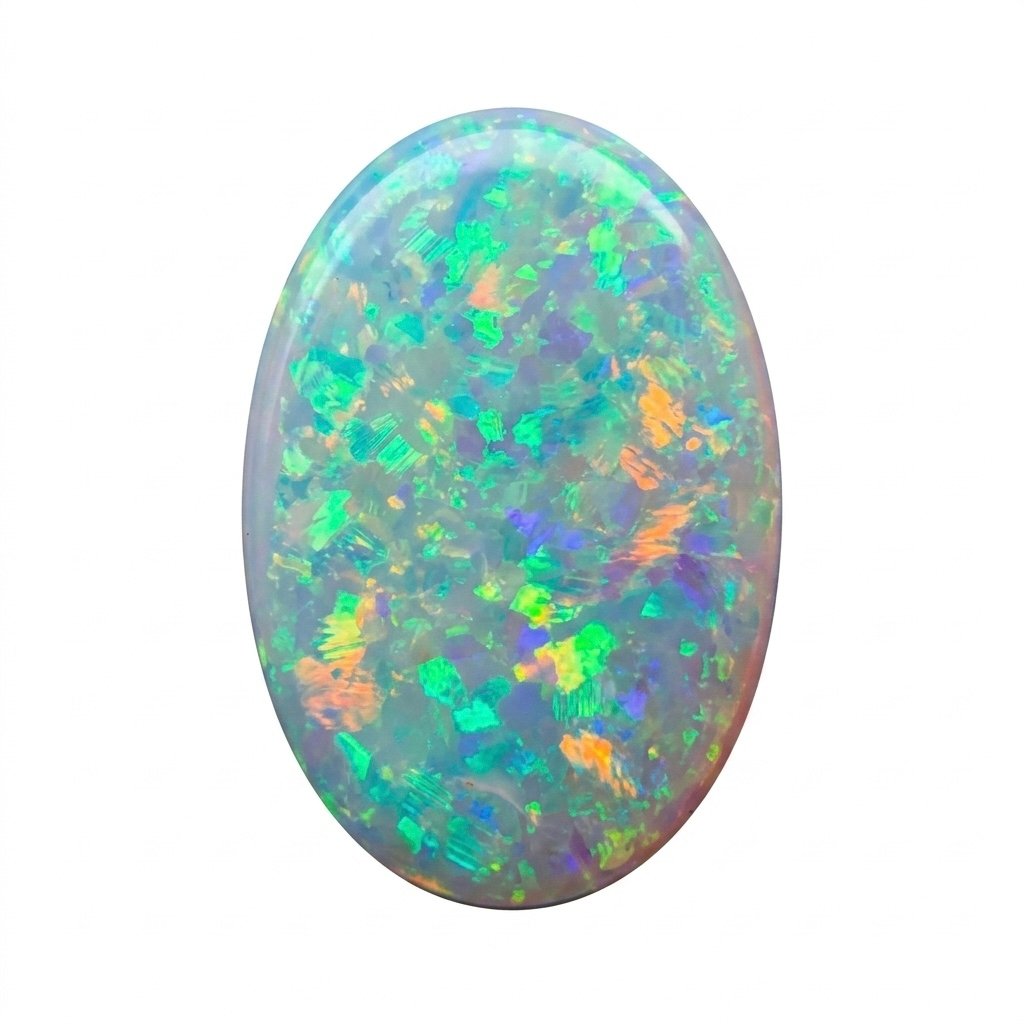 Australian Opal (ओपल)
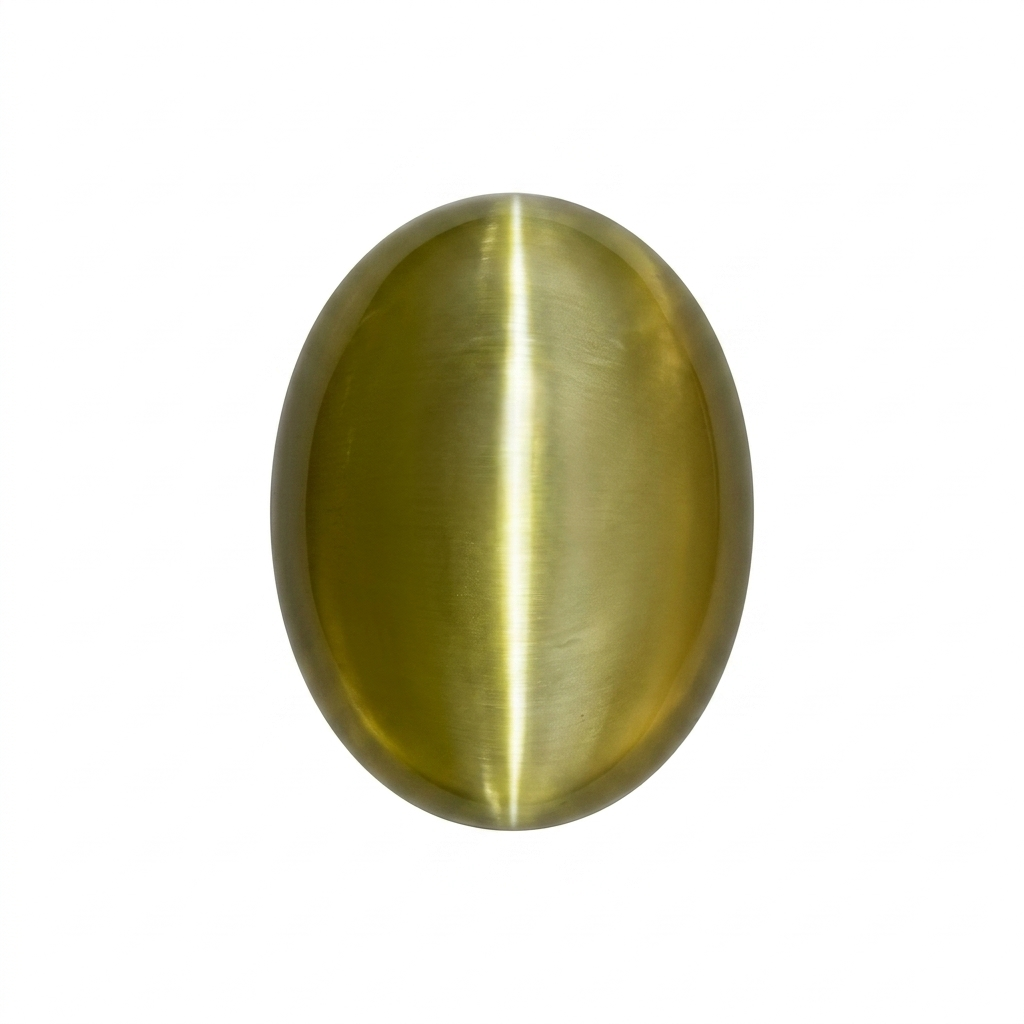 Catseye (लहसुनिया)
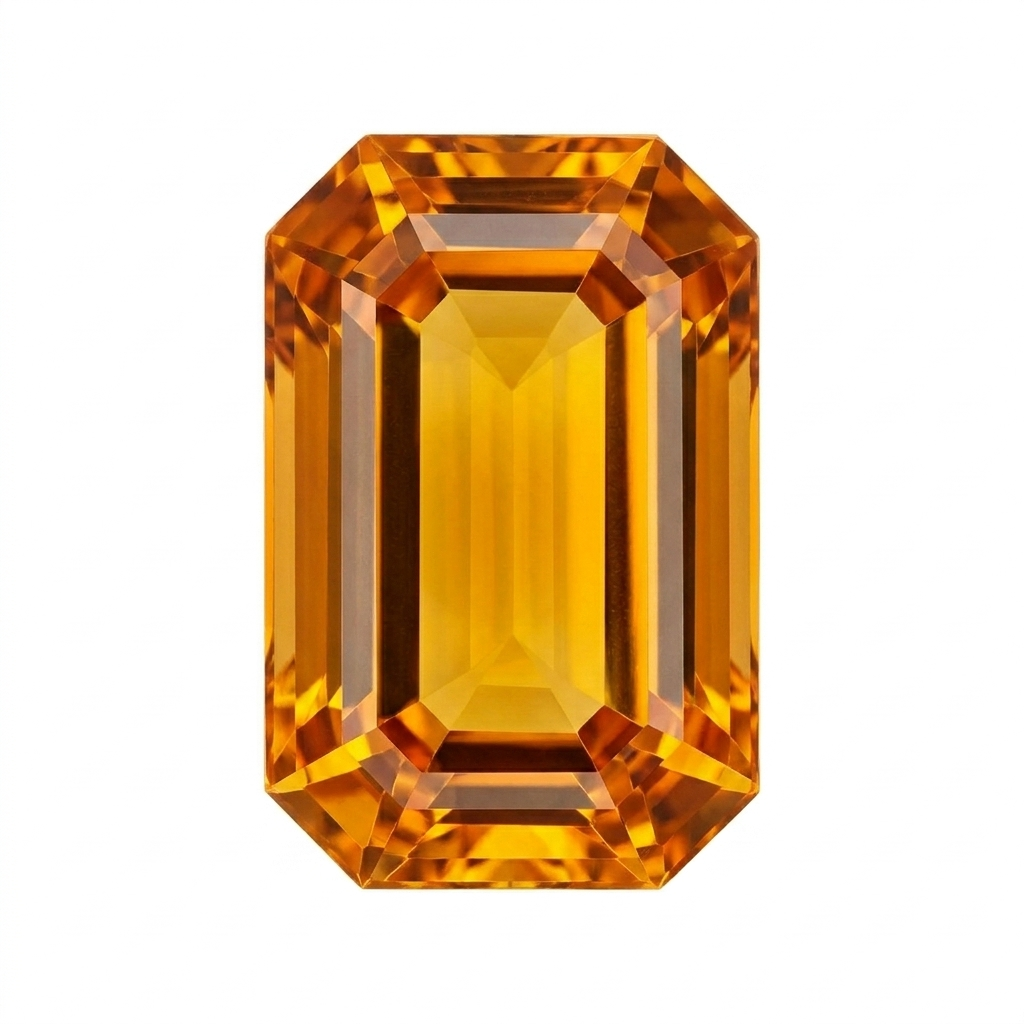 Citrine (सुनेहला)
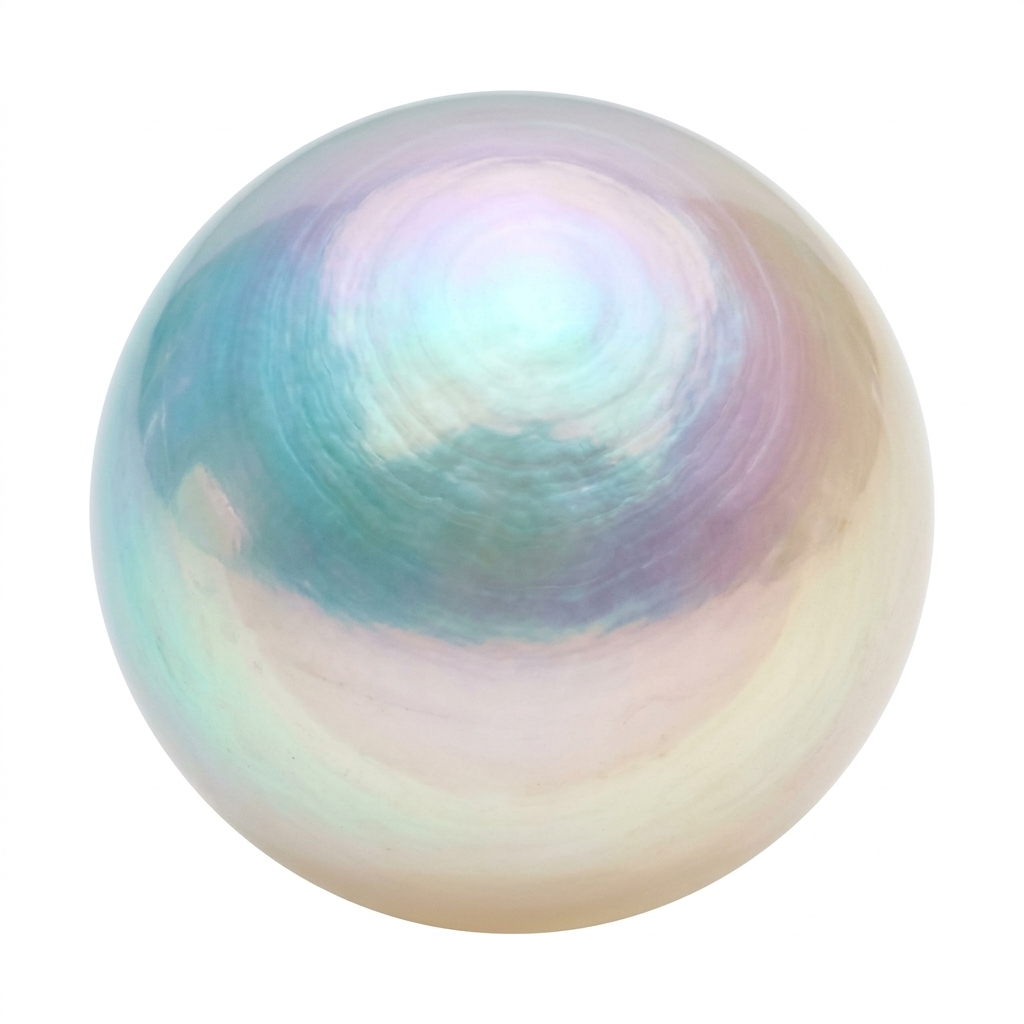 Fresh Water Pearl
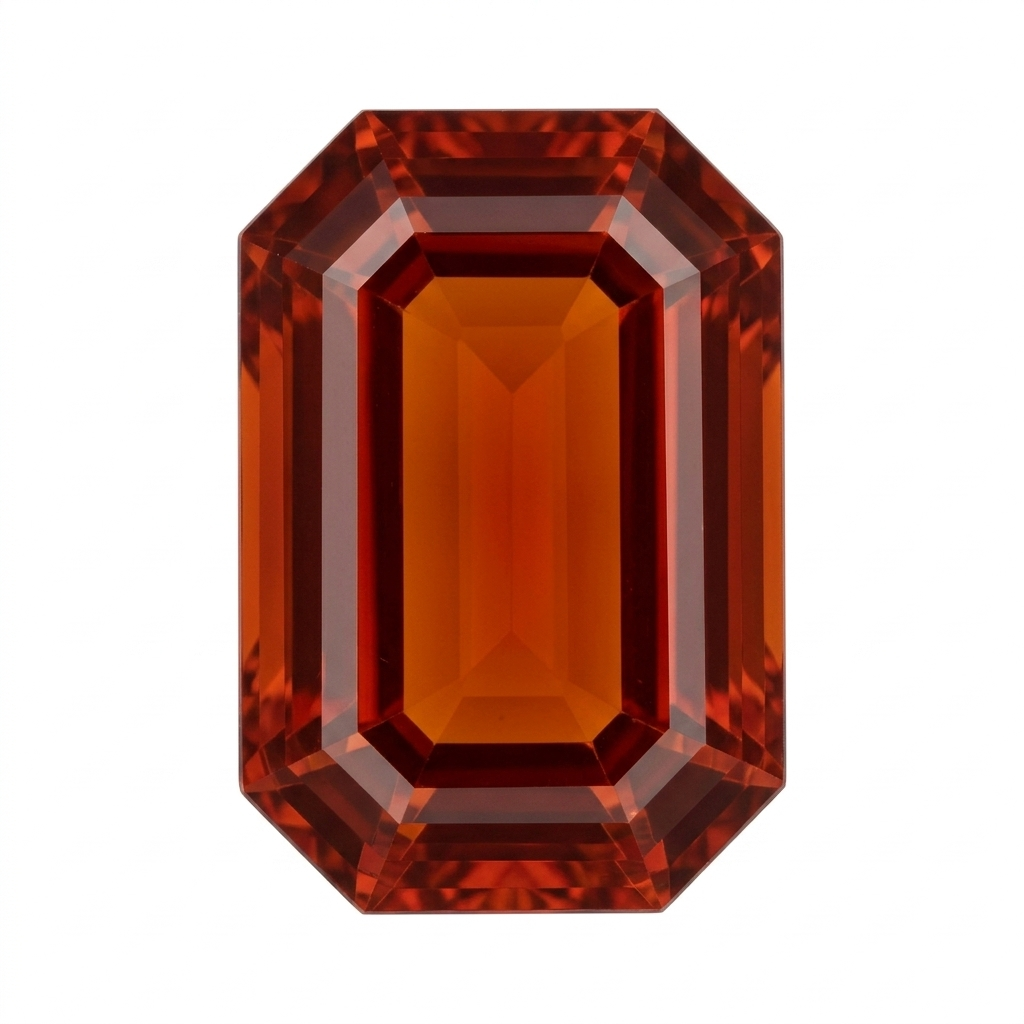 Hessonite (गोमेद)
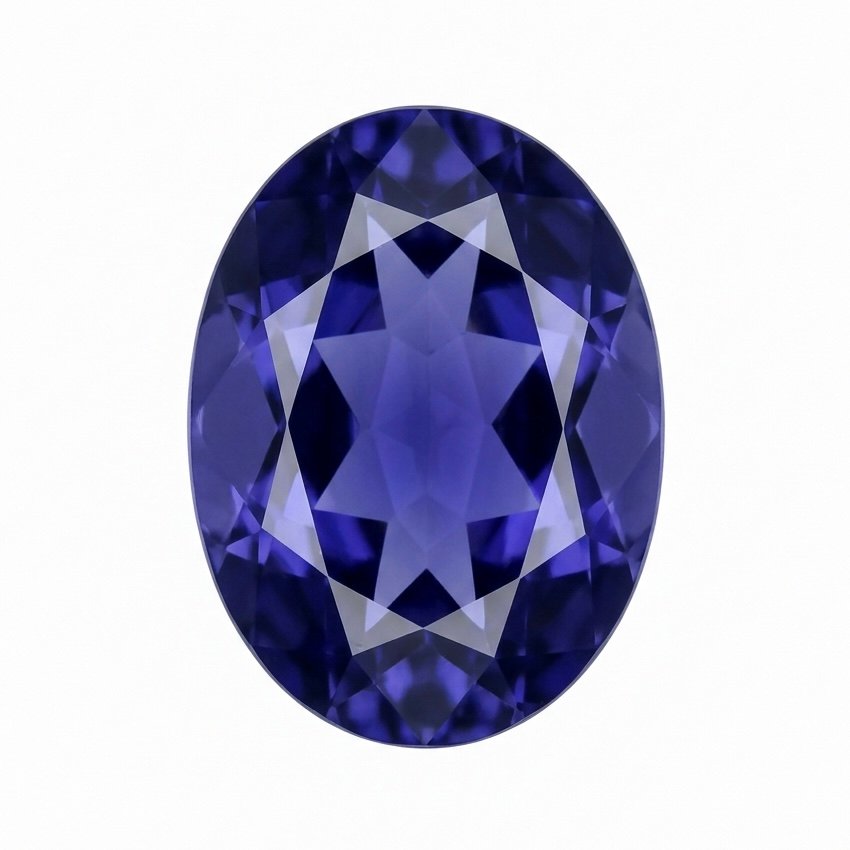 IOLITE (KAKA NILI)
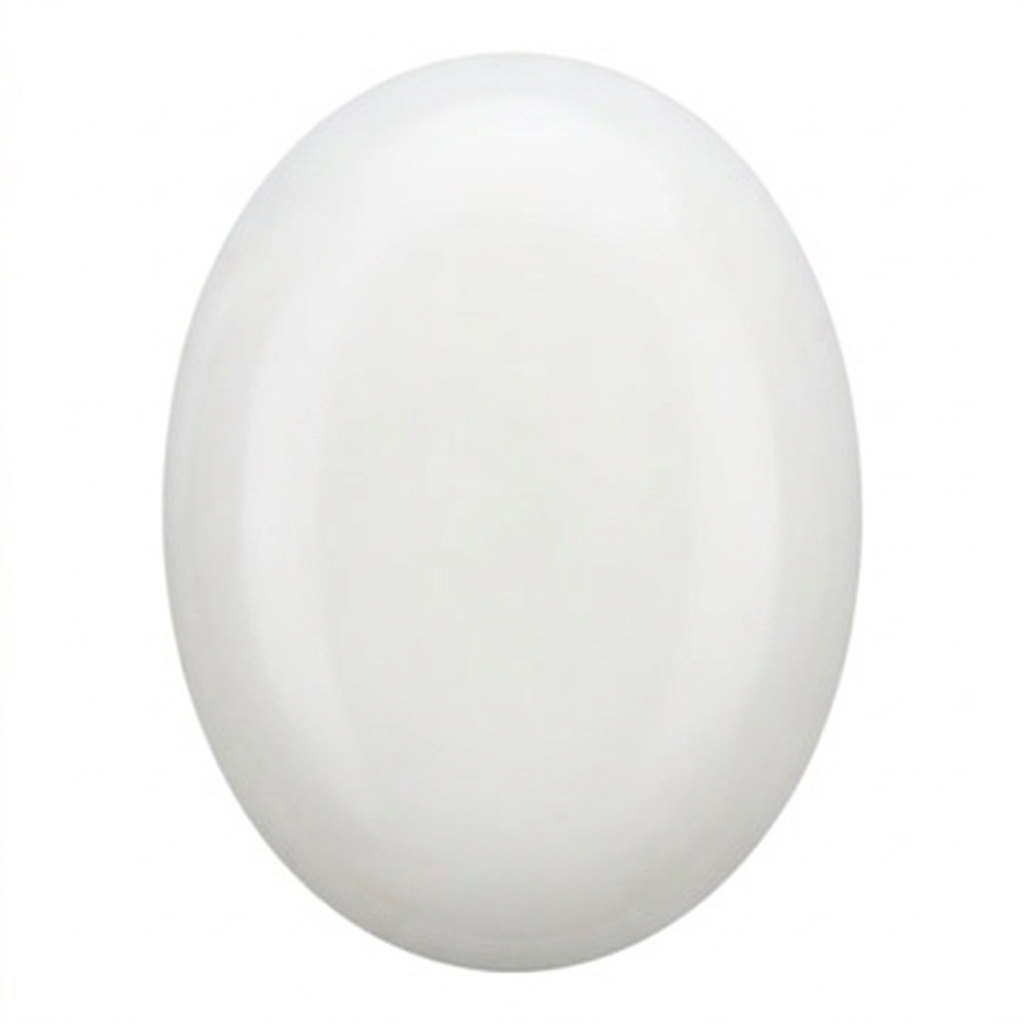 Japanese White Coral (मूंगा)
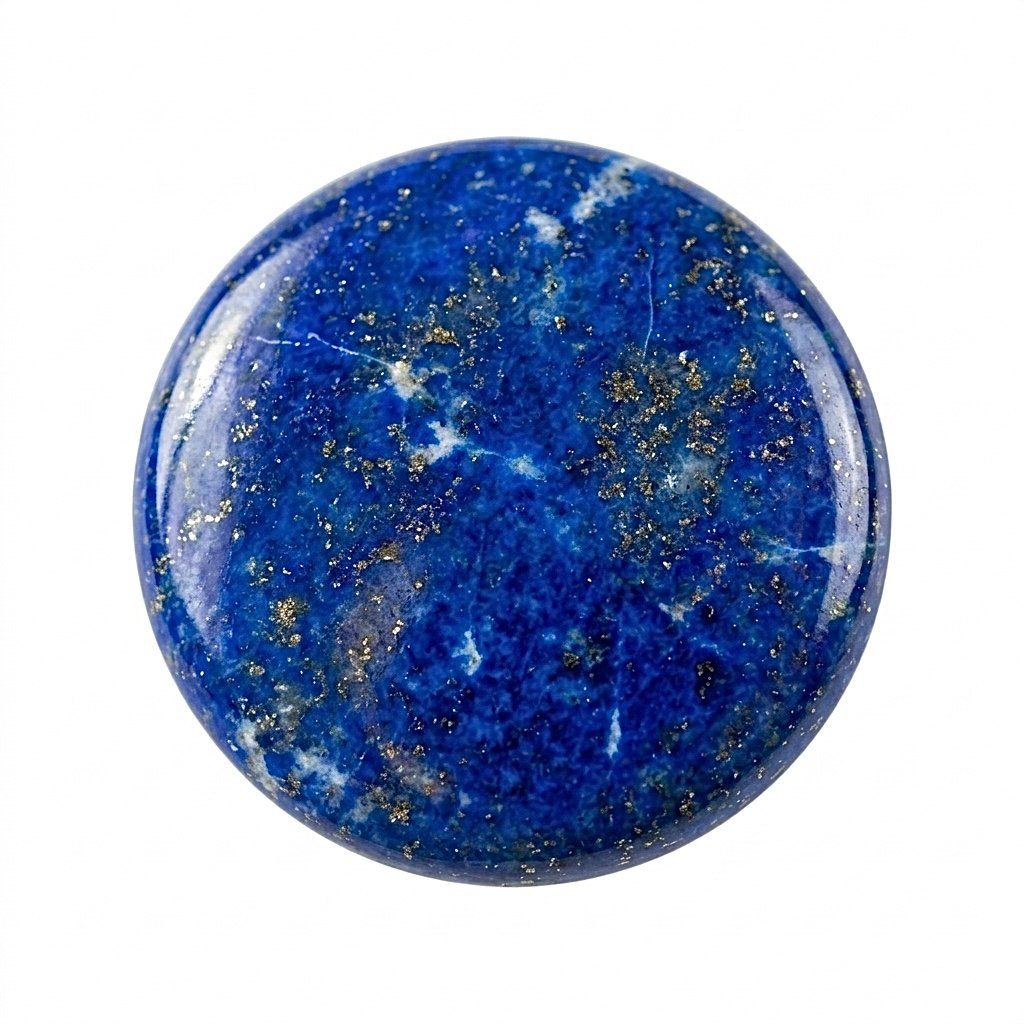 Lapis
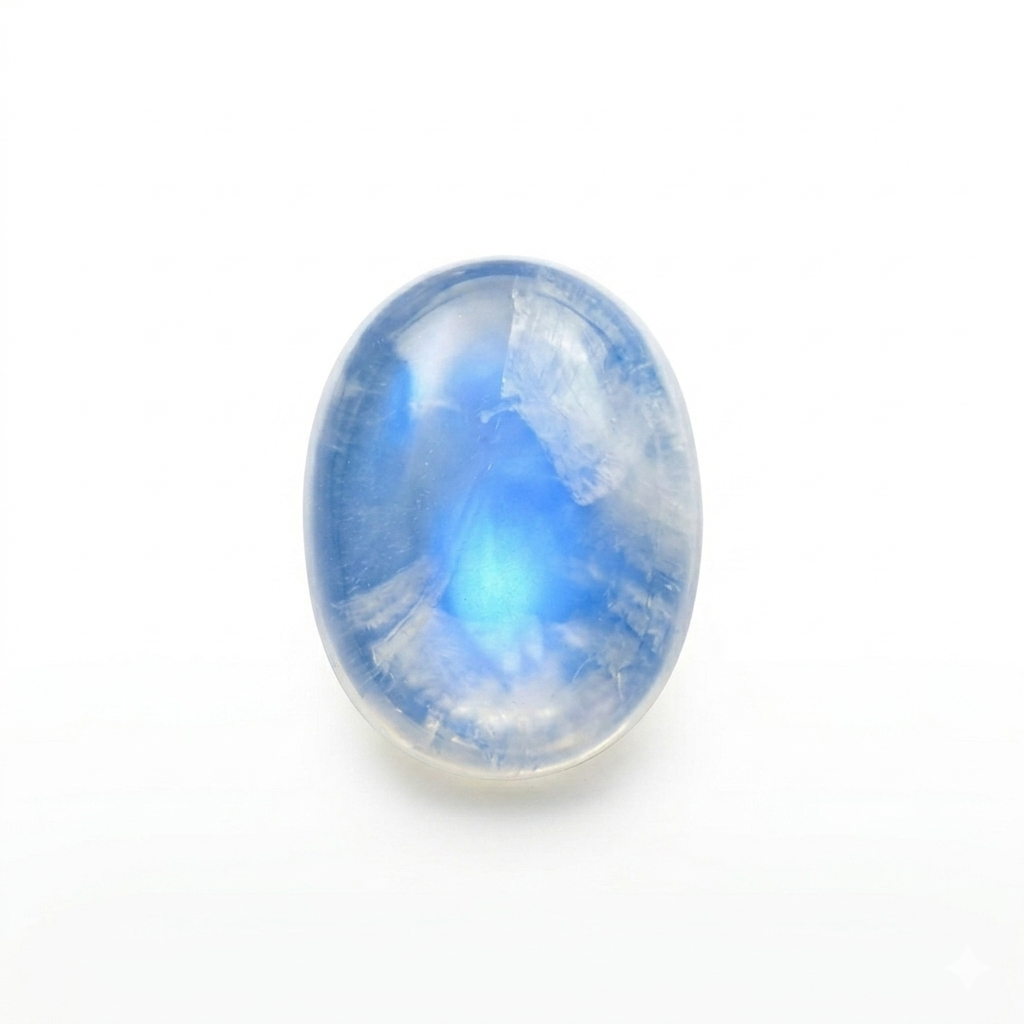 Moonstone
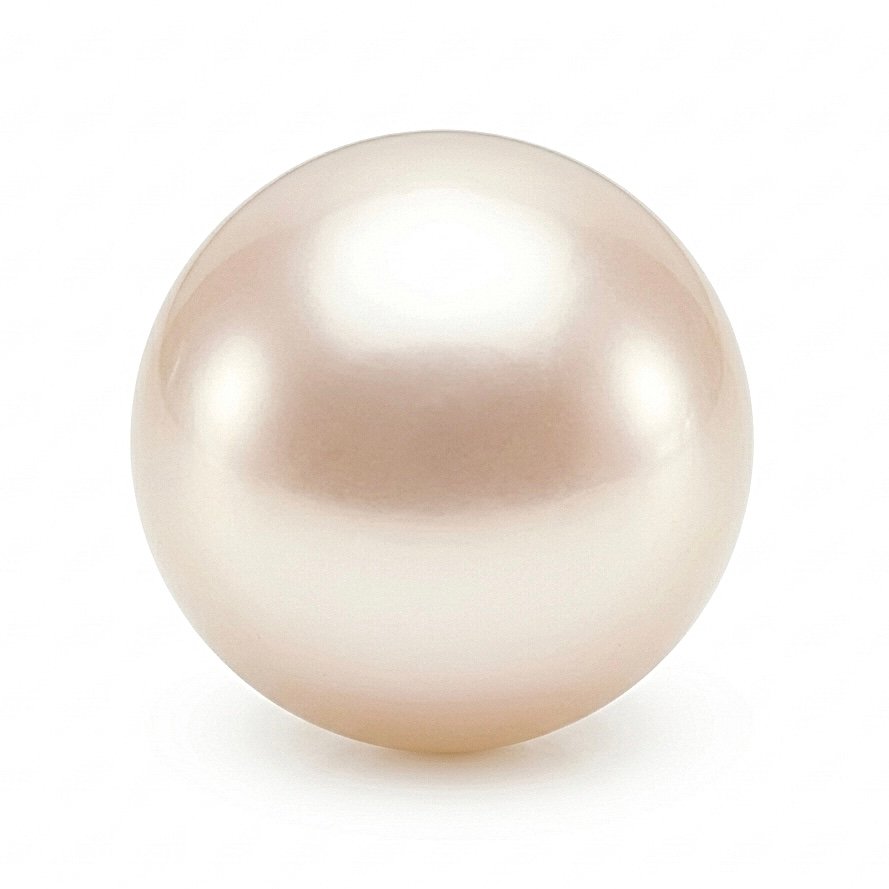 Natural South Sea Pearl
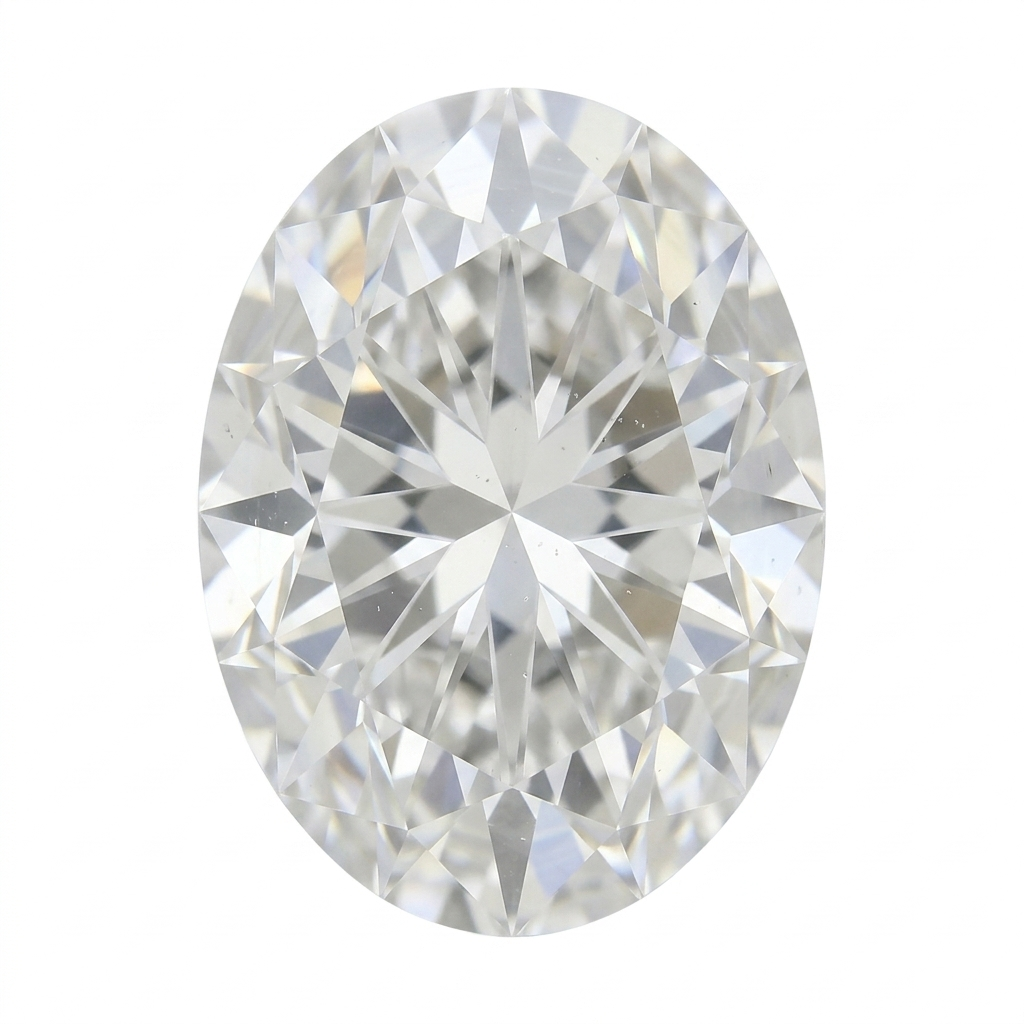 Natural Zircon
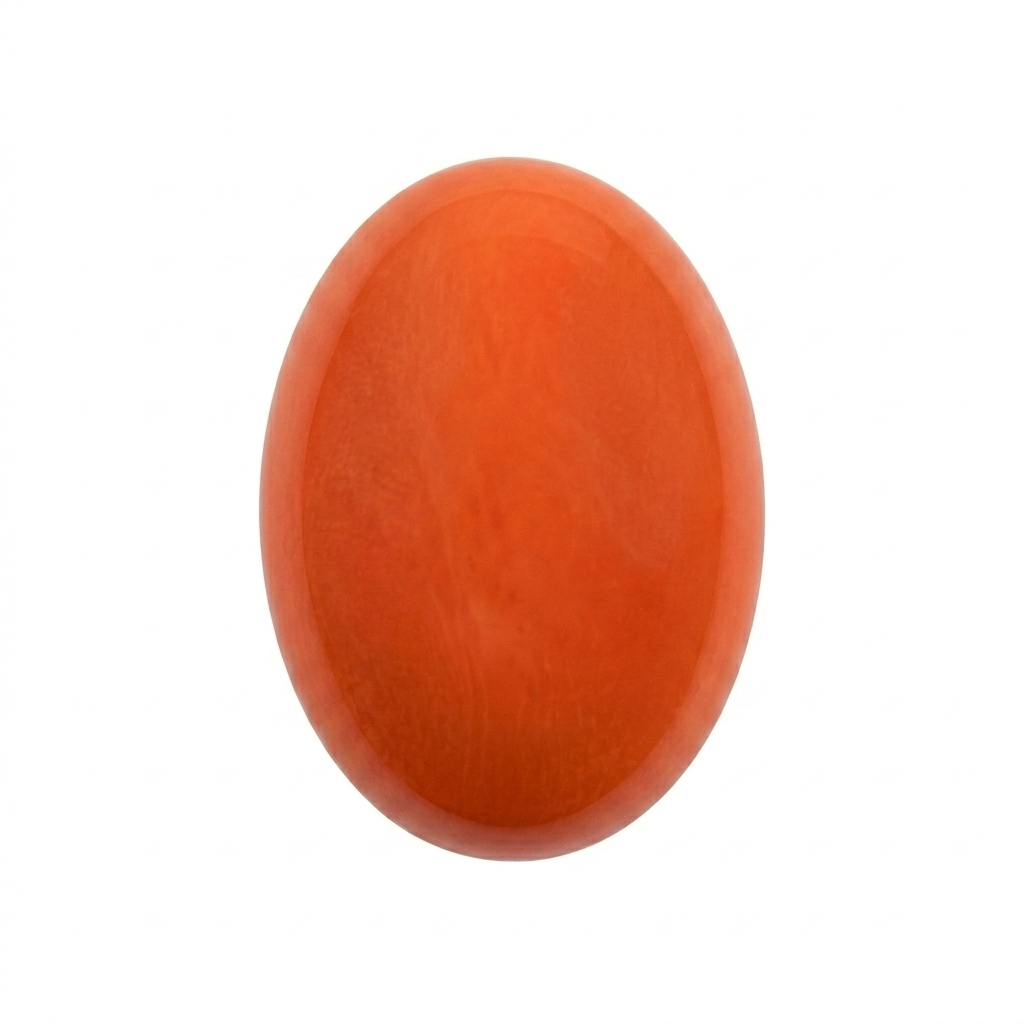 Orange Coral (मूंगा)
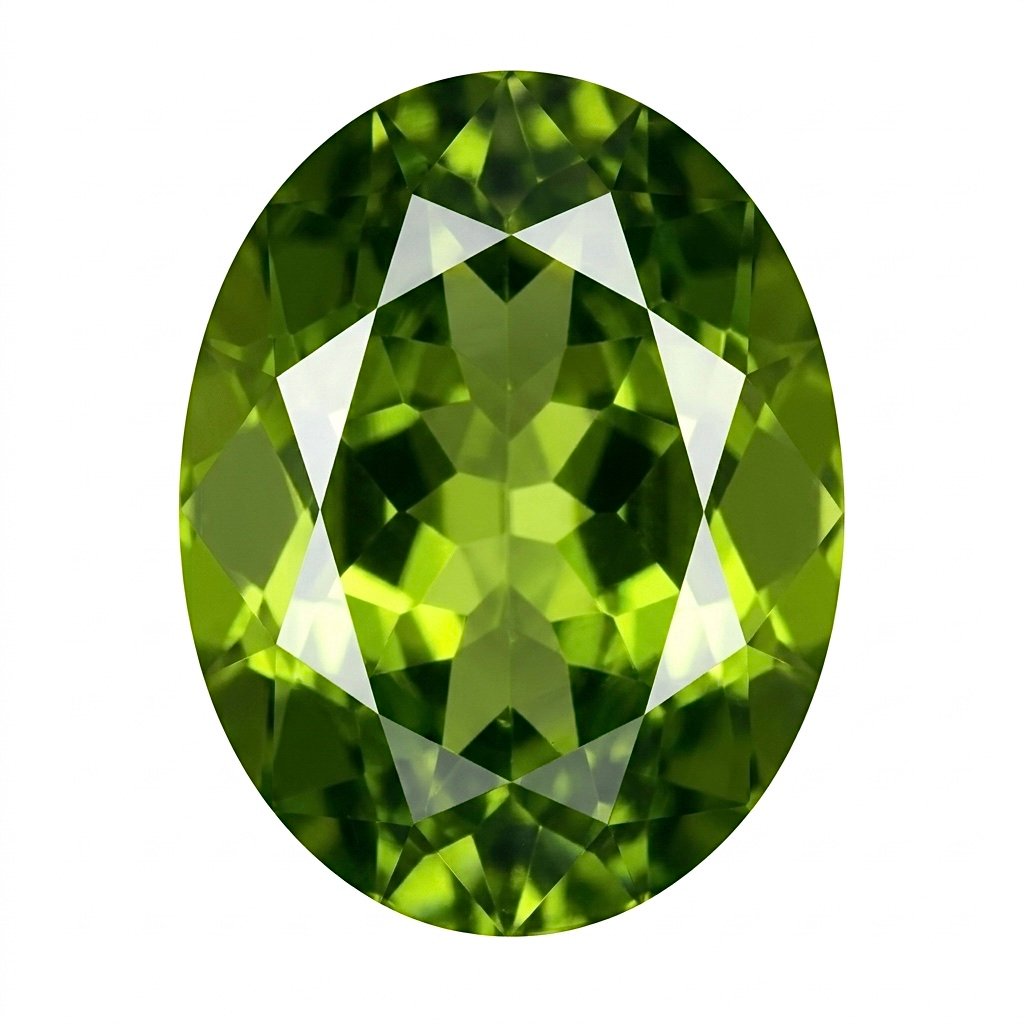 Peridot
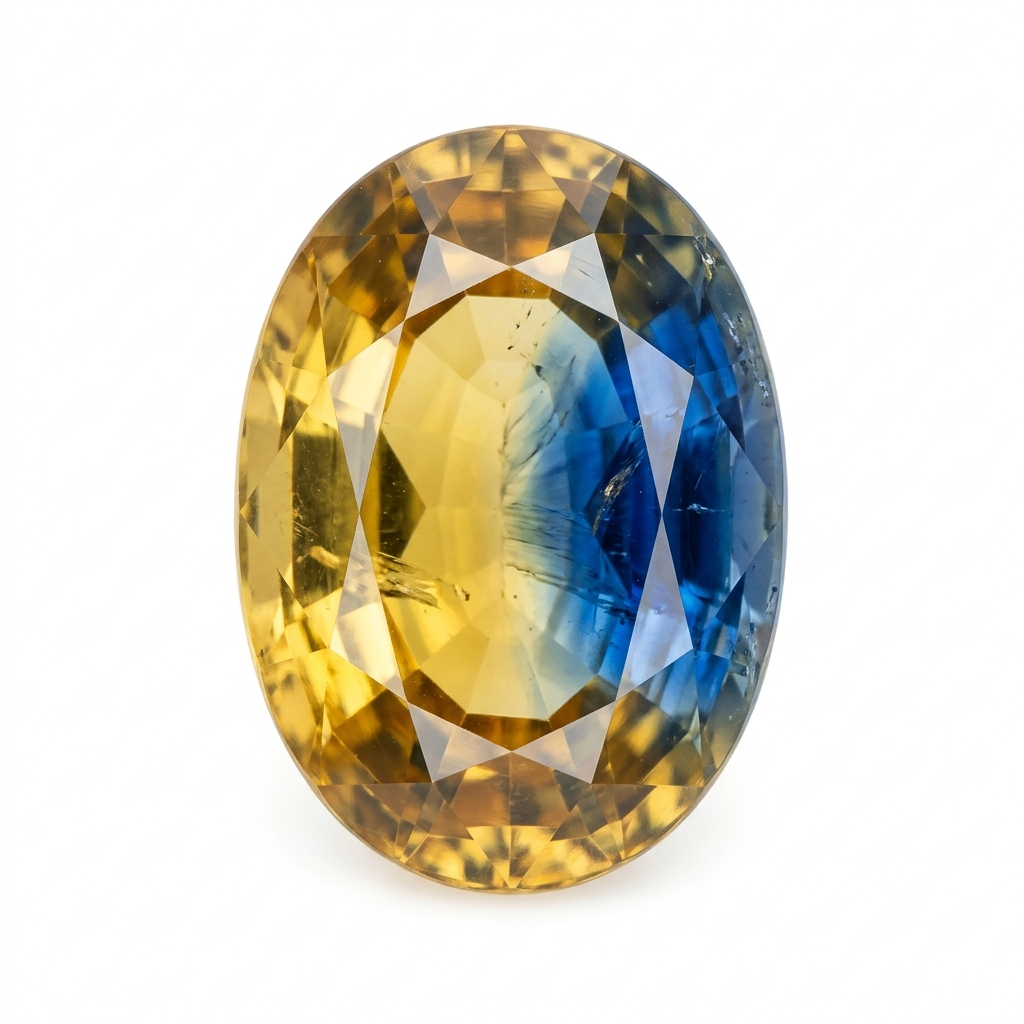 Pitambari
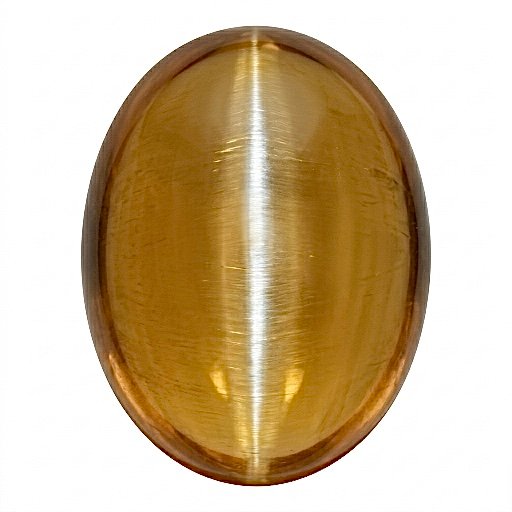 Quartz Catseye
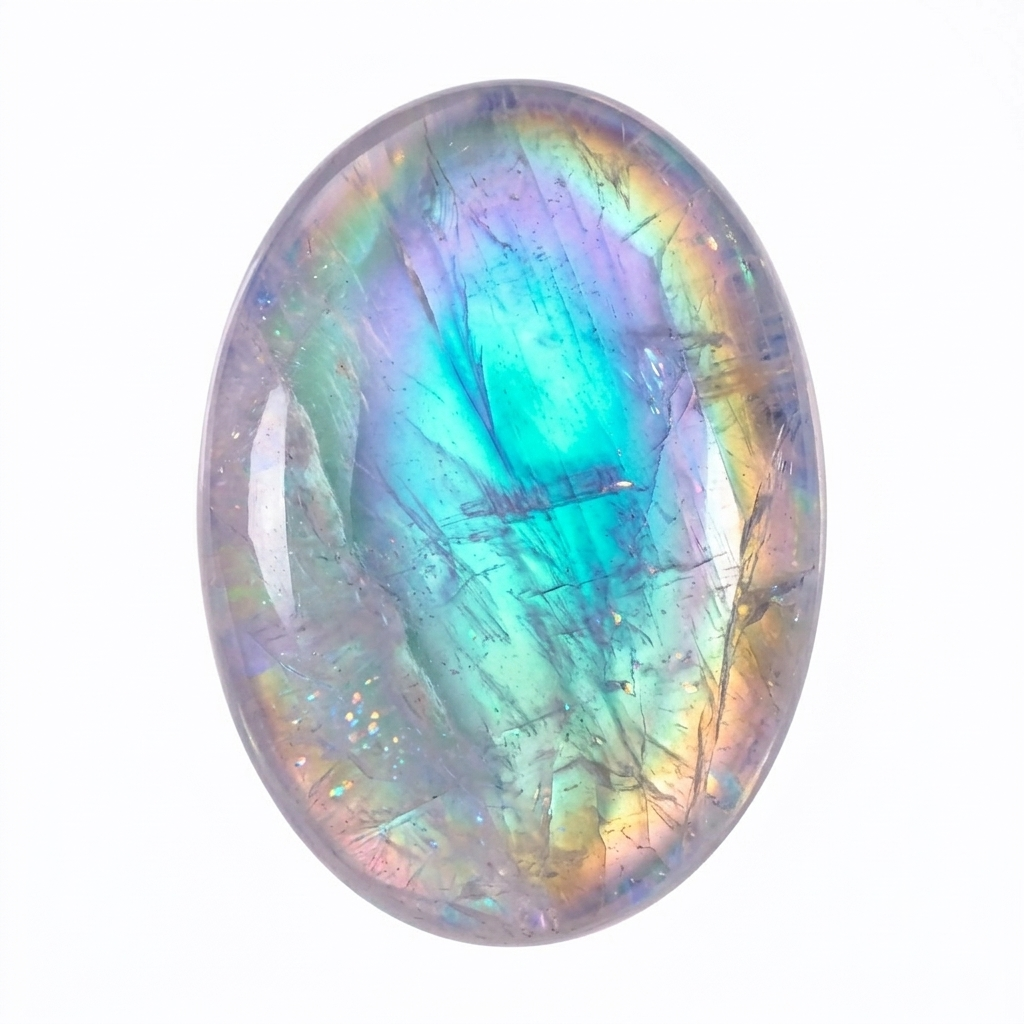 Rainbow Moonstone
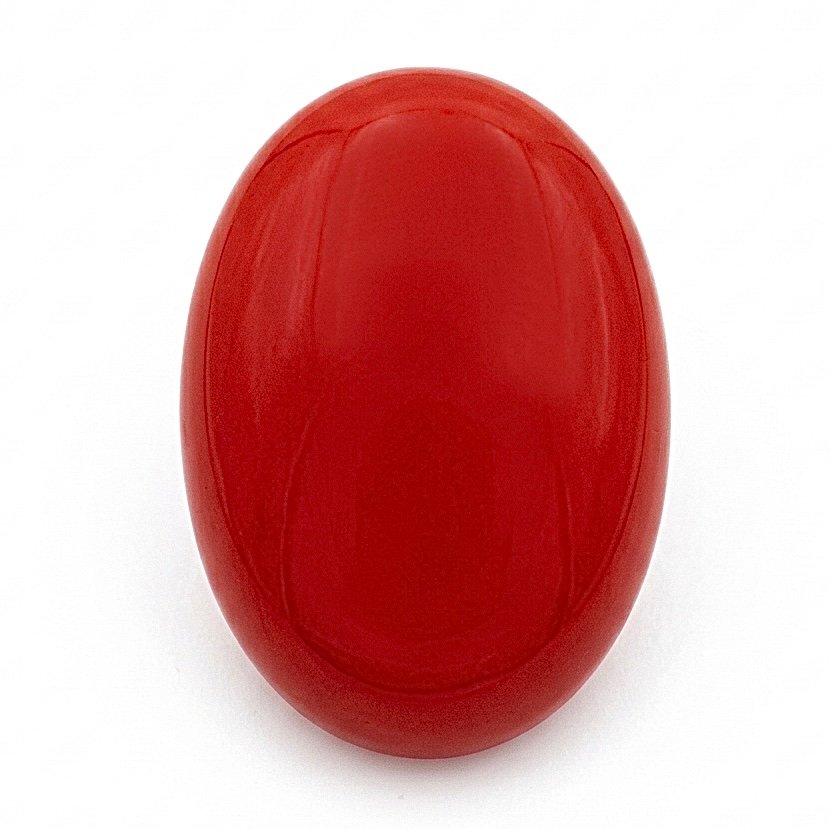 Red Coral (मूंगा)
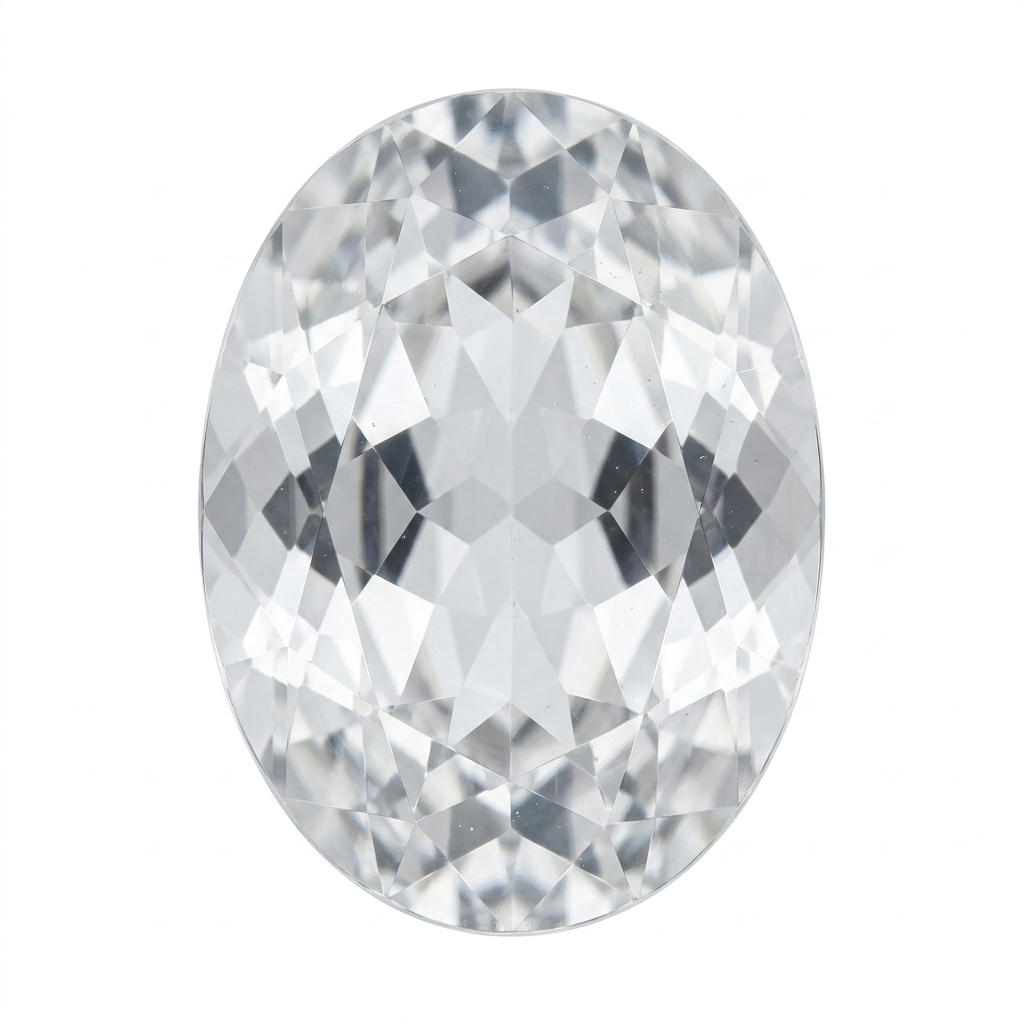 WHITE TOPAZ
Certified Gemstones Online: Why Certification Matters Before Buying
The phrase "certified
gemstone" is used widely in the trade, but it is not always well
understood. A certified gemstone is one that has been submitted to an
independent gemological testing laboratory, examined using specialised
equipment, and issued a written report confirming what the stone is.
It is worth being precise here:
the certificate is not a quality grade in the way a restaurant might receive
stars, and it is not a guarantee that the stone is valuable or rare. What it is
— when issued by a credible laboratory — is an independent, verifiable record
of the stone's identity, natural or synthetic status, and any detected
treatments or enhancements. That record is created by professionals with no
financial interest in the sale, using equipment far beyond what any buyer can
carry into a shop or access online.
Certification, in the gemstone
context, means that the stone has been assessed by a recognised gemological
laboratory and a report has been issued. The report documents what the stone is
— its species, variety, natural or synthetic origin — and what has been found
regarding treatments. Certification does not mean the stone has passed a
minimum quality threshold; it means it has been independently identified and
documented.
When you buy certified gemstones online, you are purchasing a
stone whose identity and treatment status have been confirmed by a third party,
rather than relying on the seller's own description alone.
A standard gemological
laboratory report for a coloured gemstone typically includes:
• Stone identity: The gemstone variety — ruby,
sapphire, emerald, alexandrite, and so on — identified by species and variety
using testing rather than visual assessment alone.
• Natural or synthetic status: Whether the stone is a natural
gemstone formed in the earth, a synthetic stone with the same chemical
composition created in a laboratory, or — for diamonds — a laboratory-grown
diamond.
• Treatment disclosure: The treatments or enhancements
detected, if any. Common disclosures include heat treatment, fracture filling,
beryllium diffusion, oiling, resin filling, and irradiation. The absence of
detected treatments is also recorded.
• Weight and dimensions: Carat weight and millimetre
measurements are recorded, allowing the report to be matched to a specific
stone.
• Colour, clarity and other
characteristics:
Depending on the laboratory and the gemstone type, quality characteristics such
as colour grade, clarity, or fluorescence may also be noted.
• Report number and laboratory
details: A unique
report number, the issuing laboratory's name, and the date of testing. The
report number can be used to verify the document on the laboratory's official
website.
This distinction matters
enormously when you buy certified gemstones online. A seller's guarantee — a
document created by the seller themselves, or a "certificate" issued by
a lab that the seller controls or has a commercial relationship with — provides
no independent verification. It is the seller's own assessment of their own
product.
A certificate from a recognised
gemological laboratory — such as GIA, IGI, IGI-GTL, GII, or IIGJ — is issued by
an institution that has no financial interest in the sale. The laboratory earns
its fee for testing; it has no incentive to describe the stone as more valuable
or better treated than it actually is. This independence is what makes a
certified stone online meaningfully different from an uncertified one.
The case for buying certified
gemstones online rests on a simple problem: when purchasing online, you are
buying blind. A photograph, however detailed, does not tell you whether a ruby
is natural or synthetic. A product description, however carefully written, does
not confirm that a sapphire has no detectable beryllium diffusion treatment. A
seller's word alone is not independently verifiable.
Laboratory certification
addresses each of these gaps. Here is why that matters in practice.
Gemstone identity
misrepresentation takes several forms. At the most extreme end, a glass
imitation is sold as a natural gemstone. More subtly, a synthetic ruby —
chemically identical to a natural ruby but worth a fraction of the price — may
be sold without clear disclosure of its laboratory origin. A lower-value stone
of one variety may be represented as a higher-value variety that it resembles
in colour.
A laboratory report from a
recognised institution eliminates all of these uncertainties. The stone's
identity is confirmed through testing — spectroscopy, refractive index
measurement, specific gravity determination, and microscopic examination — not
through visual assessment alone. When you buy certified gemstones online, you
know what you are getting before the money leaves your account.
Gemstone treatments are not
automatically a problem, but they must be disclosed. Many natural gemstones are
treated after mining to improve their appearance — heat treatment for corundum,
oiling for emeralds, fracture filling for rubies. These treatments affect the
stone's relative rarity, its value compared to untreated stones of similar
appearance, and in some cases its care and durability requirements.
A certified stone online will
have its treatment status clearly documented in the laboratory report. Buying
an untreated natural ruby without a
certificate means you have no independent confirmation that the stone is
actually untreated — which is precisely the factor commanding the price premium
you may be paying.
For gemstones where origin
significantly affects value — Burmese rubies, Kashmir sapphires, Colombian
emeralds — a laboratory report may include an origin assessment. It is
important to understand that origin determinations are described as opinions
based on testing, not absolute certainties. Even the best-equipped laboratories
may qualify their origin assessments. However, a laboratory opinion on origin
is considerably more reliable than an unsubstantiated seller claim.
Quality characteristics are also
documented in many reports — colour descriptions, clarity grades for diamonds,
and treatment extent disclosures for coloured stones — providing a basis for
comparison that goes beyond how a stone appears in a photograph.
The practical value of certified gemstones online is that they
allow buyers to make decisions based on verified information rather than trust
alone. When every specification in the listing can be cross-referenced against
an independently verified laboratory report, the purchase becomes a matter of
evaluating documented facts rather than assessing claims. That is a
qualitatively different — and better — buying environment.
Not all buyers who receive a
certificate know what to look for in it. These are the key fields that matter.
The report should clearly state
the stone's species and variety. "Corundum, variety ruby" is more
precise than "ruby" alone, because it specifies the mineral family
and the variety within it. For a buyer, the key check is whether the stone
named in the report matches what is described in the product listing.
Discrepancies — even small ones — should be queried before purchase.
The report must clearly state
whether the stone is natural or synthetic (laboratory-grown). This is the
single most consequential disclosure in the report, because it determines the
fundamental value category of the stone. A synthetic sapphire and a natural
sapphire of identical appearance may differ in price by ninety percent or more.
When you buy a certified stone online, this field is the one to read first.
Treatment disclosures should be
specific. "Heat treatment" is a meaningful disclosure; "may have
been treated" is not. The report should name the specific treatment
detected — or state that no indications of treatment were found. For rubies,
the distinction between no heat treatment, heat treatment only, and fracture
filling (glass filling) is enormous in terms of both value and care
requirements. Read this section carefully for every stone you are seriously
considering.
The carat weight and millimetre
measurements in the report should match the stone you are purchasing. This is
the primary way to confirm that the report corresponds to the specific stone
being sold rather than a different stone. If a seller is offering a 3-carat
ruby but the attached report is for a 2.8-carat stone, that discrepancy needs
to be resolved before purchase.
The report should name the
issuing laboratory clearly and provide a report number. Before any significant
purchase, verify this report number on the laboratory's official website.
Recognised laboratories including GIA (gia.edu), IGI (igi.org), and GII
maintain online verification portals where a report number returns the
documented stone details. If the report number produces no result, or returns
details that differ from the physical document, do not proceed with the
purchase.
Certification provides
independent documentation, but it does not remove the need for due diligence on
the seller and the purchase process itself. Here is how to bring the two
together.
Established sellers with
verifiable histories in the gemstone trade — particularly those with physical
market presence in recognised trading centres like Delhi's Karol Bagh — provide
a layer of accountability that newer or anonymous online sellers do not. Check
for independent buyer reviews, not only testimonials on the seller's own
website. Confirm that a clear, accessible return policy exists before placing
any order.
Before purchase, compare every
detail in the laboratory report against the product listing. Stone identity,
weight, dimensions, and treatment status should match precisely. If the seller
describes the stone as "untreated" but the report indicates heat
treatment, that is a discrepancy that invalidates the listing. Verify the
report number on the laboratory's website as the final step.
When you buy certified gemstones
online, use the documented specifications — weight, variety, treatment status —
to compare across sellers. Certified stones allow apple-to-apple comparisons in
a way that undocumented stones do not. A 2-carat, heat-treated natural ruby
with an IGI report from one seller can be meaningfully compared to a 2-carat,
heat-treated natural ruby with an IGI report from another, in terms of price
and quality characteristics. Without certificates, such comparisons are
guesswork.
If anything in the certificate
is unclear — an abbreviation you do not recognise, a treatment disclosure that
seems ambiguous, a quality characteristic that the listing does not mention —
ask the seller to explain it before purchasing. A reputable seller operating a
legitimate gem shop online will explain certificate details clearly. Evasive or
dismissive responses to certificate questions are a meaningful warning sign.
This is one of the most
important questions for buyers to understand. Not all certificates carry the
same credibility, and some documents described as "certificates"
provide essentially no independent verification at all.
GIA, IGI, IGI-GTL, GII, and IIGJ
are among the recognised gemological laboratories in India and internationally.
Each has trained gemologists, calibrated testing equipment, and a documented
methodology for assessing gemstones. Their reports are independently verifiable
and their assessments are based on systematic testing rather than visual
estimation.
In contrast, certificates issued
by less-established laboratories, by the seller themselves, or by institutions
whose methodology is unclear do not provide the same level of assurance. In
some cases, these documents describe characteristics without the testing to
support them. The laboratory's credibility determines whether the certificate
is worth anything as independent verification.
A report from a recognised
laboratory that only addresses identity and treatment status is more valuable
than a document from an unrecognised source that claims to assess everything
from quality to astrological suitability. The scope of what a report assesses
matters less than the credibility of the institution assessing it. A simple,
verifiable identity and treatment report from GIA or IGI is more useful than an
elaborate document from a laboratory whose assessments cannot be independently
confirmed.
This is the most common
misconception about gemstone certification. A certificate confirms what a stone
is and discloses its treatments. It does not confirm that the stone is rare,
beautiful, or worth a particular price. A certified gemstone can be low
quality; a certified ruby can be heavily included, poorly cut, and worth very
little. Certification tells you what you are buying, not whether it is a good
purchase at the price asked. Quality evaluation still requires looking at the
stone's specific characteristics — colour, clarity, cut — alongside the
documentation.
For buyers looking to buy
certified gemstones online from a seller with a verifiable track record, the
most reliable options are typically those with established physical market
presence alongside their online operations.
Several factors consistently
mark out a reliable source for certified gemstones in India:
• Operating history in the gemstone
trade, with a verifiable physical address in a recognised market
• Laboratory reports from
recognised institutions — GIA, IGI, IGI-GTL, GII, or IIGJ — available for
stones above a modest value threshold
• Clear, specific treatment
disclosures for every stone listed
• Report numbers provided so
buyers can verify certificates before purchase
• Independent buyer reviews from
verified purchases
• A clear, accessible return and
refund policy
Gems N Diamond at
gemsndiamond.com has operated from Karol Bagh and Lajpat Nagar in Delhi since
1972. Their online catalogue offers certified natural gemstones with
documentation. For each stone you consider, review the available certification
details and verify the report before placing an order.
|
|
IMPORTANT REMINDER A certificate from a seller's
in-house lab or an unrecognised institution is not the same as a report from
GIA, IGI, IGI-GTL, GII, or IIGJ. Always ask which laboratory issued the
report and verify the report number on that laboratory's official website
before purchasing. |
A A
certified gemstone has been submitted to an independent gemological laboratory,
tested using specialised equipment, and issued a written report documenting its
identity, natural or synthetic status, and any detected treatments. The
certification is the lab's independent record of what the stone is — not a
quality grade or guarantee of value.
A Reports
from GIA, IGI, IGI-GTL, GII, and IIGJ are widely recognised in India and
internationally. These laboratories test stones using established gemological
methods and issue reports that can be independently verified using the report
number on the laboratory's official website.
A Often
yes, because the certification process adds testing costs. More importantly,
certified stones command a premium because buyers can verify what they are
purchasing. An uncertified stone's identity and treatment status are
unconfirmed, which represents a meaningful risk that the market prices
accordingly.
A Yes,
provided you verify the laboratory report before purchase, confirm the report
number on the laboratory's official website, compare the report details against
the product listing, check the seller's track record, and review the return
policy. Following these steps consistently reduces the risk of a problematic
purchase.
A A
certified stone online comes with a report from an independent gemological
laboratory with no financial interest in the sale. A seller's guarantee is the
seller's own document about their own product. The independence of the testing
institution is what gives a certificate its value as verification.
Gemstone certification exists to bridge the information gap between buyer and seller — particularly when buying online, where physical inspection is not possible. A verifiable report from a recognised laboratory is the most practical protection a buyer can have. Verify before you purchase.
How to Buy Certified Gemstones Online: Complete Guide to Certification
Certified Gemstones Online: Why Certification Matters Before Buying
A Complete Guide to Buying Gemstones Online Safely

Online Gemstone Shop: How to Choose a Trusted Seller

How to Choose the Best Place to Buy Gemstones Online

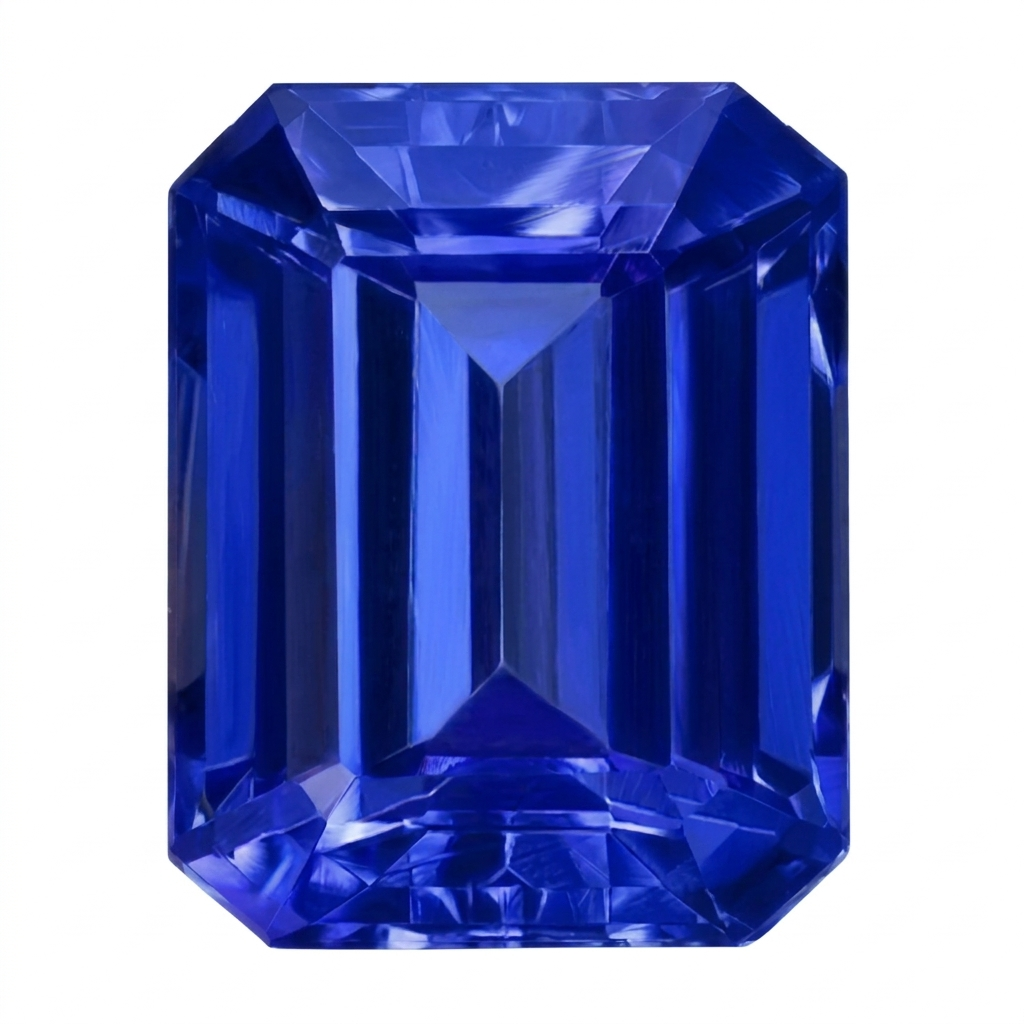 Blue Sapphire
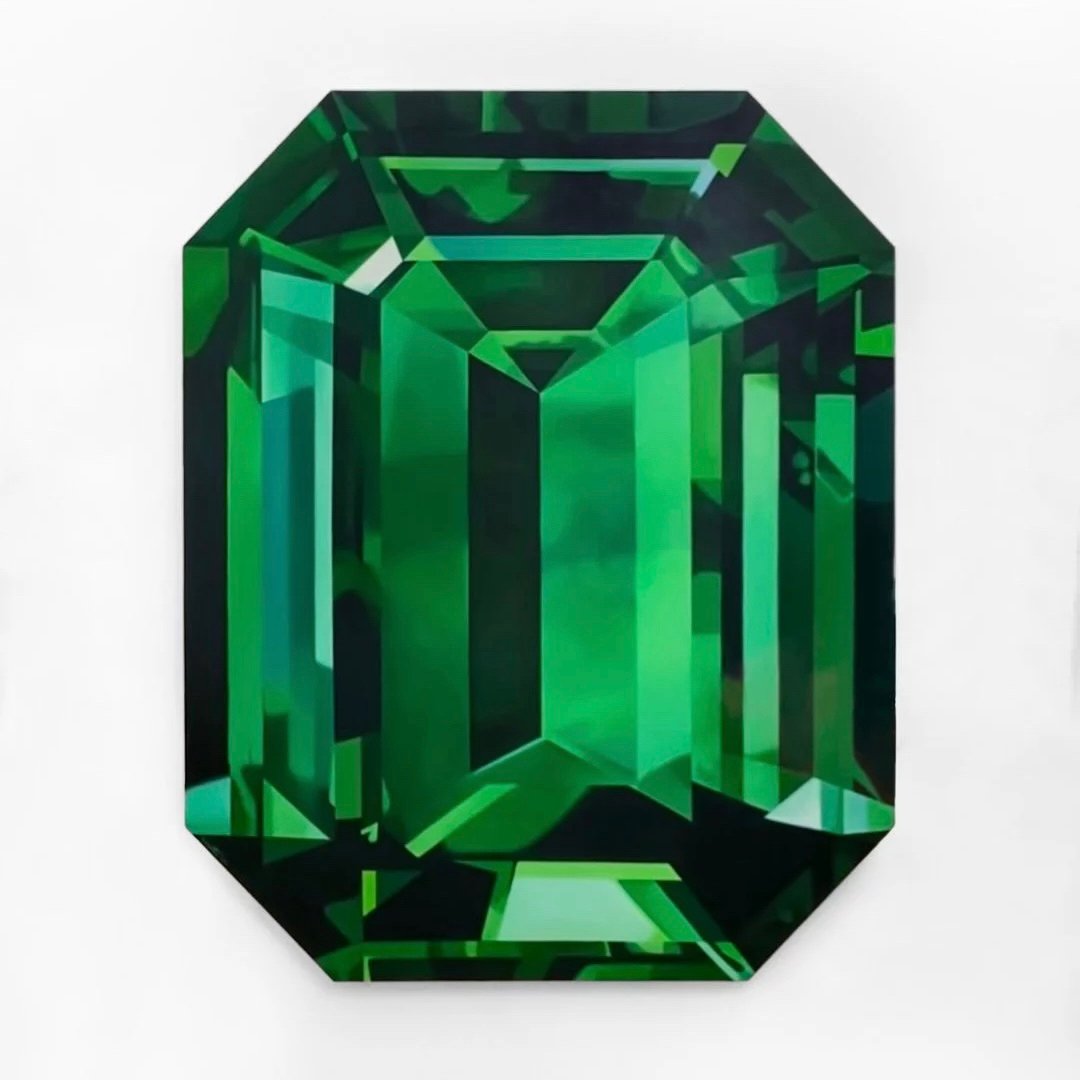 Emerald (PANNA)
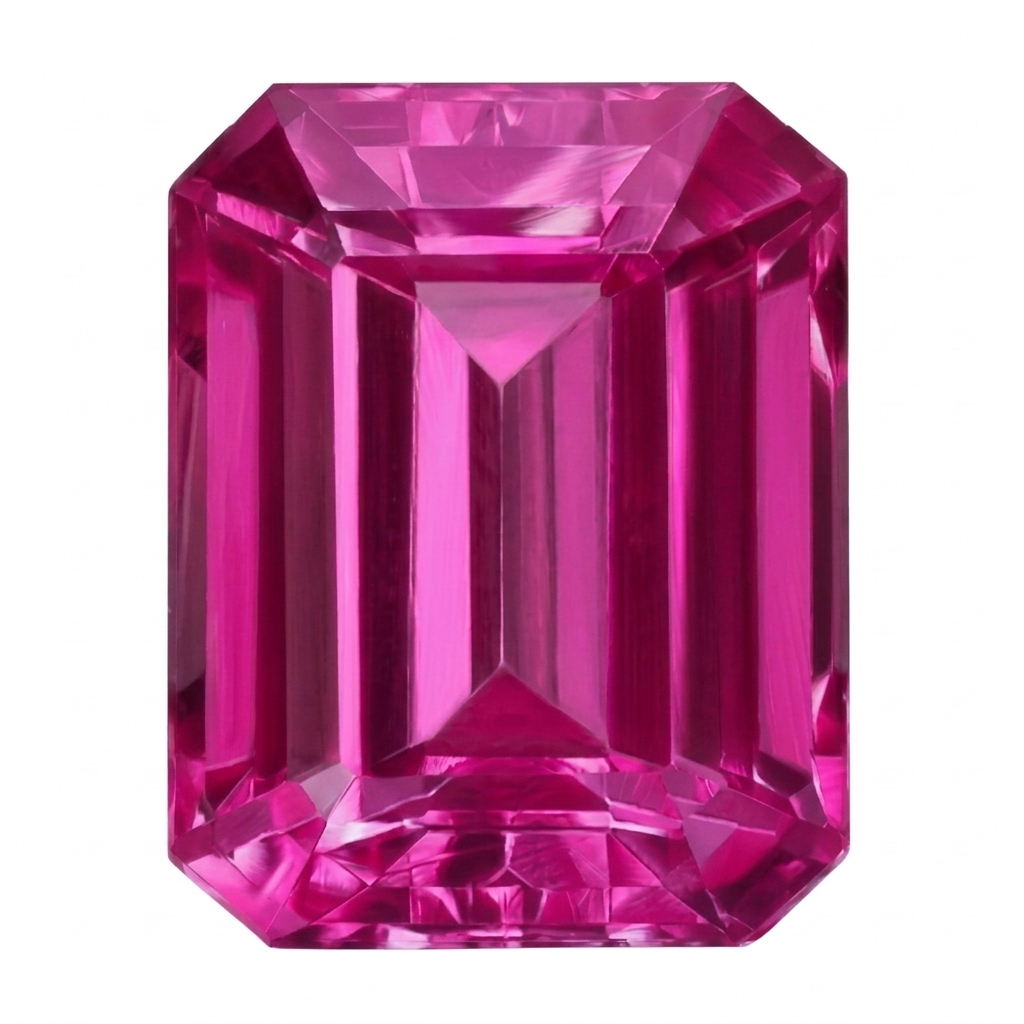 Pink Sapphire
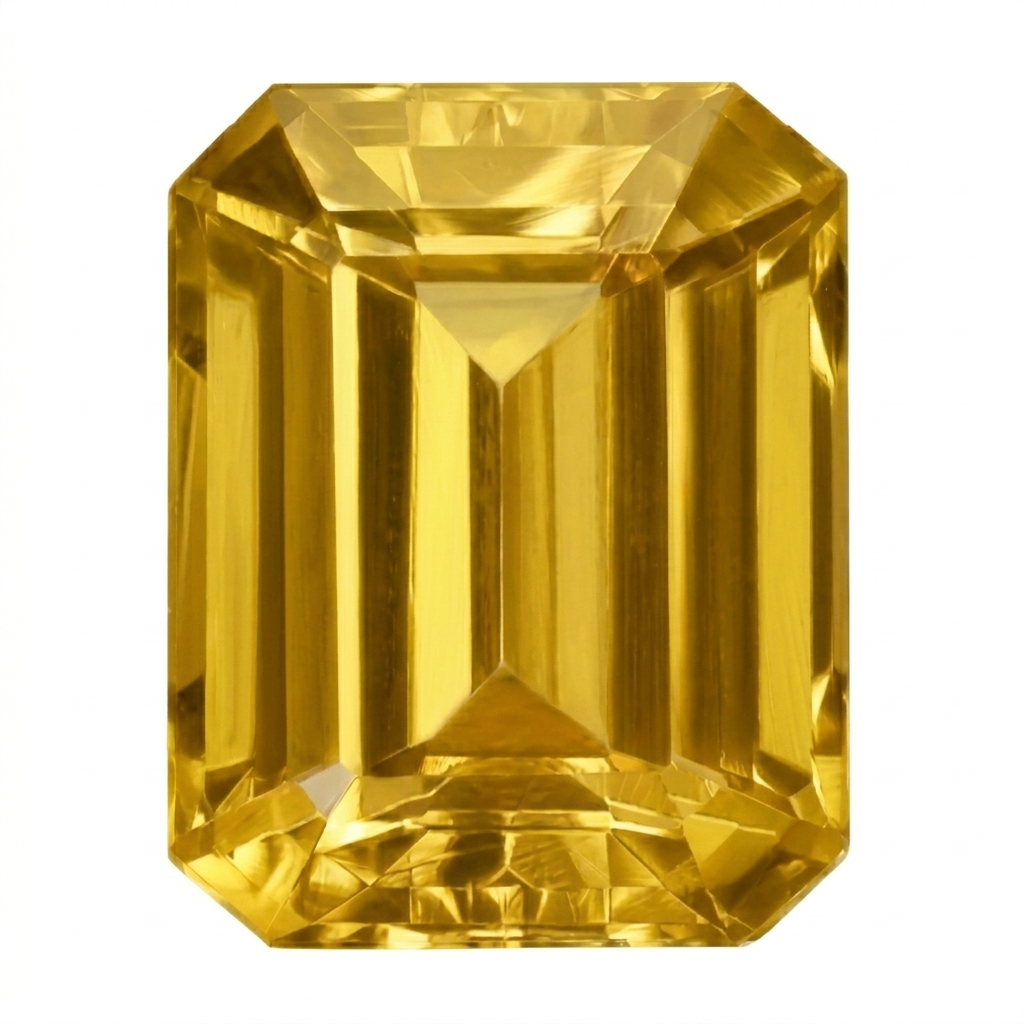 Yellow Sapphire
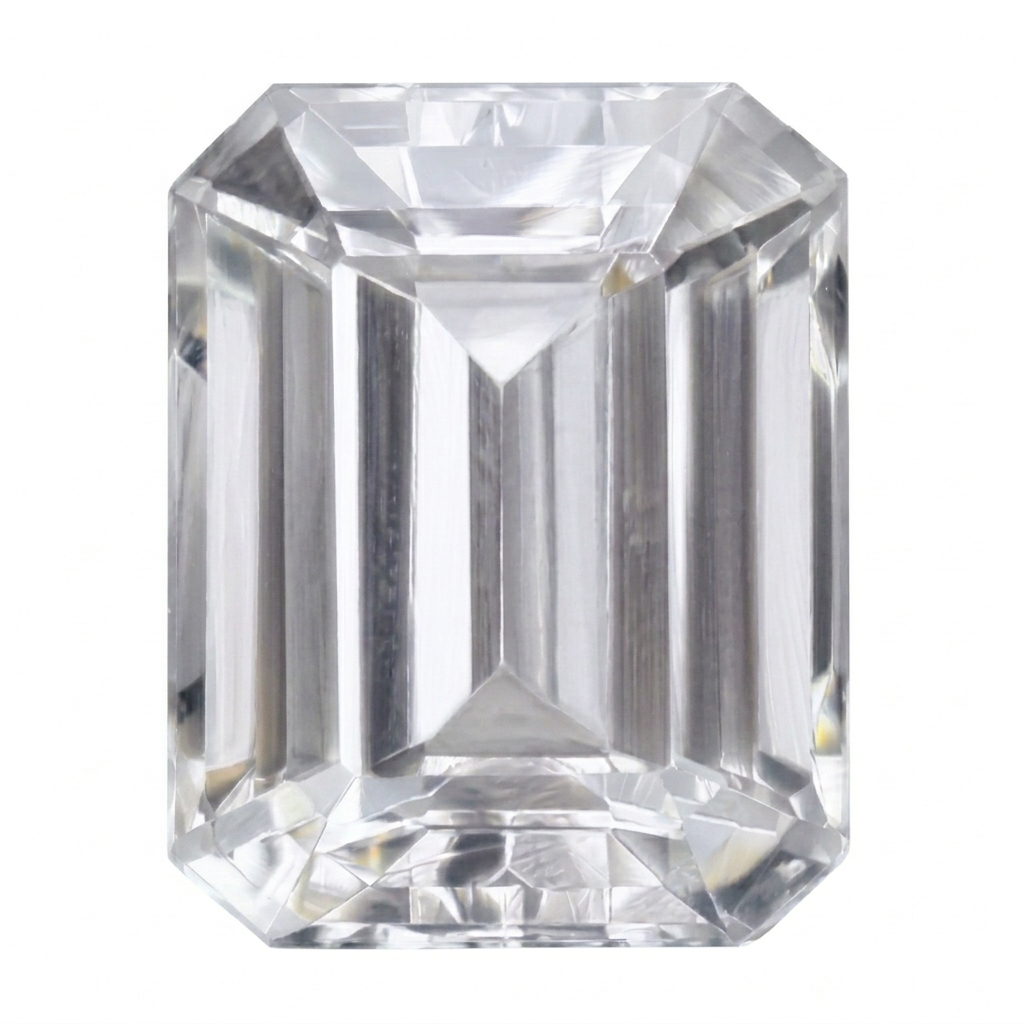 White Sapphire
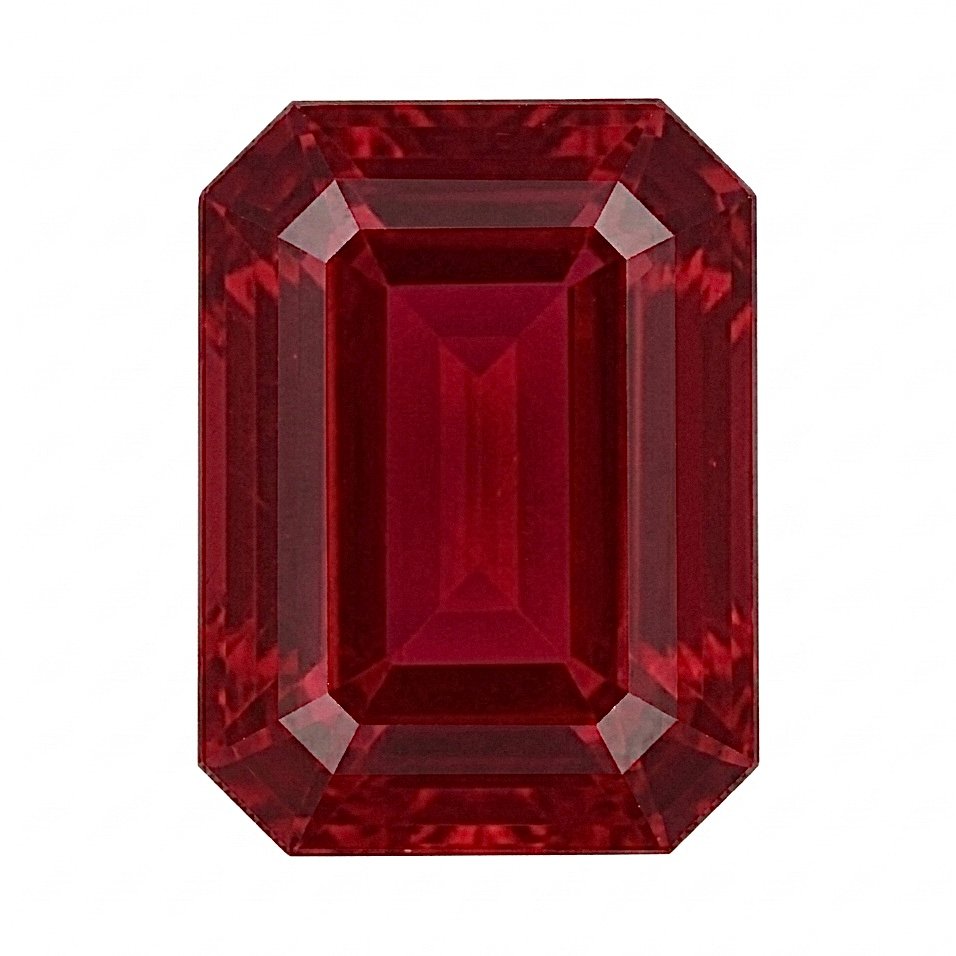 Ruby
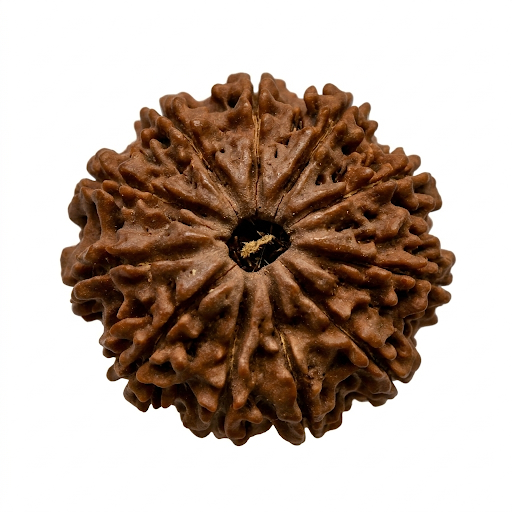 Rudraksha
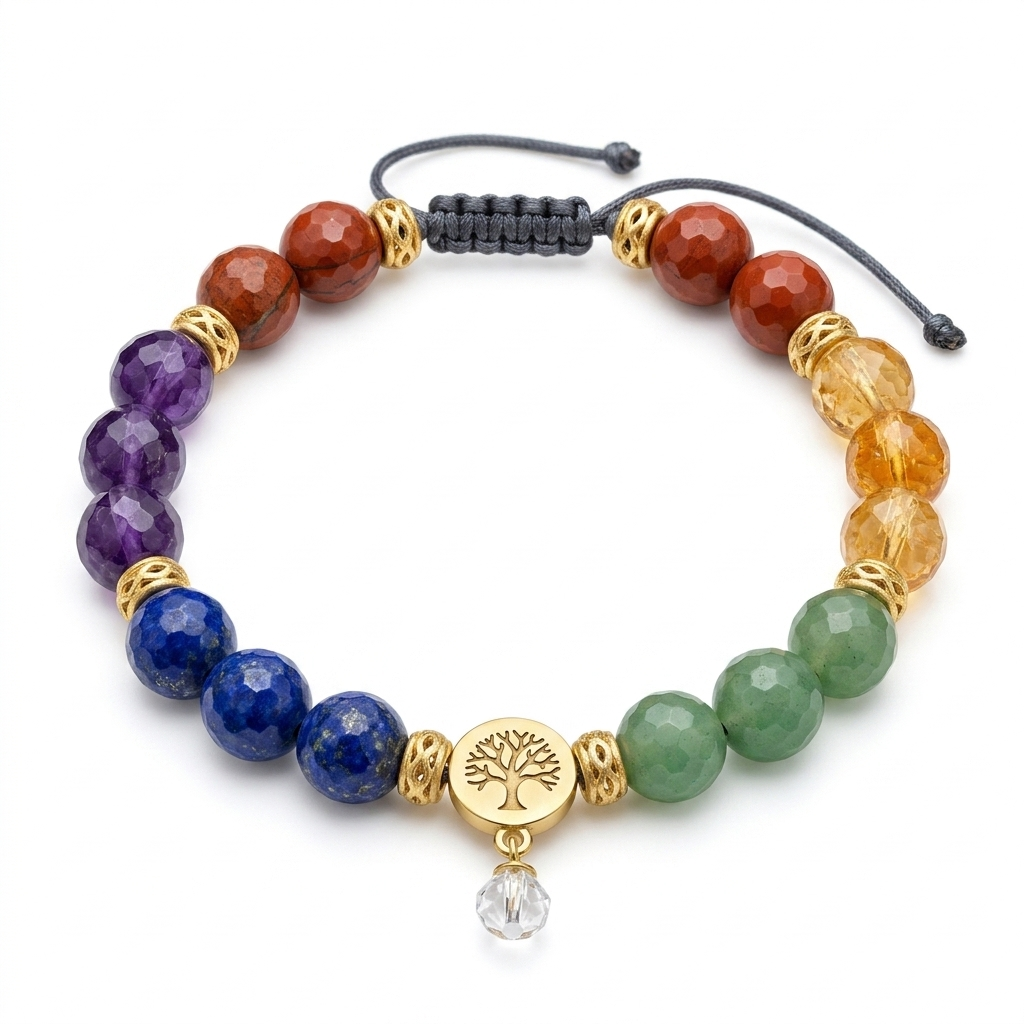 Bracelet
