
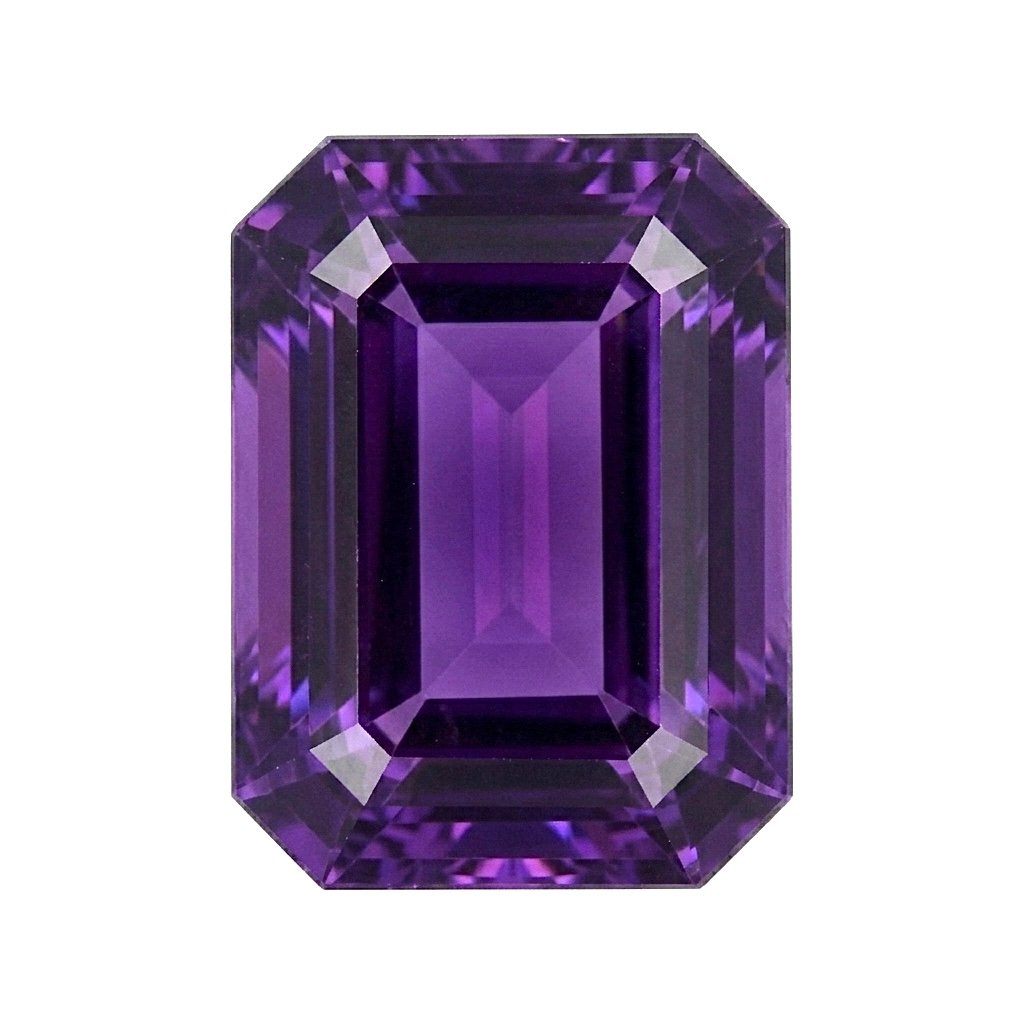
 Amethyst (ऐमेथिस्ट)
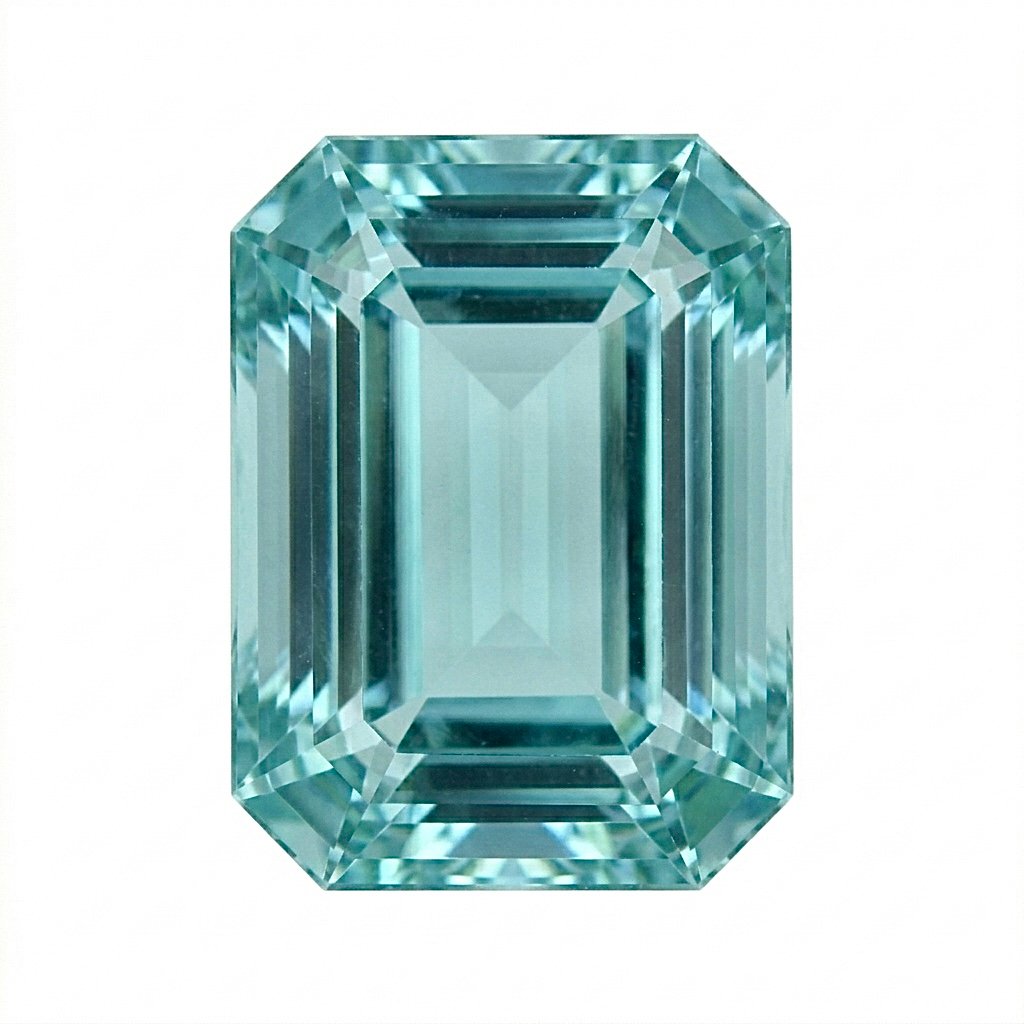 Aquamarine
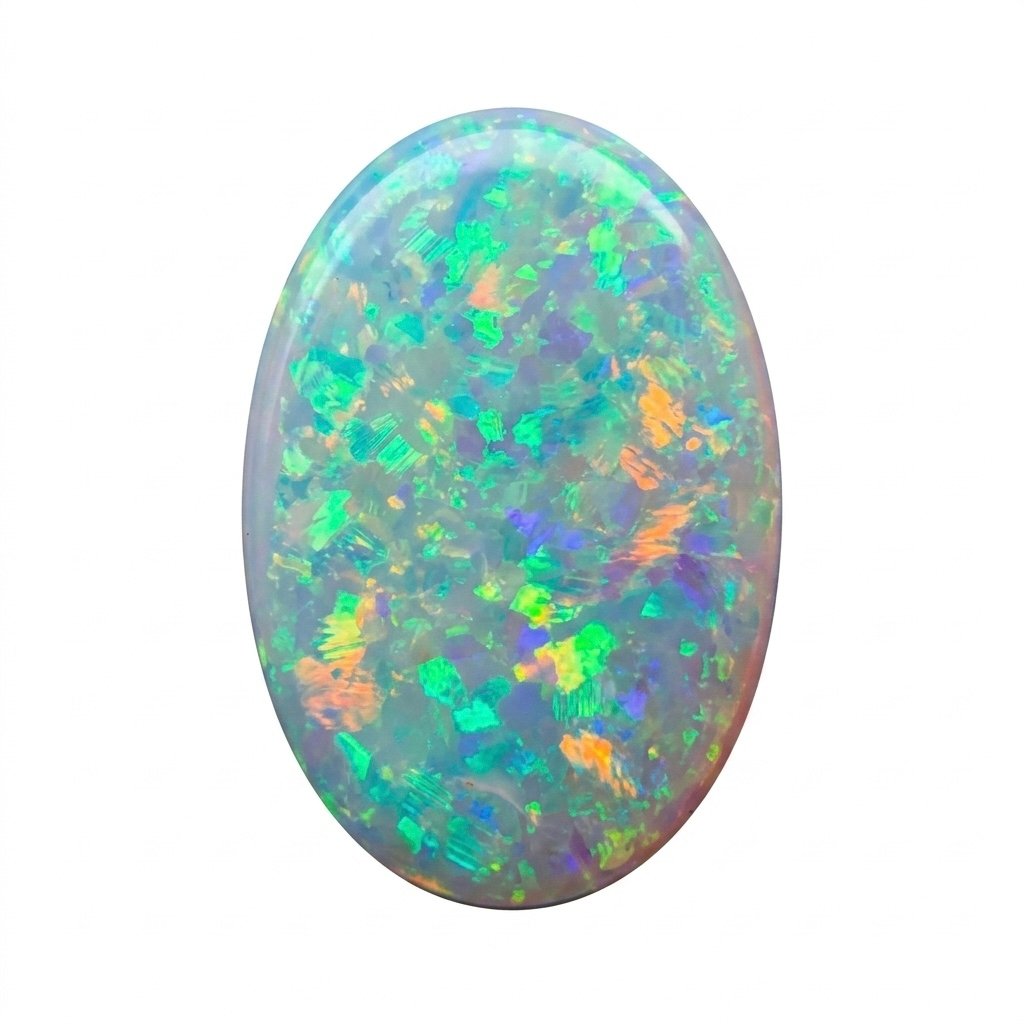 Australian Opal (ओपल)
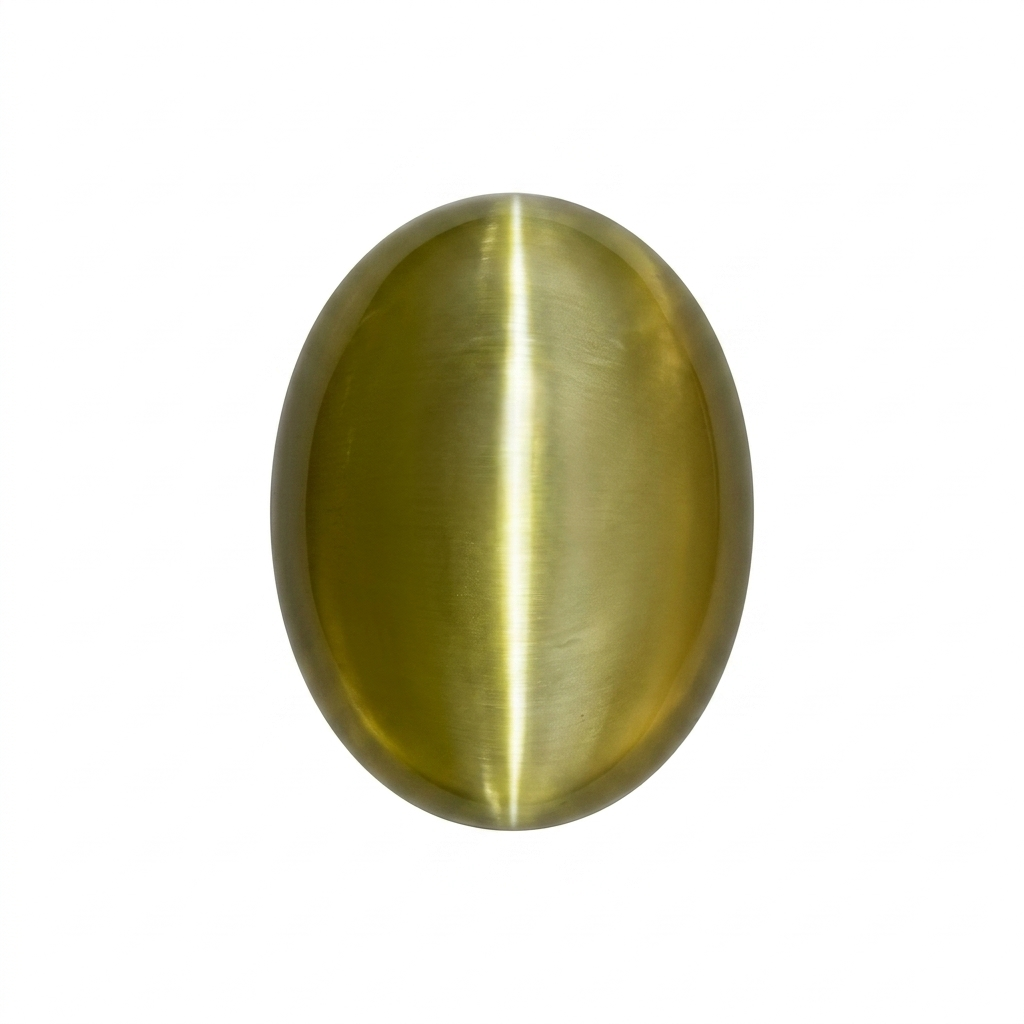 Catseye (लहसुनिया)
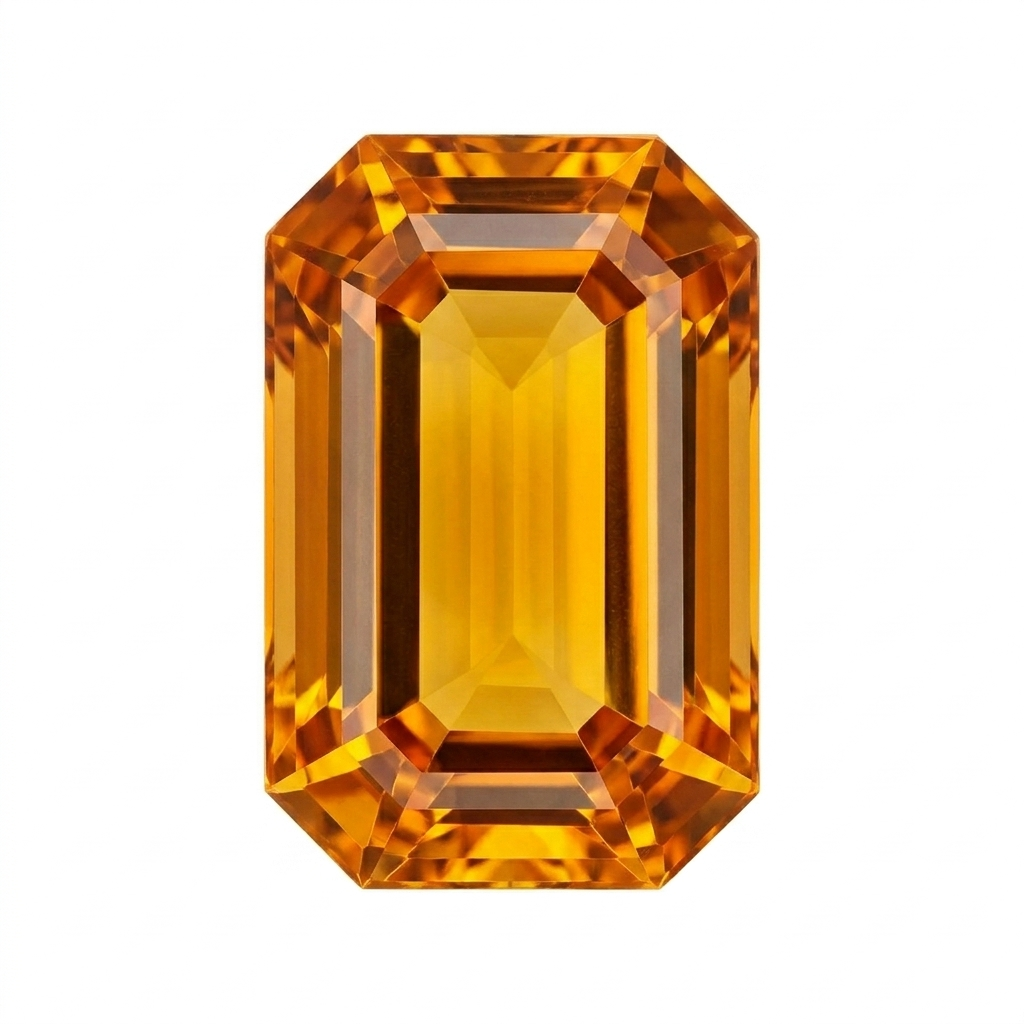 Citrine (सुनेहला)
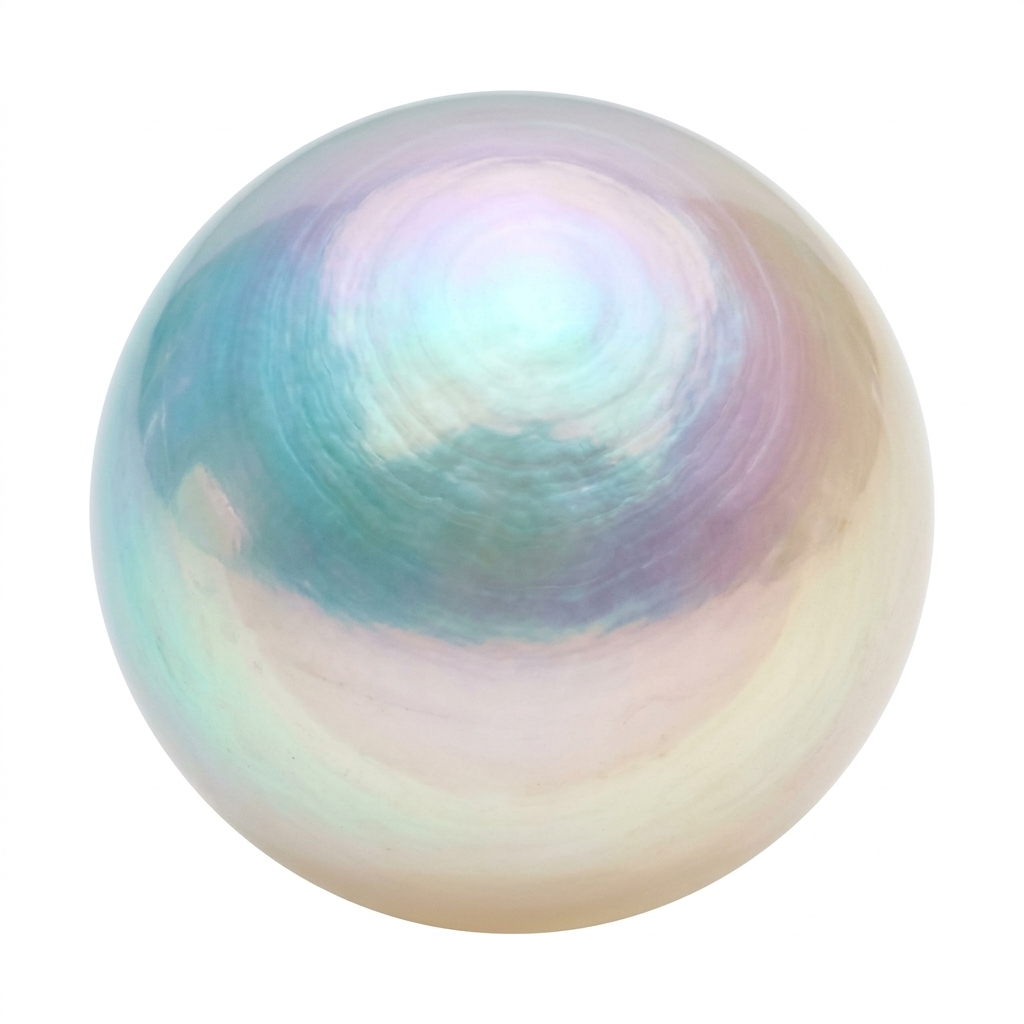 Fresh Water Pearl
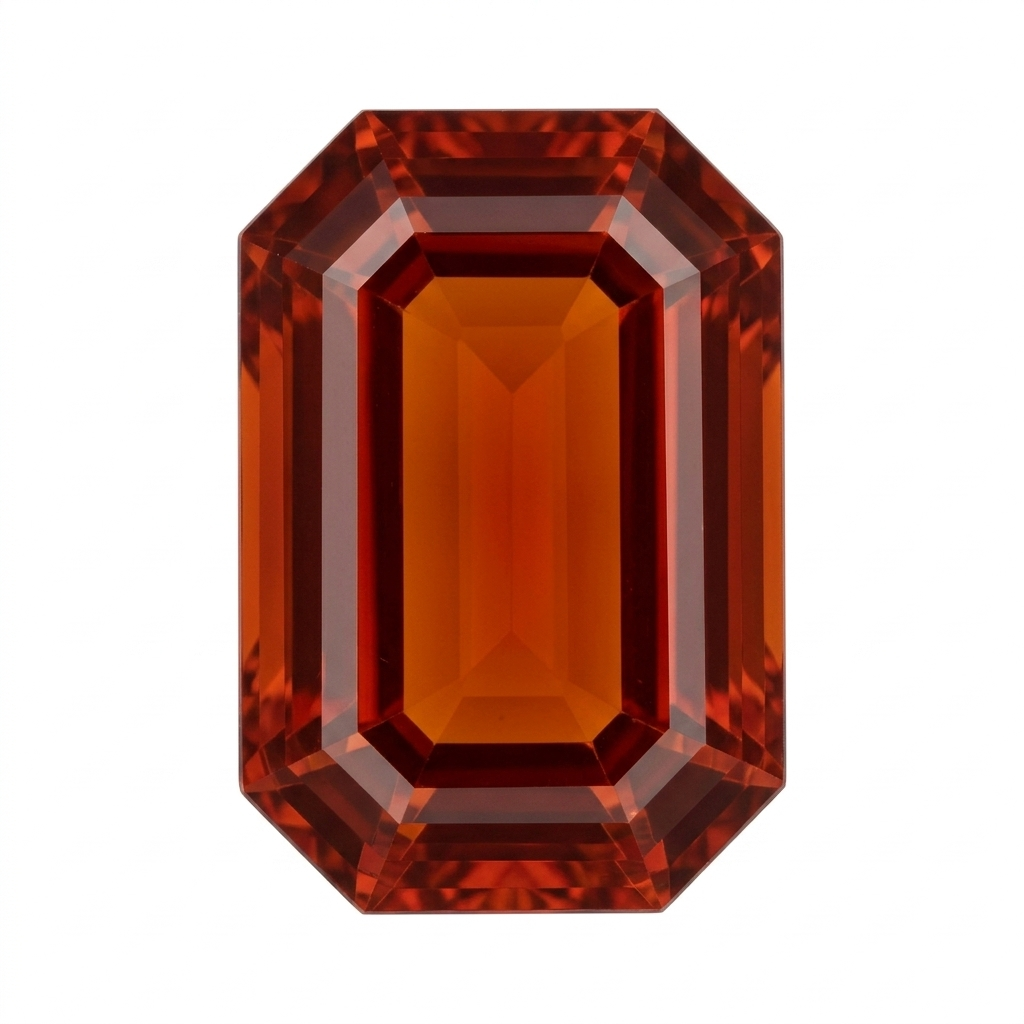 Hessonite (गोमेद)
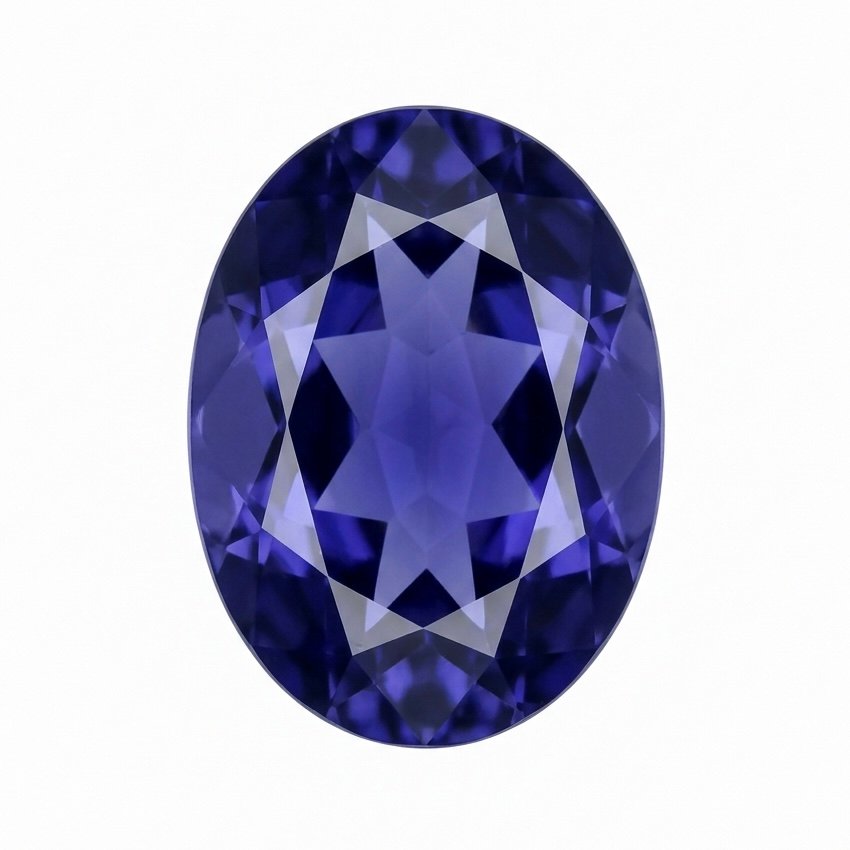 IOLITE (KAKA NILI)
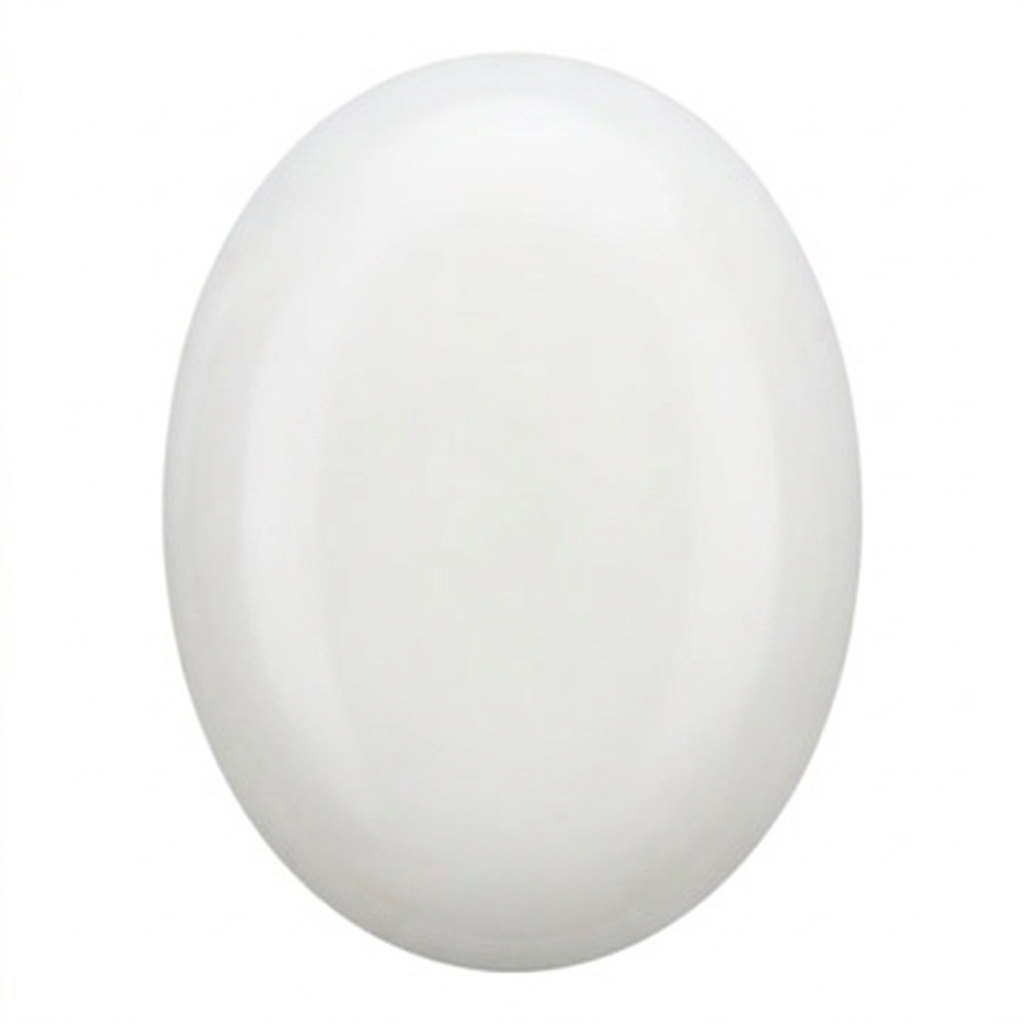 Japanese White Coral (मूंगा)
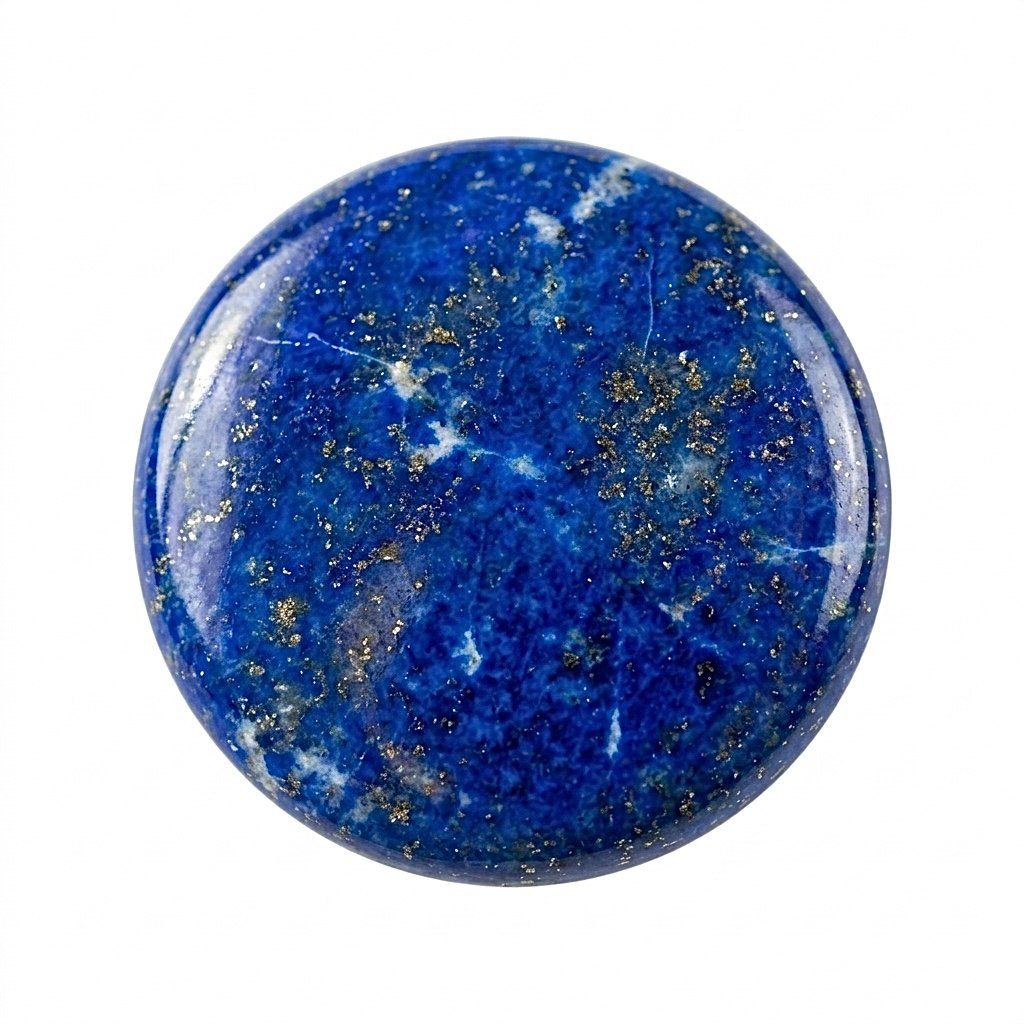 Lapis
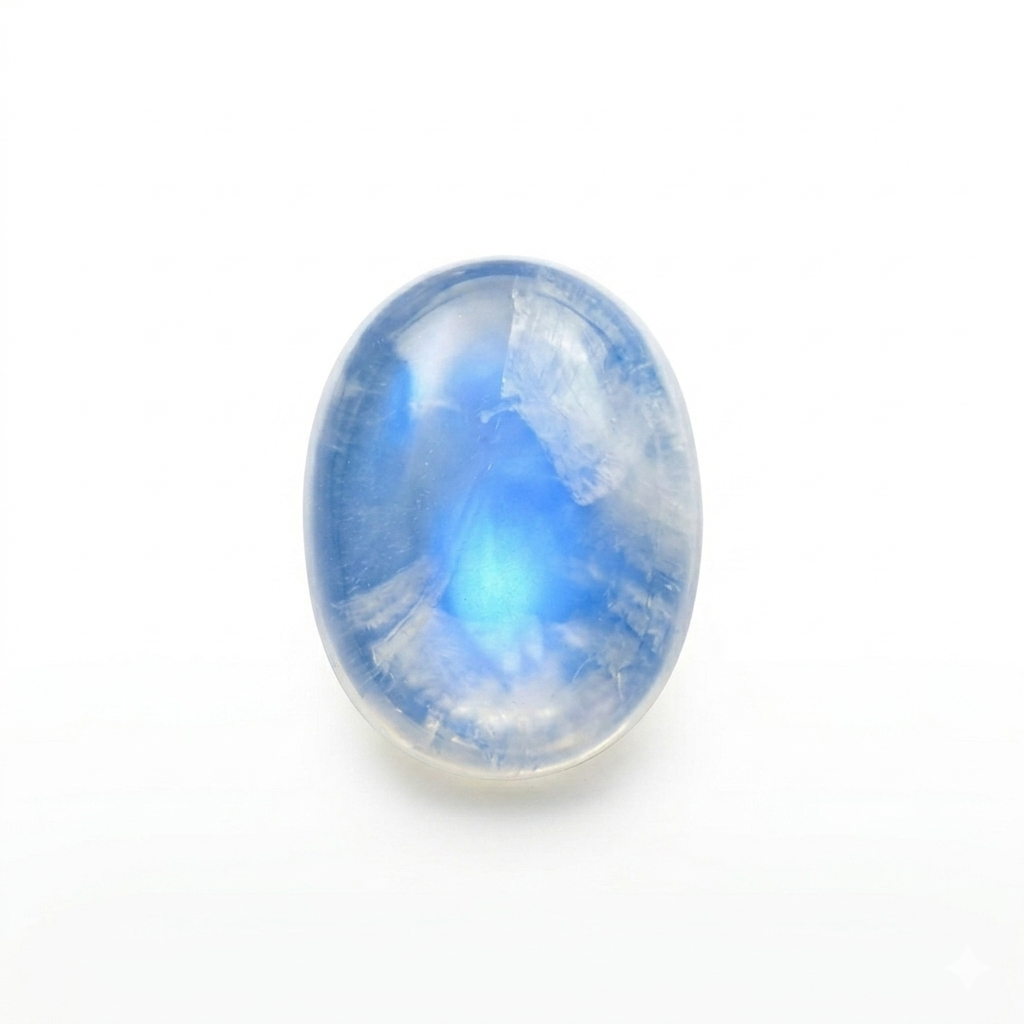 Moonstone
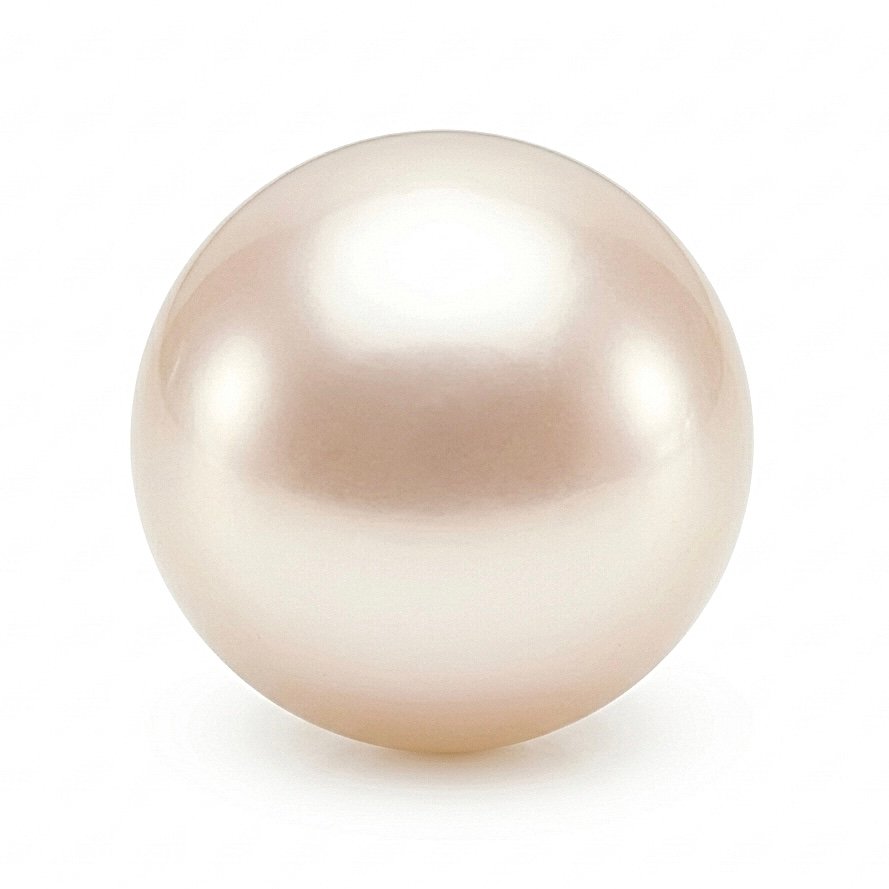 Natural South Sea Pearl
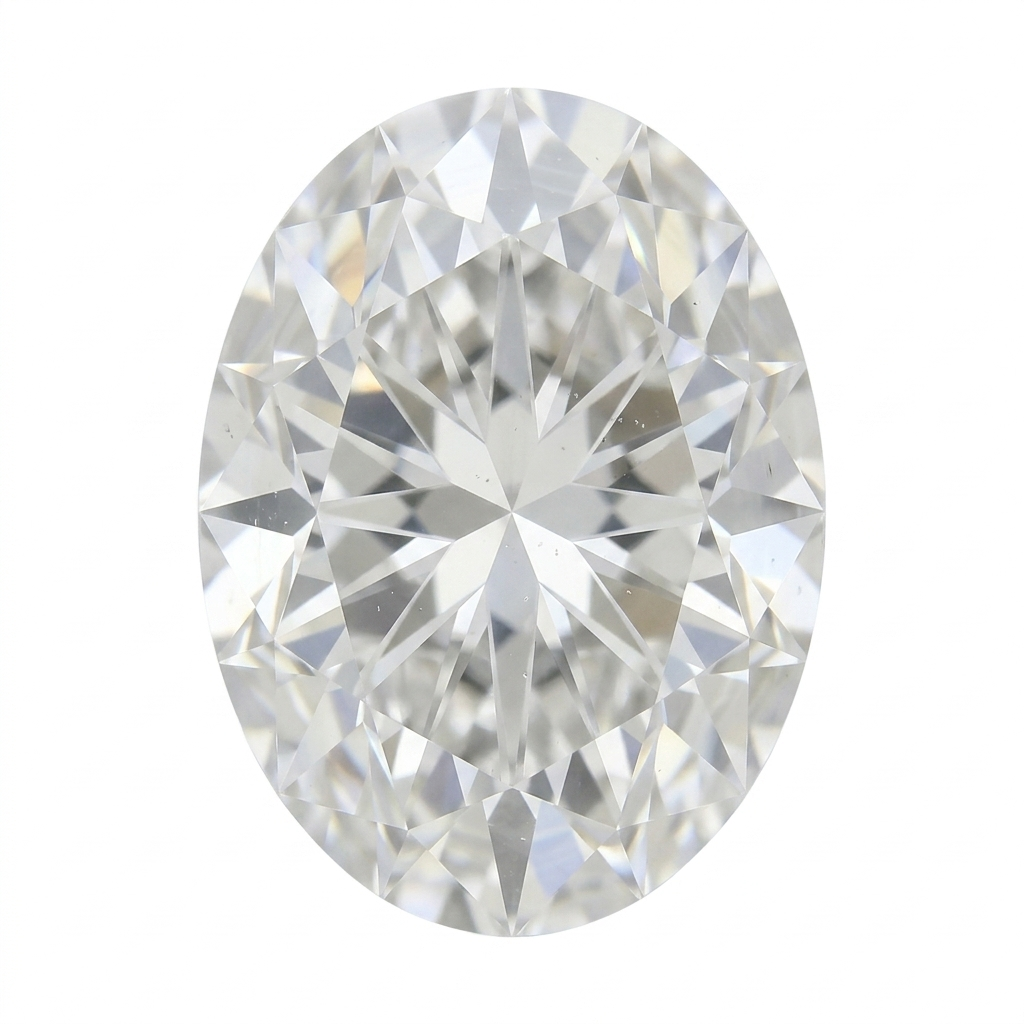 Natural Zircon
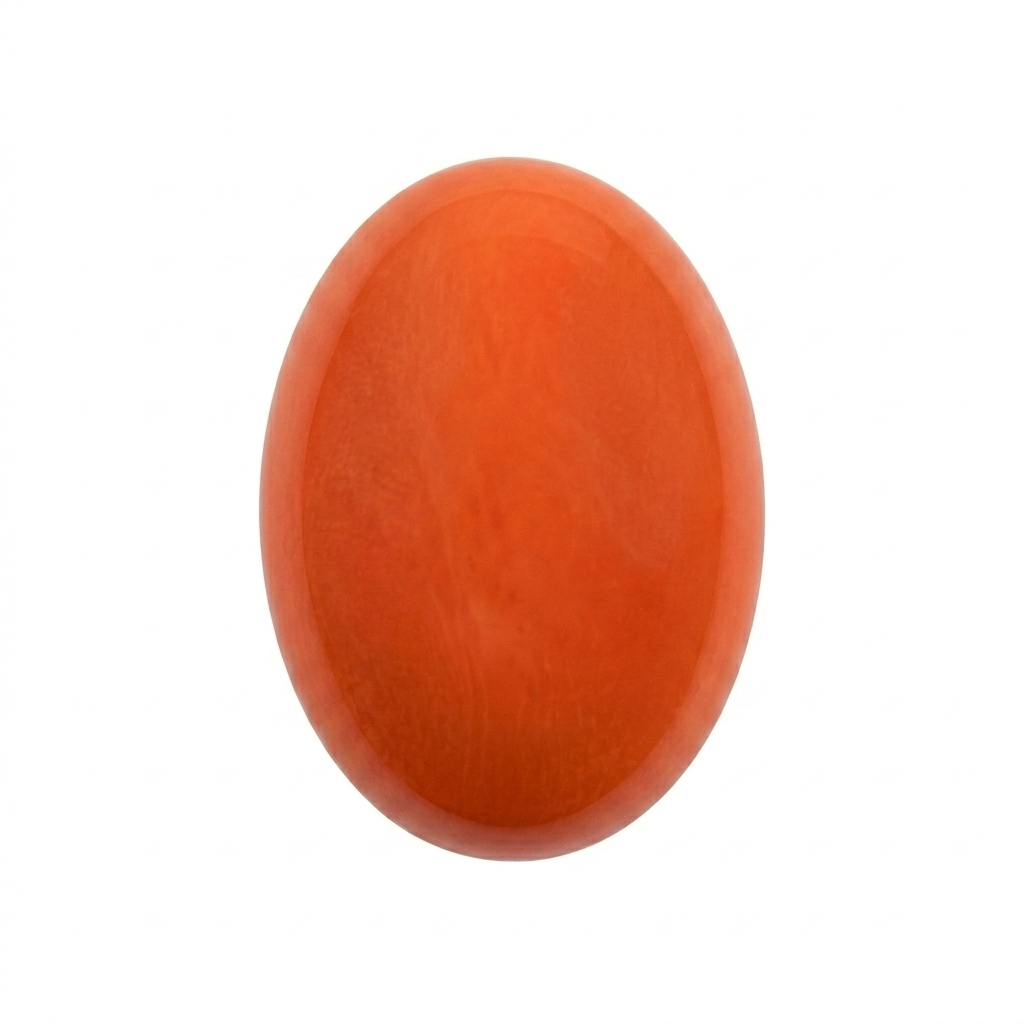 Orange Coral (मूंगा)
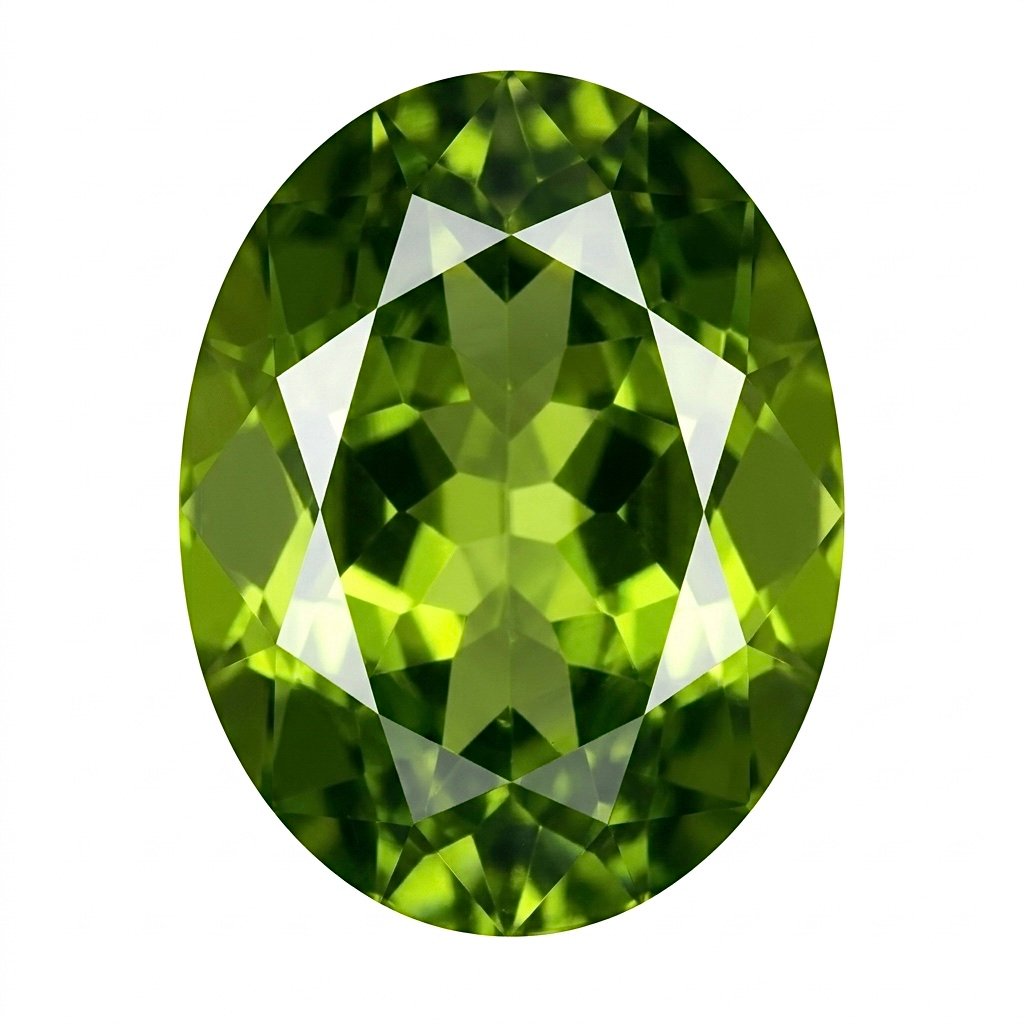 Peridot
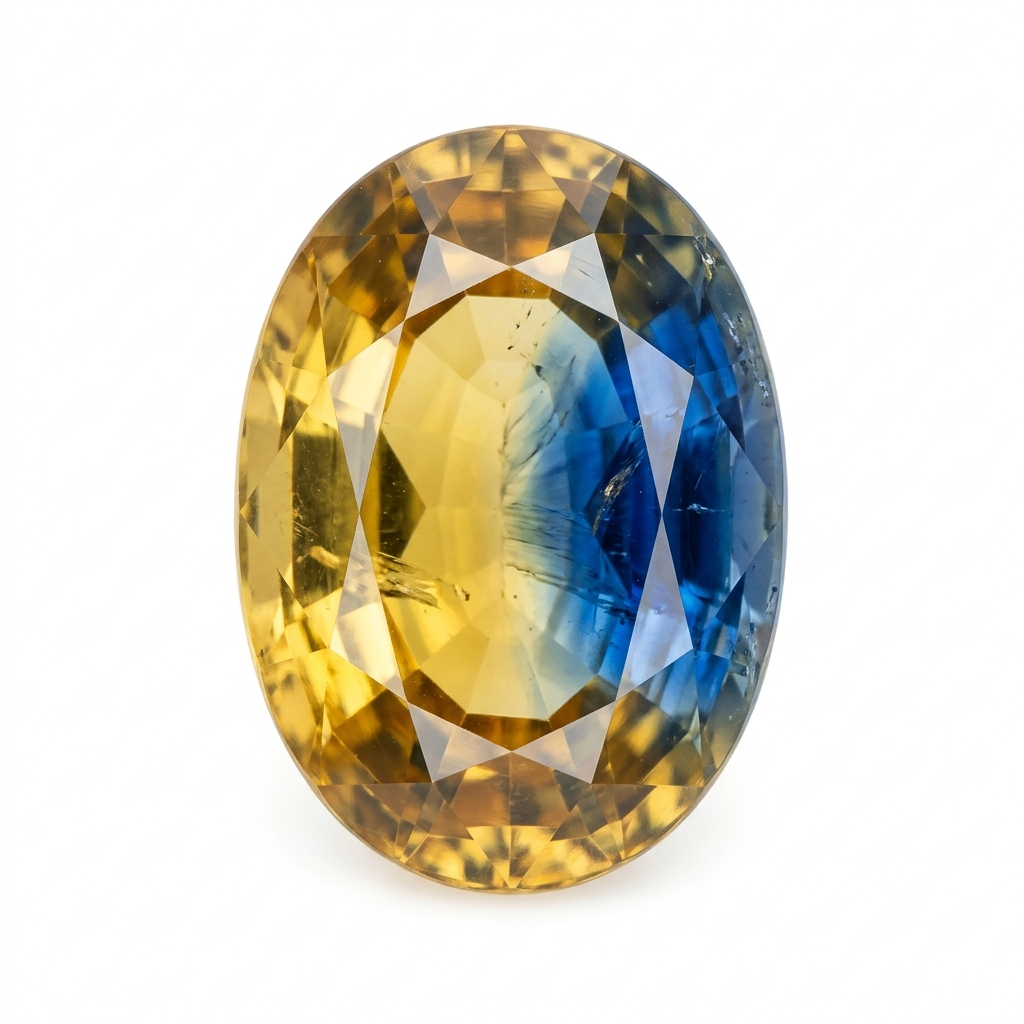 Pitambari
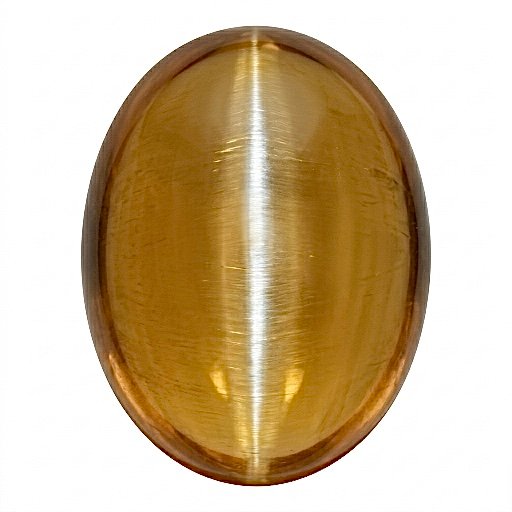 Quartz Catseye
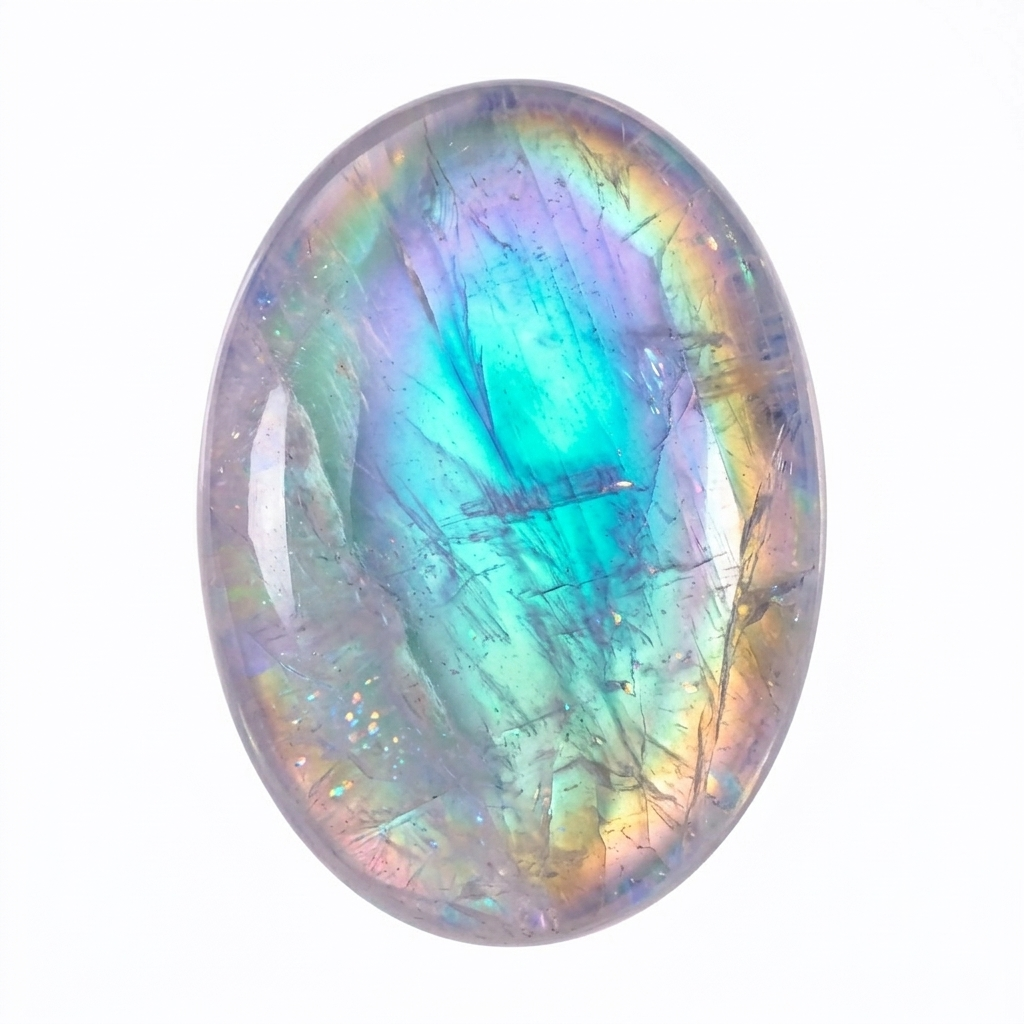 Rainbow Moonstone
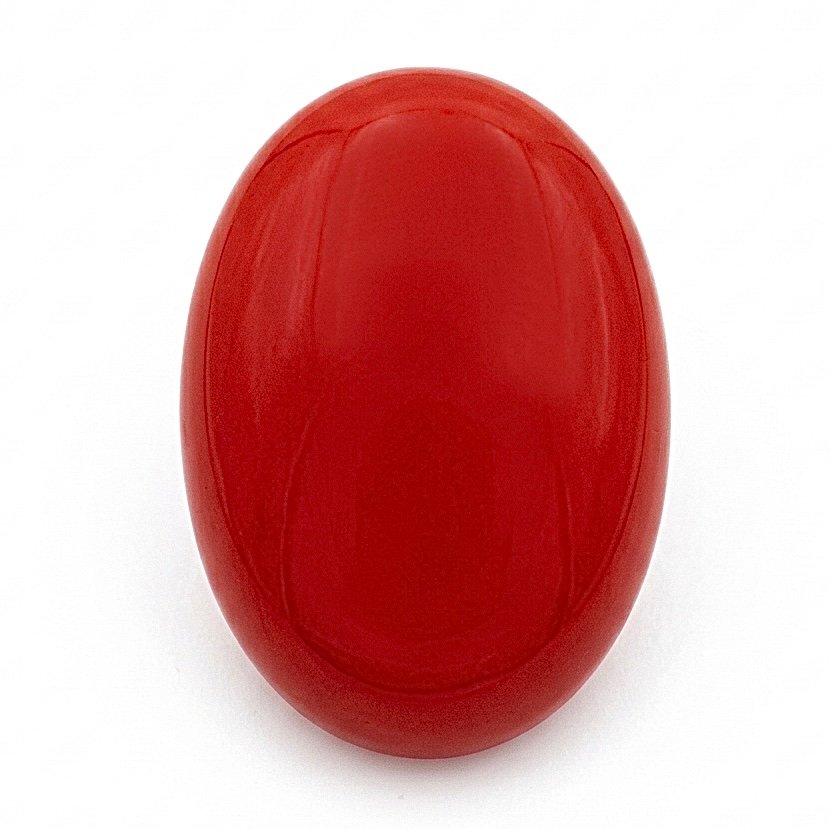 Red Coral (मूंगा)
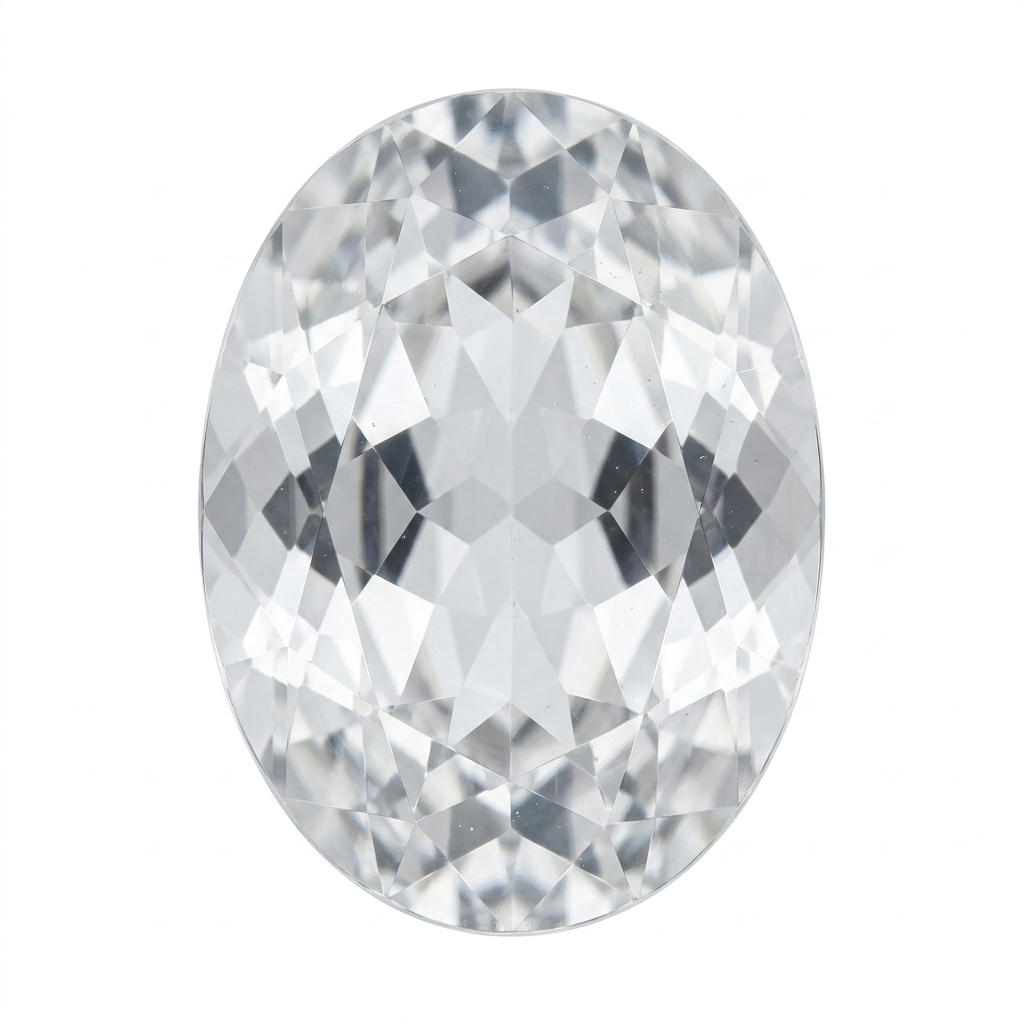 WHITE TOPAZ
The simplest answer is this:
when you cannot physically inspect a gemstone before buying, independent
documentation is the most reliable substitute for that inspection. A gemstone's
identity, treatment status, and natural origin cannot be determined from a
photograph, a seller's description, or even a well-made video. These things
require testing by a trained gemologist using specialised equipment.
Buying certified gemstones means that testing has already been done, by a
credible independent laboratory, before you place your order. You are buying
documented information alongside the stone itself — and that documentation is
verifiable.
The practical benefits of buying
with certification are substantial. You know the stone's identity has been
confirmed through testing, not just visually assessed. You know the treatment
status has been disclosed — which matters because treatments significantly
affect both the stone's value and its care requirements. You have a document
with a report number that can be verified on the laboratory's website, giving
you independent confirmation that the certificate is genuine.
Perhaps most practically:
certified gemstones can be compared across sellers on equal terms. When both
stones have reports from recognised laboratories documenting similar
specifications, comparing them comes down to quality characteristics and price
— an evaluation you can make rationally.
Authenticity and treatment
status are two separate questions that both require documentation to answer
reliably. A stone can be genuinely natural — formed in the earth — and still
carry treatments that significantly affect its value. A ruby that has been heat-treated
is a natural ruby, but it will
command a different price than an equivalent untreated ruby. A ruby that has
been fracture-filled with glass is a natural ruby, but the treatment is
extensive and significantly alters the stone's durability and care
requirements.
Both authenticity and treatment
disclosure are captured in a laboratory report. Neither can be reliably
assessed from a photograph or a seller's word alone. When you buy certified
gemstones online, both questions are answered before you pay.
One practical advantage of
certified gemstones that is often overlooked is how much simpler they make
comparison shopping. Two rubies from different sellers, both with IGI reports,
both identified as natural and heat-treated, both weighing approximately 2
carats — can be compared directly on price and quality characteristics. Without
certificates, every comparison involves unverifiable variables that make
meaningful comparison impossible.
Here is the practical sequence
to follow from initial interest to completed purchase.
Start with clarity about what
you are looking for: the gemstone variety, the approximate carat weight range,
whether you need a specific shape or cut, and your budget. Knowing what you
want before you start searching prevents the common error of being drawn to an
impressive listing without evaluating whether it actually fits your requirements.
If you are buying for astrological purposes, your required stone variety is
typically specified by a practitioner; if for jewellery, the variety may be
constrained by the setting you have or are planning.
For any stone above a nominal
value, certification from a recognised laboratory should be available. If a
seller does not provide a certificate, or the certificate is from a laboratory
you cannot verify independently, treat this as a meaningful risk factor. For
lower-value stones and smaller sizes, uncertified stones from reputable sellers
can be a reasonable choice. For anything significant — a 1-carat or larger
ruby, sapphire, or emerald — independent certification should be considered
essential.
This is the step most buyers
skip, and it is the most important one. Take the report number provided by the
seller and enter it into the verification portal on the issuing laboratory's
official website. GIA verification is at gia.edu; IGI verification is at
igi.org; GII and IIGJ have their own portals. The result should return the
stone's documented details — identity, treatment status, weight. If the report
number returns no result, or returns details that differ from what you see in
the product listing, do not proceed.
Once the report is verified,
review its content in detail. Confirm the stone weight matches what is listed.
Read the treatment disclosure carefully — note exactly what treatments are
recorded, not just whether "treatments" are mentioned. Check the
colour and clarity descriptions if the report includes them. Note any
qualifying language — "indications of" is different from "confirmed
presence of."
Compare the listed price against
similar certified stones from other sellers. Using the documented
specifications — variety, weight, treatment status — allows genuine comparison.
Look at product photographs critically: are they of the specific stone, or
representative stock images? Is there a scale reference? Is there a video
showing the stone in motion? Good sellers offering certified gemstones in Delhi
or through national online platforms will provide specific photographs of each
stone rather than representative images.
Before completing the purchase,
read the return policy. Confirm the return window, who pays return shipping,
what condition the stone must be in, and how refunds are processed. Check the
shipping method and whether transit is insured. Confirm payment security. Only
proceed when all of these are clear and acceptable.
Receiving a certificate and
knowing how to read it are different things. Here is what each section of a
gemstone laboratory report is telling you.
The identification section names
the stone's mineral species and variety. For coloured stones, common
identifications include: "Corundum, variety Ruby" (which specifies
the stone is aluminium oxide — corundum — coloured red by chromium, meeting the
definition of ruby); "Corundum, variety Sapphire" (same mineral,
different colour); "Beryl, variety Emerald" (beryllium aluminium
silicate with chromium or vanadium colouring). The precision of this language
reflects the gemological methodology behind it.
This is the section that
directly states whether the stone is natural or synthetic. Look for language
such as "Natural" under the origin or growth type field. For
synthetic stones, you would see "Synthetic" or
"Laboratory-grown." The report may also use phrases like "No
indications of synthetic origin" for natural stones where extensive
testing has not found laboratory growth signatures. Understanding this field is
essential before you buy certified gemstones.
The treatment section records
what the laboratory found regarding enhancements. For rubies, common
disclosures include: "No indications of heating" (the premium
designation, indicating an untreated stone), "Indications of heating"
(standard heat treatment), or "Clarity enhancement" alongside
"lead glass filling" (the most extensive and potentially problematic
treatment). For emeralds, the disclosure will typically note the filling
substance and degree — minor, moderate, or significant. Read this section completely
before purchasing.
The weight and dimensions
section provides the specific figures for the tested stone. These must match
the stone being offered. Any discrepancy in weight between the report and the
listing should be queried — even a small difference (0.1 carats on a 1-carat
stone is 10%) is material. Measurements also help confirm the stone is the one
described.
The laboratory name and report
number are the fields that allow external verification. The report number is
what you enter on the laboratory's verification portal. Note the date of the
report as well — reports are typically considered valid indefinitely for
treatment disclosures, but a report many years old may pre-date some testing
methods for newer treatment types.
Certification matters
considerably less if the seller providing it is not reliable. Here is how to
evaluate an online gemstone shop beyond the certificates it claims to offer.
A legitimate certified gemstone shop in Delhi or elsewhere
will have a verifiable physical address, a registered business name, and
accessible contact information. Search for the business by name outside their
own website — looking for mentions in trade directories, press coverage, or
buyer discussions. Check for independent reviews on third-party platforms. Look
at how the seller responds to any critical feedback.
Gems N Diamond at
gemsndiamond.com has operated from Karol Bagh and Lajpat Nagar in Delhi since 1972.
Their physical market presence and operating history are independently
verifiable, which provides the kind of accountability that online-only
operations often lack.
A reliable online gemstone shop
provides specific descriptions for each stone — exact weight, variety,
treatment status, certification details — and photographs of the actual stone
rather than representative stock images. Vague descriptions, generic
photographs, and missing treatment information are all risk indicators. The
best online gemstone shops make it easy to compare a stone's listing details
against its certificate before you commit to buying.
A clear, accessible return
policy is a basic requirement. The policy should state the return window
explicitly, describe acceptable return conditions, specify who pays return
shipping, and explain how and when refunds are processed. A seller who is
confident their stones match their listings typically offers a reasonable
return window. Very restrictive return policies — or no policy at all — suggest
the seller is not confident in that match.
Before placing a significant
order at any online gemstone shop, ask about the specific stone's
certification. Which laboratory issued the report? What is the report number?
Can you verify it before purchasing? A reliable seller will answer these
questions readily and encourage you to verify the report independently. Evasive
responses, reluctance to provide report numbers, or insistence that the
certificate is "self-certified" or from an in-house laboratory are
significant warning signs.
Certification is one factor in
gemstone pricing, but there are several others that matter equally or more.
The fundamental driver of
gemstone pricing is supply and demand for the specific variety. Fine rubies and
sapphires of premium quality remain rare regardless of certification. Alexandrite
— which changes colour between daylight and incandescent light — is genuinely
scarce in quality examples, and this scarcity is reflected in pricing. Emeralds
of exceptional colour and clarity without heavy fracture filling command
premiums that reflect their relative rarity. Certification confirms identity,
but rarity is a market characteristic.
For coloured gemstones, colour
is typically the primary quality driver. The ideal colour for a ruby is a vivid
red to slightly purplish-red, sometimes described in the trade as
"pigeon's blood" — though this term is used loosely by many sellers.
Kashmir blue sapphires command premiums for their characteristic velvety blue.
Emeralds are judged by their specific green, with Colombian stones of certain
colour ranges commanding significant premiums.
Clarity matters for coloured
stones, but the standard is different from diamonds — most coloured stones are
evaluated with the naked eye rather than under magnification, and some
varieties routinely contain visible inclusions. Carat weight affects price on a
per-carat basis, with the price per carat typically rising as size increases
(because larger fine stones are rarer).
Treatment status is a
significant price factor, particularly for rubies, sapphires, and emeralds. An
untreated natural ruby of fine quality commands a substantial premium over a
heat-treated ruby of similar appearance. A fracture-filled ruby may be priced much
lower than either, reflecting the extensive treatment and its implications for
durability. When you buy certified gemstones, the certificate documents this
treatment status precisely — which is what allows the price difference to be
justified and understood.
Origin, where documented by
laboratory assessment, can also affect pricing significantly. Burmese rubies,
Kashmir sapphires, and Colombian emeralds from specific localities command
premiums in the trade. Origin assessments from recognised laboratories are
opinions based on testing, not certifications of fact — but they carry
considerably more weight than unsubstantiated seller claims.
Laboratory certification
involves testing fees that are passed on in the price of certified stones. This
cost is real, but it is also what gives the certificate its value. A GIA or IGI
report represents an investment in independent verification that protects the
buyer — the cost is modest relative to the information it provides. When
comparing a certified stone against an uncertified one at a similar price
point, the certified stone often represents better value despite the apparent
price similarity, because the uncertified stone carries an information risk the
certified one does not.
These are the errors that lead
to the most common buyer regrets.
Price is one input in a
purchasing decision, not the only one. An unusually low price for a claimed
high-quality certified gemstone is almost always a signal worth investigating
rather than celebrating. In the gemstone market, the reasons for below-market pricing
are usually one of: lower quality than claimed, undisclosed or understated
treatments, an incorrect identity claim, or a certificate that does not hold up
to verification. Comparing prices across multiple certified sellers for similar
specifications is the right approach — not chasing the lowest price without
context.
Certification documents what a
stone is; it does not guarantee that the stone is good value at the price
asked, or that its quality characteristics are exceptional. A certified ruby
that is heavily included, poorly cut, and a mediocre colour is still certified
— the report confirms it is a natural ruby, heat-treated, of a certain weight.
The certification is accurate and useful, but quality evaluation requires
looking beyond the certificate to the stone's specific characteristics.
Treatment disclosures are not
bureaucratic language to skim past. They contain information that materially
affects what you are paying for. "Significant clarity enhancement" in
an emerald report means the stone has extensive resin filling, which affects
its durability, appearance after cleaning, and long-term stability. "Lead
glass filling" in a ruby report is an extensive treatment that requires
specific care and significantly reduces the stone's value compared to
heat-treated or untreated alternatives. Read these disclosures and understand
what they mean before committing to a purchase.
Even with careful pre-purchase
research, a stone may arrive and not match its listing in some material
respect. The return policy is your practical recourse in that situation. Buying
without checking the return terms — and finding afterwards that a return requires
payment of return shipping to another country, or that the return window has
already closed, or that returns are categorically not accepted — leaves you
without options. This is easily avoided by reading the policy before placing
the order.
A Yes.
The process involves verifying the laboratory report on the issuing
laboratory's official website before purchase, comparing report details against
the product listing, evaluating the seller's track record and return policy,
and using secured payment methods. Buyers who follow these steps consistently
have far better experiences than those who skip them.
A Take
the report number from the certificate and enter it into the verification
portal on the issuing laboratory's official website. GIA verification is at
gia.edu; IGI is at igi.org. The result should return the stone's documented
details matching what is shown in the certificate and the product listing. If
no result is found, or details do not match, do not proceed with the purchase.
A No.
Many natural gemstones — particularly lower-value or smaller stones — are sold
without laboratory reports. Certification is the choice of the seller, and it
involves testing costs. For significant purchases, a laboratory report from a
recognised institution should be considered essential. For lower-value stones
from established sellers, the absence of a certificate may be an acceptable
trade-off at lower price points.
A Verify
the laboratory report on the issuing laboratory's website. Confirm the stone
identity and treatment status match the listing. Check the seller's track
record and independent reviews. Review the return policy completely. Confirm
the stone's specifications — weight, dimensions — match the report. Compare
pricing against similar certified stones from other sellers. Only then complete
the purchase.
Buying certified gemstones online is a practical and reliable way to purchase quality gemstones — provided you complete the verification steps before paying. A verifiable laboratory report from a recognised institution is the most important document in any online gemstone transaction. Verify it, understand it, and buy with confidence.
How to Buy Certified Gemstones Online: Complete Guide to Certification
Certified Gemstones Online: Why Certification Matters Before Buying
A Complete Guide to Buying Gemstones Online Safely

Online Gemstone Shop: How to Choose a Trusted Seller

How to Choose the Best Place to Buy Gemstones Online

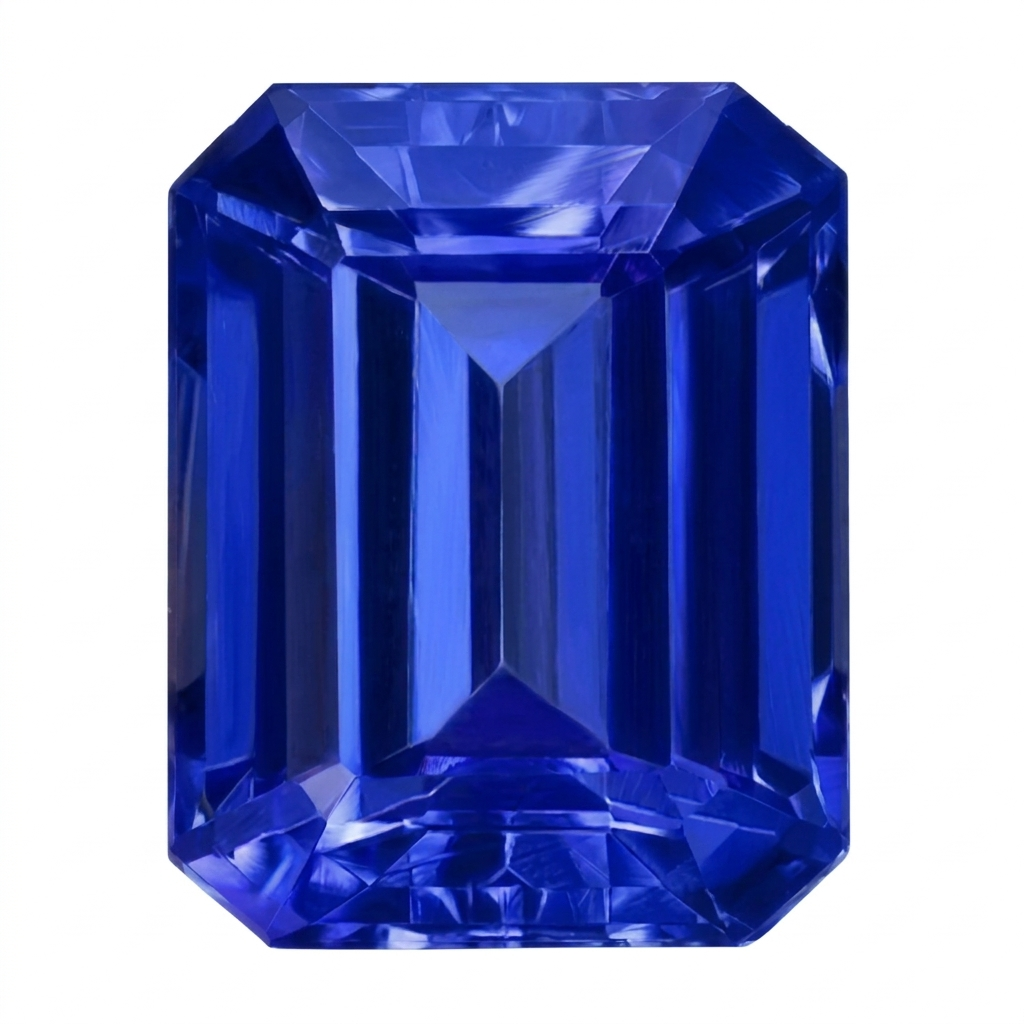 Blue Sapphire
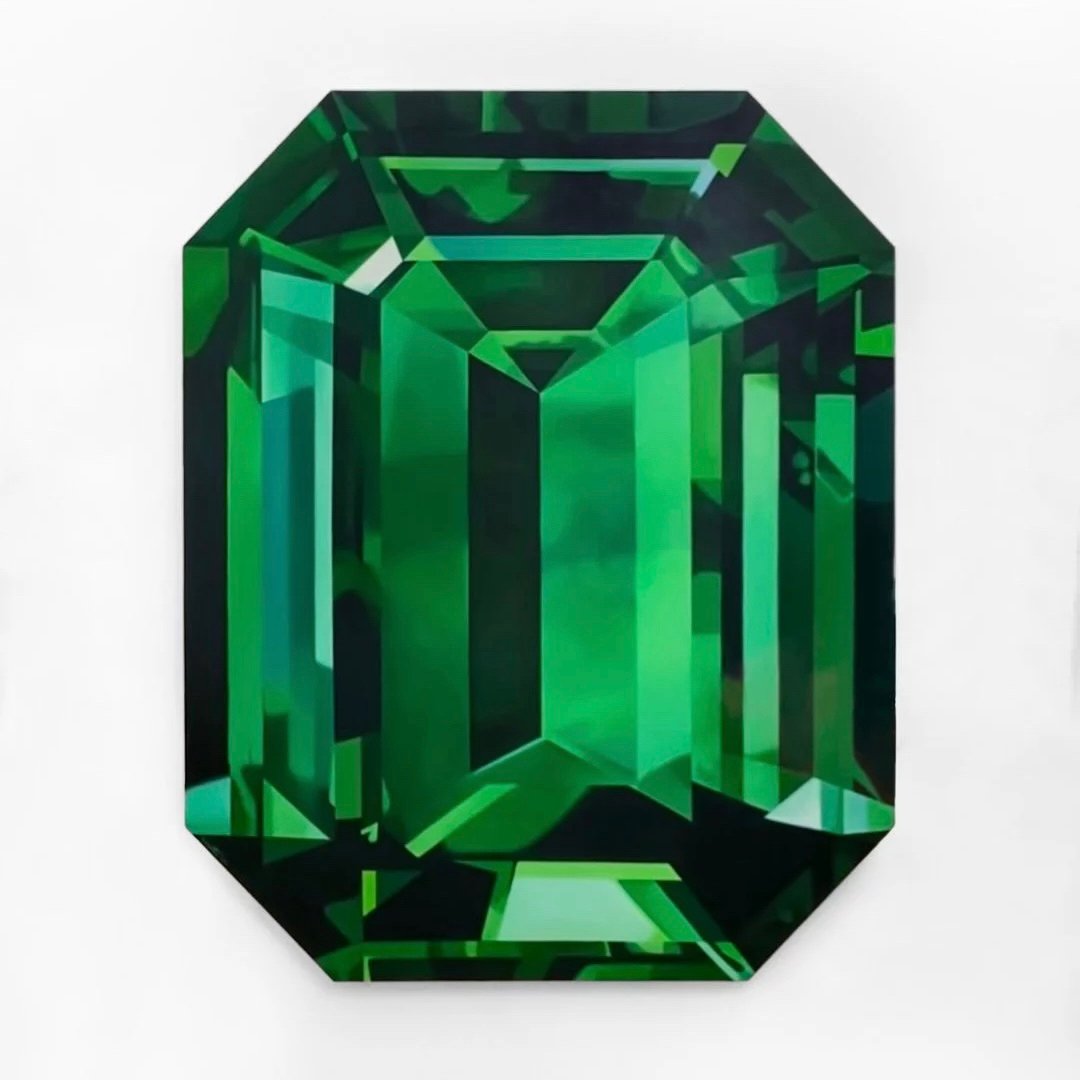 Emerald (PANNA)
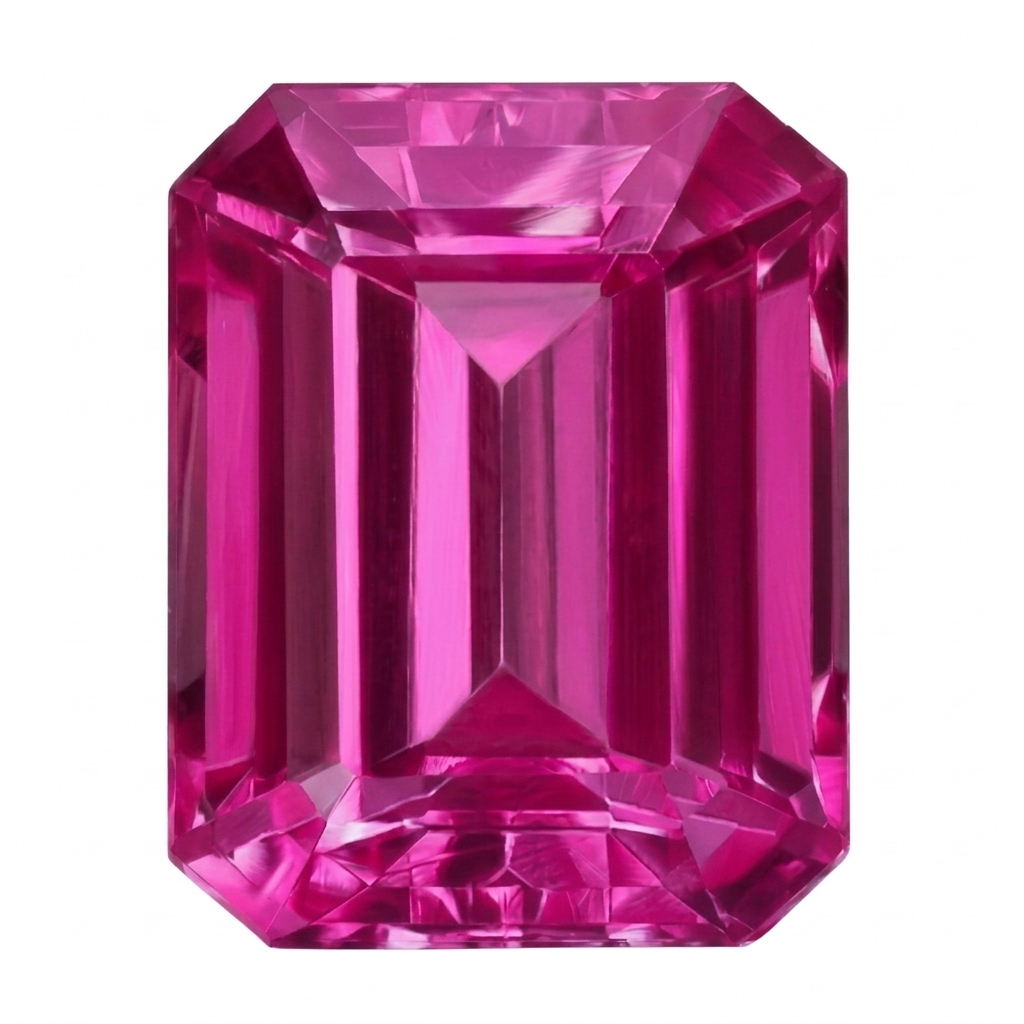 Pink Sapphire
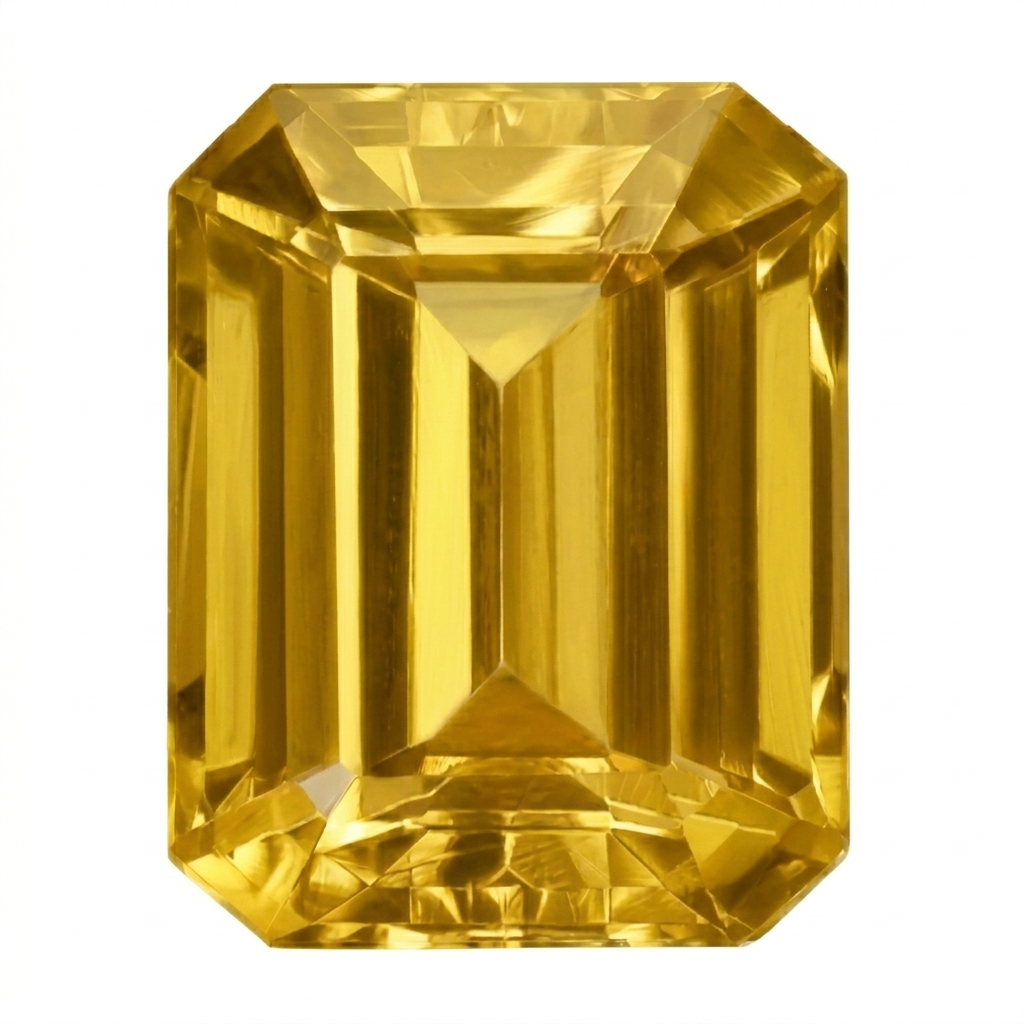 Yellow Sapphire
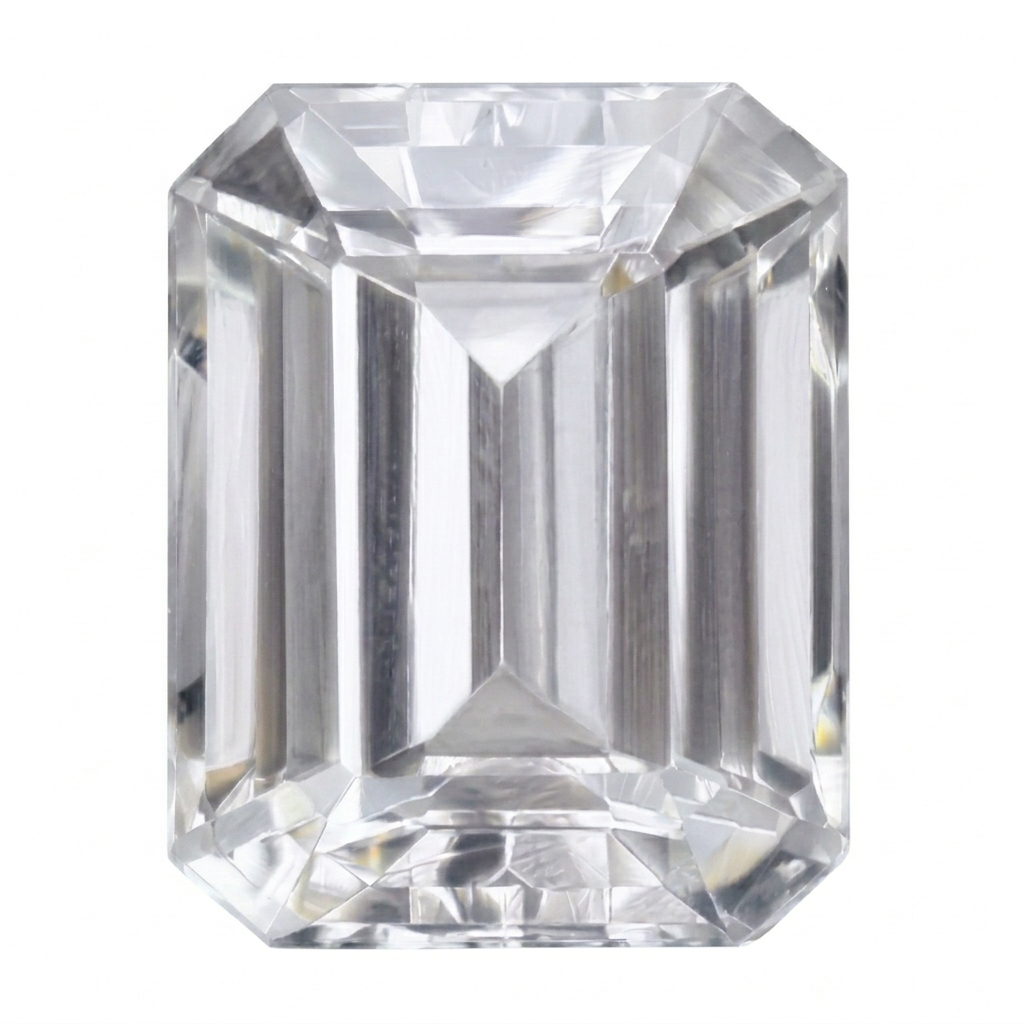 White Sapphire
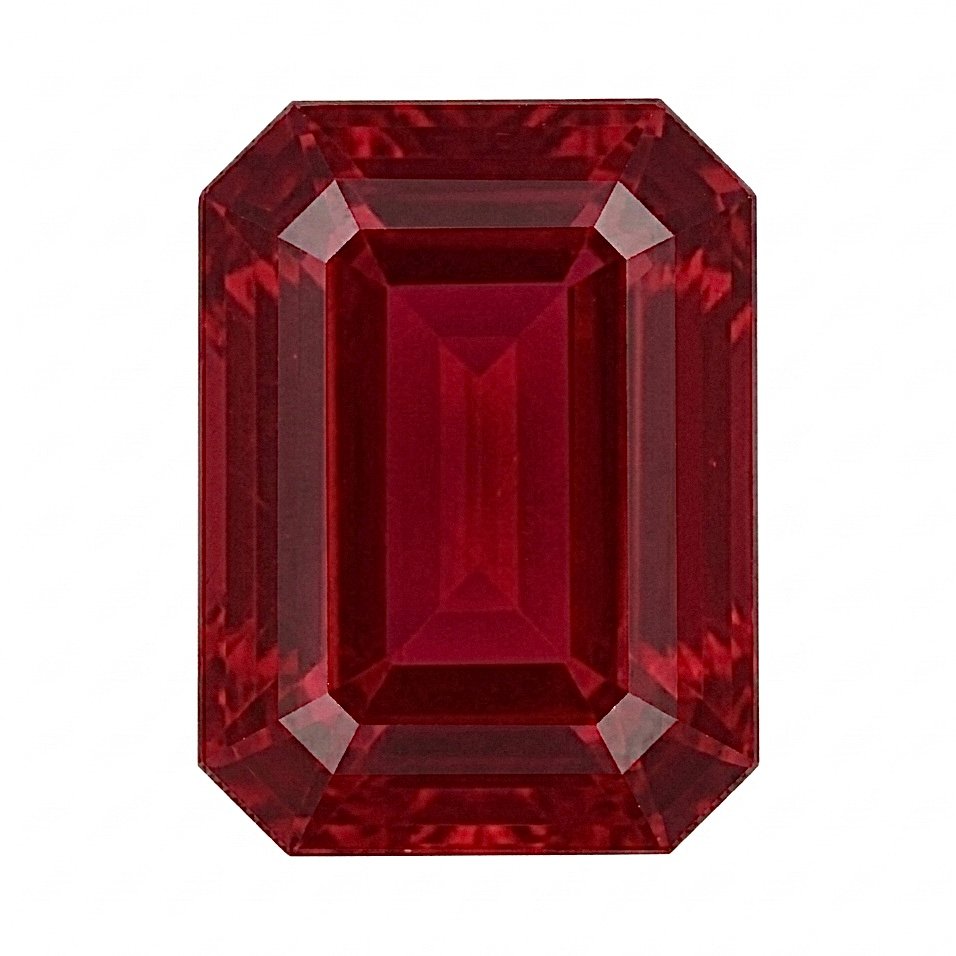 Ruby
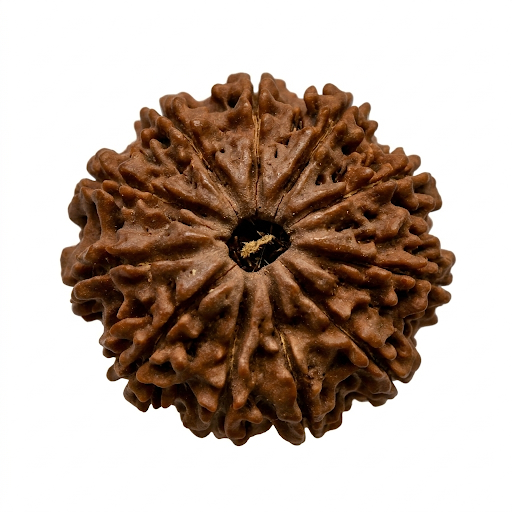 Rudraksha
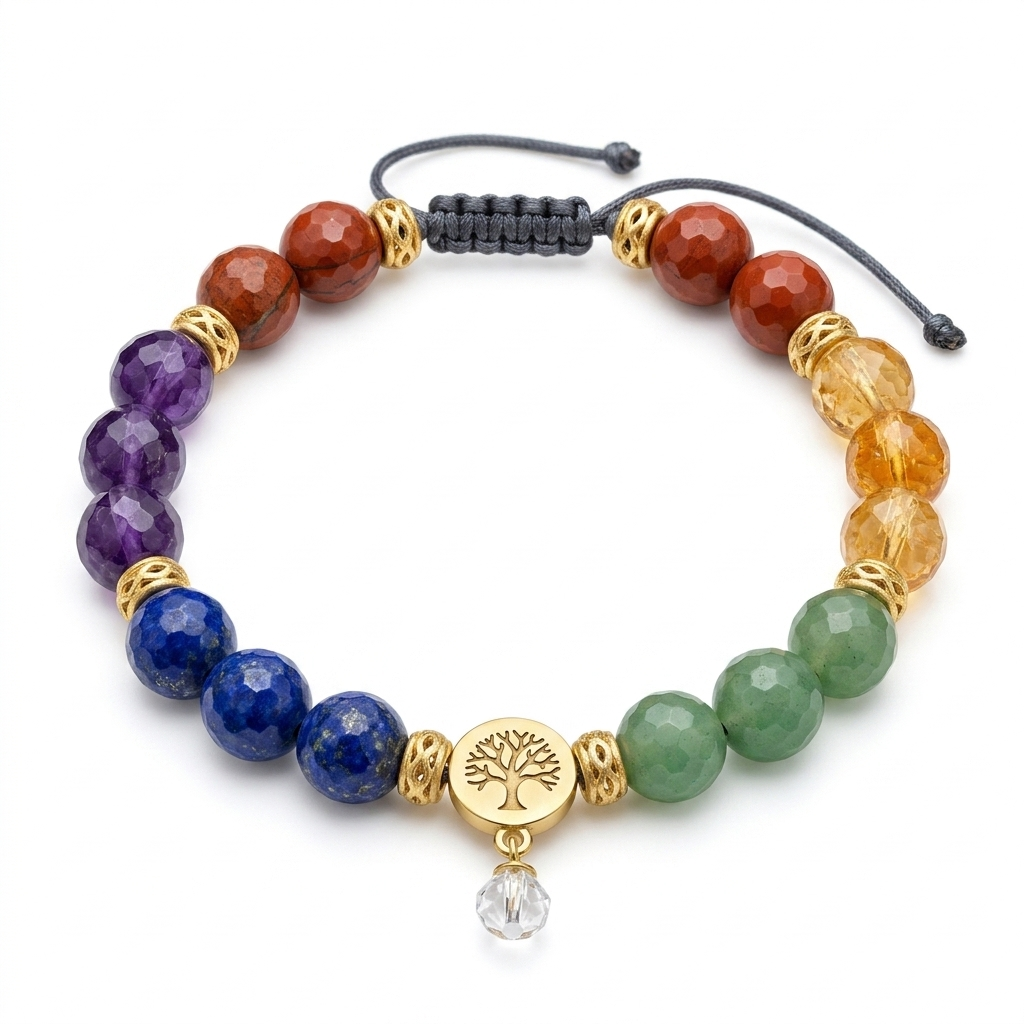 Bracelet
