

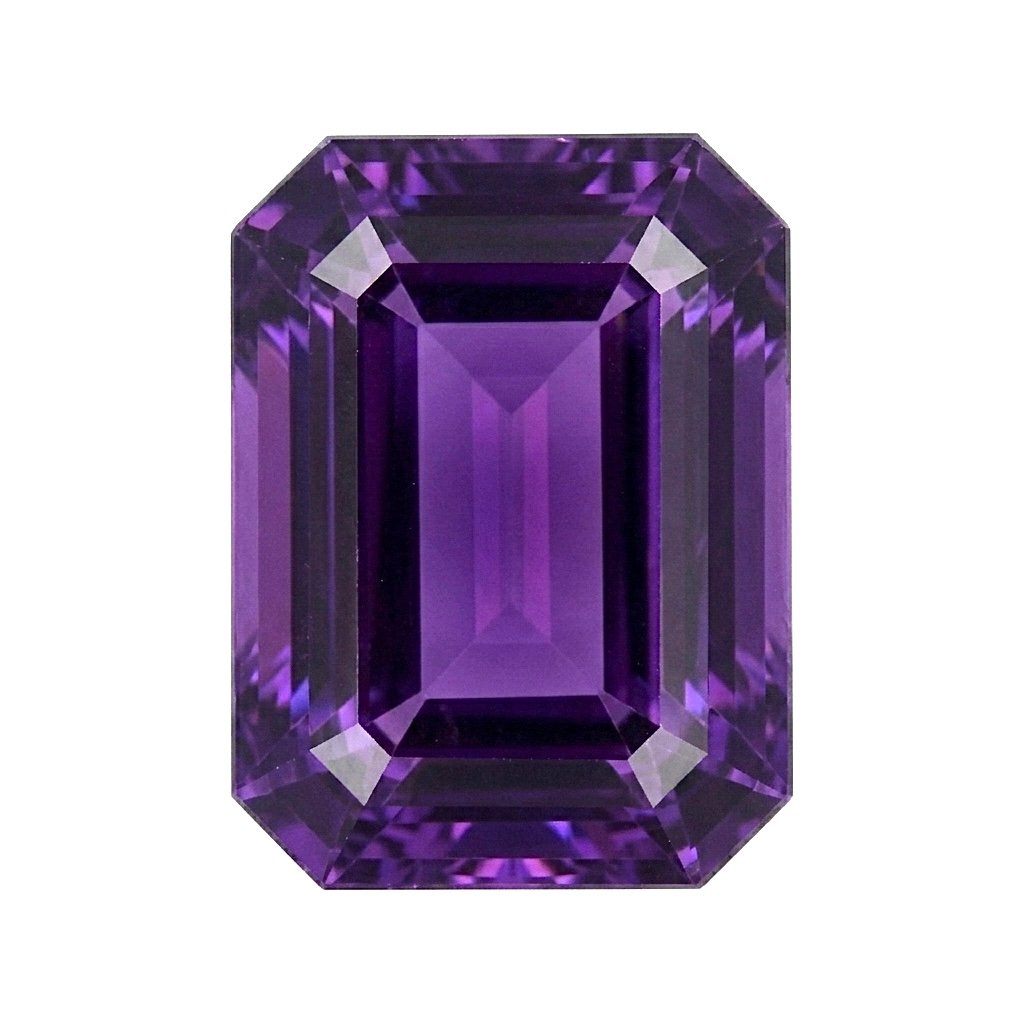
 Amethyst (ऐमेथिस्ट)
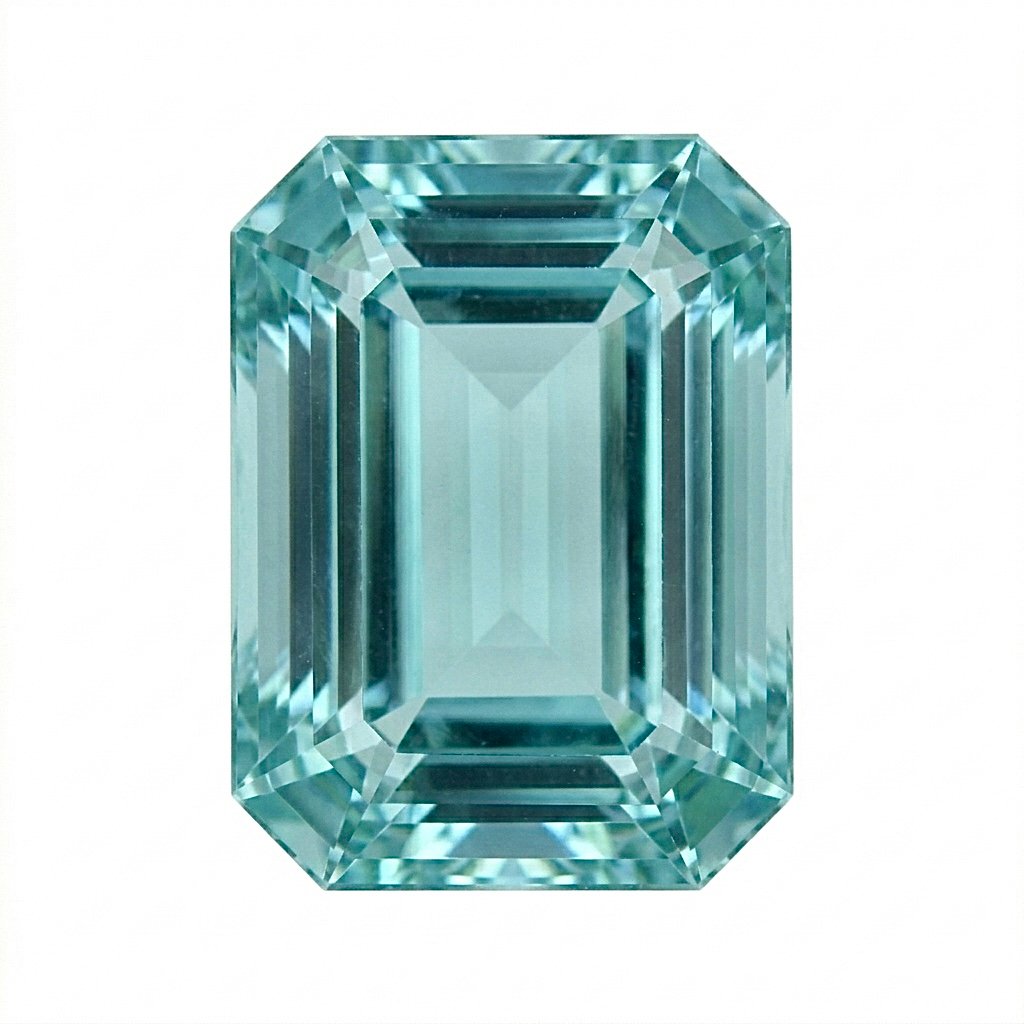 Aquamarine
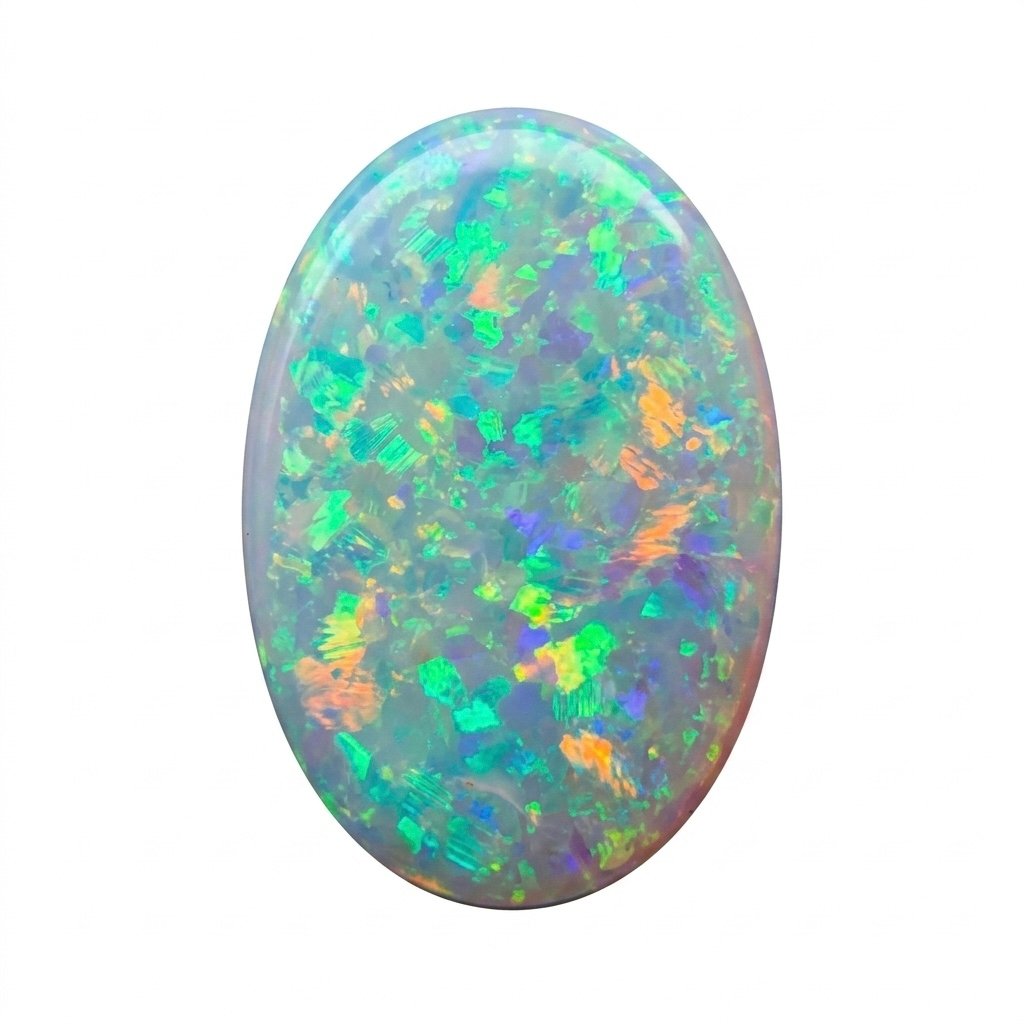 Australian Opal (ओपल)
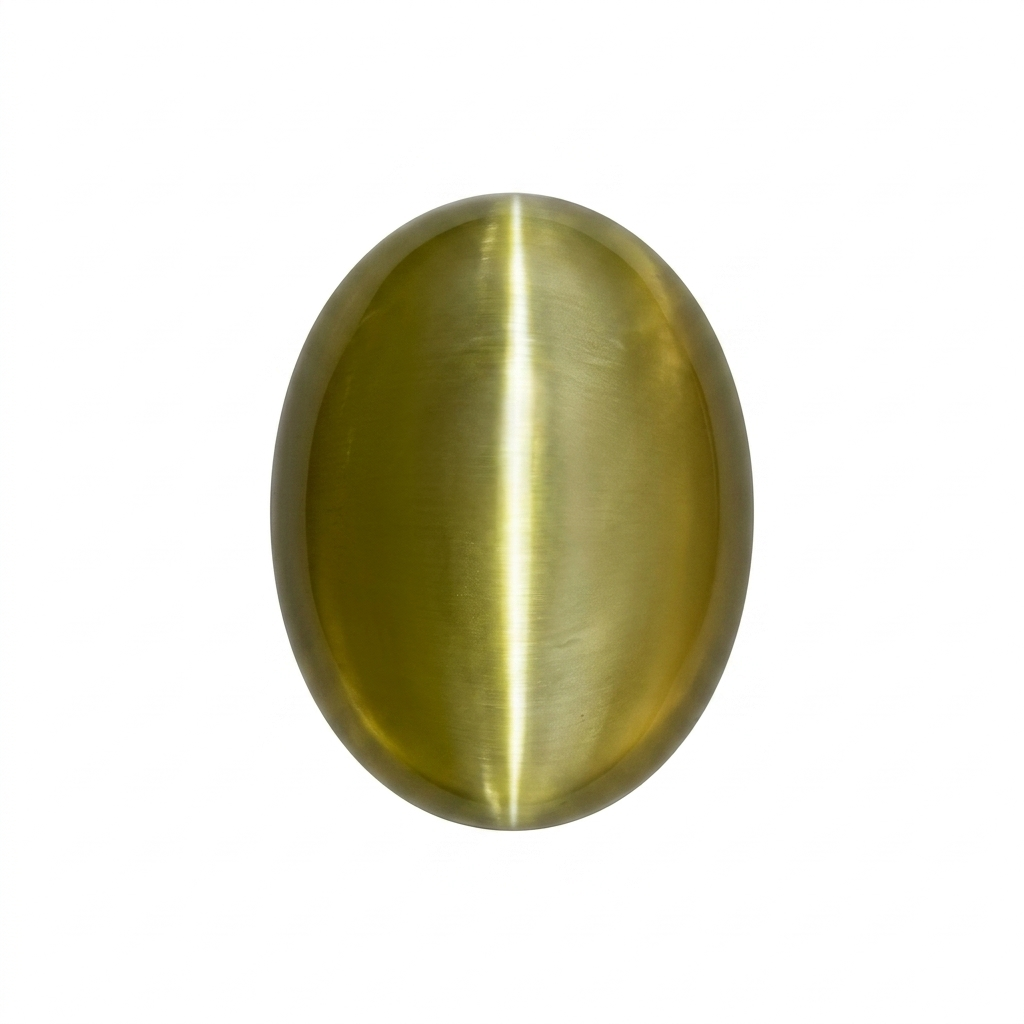 Catseye (लहसुनिया)
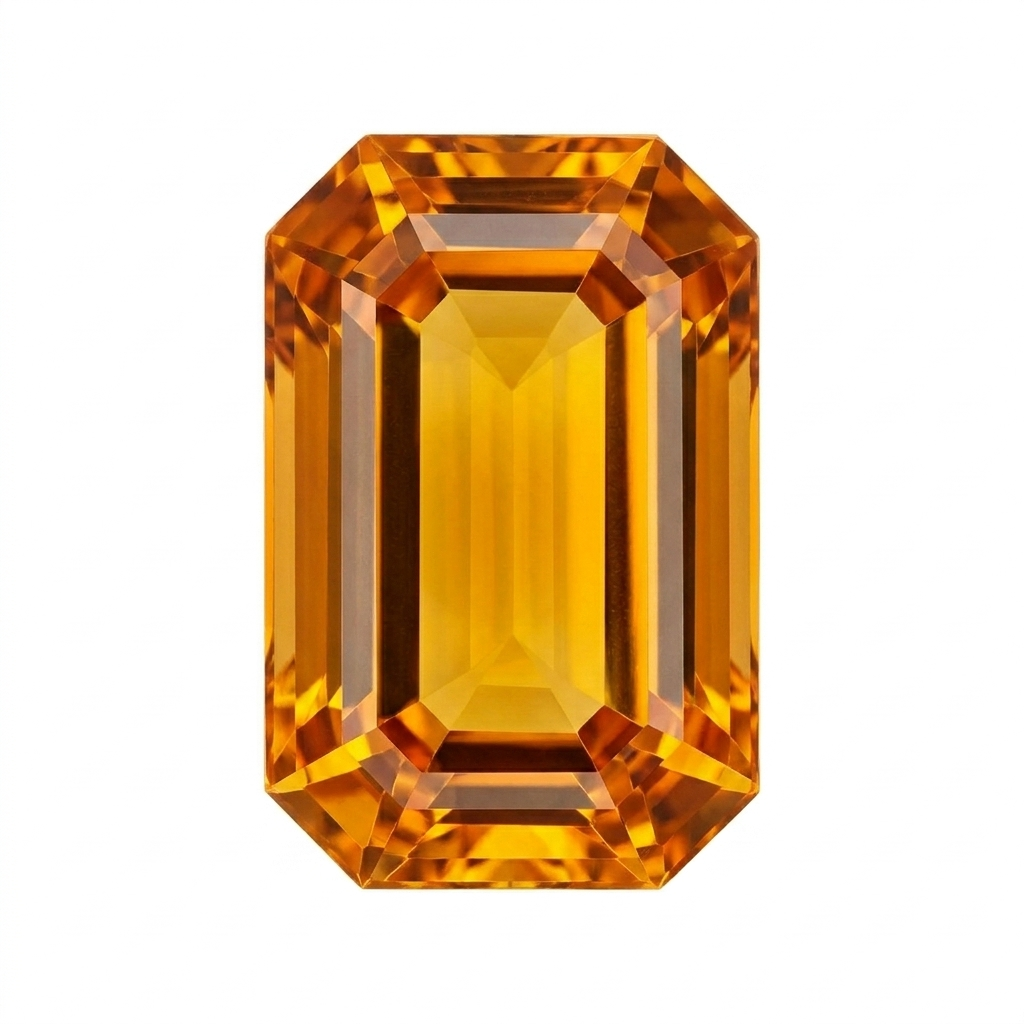 Citrine (सुनेहला)
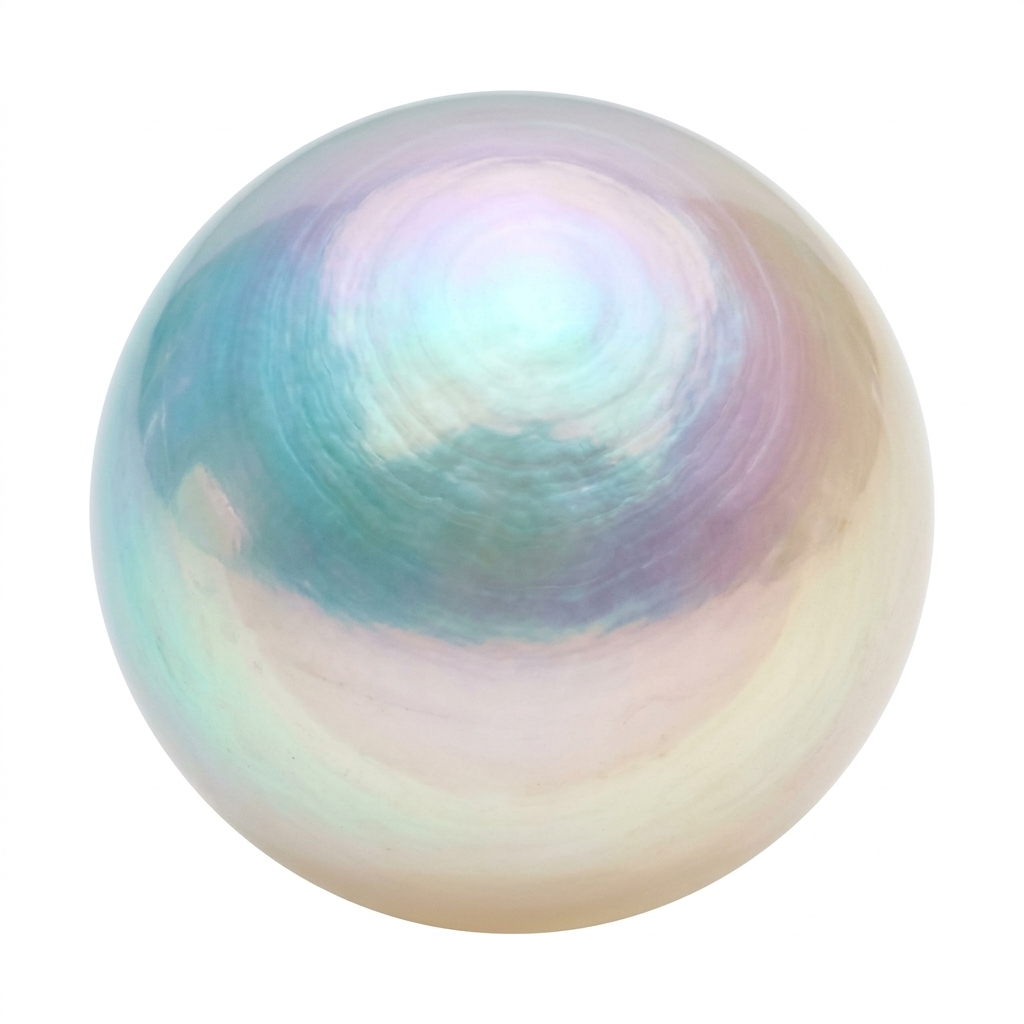 Fresh Water Pearl
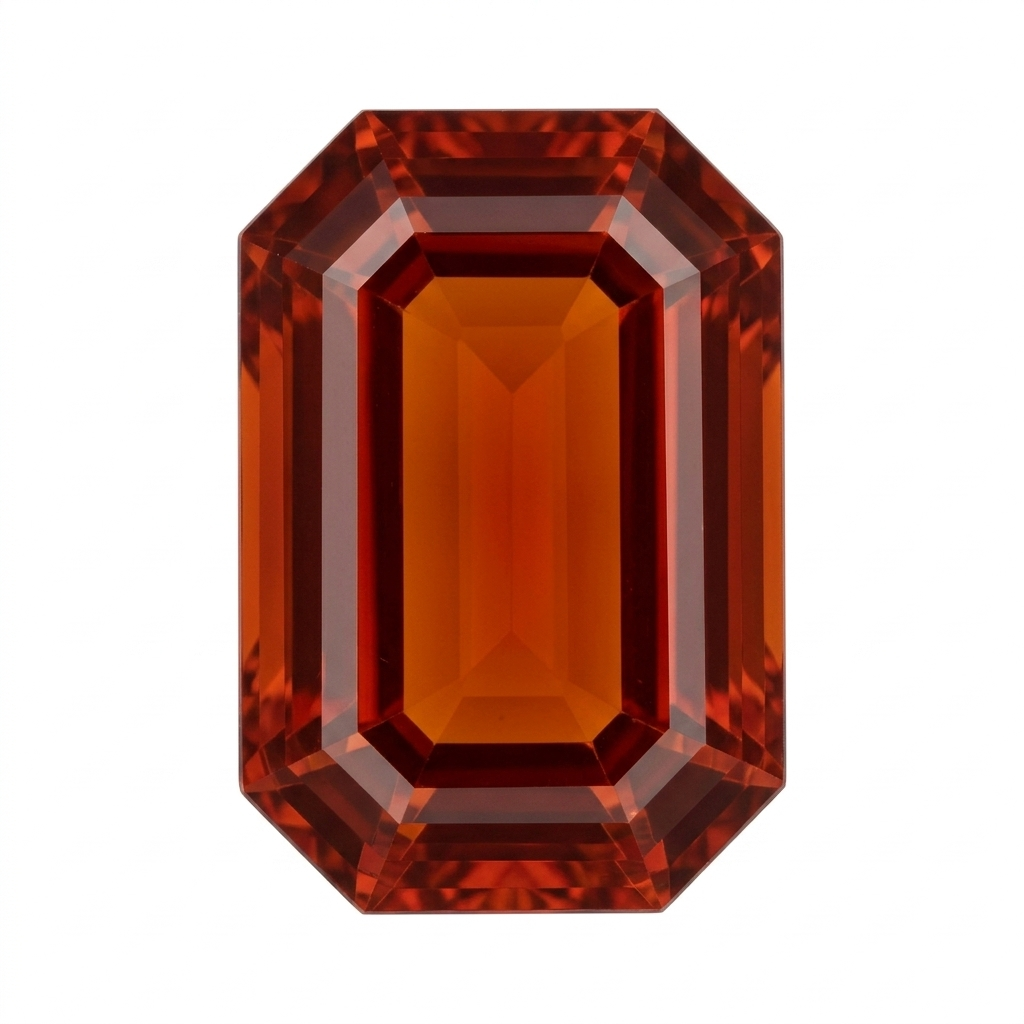 Hessonite (गोमेद)
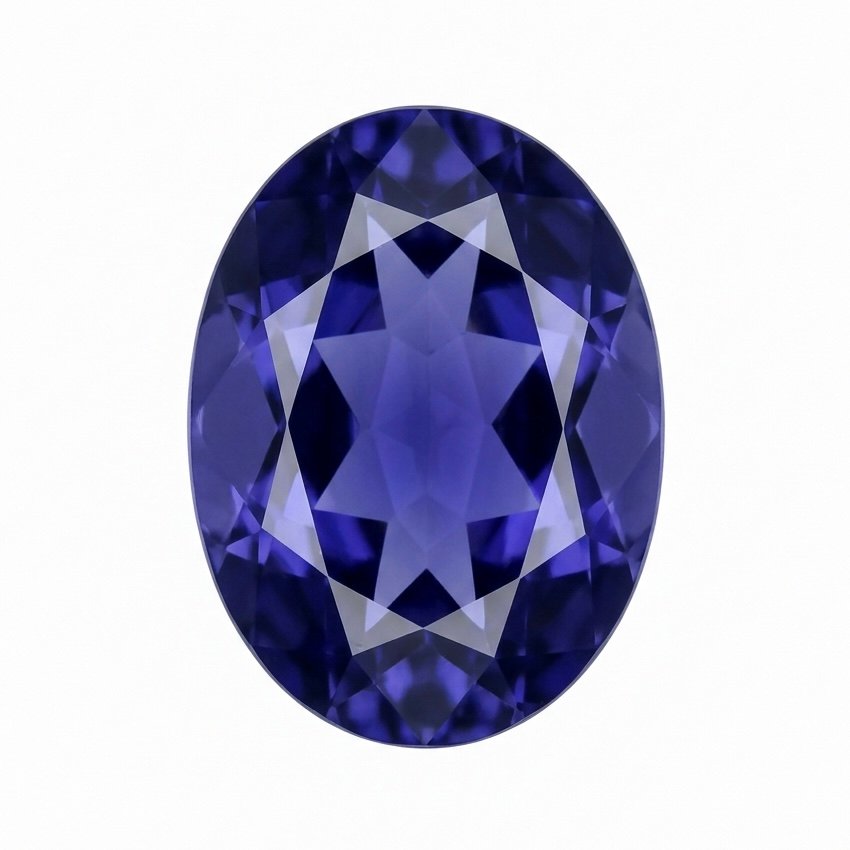 IOLITE (KAKA NILI)
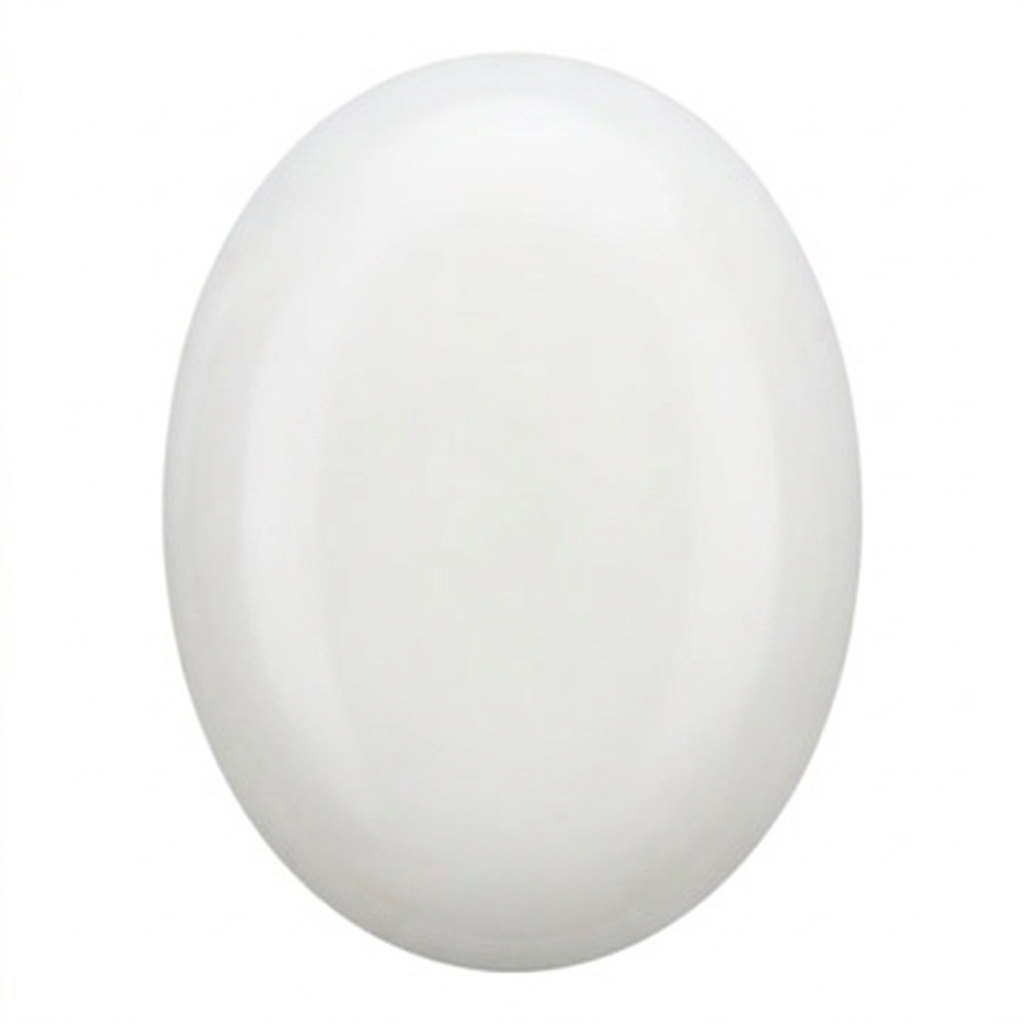 Japanese White Coral (मूंगा)
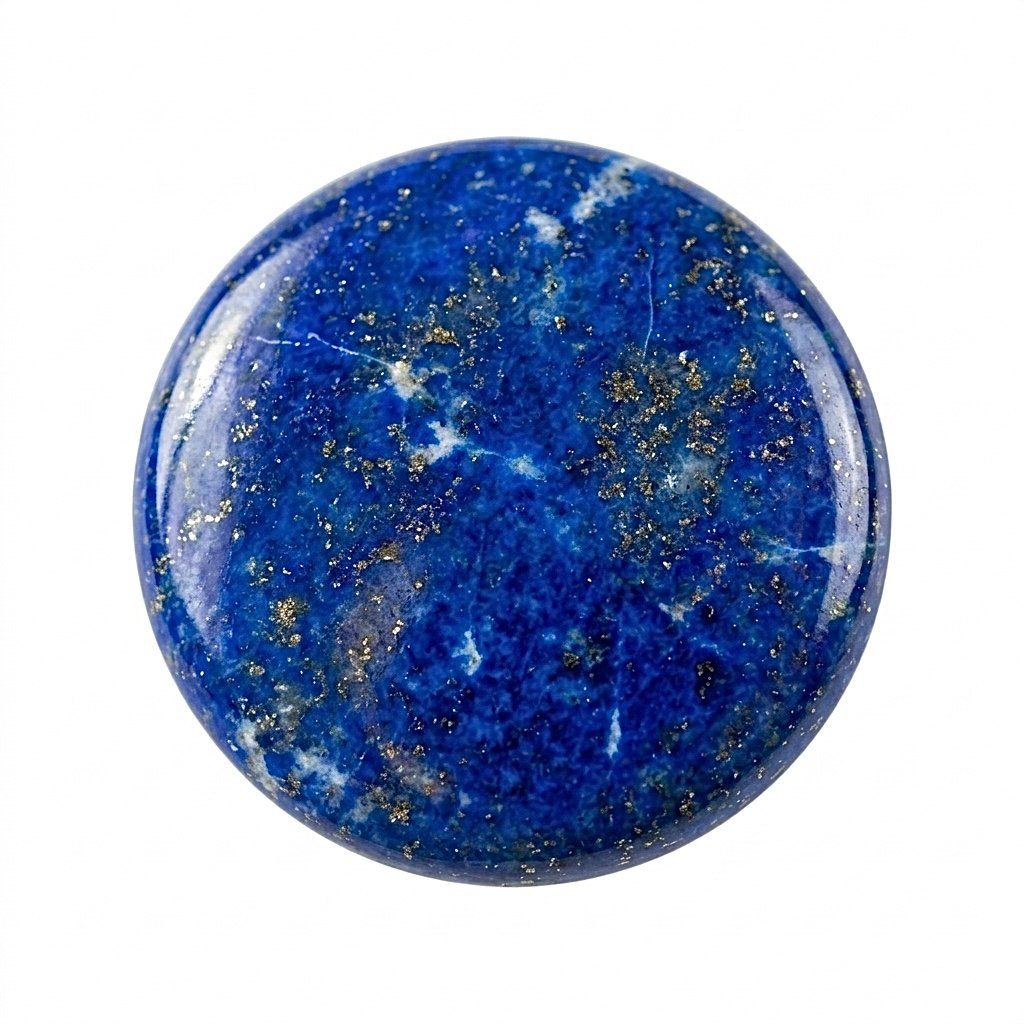 Lapis
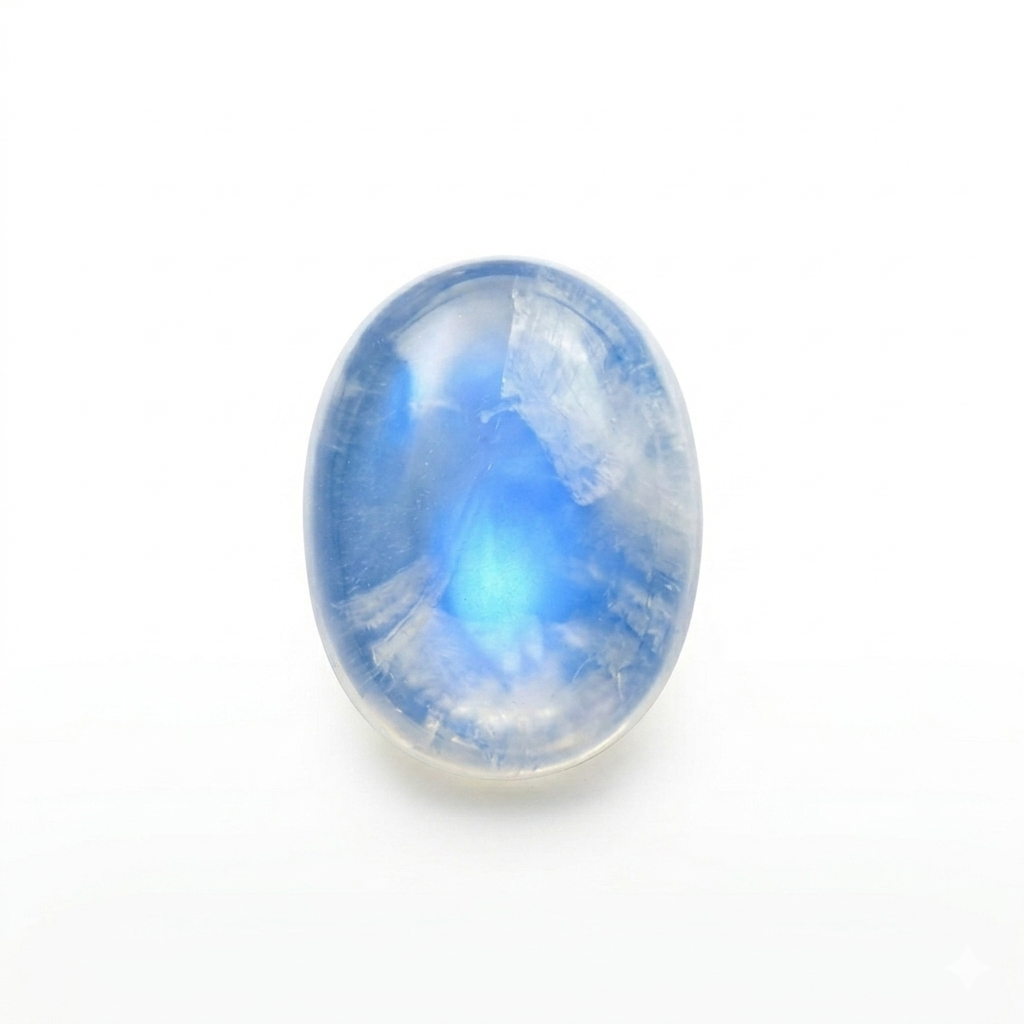 Moonstone
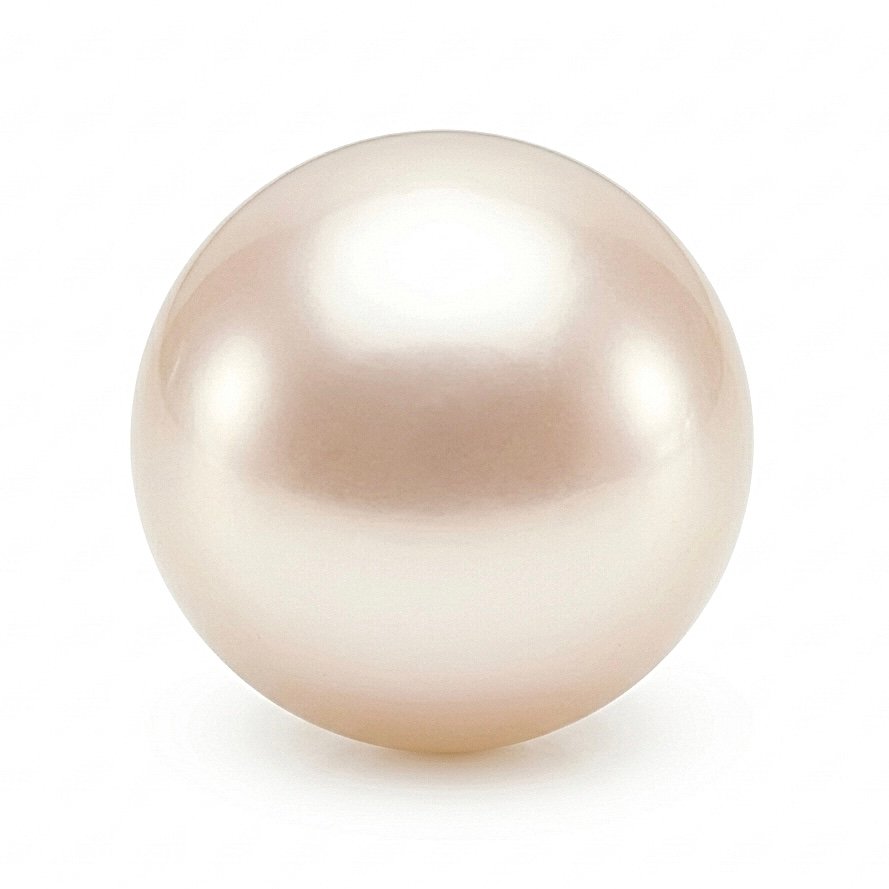 Natural South Sea Pearl
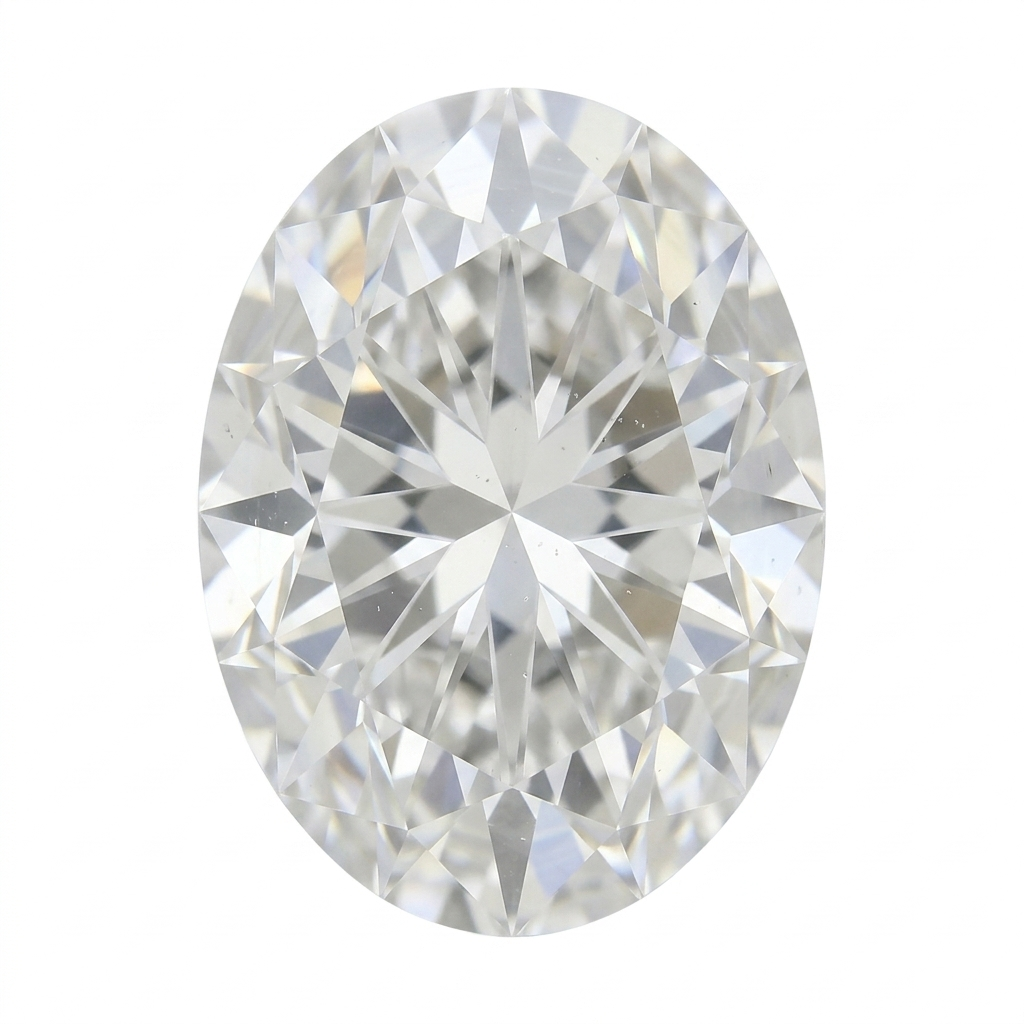 Natural Zircon
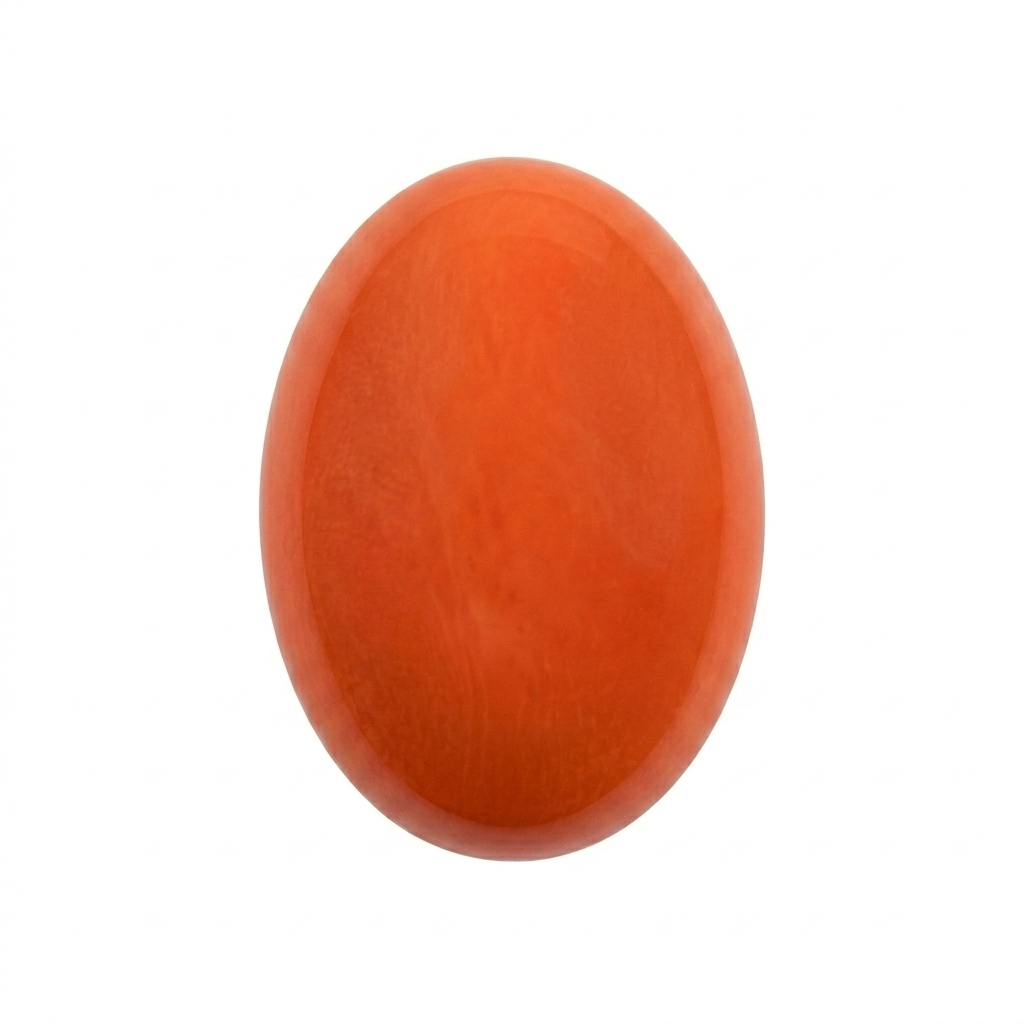 Orange Coral (मूंगा)
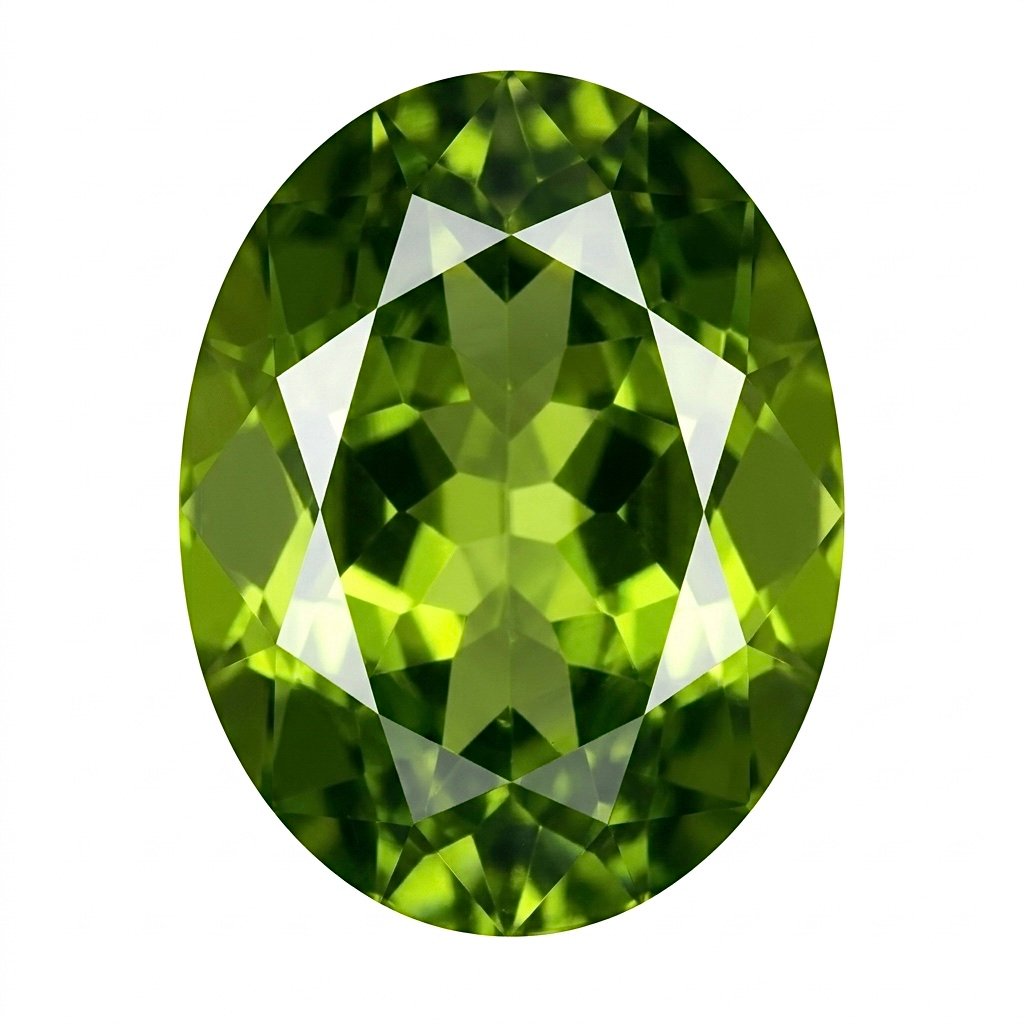 Peridot
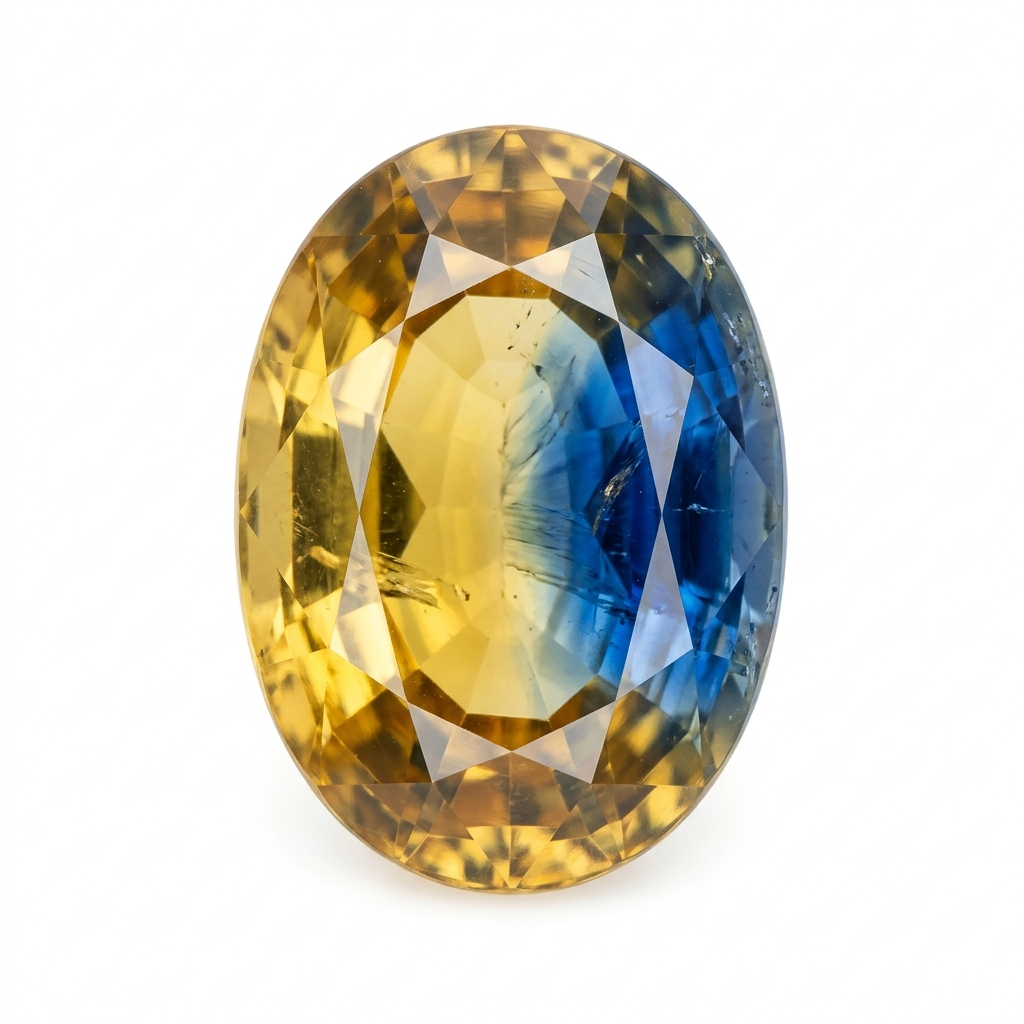 Pitambari
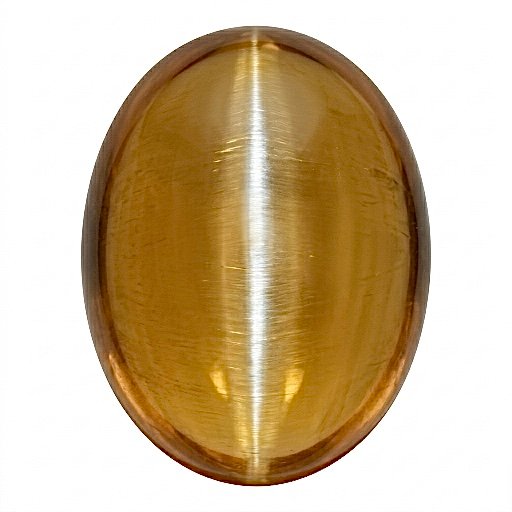 Quartz Catseye
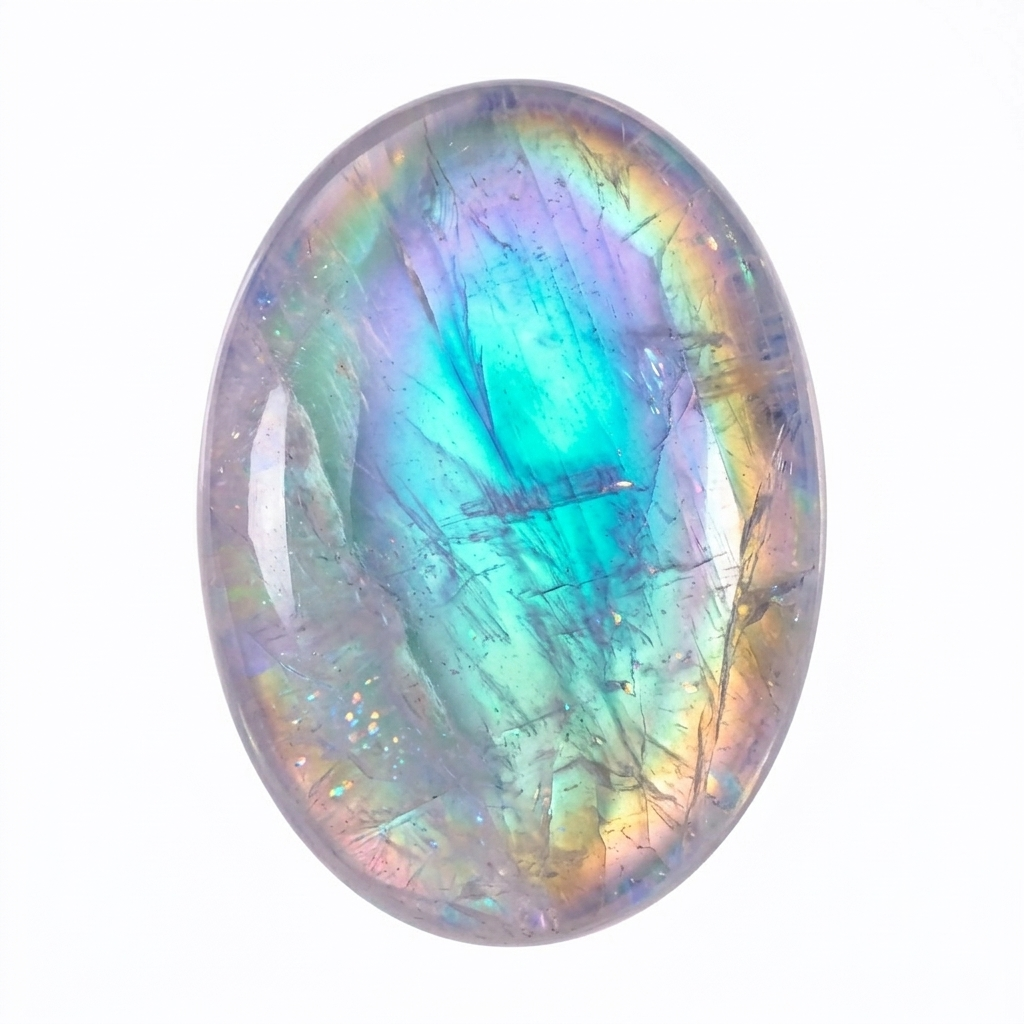 Rainbow Moonstone
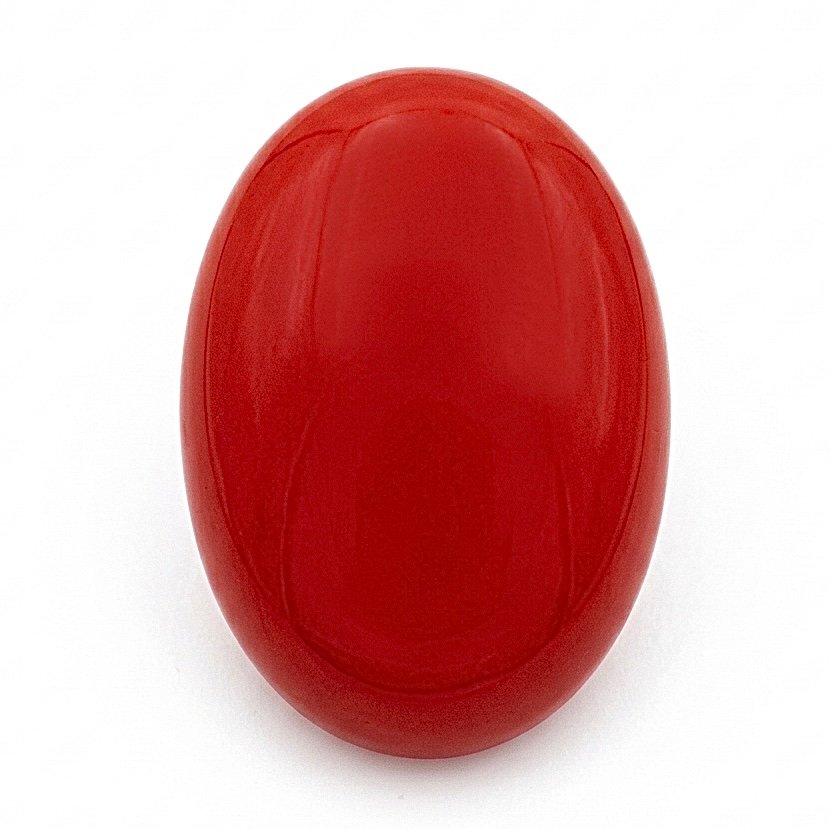 Red Coral (मूंगा)
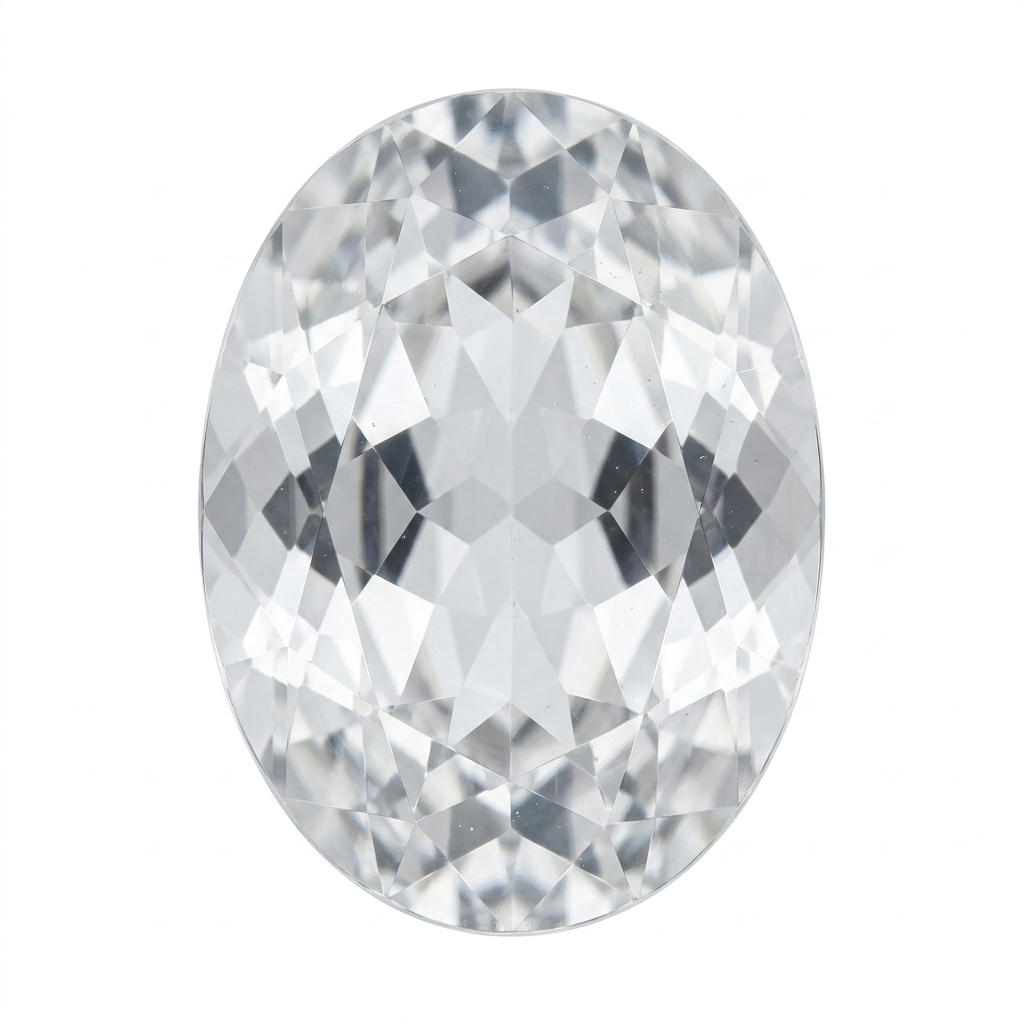 WHITE TOPAZ
 15 JAN

Confusion between natural and synthetic gemstones costs buyers crores every year in India. The visual resemblance is often near-perfect. A synthetic emerald and a natural Zambian emerald placed side by side look nearly identical to an untrained eye. The price difference per carat between them can be 15 to 20 times.
Understanding what separates them is not complicated — but it does require knowing where to look, and why origin matters for both value and astrological use.
What Are Natural Gemstones?
Natural gemstones form inside the earth over thousands to millions of years through specific geological processes. Heat, pressure, and precise chemical environments create crystals that are eventually mined, cut, certified, and sold.
A natural gemstone carries evidence of its formation — inclusions, colour zones, growth patterns, and mineral fingerprints unique to the geological environment where it formed. In Vedic astrology, this natural formation — shaped by geological and planetary conditions over enormous spans of time — gives the stone its energetic properties.
The precious gemstones most significant in astrological tradition are: blue sapphire (Neelam), yellow sapphire (Pukhraj), ruby (Manik), emerald (Panna), and diamond (Heera). Semi precious stones like hessonite (Gomed), cat's eye (Lehsunia), red coral (Moonga), and pearl (Moti) complete the nine Navratnas.
What Are Synthetic Gemstones?
Synthetic gemstones are lab-grown stones with the same chemical composition and crystal structure as their natural counterparts. A synthetic blue sapphire is still aluminium oxide corundum — chemically identical to a Ceylon sapphire mined in Ratnapura. The difference is entirely how and where it formed.
Lab-grown stones are produced in controlled environments over days or weeks. They typically have fewer inclusions, more uniform colour, and a fraction of the cost of natural material. They are not fake — they are chemically real. But they lack geological origin, rarity, and the natural planetary energy that develops over geological time.
Common synthetic stones in the Indian market:
Synthetic corundum — sold as blue sapphire (Neelam) or ruby (Manik)
Synthetic emerald — Chatham or Gilson emeralds are the most common brands
Synthetic spinel — frequently used as a ruby or tanzanite substitute
Cubic zirconia (CZ) — the most widely used diamond simulant
Lab-grown diamond — chemically real diamond, grown in a reactor
Natural vs Synthetic Gemstones: Key Differences
How Natural Gemstones Are Formed
Igneous Formation
Ruby and sapphire crystals form in cooling magma deep underground. Extreme heat and pressure, combined with trace elements like chromium (for ruby's red) or iron and titanium (for sapphire's blue), create corundum crystals over geological timescales. Kashmir sapphires formed in specific metamorphic and pegmatite environments at high altitude — producing their unreplicable velvety blue colour.
Metamorphic Formation
Emeralds (Panna) form through metamorphic processes where high-pressure environments transform existing rock with beryllium-rich fluids. Zambian and Colombian emeralds have distinct geological signatures that labs can identify through trace element composition — which is why origin matters so significantly in pricing.
Sedimentary and Organic Formation
Pearls (Moti), opal, and red coral (Moonga) form in marine or freshwater environments over extended periods. Natural pearls are produced by mollusks as a biological response to irritants — among the rarest natural materials used in Vedic astrology.
How Synthetic Gemstones Are Created
Flame fusion (Verneuil process) — Used for synthetic ruby and sapphire. Fast and inexpensive. Under magnification, these show curved growth lines — a key tell compared to angular growth zones in natural corundum.
Hydrothermal synthesis — Mimics natural geological processes under controlled pressure. Used for synthetic emerald. Results in very clean stones with uniform colour and minimal inclusions.
Flux growth — A chemical solution at high temperature precipitates crystals over weeks. Used for synthetic ruby and alexandrite. Hardest to distinguish from natural without lab equipment.
CVD and HPHT — Both used for lab-grown diamonds. CVD diamonds can now be produced at qualities that require spectroscopic testing to distinguish from mined diamonds.
How to Identify Natural Gemstones
For buyers without gemological instruments, practical identification indicators before you buy natural stones online:
Inclusions — Natural stones have them. Under a 10x loupe, look for fine needles, liquid inclusions, fingerprint-shaped healed fractures, or mineral inclusions. Complete absence of inclusions in a coloured stone above 2 carats is suspicious.
Colour zoning — In natural sapphires and rubies, colour distributes unevenly across the stone due to growth conditions. Perfect uniform colour distribution is more characteristic of synthetic or flame-fused material.
Temperature — Natural gemstones stay cool to the touch. Glass warms quickly to body temperature. This is a basic screening test, not a diagnostic one for synthetic vs natural corundum.
None of these visual checks substitute for lab testing. UV fluorescence analysis, spectroscopy, and refractive index measurement at a certified lab are the only reliable methods for confirming natural vs synthetic origin.
The Role of Inclusions in Gemstone Identification
Inclusions are gemologists' most reliable natural origin indicators. Specific inclusions found in natural gemstones:
Silk — Fine rutile needle inclusions in natural sapphires, particularly Kashmir. Creates the characteristic velvety appearance rarely reproduced in synthetic material.
Jardin — The 'internal garden' of fractures, liquid inclusions, and growth features in natural emeralds. A natural Zambian emerald without jardin is exceptionally rare.
Fingerprint inclusions — Healed fractures filled with fluid that create fingerprint-like patterns under magnification. Common in many natural coloured stones.
Negative crystals — Cavities in the shape of mineral crystals, common in natural sapphire and ruby.
Precious and Semi Precious Gemstones: What Is the Difference?
The terms 'precious' and 'semi-precious' are trade conventions rather than strict scientific categories. Traditionally, four gemstones are classified as precious stones: diamond, ruby, emerald, and sapphire (in all colours). Every other gemstone falls under semi precious stones or semiprecious stones in trade terminology.
This classification matters commercially — precious gemstones command significantly higher prices and greater consumer demand globally. However, certain high-quality semi precious stones can exceed the per-carat value of low-grade precious ones. Fine alexandrite or paraíba tourmaline can be more valuable than a low-grade heated ruby.
In Vedic astrology, both precious and semi precious gemstones carry planetary associations. The nine Navratnas include: ruby (Sun), pearl (Moon), red coral (Mars), emerald (Mercury), yellow sapphire (Jupiter), diamond (Venus), blue sapphire (Saturn), hessonite/Gomed (Rahu), and cat's eye/Lehsunia (Ketu).
Why Gemstone Certification Matters
For both natural gemstones and synthetic stones, certification from a recognised lab is the definitive determination of what you have. A certificate from GIA, IGI, or IGI-GTL tells you whether the stone is natural or synthetic, its treatment status, colour grade, clarity, carat weight, measurements, and country of origin.
When you buy natural gemstones online, the certificate removes the need to trust verbal claims. Always request the original certificate — or at minimum the report number to verify independently on the lab's website before purchasing.
How to Buy Natural Gemstones Online
A focused checklist for buying natural gemstones online safely:
Confirm natural origin on the lab report — Look for 'Natural' under species, or 'No indications of synthetic origin.'
Check treatment status — 'No indications of heating' or 'Unheated, Untreated' for astrological-grade stones.
Look for inclusions in product images — High-resolution photos of natural stones at magnification will always show internal features.
Ask about origin — Ceylon, Kashmir, Zambian, Burmese, or Colombian origin can be confirmed on the certificate and each carries different market value.
Benchmark the price — A natural unheated Kashmir sapphire starts at ₹50,000 per carat minimum. Prices significantly below benchmark for claimed natural untreated material need explanation.
FAQs About Natural and Synthetic Gemstones
Q. Are synthetic gemstones fake?
A. No. Synthetic gemstones are chemically real — same crystal structure and mineral composition as natural stones. The difference is origin: lab-grown vs earth-formed. For astrological purposes, only naturally formed stones carry the planetary energy recognised in Vedic tradition.
Q. Can a synthetic gemstone be used for astrology?
A. According to Vedic astrology, only naturally formed, unheated, and untreated gemstones carry the planetary energy needed for astrological effect. Synthetic stones, regardless of visual quality, are not considered effective for this purpose.
Q. How can I tell if my gemstone is natural without a lab?
A. Look for inclusions under a 10x loupe, check for colour zoning, and observe how the stone interacts with light. These are indicators only. The only reliable confirmation is a report from GIA, IGI, or IGI-GTL.
Q. What are the most common semi-precious stones used in astrology?
A. Hessonite/Gomed (Rahu), cat's eye/Lehsunia (Ketu), red coral/Moonga (Mars), pearl/Moti (Moon), and yellow topaz as an alternative to yellow sapphire. Each is prescribed for specific planetary conditions by a qualified astro-gemologist.
Q. Is a synthetic emerald as beautiful as a natural one?
A. Often yes — sometimes more so visually, because synthetic emeralds typically have fewer inclusions and more uniform colour. But from a rarity, investment, and astrological standpoint, a natural certified Zambian or Colombian emerald is in an entirely different category of value.
How to Buy Certified Gemstones Online: Complete Guide to Certification
Certified Gemstones Online: Why Certification Matters Before Buying
A Complete Guide to Buying Gemstones Online Safely

Online Gemstone Shop: How to Choose a Trusted Seller

How to Choose the Best Place to Buy Gemstones Online

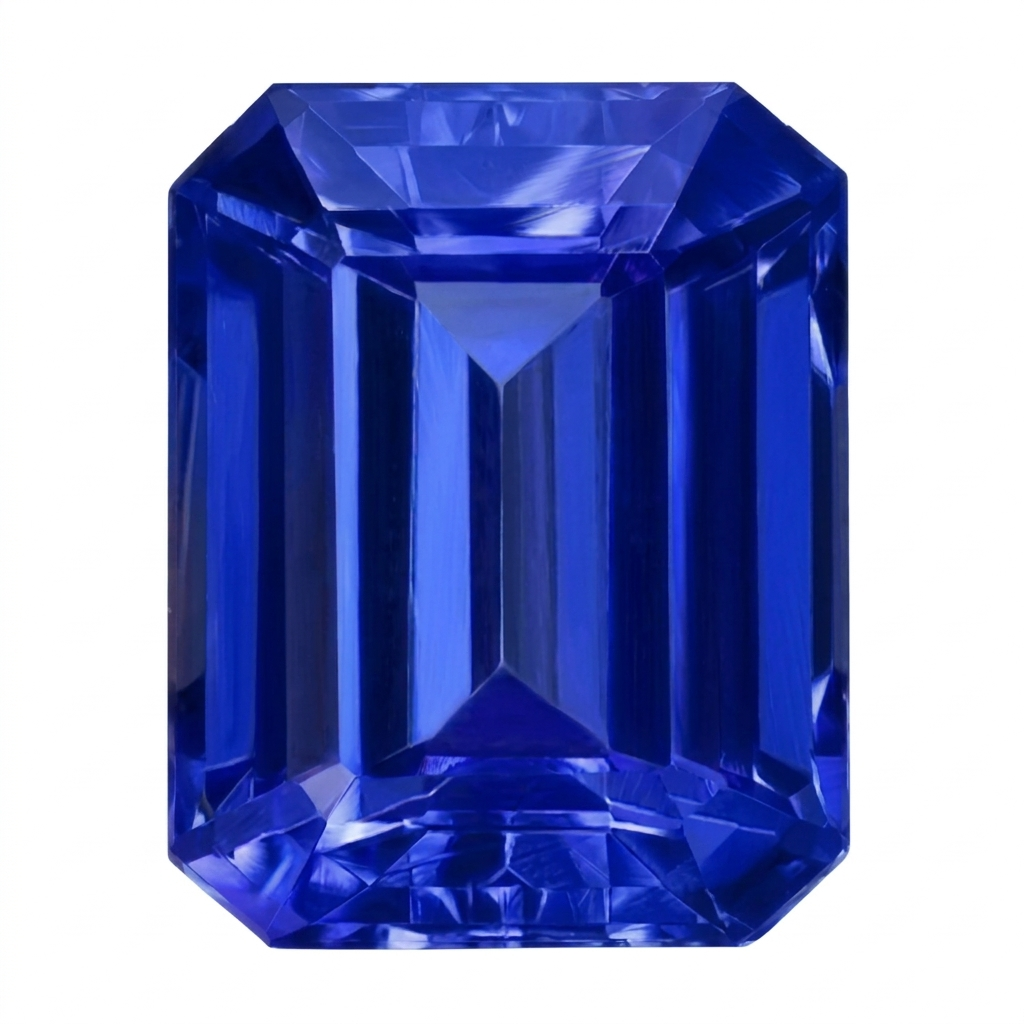 Blue Sapphire
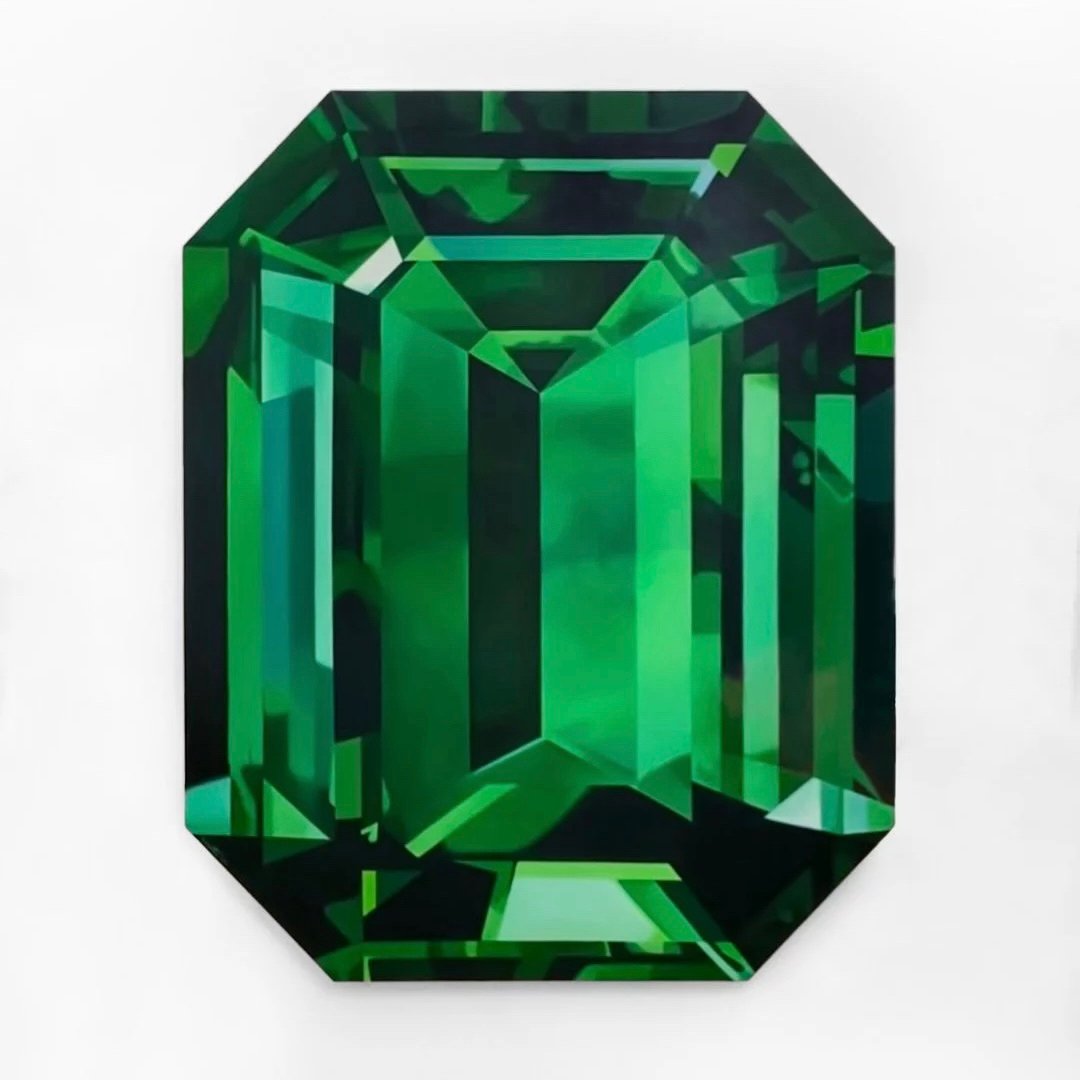 Emerald (PANNA)
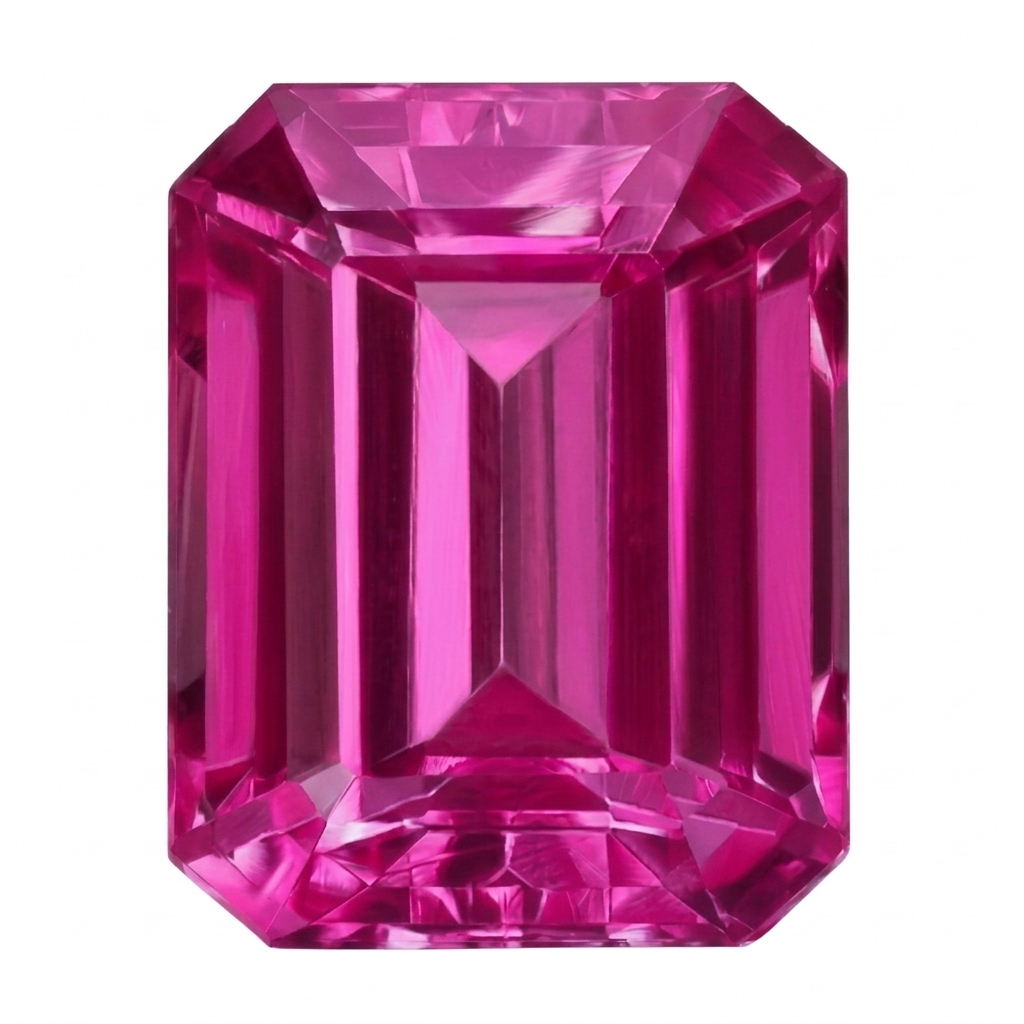 Pink Sapphire
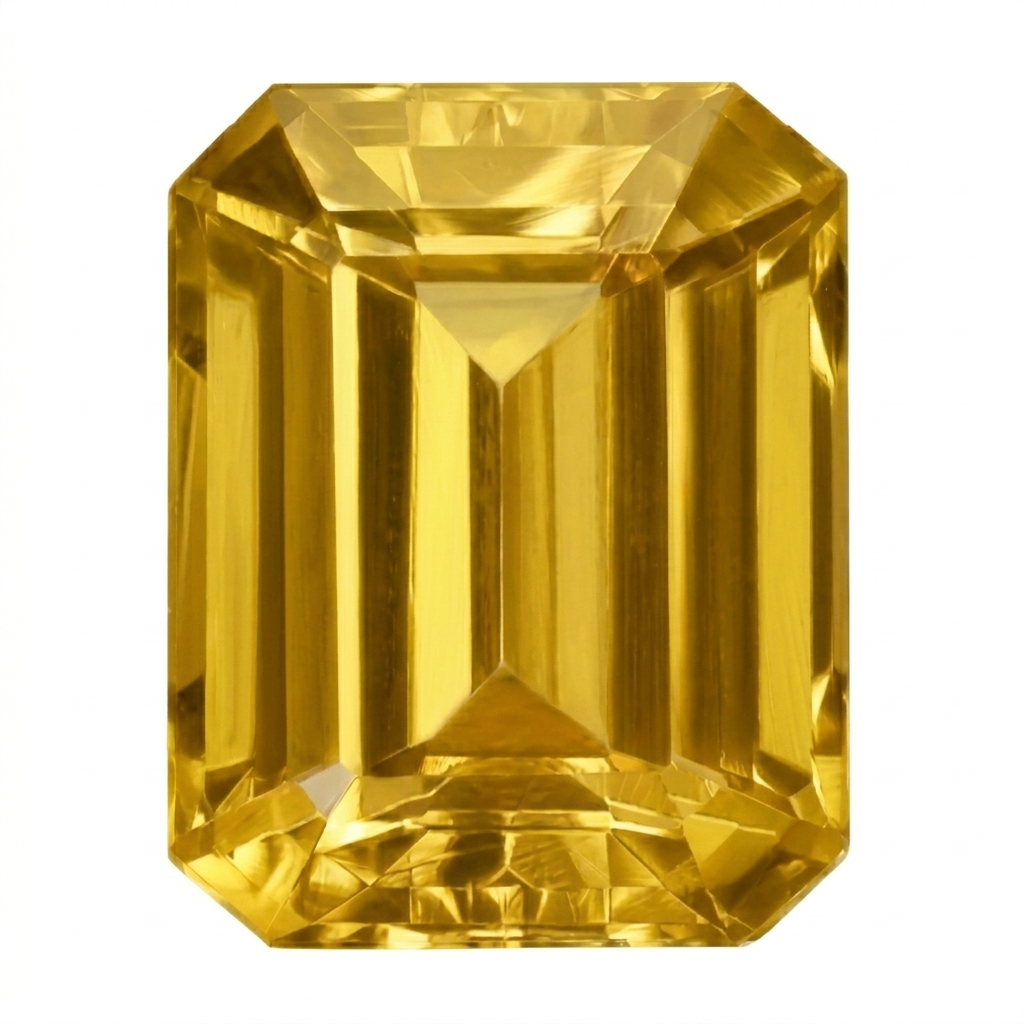 Yellow Sapphire
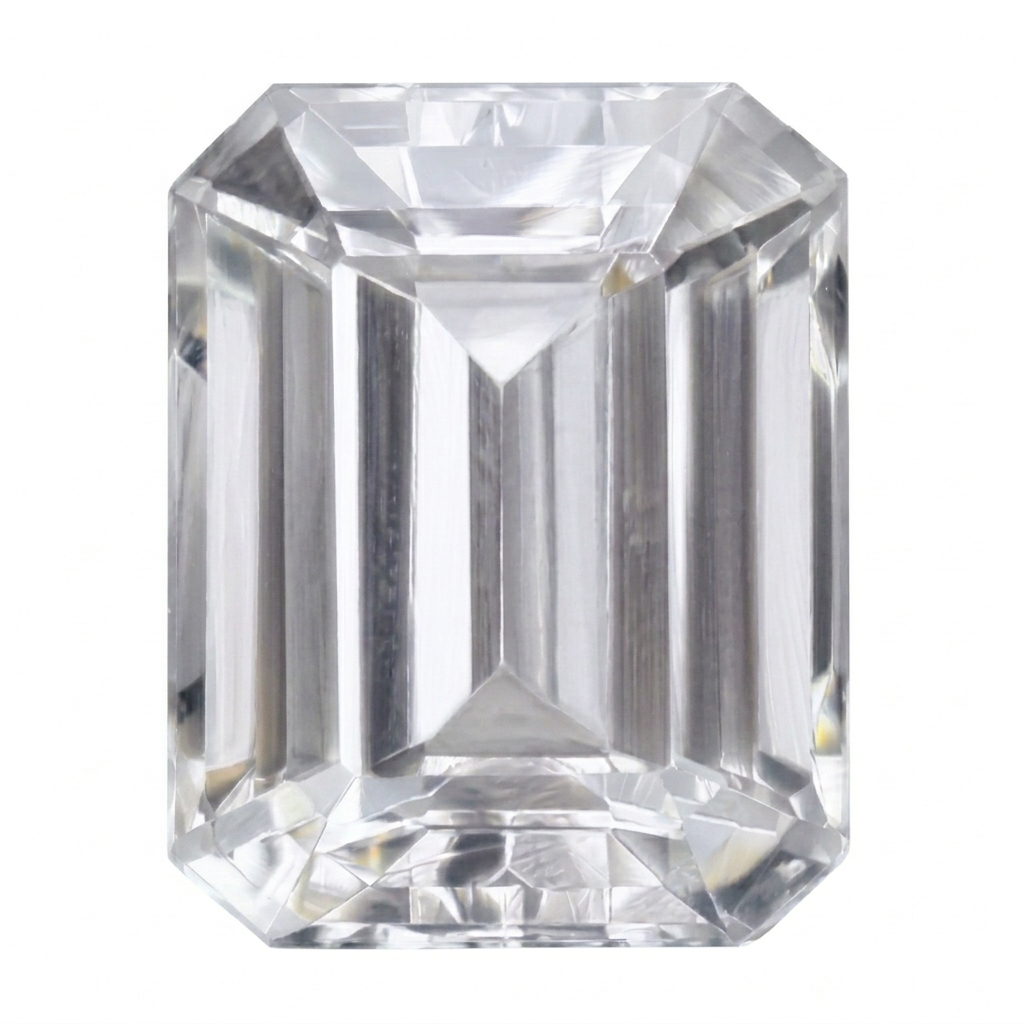 White Sapphire
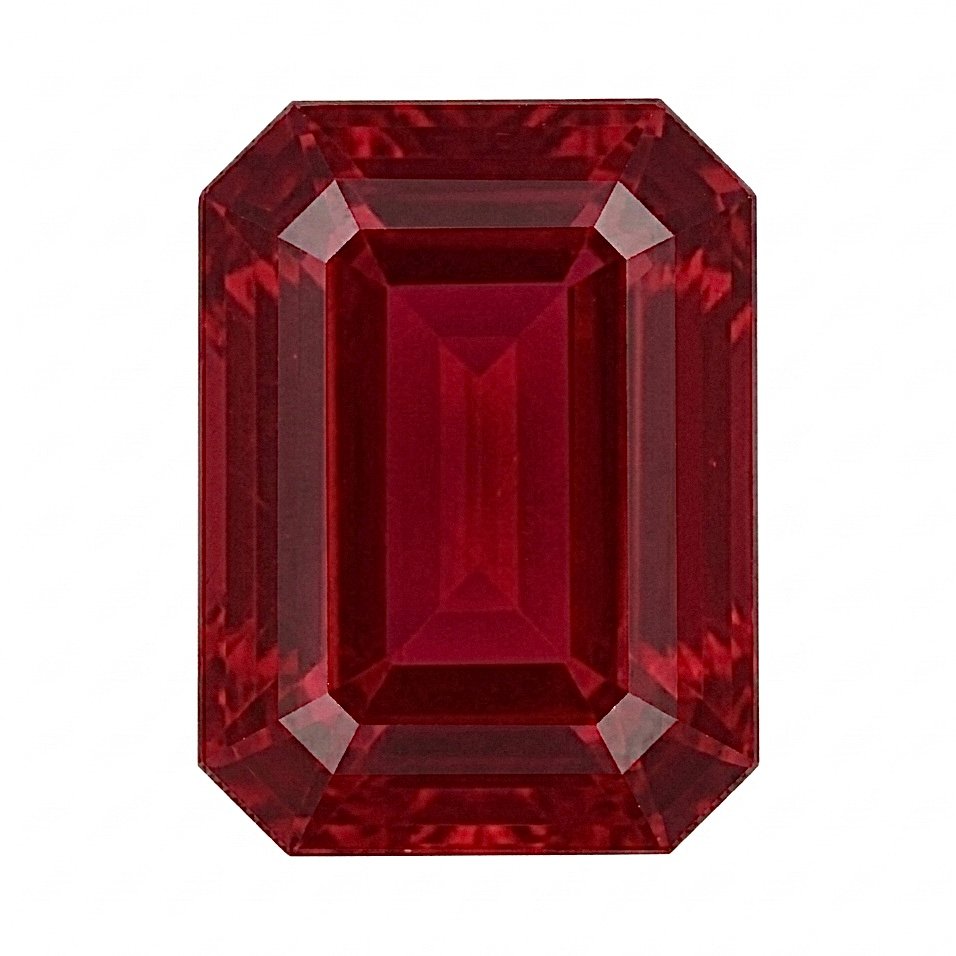 Ruby
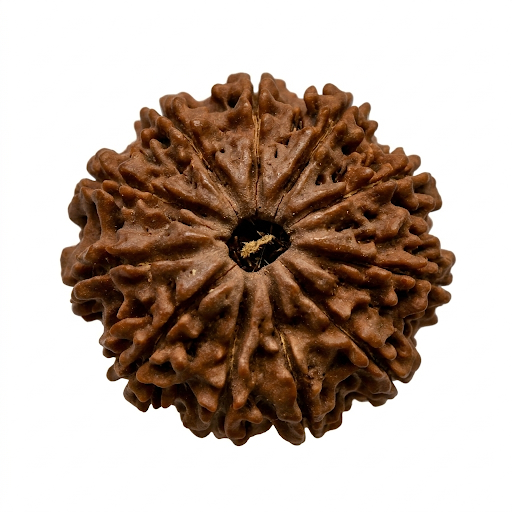 Rudraksha
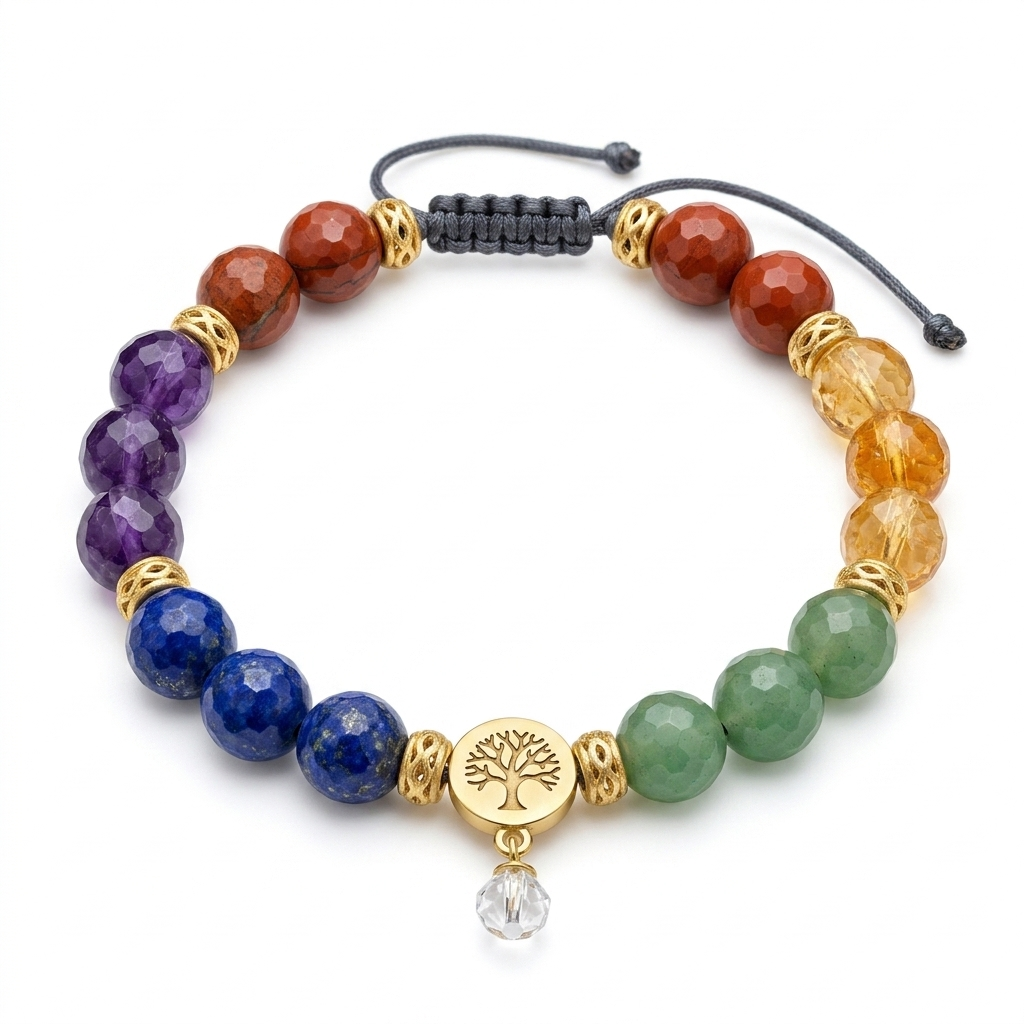 Bracelet
