

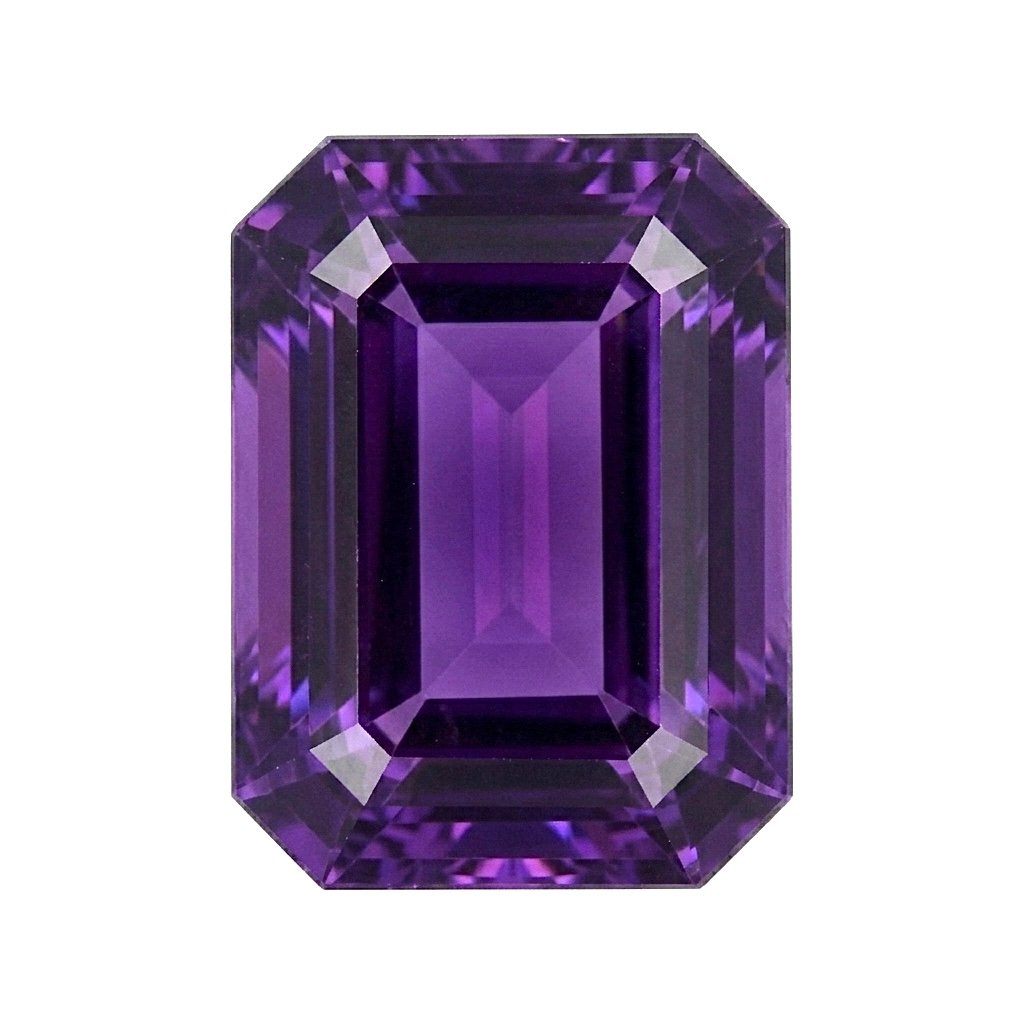
 Amethyst (ऐमेथिस्ट)
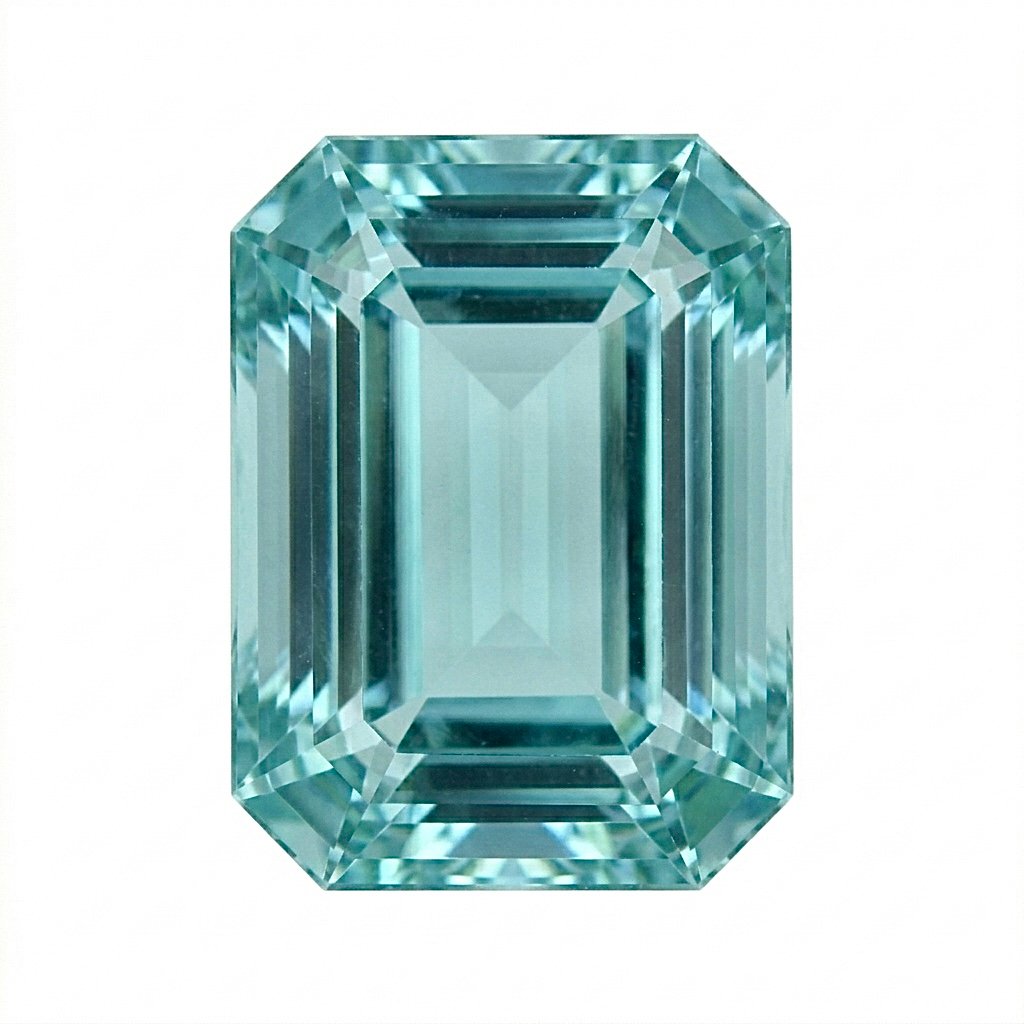 Aquamarine
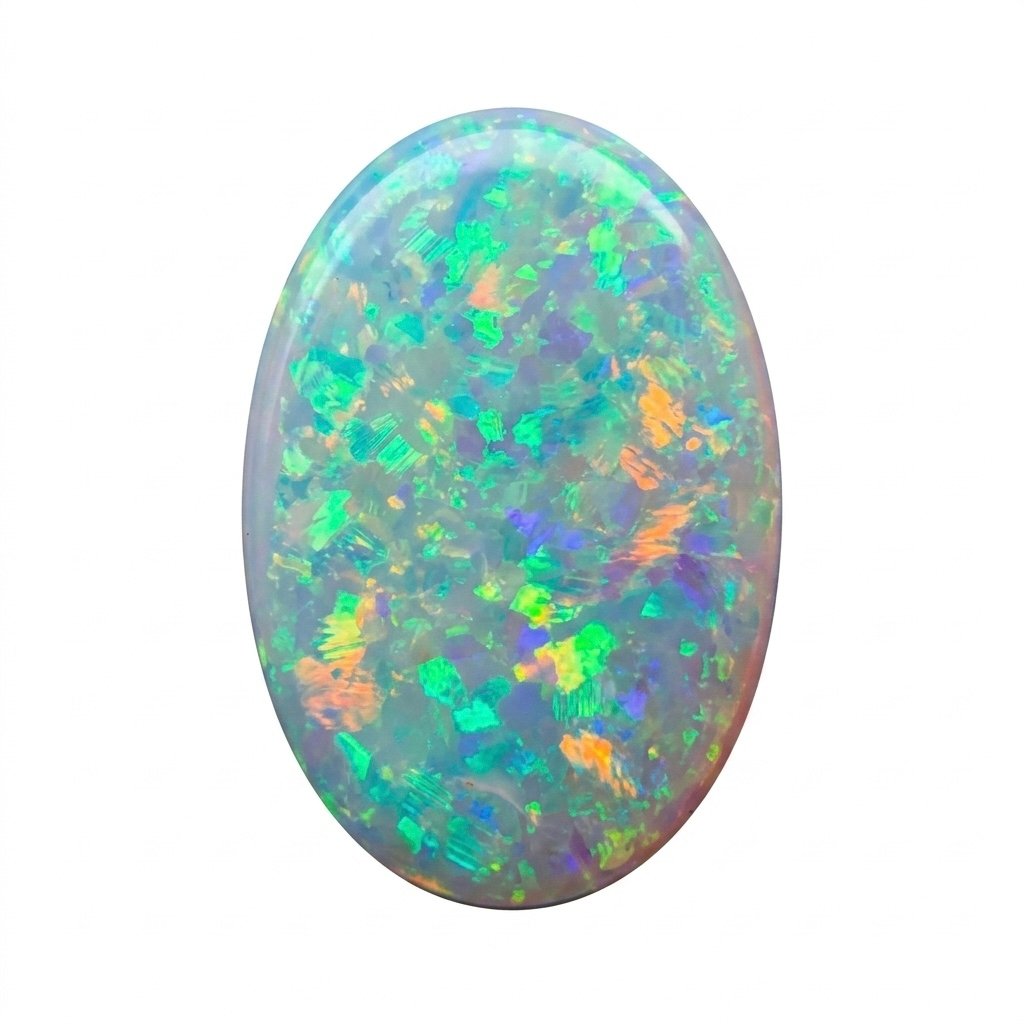 Australian Opal (ओपल)
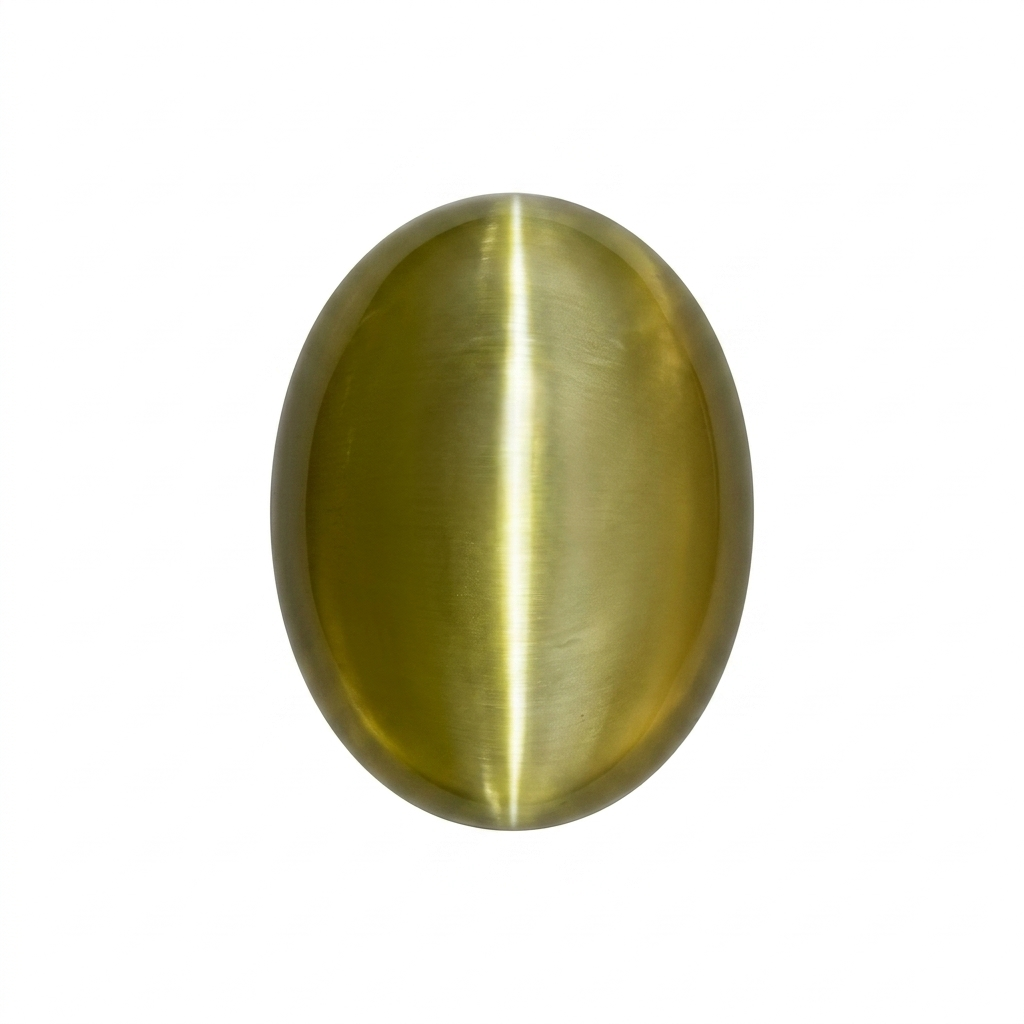 Catseye (लहसुनिया)
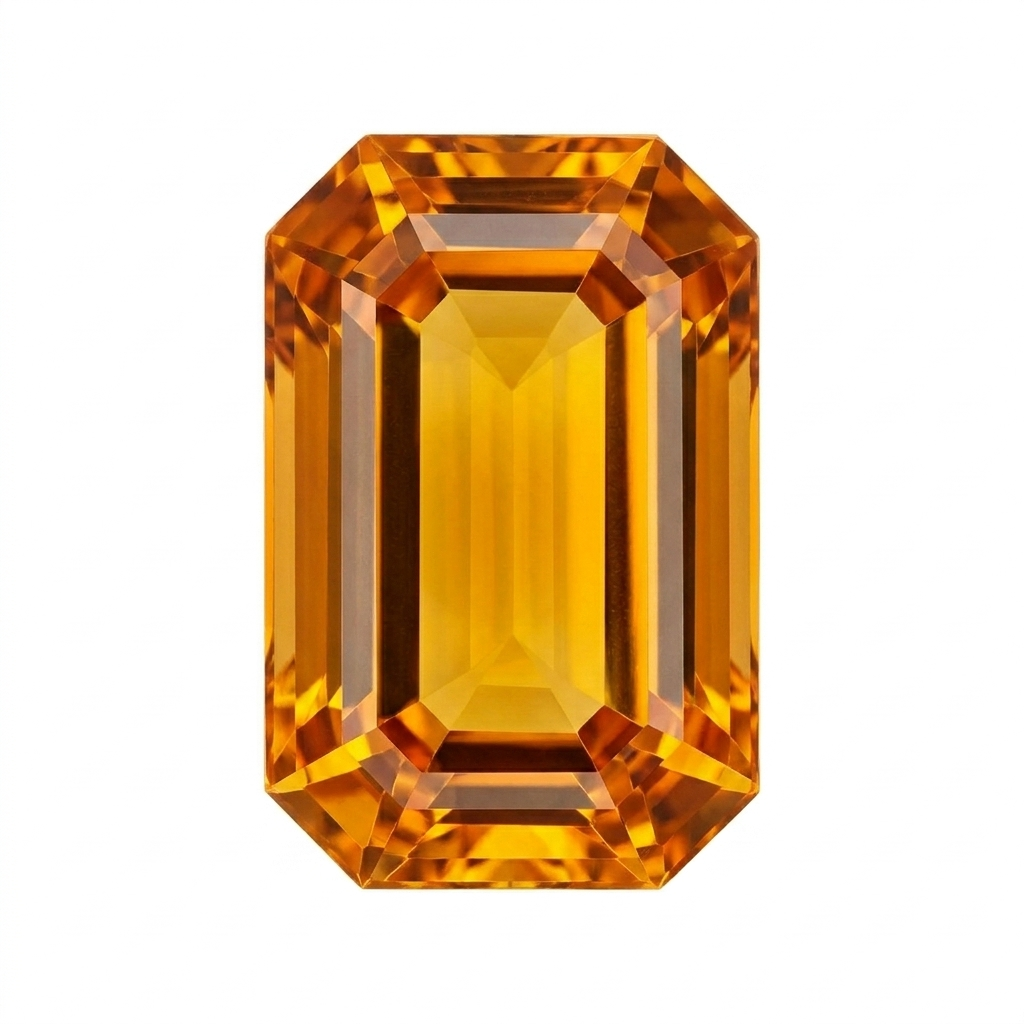 Citrine (सुनेहला)
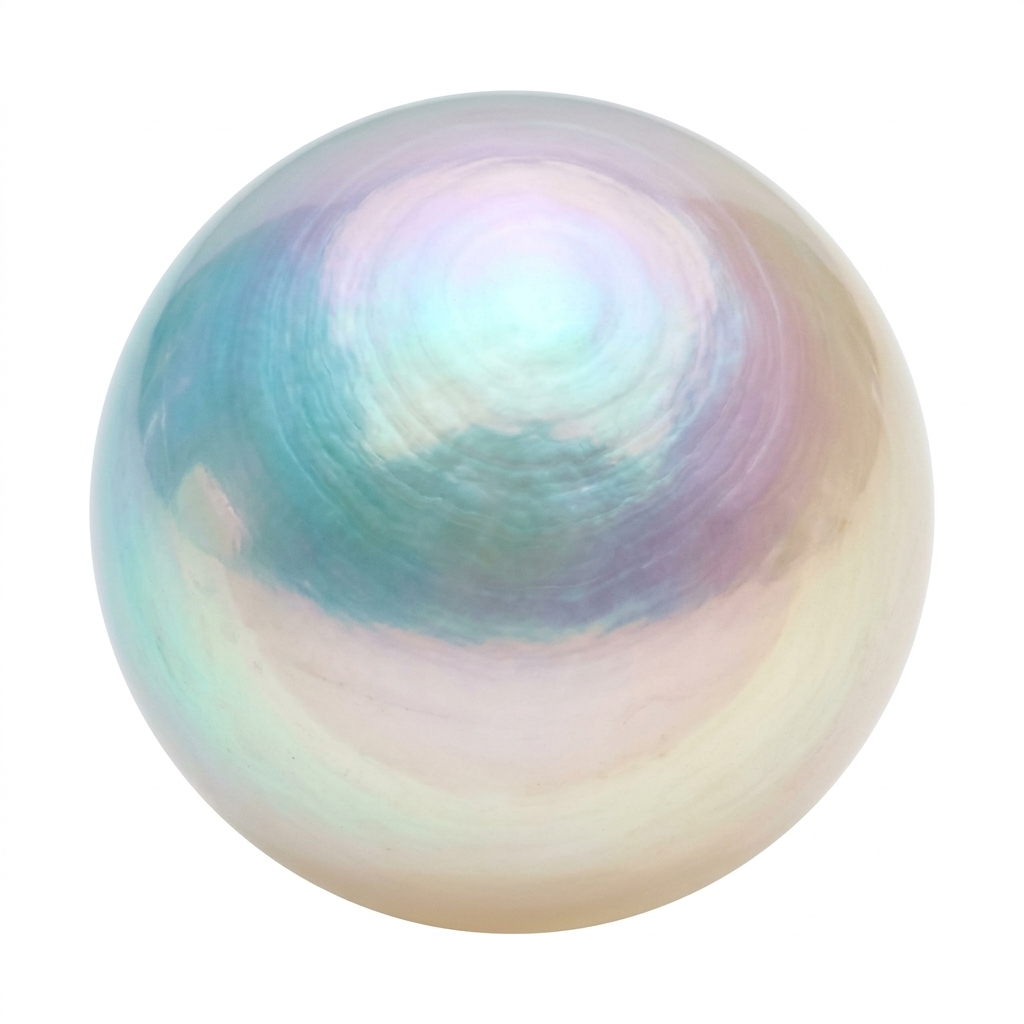 Fresh Water Pearl
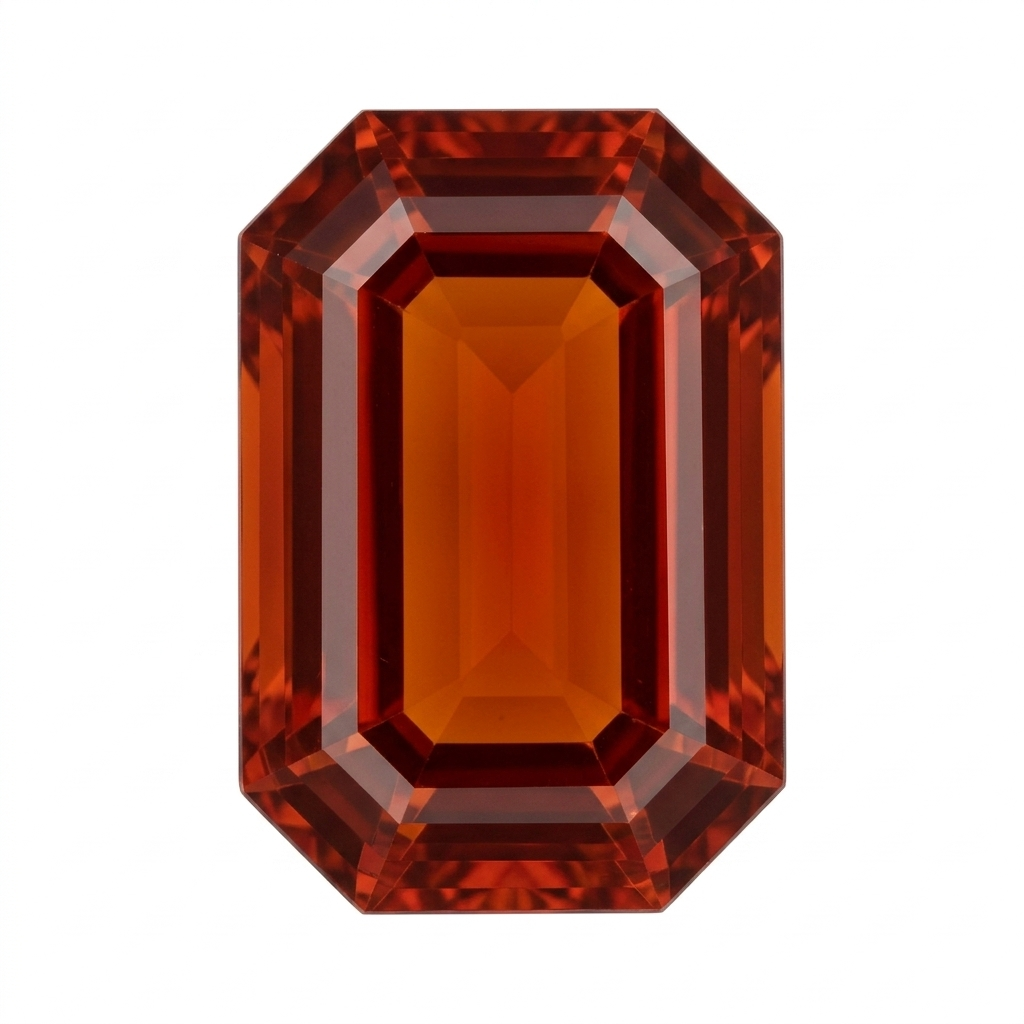 Hessonite (गोमेद)
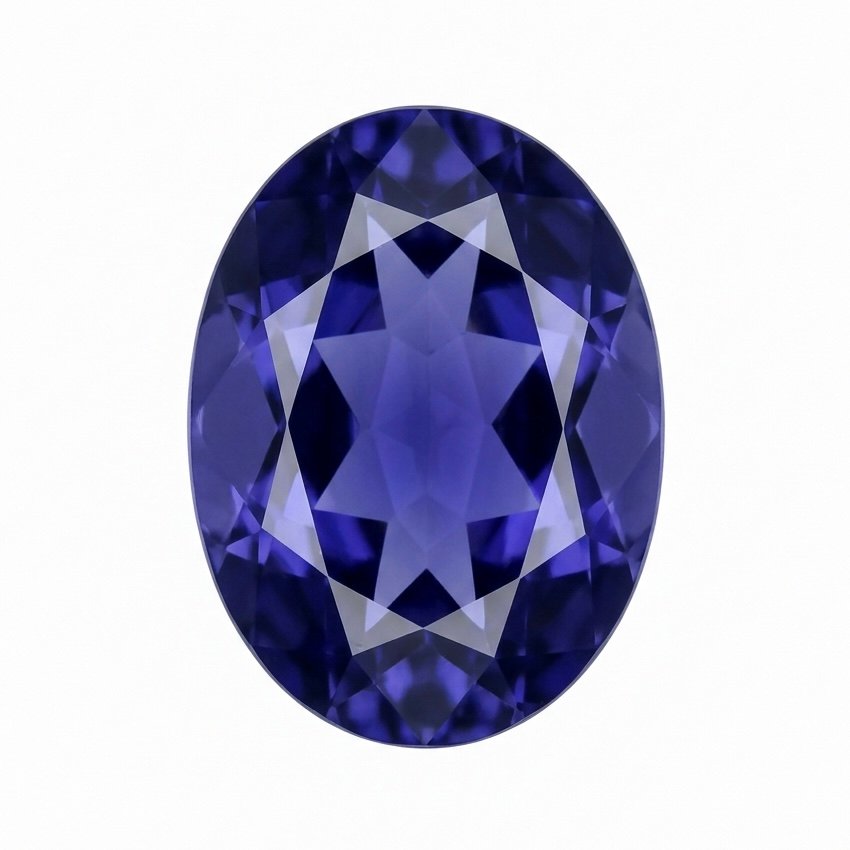 IOLITE (KAKA NILI)
 Japanese White Coral (मूंगा)
 Lapis
 Moonstone
 Natural South Sea Pearl
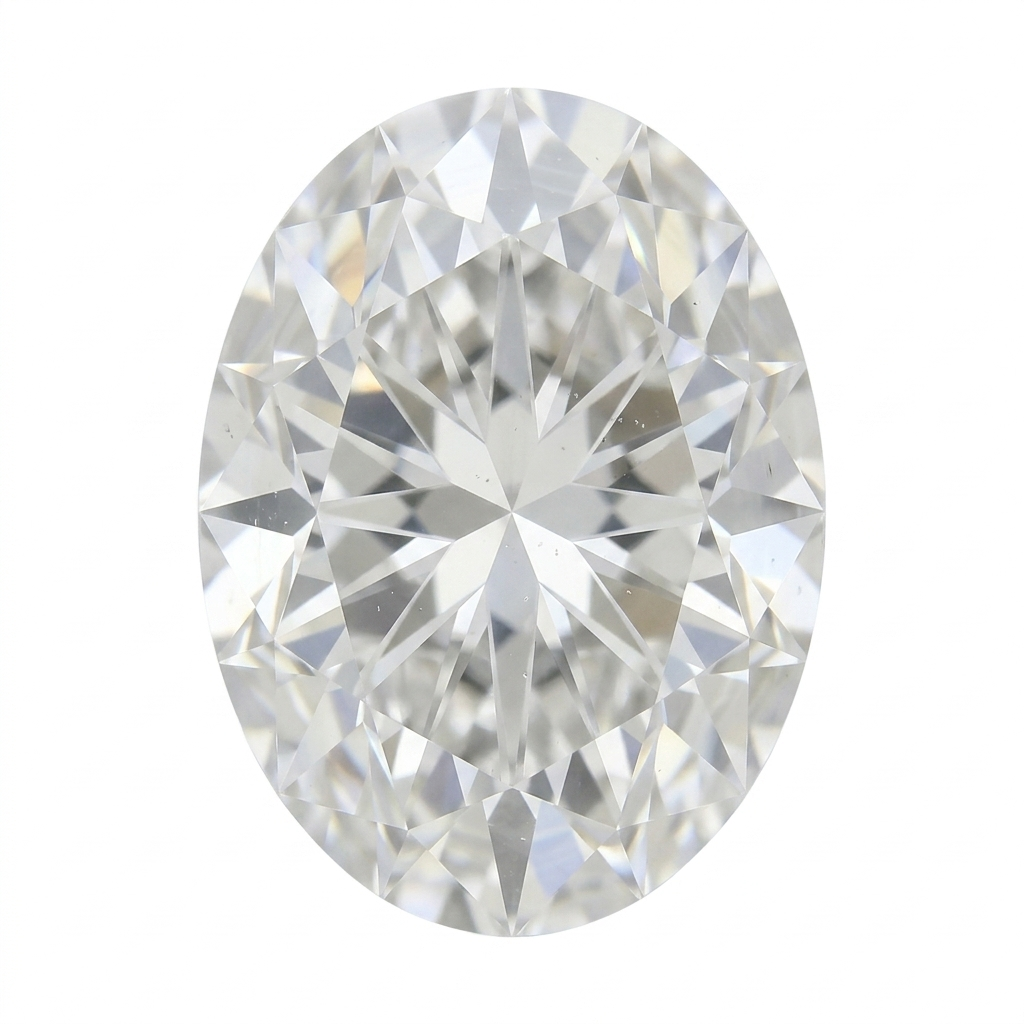 Natural Zircon
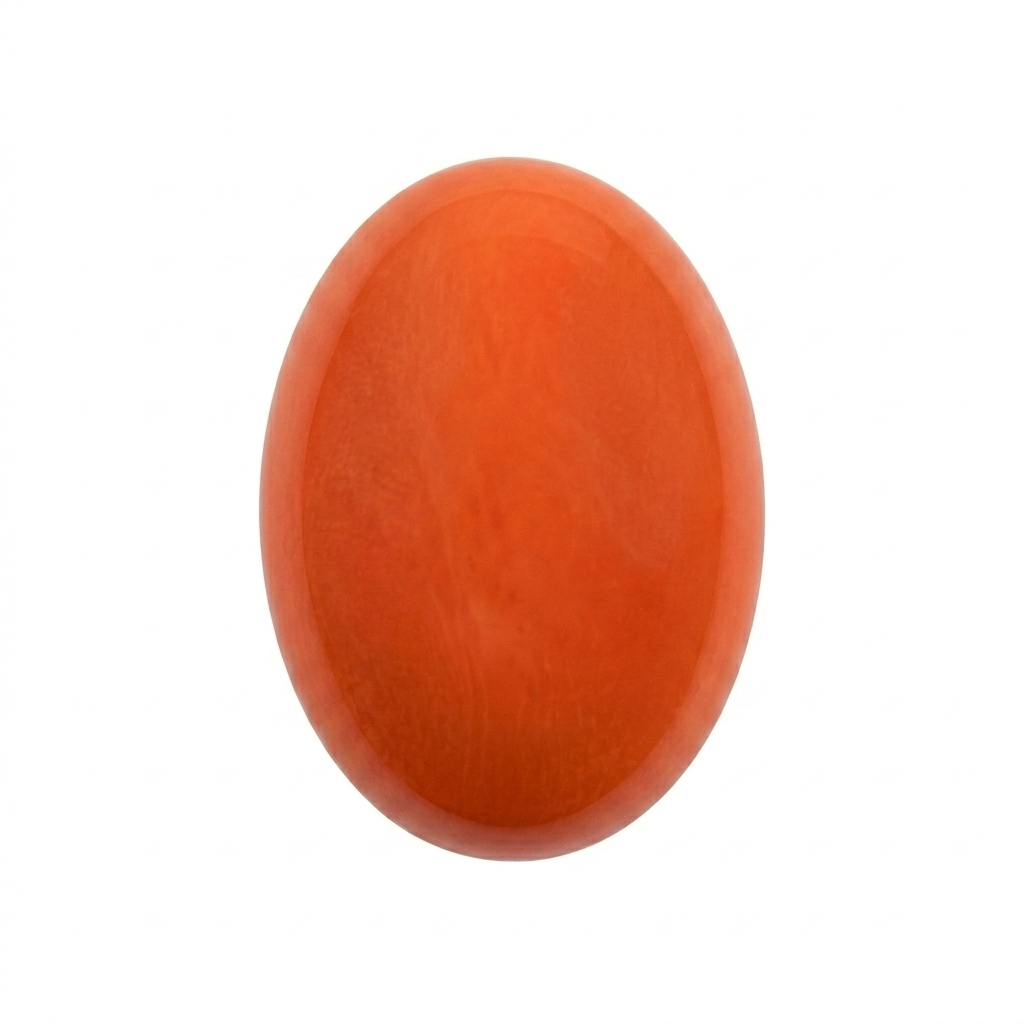 Orange Coral (मूंगा)
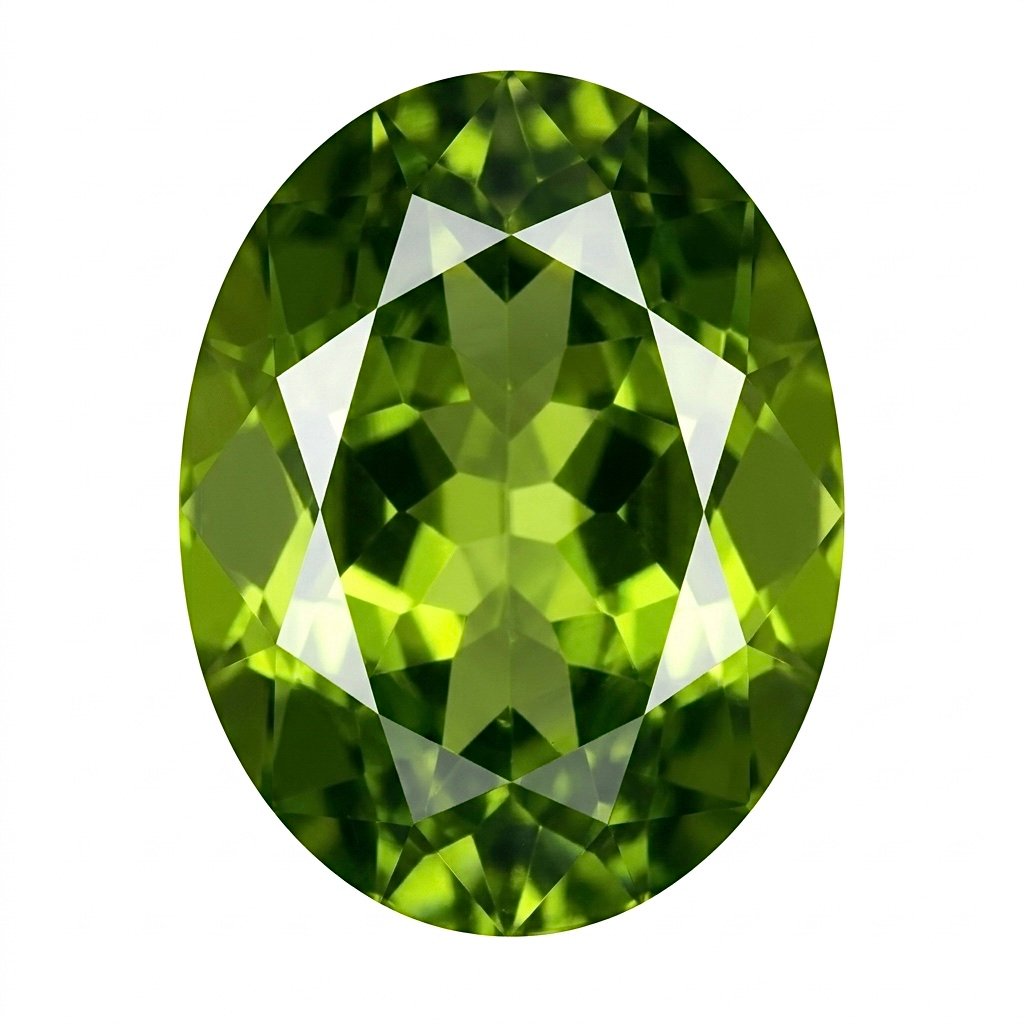 Peridot
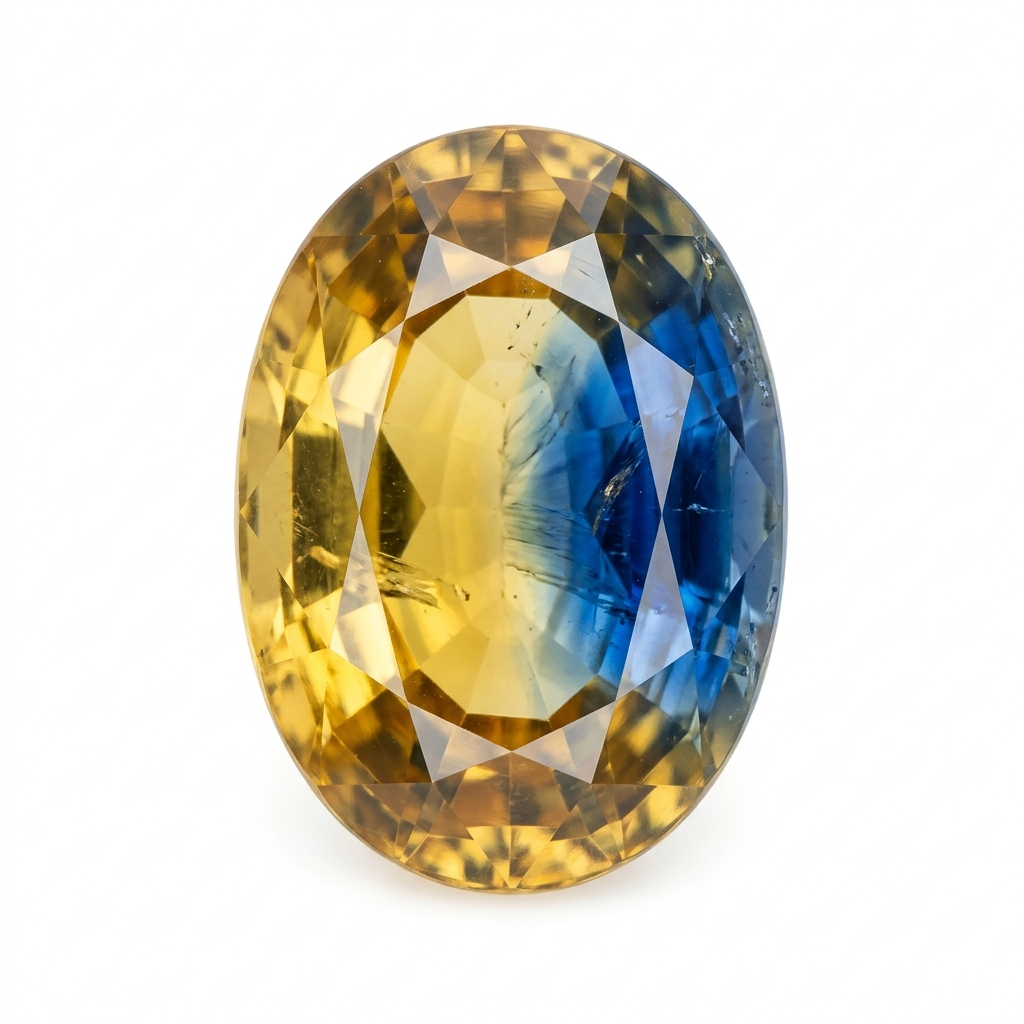 Pitambari
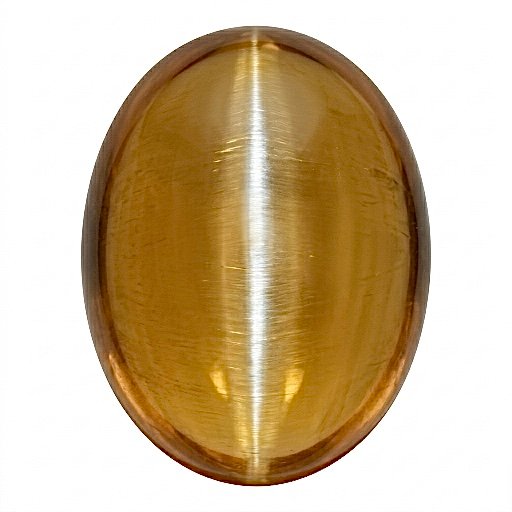 Quartz Catseye
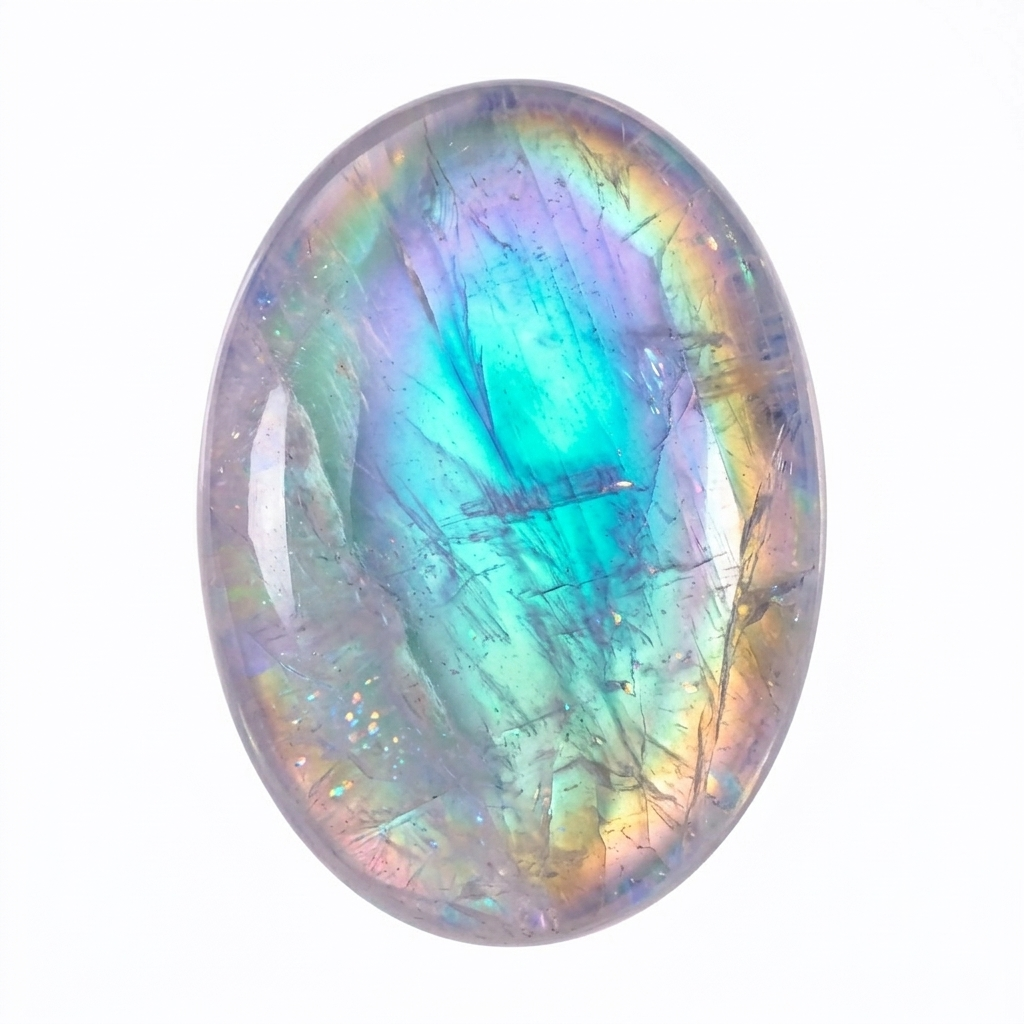 Rainbow Moonstone
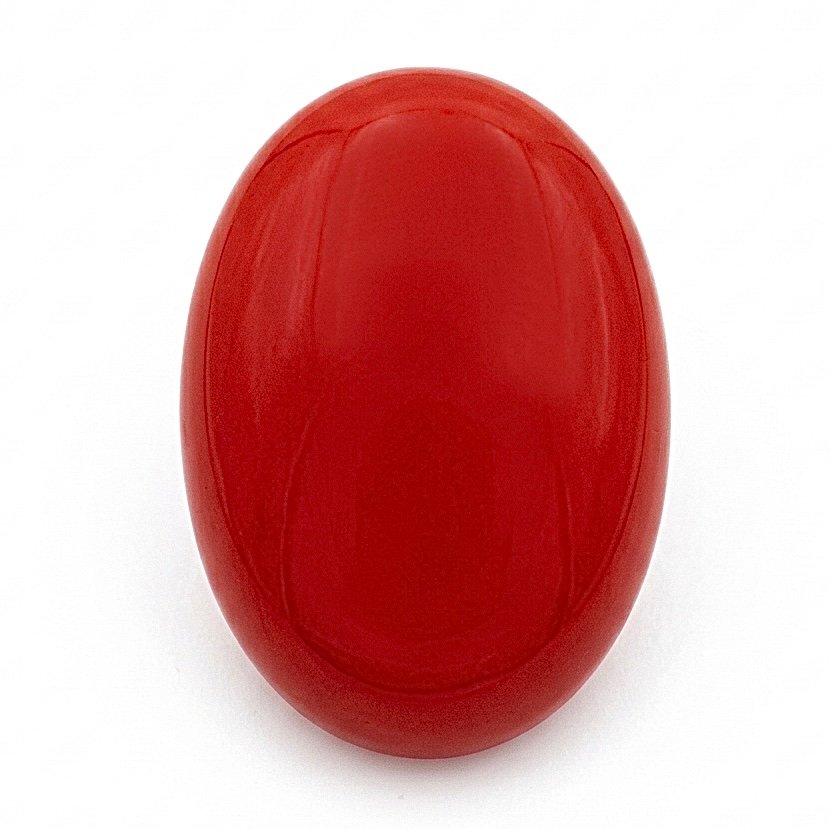 Red Coral (मूंगा)
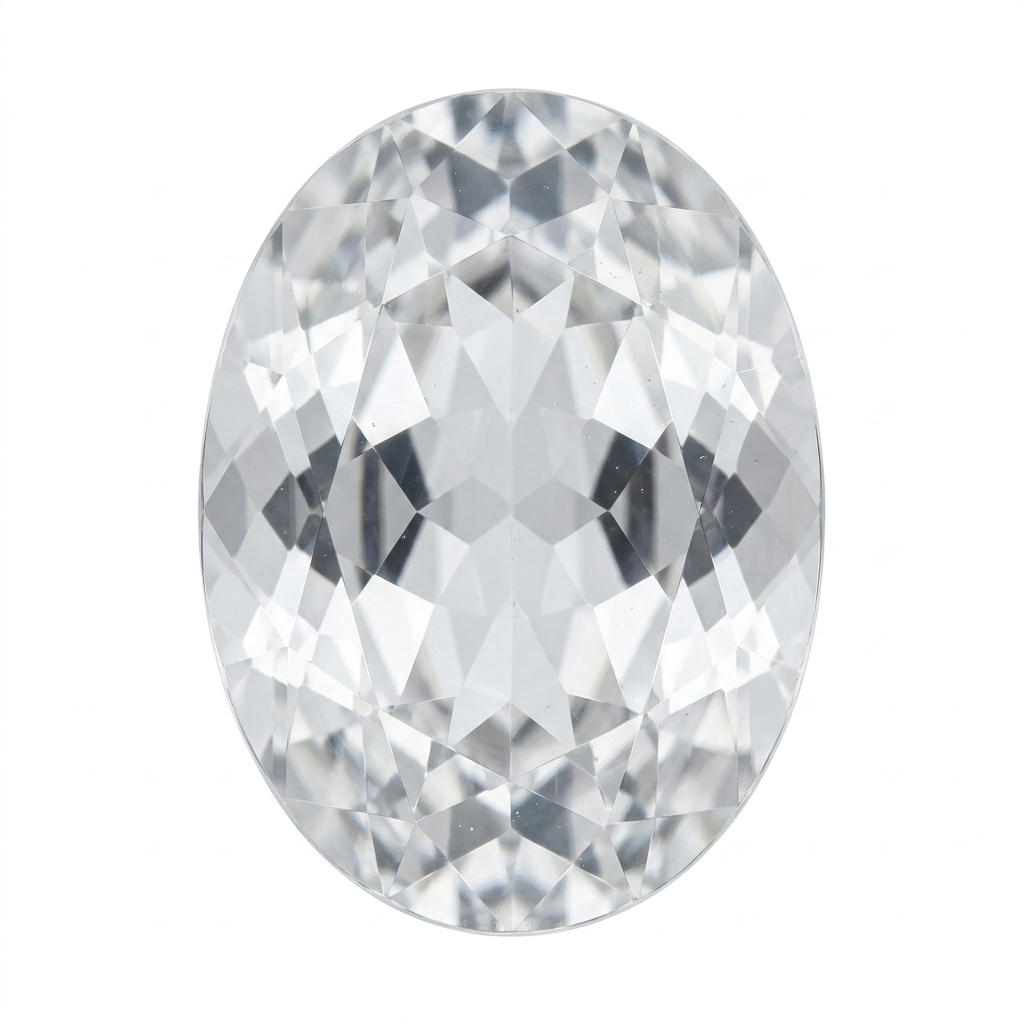 WHITE TOPAZ
 15 JAN
Search 'buy gemstones online' in India today and you'll find hundreds of results — established stores, pop-up marketplaces, Instagram shops, WhatsApp sellers, and everyone in between claiming to sell 100% natural certified stones.
Choosing from that crowd without getting misled requires a specific framework. Not star ratings. Not price comparison alone. A methodical check of the factors that separate a genuinely trustworthy gemstone source from one that merely looks like one.
What Makes an Online Gemstone Seller Trustworthy?
Trust in the gemstone trade is earned through three things: transparency about the product, accountability when something goes wrong, and a track record built over time.
Transparency means the seller tells you exactly what you're buying — origin, treatment status, certifying lab, carat weight — before you need to ask. Accountability means there's a real person, a verifiable address, and a real mechanism to escalate a dispute. Track record means years of consistent buyer experience visible through reviews, business history, and industry affiliations.
The depth and structure of a seller's catalogue reveals how seriously they operate. A professional gemstone business carries:
Multiple stones per category across varying quality grades and price ranges — not just one listing per stone type
Clear product descriptions with origin, carat, treatment status, and certification details on every listing
Both accessible and high-end options — genuine businesses serve different buyer budgets
Live inventory — sold products should not remain listed as available for purchase
Watch out for stores with only a handful of listings, no origin or treatment detail, and no mention of the certifying lab on the product page. These are surface-level listings designed to capture search traffic without the inventory quality to match.
The best place to buy gems online will always carry certifications from internationally recognised labs, listed on each product before purchase:
GIA (Gemological Institute of America) — Gold standard globally. Most internationally recognised certificate.
IGI (International Gemological Institute) — Strong international credibility for coloured stones and diamonds.
IGI-GTL (Indian Gemological Institute — Gem Testing Laboratory) — Government-backed credibility, widely accepted across India for astrological stones.
GII (Gemological Institute of India) — Reliable for domestic purchases, particularly in the mid-range segment.
A legitimate certified gemstones online store makes the report number accessible before purchase — either downloadable on the product page or available on request for independent verification.
Verifying authenticity when you buy certified gemstones online goes beyond accepting the seller's description. The verification process:
Locate the lab report number on the product listing or request it from the seller
Go directly to the certifying lab's website (gia.edu, igi.org, or the IGI-GTL portal)
Enter the report number and verify it matches the stone's species, treatment status, colour grade, and carat weight
If there is a discrepancy between the listing and the certificate, do not proceed
This verification takes under two minutes and is the most effective single protection against misrepresented stones when you buy gemstones online.
A trustworthy online gemstone shop provides the following for every stone listed:
Full species name (e.g., 'Corundum, variety Blue Sapphire' — not just 'blue stone')
Country of origin as confirmed on the lab report — not estimated by the seller
Treatment status exactly as stated on the certificate
Carat weight and dimensions verified by lab report — not an estimate
Certifying lab name and report number visible on the listing
Multiple actual photos of the specific stone, including 10x magnification view
When these specifications are missing, the seller is asking for blind trust. For a purchase in the thousands or lakhs, that's not acceptable regardless of how professional the website design looks.
Pricing natural gemstones requires using the lab report grade as your benchmark — not the seller's marketing language. For comparing original gemstone online prices:
Identify stones with the same lab-confirmed colour grade, clarity, treatment status, and origin
Compare prices across at least three established sellers carrying certified material
Factor in service: consultation quality, return policy terms, and shipping insurance coverage
Significant price gaps between sellers listing stones with similar certified grades usually indicate differences in quality within the grade band, different certification standards, or margin differences.
When evaluating an online gemstone shop, the most informative reviews describe specific purchases:
The type of stone purchased with specific details — species, carat weight, occasion
Whether the buyer verified the certification and found it matched
How the stone compared to what was shown and described
How the seller handled any issue that arose after purchase
Also observe how the seller responds to negative reviews. A professional business addresses criticism factually and offers concrete resolution. Defensive responses to legitimate complaints predict exactly how future disputes will be handled.
Shipping — Is the stone shipped insured for full purchase value? A ₹50,000 stone sent via standard courier without insurance is a risk the seller transfers entirely to you.
Returns — What is the return window? 7 days minimum; 15 days is a buyer-friendly standard. No-return policies specifically on gemstones are a significant risk factor.
Refunds — Is the refund returned to your original payment method, or only as store credit? Store credit forces you to remain a customer regardless of your satisfaction.
White background product shots in natural daylight — not just studio-lit glamour shots
Close-up shots at 10x or higher magnification showing internal features
A video of the stone rotating under natural light — colour and clarity are much harder to misrepresent in video than in still images
Each natural gemstone is physically unique. There are no two identical 4-carat blue sapphires. The product image should show the actual stone the buyer will receive — not a representative example.
Testing customer support before purchase reveals what the experience will be like if something goes wrong after. Send a specific question: 'Is the 4.2-carat blue sapphire in your listing unheated? What does the IGI-GTL report say about treatment status?' Then observe:
How quickly they respond — same-day or next-day is reasonable
Whether they answer the specific question or give a generic reply
Whether they offer to share the report number for independent verification
Whether the communication is professional and demonstrably knowledgeable
🚩 No physical address, or an address that doesn't appear on Google Maps
🚩 'Certified' claims with no mention of which lab or verifiable report number
🚩 No treatment status mentioned — not on the listing, not in response to direct questions
🚩 Prices significantly below established market benchmarks for the stated quality grade
🚩 No-return policy specifically on gemstone purchases
🚩 Social-media-only presence with no business registration or dedicated website
🚩 'Powerful stone for success' descriptions with no mention of origin or certification
🚩 Only 4–5 reviews — all posted within a short window, all generic five stars
The best place to buy gems online combines five things:
Physical anchor — A verifiable store in an established market. In Delhi, that means Karol Bagh or Lajpat Nagar. In Jaipur, the Johari Bazaar area.
Recognised certifications — GIA, IGI, or IGI-GTL for every stone, with report numbers accessible before purchase.
Transparent listings — Origin, treatment, grade, and certification visible without requiring buyer inquiry.
Proven track record — Verifiable years of business, credible reviews across time, industry memberships.
Post-purchase accountability — Clear written return policy, insured shipping, and accessible human support.
Sellers in Delhi's Karol Bagh and Lajpat Nagar markets who have established credible online platforms alongside their physical stores represent the most trustworthy combination — the accountability of a verified physical location with the transparency and convenience of digital access.
A. Buy from sellers with verifiable physical addresses, certifications from GIA, IGI, or IGI-GTL with report numbers you can verify independently, specific and credible customer reviews, and a written return policy of at least 7 days.
A. Both can be trustworthy if the seller is established and certified. A physical store lets you see the stone in person; a reputable online shop offers price transparency and the ability to compare across sellers.
A. Jaipur is India's largest gemstone processing hub. Delhi — specifically Karol Bagh and Lajpat Nagar — has the most established retail gemstone businesses in the country. Mumbai's Zaveri Bazaar is the centre of diamond and fine jewellery trade.
A. Yes. Established sellers offer WhatsApp and call-based consultations with certified astro-gemologists who recommend stones based on your birth chart. This is now a standard service at serious online gemstone shops.
A. A certified gemstone shop in Delhi is a seller with stones certified by GIA, IGI, or IGI-GTL, a verifiable business address and registration, and a track record of buyer satisfaction. The most credible ones have operated in Karol Bagh or Lajpat Nagar for 20–50 years.
How to Buy Certified Gemstones Online: Complete Guide to Certification
Certified Gemstones Online: Why Certification Matters Before Buying
A Complete Guide to Buying Gemstones Online Safely

Online Gemstone Shop: How to Choose a Trusted Seller
How to Choose the Best Place to Buy Gemstones Online

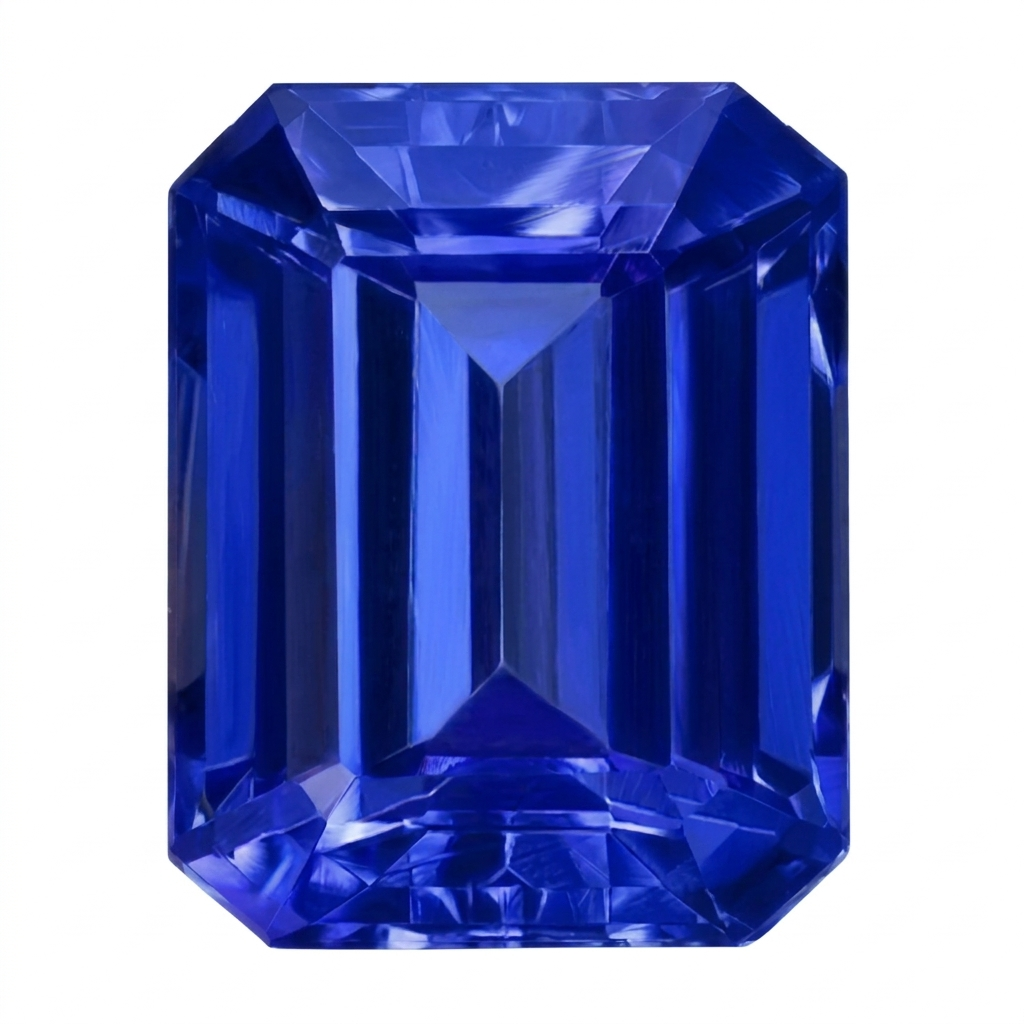 Blue Sapphire
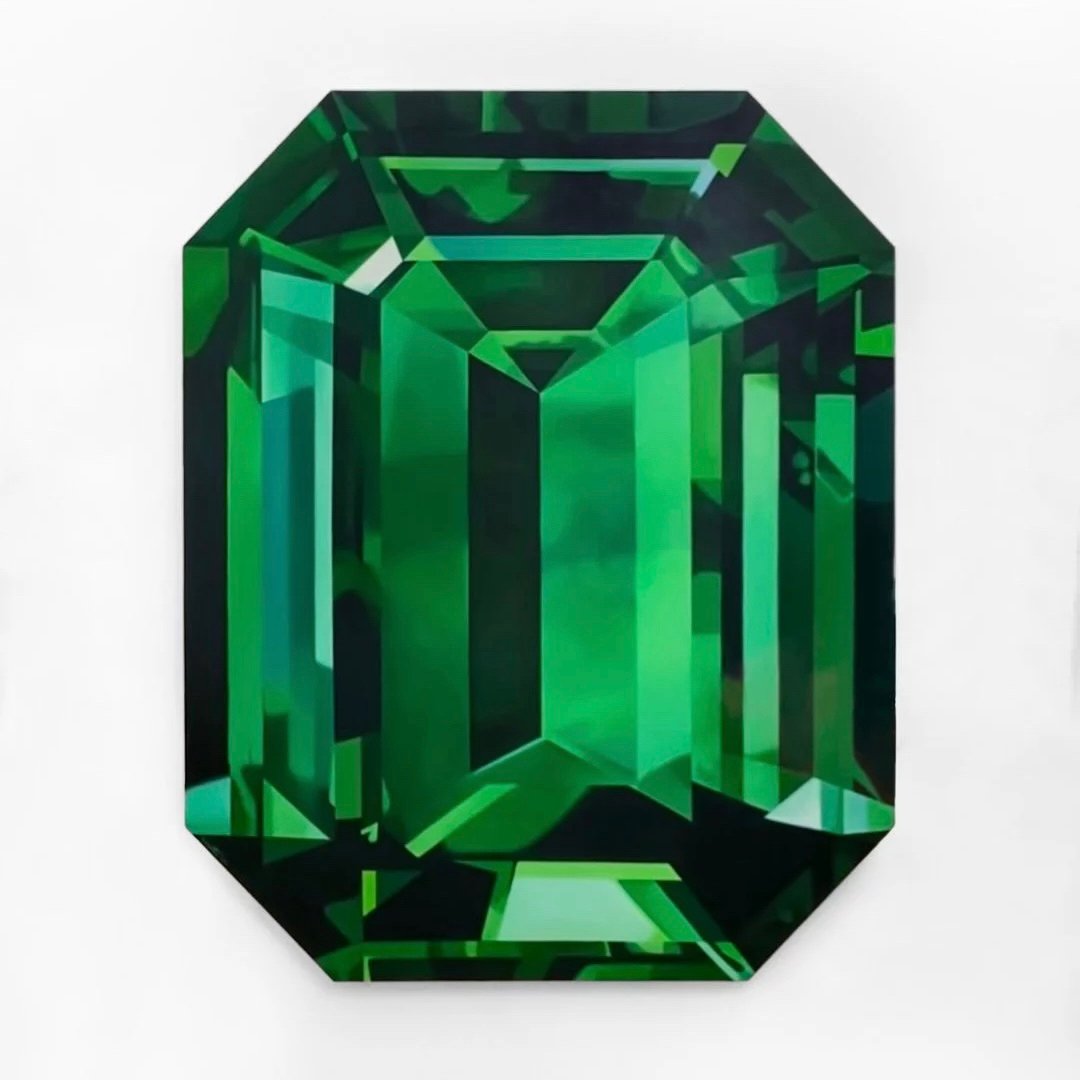 Emerald (PANNA)
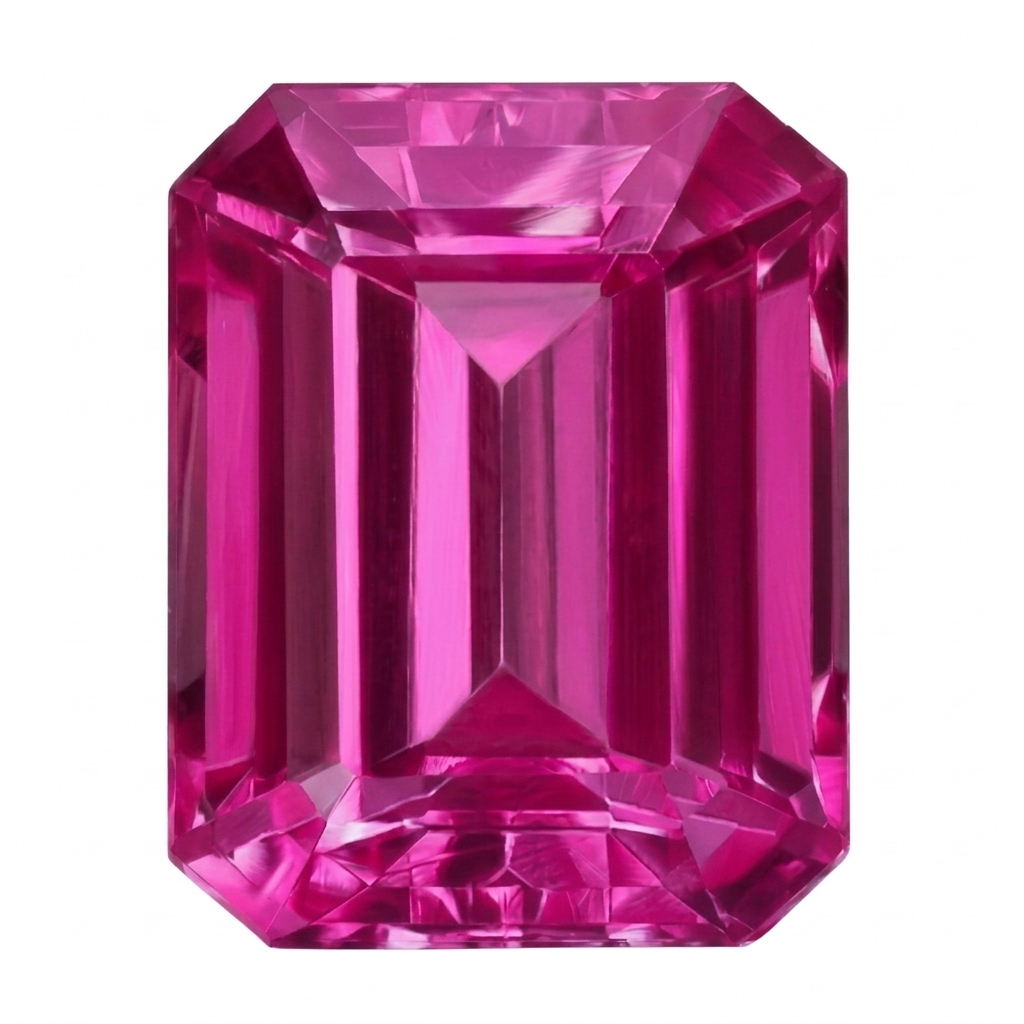 Pink Sapphire
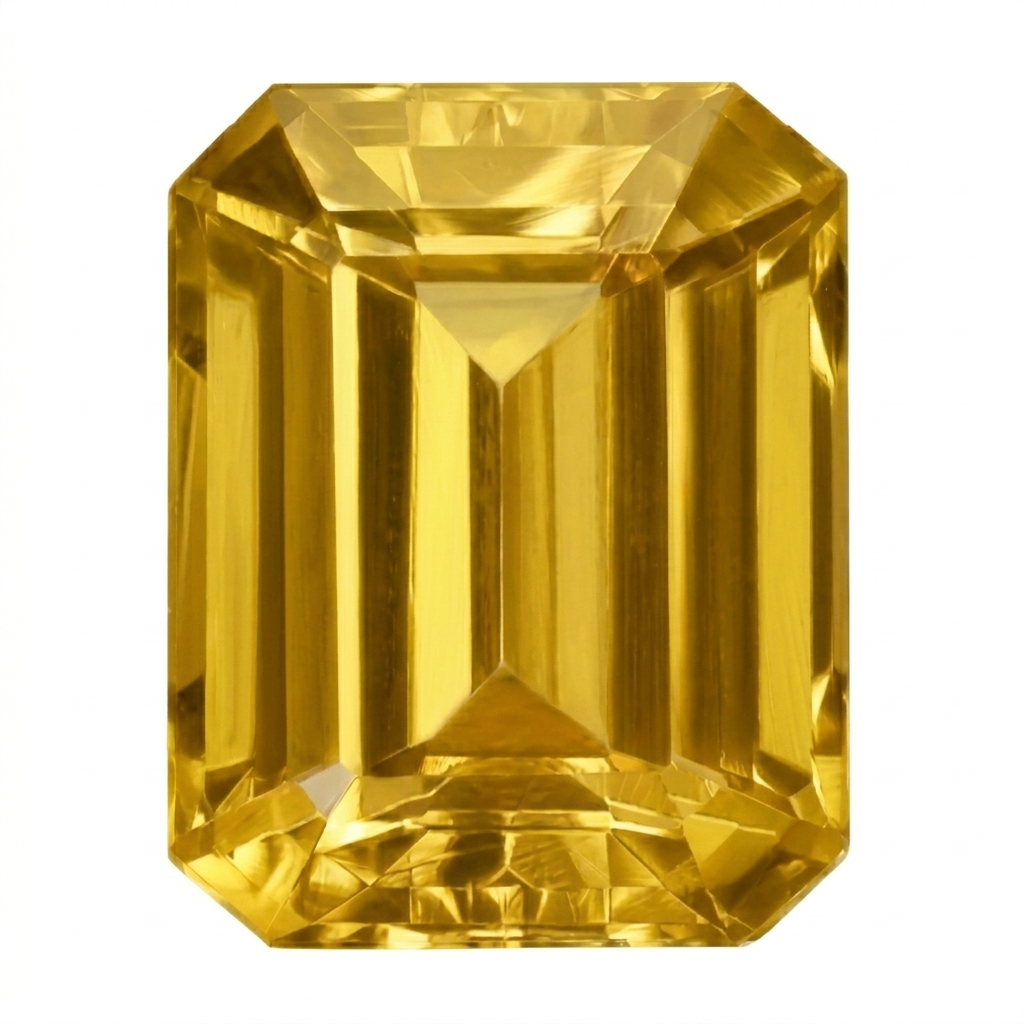 Yellow Sapphire
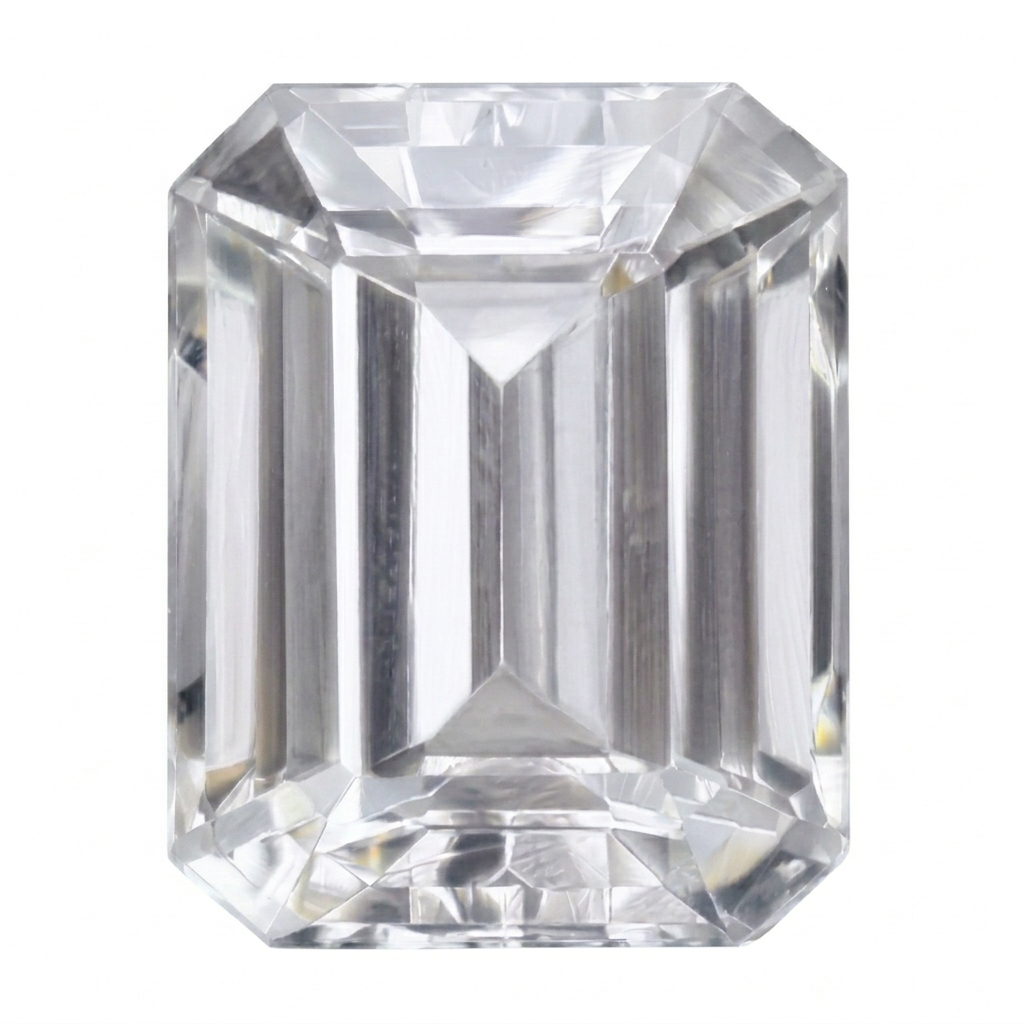 White Sapphire
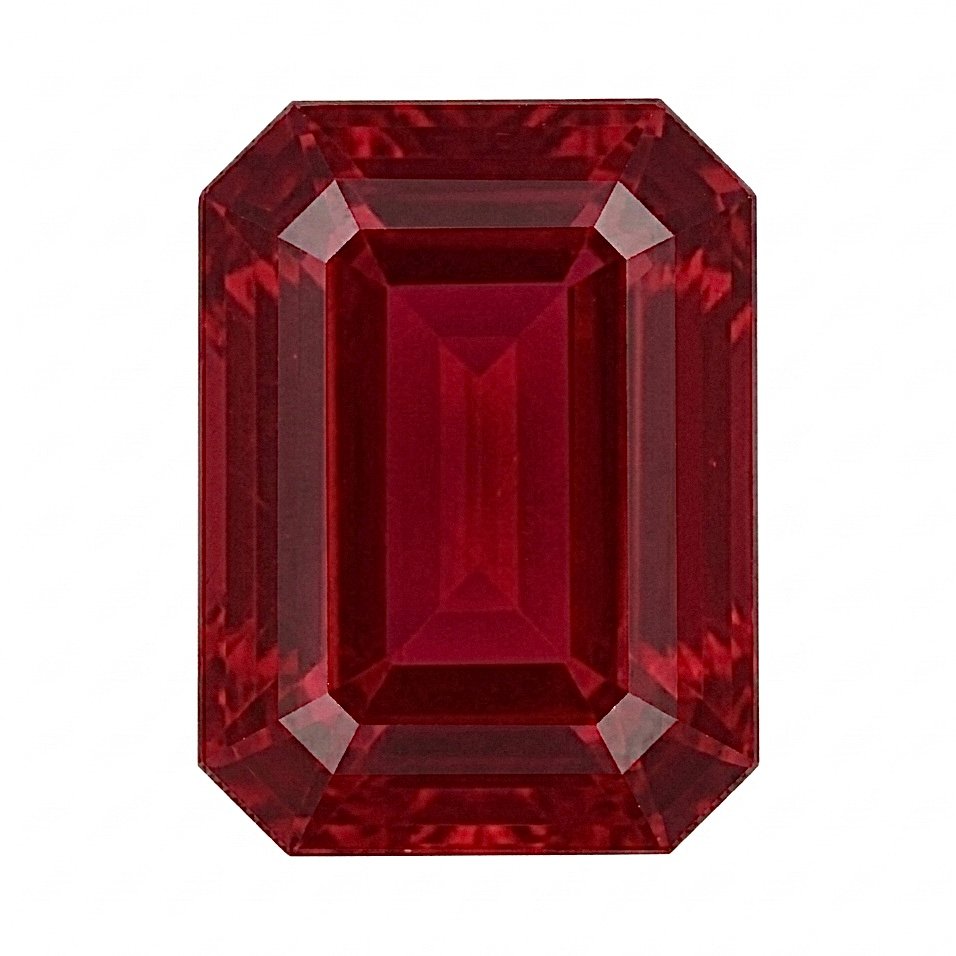 Ruby
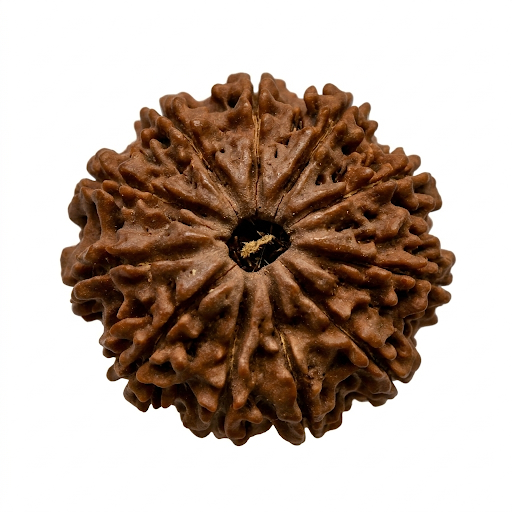 Rudraksha
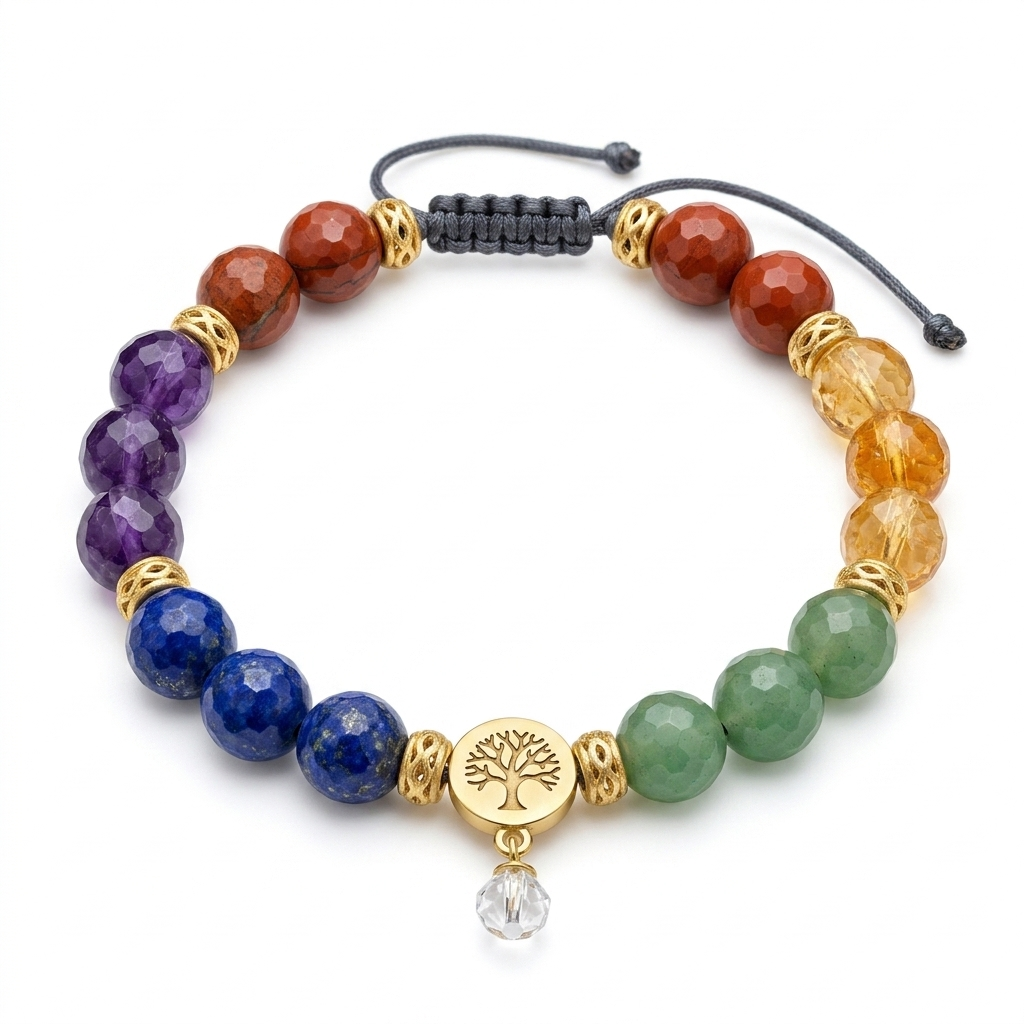 Bracelet
