
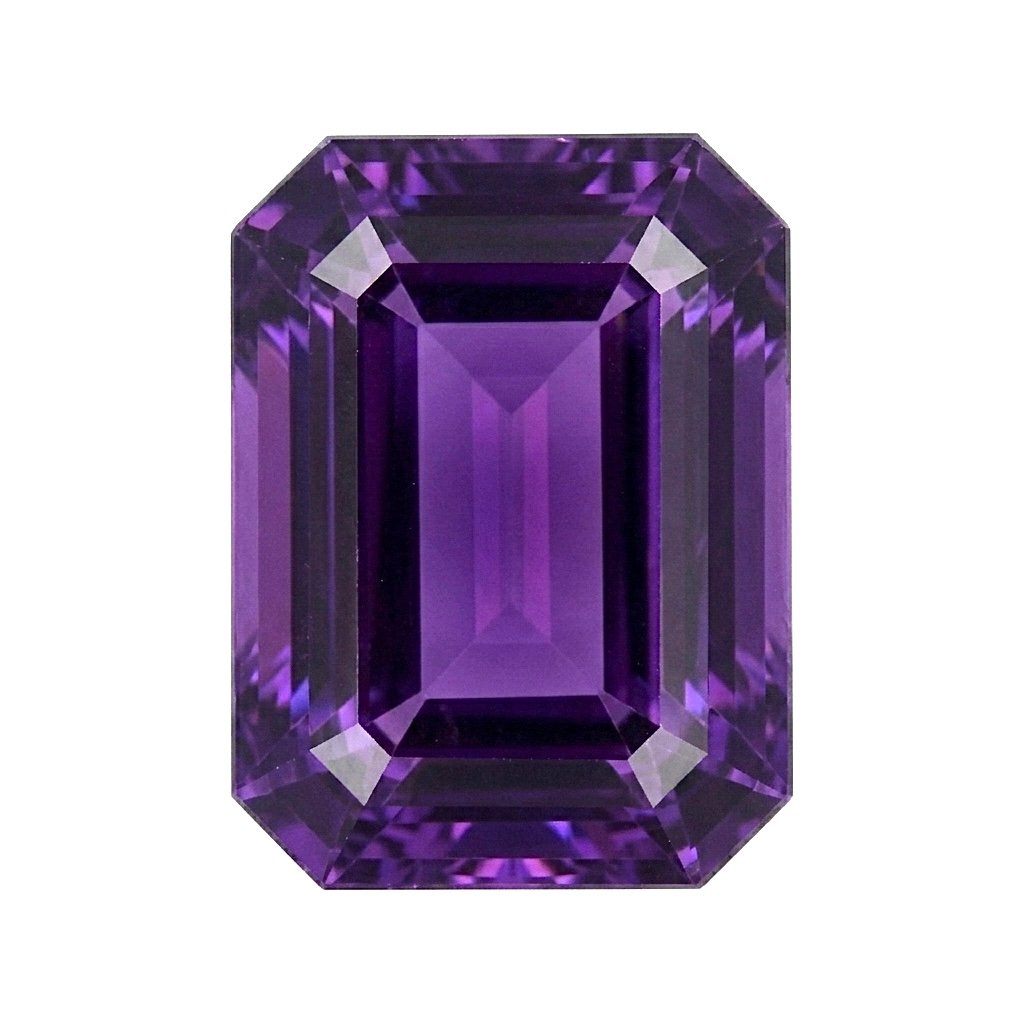
 Amethyst (ऐमेथिस्ट)
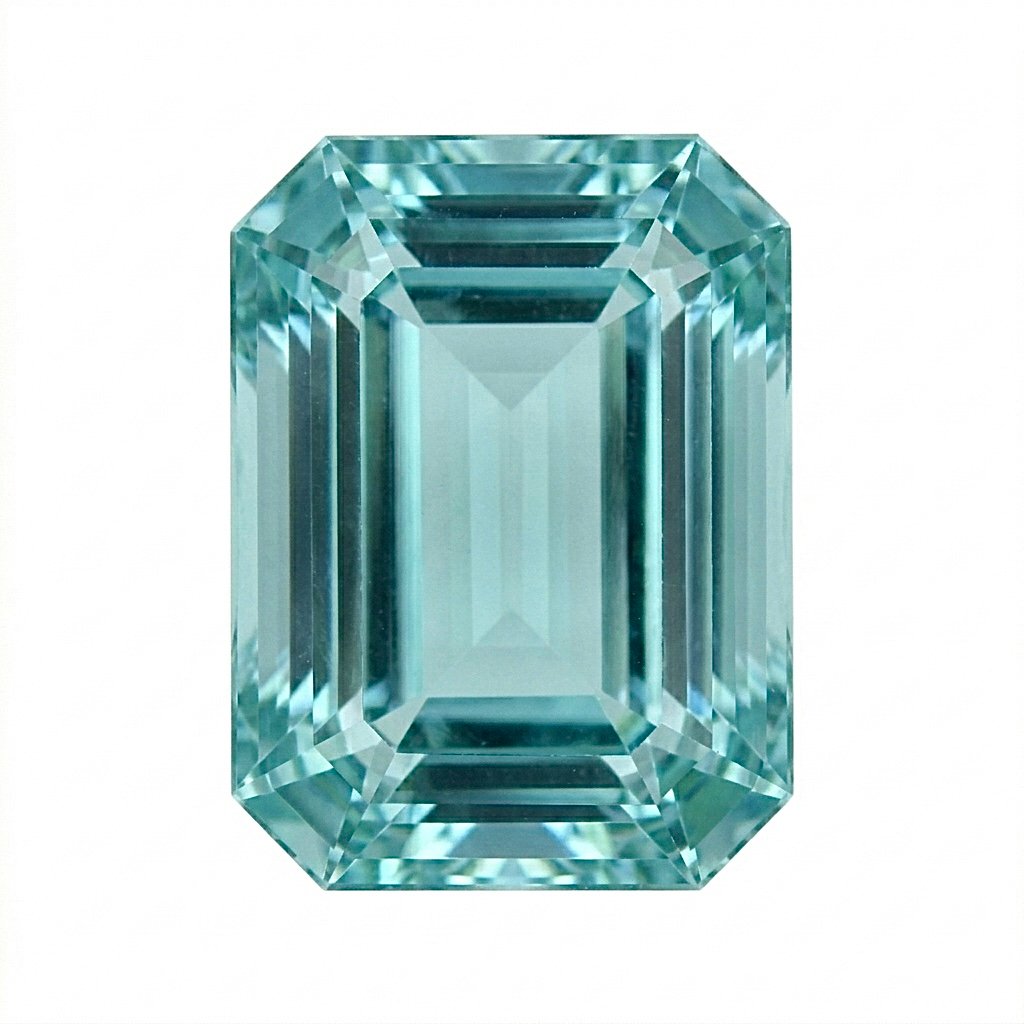 Aquamarine
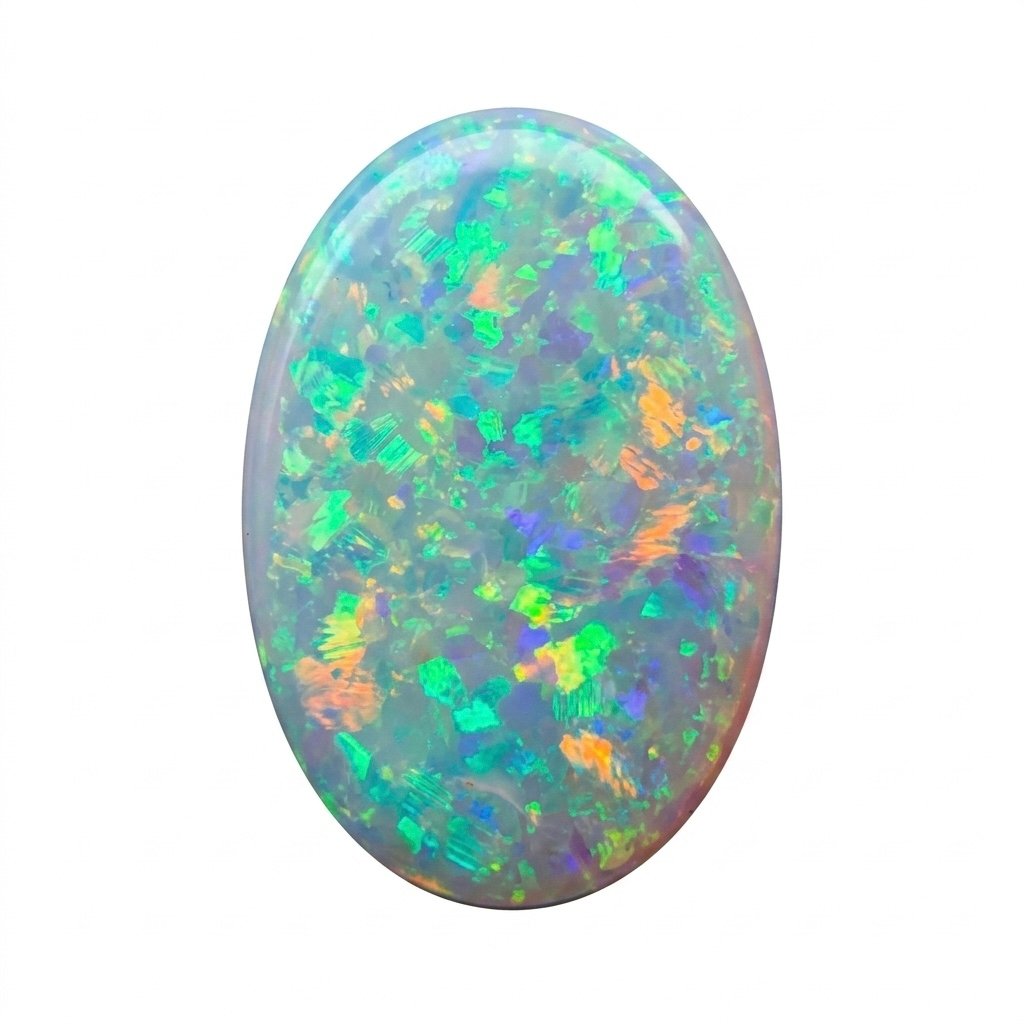 Australian Opal (ओपल)
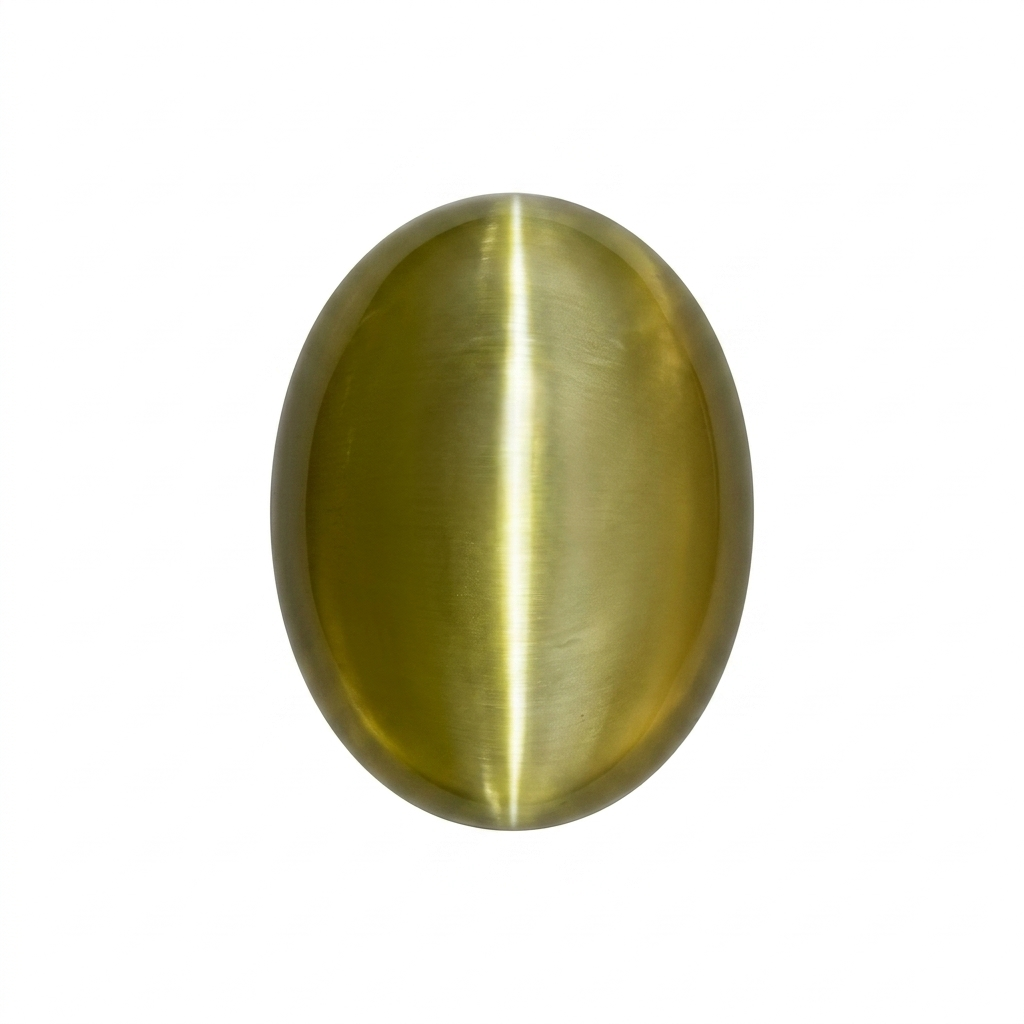 Catseye (लहसुनिया)
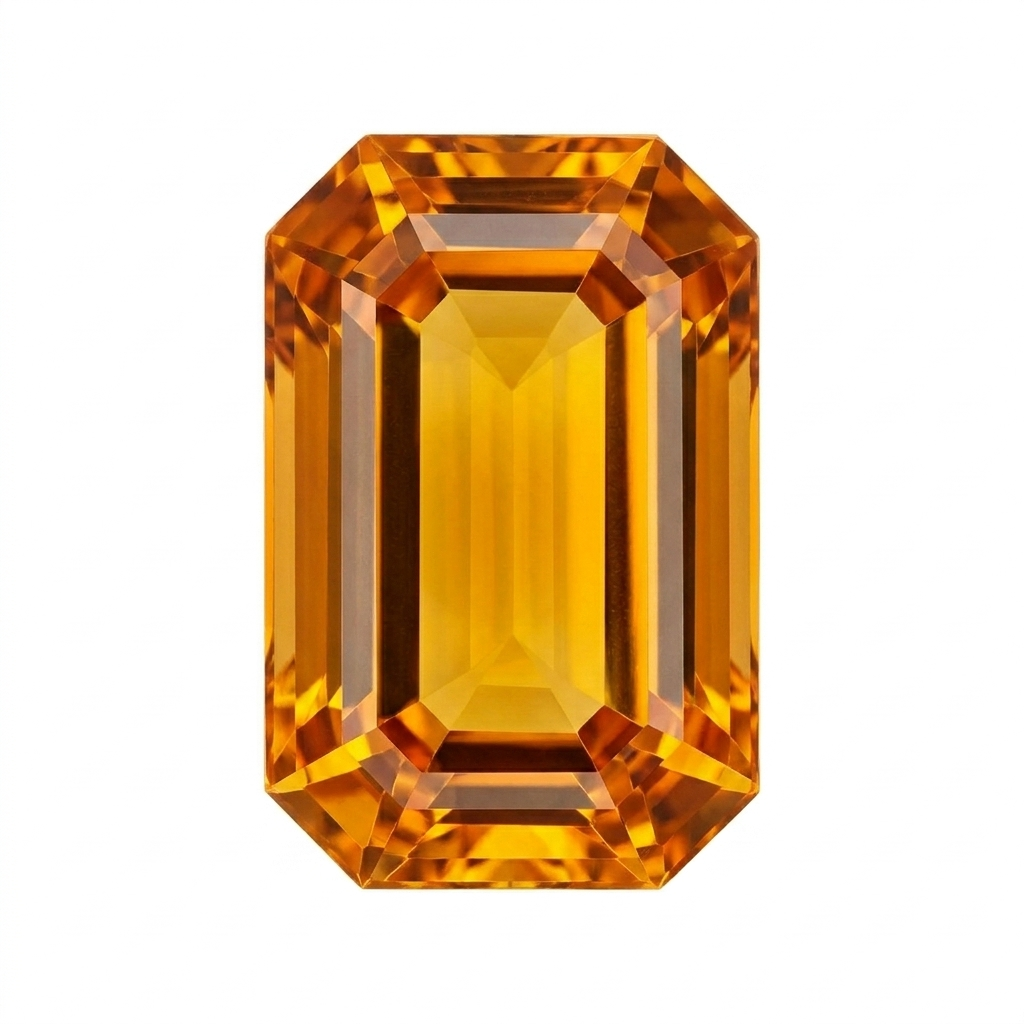 Citrine (सुनेहला)
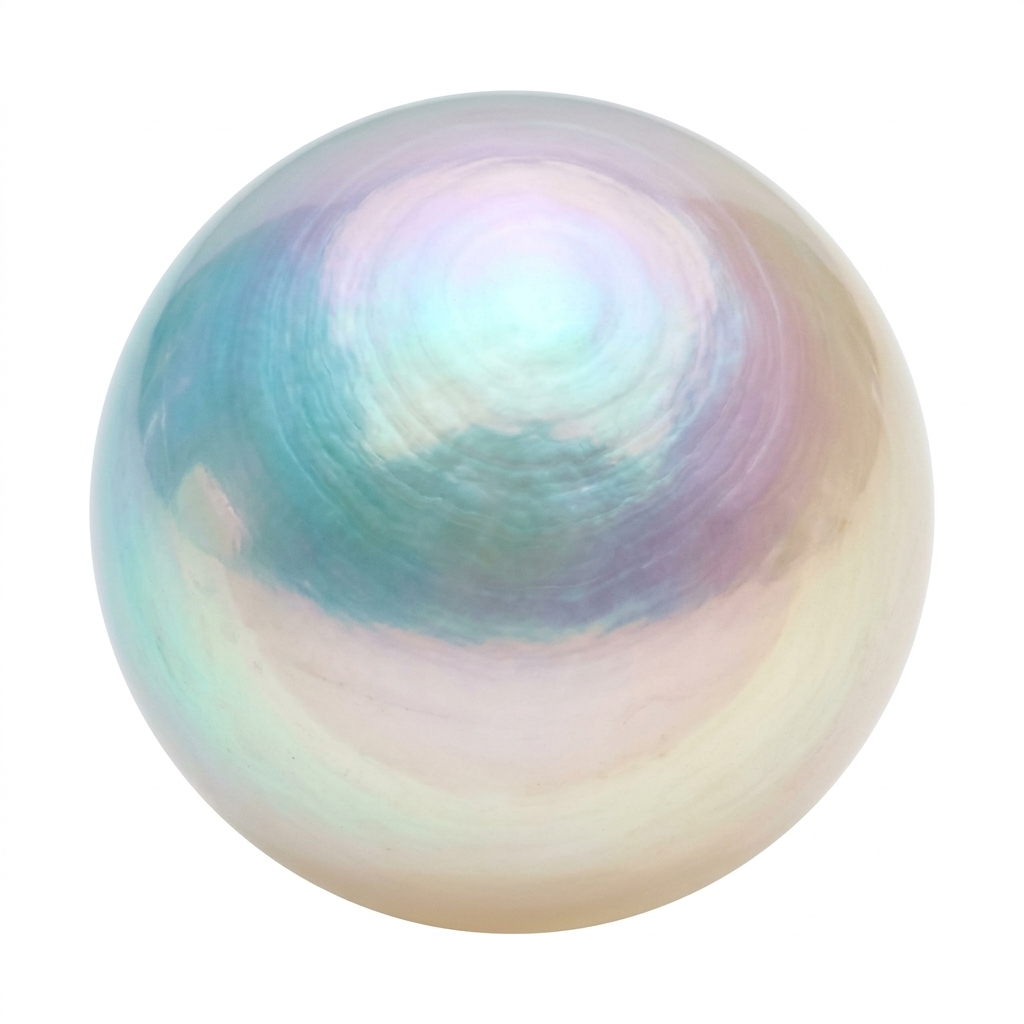 Fresh Water Pearl
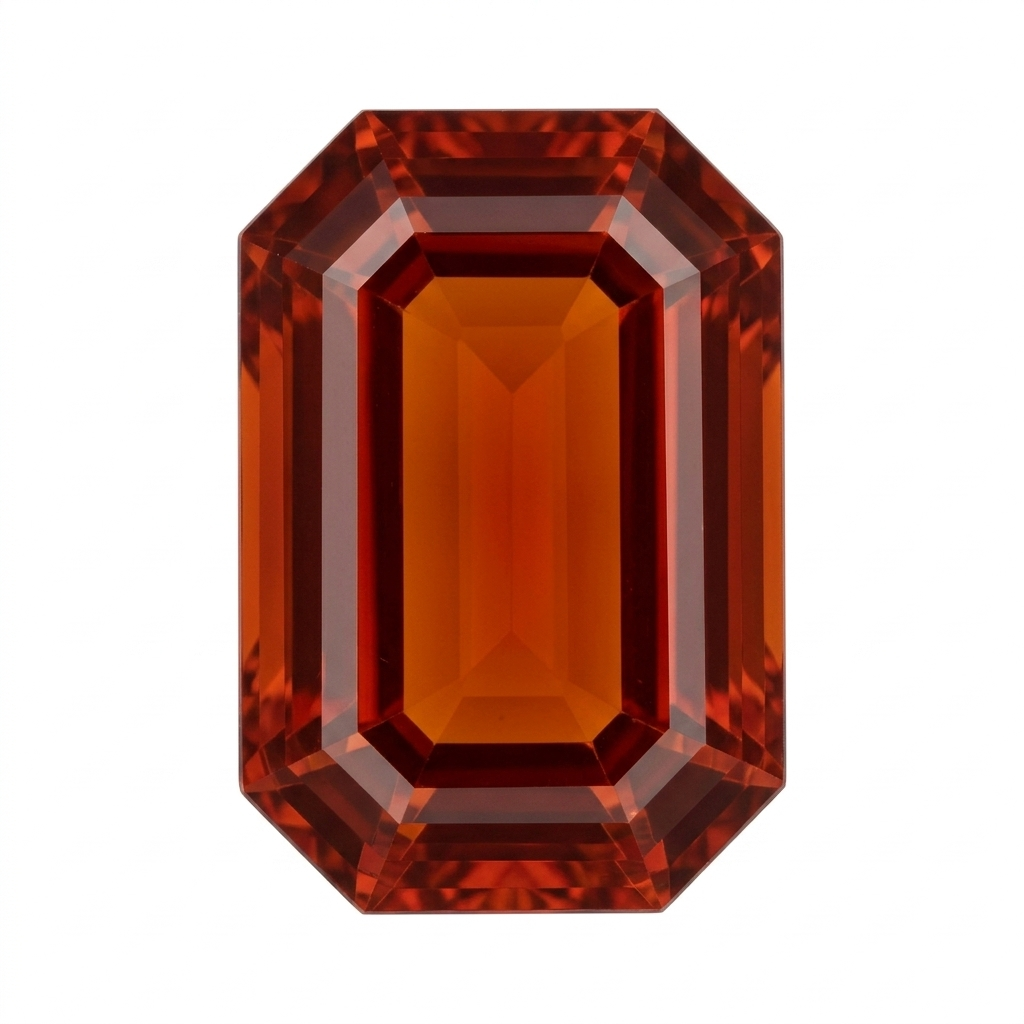 Hessonite (गोमेद)
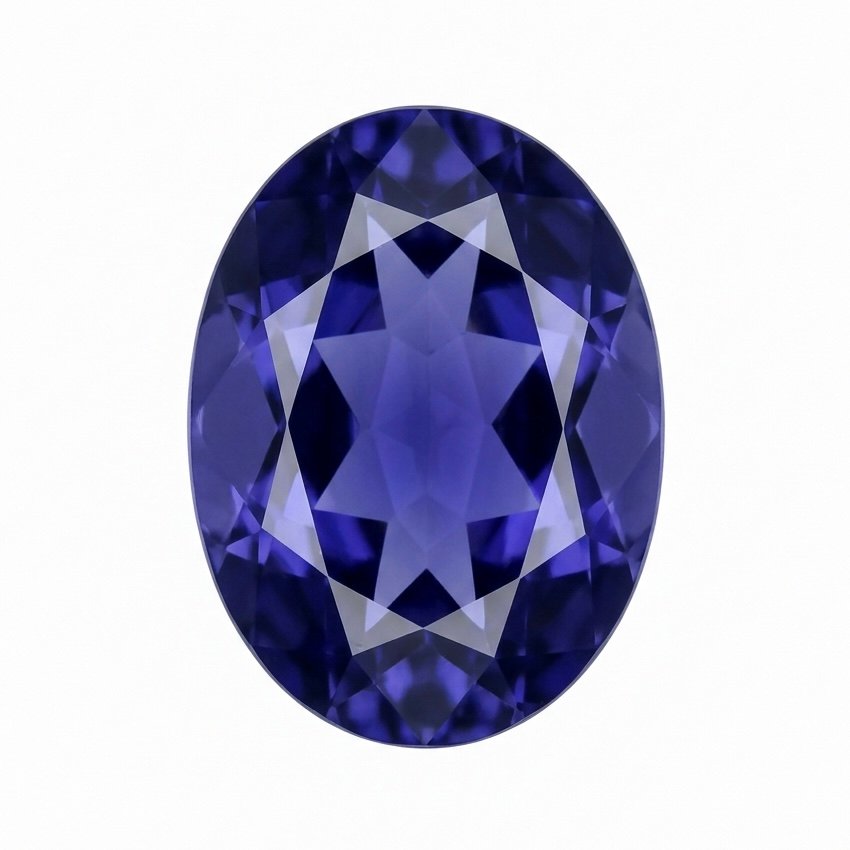 IOLITE (KAKA NILI)
 Japanese White Coral (मूंगा)
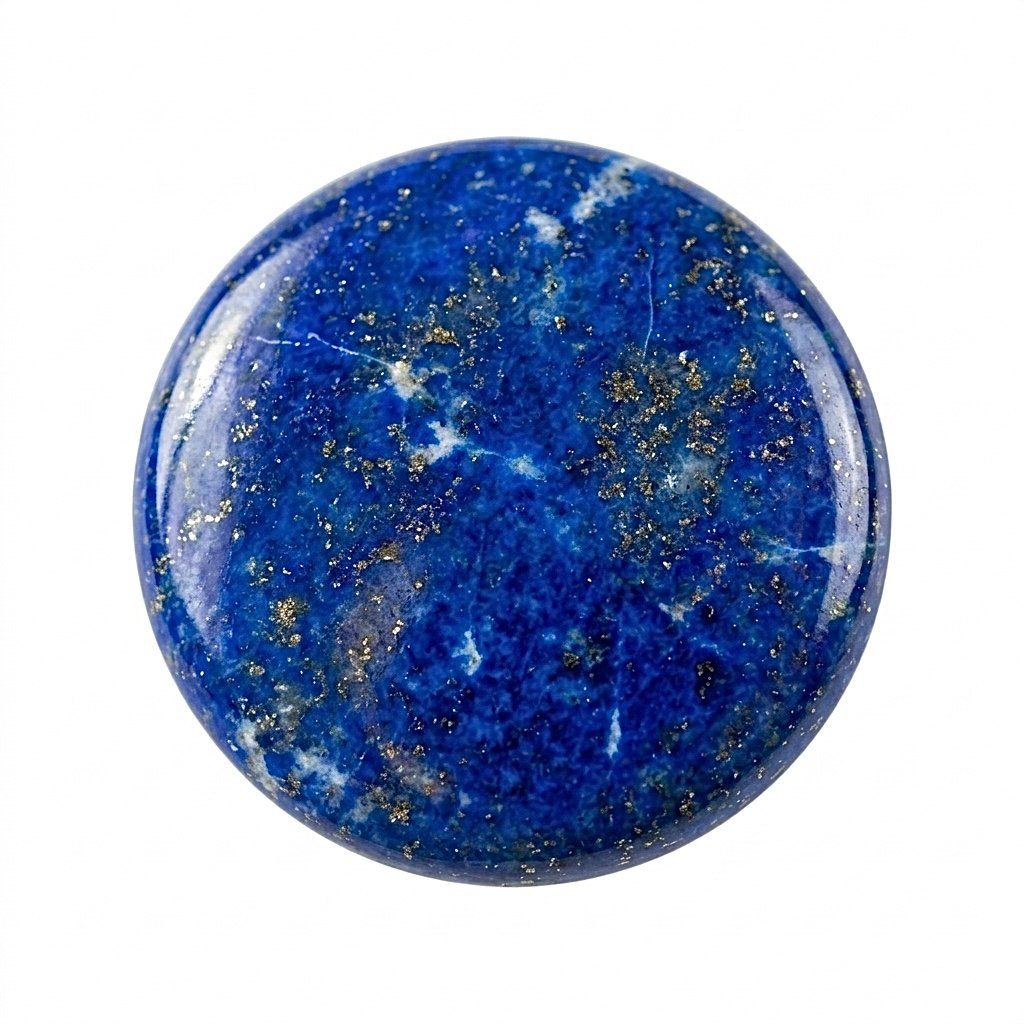 Lapis
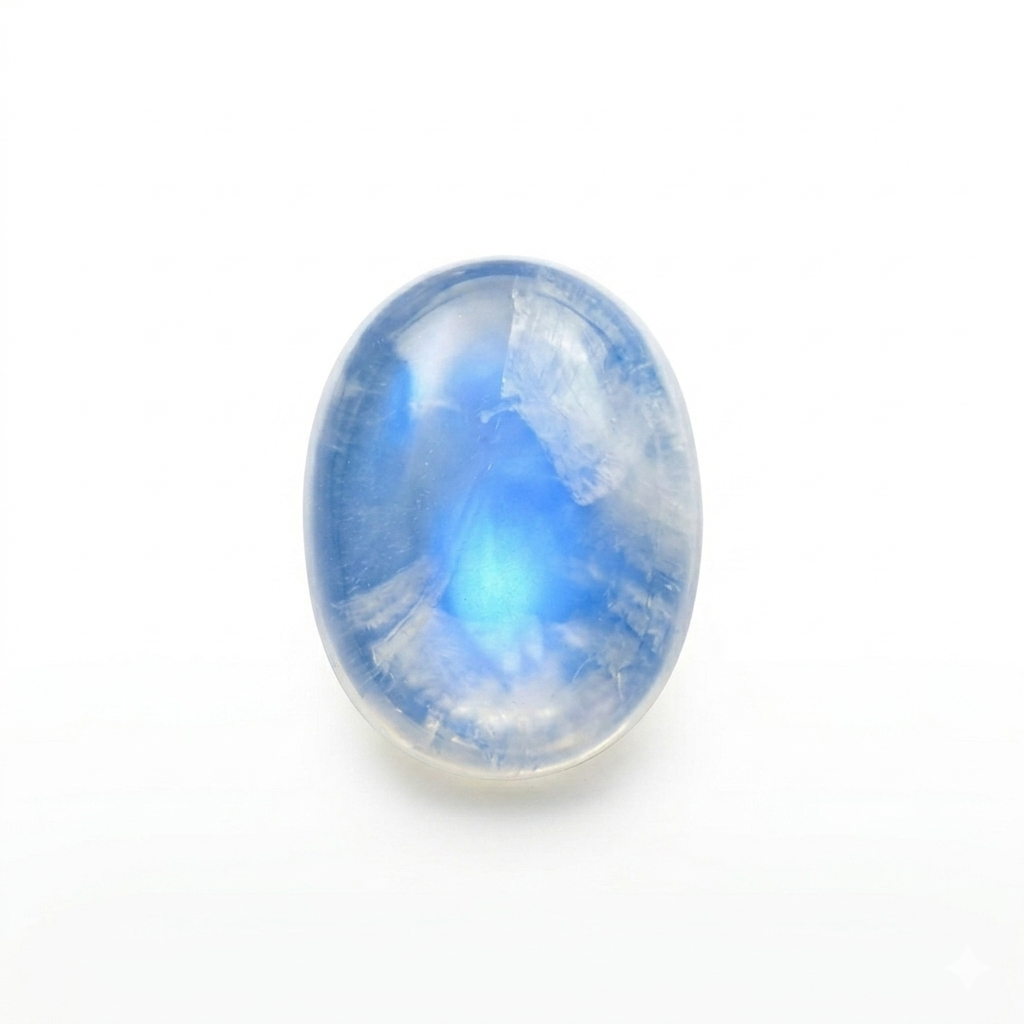 Moonstone
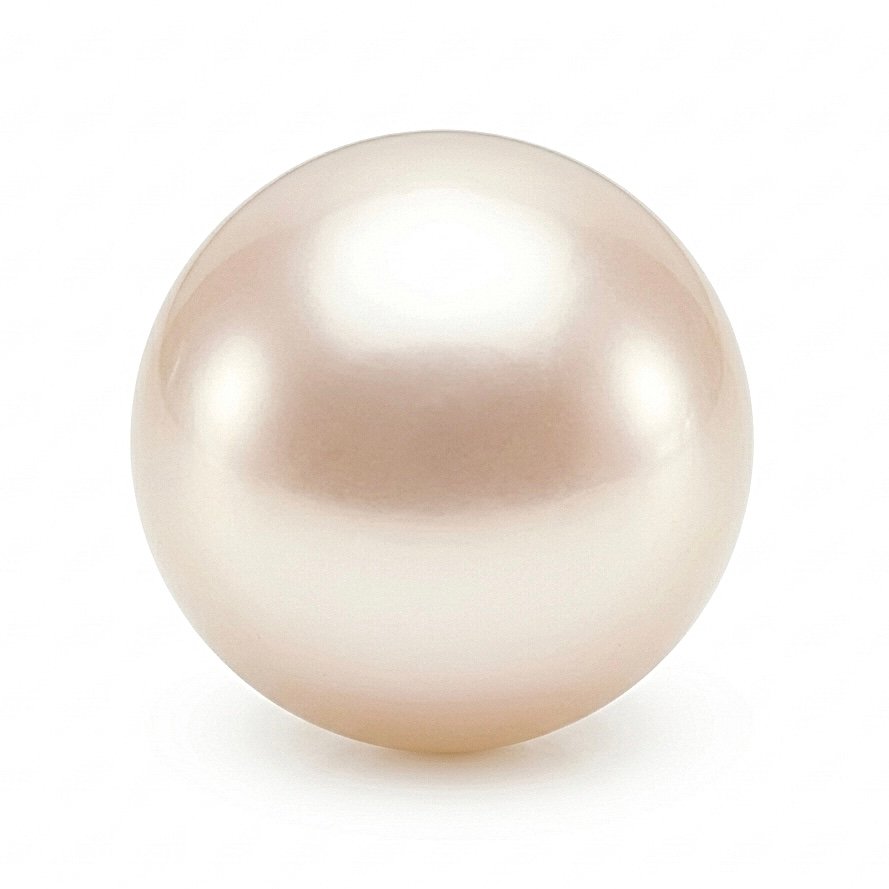 Natural South Sea Pearl
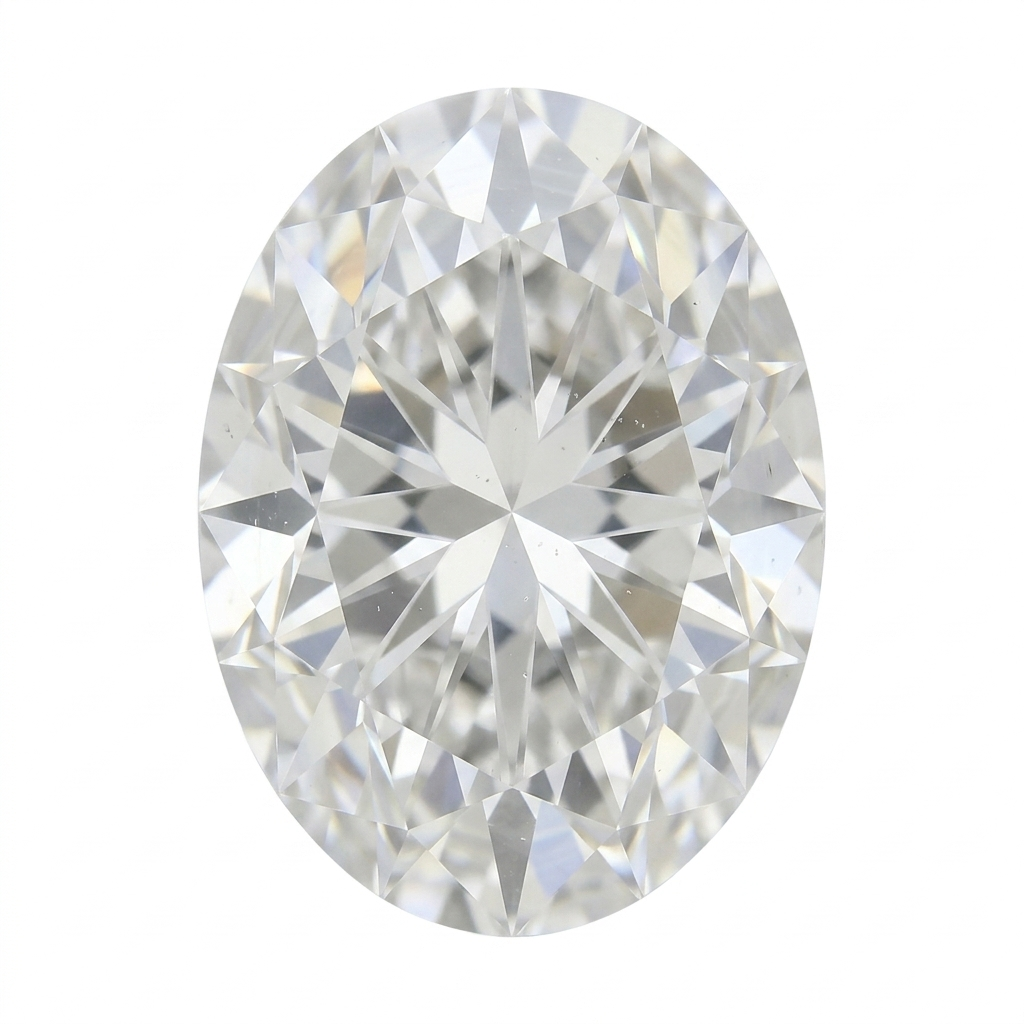 Natural Zircon
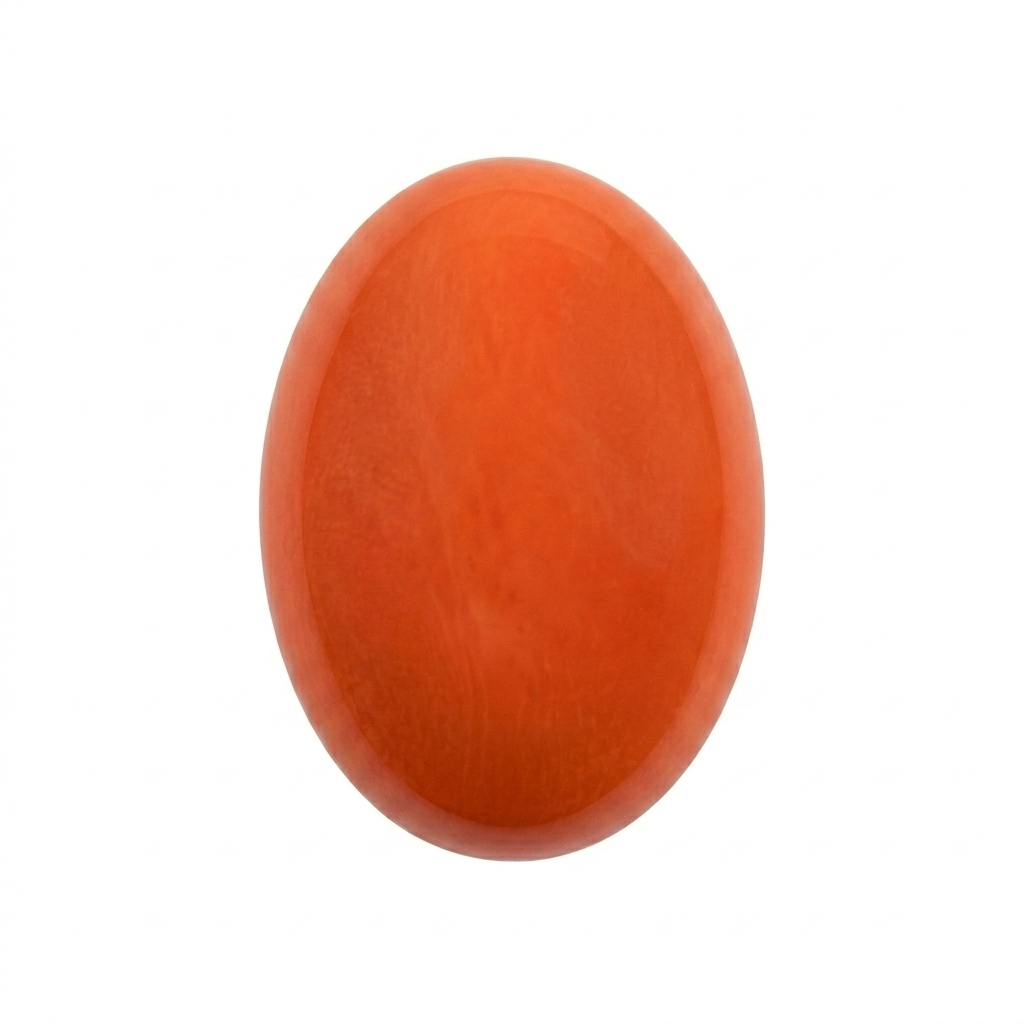 Orange Coral (मूंगा)
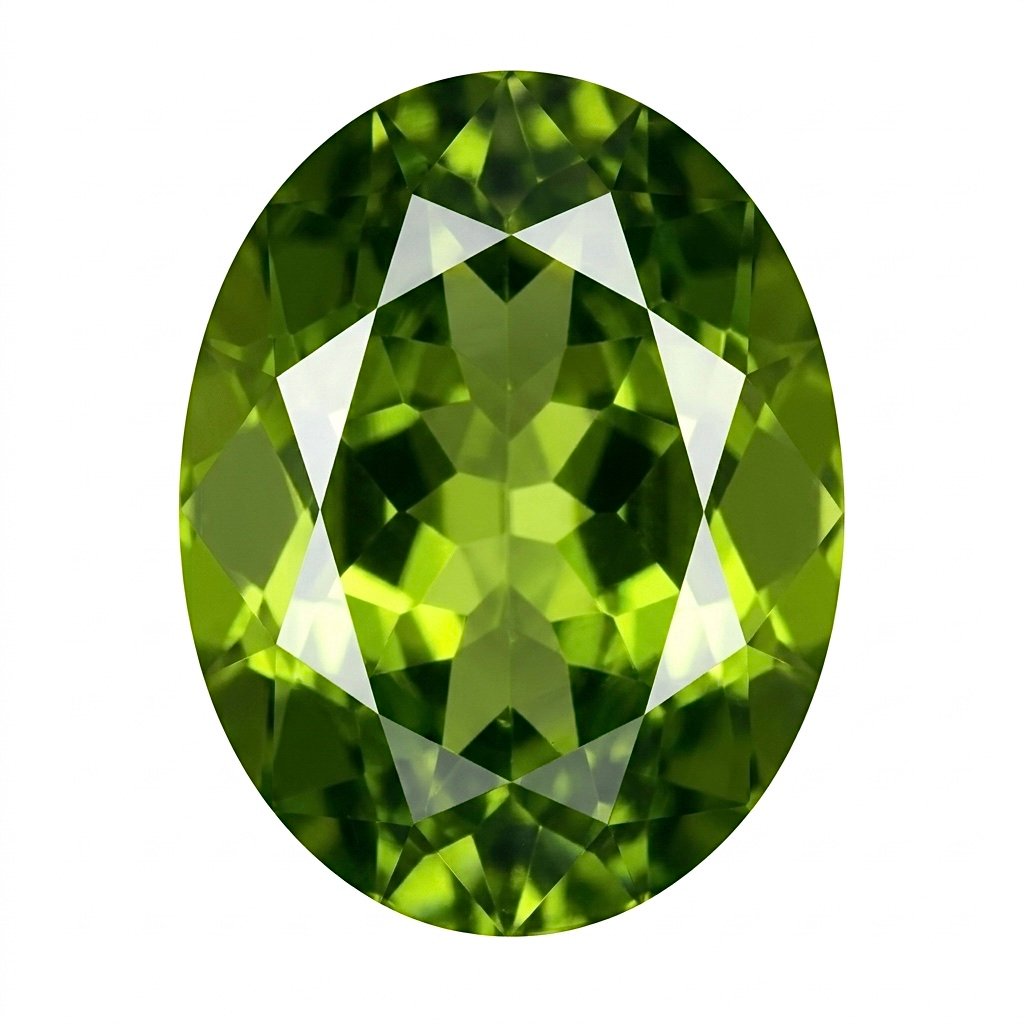 Peridot
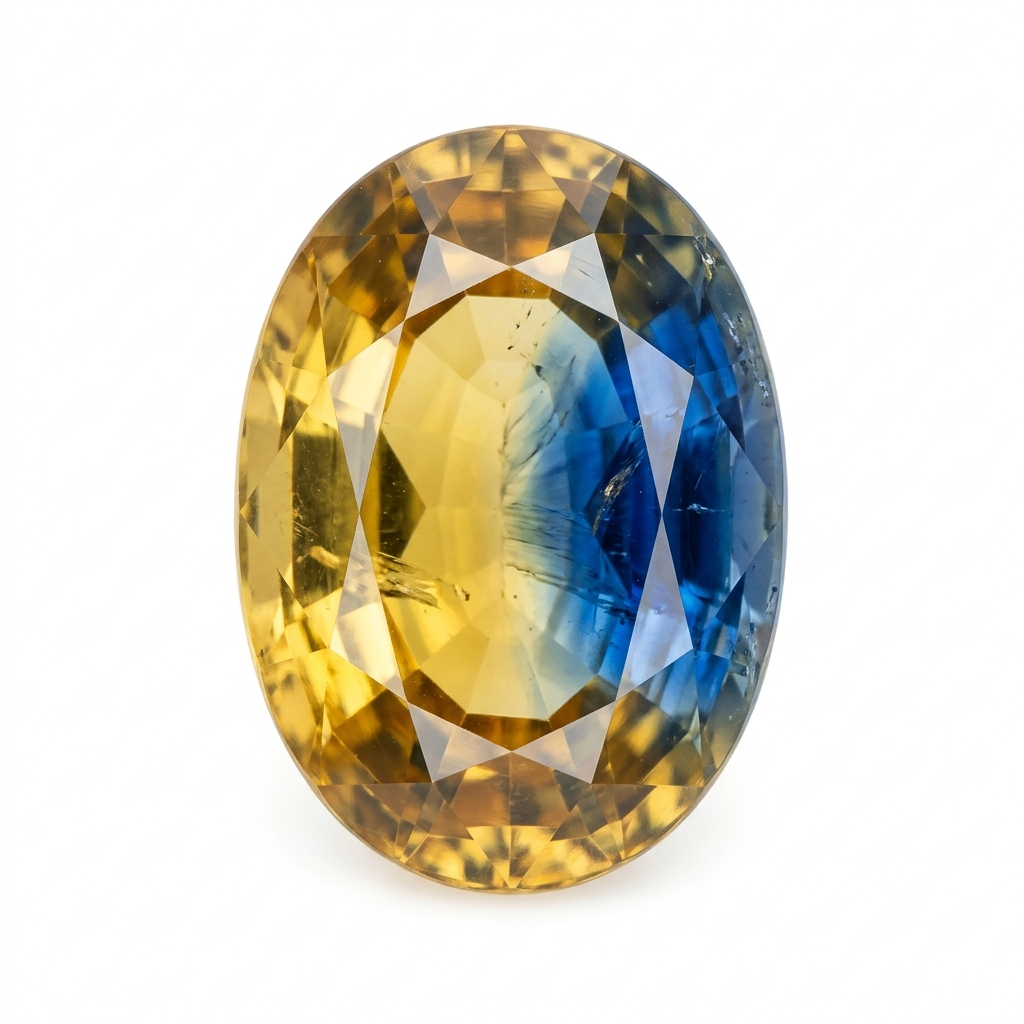 Pitambari
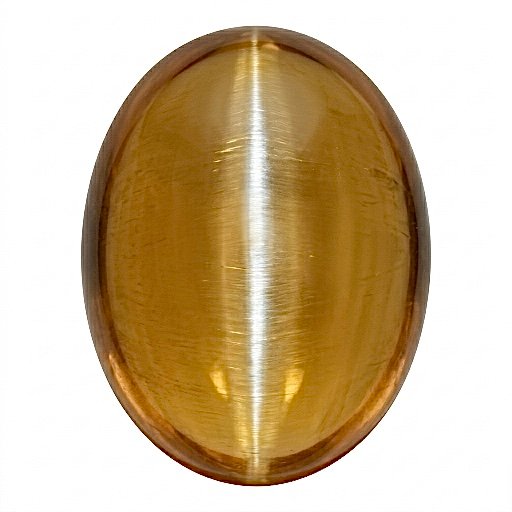 Quartz Catseye
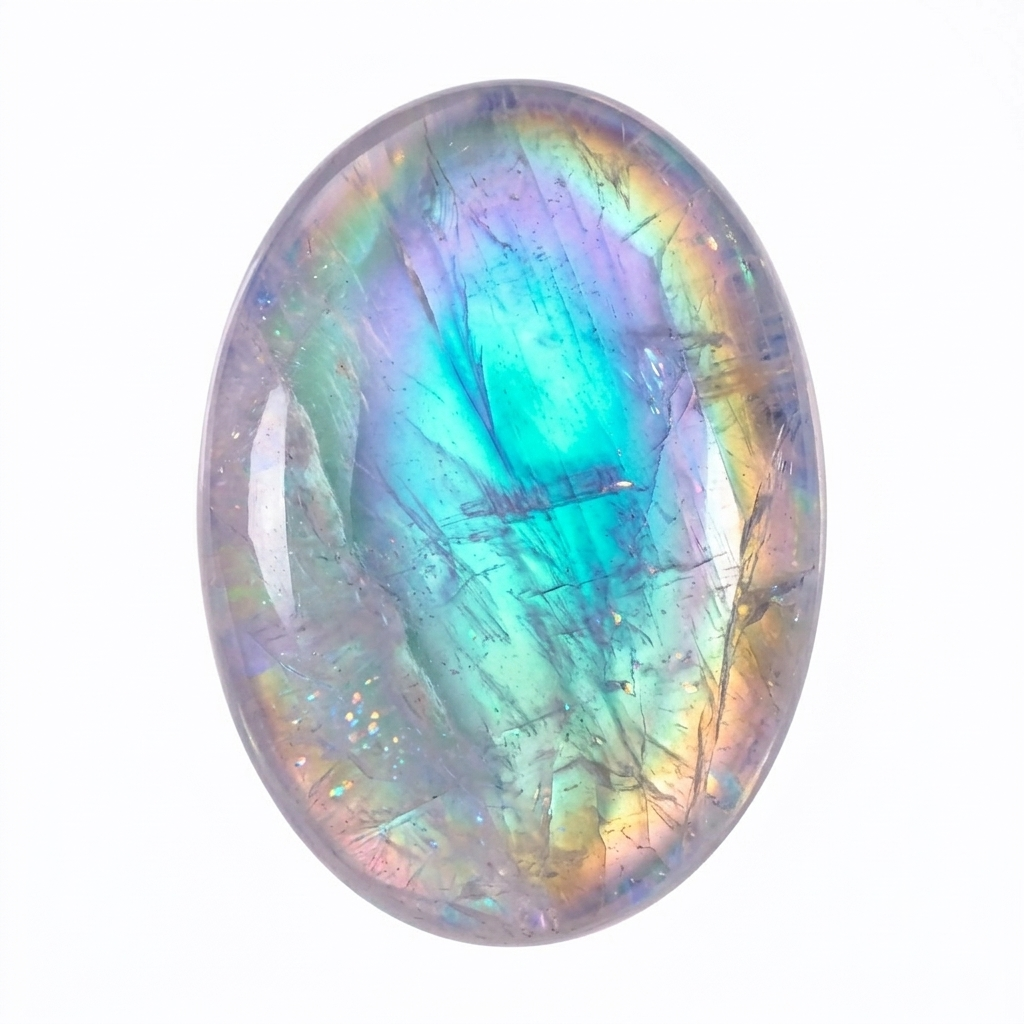 Rainbow Moonstone
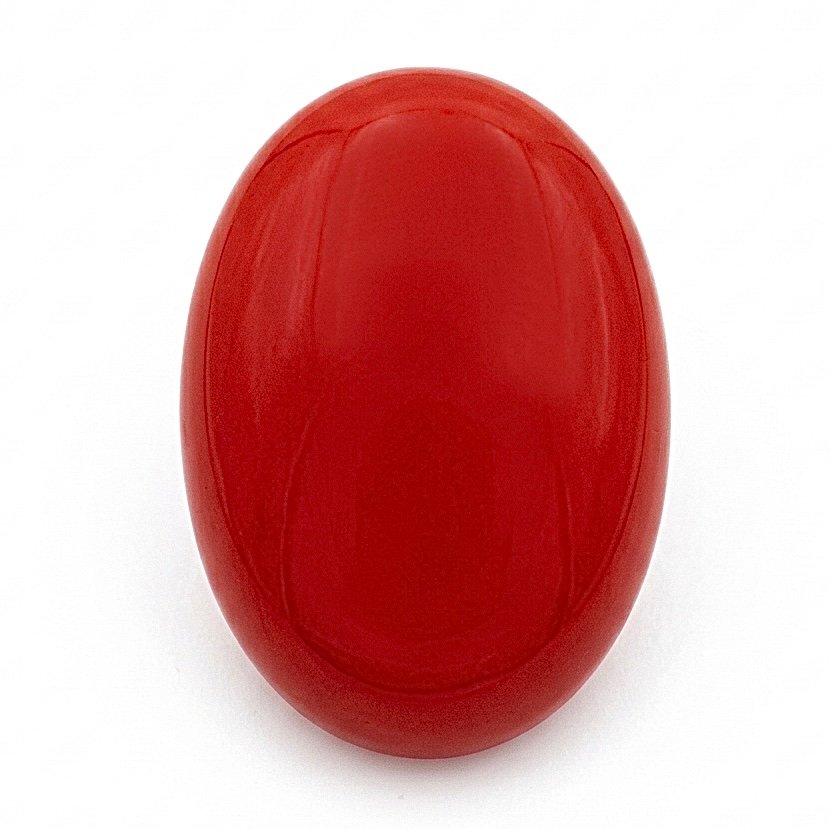 Red Coral (मूंगा)
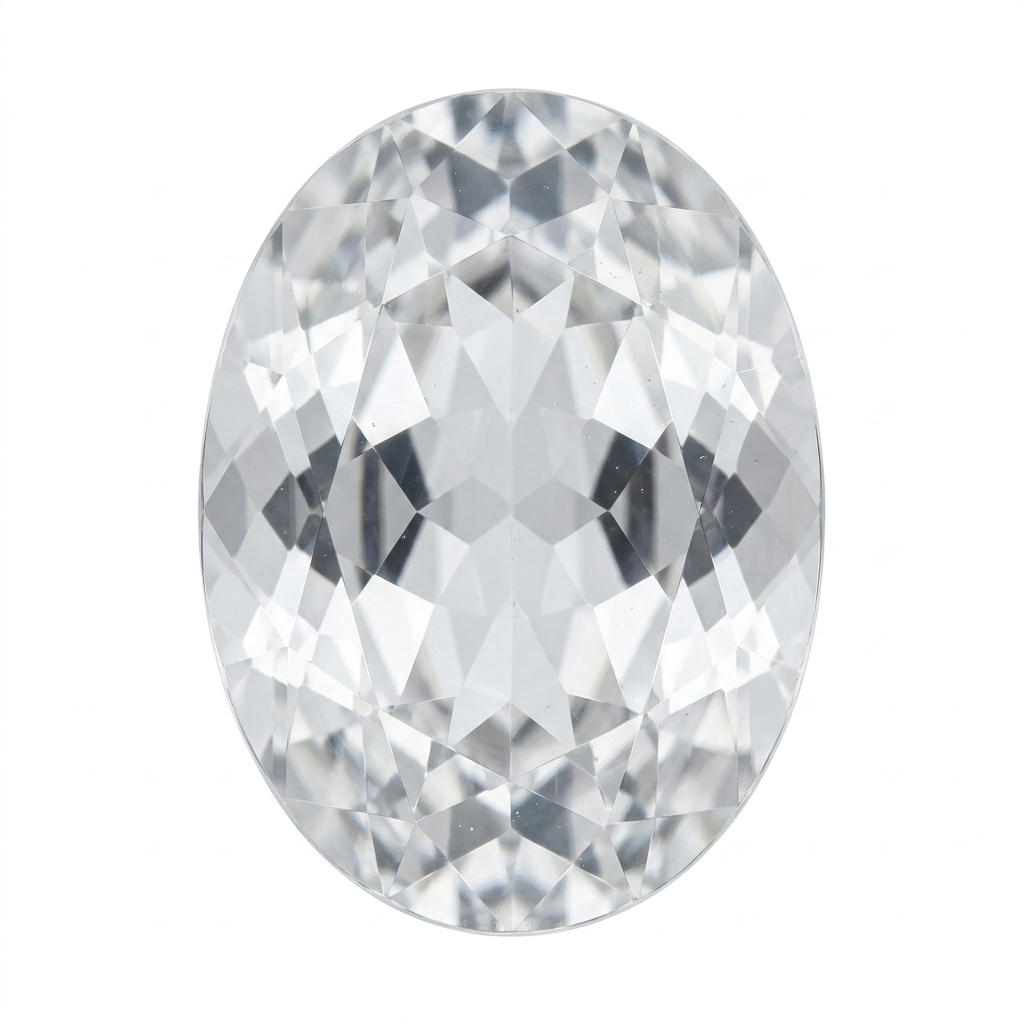 WHITE TOPAZ
 15 JAN

The gemstone market in India has a trust problem. Walk into any lane of Karol Bagh or Jaipur's Johari Bazaar, and you'll find vendors selling glass stones with official-looking certification labels. Move online, and the problem gets significantly worse.
Which is why knowing how to buy gemstones online safely is no longer optional — it's the difference between wearing something that actually works astrologically and paying ₹20,000 for heated glass with a stamp on it. This guide covers everything you need to verify before clicking 'add to cart.' No filler. Just what buyers actually need to know.
Five years ago, buying a certified ruby or a natural blue sapphire online would have felt like a leap of faith. Today, it's the preferred route for many serious buyers — and for legitimate reasons.
Established gemstone sellers now list IGI-GTL and GIA lab reports directly on their product pages. You can compare quality across multiple sellers in under 30 minutes — something that would take days across Delhi's physical markets. Prices are visible, return policies have improved, and WhatsApp consultations with in-house gemologists have made the remote buying experience far more personal than it used to be.
That said, the same convenience that makes buying gemstones online easier also attracts sellers who cut corners. Synthetic stones, heated rubies sold as unheated, and low-grade material passed off as premium — all of it circulates freely on platforms where certification is self-declared and accountability is absent.
Before any purchase, work through five core checks: certification source, treatment status, seller credibility, price benchmarking, and return policy.
Here is the one thing most buyers skip — not all labs issuing gemstone certificates are credible. Some operate out of small offices and issue reports for a nominal fee without proper spectrometer or UV testing. The labs that matter are GIA, IGI, IGI-GTL, GJEPC, and GII. If a certificate isn't from one of these, it's a flag — not automatically fraud, but one that warrants more questions.
Authentic natural gemstones have inclusions — small internal characteristics that form during the stone's growth inside the earth. A stone that looks perfectly flawless under 10x magnification without a GIA or IGI report to back it up is almost certainly synthetic, treated, or glass.
When you order gemstones online, always ask the seller for:
A high-resolution photo under magnification showing natural inclusions
A video of the stone in both natural daylight and LED light — colour behaviour differs between the two
The original lab certificate number, which you can independently verify on the lab's website
For GIA-certified stones, go to gia.edu/report-check. IGI has an equivalent portal. A genuine seller shares this without any hesitation. If there's resistance, that tells you what you need to know.
Certification is not paperwork. It is the only independent verification that the stone you're buying is what the seller claims it to be.
When you buy certified gemstones online, you're paying for a qualified gemologist's formal assessment of origin, treatment status, colour grade, clarity, and carat weight. That report protects you legally and gives you the information needed to confirm astrological suitability.
For buyers seeking gemstones for Vedic astrology, treatment status matters most. A gemstone that has been heated loses its natural energetic structure — which is why unheated and untreated status is so important. An IGI-GTL certificate explicitly states whether heat treatment, fracture filling, or beryllium diffusion has been applied.
How to Identify Original and Natural Gemstones
The most reliable way to identify an original gemstone online before purchase is to cross-reference three things: the lab report, the stone's visual characteristics in product images, and the seller's track record. Some practical visual indicators:
Blue sapphires with perfect colour saturation throughout the stone at budget prices are usually glass or synthetic corundum. Natural blue sapphires show colour zoning — slight variations in how colour distributes inside the stone.
Emeralds without any inclusions (called 'jardin' in the trade) are virtually impossible to find in nature. An eye-clean emerald at an accessible price is almost certainly synthetic.
Rubies above 3 carats without treatment are extraordinarily rare. A 5-carat 'natural ruby' at ₹8,000 is not what it claims to be.
If a stone looks too good for its price, it usually is. The gemstone market rewards quality with price — without exception at the upper end.
Treatments significantly affect a gemstone's value and its astrological effectiveness. The most common treatments used across the industry:
Heat treatment — Used in sapphires and rubies to improve colour and clarity. Extremely common. An unheated certificate commands a 30–50% premium over treated material of identical visual quality.
Fracture filling — Tiny surface cracks filled with resin or glass to improve transparency. Common in lower-grade rubies and emeralds. Also reduces durability.
Beryllium diffusion — A chemical process in sapphires that alters colour deep in the lattice structure. Extremely difficult to detect without proper spectrometric equipment.
Oiling — Common in emeralds. Minor oiling is accepted by the trade; heavy oiling reduces value significantly and must be disclosed.
Before you purchase gemstones online, ask in writing: 'What treatment status does the lab report show?' A professional seller answers this immediately and specifically.
Rough benchmarks for astrological-grade stones in India (2025):
Natural blue sapphire (unheated, Ceylon): ₹4,000 – ₹80,000 per carat
Natural yellow sapphire (unheated, Ceylon): ₹2,500 – ₹60,000 per carat
Natural emerald (Zambian, minor oil): ₹3,000 – ₹40,000 per carat
Natural ruby (unheated, Burmese): ₹25,000 – ₹2,50,000 per carat
If a price sits more than 40% below the lower end of a category benchmark, ask why before buying. Genuine unheated stones in good colour and clarity do not sell below market on legitimate platforms.
Trust signals that separate genuine sellers from those who merely look genuine:
A physical store address verifiable on Google Maps — not just a city name
A landline or business number that connects to a real person when called
Reviews that describe specific stones, specific interactions, and specific timelines
A clear return policy — not buried in fine print, not 'no returns on gemstones'
Lab certificate details visible on the product listing itself
Sellers who have been in the gemstone business for decades — some dating back to the 1970s in markets like Karol Bagh and Lajpat Nagar — carry institutional knowledge that shows in their product descriptions. They write about origin, mine provenance, colour grade, and treatment status.
For any credible gemstone listing, product images should show:
The stone against a white background in natural daylight
A 10x magnified close-up showing inclusions or internal features
A video of the stone rotating — this reveals how light interacts with it honestly
Videos are significantly harder to manipulate than photos. A synthetic stone under studio lighting can look identical to a natural one in a still image.
Many buyers get burned here. They buy gemstones online, receive something that doesn't match what was shown, and then find a 'no returns on gemstones' clause buried in the terms. Before you buy, confirm in writing:
Return window — 7 days minimum; 15 days is reasonable for natural stones
Whether the certificate must be returned intact with the stone
Whether the refund goes back to your original payment method or only as store credit
A seller confident in their product quality has no reason to refuse returns. This one policy tells you more about a seller than any amount of marketing language.
Trusting price alone — Good stones can be found at accessible prices, but savings must always be backed by a proper lab report, not seller assurances.
Ignoring treatment status — Many buyers focus on carat weight and skip whether the stone is heated. For astrological use, treatment status is the most important specification.
Not verifying the certificate number — Report numbers can be duplicated. Always verify on the lab's own website before purchasing.
Buying through social media DMs — No reputable gemstone seller operates solely through Instagram messages with no website or traceable business address.
Assuming higher price means better quality — Overpricing is common. Always cross-check across multiple sellers.
☑ Seller's physical address is verifiable on Google Maps
☑ Lab certificate (GIA / IGI / IGI-GTL / GII) is shown on the product listing
☑ Certificate number has been independently verified on the lab's website
☑ Treatment status is explicitly confirmed on the lab report
☑ Carat weight matches between the listing and the lab report
☑ Price is within normal market range for this grade and origin
☑ Reviews are specific, detailed, and credible — not generic
☑ Return policy is confirmed in writing before payment
A. Yes, provided you buy from sellers with certifications from GIA, IGI, or IGI-GTL, a verifiable physical store address, and a clear return policy. Avoid marketplace listings that carry no certification details or no treatment status information.
A. For astrological gemstones, IGI-GTL (Indian Gemological Institute – Gem Testing Laboratory) and GIA are the most trusted. GII and IIGJ are also credible for domestic purchases.
A. This depends entirely on the seller's policy. Always confirm the return window before purchase. Reputable sellers generally allow 7–15 days if the stone is in original condition with its certificate.
A. The lab report will state treatment status clearly. For IGI-GTL certified stones, look for 'No indications of heating' or 'Unheated, Untreated' to confirm the stone is in its natural state.
A. In Vedic astrology, the general guideline is 1 carat per 10 kg of body weight. Always consult a certified astro-gemologist for a personalised recommendation based on your birth chart.
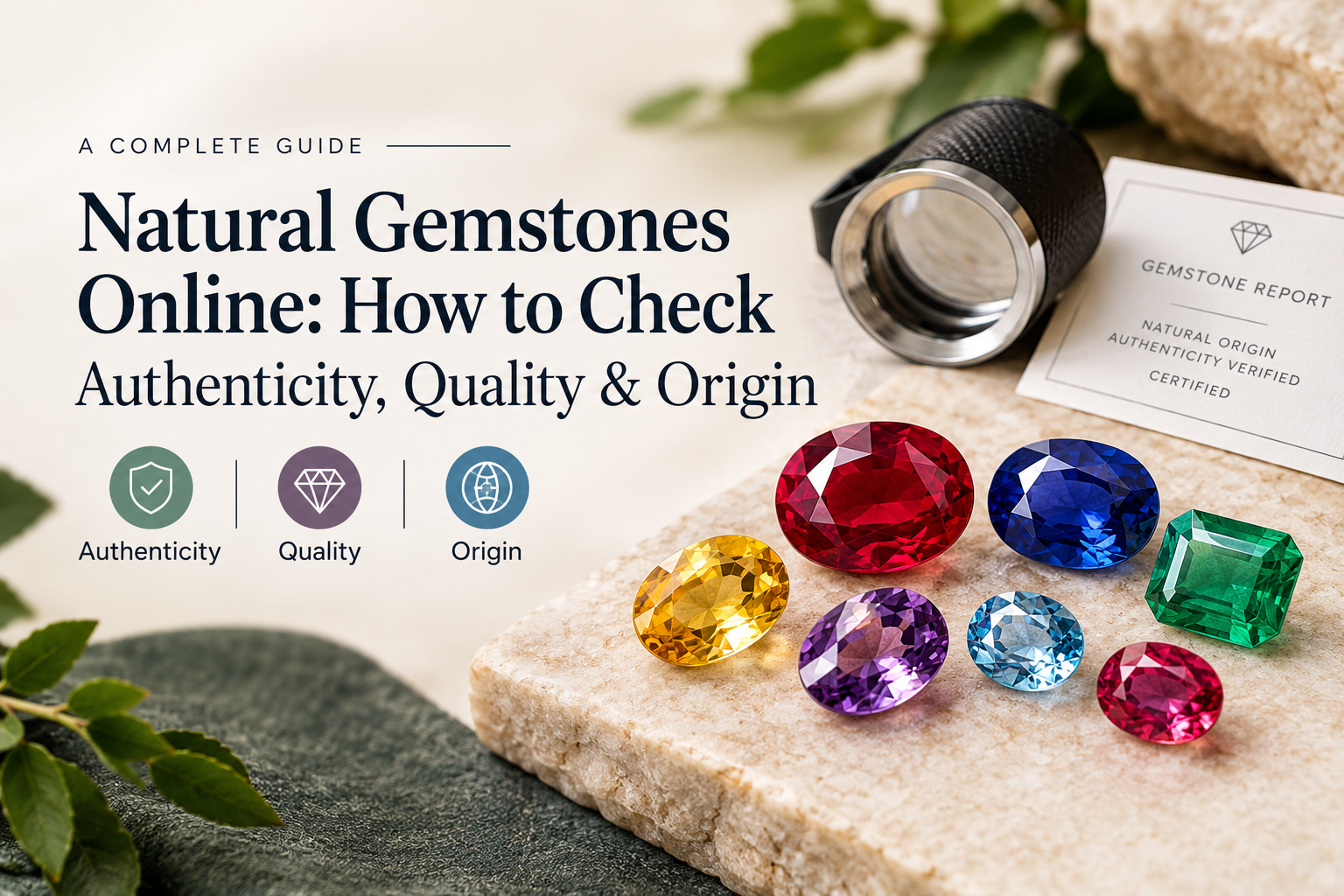
Natural Gemstones Online: How to Check Authenticity, Quality & Origin
How to Buy Certified Gemstones Online: Complete Guide to Certification
Certified Gemstones Online: Why Certification Matters Before Buying
A Complete Guide to Buying Gemstones Online Safely

Online Gemstone Shop: How to Choose a Trusted Seller

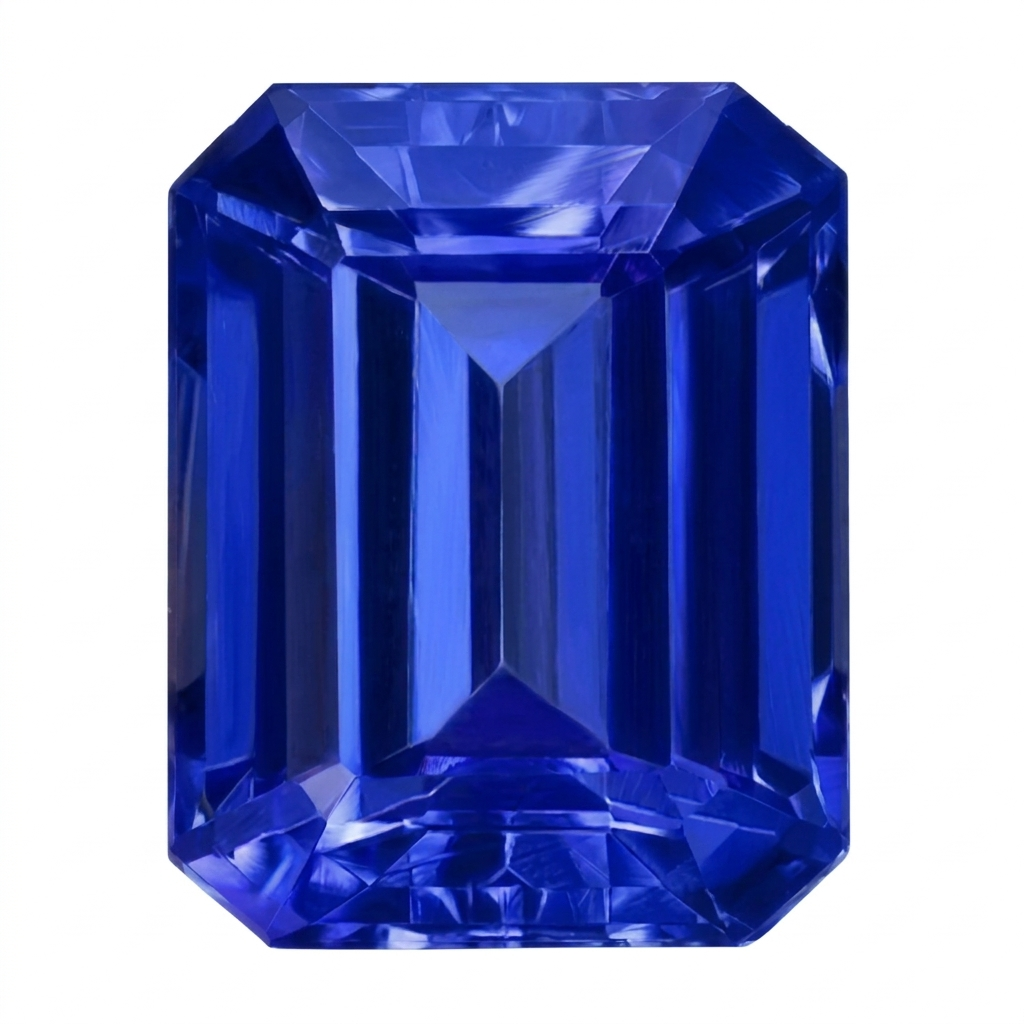 Blue Sapphire
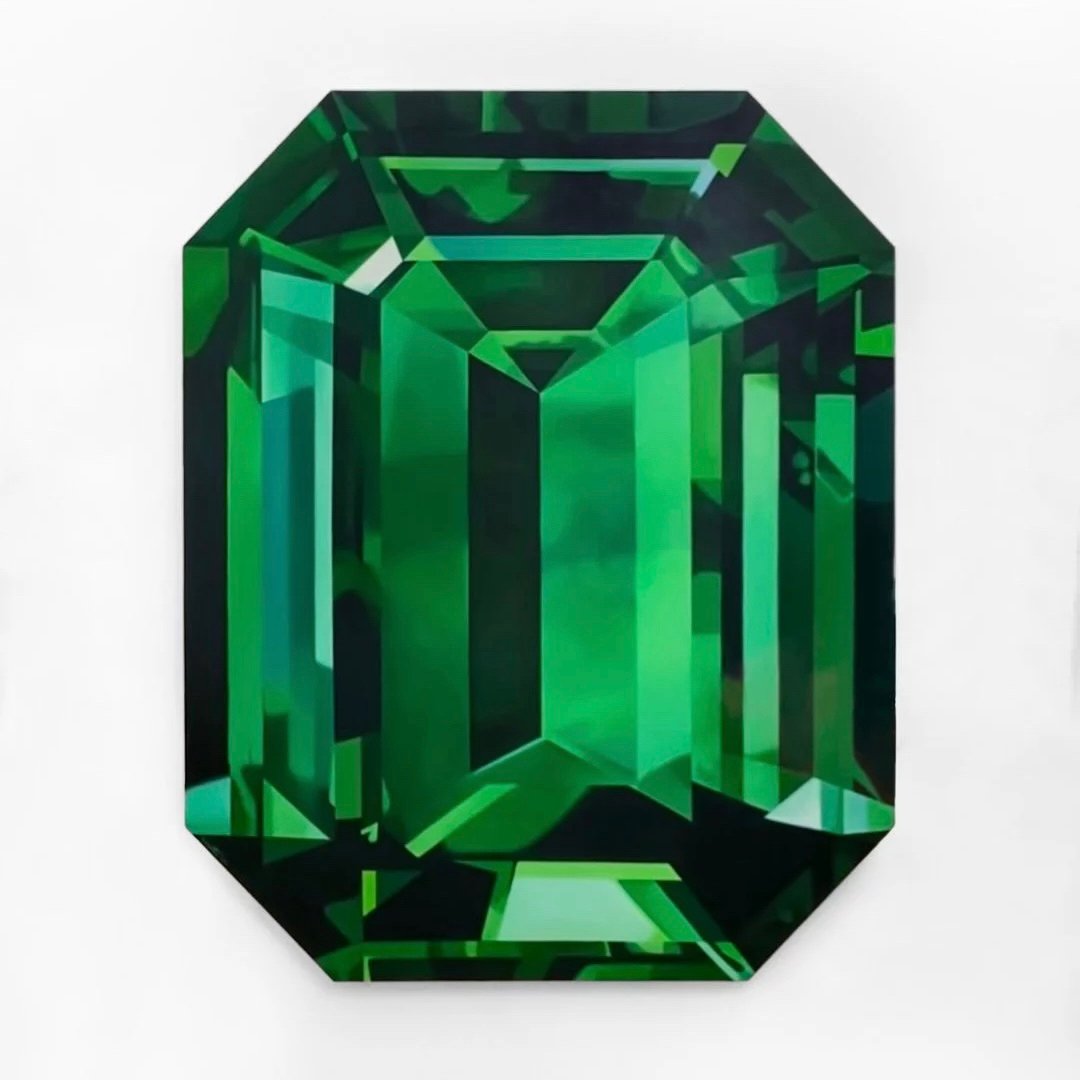 Emerald (PANNA)
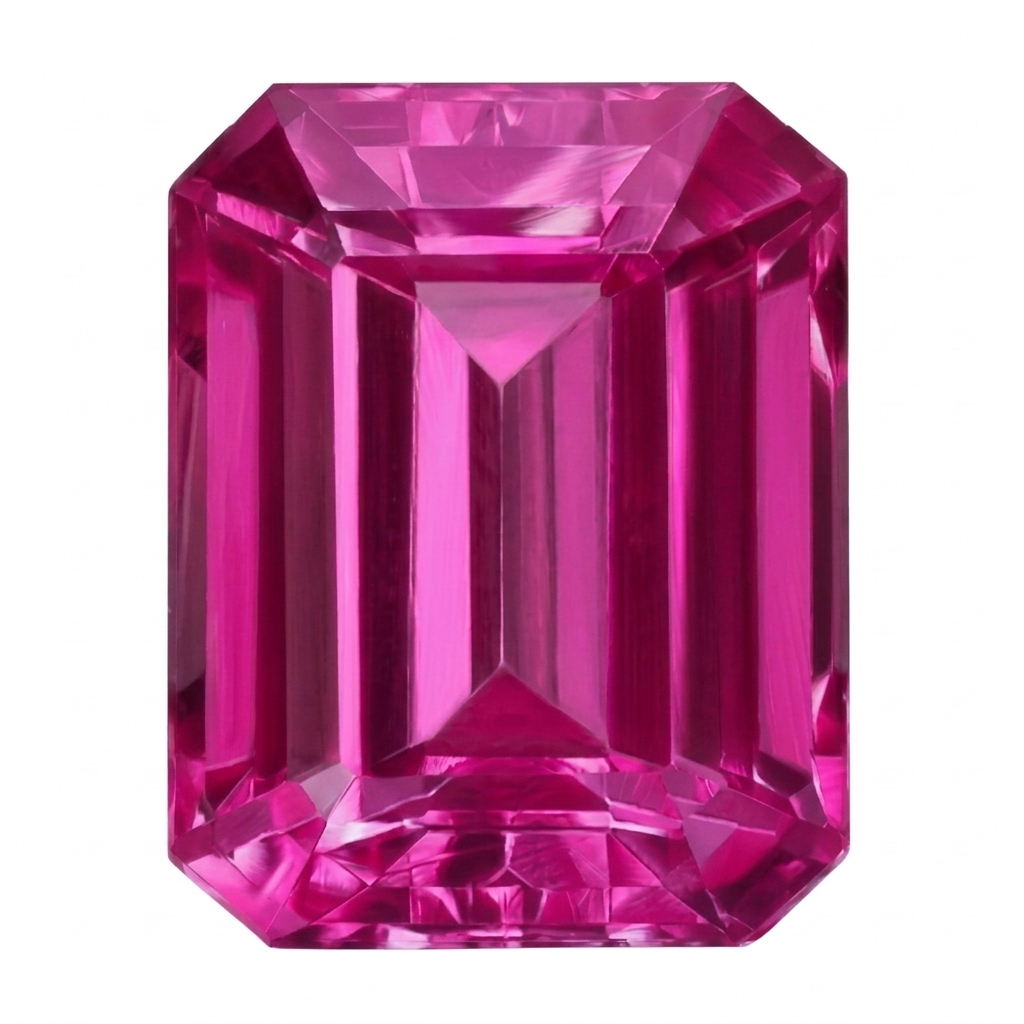 Pink Sapphire
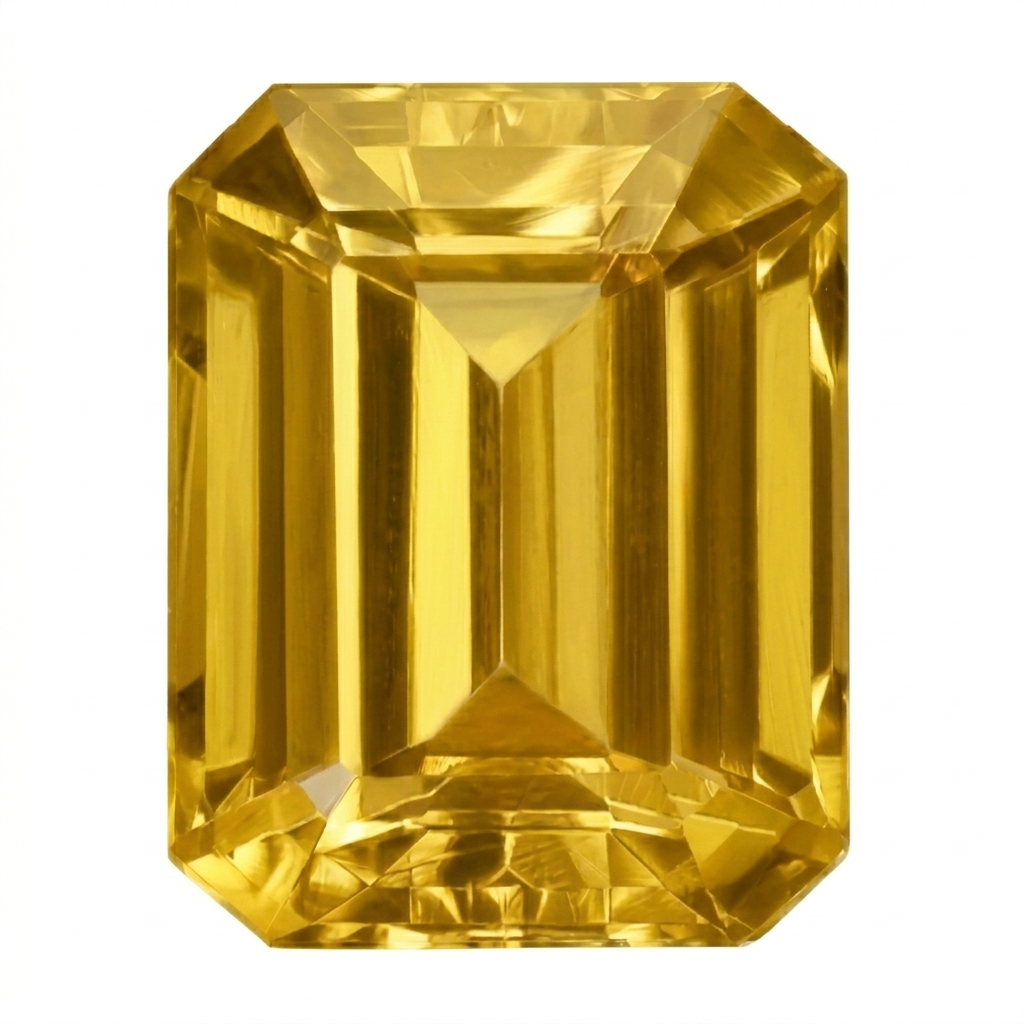 Yellow Sapphire
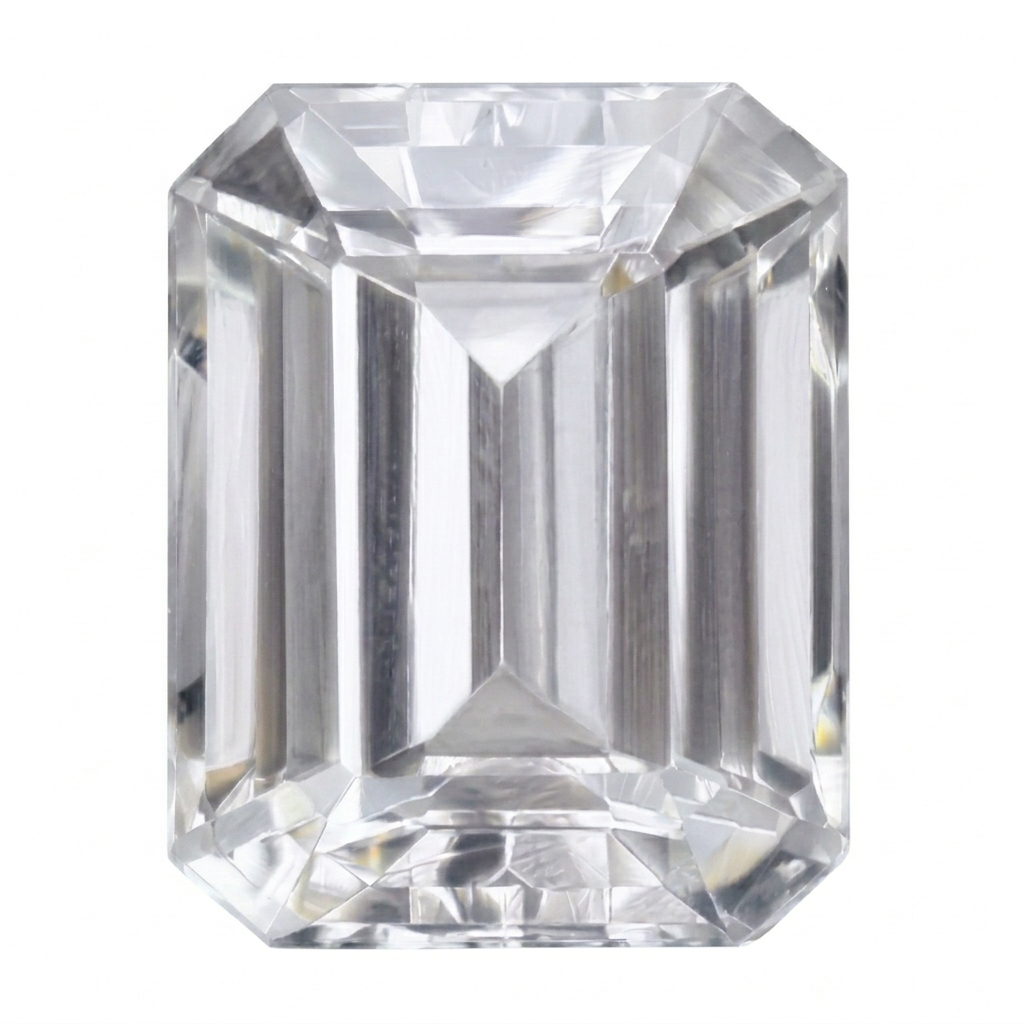 White Sapphire
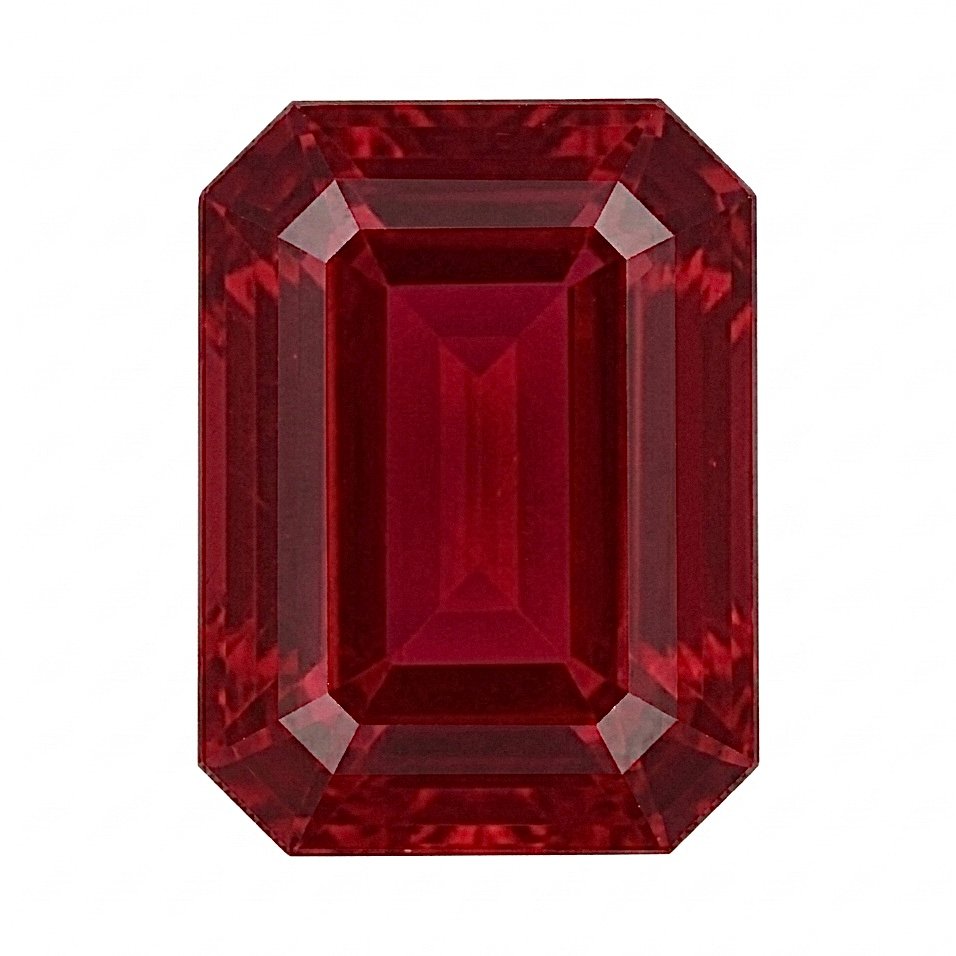 Ruby
 Rudraksha
 Bracelet
