
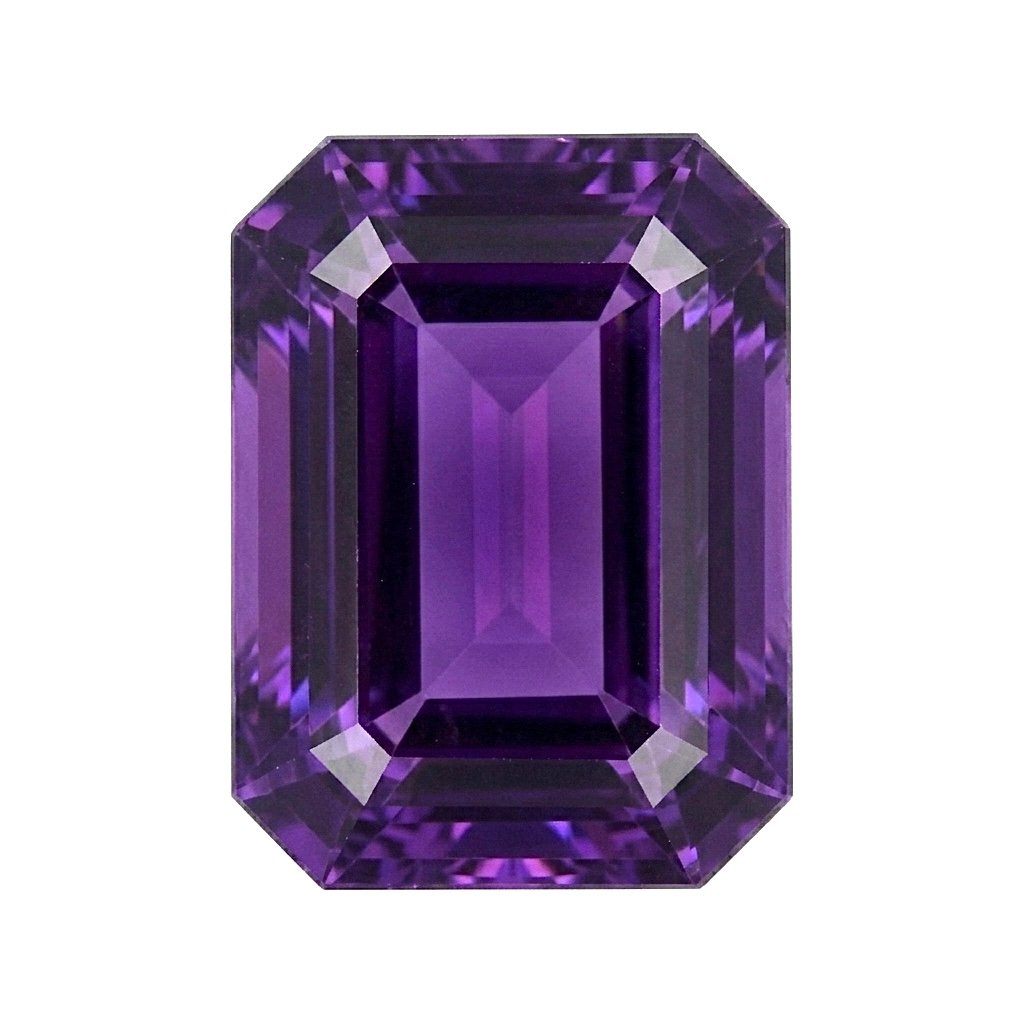
 Amethyst (ऐमेथिस्ट)
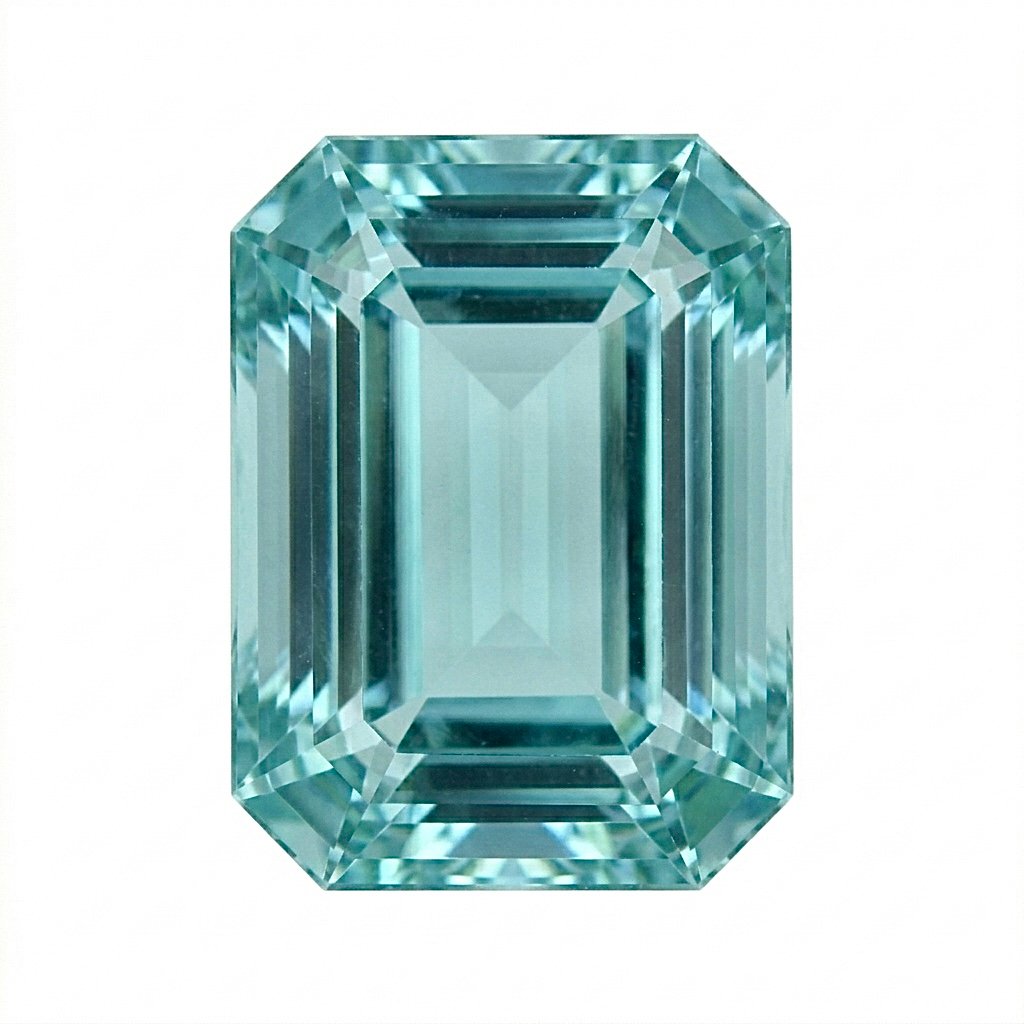 Aquamarine
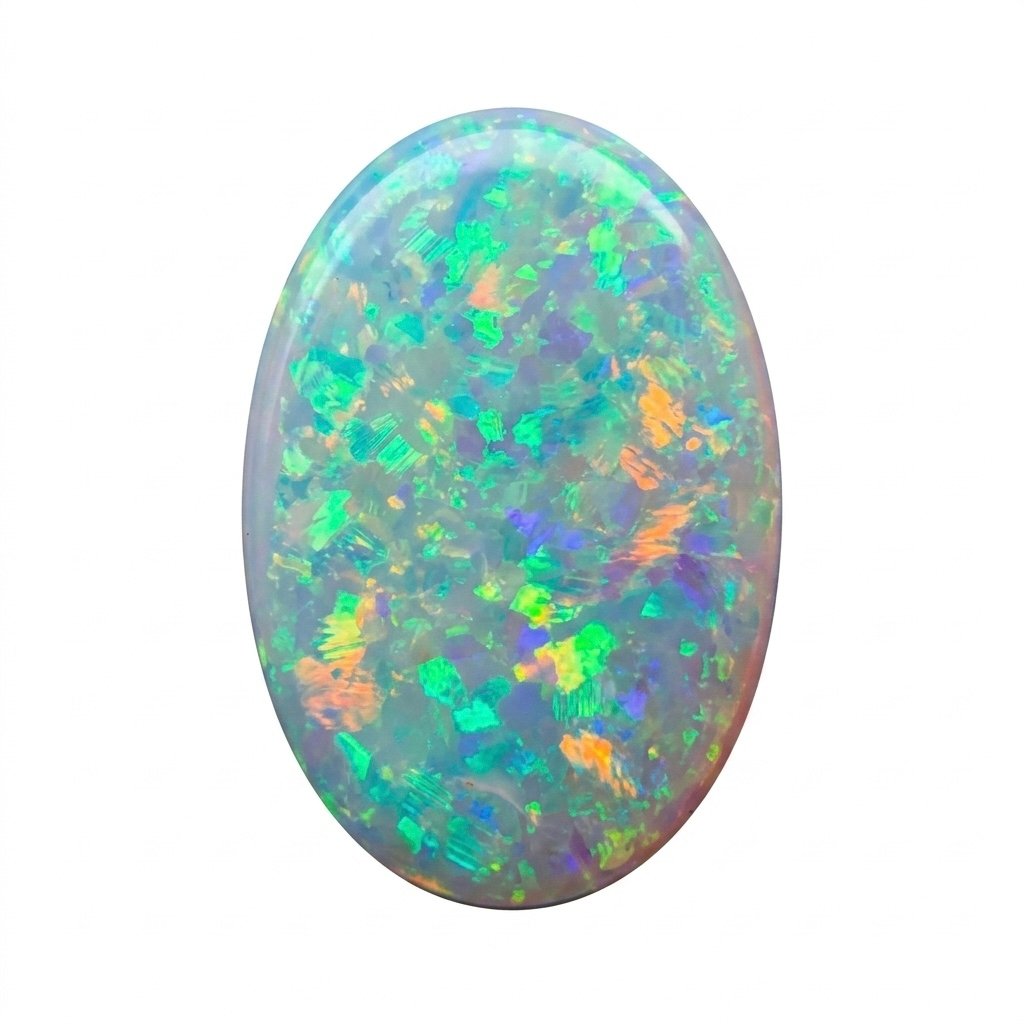 Australian Opal (ओपल)
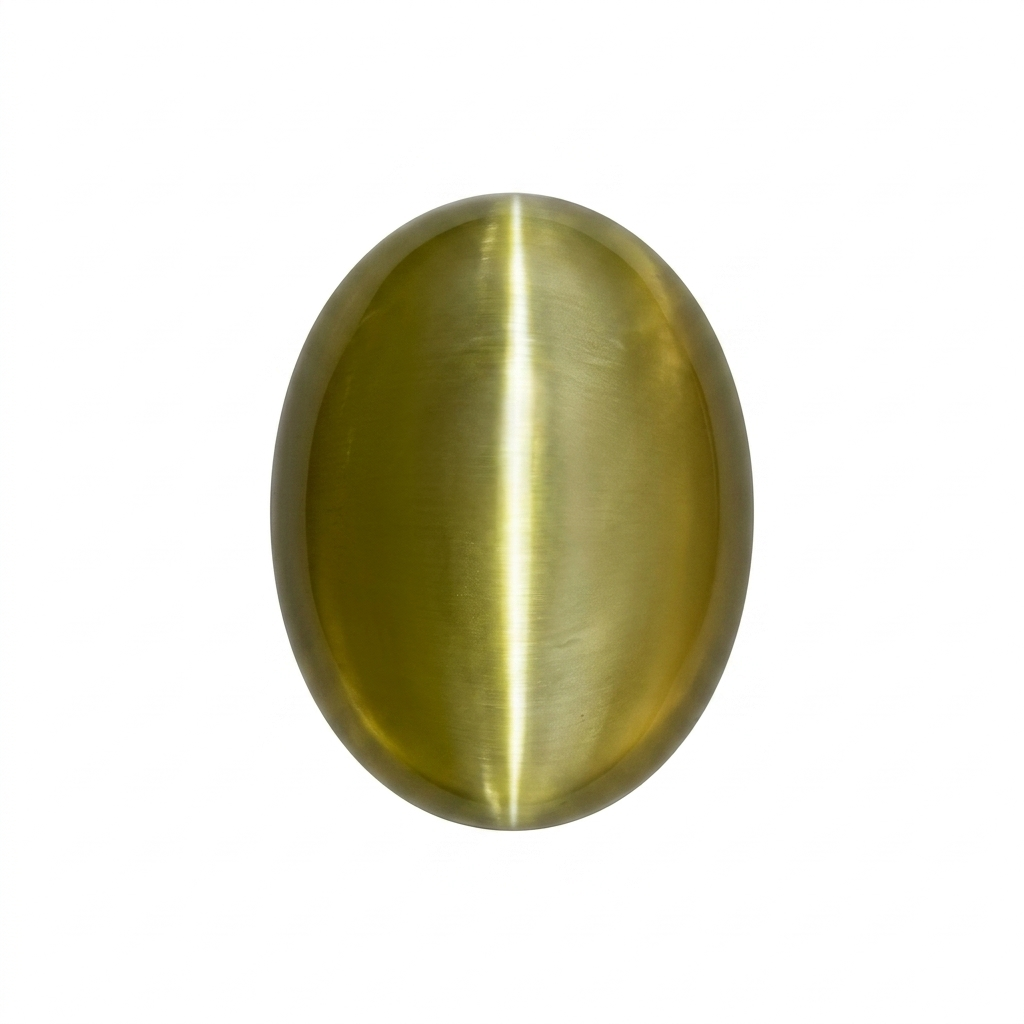 Catseye (लहसुनिया)
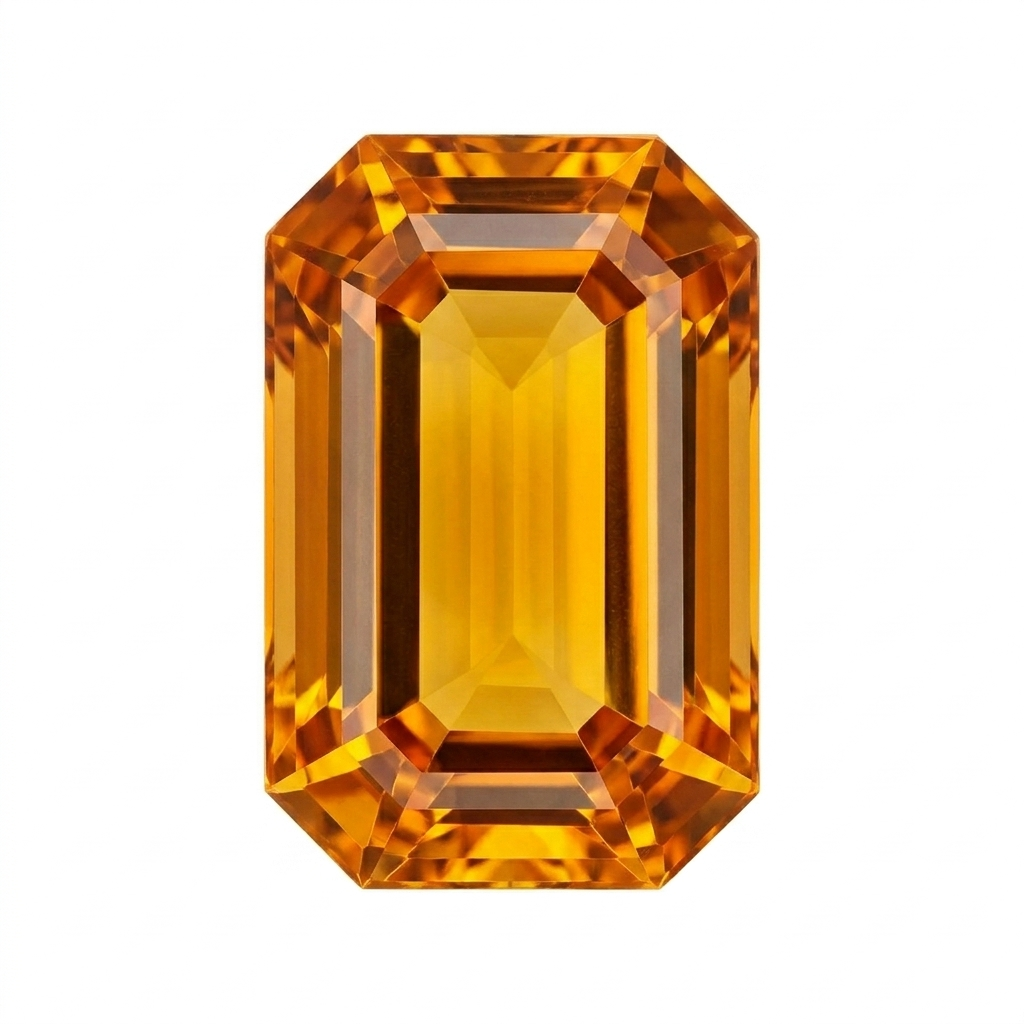 Citrine (सुनेहला)
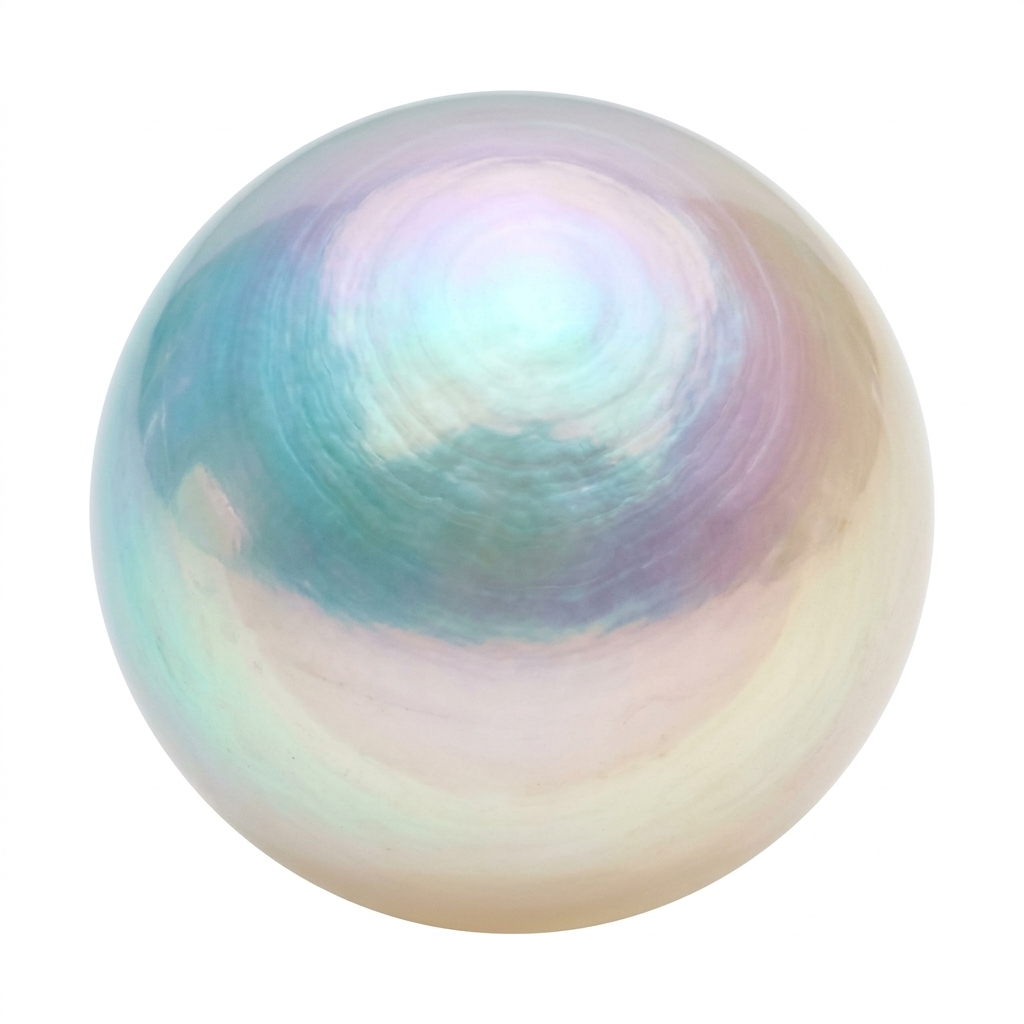 Fresh Water Pearl
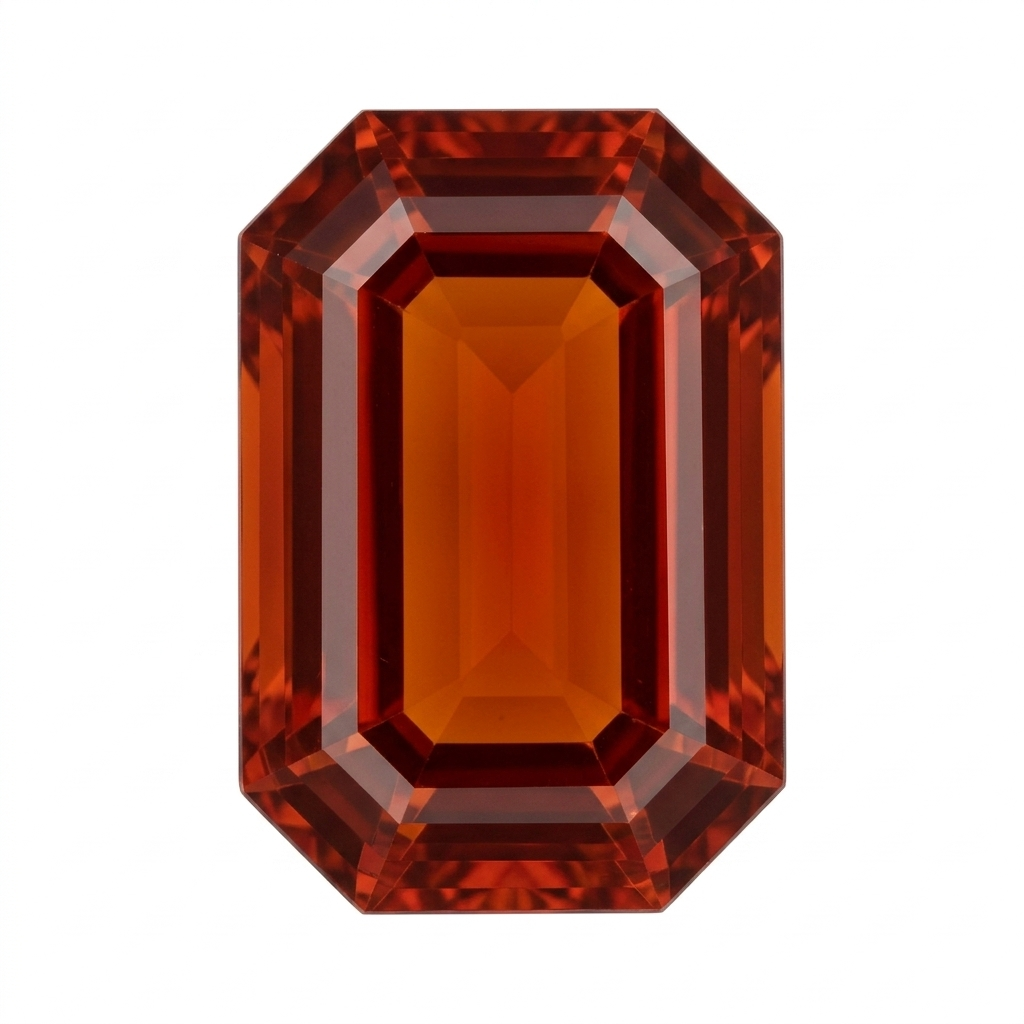 Hessonite (गोमेद)
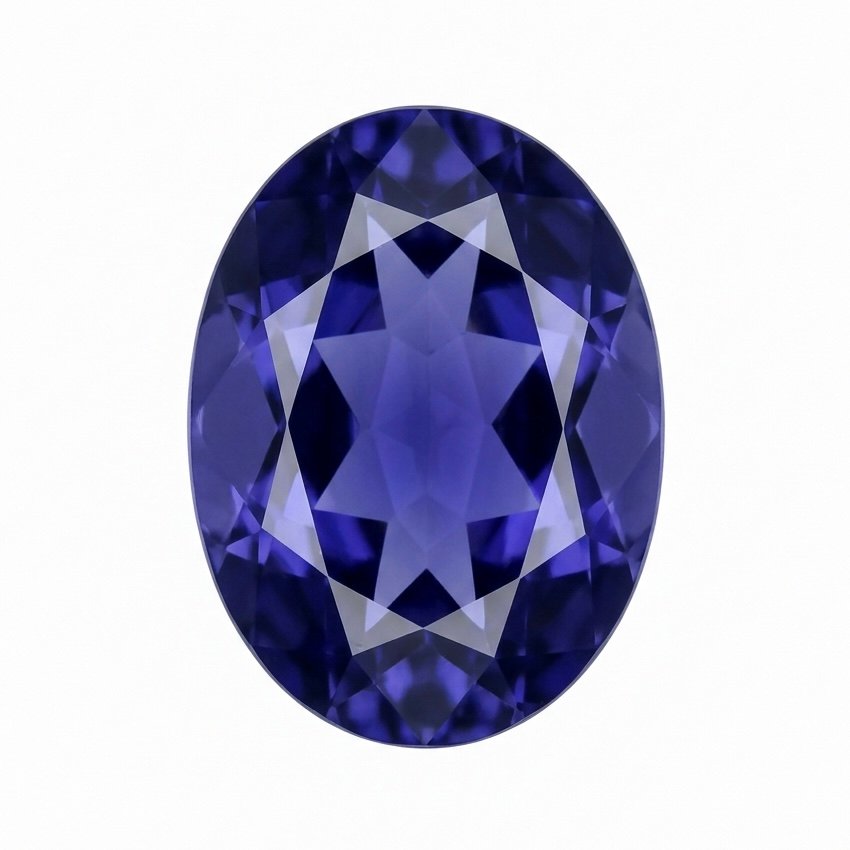 IOLITE (KAKA NILI)
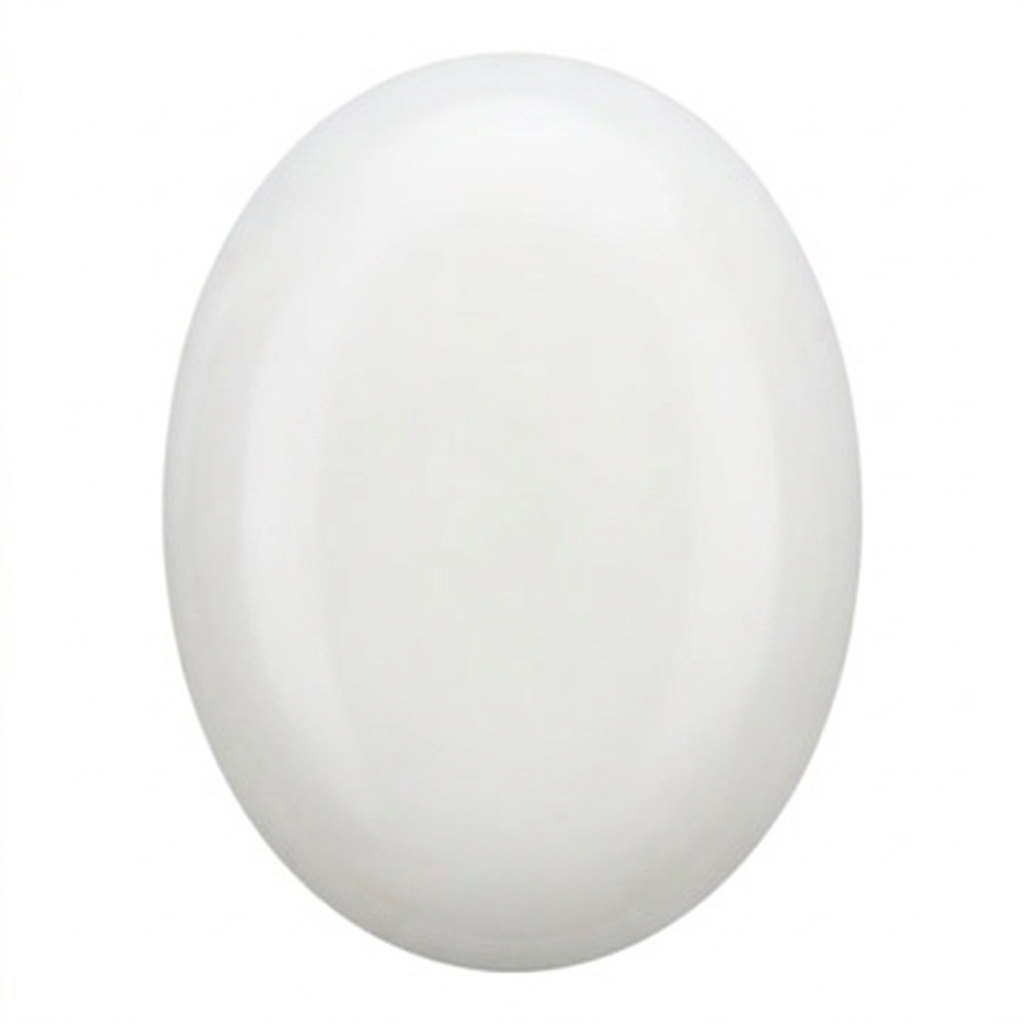 Japanese White Coral (मूंगा)
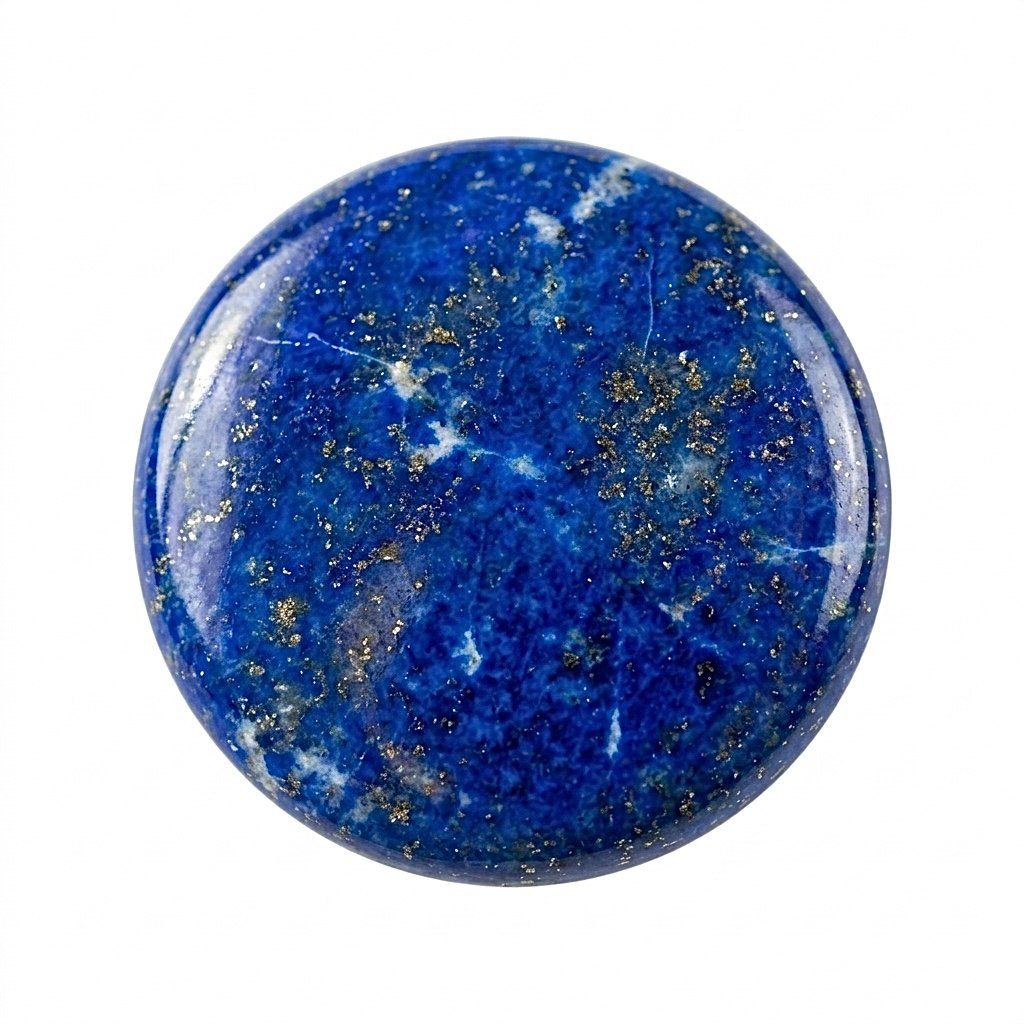 Lapis
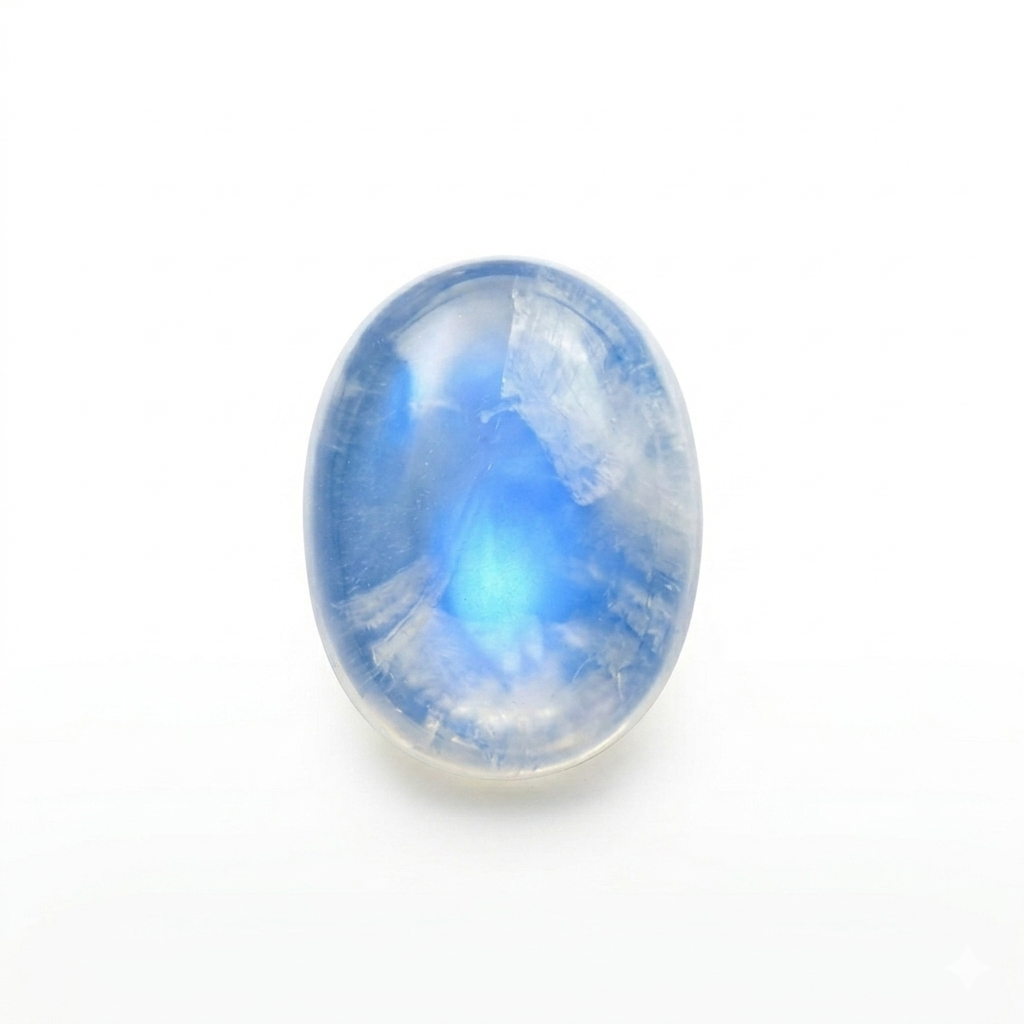 Moonstone
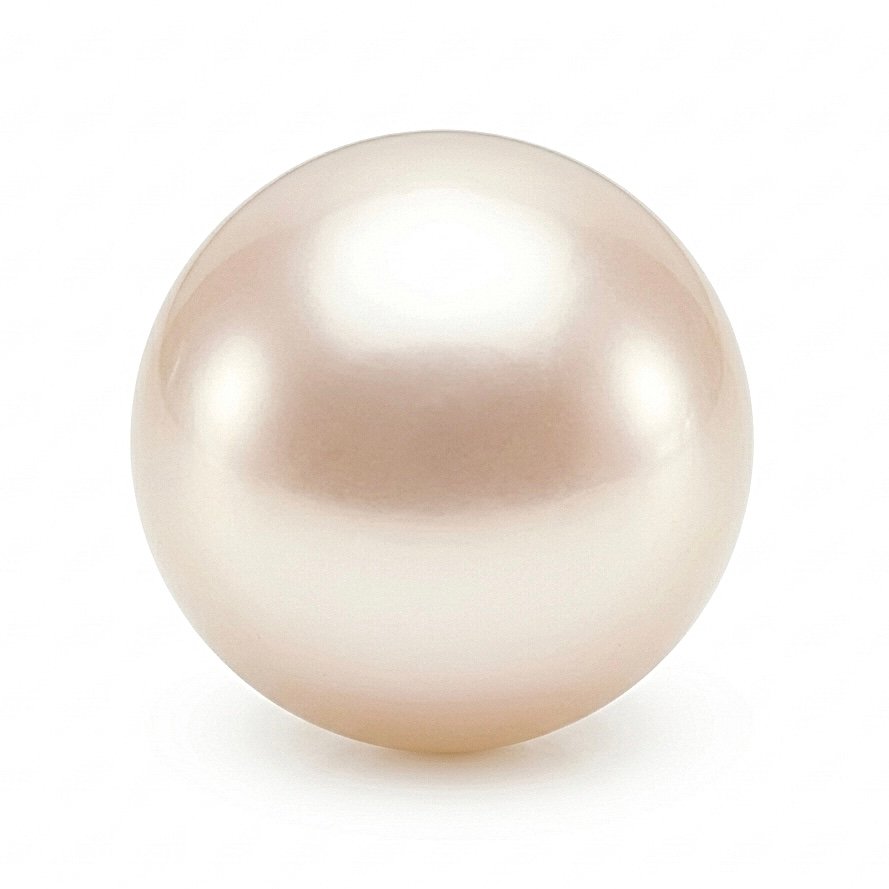 Natural South Sea Pearl
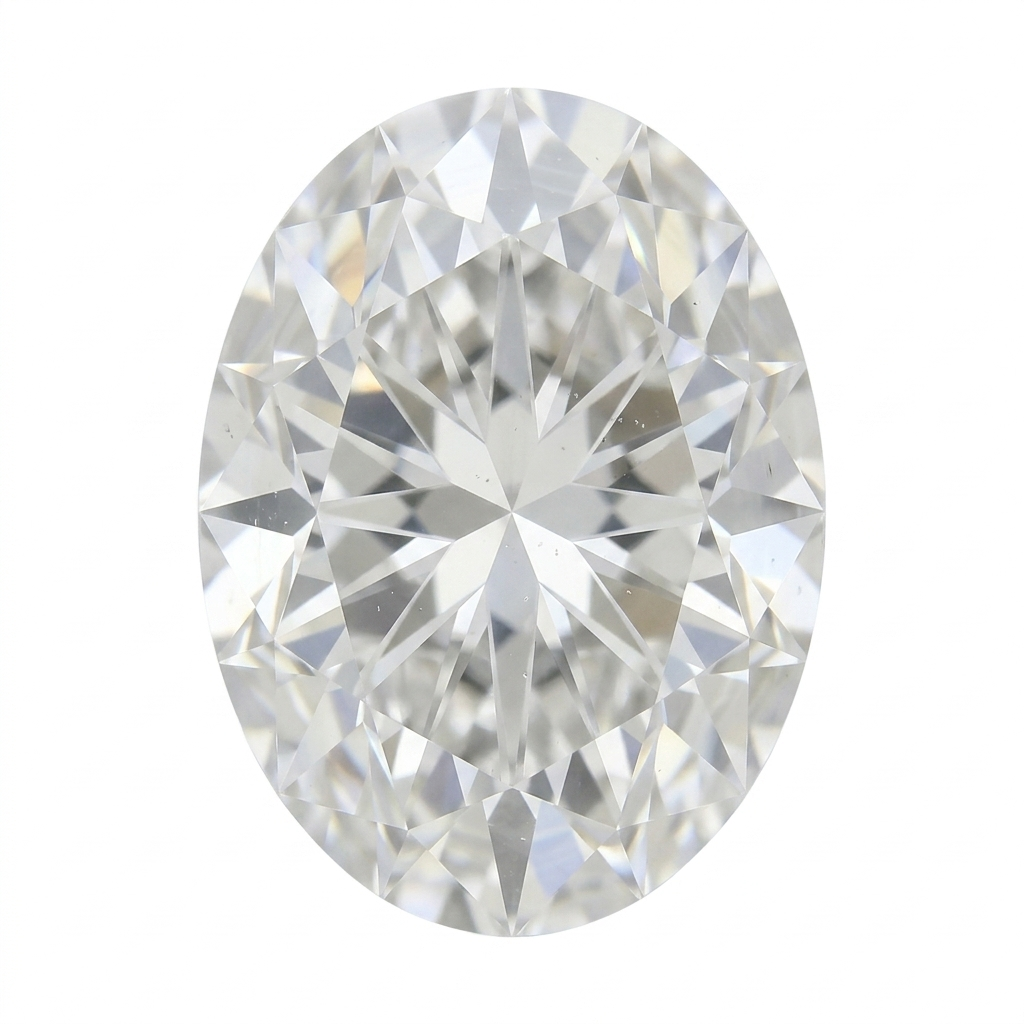 Natural Zircon
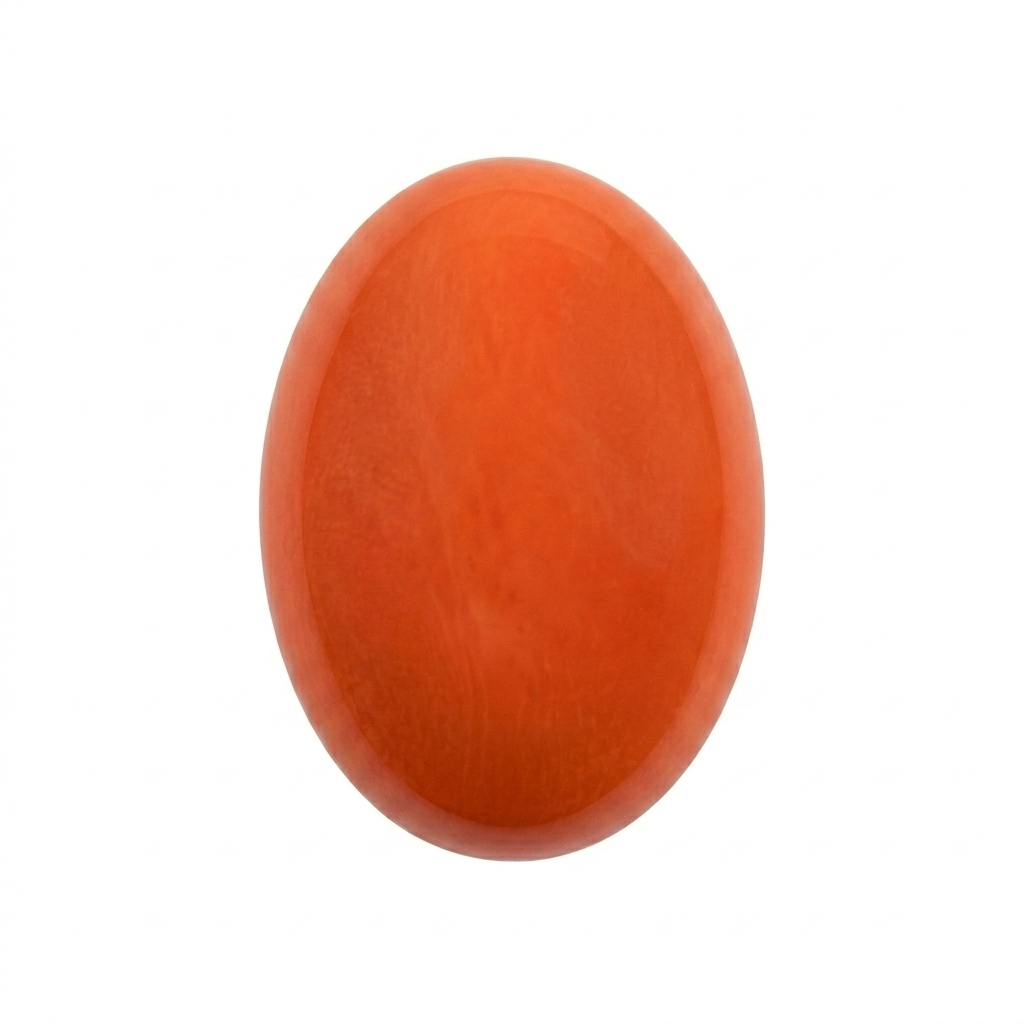 Orange Coral (मूंगा)
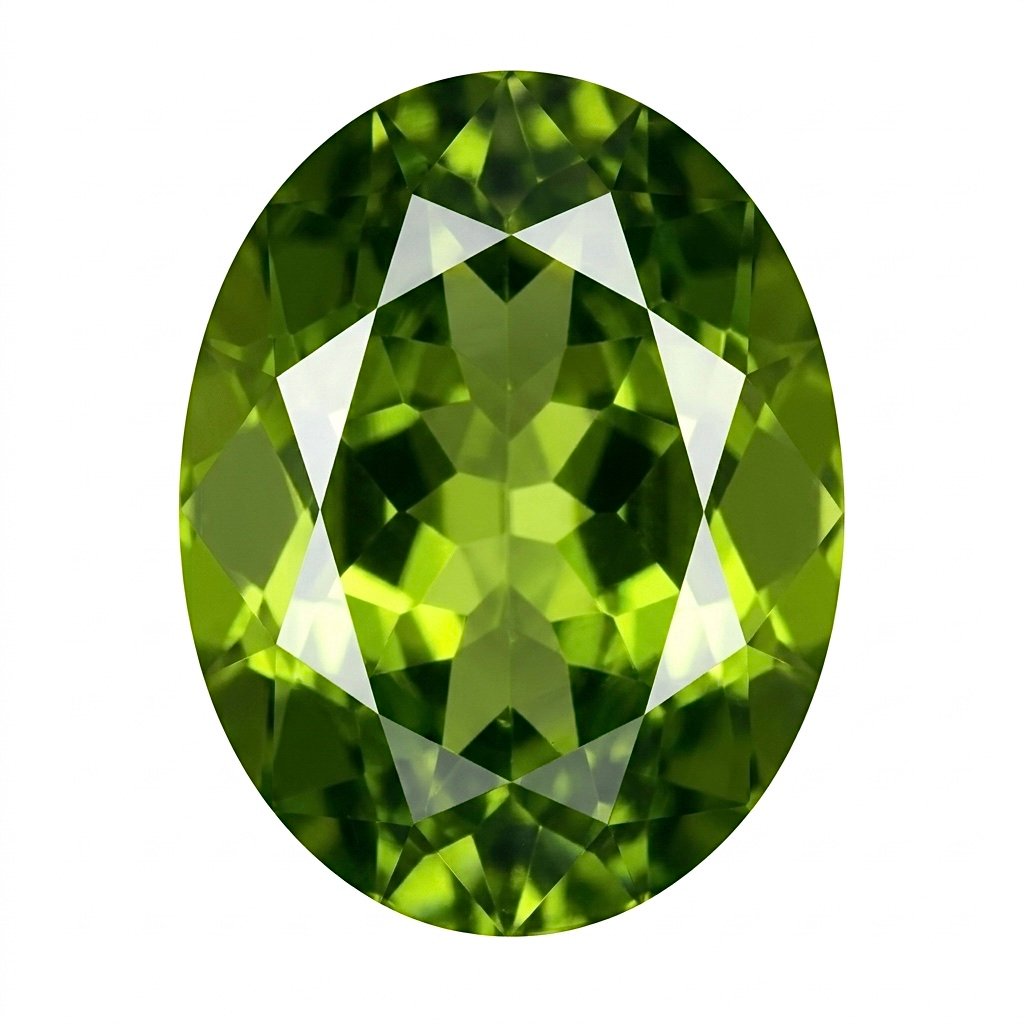 Peridot
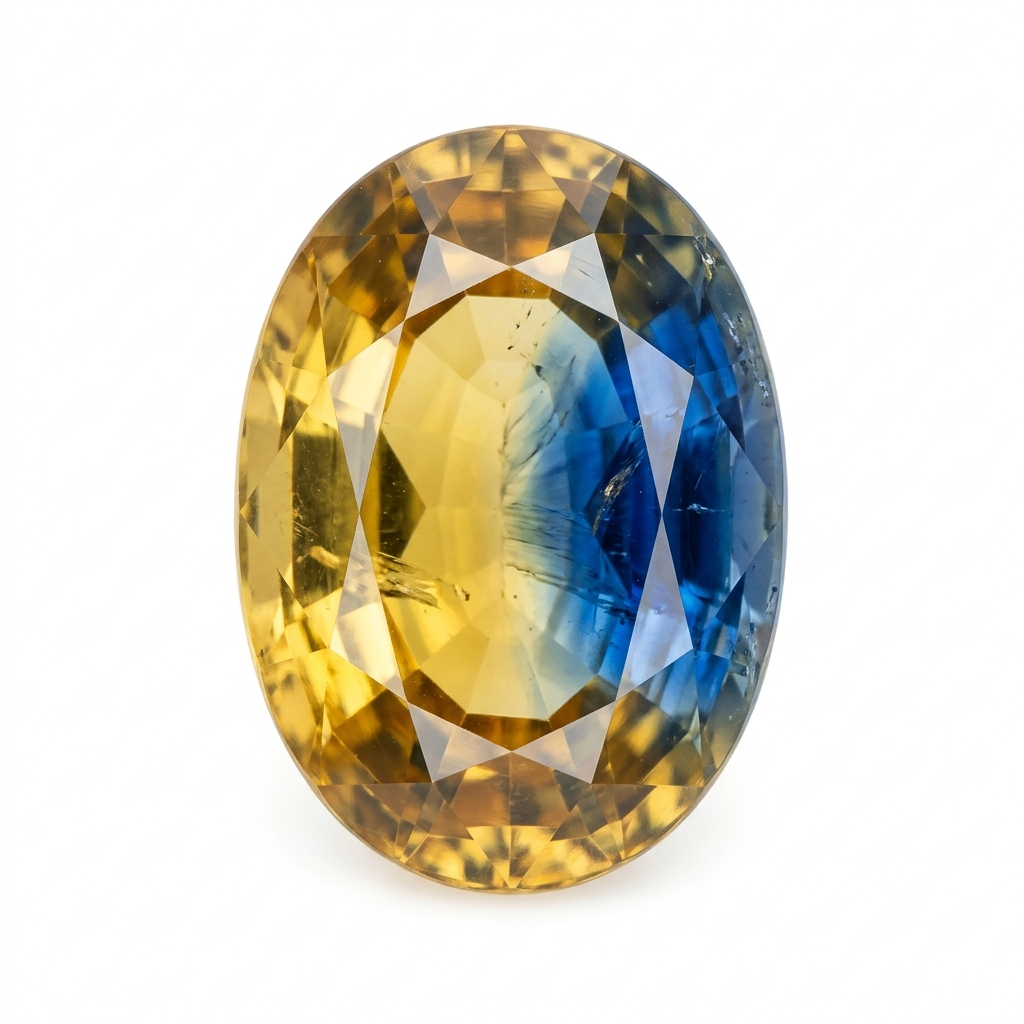 Pitambari
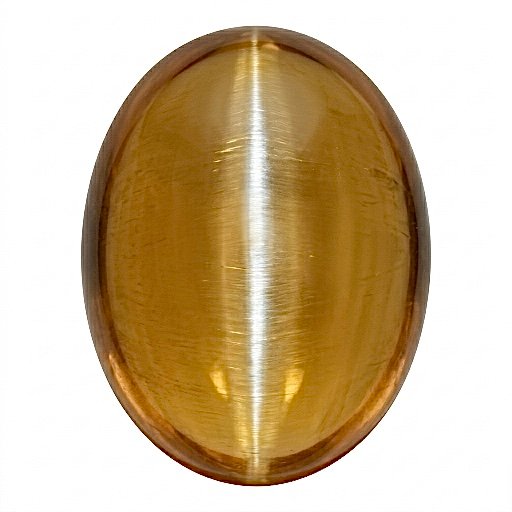 Quartz Catseye
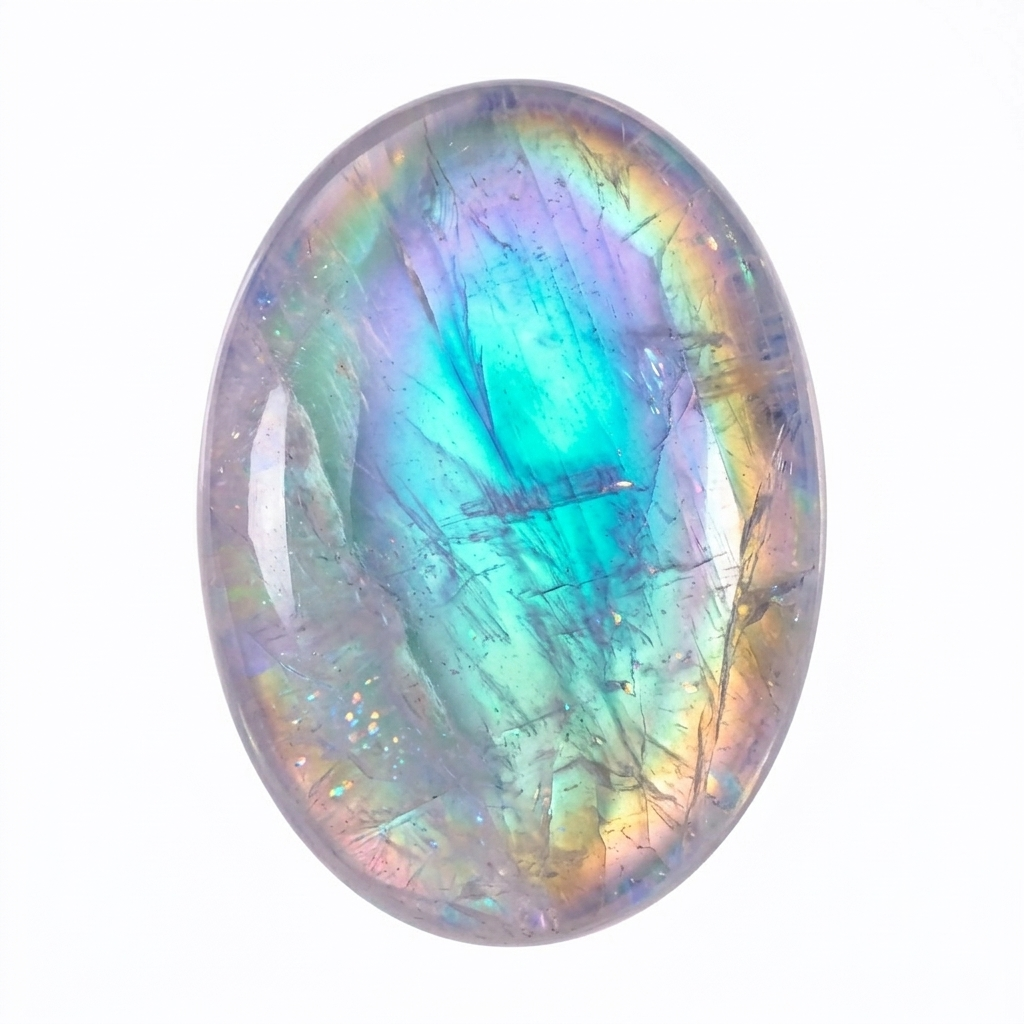 Rainbow Moonstone
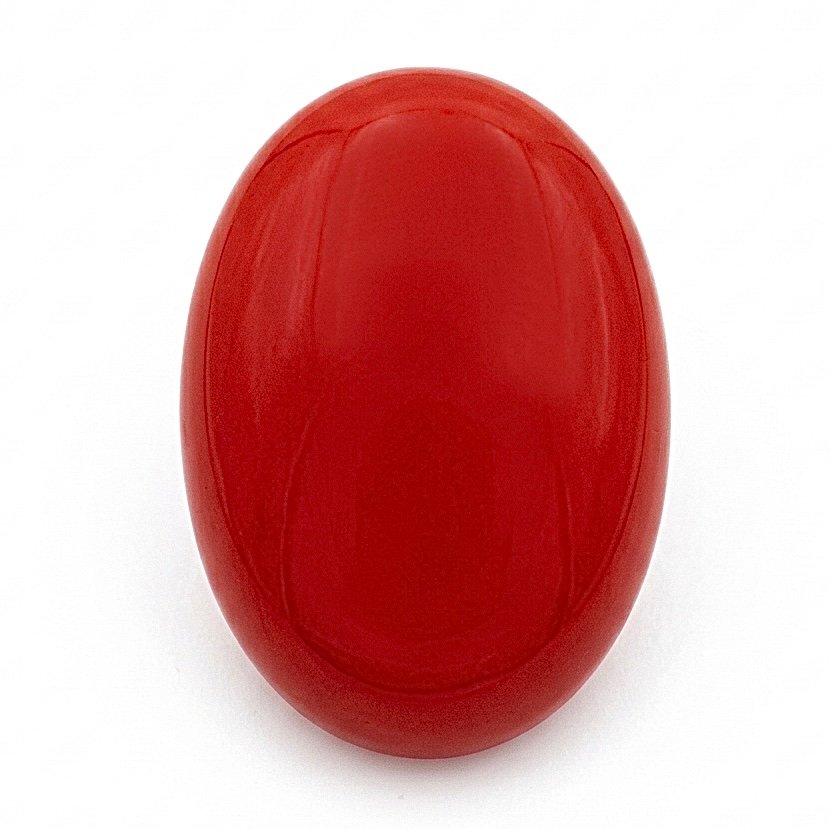 Red Coral (मूंगा)
 WHITE TOPAZ
 15 JAN
Australian opal is precious opal
from the outback fields of New South Wales, South Australia and Queensland,
valued for its play-of-colour. In India it is popular for two reasons. First,
it suits modern jewellery — pendants, rings and earrings with a distinctive
look. Second, in Jyotish it is commonly associated with Shukra (Venus) and is
often recommended as an alternative to diamond. That association is a
traditional belief, not a proven effect, but it drives a large share of Indian
demand.
The type of opal sets the price
bracket. Black opal is at the top, boulder and crystal opal in the middle, and
white opal is the most affordable. Doublets and triplets cost less than any
solid opal. Many listings in India simply say "Australian opal", so
always ask which type it is.
Solid opals in India are usually
priced per carat, and astrological opal is often quoted in ratti. Because
conventions differ (roughly 0.9 to 0.91 carat per ratti), check which one the
seller uses when comparing the Australian opal price in India across shops.
Brightness, colours, pattern and
body tone drive the price just as they do internationally. Import costs,
applicable GST, exchange rates and the seller's margins also feed into the
final price, which is why the Australian opal price in India for the same
quality can differ from city to city and from shop to shop.
|
|
|
Rare in the Indian market in
fine quality. Expect to pay the most, and insist on a lab report confirming it
is solid, natural black opal and not a doublet or treated stone.
The most widely sold type in
India and the most common choice for astrological use. Look for good brightness
and colour across the face.
Transparent to translucent with
colour floating inside. A good middle ground between price and visual impact.
Opal with its natural ironstone
backing. Distinctive and dramatic; less common in Indian astrological use but
popular in designer jewellery.
Check which colours appear and
whether they cover the whole face. Red and orange flashes are rarer and more
valuable.
Ask for a video in normal indoor
light, not only under a spotlight. Brightness should hold up in ordinary
conditions.
The most common problem in the
Indian market is a doublet, triplet, synthetic or Ethiopian opal described
simply as "Australian opal". Ask directly, and get the answer in
writing.
A report from a recognised
laboratory — GII, IGI, IIGJ or GIA — confirms whether the stone is natural
opal, whether it is solid or assembled, and whether it has been treated. Labs
may not always be able to confirm Australian origin, so read what the report
actually states. A certificate also makes comparison fairer: once two stones
are confirmed as solid, natural white opal of similar weight, the remaining
difference in Australian opal price in India comes down to brightness and
pattern, which you can judge on video. If you are buying for astrology, most
practitioners want a natural, solid opal, which makes certification even more
relevant.
|
Factor |
Online |
Offline (shop) |
|
Selection |
Wide range to compare |
Limited to stock in store |
|
Seeing colour play |
Video only |
In person, in different light |
|
Price comparison |
Easy across sellers |
Harder |
|
Verification |
Lab report + return policy |
Lab report + direct inspection |
|
Best for |
Informed buyers with clear
specs |
First-time opal buyers |
Many buyers combine both: they
shortlist and compare when they buy gemstones online, then visit a shop to see
the stone if possible. Either way, the documentation checks are the same.
Delhi has one of India's busiest
gemstone trades, which means plenty of choice and plenty of variation in
standards. A trustworthy certified gemstone shop in Delhi will:
• Have a physical address and a
track record you can check.
• State the opal type (solid,
boulder, doublet, triplet) on the bill.
• Provide lab reports from
recognised laboratories.
• Offer a clear return or exchange
policy.
• Answer questions without
pressure to buy immediately.
Gems N Diamond has operated from
Karol Bagh and Lajpat Nagar since 1972 and supplies certified gemstones in
Delhi as well as online through gemsndiamond.com. You can purchase gemstones
online there or visit either store to see the opal in person.
• Compare the Australian opal
price in India only between stones of the same type and similar brightness.
• Be wary of "black
opal" at white-opal prices — it is likely a doublet or treated stone.
• Ask whether the opal is
Australian or Ethiopian; both are natural but differ in properties and price.
• Do not rely on photos alone; ask
for video in normal light.
• Check that carat or ratti weight
matches the report.
• Treat claims of
"guaranteed" astrological results as marketing, not fact.
The Australian opal price in
India depends on the same quality factors as anywhere else, plus local costs
and a market where descriptions are not always precise. Ask what type of opal
it is, see it move on video, insist on a lab report for meaningful purchases,
and buy from a seller you can hold accountable.
Q What
is Australian opal price in India?
A It
varies widely by type and quality. White opal is the most affordable, crystal
and boulder opal sit in the middle, and fine black opal is the most expensive.
Doublets and triplets cost less than solid stones.
Q Why
does Australian opal cost differ between sellers?
A Differences
in opal type, brightness, colour, pattern and condition, plus whether the stone
is solid or assembled, certified or not, and each seller's import costs and
margins.
Q Where
can I buy Australian opal in India?
A From
established gemstone sellers who provide lab reports and clear policies, either
in major markets such as Delhi or through reputable online stores. Gems N
Diamond sells both in Delhi and at gemsndiamond.com.
Q Is
certification important when buying Australian opal?
A Yes,
especially for valuable or astrological stones. A lab report confirms natural
opal, solid versus assembled construction, and any treatment.
Q How
can I compare Australian opal prices in India?
A Compare
the same opal type and size, check per-carat or per-ratti rates using the same
conversion, watch videos in similar light, and confirm certification and return
terms.

Blue Sapphire (Neelam): Types, Colours, Origin, Quality and Complete Buying Guide

Yellow Sapphire (Pukhraj): Properties, Benefits, Types and Complete Buying Guide

Astro Gemstone Guide: How to Choose the Right Gemstone According to Your Birth Chart

Birthstones by Zodiac Signs: Complete Guide to Gemstones for All 12 Zodiac Signs

Japanese White Coral Stone: Origin, Properties, Astrology and Buying Guide

 Blue Sapphire
 Emerald (PANNA)
 Pink Sapphire
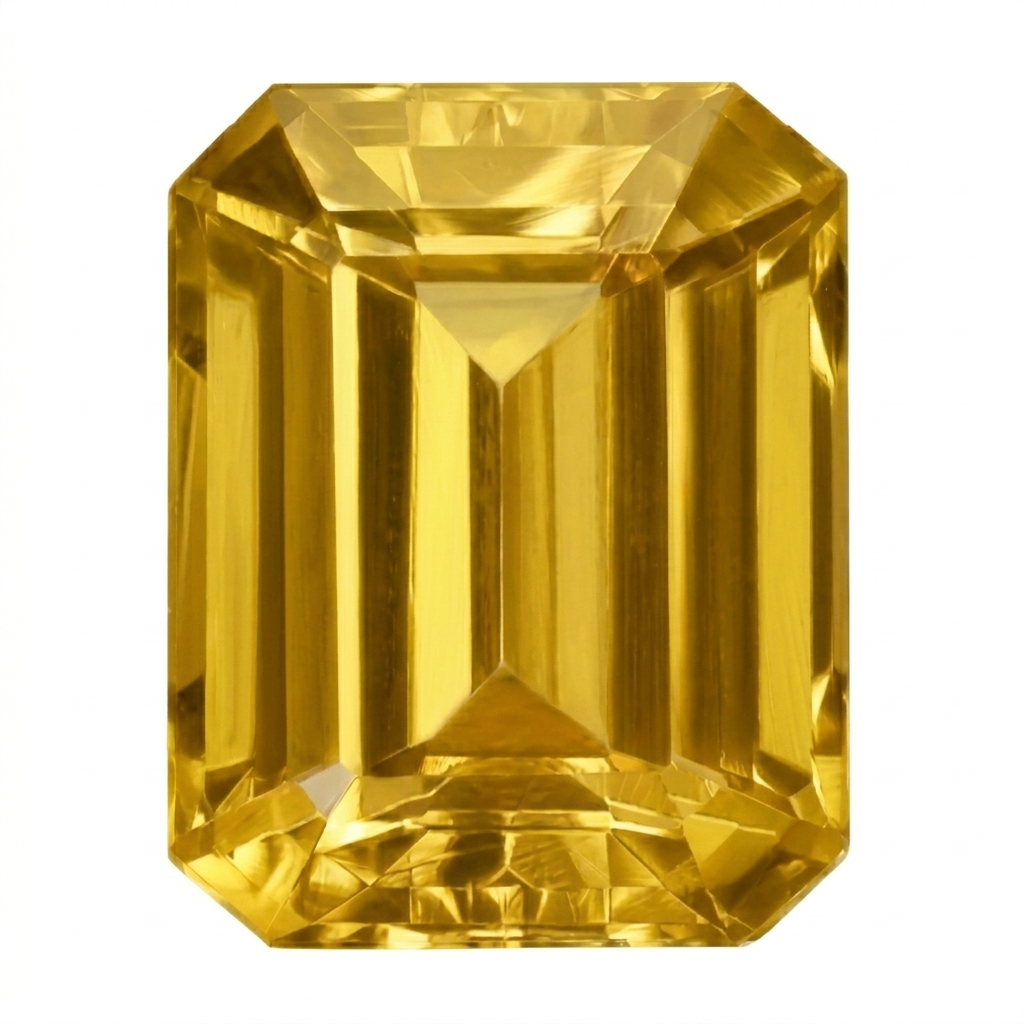 Yellow Sapphire
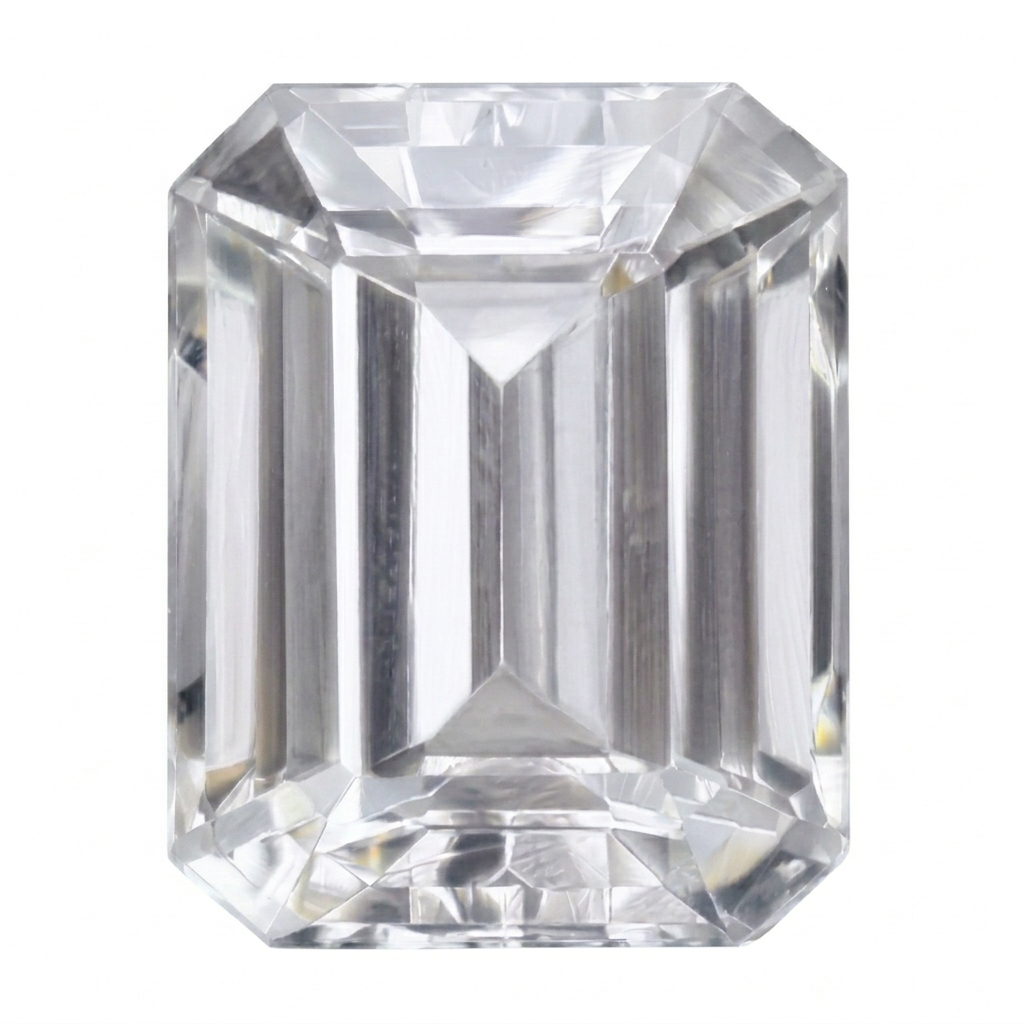 White Sapphire
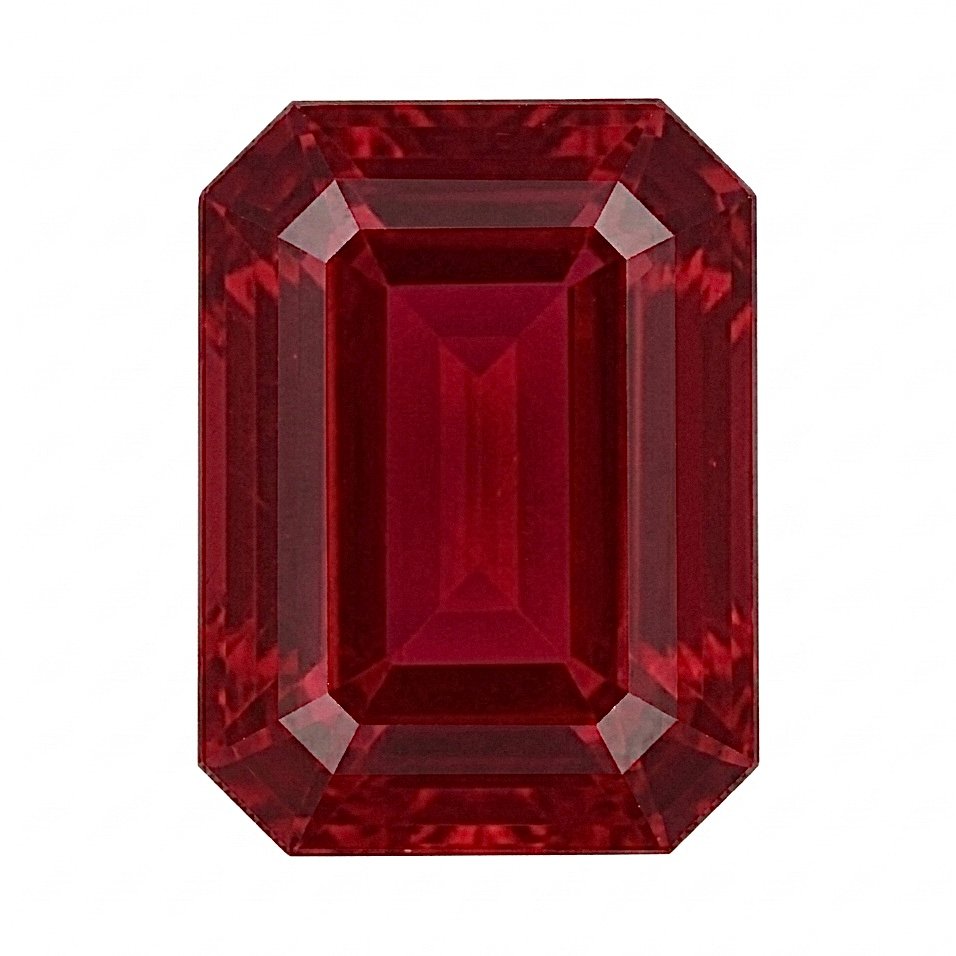 Ruby
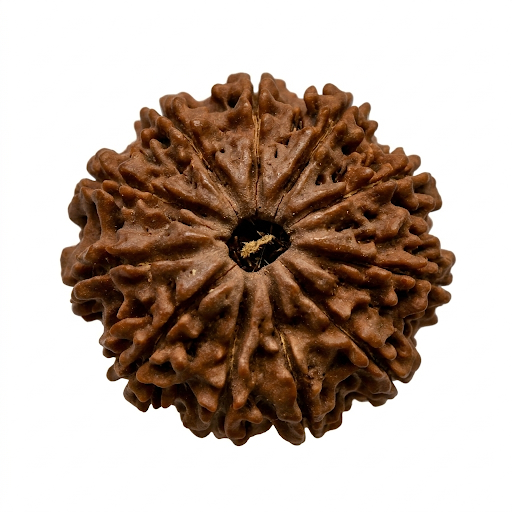 Rudraksha
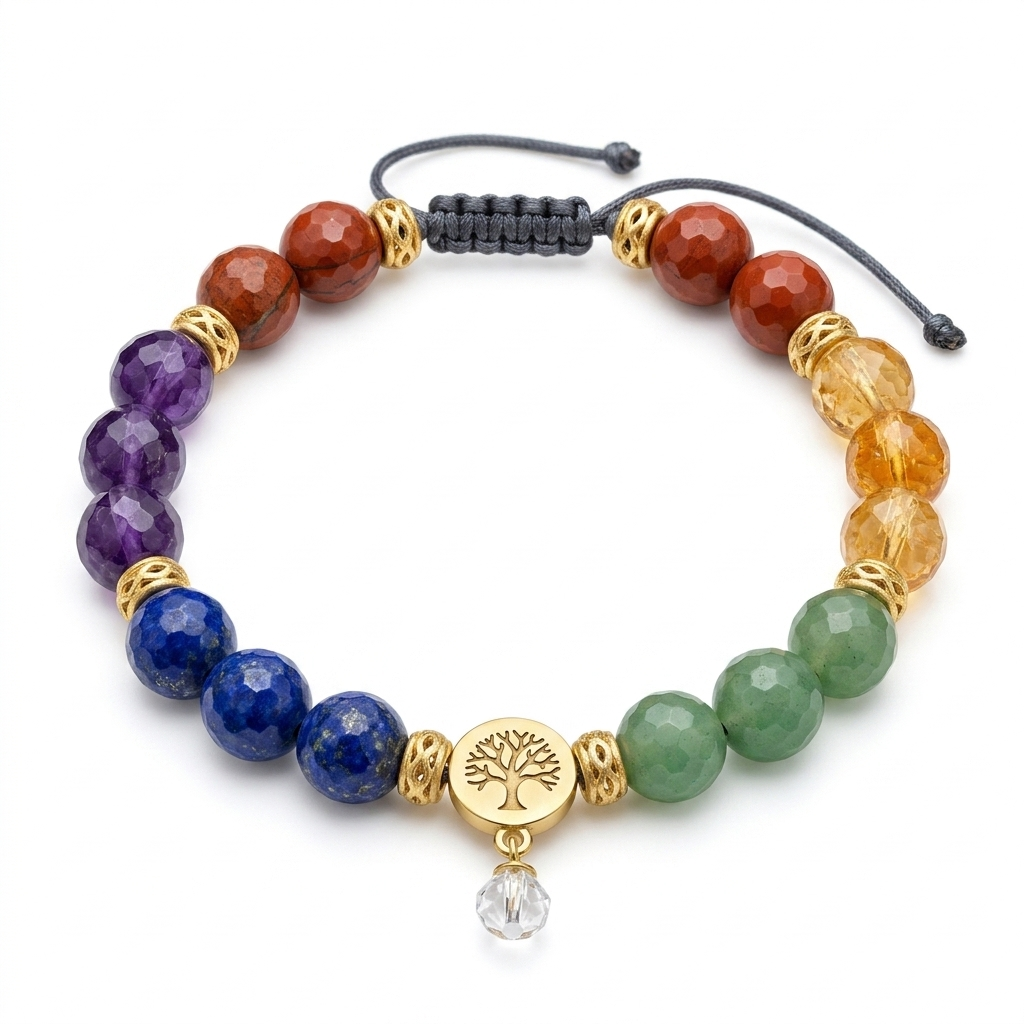 Bracelet
