
Gemstones | Buy Natural Gemstones Online at Best Prices
- Astrologically Verified Gemstones
- Premium Quality Gemstones
- Buy Natural Gemstones

[basel_button color=”primary” style=”round” size=”large” align=”center” title=”View Full List” link2=”url:https%3A%2F%2Fwww.gemsndiamond.com%2Fshop%2F|title:Shop”]

Emerald
This Gemstones aligns your spiritual, physical, mental, and emotional balances. Improves thinking abilities and better expression of thoughts.
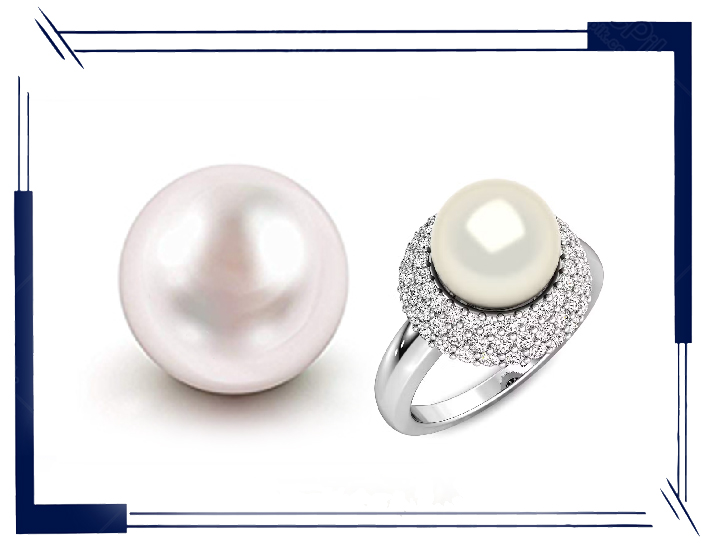
Pearl
Brings about an emotional balance to a strained mind. Eliminates the ill effects of the moon.
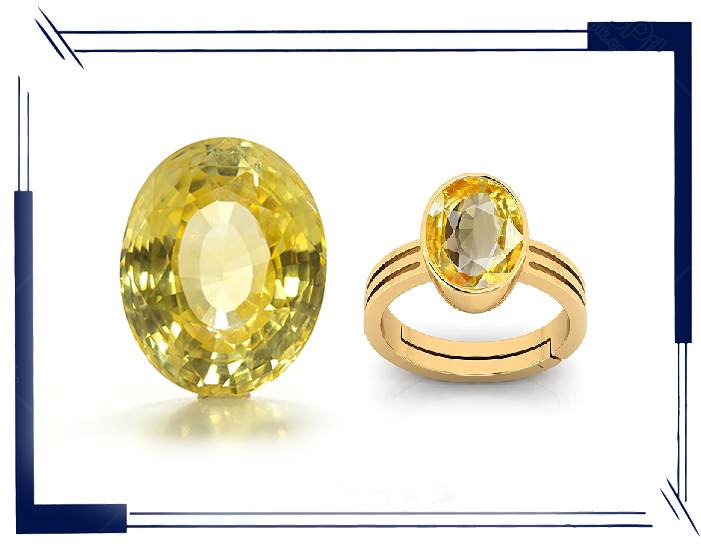
Yellow Sapphire
Improve financial status. Showers wealth, good health, fame, name, honor, and success.

Ruby
Clears Confusion, increases focus. Makes love relationship priceless with its Sun gifted powers.

Coral
Increased Confidence and Courage. The red coral gemstones is the symbol of the royal god of war, Mars.
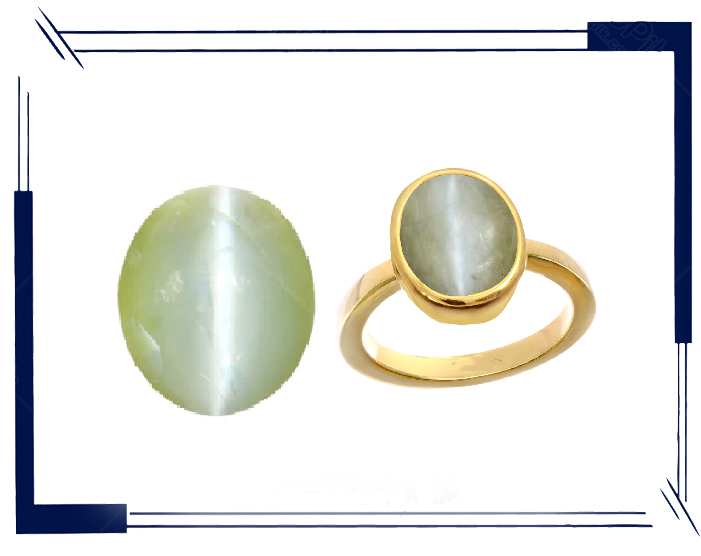
Catseye
Helps one to strengthen their physical weakness and mental imbalances and helps to restore memory.

Blue Sapphire
Helps improve focus and concentration. Protects against enemies, evil eye, jealousy, etc.

Hessonite
Neutralizes the evil effect of the Vedic planet Rahu and protects the wearer from negative vibes & energies.

FOR CUSTOMIZED / JEWELLRY ORDERS @ 20% IN ADVANCED & 80% ON DELIVERY (Conditions Applied for COD Orders)
New Arrivals
- 100% NATURAL & CERTIFIED


NATURAL YELLOW SAPPHIRE – 5.06CT
₹138500 Inc. GST

NATURAL YELLOW SAPPHIRE – 5.17CT
₹104500 Inc. GST

NATURAL YELLOW SAPPHIRE – 5.40CT
₹109500 Inc. GST


Direct From Source | 100% Natural | Certified
We sell 100% natural (untreated, unheated, chemical treatment free) and certified gems at a very reasonable cost. Because we
Buy all astrological and healing gemstones directly from mines, gem-cutters, and polishers.
Powered By Unwavering Client Trust.


 Saloni Rathore31/10/2022Thank you Mr charandeep singh ji for such beautiful and genuine gem stone highly recommended this placerekha rawat21/10/2022Very good service and very good quality of stones.Manjari Bhagat18/10/2022Best quality rings, trustworthy, looks amazing.👌👌 Thank you so much 🙏🙏🙏🙏🙏Manjari Kumari12/10/2022Super quality rings amazingly good, trustworthy 👌👌. Thankyou so much🙏Durjoy Gupta02/10/2022Simply outstanding, reliable and genuine. Recommend definitely ! We plan to get our Son’s wedding rings from Mr. Singh in the future. Thank you very much for such great service.Muskan Sethi24/09/2022Very beautiful and value for money jewellery.Atul Verma13/09/2022Excellent... associated with them since 2007..found genuine people and their products. Keep it upRavi ranjan singh27/07/2022Deepak Arora23/07/2022Very clear and straight forward. Pleasant experience to deal with. Thank you Amarjit bhai🙏🏽Varun Marwaha21/07/2022Great quality of gems and jewelry design , have been visiting the place for the last 10 years and have never been disappointed . Had purchased a diamond ring almost 7 years back which still shine as new and have bought gemstone which can be trusted. Highly recommend them for their quality and price